







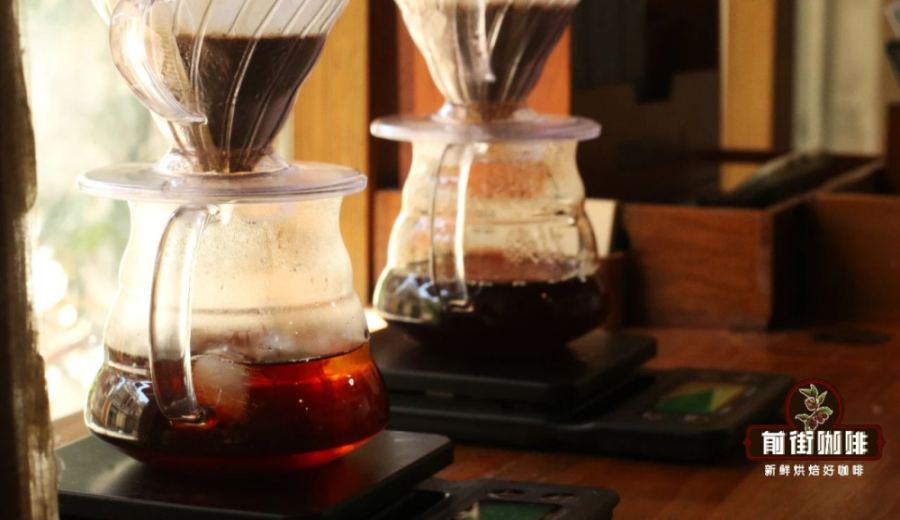
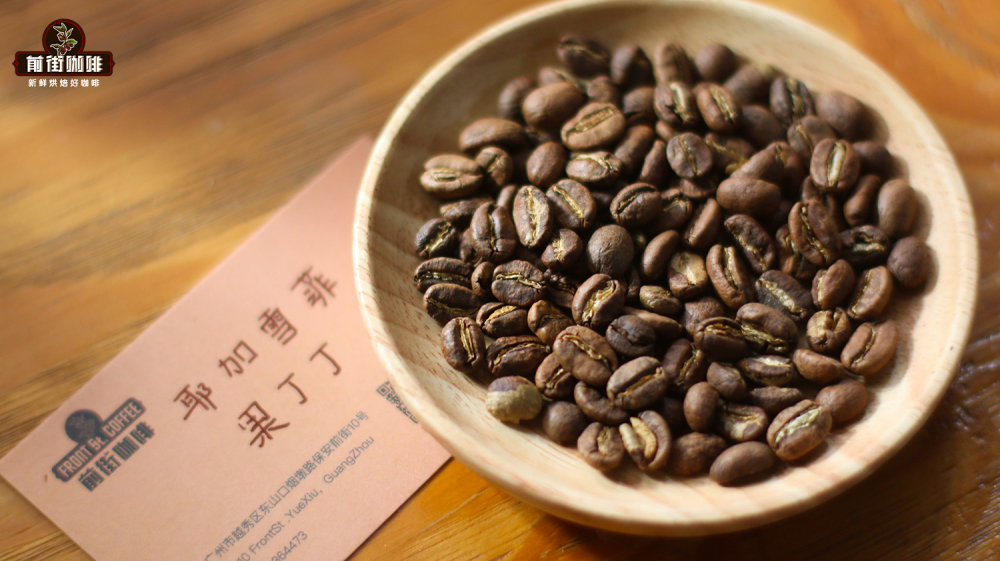
Introduction:The charm of pour over coffee lies in how adjusting water temperature, grind size, and pouring techniques can reveal different flavor layers from the same coffee beans. This article takes Ethiopia Yirgacheffe Washed Guji Dingding as an example to deeply analyze the key parameter differences between light roast and medium-dark roast coffee beans—from the golden powder-to-water ratio of 1:12 to 1:15, the grind standard of 70%-80% through a #20 sieve, to the bright acidity of high-temperature brewing (90°C) for light roasts and the rich balance of low-temperature extraction (85-88°C) for dark roasts. Alongside a comparison of three techniques—single-pour, three-pour, and stirring—we’ll guide you to precisely master the art of variable control in pour over brewing.
The Variability and Scientific Basis of Pour Over Coffee
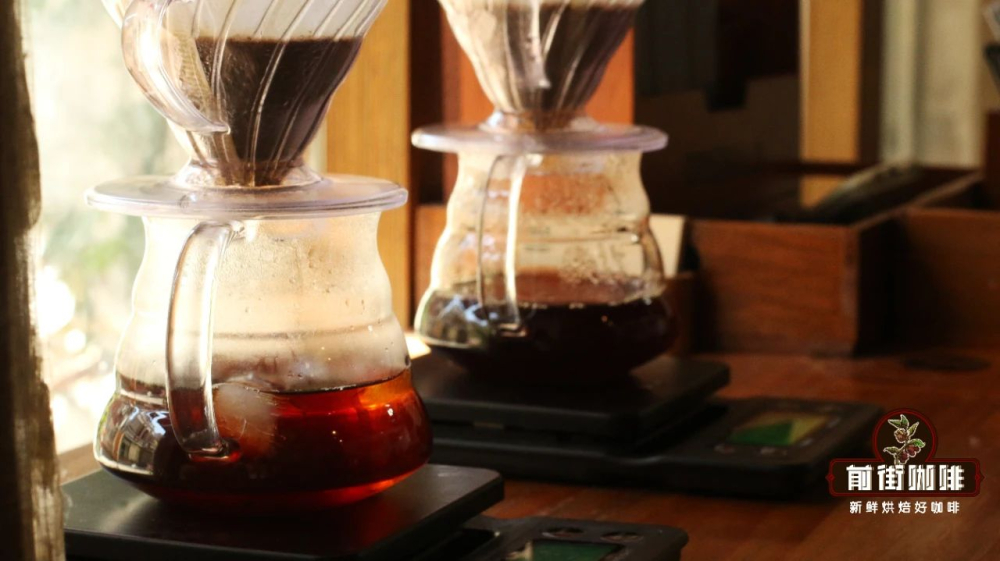
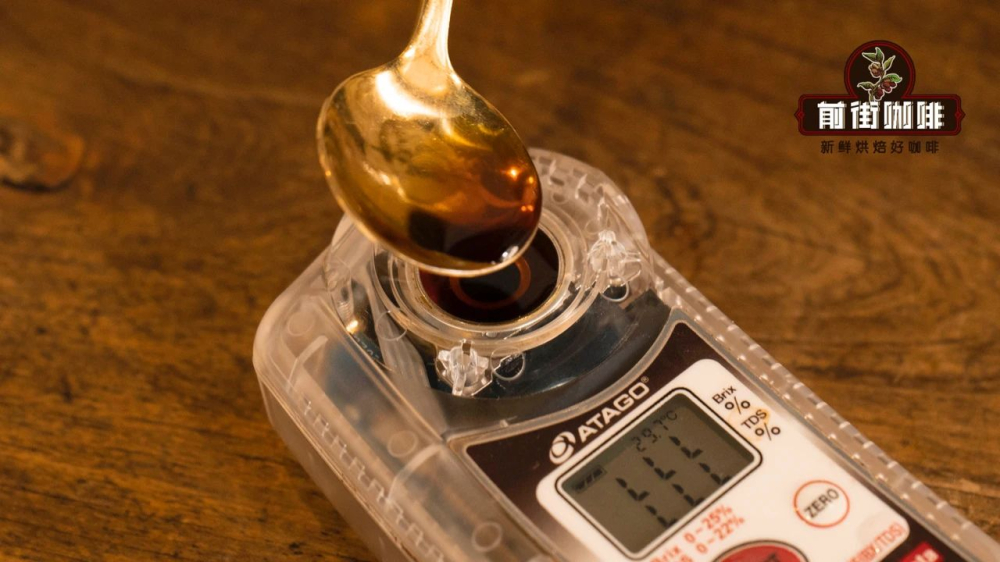
The allure of pour over coffee lies in how simply adjusting water temperature, grind size, or pouring rhythm can significantly alter the coffee’s flavor. This playability stems from the roughly 30% soluble substances in coffee beans—but not all extracted compounds are desirable. The Specialty Coffee Association of America (SCAA) defines the “Golden Cup Standard,” which states that the optimal extraction yield should fall within 18%-22%, corresponding to a total dissolved solids (TDS) concentration of 1.2%-1.45% in drip coffee. In practice, it’s recommended to control the powder-to-water ratio between 1:12 and 1:15—for example, 15 grams of coffee to 180-225 milliliters of water—ensuring flavor complexity without excessive dilution.
The Art of Balancing Powder-to-Water Ratio and Concentration
When the powder-to-water ratio is below 1:10, the overly high extraction rate causes excessive extraction of bitter substances (as seen in the test where Yirgacheffe Guji Dingding brewed at 1:10 had a TDS value nearly double the standard). Meanwhile, ratios above 1:15, though reducing concentration, may sacrifice flavor richness. At home, there’s no need for professional TDS-measuring tools—you can judge by taste: the ideal state should have clear acidity, sweetness, and pleasant body, avoiding off-flavors like sharp sourness or cardboard notes.
The Synergistic Relationship Between Grind Size and Roast Level
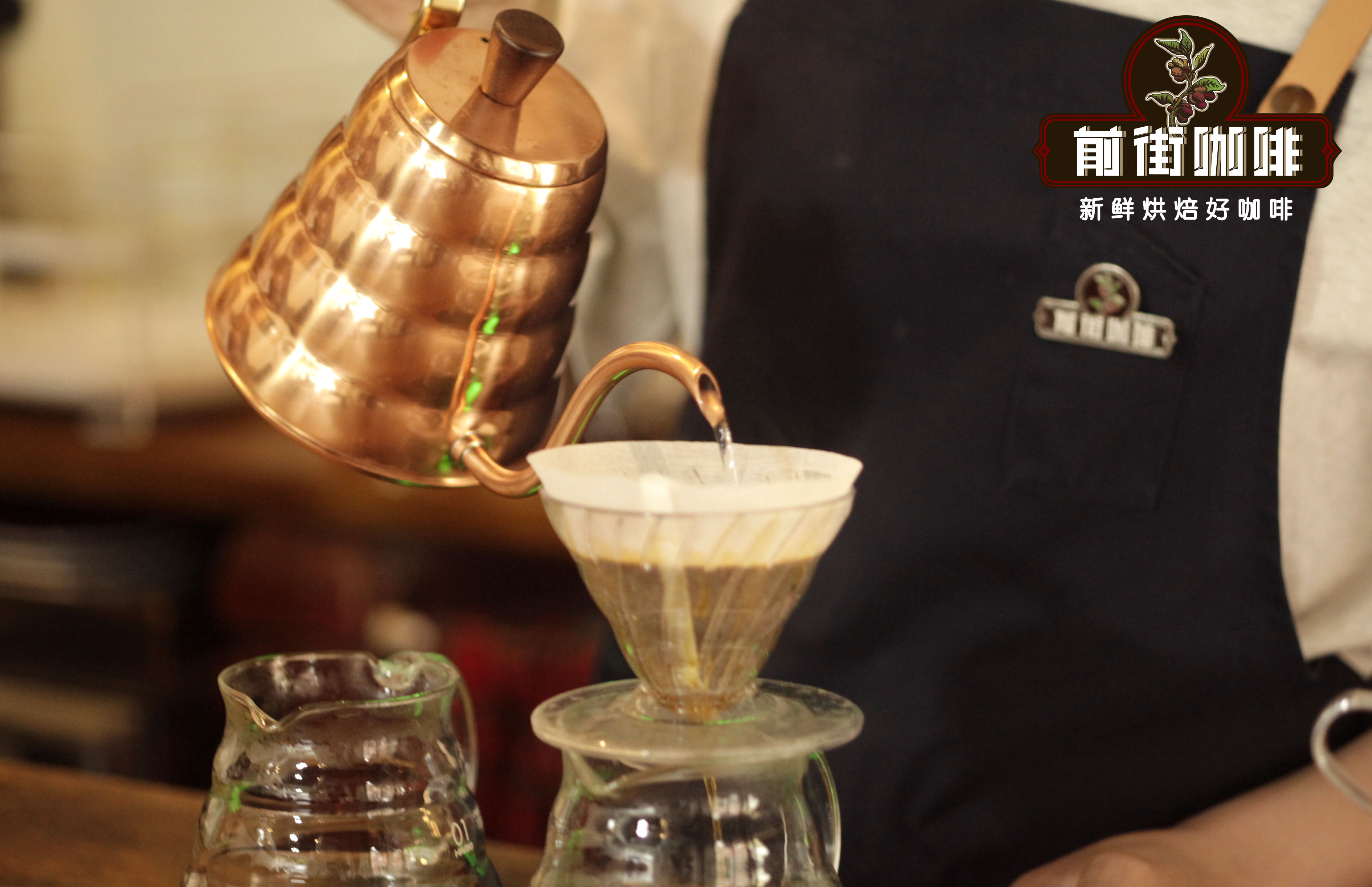
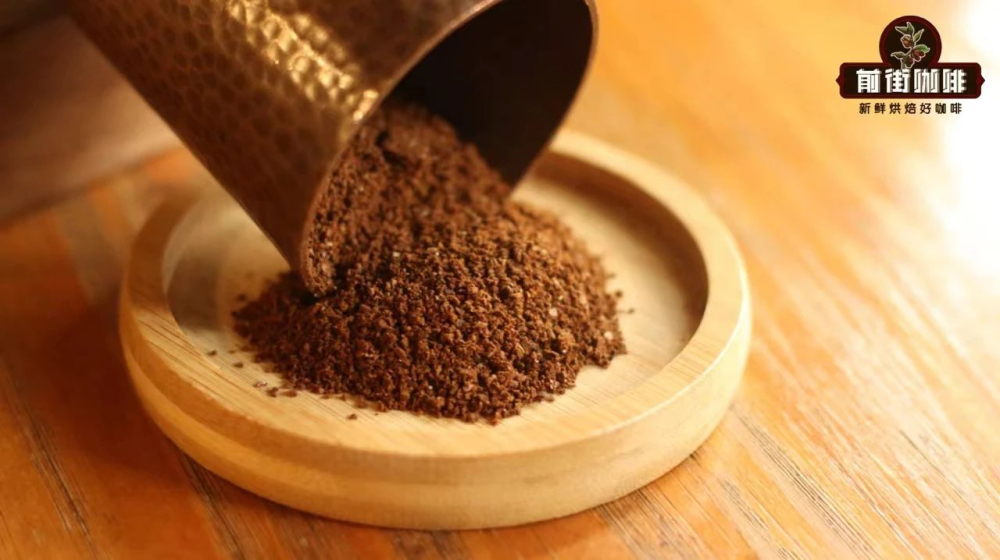
Grind coarseness directly affects water flow speed and extraction efficiency. According to the #20 sieve standard, it’s recommended to use an 80% pass rate (close to the texture of fine sugar) for light roasts, ensuring enough surface area to release floral and fruity notes; dark roasts should be ground coarser, to a 70% pass rate, as their loose structure is prone to over-extraction. Note especially that when using fast-flowing V60 filters for dark roasts, you should also adjust to a coarser grind to avoid under-extraction, while brewing light roasts can benefit from slower-flowing fan-shaped filters to enhance immersion.
The Critical Impact of Water Temperature on Flavor Extraction
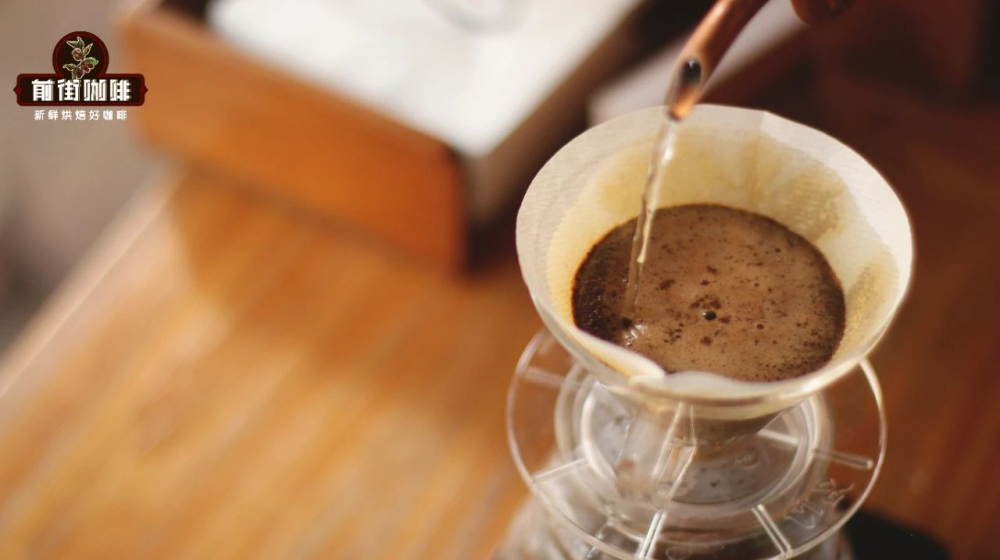
The SCA recommends a high temperature of 90-91°C for light roasts to accelerate the release of aromatic compounds, particularly suited for Yirgacheffe with its emphasis on citrus and floral notes. Medium-dark roasts (like Golden Mandheling) should be lowered to 85-88°C to prevent high temperatures from bringing out excessive burnt or bitter flavors. Practical tests show that the same dark roast at 90°C can exhibit a heavy, espresso-like mouthfeel, while 88°C highlights nutty and chocolatey aftertastes. For specially processed beans like Yirgacheffe Washed Guji Dingding, a medium-light roast brewed at 90°C can balance bright fruity acidity with a rich base.
Controlling Extraction Time and Technique Variables
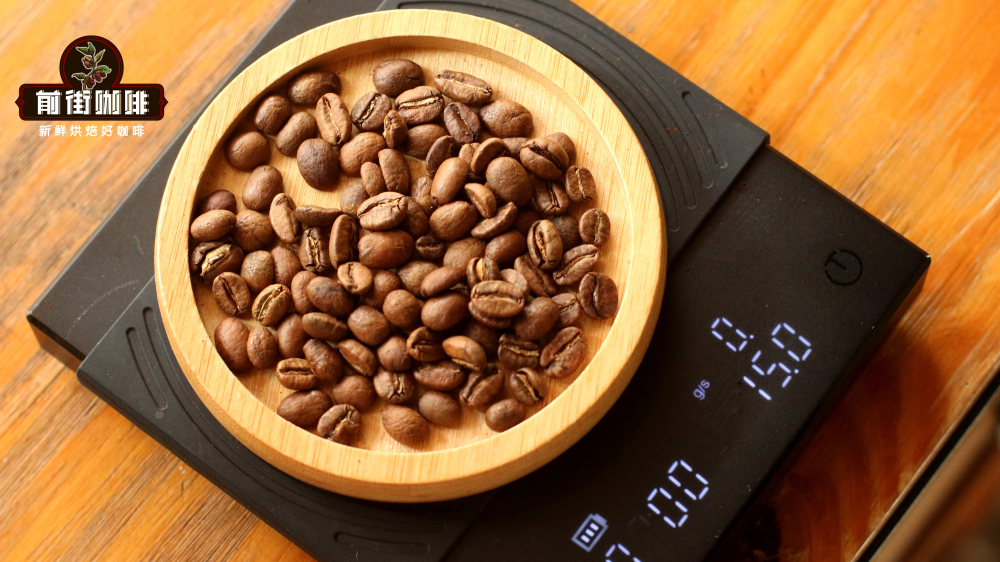
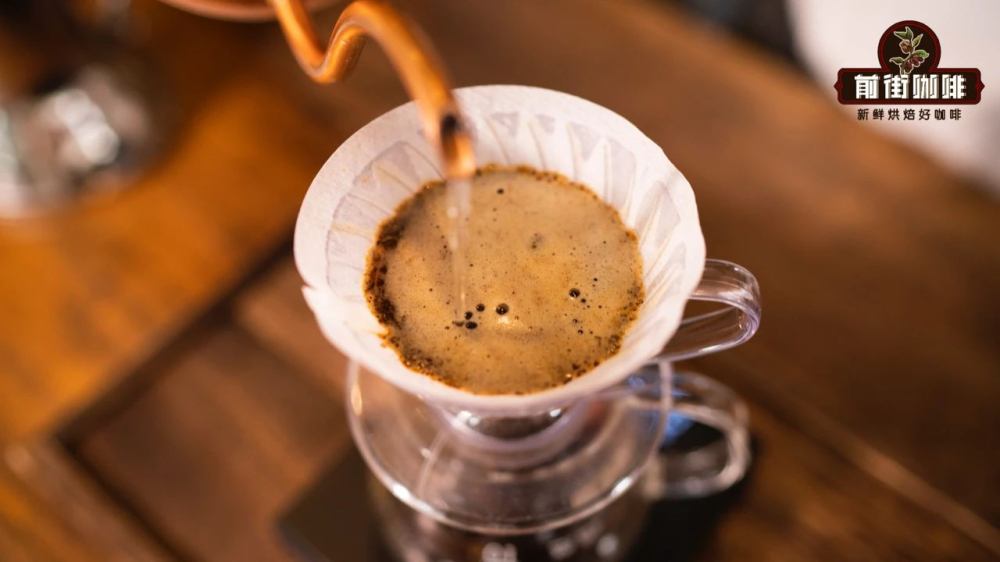
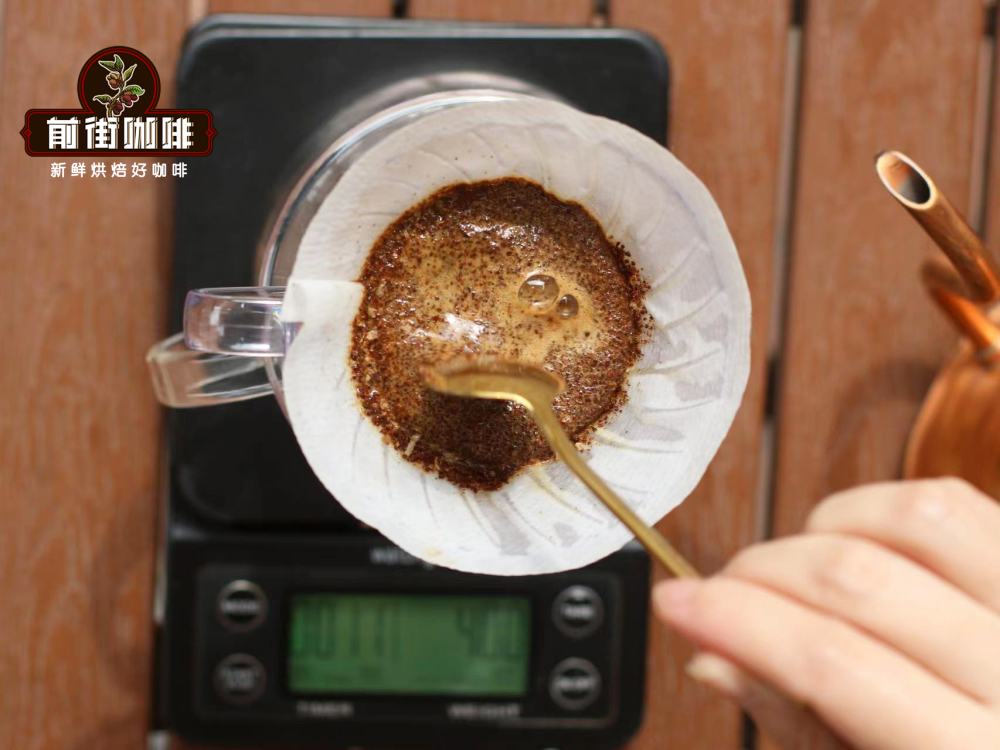
For a standard 15-gram dose with a 1:15 powder-to-water ratio, it’s advised to aim for a total extraction time of 2 to 2 minutes 30 seconds. Initial fast pouring brings out bright acidity, while slowing down later helps stabilize the mouthfeel. Common mistakes include pouring too high, which causes the water stream to disturb the coffee bed, or insufficient blooming time (30 seconds with 30 grams of water is recommended) affecting even extraction. Observing the filter’s drainage speed can serve as an adjustment guide: if the flow is too fast and accompanied by sharp acidity, try a finer grind or lower water temperature; if off-flavors appear in the final drops, over-extraction may be the issue.
Flavor Differences Among Classic Pour Over Techniques
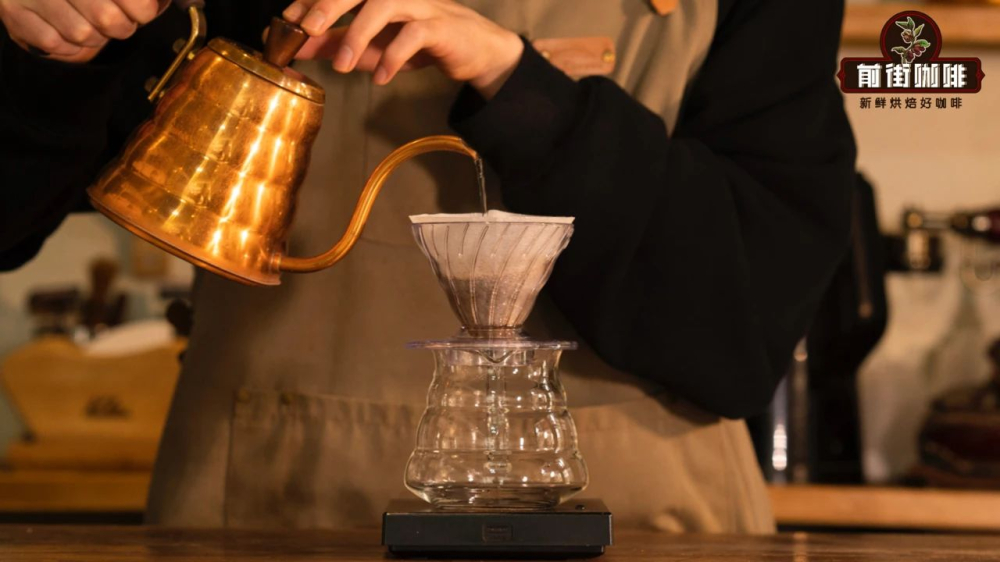
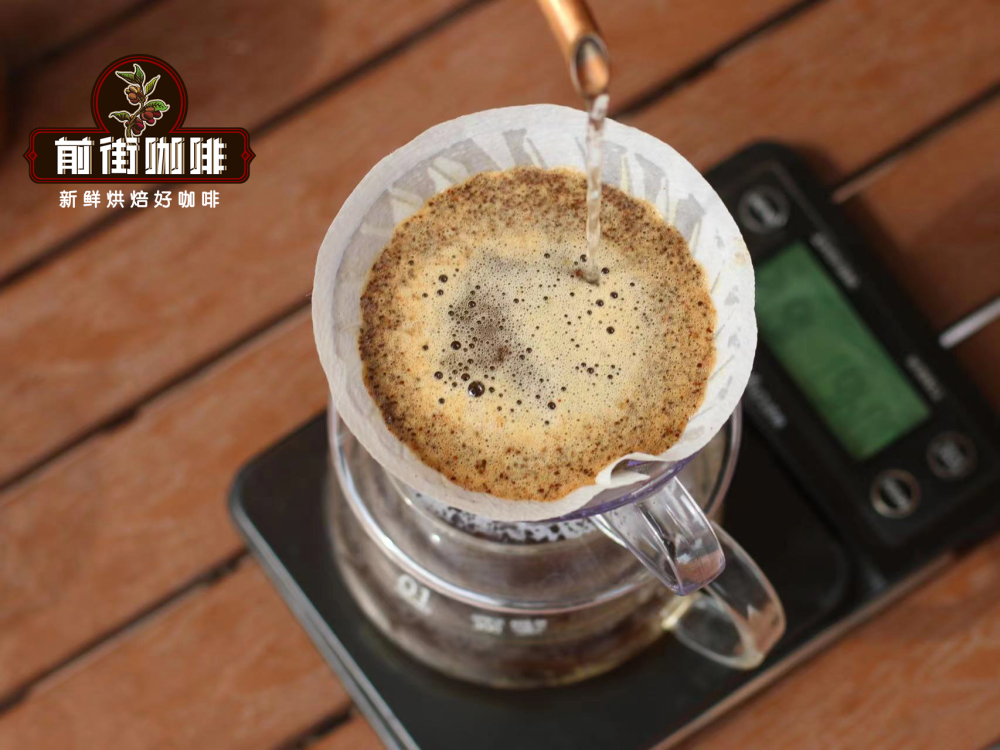
Single-Pour TechniqueUsing a single continuous pour (example parameters: 90°C water temperature / 80% grind size / 225 grams total water), the extraction is completed in 1 minute 50 seconds. The flavor profile features a pronounced tea-like body and bright acidity, but with relatively limited layers.Three-Pour Technique(divided into 125 grams + 100 grams pours) controls the extraction rhythm through segmented pouring. Under the same conditions, this extends the brew time to 2 minutes, significantly enhancing the transition of citrus, black tea, and caramel layers, with a more lingering aftertaste.Stirring TechniqueAdds a cross-stir (45 grams of water + circular motion) during the blooming phase, followed by spiral pouring to 225 grams. Brewing for 2 minutes can amplify citrus and almond aromas, but be cautious—as overly vigorous stirring may introduce harsh, sour bitterness. This method is recommended only for high-quality light roasts.
Targeted Parameters for Light and Medium-Dark Roasts
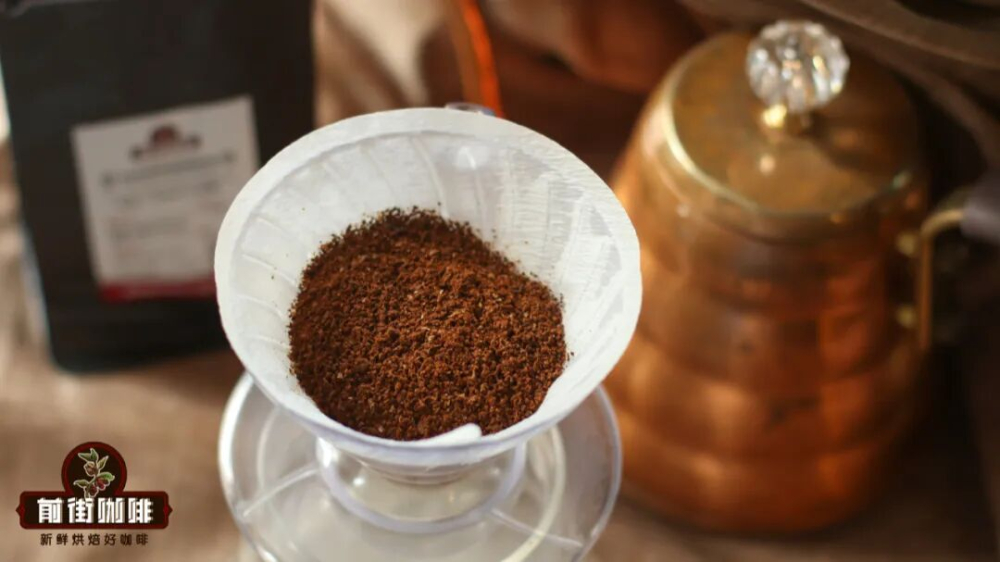
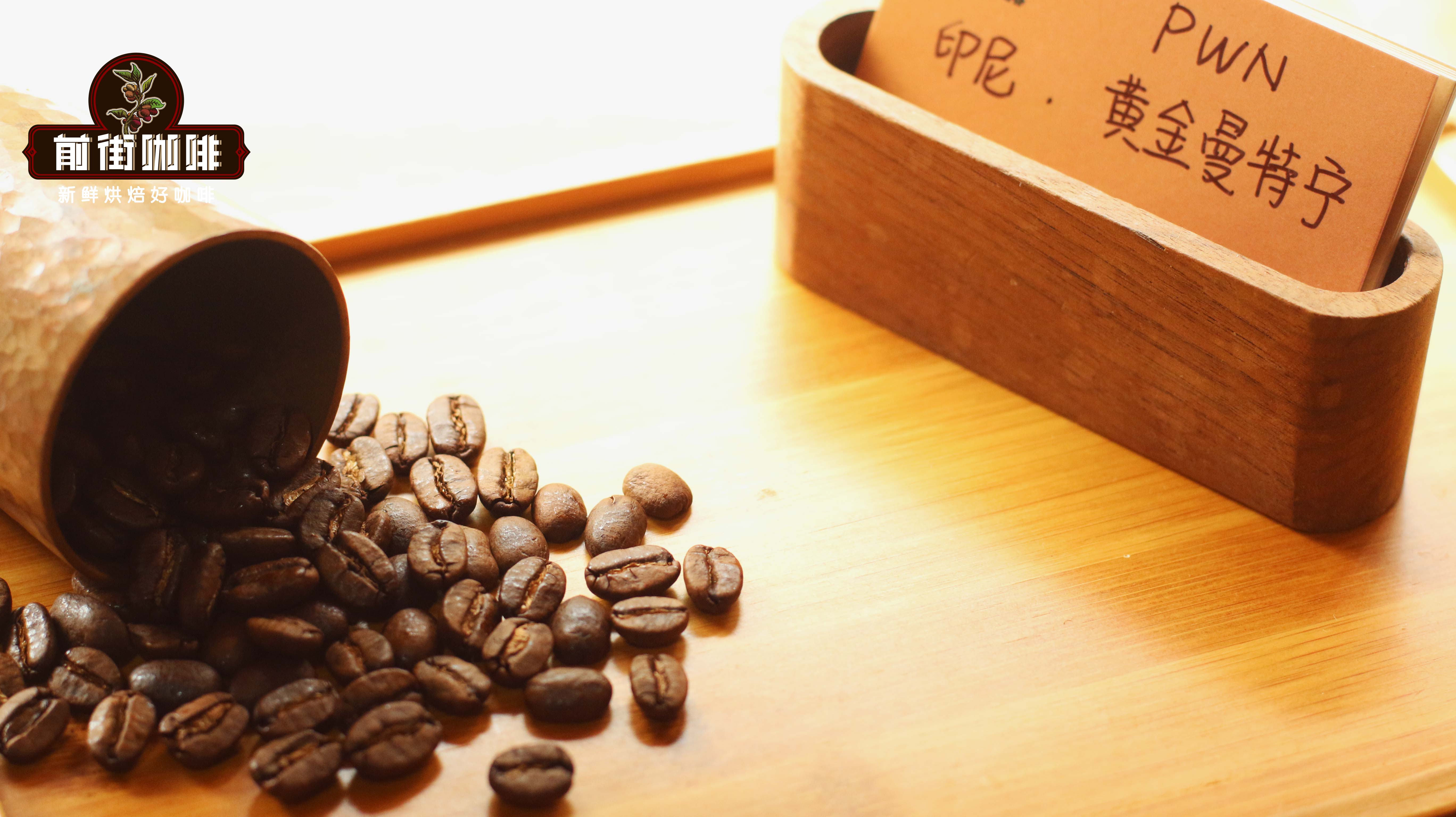
For high-altitude light roasts like Yirgacheffe, it’s recommended to use a V60 filter with 90°C water temperature and a fine grind, utilizing fast water flow to highlight white floral and citrus notes. Meanwhile, medium-dark roasted Golden Mandheling suits a Kono filter, with 88°C water and a 70% grind size. A segmented pour (30 grams bloom → 125 grams → 225 grams) enhances nutty, spicy, and chocolate flavors, while retaining a lasting caramel sweetness in the finish. For specially processed Yirgacheffe Washed Guji Dingding—a medium-light roast—balancing acidity and body is key, and its white floral and citrus foundation performs exceptionally well within the 85-90°C water temperature range.
The above content is compiled by CoffeeHunters, a coffee news website.


