







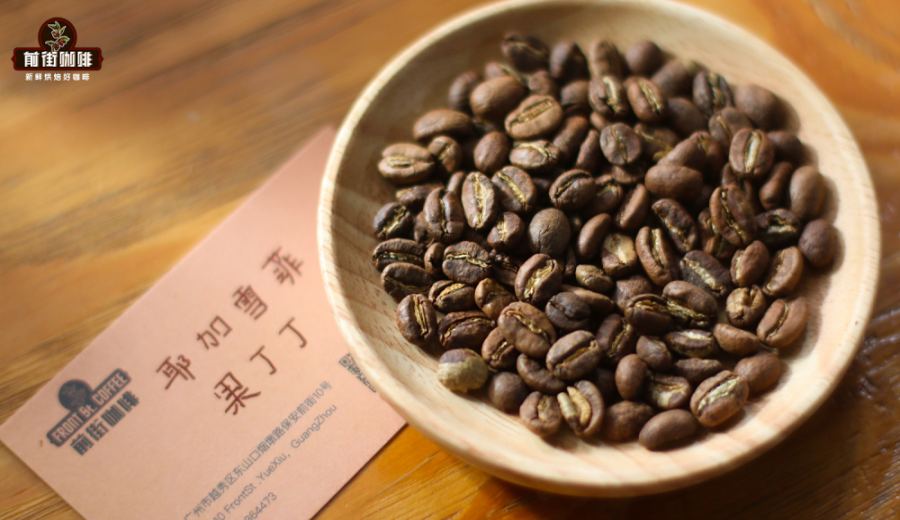
Introduction:Pour-over coffee stands out as the preferred choice for many coffee enthusiasts due to its high operational flexibility and distinct flavor layers. However, brewing a clean and non-astringent cup hinges crucially on selecting the right coffee beans. Light-roast beans, with their shorter roasting time, preserve more fruity acidity and delicate aromas while also offering easier control over extraction balance—making them especially ideal for beginners new to pour-over. This article will explore the characteristics of light-roast beans and recommend five high-quality single-origin beans with vivid flavors that are easy to handle, helping you effortlessly find your personal starting point in pour-over flavor exploration.
Among various coffee brewing methods, pour-over has become the favorite of home coffee lovers thanks to its simple equipment and high adjustability. But many beginners often face one common issue: why does their brewed coffee always turn out bitter or bland? The key reason often directly relates to the roast level of the coffee beans used.
In fact, the roast degree of coffee beans significantly impacts the final flavor profile. Light roasts, with their gentler heat and shorter duration, retain more of the beans’ original fruit acidity, floral notes, and sweetness, resulting in an overall brighter and livelier taste. In contrast, dark roasts amplify intense flavors like caramel and chocolate but tend to obscure nuanced details and carry a higher risk of over-extraction bitterness. Therefore, if you want to experience the intricate and varied layers of pour-over coffee, light-roast beans offer a more beginner-friendly starting point.
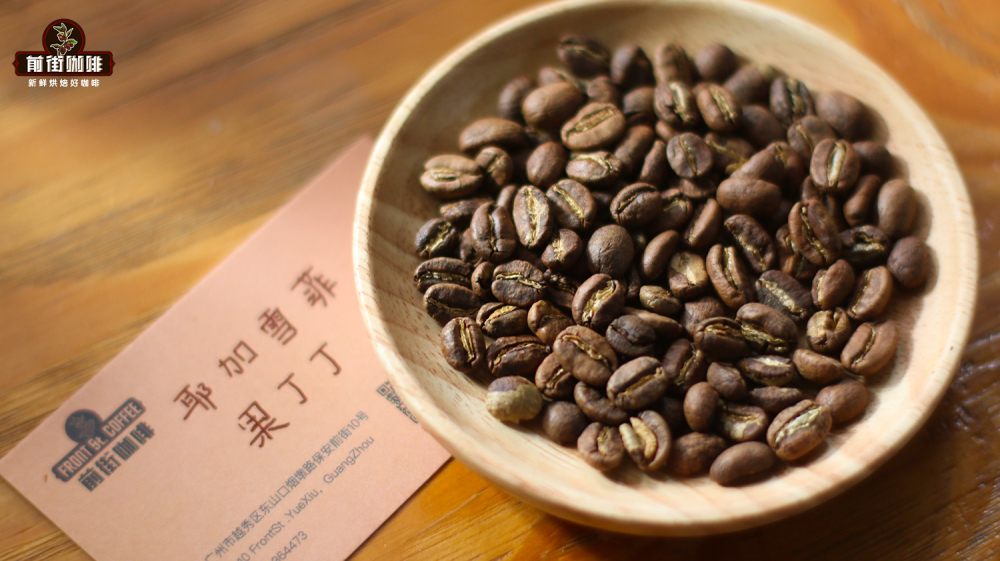
Take Ethiopia’s Yirgacheffe region as an example—the classic Guji variety is one of the standout representatives of light-roast beans.This bean is processed using the natural (sun-dried) method, highlighting bright citrus tones paired with blueberry-like fruity aromas and honey sweetness.The finish also delivers a refreshing aftertaste reminiscent of green tea. With lively yet non-harsh acidity, it’s best brewed with medium-fine to fine water flow and a slightly lower coffee-to-water ratio (such as 1:15) to accentuate its refined flavors.
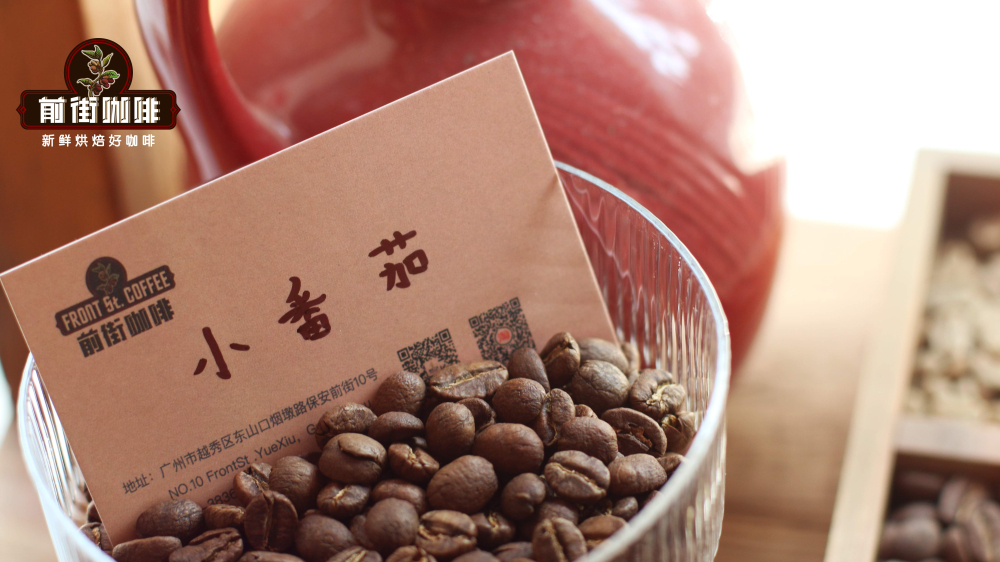
Another worth-trying option is Kenya’s “little tomato” bean—an oddly named variety with surprisingly pleasing flavor notes.It features the bright acidity of cherry tomatoes, complemented by the deep fruitiness of black plums, along with the crispness of pears and the gentle sweetness of brown sugar.The overall flavor profile is richly layered. It’s recommended to use a slightly higher water temperature (around 92–94°C) and medium-coarse grind to better balance its intense fruitiness and mild acidity.
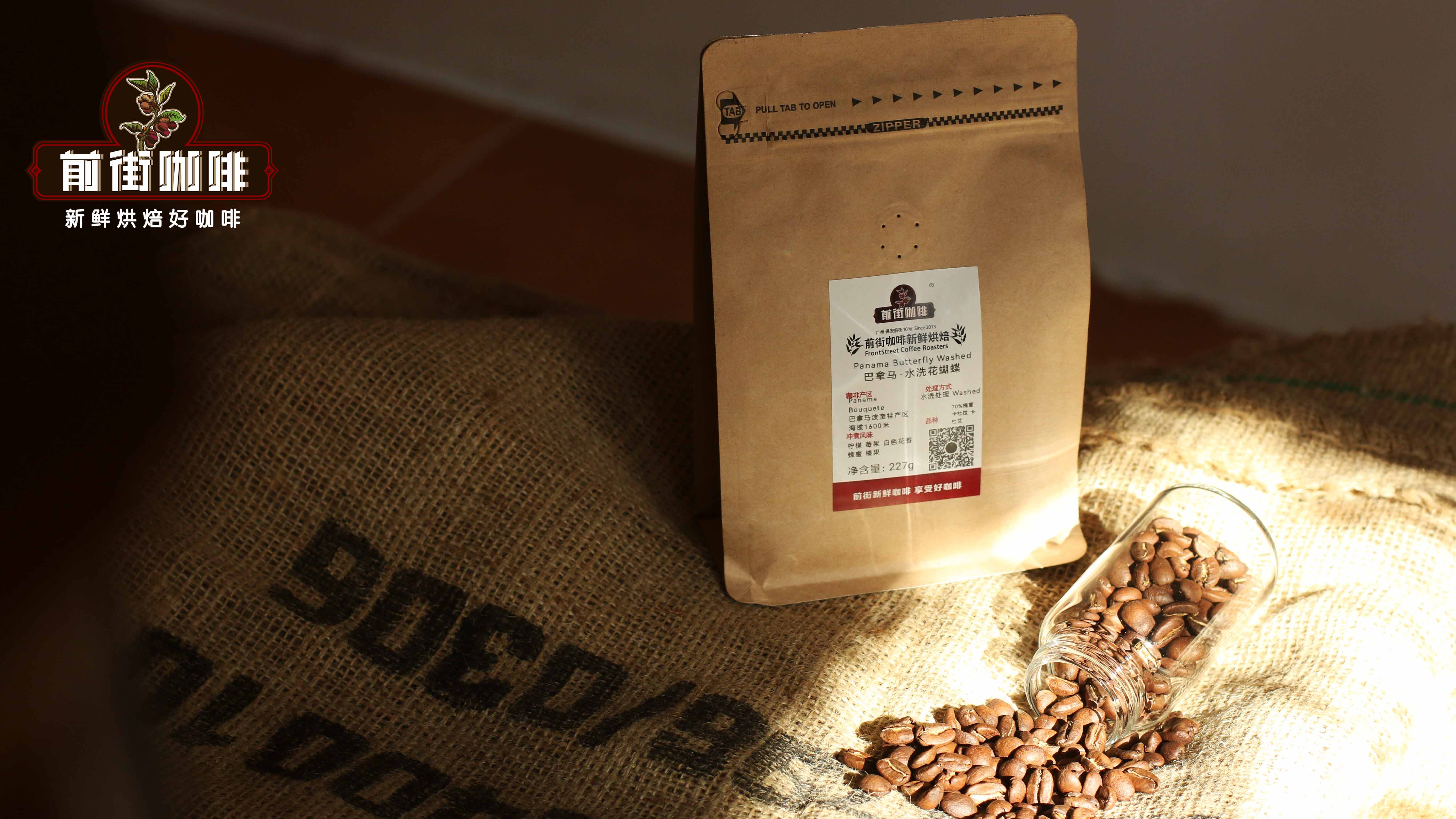
Panama’s Geisha blend, represented here by the Flower Butterfly bean, showcases the unique charm of hybrid varieties. This blend typically combines multiple cultivars such as Caturra and Catuai, and when lightly roasted, it releasessoft white floral notes, the glossy brightness of orange peel, as well as nutty and tea-like undertones.Its flavor direction is relatively mild, offering high tolerance for brewing parameter variations—making it highly suitable for beginners to practice controlling water flow and brew time.
For those who prefer a softer, creamier mouthfeel, Ethiopia’s Huila bean is a great choice.This bean centers around sweet notes of strawberry cream, complemented by citrus freshness, subtle floral aromas, and layers of berries, with a finish reminiscent of the richness of black tea.It’s recommended to use a medium-fine grind and a stable medium water flow to fully highlight its balanced sweet-and-acidic character.
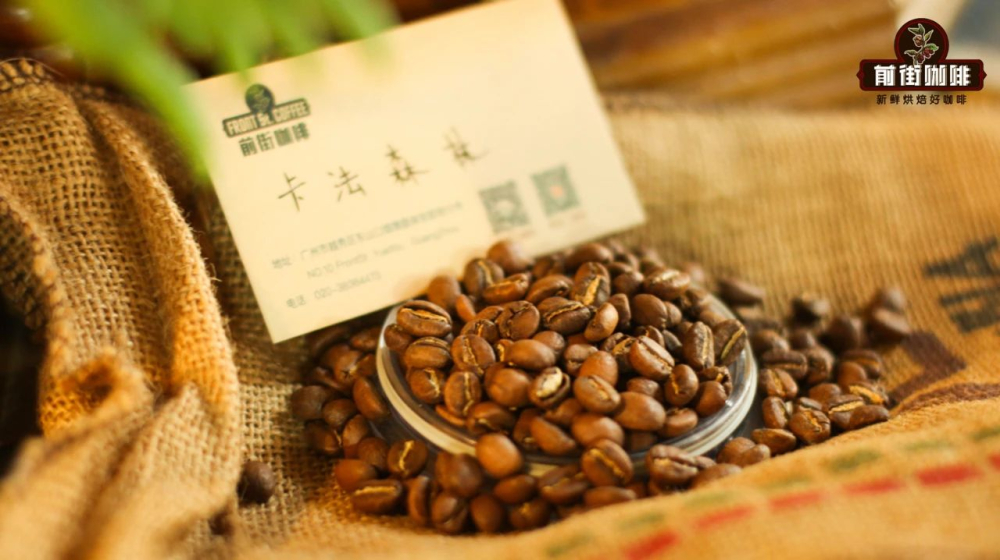
Finally, beans sourced from Ethiopia’s Kaffa Forest are distinguished by
their pure floral aroma spectrum.After brewing, you can distinctly perceive the refreshing citrusy notes of bergamot, the bright fruitiness of oranges, and the smooth aftertaste akin to creamy melon seeds.Such beans usually require precise temperature control (recommended 90–92°C) and even extraction to fully unlock their delicate aromatic molecules.
In summary, when selecting light-roast single-origin beans, it’s advisable to first consider regional characteristics, processing methods (such as natural or washed), and compatibility with your brewing setup. Beginners may start with beans featuring bright yet not overly intense acidity, gradually adjusting grind size, water temperature, and brew time to find the balance that best suits their personal taste. Remember, the charm of pour-over lies in fine-tuning details to let each bean reveal its unique flavor story.
The above content is compiled by CoffeeHunters, a coffee news website.


