








Introduction:From Brazil to Ethiopia, globally renowned coffee-producing regions not only nurture uniquely flavored coffee beans but also shape each area’s classic roasting and brewing styles. This article selects 16 important coffee-producing countries, detailing their representative coffee varieties, suitable roast levels, typical flavor profiles, and includes practical buying and brewing references to help you understand coffee better and taste the differences.
[Brazil | A Coffee Powerhouse with Stable Supply]
As the world’s largest coffee producer, Brazil has long ranked first in exports. Its producing regions include Minas Gerais, São Paulo, Espírito Santo, and other states, with Minas Gerais alone contributing nearly half of the total output. The mainstream varieties are Arabica, Robusta, and pulped natural coffee, with the proportion of pulped natural processing steadily increasing. Brazilian coffee beans are well-suited for medium roasts, often presenting a mild and balanced flavor with moderate acidity and bitterness, soft aroma, and the “Santos No.2, Screen 18–19” specifications are especially favored in the market, commonly used as a stable base in blends.

[Colombia | A Classic Representative of Sweet and Acidic Balance]
Colombia primarily produces high-quality Arabica and is the world’s second-largest exporter, mainly supplying markets such as the United States and Germany. Its bean varieties perform well with medium to dark roasts, offering rich flavor layers with a good balance of acidity, sweetness, and bitterness, as well as high body and a color reminiscent of aged wine. Whether single-origin or blended, it can showcase a rich and well-structured taste, suitable for coffee lovers who pursue balanced flavors.
[Vietnam | A Major Base for Robusta]
Since the 1990s, Vietnam has become one of the world’s major suppliers, mainly producing affordable Robusta robusta variety. It once surpassed Colombia to become the world’s second-largest exporter. With relatively low bean prices, it influences market pricing to some extent. Though not the first choice for the specialty market, it is an important raw material for many instant and commercial coffees.
[Indonesia | The Oriental Treasure of Bold Flavors]
Indonesia’s Sumatra Island excels in Arabica, particularly the famous Mandheling. The local soil and climate produce beans with woody tones, bold body, and moderate acidity, accompanied by complex aromas such as herbs, cedar, and cocoa. Dark roasting is recommended to bring out its rich oils and intense sweetness, making it a top choice for those who prefer strong-flavored coffee.
[Mexico | Fresh Expression of Highland Flavors]
Mexican coffee is concentrated in the southern mountainous regions near Guatemala, where the terrain is suitable for coffee cultivation. The main processing method is washed, and medium to dark roasting can highlight pronounced acidity and aroma, especially those from high-altitude areas which offer the best quality, suitable for drinkers who enjoy refreshing acidity and floral notes.
[Guatemala | Refined Flavors from Volcanic Soil]
Guatemala has seven major producing regions, each with distinct flavors. The Antigua region is known for its harmonious sweet, acidic, and full-bodied profile, coupled with a unique smoky finish. The high-altitude volcanic soil produces coffee beans graded by defect count rather than bean size. These dense, deep-green beans offer clear layers of sweet and acidic flavors, making them an ideal choice for fans of medium to high-altitude coffees.
[El Salvador | Representative of Organic and Diverse Flavors]
El Salvador, located in a volcanic zone with fertile soil and favorable climate, is an important producer of Arabica. Its coffee features bright yet non-aggressive flavors, with medium to light roasts delivering refreshing taste and dark roasts exuding rich chocolate notes. Most producing areas practice organic farming, offering stable quality with unique character. In recent years, premium estate beans have gradually gained market attention.
[Honduras | A Practical Example of Altitude-Based Grading]
Honduras grades its coffee beans by altitude, with high-altitude washed beans being of superior quality, offering a soft and balanced flavor with moderate acidity and sweetness. Major producing regions such as Santa Bárbara and Lempira are known for their stable and easy-to-drink characteristics, suitable for everyday drinking or for beginners to try.
[Costa Rica | Exemplary Clean and Balanced Flavor]
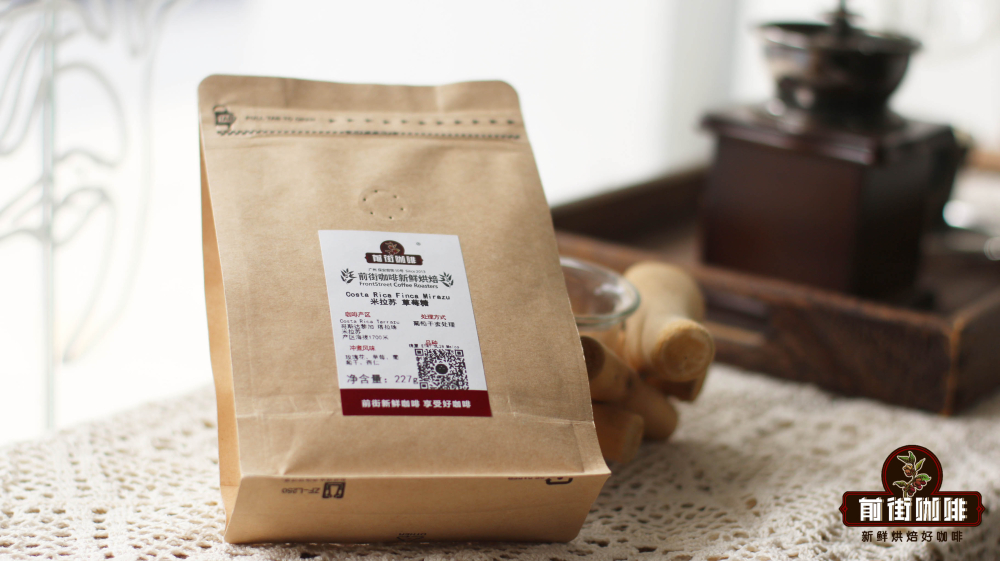
Costa Rican coffee is renowned for its high-altitude growing environment in the central plateau and mountainous areas. The beans produced are extremely balanced and clean, featuring prominent berry-like acidity with spice and cocoa notes in the aftertaste. The Tarrazú region is particularly famous, and among it, the La Minita estate is a legend in the specialty coffee world. Its large bean size and refined processing methods make it a dream choice for single-origin enthusiasts.
[Cuba | The Timeless Beauty of Traditional Craftsmanship]
Cuban coffee is graded by size. The medium to large premium beans from the Sierra Cristal region offer stable flavors with balanced acidity, bitterness, and sweetness. They are a reliable choice for mid-level consumers, suitable for those who prefer traditional taste profiles.
[Jamaica | The Ultimate Expression of Blue Mountain Legend]
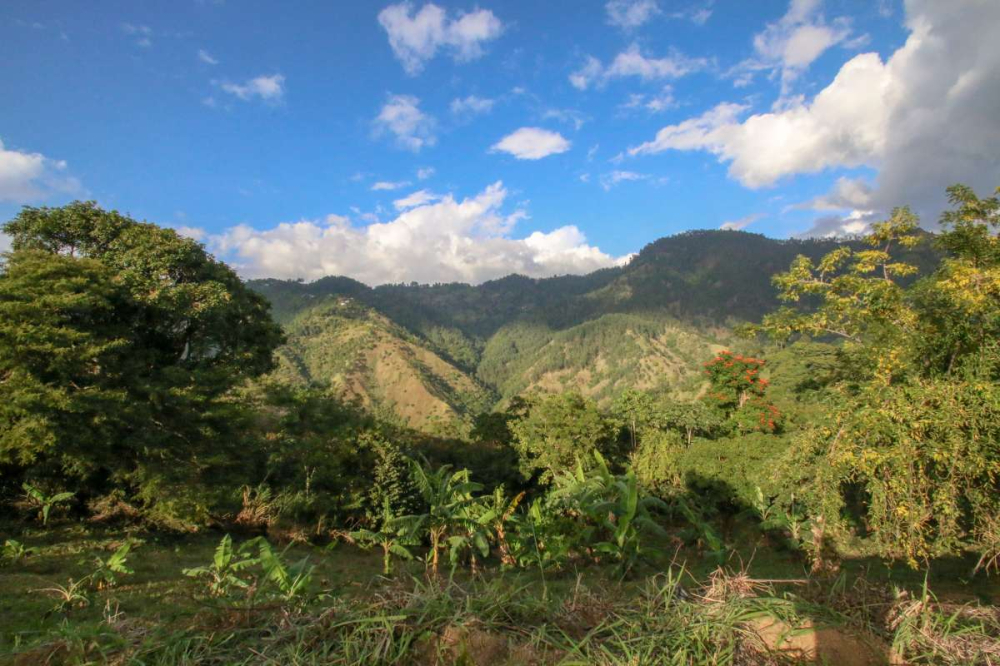
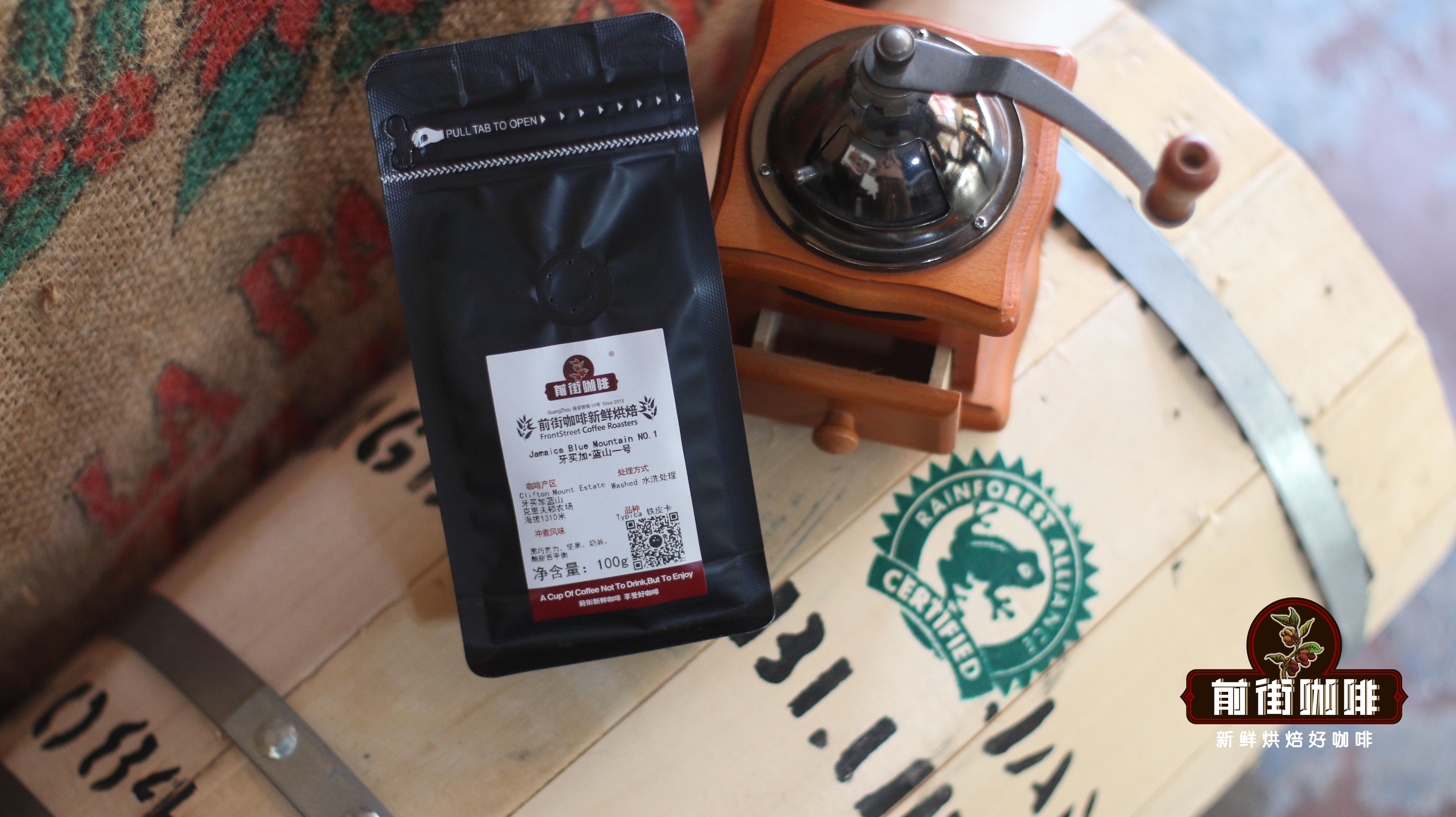
Jamaican Blue Mountain coffee is graded by altitude and defect rate, with Blue Mountain No.1 being the top-tier representation. It offers consistent and balanced acidity, bitterness, sweetness, and aroma, hailed as the pinnacle of coffee. Its grading standards are strict, including bean size, defects, and moisture content. Ideal for coffee lovers seeking ultimate flavor, a light to medium roast can showcase its delicate characteristics.
[Kenya | A Classic Flavor of Strong Acidity and Refinement]
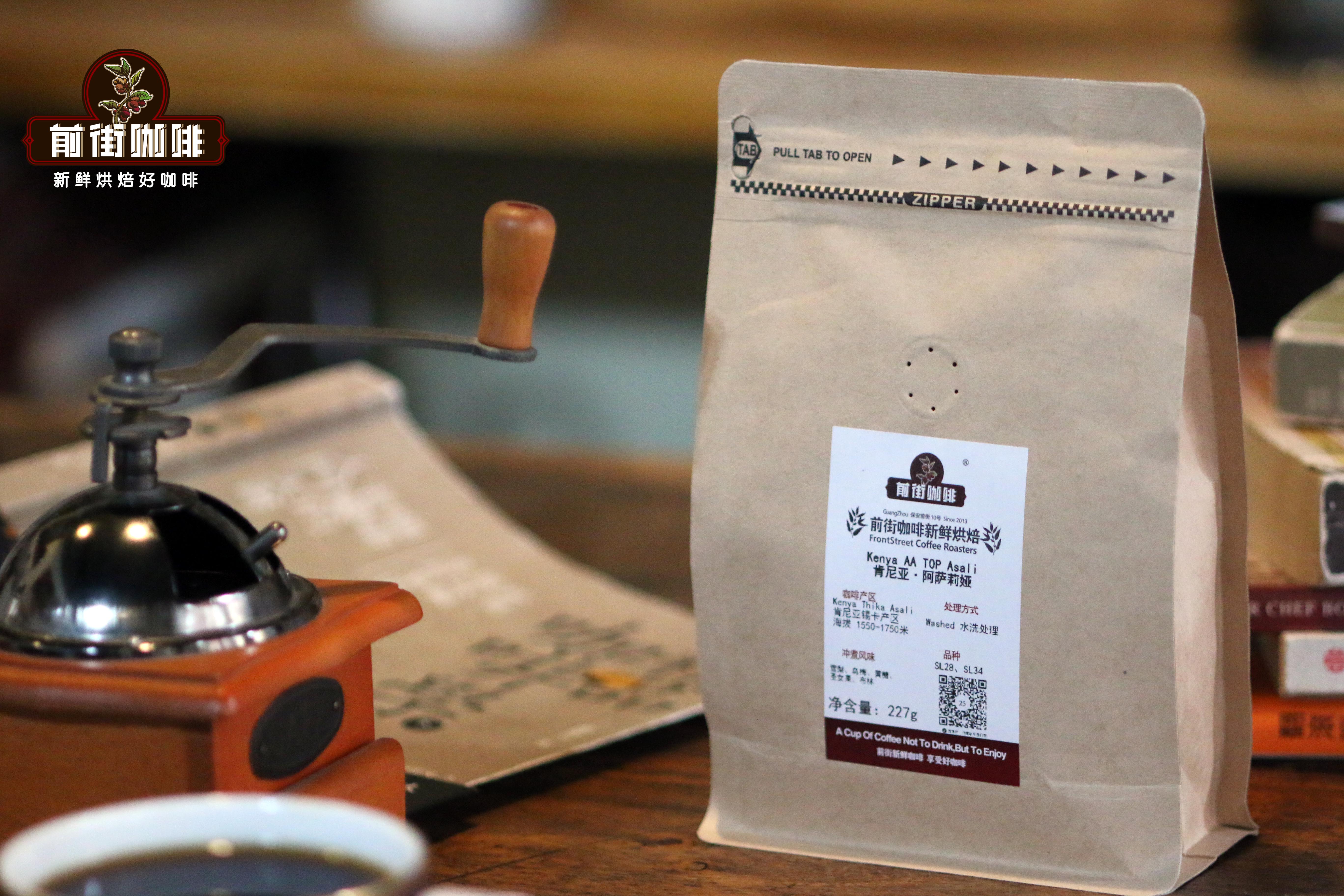
Kenya primarily produces high-quality Arabica of the small-bean Typica-related variety, with dark roasting highlighting its intense acidity. The “Kenya AA” grade is especially highly regarded. With bright fruit acidity and distinct layers, it is a long-standing bestseller in European markets such as Germany, suitable for consumers who love clearly defined acidity and complex aromas.
[Tanzania | The Surprise of Peaberry and Fruit Aroma]
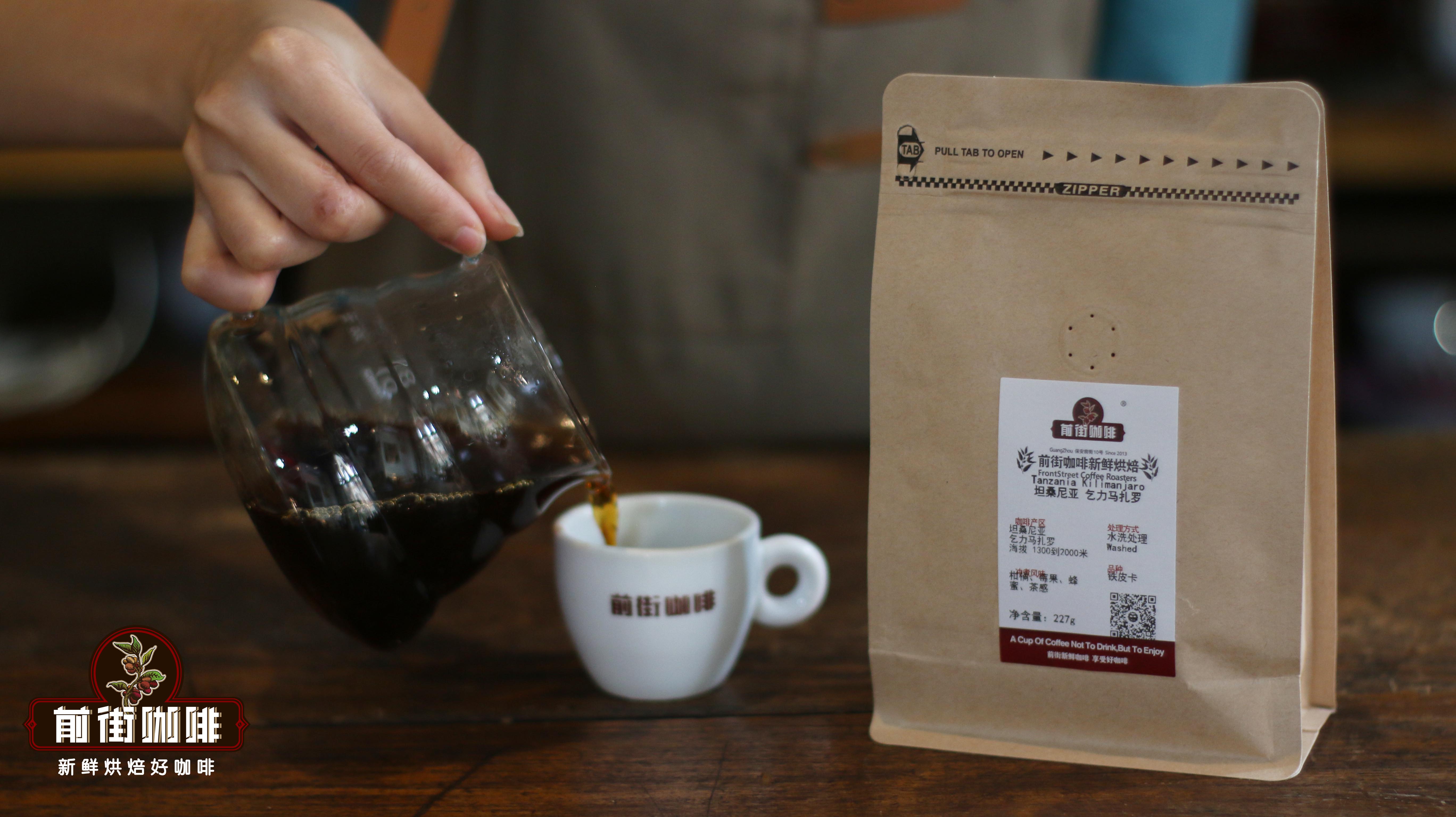
Tanzania neighbors Kenya and is known for the Kilimanjaro region. Its coffee features fruity acidity and rich body. The small peaberry beans, due to their high density and fast roasting response, require precise heat control. Light to medium roasting can bring out their sweet and fruity notes, making them an excellent choice for blending into espresso.
[Ethiopia | The Diverse Charms of Coffee’s Birthplace]
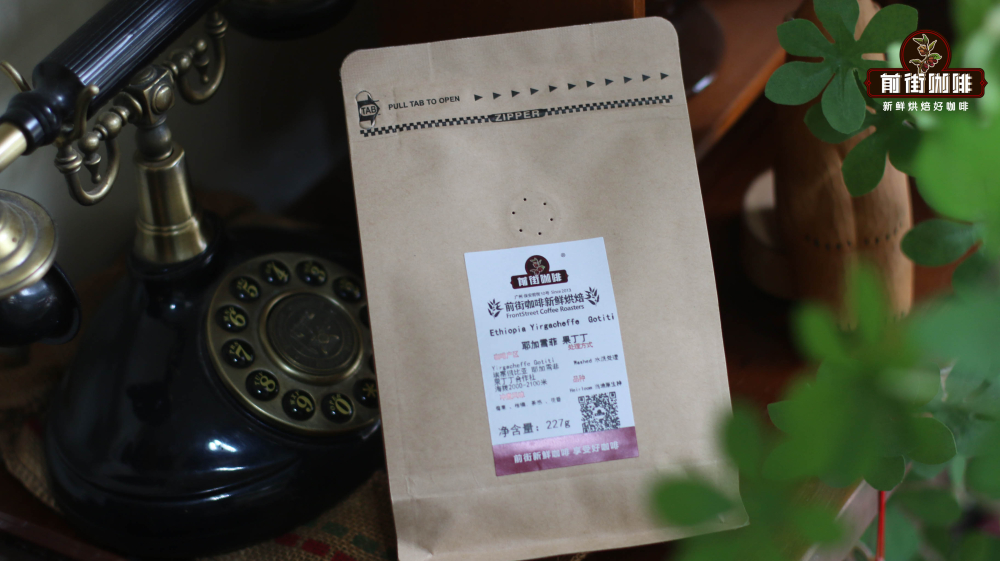
Ethiopia is regarded as the birthplace of coffee. Regions such as Sidamo and Yirgacheffe excel in washed processing, offering intense acidity and unique aromas. The beans are small but richly flavored, often labeled with special names like “Harrar Mocha.” Ideal for advanced enthusiasts exploring diverse flavor profiles.
[Yemen | The Aromatic Legacy of an Ancient Region]
Yemen, as the birthplace of Arabica, once made its Mocha coffee popular worldwide. Its high-altitude cultivation gives the coffee unique aroma and aftertaste. Alongside Brazil and Colombia, it is considered one of the classic trio in traditional blends, suitable for drinkers who appreciate historical depth and rich aroma.
[Hawaii | A Specialty Representative from the United States]
Hawaiian Kona coffee is known for its rich floral aroma and notes of stone fruit and cinnamon. It is one of the few coffee-growing regions within the United States. Aged Kona, matured over time, offers an even softer taste and is a classic item that coffee enthusiasts shouldn’t miss.
The above content is compiled by CoffeeHunters, a coffee news website.

