







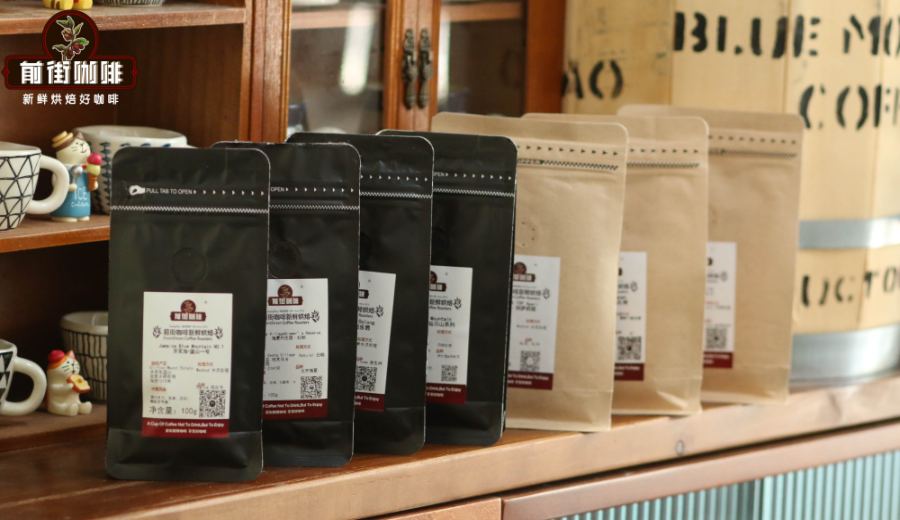
Introduction:Want to choose coffee beans that aren’t acidic, but get confused by light roast, medium roast, and dark roast? In fact, the acidity, bitterness, and sweetness of coffee are closely related to the degree of roasting. This article takes an in-depth look at eight levels of roast based on Agtron color values, from the key timing points of first crack to second crack, to help you understand the flavor characteristics of each stage. It also provides practical pour over water temperature and grind size parameters to help you find the most satisfying coffee experience.
Many coffee beginners often ask: “Why does some coffee taste particularly acidic, while others are so bitter they’re hard to swallow?” The answer often lies in the roast level. Although it’s commonly believed that light roast is more acidic and dark roast is more bitter, the professional field uses a more precise Agtron color value system to judge roast depth. This standard can more objectively reflect the degree of caramelization and flavor direction of the coffee beans.
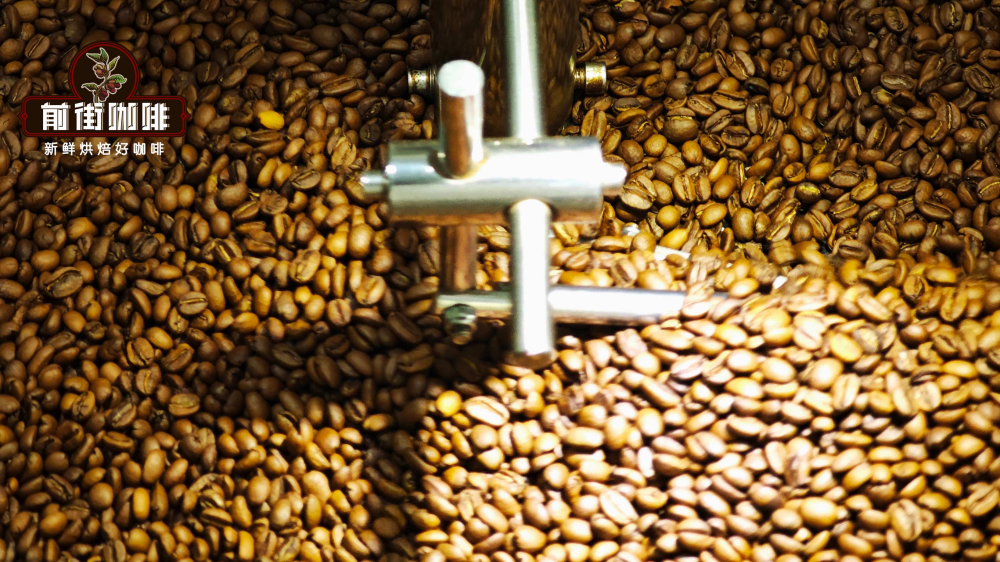
The key point of coffee roasting “maturation” is the first crack, which is the first burst of popping sounds produced as internal moisture in the coffee beans evaporates under heat. After the first crack appears, the roaster can decide when to drop the beans based on preference: the sooner they are dropped, the lighter the roast; the longer they are left, the darker the roast. Mastering this timing directly affects the final flavor presentation.
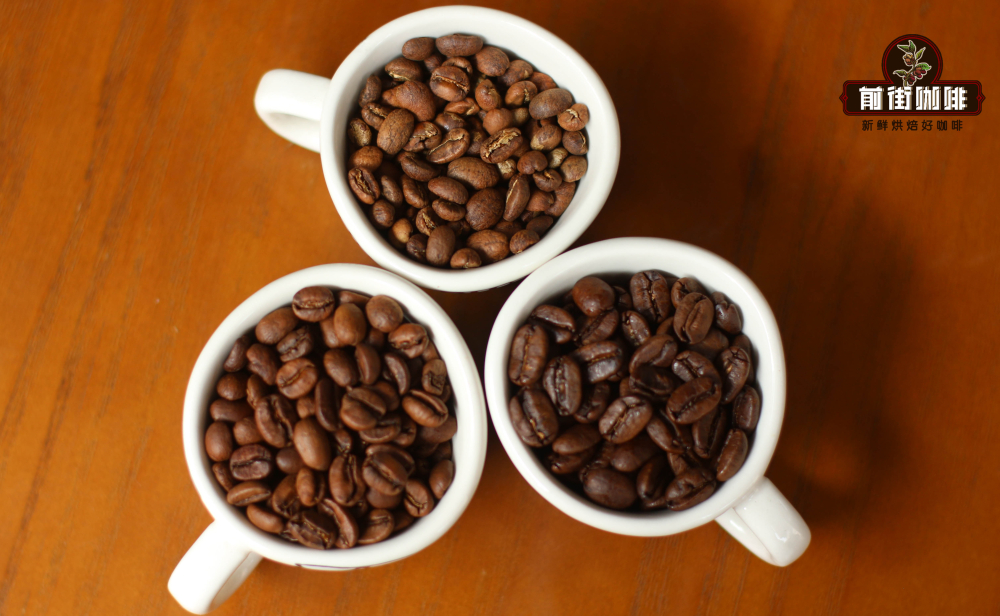
Based on Agtron color values, roast levels can be subdivided into eight grades. The higher the color value, the lighter the roast, retaining more of the bean’s original acidity and nuances; the lower the color value, the darker the roast, with bitterness and roasted aromas becoming more pronounced. From the lightest Light Roast (Agtron 95) to the darkest Italian Roast (Agtron 25), each stage has its own unique flavor profile.
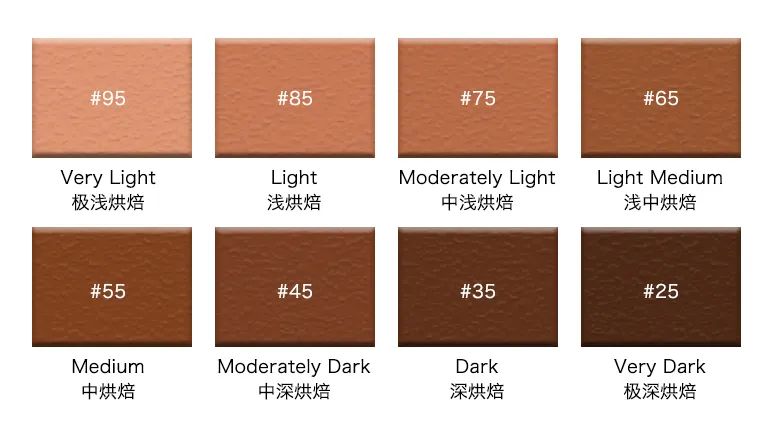
Light Roast (Agtron 95) is typically dropped during the dense phase of the first crack. At this stage, the coffee beans have bright acidity, featuring distinct fruity acids such as citrus and berries, making it suitable for drinkers who prefer a refreshing taste.Note, at this stage the sweetness of the coffee has not yet fully developed, and the flavors are relatively simple, but the layers are clear. A slightly darker Cinnamon Roast (Agtron 85) is dropped near the end of the first crack, offering a balanced acidity and sweetness, with aromatic notes of gentle sweetness. It is often the first choice for many beginners.
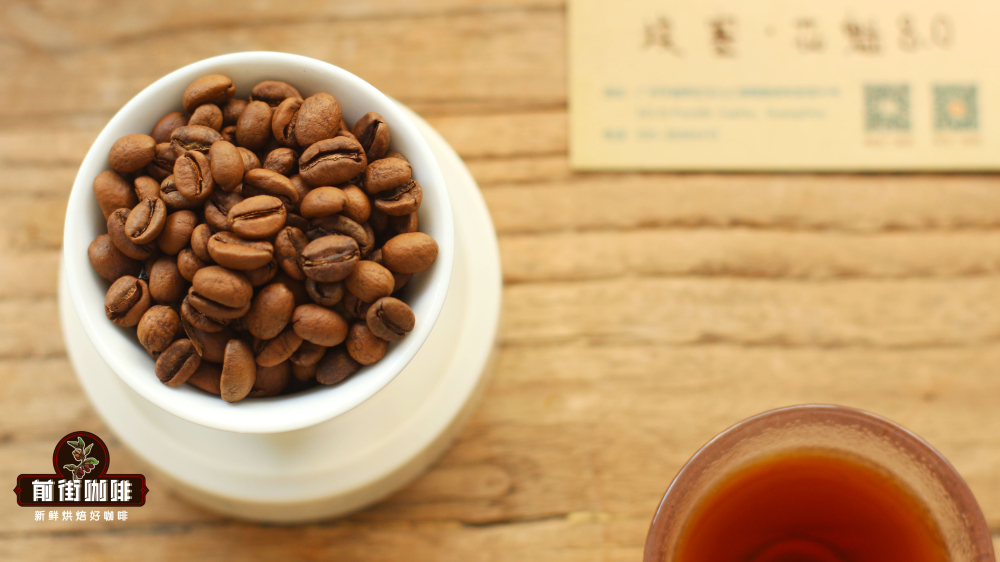
Moving into Medium Roast (Agtron 75), the coffee is dropped at the end of the first crack. Sweetness begins to dominate, while acidity becomes softer, often accompanied by aromas of ripe fruits like melon and grapes. Dark Roast (Agtron 65), on the other hand, falls during the quiet period just before the second crack. At this stage, the beans exhibit aromas of nuts and caramel, with acidity almost disappearing, making it suitable for drinkers who prefer a richer taste.
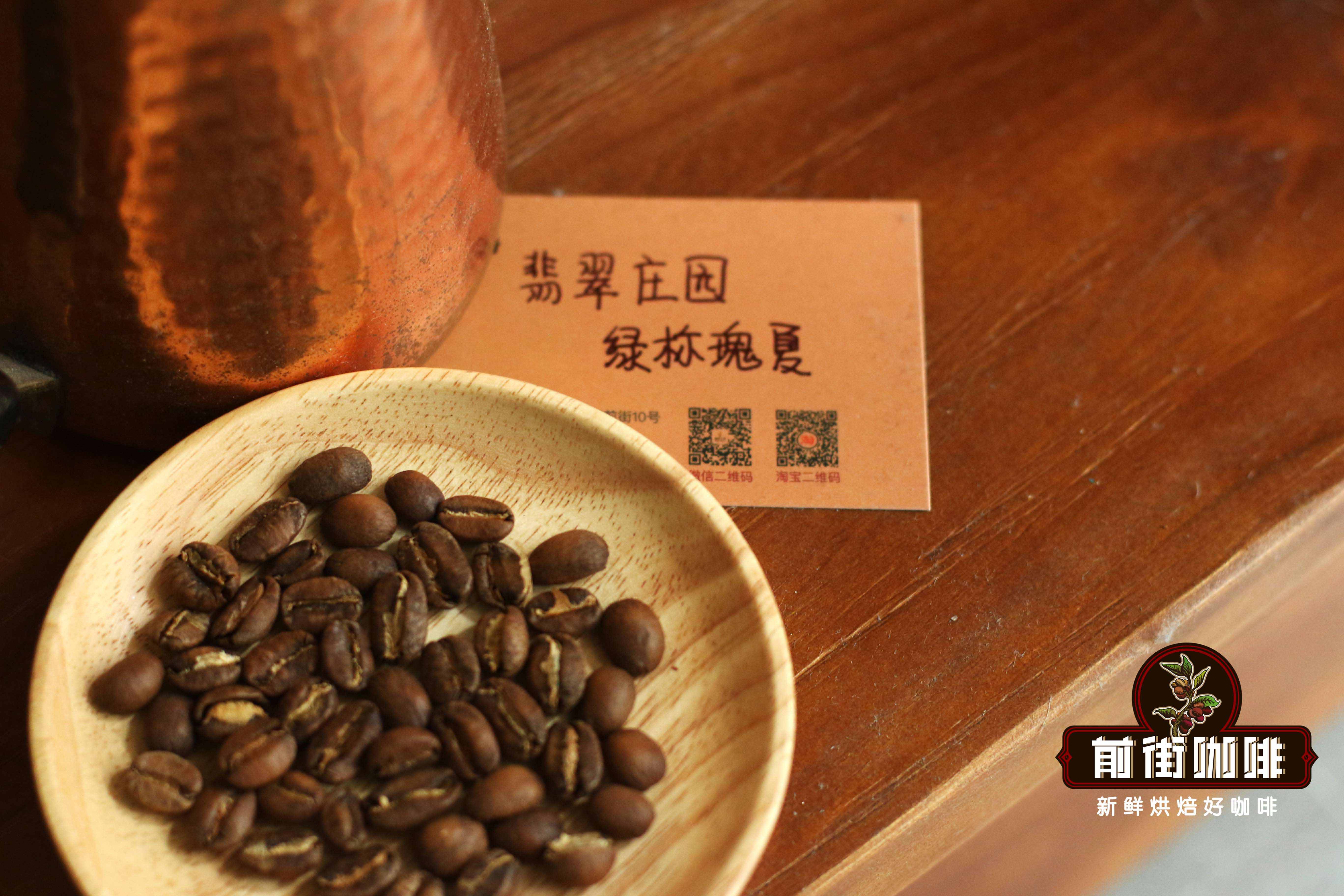
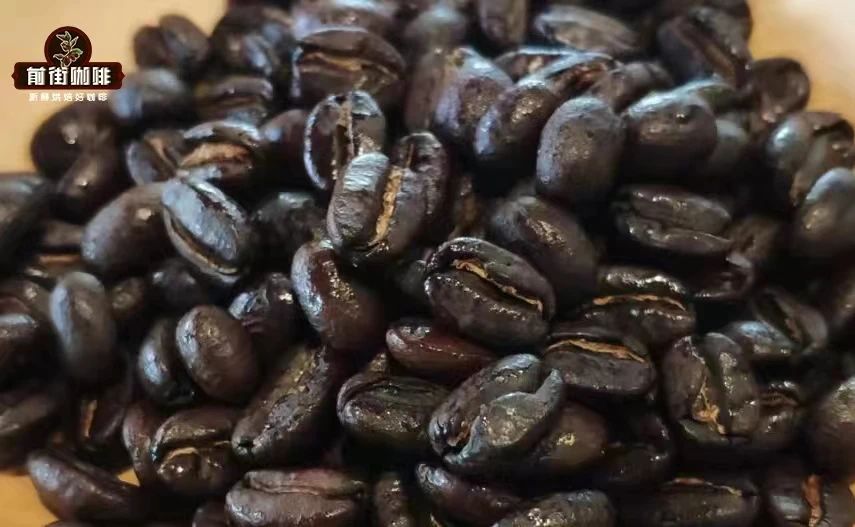
In the later stages of roasting—such as City Roast (Agtron 55), Full City Roast (Agtron 45), French Roast (Agtron 35), and Italian Roast (Agtron 25)—the flavors become increasingly smoky, bitter, and intense. Among these, French and Italian roasts are less commonly seen in the market due to their obvious oiliness, but they remain choices for some espresso enthusiasts.Practical reminder: For these dark roast beans, it’s recommended to use a slightly lower water temperature (around 86–89°C) to avoid over-extraction that could bring out excessive bitterness and off-flavors.
For general consumers, too many technical terms can actually make selection more difficult. It’s suggested that you deduce the roast level from the flavor descriptions: if the flavors listed include distinctly acidic fruits like “lemon, citrus, berries,” they are likely medium to light roasts; whereas “melon, grapes,” which are sweeter fruits, are usually medium-light to medium roasts. If the flavors include “nuts, dark chocolate, caramel,” they generally fall into the medium-dark to dark roast range—bitter with a touch of sweetness, suitable for pairing with milk or for making espresso.
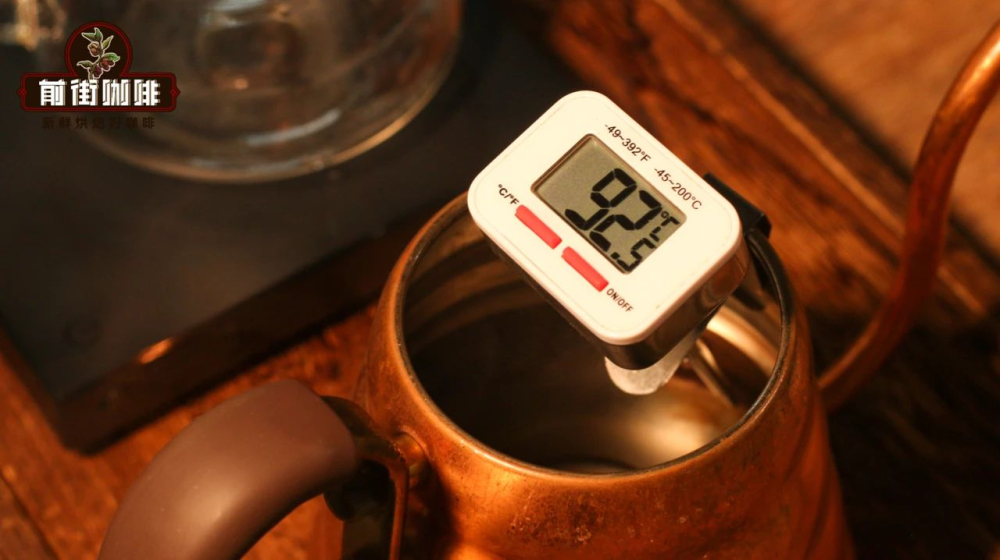
During actual pour over brewing, for medium-light roasts it’s recommended to use water at 90–93°C, with a grind size of around 75–80% passing through a #20 sieve. For beans with more pronounced acidity, you may slightly increase the water temperature and use a finer grind; for those with stronger sweetness, reduce both water temperature and grind size. For medium-dark roasts, 86–89°C water temperature and a grind size of about 70–75% passing through a #20 sieve are suitable. If you prefer a richer or more bitter profile, you can opt for a lower water temperature and coarser grind within that range.
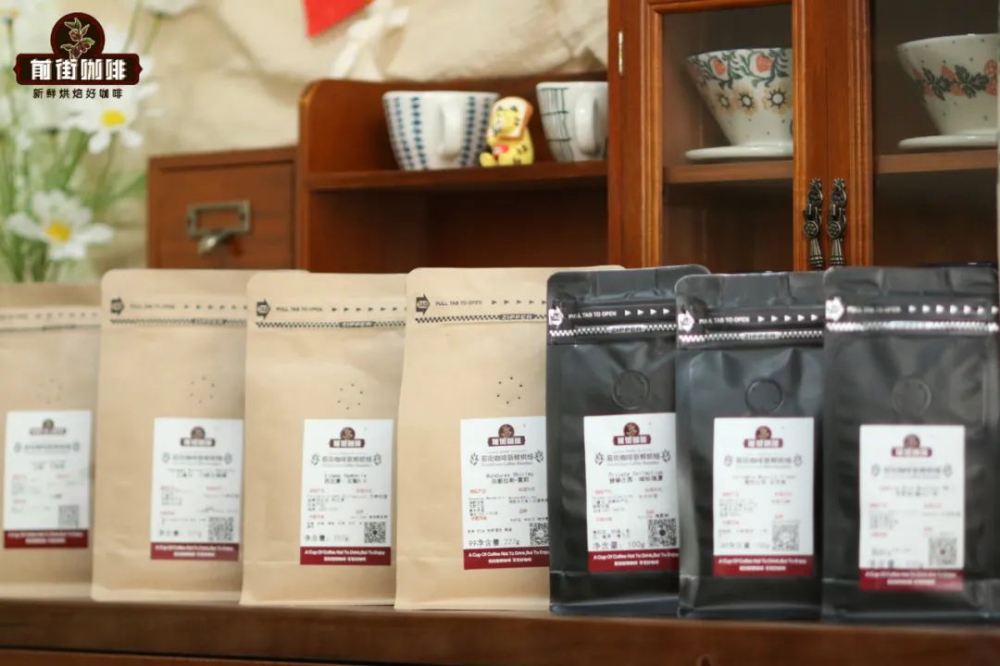
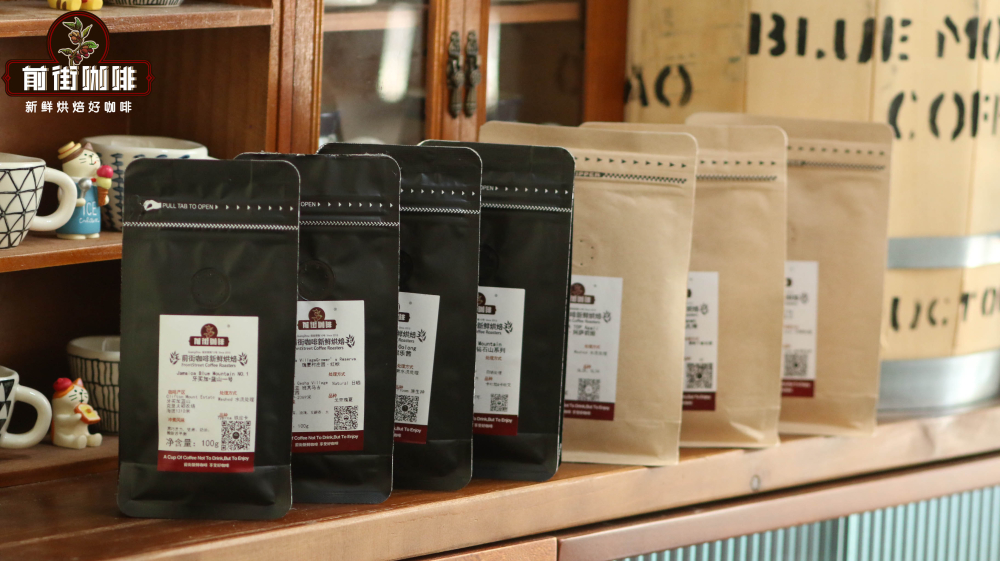
In summary, although traditional terms like light roast, medium roast, and dark roast may not be directly labeled on the packaging, the flavor descriptions and recommended parameters indirectly inform consumers of the roast level of each bean.Small reminder: When selecting beans, pay more attention to the flavor vocabulary and pair them with appropriate brewing conditions, and you’ll more easily find your own “non-acidic” coffee beans.

The above content is compiled by CoffeeHunters, a coffee news website.

