







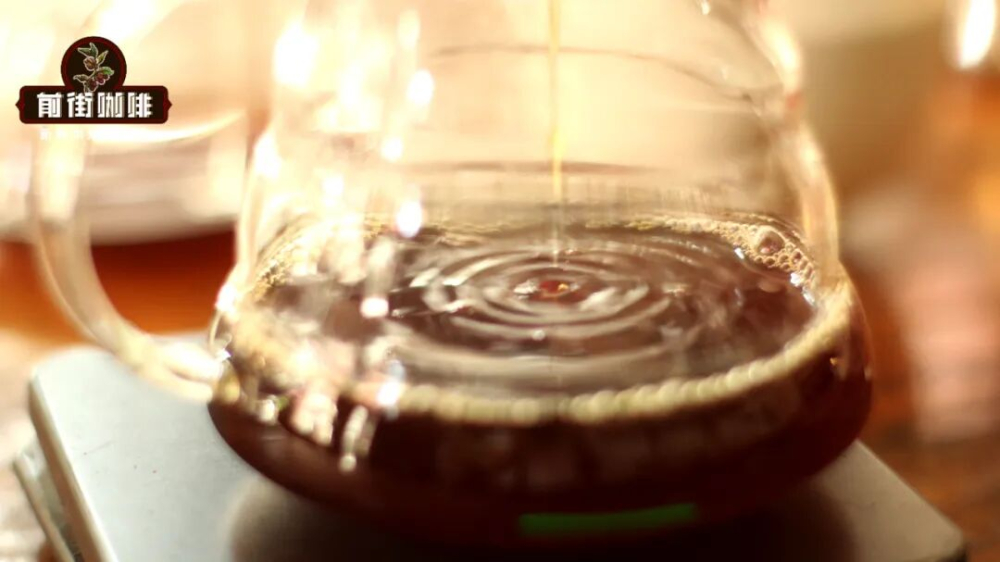
Introduction:When your pour over coffee tastes burnt or bitter, beginners often assume it’s due to poor technique. In reality, this issue is closely tied to the roast level of the beans, how they’re stored, and your brewing parameters. This article dives deep into four common causes—including the characteristics of dark roasted beans, the impact of freshness, grind size and fines control, as well as subtle water temperature adjustments—and offers practical advice to help you achieve a balanced cup and avoid common pitfalls.
Many newcomers to pour over coffee often lament that brewing feels like alchemy—whether the coffee turns out good seems a matter of luck. But once you grasp the core logic and find the right parameters, extracting the full essence of the coffee with hot water can consistently yield delicious results. While there are plenty of online tutorials, many beginners still end up with coffee that tastes overly burnt and unpleasant. Below, we’ll conduct a systematic analysis to uncover the root of the problem.
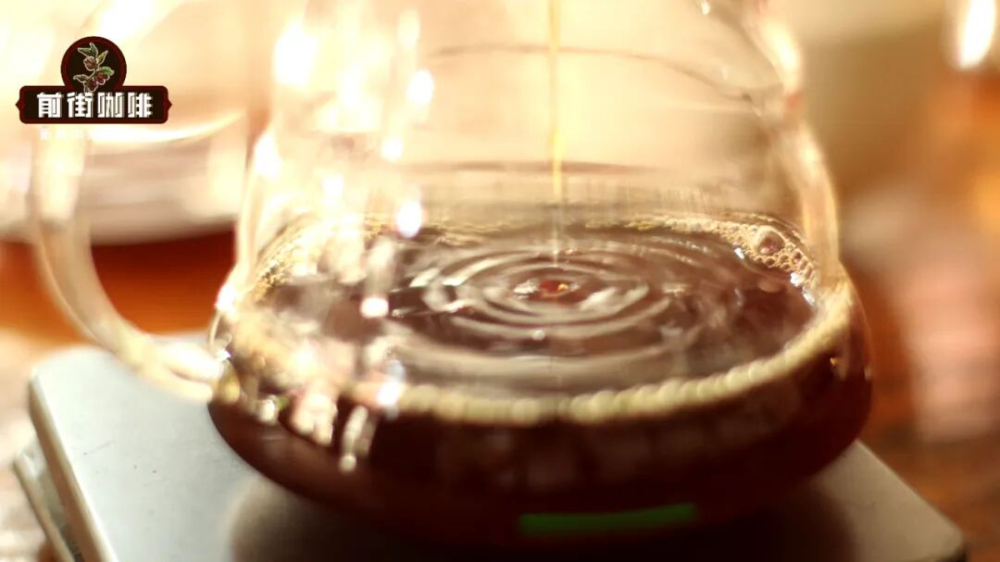
Cause 1: The Inherent Nature of Dark Roast Coffee Beans
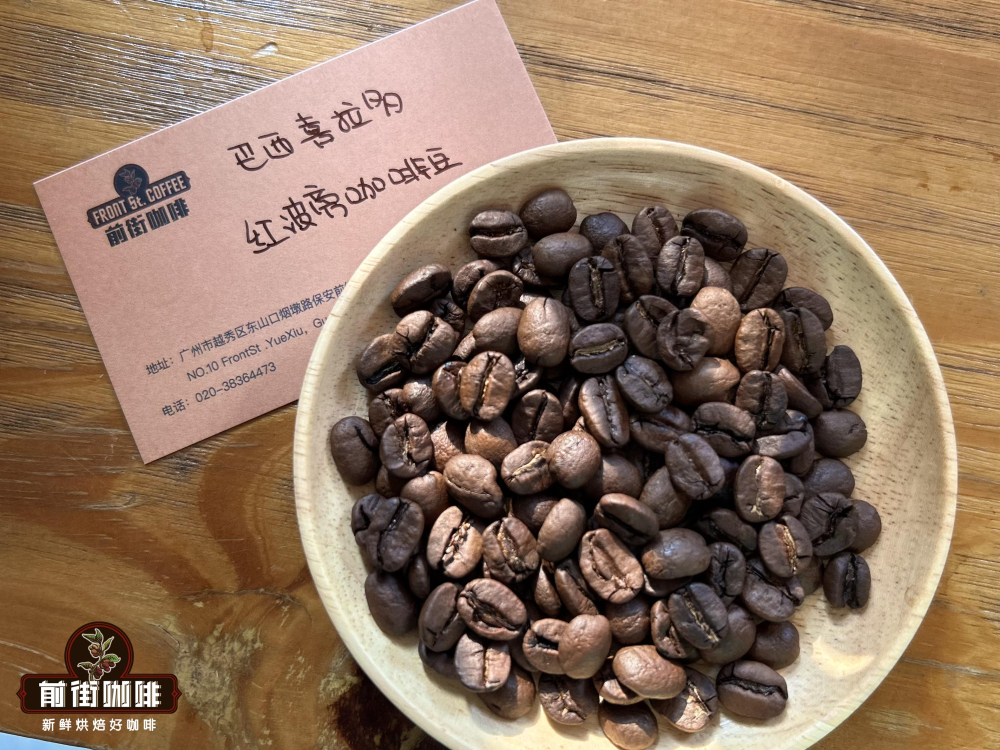
The balance of acidity, sweetness, and bitterness in coffee is largely determined by its roast level. Light roasts tend to highlight acidity, medium roasts balance both acidity and bitterness, while dark roasts are known for their intense bitterness paired with rich aromas like caramel, nuts, chocolate, and toasted bread. The mouthfeel is full-bodied and the aftertaste lingers. However, if you’re not a fan of bold flavors, you might find such coffees overwhelming, even comparing the taste to traditional Chinese herbal tea.
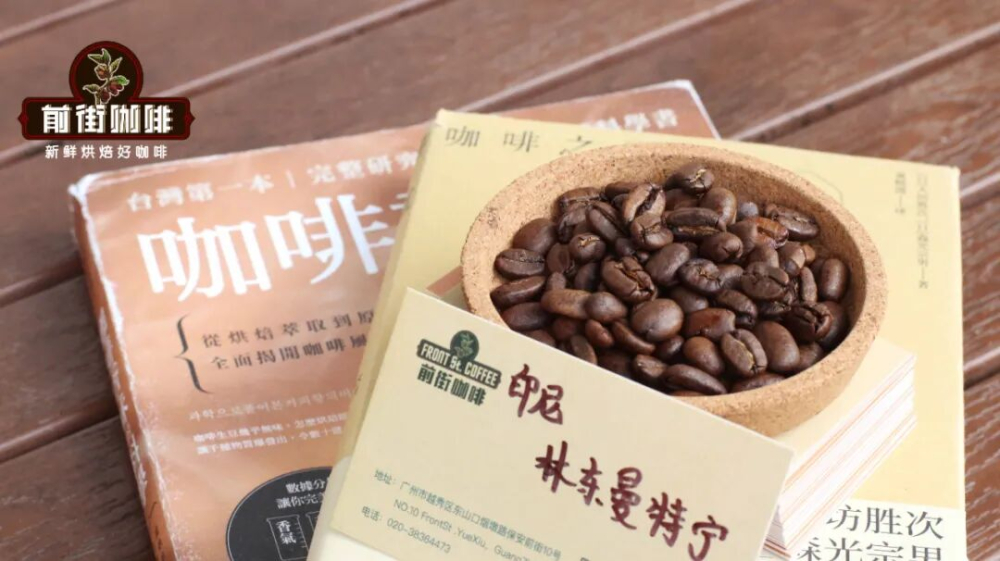
To avoid accidentally buying a bean that isn’t to your liking, check the flavor descriptions on the packaging. Terms like chocolate, nuts, toasted bread, spices, pine, and caramel usually indicate a dark or medium-dark roast, where bitterness tends to stand out. Common dark roast beans include Indonesian Mandheling, Brazilian Cerrado, and Colombian Huila.

Cause 2: Coffee Bean Freshness and Best-by Period
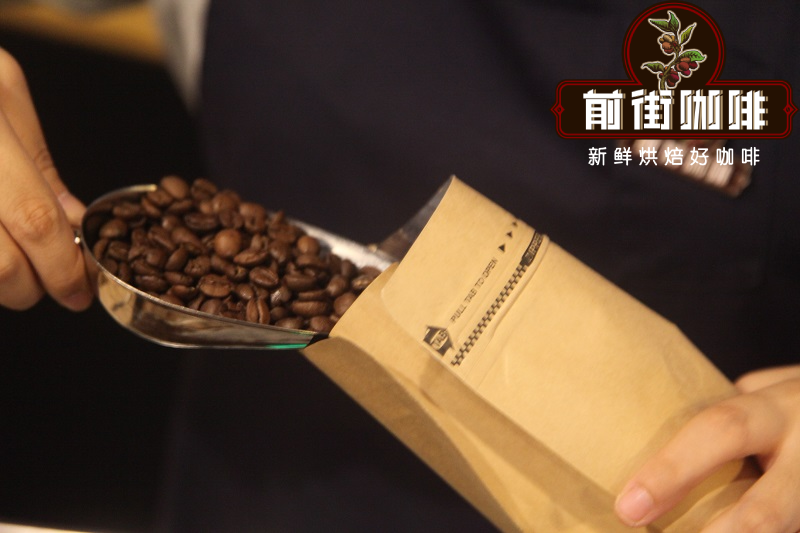
Aside from roast level, how long the beans have been stored also affects flavor. Freshly roasted beans release a lot of carbon dioxide in the first few days, then enter a peak flavor period. Over time, aroma and taste gradually deteriorate. It’s recommended to use whole beans within one and a half months after roasting; if already ground, consume within three days, or at most three weeks.
When fresh, dark roast beans emit a strong roasted aroma, often referred to as “coffee flavor.” Once past their prime, not only does the aroma fade, but off-flavors like woody, greasy, or smoky notes may emerge, often resulting in a burnt-tasting brew. If you’ve ruled out the bean variety as the issue, the next step is to examine your brewing parameters.
Cause 3: Impact of Grind Size and Fines
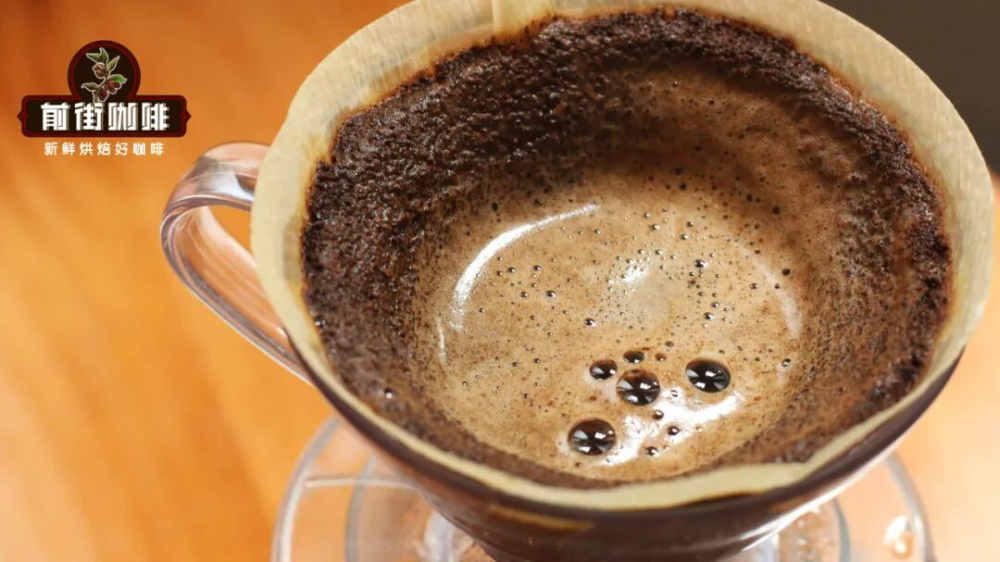
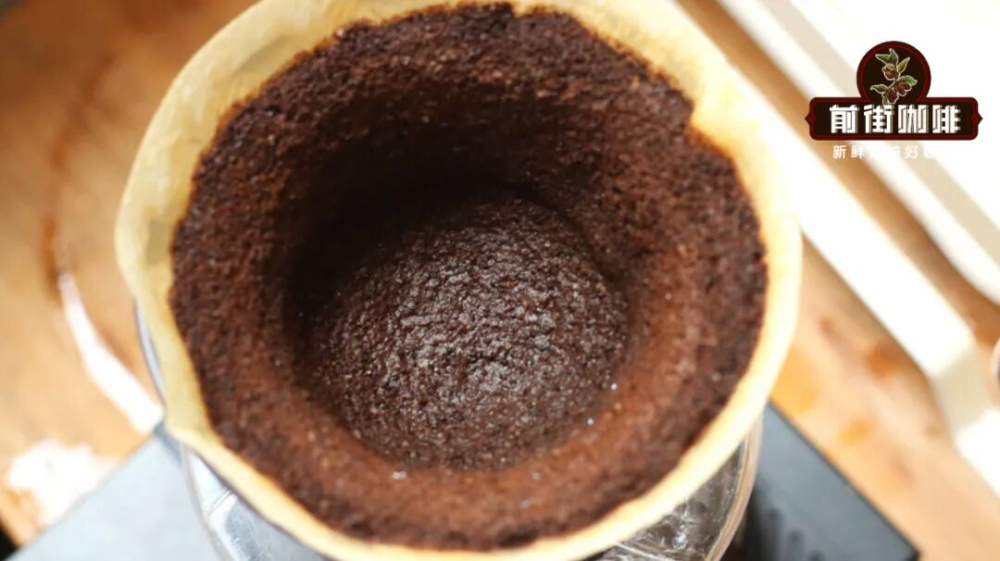
A common source of burnt bitterness for beginners is improper grind size, mainly falling into two scenarios: grinding too fine, which slows water flow and leads to over-extraction due to prolonged contact; or having too high a proportion of fines, which clog the filter paper and cause uneven or over-extracted brews.
For example, if using 15 grams of coffee with a 1:15 coffee-to-water ratio, and the total brew time exceeds 2 minutes and 20 seconds with a slow yet steady flow, it usually means the grind is too fine—try adjusting coarser. On the other hand, if the flow starts normal but gradually slows toward the end, and the bottom of the filter basket ends up wet and mushy, there may be too many fines. You can try sifting out some of the fines with a sieve or consider upgrading your grinder.
Cause 4: Subtle Differences in Water Temperature Control
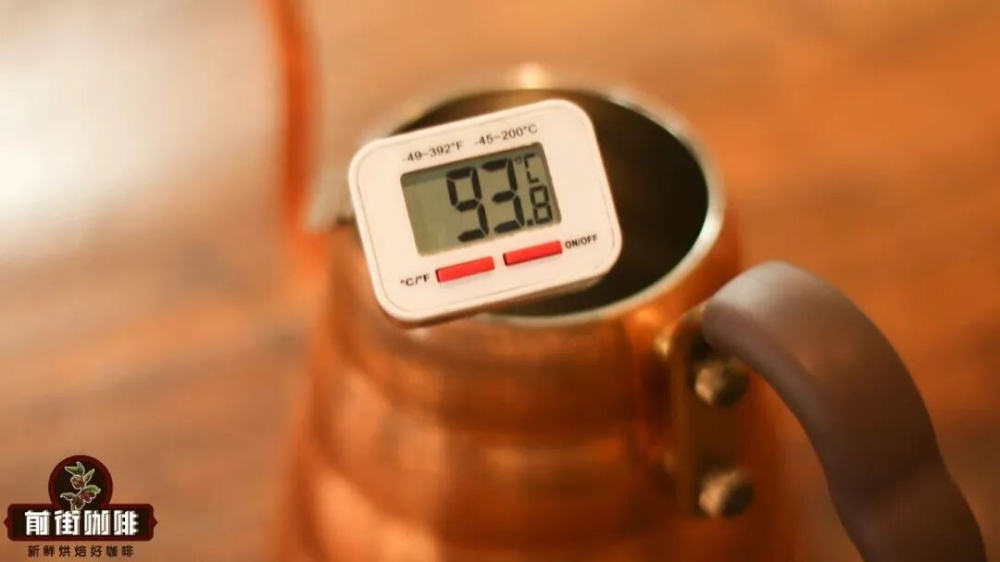
Water temperature is one of the key variables affecting coffee extraction. Generally, it’s advised to adjust based on roast level: 91–93°C for light to light-medium roasts, 89–91°C for medium roasts, and 86–88°C for dark roasts. But even within this range, a difference of just 1–2°C can lead to noticeable changes in flavor.
For instance, one case showed that brewing Jamaican Blue Mountain No.1 at 88°C resulted in a slightly burnt bitterness in the aftertaste. When all other parameters remained the same and the temperature was lowered to 86°C, the taste immediately became cleaner and more balanced. If you’ve ruled out issues with the bean type, freshness, and grind, it’s worth checking whether the water temperature is set too high—lowering it slightly may help resolve the burnt taste.
The above content is compiled by CoffeeHunters, a coffee news website.


