







Introduction:To craft a balanced and rich espresso, selecting the right blend is key. This article delves into the advantages of commercial espresso blends, highlights key selection criteria, and features several blends tailored to different flavor preferences — from bold nutty profiles to distinctly fruity options. It helps café owners and home enthusiasts find the most suitable beans and extraction strategies.
A well-balanced espresso can significantly elevate the overall flavor profile of a beverage. Achieving the perfect harmony of acidity, sweetness, and body requires precise planning from the bean selection stage. Unlike single-origin coffees commonly used in pour over brewing, espresso relies more on blending techniques. By skillfully combining beans from different regions and processing methods, it’s possible to deliver the complex flavors and consistent performance that espresso demands.
In the early days, roasters blended coffee beans primarily to mask the flavors of defective beans. But as coffee culture has evolved, today’s blending strategies focus more on flavor harmony and brand uniqueness. Whether aiming for consistency or highlighting seasonal characteristics, blends can break free from the limitations of single origins, offering more expressive options for both cafés and home brewers.

For home users, freshness and personal taste preferences are especially important when choosing a blend. For café owners, in addition to those factors, considerations must also include output consistency, cost control, and customer retention. It’s recommended to clarify the preferences of your target customers before formulating a blending strategy, and adjust the blend ratio and roast level based on the characteristics of common drinks like lattes and cappuccinos, gradually identifying the most suitable extraction parameter combination.
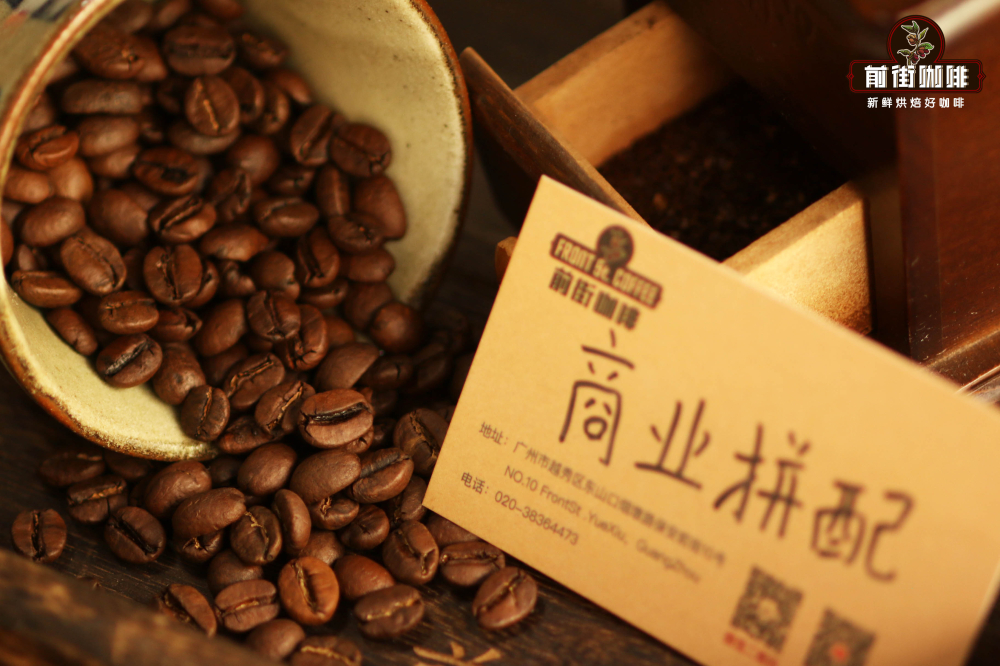
Image caption: Coffee beans of different blending styles each have unique appearances and flavor profiles.
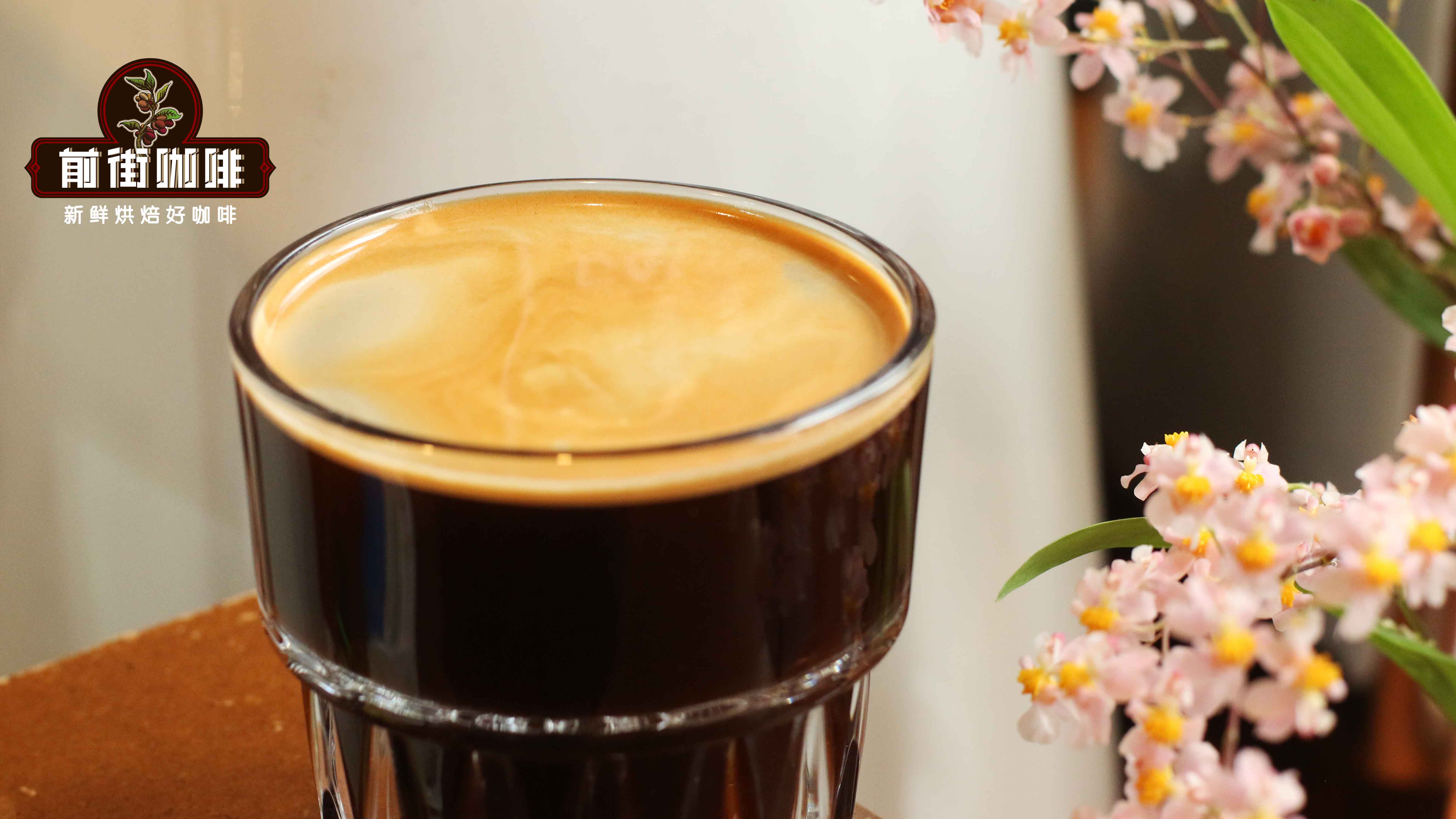
If your café specializes in bold and rich flavors, it’s advisable to choose blends based on dark-roasted beans such as Brazil and Robusta. These can enhance the body and crema of the coffee, making them particularly suitable for integrating milk foam in lattes. For example, some blends combine traditional Mandheling and Brazil beans with a small amount of Robusta, not only intensifying the richness but also refining the crema — which helps achieve better latte art patterns.
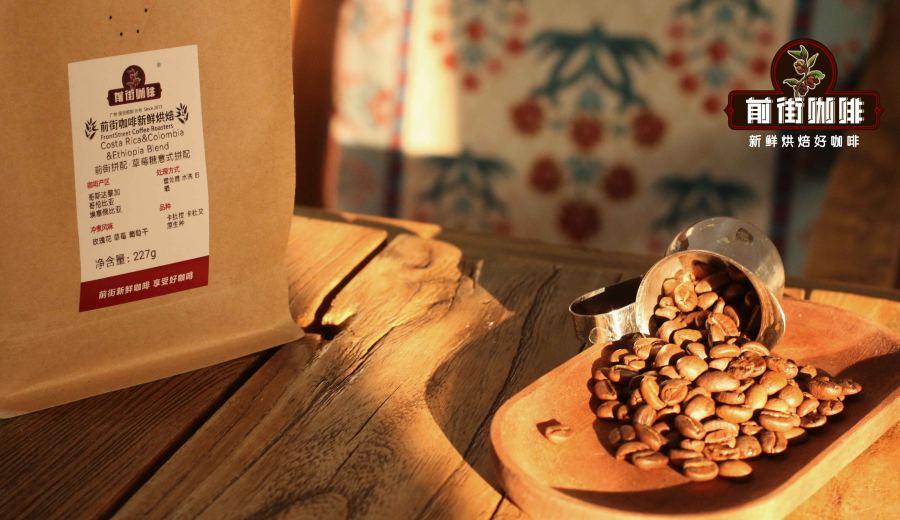
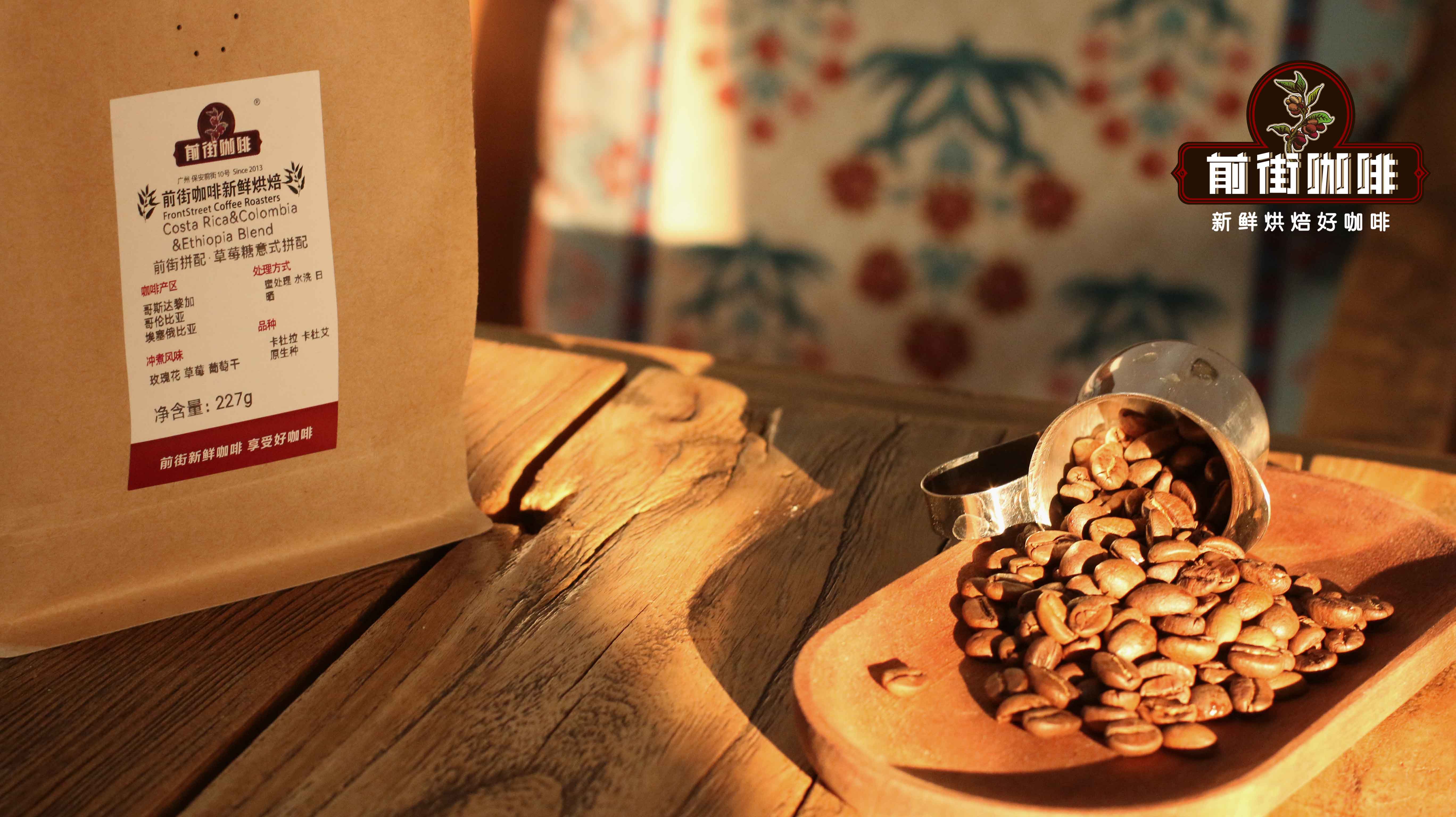
Cafés that favor fruity profiles might consider medium-roasted blends, such as combinations of Costa Rican honey-processed beans and Ethiopian natural beans, complemented by a small portion of Colombian beans for balance. These blends can present bright fruit acids like strawberry and citrus after extraction, while maintaining moderate sweetness and a smooth mouthfeel — ideal for consumers who enjoy a refreshing flavor.
For those pursuing nutty and chocolatey flavors, Brazilian and Colombian blends are recommended. These typically use medium-to-dark roasts to highlight notes of nuts, cocoa, and caramel. The resulting espresso often carries a buttery cookie-like finish, making it suitable for Americanos or as a latte base — offering a mellow flavor without being overly sharp.
If the goal is to create a commercially viable blend with rich crema and good value, consider a three-region combination such as Brazil, Colombia, and Vietnamese beans. With an appropriate medium-to-dark roast, these beans can produce intense caramel aromas and thick crema, catering to high-volume cafés while also meeting home users’ needs for approachable flavor and affordability.

For beginners or budget-conscious cafés, it’s recommended to opt for blends that offer balanced flavors at an accessible price point. Such blends usually feature mild fruit acids, caramel sweetness, and a dark chocolate finish. They’re suitable for everyday drinking and can also serve as foundational beans for practicing extraction skills. As long as grind size and water temperature are properly controlled, even novices can easily brew espresso of commendable quality.

The above content is compiled by CoffeeHunters, a coffee news website.

