








Introduction:Many beginners or home espresso machine users often encounter issues such as under-extracted espresso with insufficient crema, flat flavor, or excessive bitterness. The key lies in mastering the correct grind size and ratio settings. This article will delve into how to find the most suitable grind setting for your espresso machine and recommend several high-quality espresso blends that are ideal for beginners and daily use, helping you easily achieve optimal extraction and enhance the flavor profile of your coffee.
When you first get an espresso machine or are preparing to challenge professional-level coffee at home, you often face a common issue: even when following the recommended parameters from coffee shops, you still can’t extract coffee with rich crema and layered flavors. In this case, adjusting the grind size and coffee-to-water ratio is often the most direct and effective way to improve. But how do you find the most suitable grind setting for your own machine? And which stable-quality espresso blends should you choose as your entry-level options? The following sections will step-by-step unravel these questions for you.
First and foremost, choosing the right coffee beans is the first step to success. It is recommended to select products with a clear roast date (not just an expiration date), sourced from reputable roasters, and prioritize freshly roasted beans (ideally used within 5–14 days after roasting). This not only helps retain more flavor compounds but also contributes to stable extraction performance.

Among the many choices, there are several market-proven espresso blends that are well-suited for coffee lovers with different flavor preferences. For example, if you prefer a rich and full-bodied taste, you can opt for a classic dark roast blend using Brazilian Red Bourbon, Indonesian Mandheling, and Vietnamese Robusta. This combination can stably produce thick crema and is suitable for making Americano or latte bases. If you want to experience bright acidity with floral and fruity notes, it is recommended to choose a medium-roast blend, which often mixes Costa Rican honey-processed beans with Ethiopian natural beans, along with some Colombian beans, bringing out a refreshing sweetness akin to strawberry taffy and delicate crema.
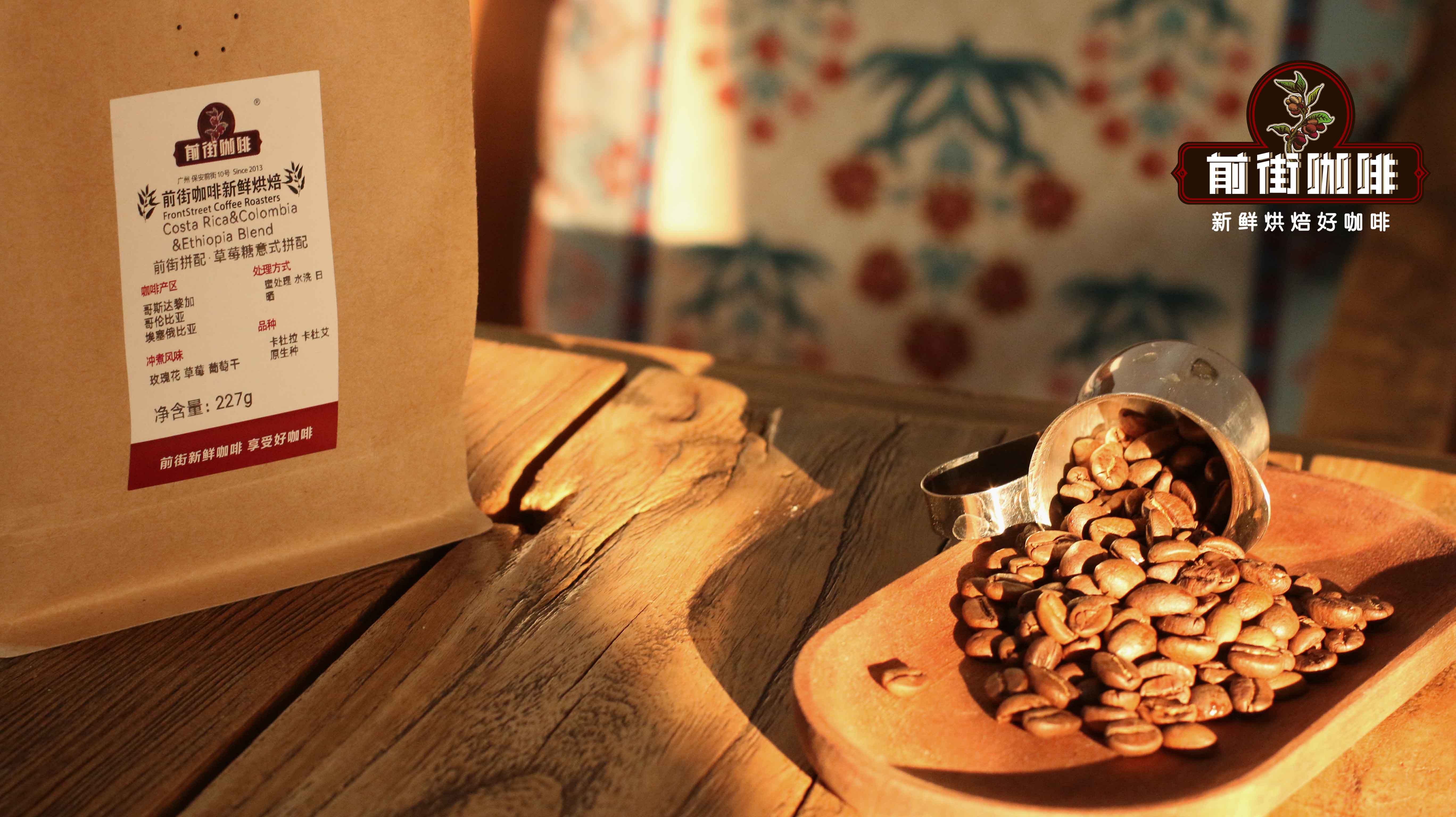
There are also classic blends that emphasize nutty and chocolatey profiles, usually based on Brazilian and Colombian beans, delivering layers of buttery cookies, cocoa, and roasted nuts—ideal for users who enjoy a fuller body. If you wish to replicate the common Americano or latte flavors found in cafés, a medium-dark commercial blend is also a good choice, offering rich crema and pronounced aroma while balancing smoothness and intensity. For beginners, it is advisable to start with cost-effective entry-level blends that have balanced flavors and noticeable sweetness, suitable for daily home use and more forgiving of minor operational mishaps.


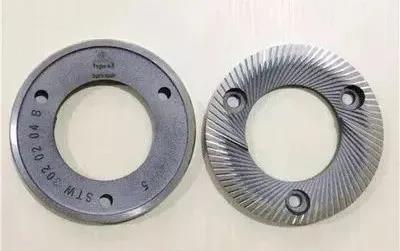
Speaking of grinding, choosing the right grinder is equally crucial. Grinders on the market can generally be divided into two main categories: espresso-specific and single-origin (single-origin coffee) grinders. The former can grind extremely fine particles, suitable for high-pressure extraction. Based on burr structure, they can be categorized into flat burr, conical burr, and gear burr. Among them, flat burr designs, due to their high cutting efficiency, can quickly produce fine particles. Although they may generate more fine particles and slight heat, they remain the top choice for many professional shops and home users. The working principle of flat burr grinders involves two parallel burr discs rotating at high speed, pushing coffee beans into the teeth through rotational force to grind them. However, the pushing process can lead to uneven grinding, thus requiring more frequent fine-tuning and maintenance.
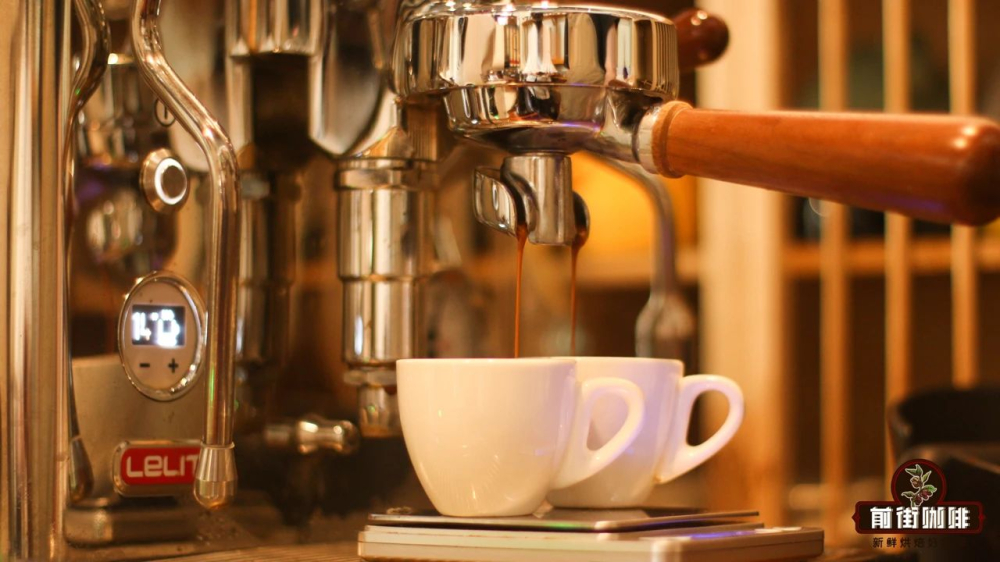
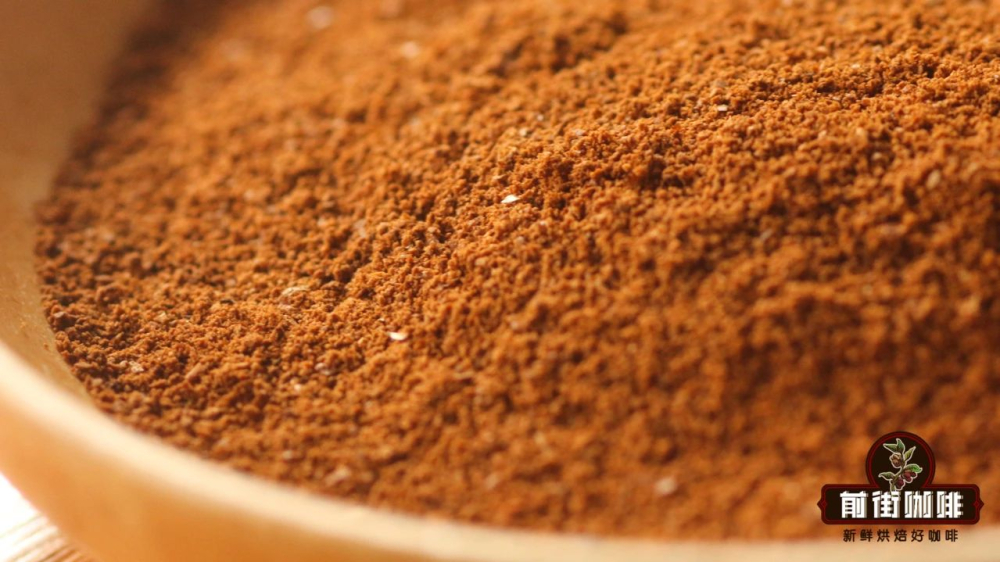
When adjusting the grind size, it is recommended to use the “1:2 golden ratio” as a benchmark—that is, extracting 40 milliliters of coffee liquid from 20 grams of coffee grounds, and keeping the extraction time between 25 to 28 seconds. If the flow rate is too fast, it indicates the grind is too coarse, possibly leading to under-extraction, with flavors leaning toward sourness and lighter-colored crema. If the flow rate is too slow or dripping becomes difficult, it may mean the grind is too fine, which can cause over-extraction, resulting in burnt bitterness and off-flavors, with crema possibly appearing dark and viscous. Observing the flow rate and tasting the flavor are key steps in adjustment.
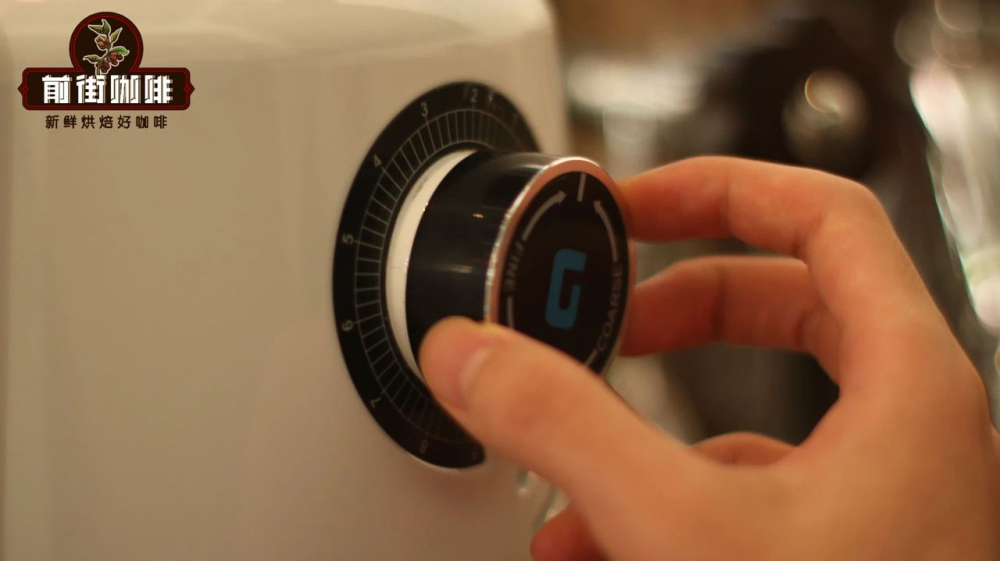
It is worth noting that the grind setting is not a one-time fix. Over time, factors such as changes in coffee bean storage conditions (humidity and temperature), as well as natural wear of the grinder burrs, can all affect the actual fineness of the grind. Additionally, after continuously brewing multiple shots, the burrs may heat up due to friction and machine operation, causing thermal expansion, which might reduce the grind gap and result in abnormal subsequent extraction times. Therefore, whether to maintain stable extraction or adapt to different coffee beans, regularly (even daily) checking and fine-tuning the grind setting is basic practice for serious users.
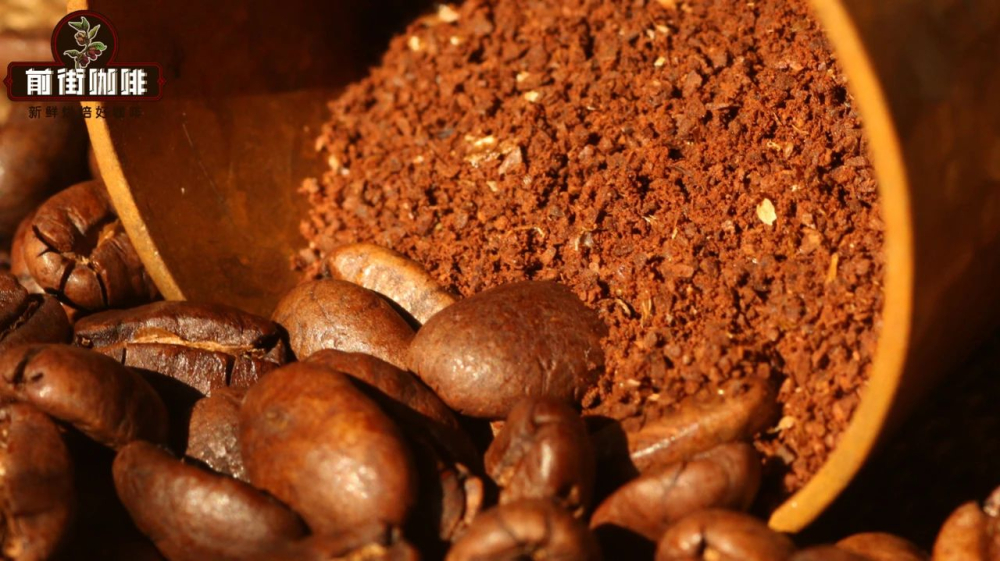
Finally, different types of coffee beverages also have varying requirements for espresso. For instance, a Flat White, which emphasizes coffee aroma and rich body, is recommended to use a slightly coarser grind and a bit more coffee grounds to fully extract the aromatic compounds from the early stage while balancing the sweetness of the milk. Regardless of whether your goal is to pursue thick crema, balanced acidity and sweetness, or simply to enjoy a smooth everyday coffee, understanding the basic logic of grinding and extraction can help you get closer to your ideal coffee flavor with each brew.
The above content is compiled by CoffeeHunters, a coffee news website.

