








Introduction:Learn how to choose commercial espresso blends suitable for making espresso, from flavor profiles and roast levels to common bean combinations. This article provides an in-depth analysis of four classic Italian-style blends, along with practical extraction tips and parameter references to help you find the beans that meet your needs—whether for café operations or home brewing.
Espresso is known for its rich body and thick crema, and crafting an outstanding shot hinges on selecting the right blend. Compared to single-origin beans, blends combine beans from different regions to achieve balanced and stable flavors, making them especially well-suited for popular espresso-based drinks like espresso, lattes, and cappuccinos. This article will take you through several classic espresso blends, exploring their unique flavors and suitable scenarios.
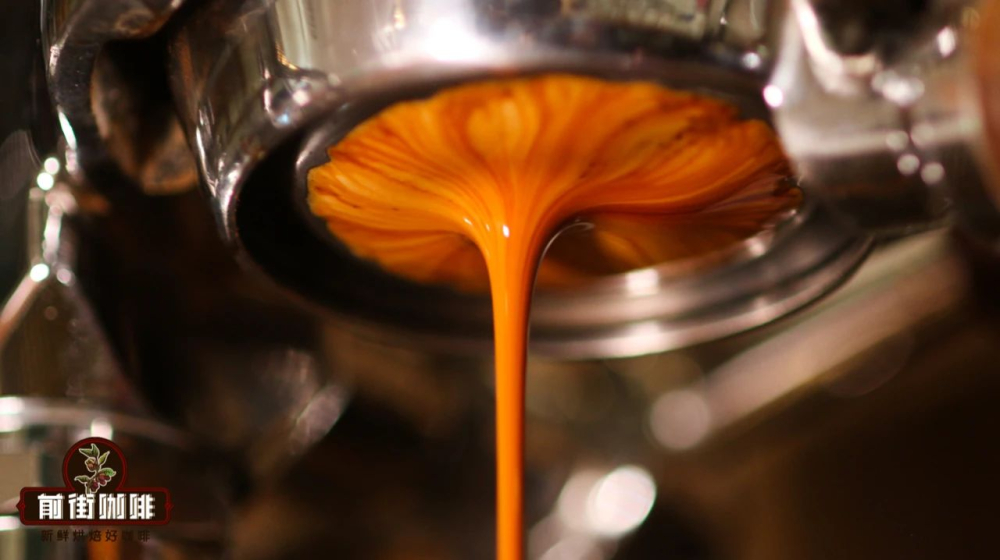
The term "coffee blend" refers to the combination of beans from different origins, varieties, or processing methods, mixed in specific proportions and for particular purposes. This approach compensates for the shortcomings of single-origin beans—for example, pairing beans with prominent aromas with those that are rich but have more muted flavors, allowing them to complement each other and create a more layered cup. Blending methods can be divided into "pre-roast blending" (mixing before roasting) and "post-roast blending" (adjusting the ratio after roasting), each with its pros and cons. The key lies in adjusting the roasting and blending strategies based on the characteristics of the beans in the recipe.
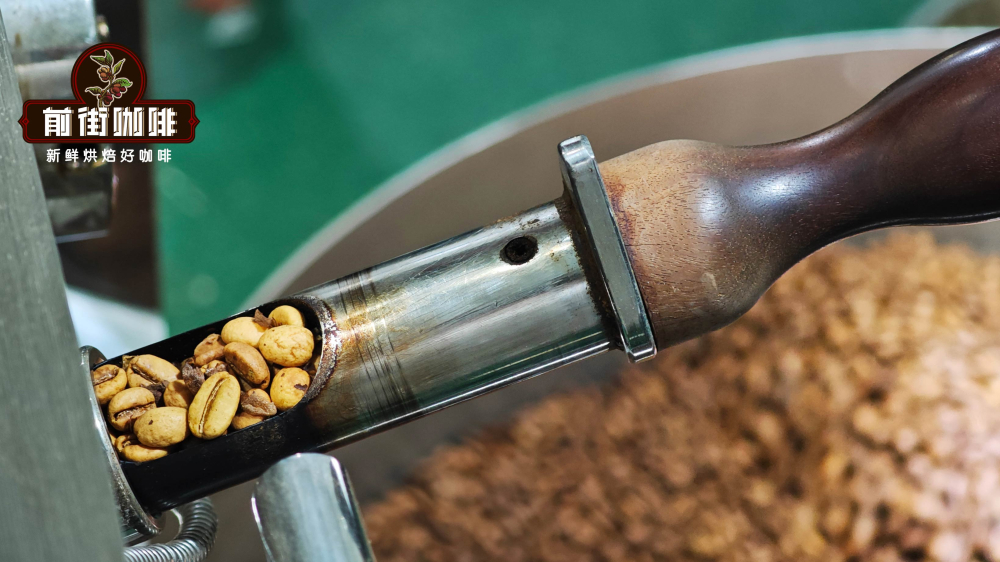
When choosing an espresso blend, consider whether it can deliver a rich, balanced, and distinct expression of crema and mouthfeel. Generally, espresso blends are medium to dark roasted to bring out caramelization reactions and a full-bodied texture. Below, we introduce four commercially available blends with distinct styles, offering you a reference for selection based on different needs.
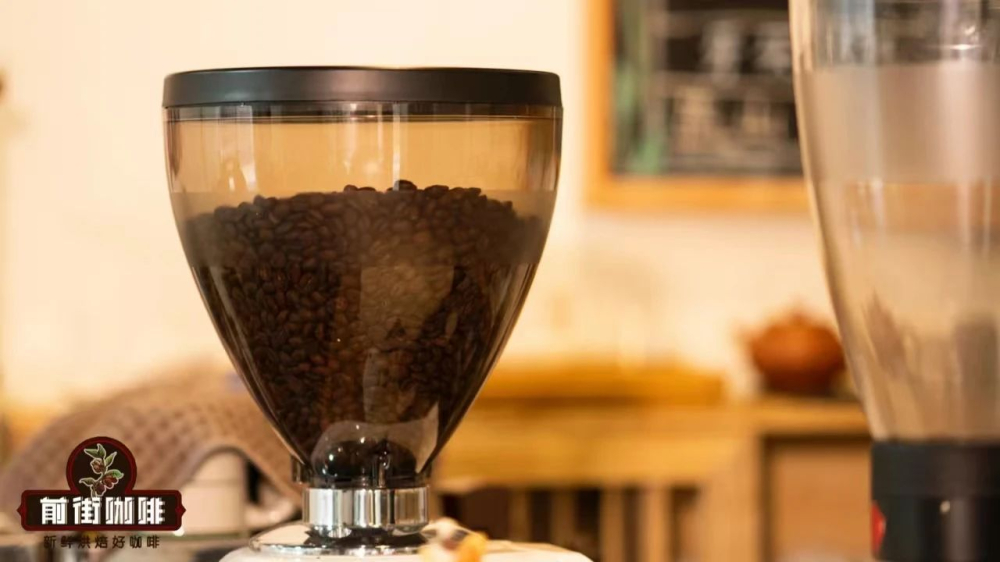
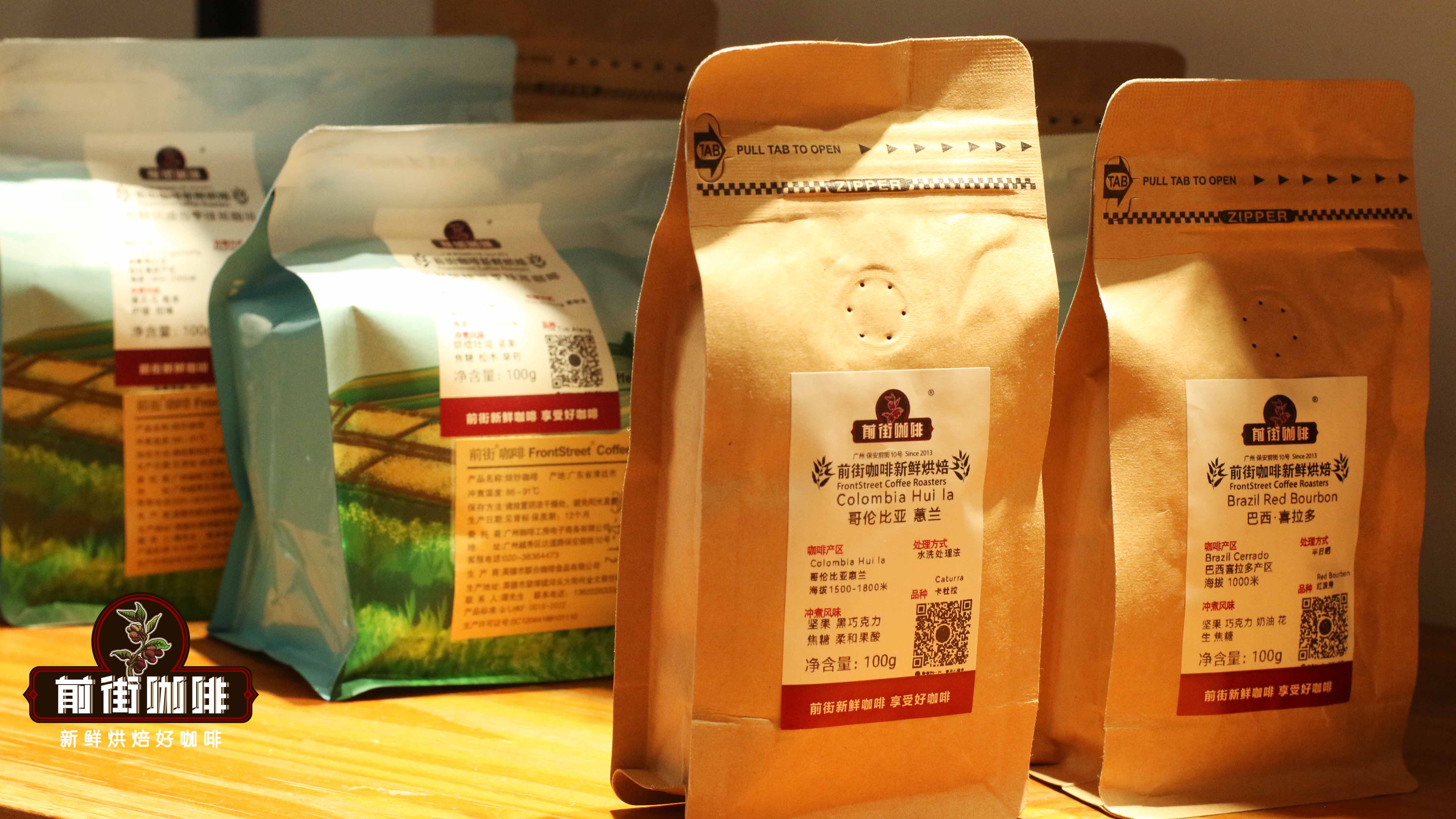
The first is a blend from Colombia’s Huila region and Brazil’s Cerrado region. Coffee from Huila is typically grown at altitudes of 1500–1800 meters, mainly using Bourbon and Caturra varieties. Washed processing gives it higher density and plump beans, often featuring flavors of nuts, chocolate, and caramel, with moderate acidity. Brazilian Cerrado, grown at lower altitudes (around 1000–1300 meters), usually employs semi-washed processing, resulting in softer beans that suit medium roasting to preserve the rich qualities of nuts and milk chocolate while avoiding excessive heat that can cause burnt bitterness. This blend is medium-dark roasted, yielding an espresso with a soft and slightly acidic taste, a sweet aftertaste, and medium crema, making it very suitable for daily café use and home brewing.
If you need a blend with richer crema and a classic flavor profile, you might consider one that includes Robusta beans. Robusta is naturally resistant to disease and high-yielding. Although it has low acidity and often exhibits woody or bitter notes, its high caffeine and chlorogenic acid content can give espresso a thicker body and intense aroma. This blend skillfully combines Colombian, Brazilian, and Robusta beans, producing an espresso with caramel sweetness, nutty, and dark chocolate flavors. It achieves a balanced acidity and sweetness with a long-lasting finish, making it particularly suitable for cafés that require stable output and high crema performance in their daily drink preparation.

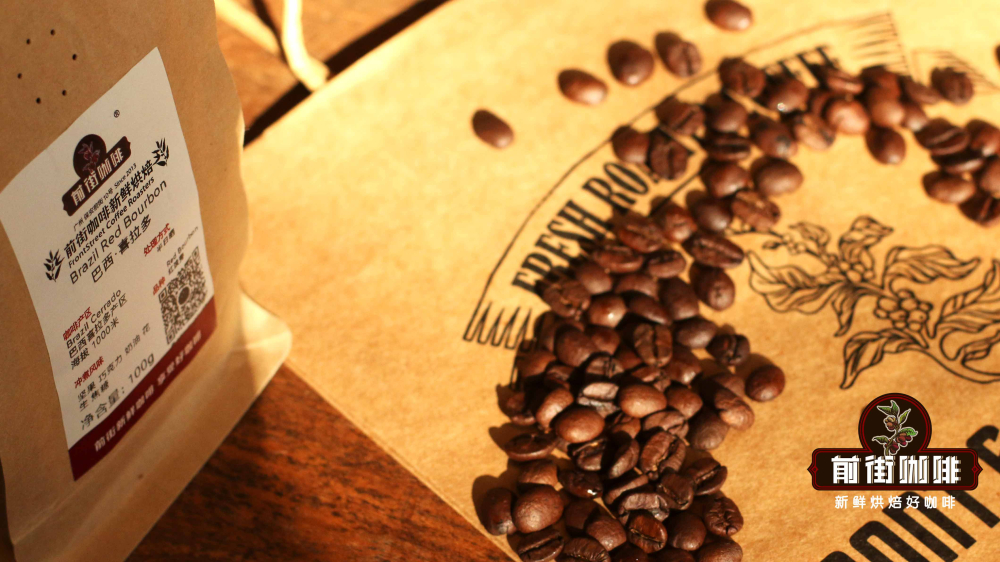
Another classic combination is a blend of Brazilian, Indonesian Mandheling, and Vietnamese coffee. Brazilian Red Bourbon offers nutty and creamy aromas, Mandheling contributes layers of spice, caramel, and herbal notes, while Vietnamese coffee adds golden crema. This blend is dark roasted to maximize flavor intensity and crema expression. It’s suitable for users focused on cost control but still seeking a certain level of flavor performance, especially ideal for budget-friendly cafés or high-volume home use.
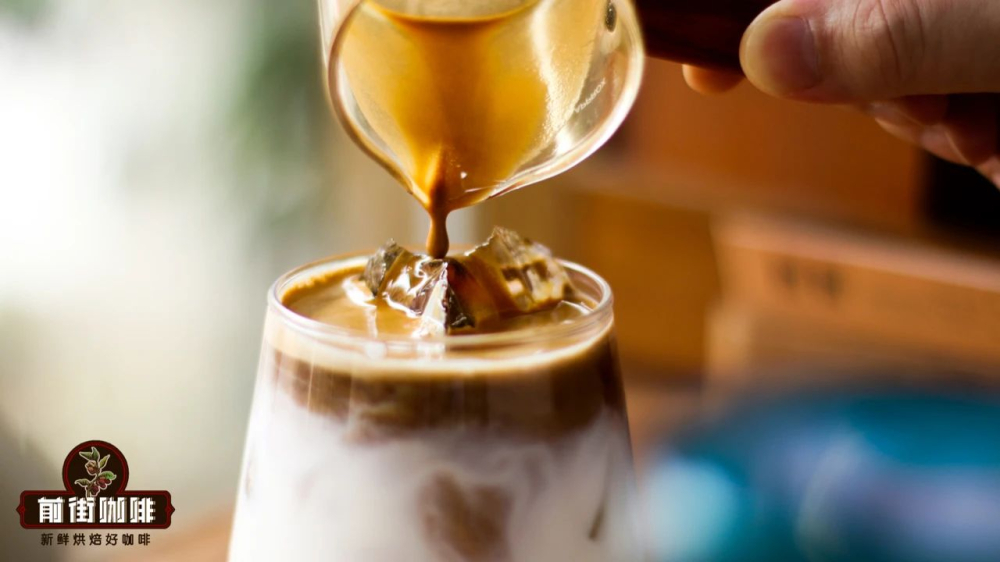
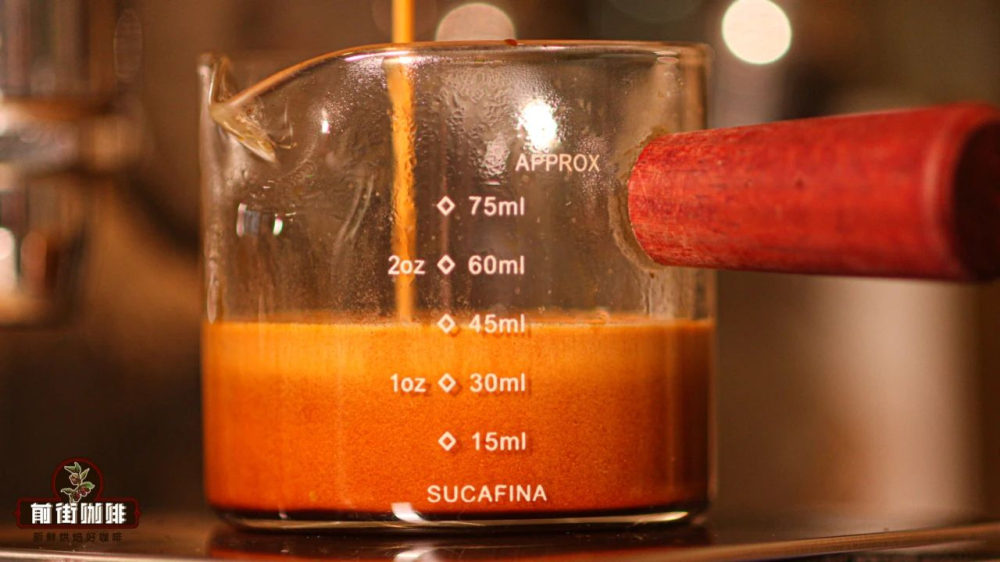
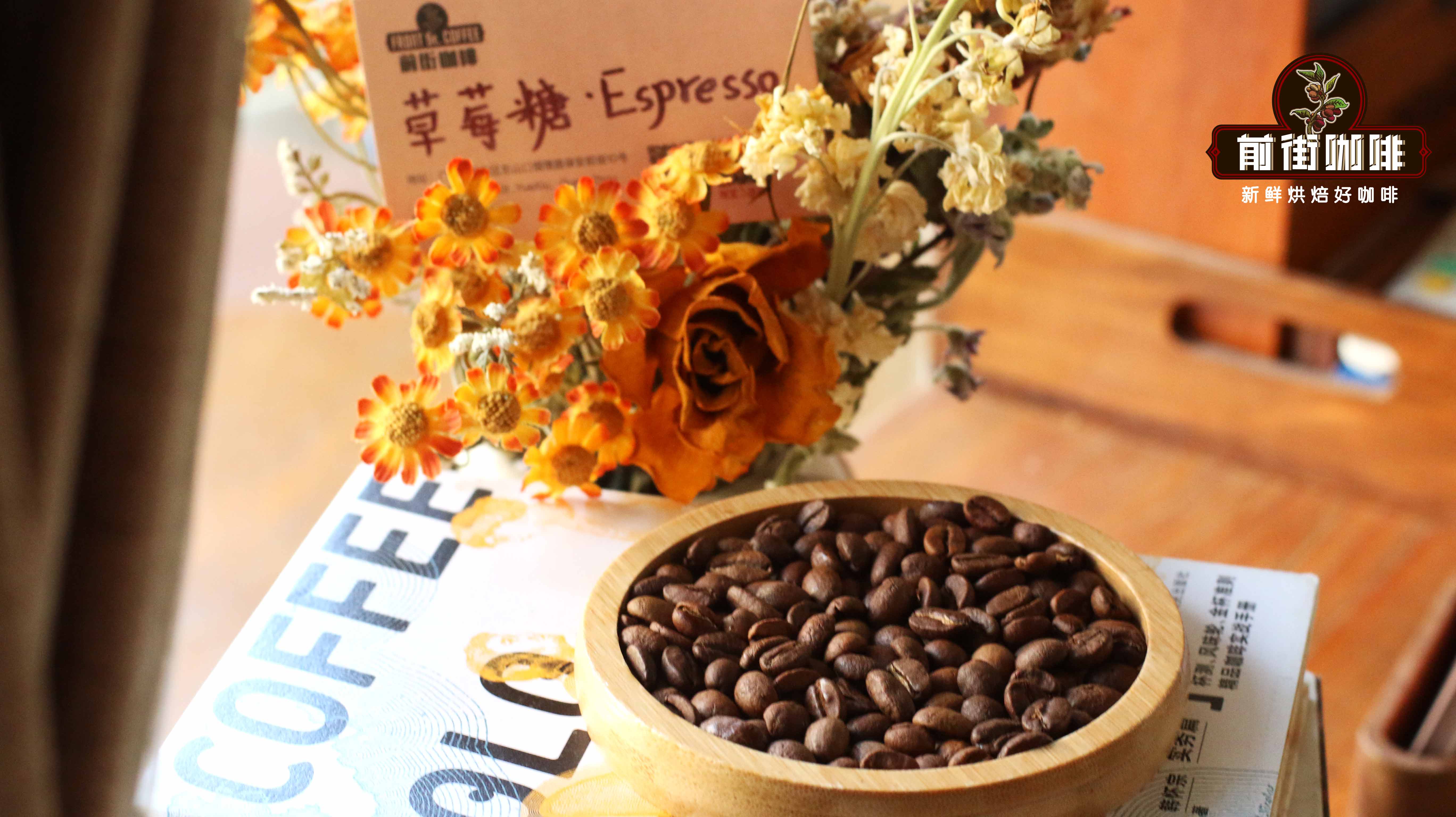
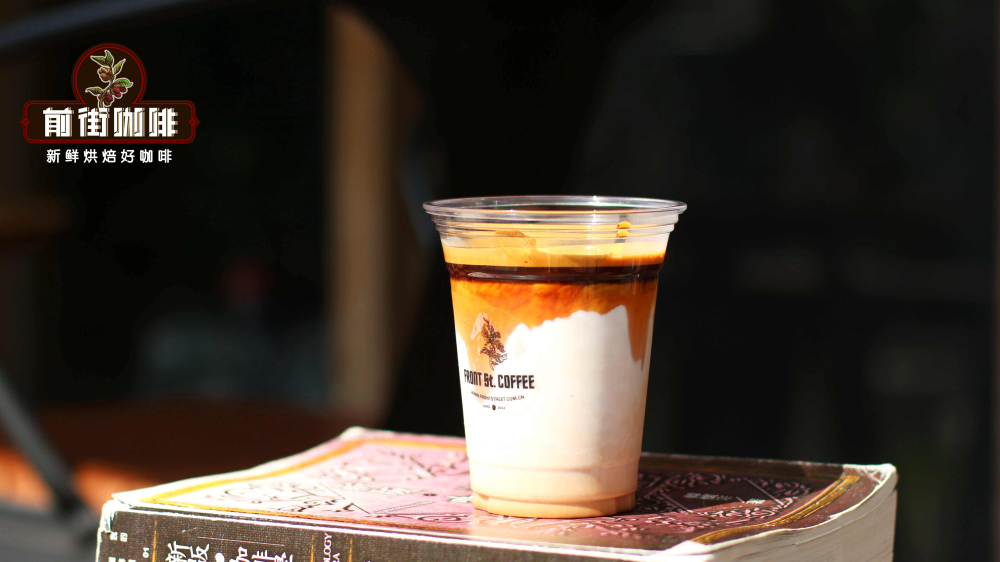
If you prefer a brighter flavor with fruity acidity, consider a medium-roasted option. One such blend, based on Costa Rica, Ethiopia, and Colombia, highlights berry and fruit sugar aromas with honey-processed beans, paired with Colombian cocoa notes to create a strawberry taffy-like balance of acidity and sweetness. This blend is suitable for extraction at medium temperature and pressure, with recommended parameters of 20 grams of coffee grounds yielding 40 grams of liquid in about 28 seconds, achieving delicate crema and a smooth mouthfeel. This blend is particularly well-suited for making iced lattes, where it showcases a lasting chocolate and berry aftertaste in the summer, with a pronounced sweetness and overall smoothness.
In summary, selecting the right Italian-style espresso blend requires a comprehensive consideration of roast level, bean combination, and intended use. Whether you’re aiming for richness and body or preferring fruity acidity and layered flavors, there are corresponding blend options available. In practice, it’s recommended to fine-tune grind size and extraction time based on your shop’s equipment and customer taste preferences to fully unlock the potential of each blend.
The above content is compiled by CoffeeHunters, a coffee news website.

