







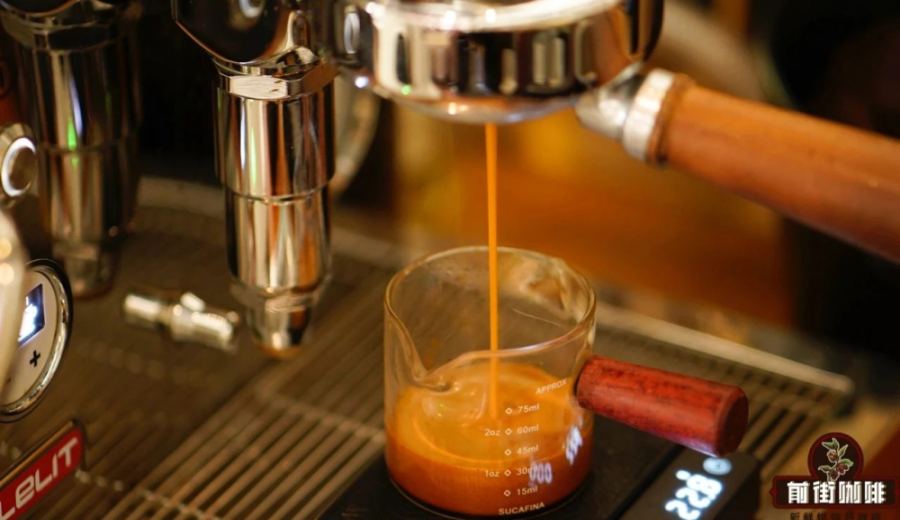
Introduction:Want to brew a professional-grade espresso at home? Choosing the right coffee beans is key. Many people assume that espresso can only be made with dark roast beans, but in reality, there’s a wide range of flavor profiles—from blends to single origins, and from medium to dark roasts. This article dives deep into common misconceptions, explains the logic behind choosing espresso beans, and introduces various blend and single-origin options with different flavor directions. It also offers practical advice on storage and grinding to help you find the beans that best suit your taste.
Espresso is a concentrated coffee brewed under high pressure, commonly used in classic drinks like lattes and cappuccinos. Many people’s first impression of espresso is that it’s strong and bitter, but in fact, a high-quality shot of espresso can also showcase complex layers of fruitiness, floral notes, caramel, and even chocolate—all closely tied to the beans you choose.
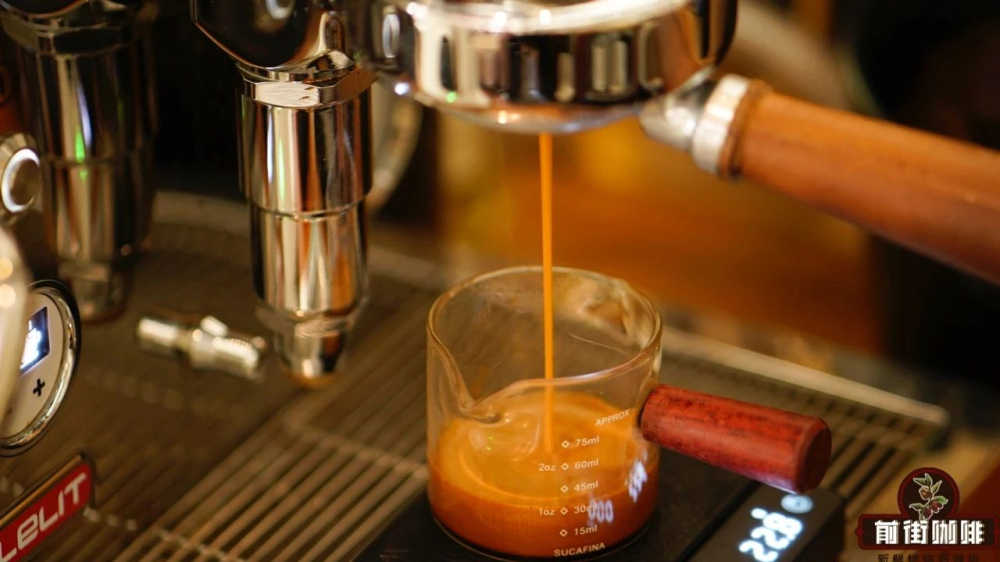
A common question from beginners is: can any coffee bean be used to make espresso? The answer is: not necessarily. While technically beans of any roast level can be used for espresso extraction, if you want a balanced and layered shot, it’s recommended to use specially blended or roasted beans designed for espresso. An ideal espresso should have a distinct sweetness, with a well-balanced interplay of acidity, bitterness, sweetness, and aftertaste—something that single-origin beans often struggle to achieve on their own.
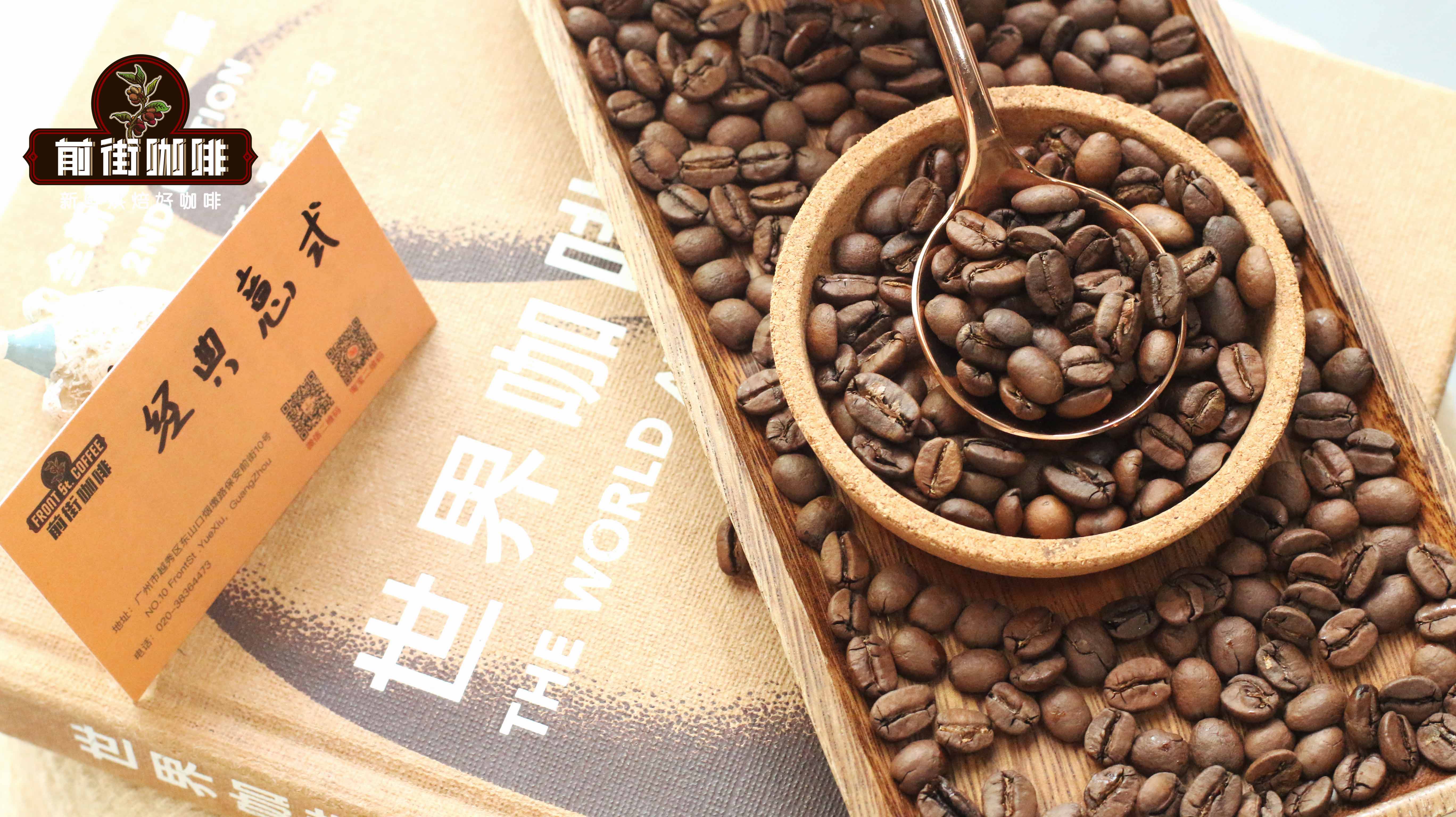
A common solution is to use blends. Blending isn’t just about mixing beans from different regions; it may also involve combining beans from the same region but roasted to different levels. The goal is to complement different flavors to create a more rounded, full-bodied, and layered extraction. Blends not only stabilize flavor consistency but can also be adjusted to highlight different characteristics—such as intensity, fruity notes, or creaminess—based on your preference.
Dark roast beans are often considered the hallmark of espresso, especially suited for making bold shots with rich crema. For example, a dark roast blend combining Brazilian, Indonesian, and Vietnamese beans can deliver a robust profile of caramel and nutty tones, while also producing dense crema. It’s perfect for those who enjoy a full-bodied cup, whether enjoyed as an Americano or with milk in a latte.
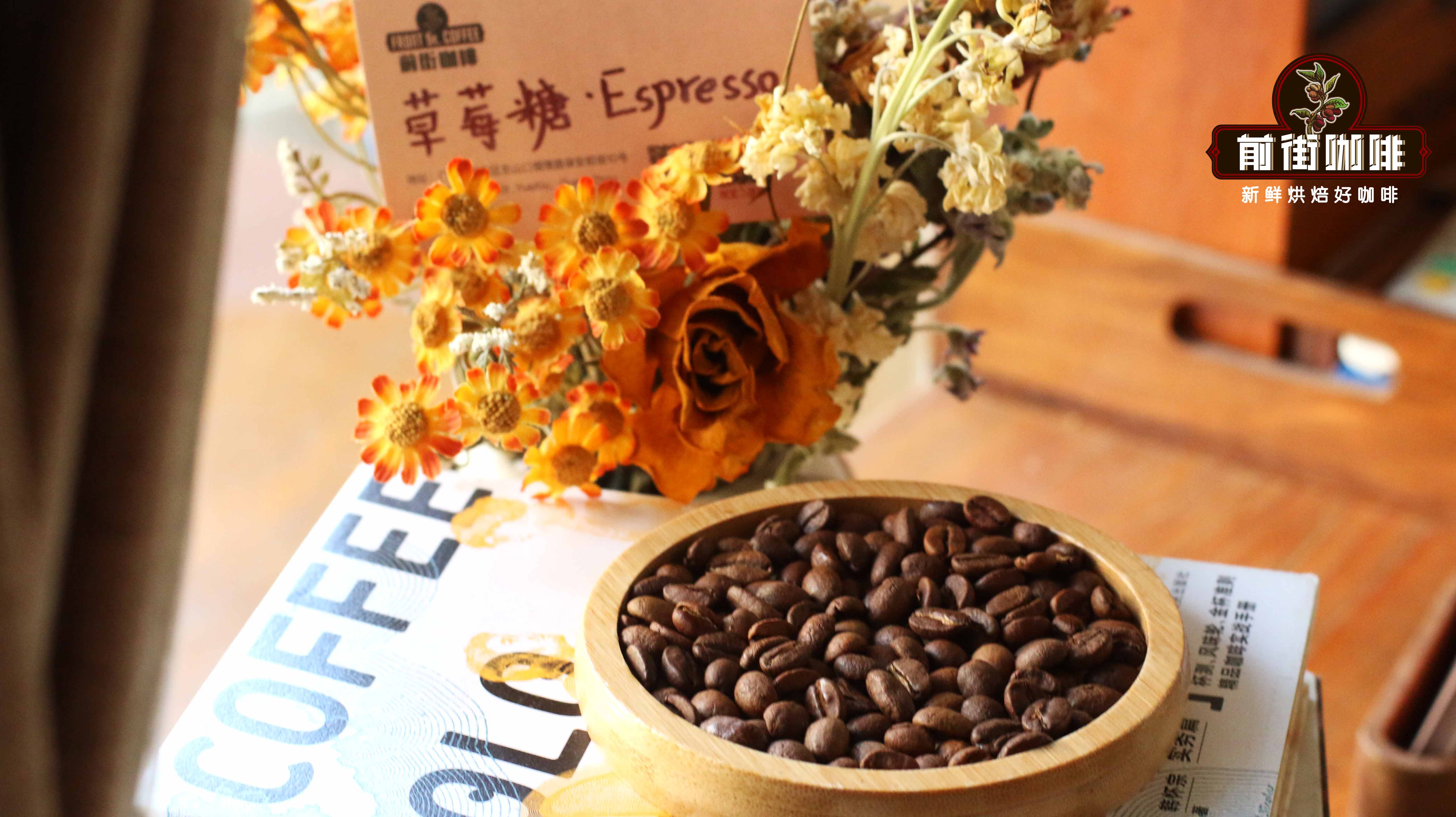
If you prefer coffee with floral and fruity aromas, consider a medium roast blend. A recipe that combines honey-processed Costa Rican beans with Ethiopian beans, carefully crafted with a medium roast, can produce a gentle acidity and sweetness during extraction—reminiscent of strawberry gummies—with fine crema and a refreshing mouthfeel. It’s ideal for those who don’t enjoy overly bitter or harsh flavors.
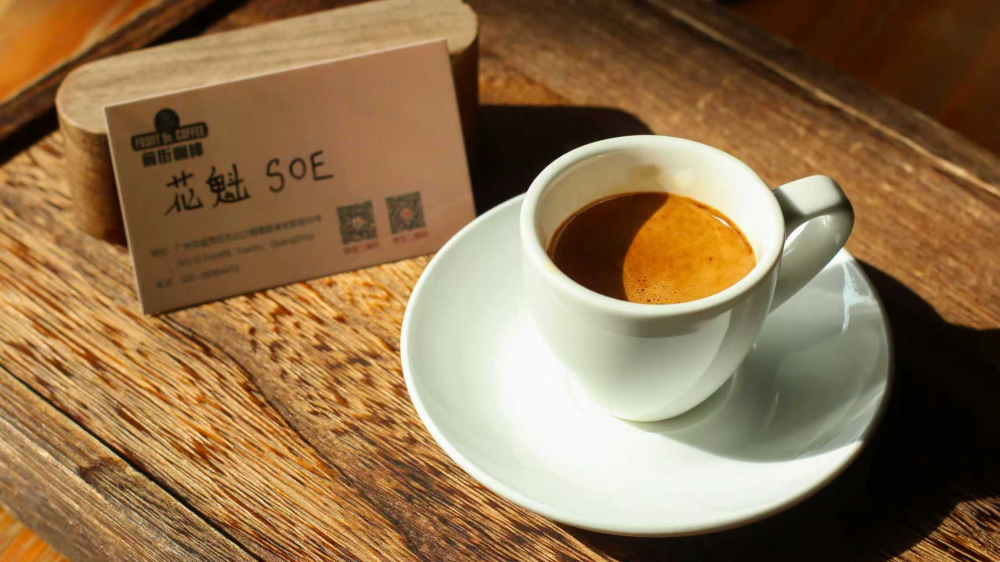
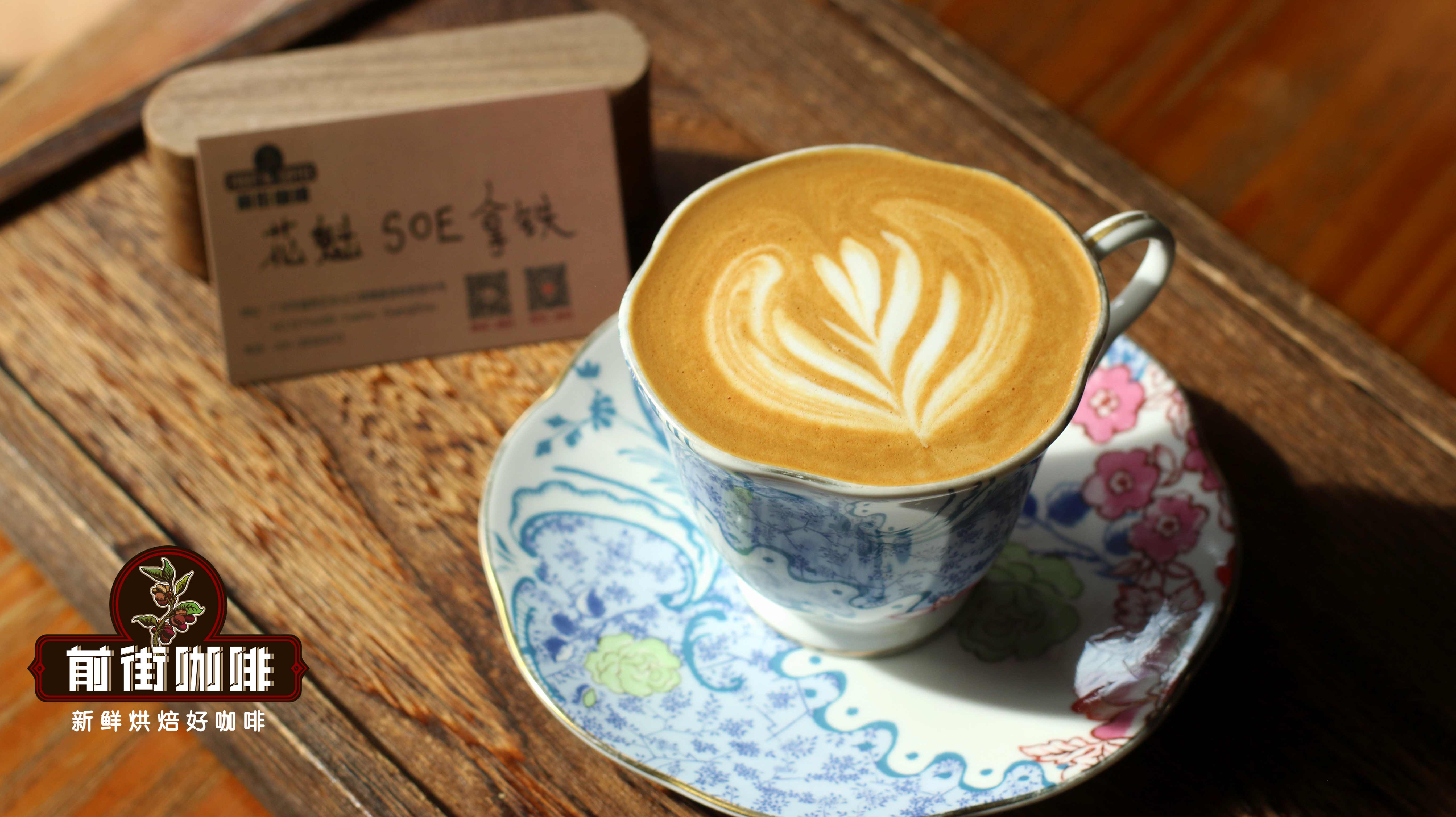
Beyond traditional blends, Single Origin Espresso (SOE) has gained popularity in recent years. SOE emphasizes using beans from a single origin to brew espresso, allowing the unique terroir and processing methods of that region to shine through. These beans usually don’t require very dark roasts and can still present bright acidity and nuanced layers. For example, a naturally processed Ethiopian bean from the Guji Hambela region, roasted to a medium level, can offer aromas of berries, citrus, and black tea. Whether brewed as a SOE Americano or paired with milk, it clearly showcases its regional characteristics.
For everyday home use, choosing a cost-effective blended coffee is also a great option. For instance, a medium-dark roast blend combining Brazilian, Colombian, and Vietnamese beans provides rich roasty notes and chocolatey tones, making it suitable for frequent use in homemade lattes or Americanos. It’s affordable, consistent, and dependable.
No matter which beans you choose, freshness is crucial to the quality of your extraction. It’s recommended to select beans roasted within 5 days and allow them to rest for about 4 to 7 days after arrival to reach their peak flavor window. This resting period allows the beans to fully develop their flavors. If you purchase pre-ground coffee, use it as soon as possible, as ground coffee oxidizes much faster, significantly affecting extraction quality and flavor.
In summary, there’s no one-size-fits-all answer to choosing the right espresso beans. It all depends on your personal taste preferences, usage scenarios, and budget. Whether it’s the boldness of a dark roast blend, the fruity notes of a medium roast, or the regional characteristics of an SOE single origin, each type of bean can bring a unique surprise to your espresso. Remember to pair it with the right grind size and extraction parameters to fully unlock the bean’s potential.
The above content is compiled by CoffeeHunters, a coffee news website.

