







Introduction:This article delves into the characteristics of dark roasted coffee beans and the types of coffee drinkers they suit, while also exploring how caffeine content is influenced by roasting and brewing methods. Through detailed explanations of how different roast levels shape flavor, along with practical test data, we’ll help you understand daily safe intake levels—so you can find the coffee beans and brewing method that’s right for you.
For coffee enthusiasts, roast level is not only a key factor influencing flavor but also directly tied to our everyday drinking experience. From light to extremely dark roasts, each stage not only alters appearance and color but also profoundly affects aroma, acid-sweet balance, and overall mouthfeel. Many who enjoy bold flavors are particularly drawn to the smoky richness and chocolatey layers that dark roasts offer.
First, let’s look at common roast stages. Light Roast (极浅焙) is usually dropped just before or after the first crack, exhibiting a light cinnamon color with flavors leaning toward grassiness and the bean’s inherent characteristics. Acidity is pronounced, but aroma tends to be weaker, making it more common for testing purposes than everyday drinking. Next is Cinnamon Roast (浅焙), dropped early in the first crack, offering bright acidity and aroma—it’s the base for some American-style coffees.
Moving into Medium Roast (中度烘焙), beans are dropped roughly between the start and end of the first crack. The surface turns chestnut-colored, with a balanced acid-bitter profile, making it a popular choice for many blended coffees and everyday Americanos. High Roast (中深焙), close to the end of the first crack, shows a light reddish-brown exterior, delivering a clean taste with subtle sweetness—ideal for those who prefer a soft yet layered cup, such as Blue Mountain and Kilimanjaro coffees, which are often roasted to this level.
City Roast (中深度烘焙) is one of the most widely accepted roast levels on the market, dropped after the first crack and before the second. The beans are light brown, with balanced acid and bitterness, and a clear, approachable flavor that’s well loved. Commonly seen in beans from regions like Brazil and Colombia. Full City Roast (微深度烘焙) extends further into the start of the second crack, bringing out deeper bitterness and a lingering sweetness—making it a classic choice for iced coffee and pure black coffee.
Advancing to French Roast (法式烘焙), the mid-stage of very dark roasting, beans are dropped during the dense to end phase of the second crack. The surface appears dark brown to nearly black, with pronounced bitterness, almost no acidity, and rich notes of chocolate and smoke. It’s highly favored by European consumers and often used in blended drinks like Vienna coffee and au lait. Finally, Italian Roast (义式烘焙) represents extremely dark roasting, dropped after the second crack ends. The beans have an oily, black surface, with intense carbonized tones lending a strong roasted aroma—commonly the base for espresso.
When it comes to specific dark roast coffee bean recommendations, Indonesia’s Golden Mandheling is truly exceptional. Grown in the Gayo Mountains of Sumatra at altitudes of 1100–1600 meters, it uses the Ateng variety and is processed via the wet-hulled method. After three rounds of screening and hand-picking to remove defects, it delivers notes of spice, herbs, and a full-bodied mouthfeel. Its dark roast treatment further enhances layers of nuts, caramel, and pine.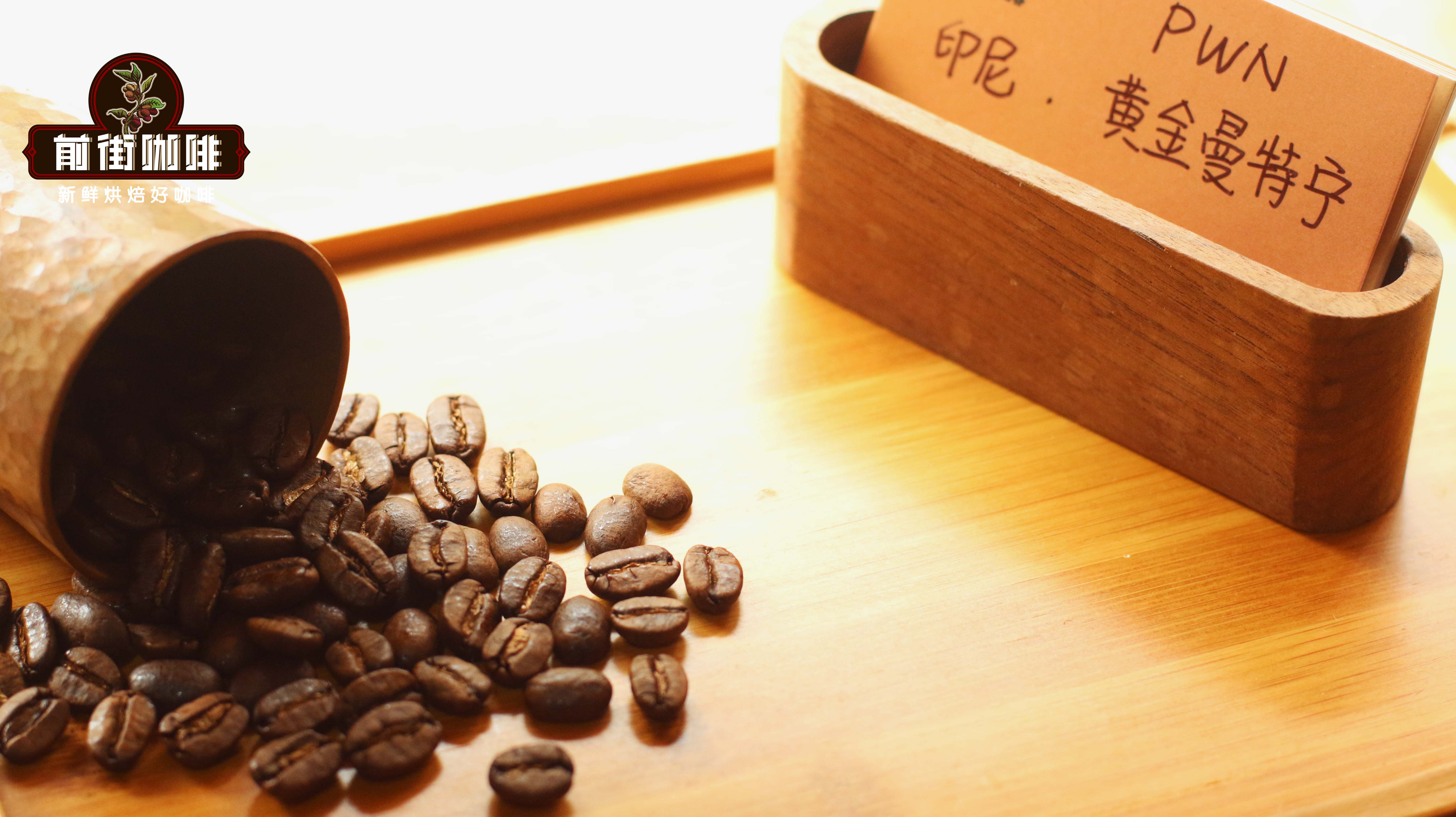 It’s a must-try for anyone who loves bold, herbal flavors.
Additionally, medium-dark roasted beans from Colombia’s Huila region showcase another flavor charm. Grown at high altitudes of 1800 meters, washed processing gives it a clean base, paired with aromas of cream, chocolate, and cookies.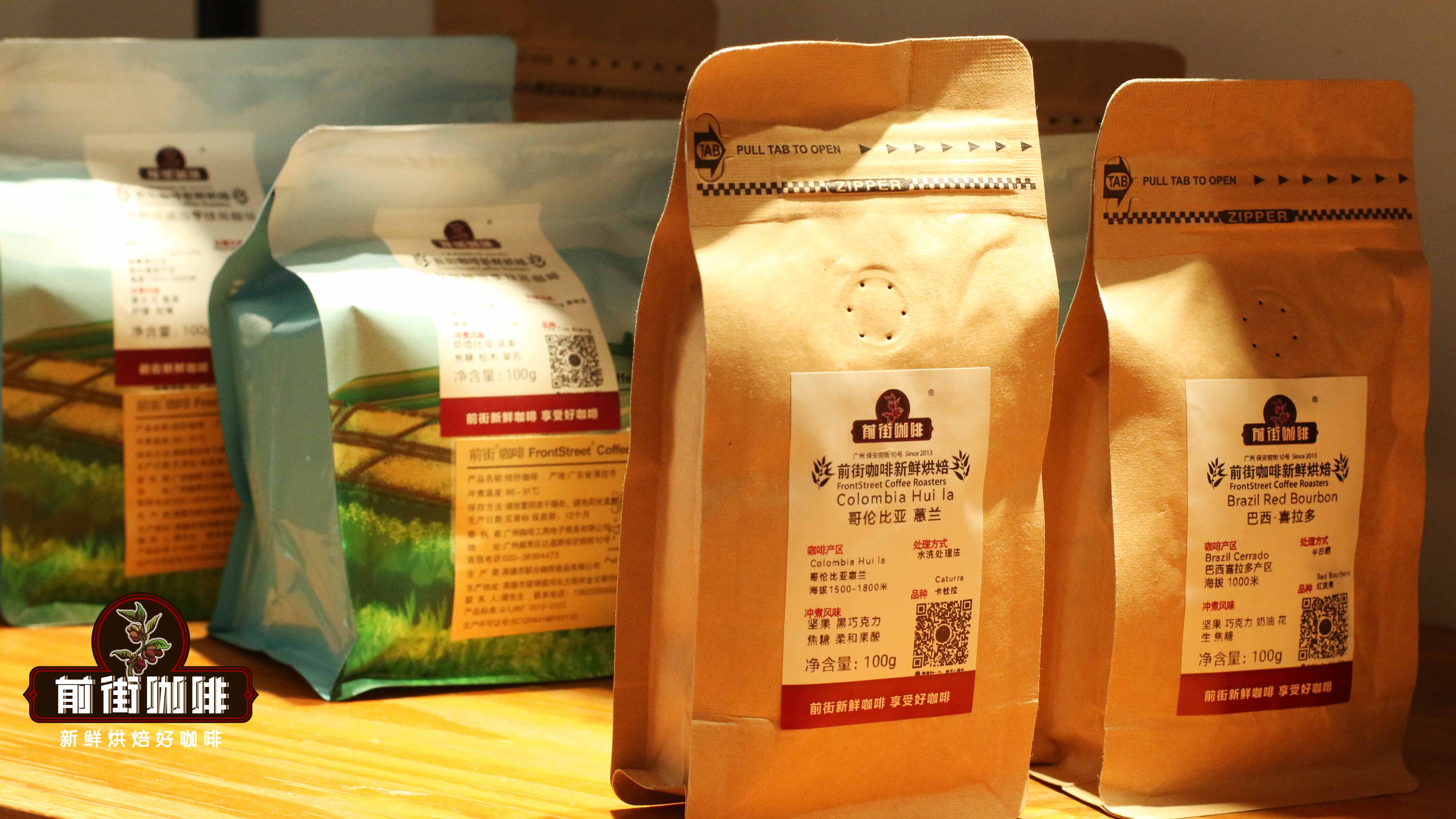 It’s an ideal choice for coffee lovers who enjoy a balanced sweetness with a touch of acidity.
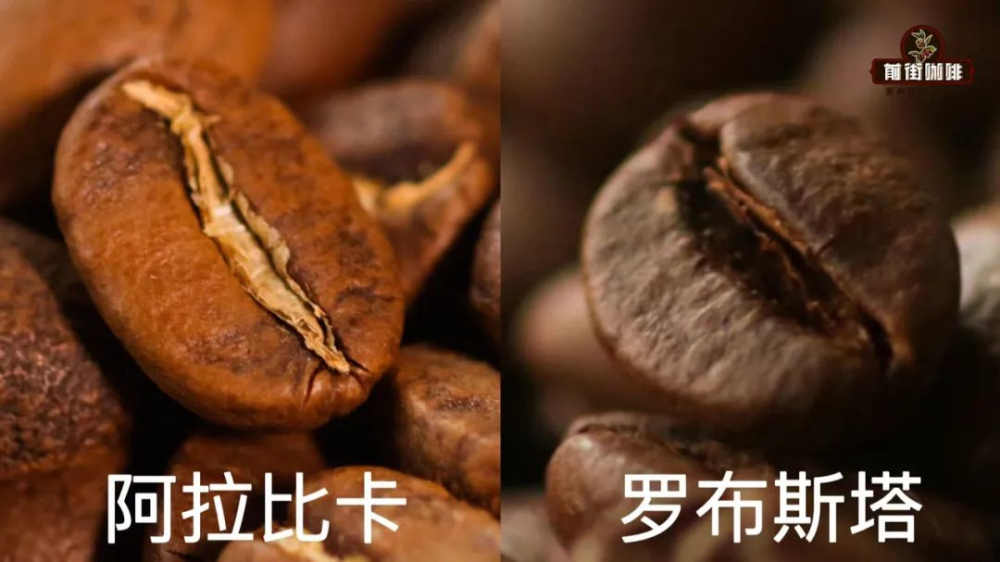
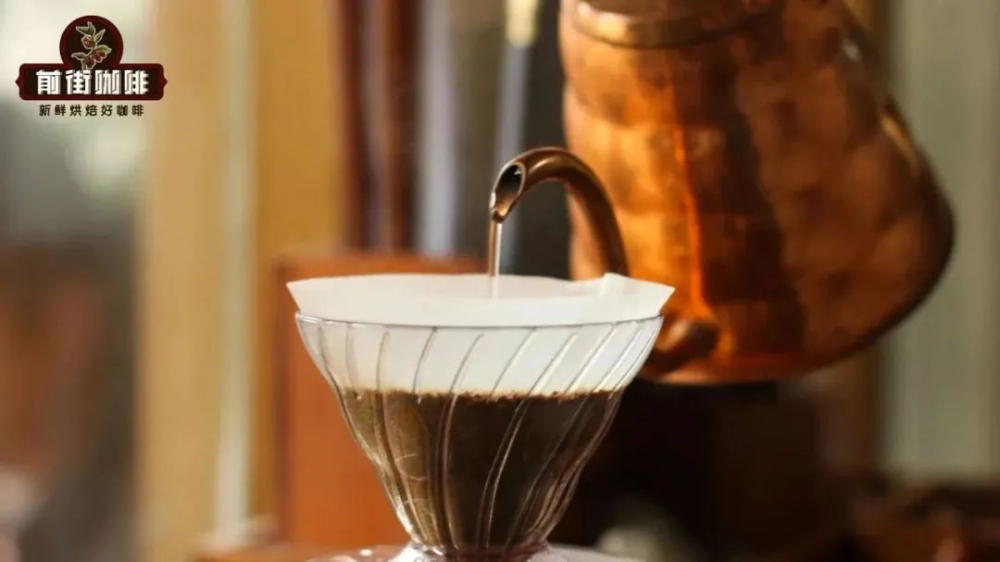
As for caffeine content, it primarily depends on bean variety and roast method. Currently, commercially grown coffee mainly consists of Arabica and Robusta. The former contains about 0.9%–1.4% caffeine (averaging 1.3%), while the latter can be as high as 2%–4% (averaging 3%). A typical pour over coffee using 15 grams of coffee grounds yields a peak caffeine content of around 195 milligrams when calculated using the Arabica average—but actual extraction rates are only 18%–22%, so under normal circumstances, it contains about 60–90 milligrams.
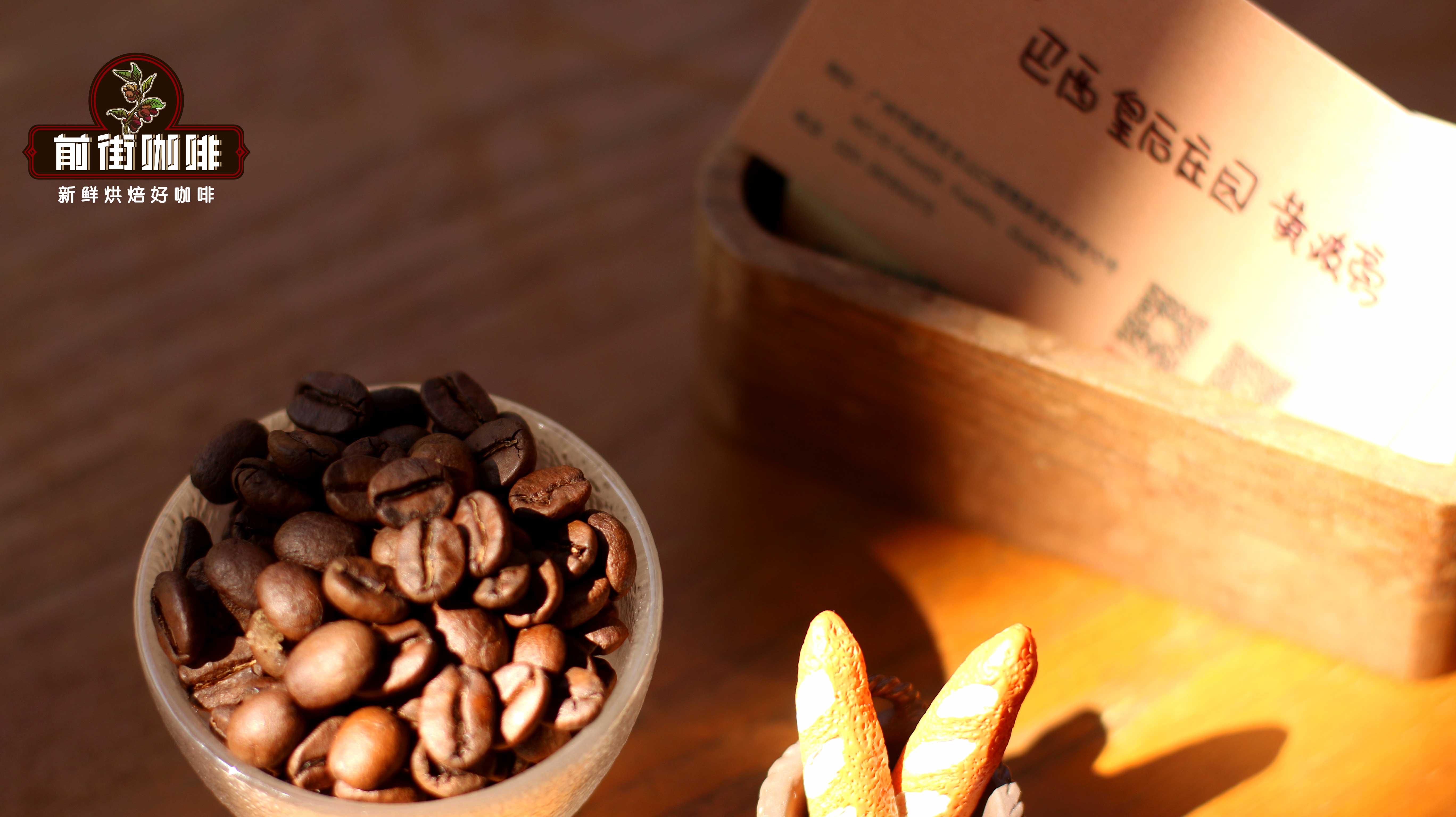
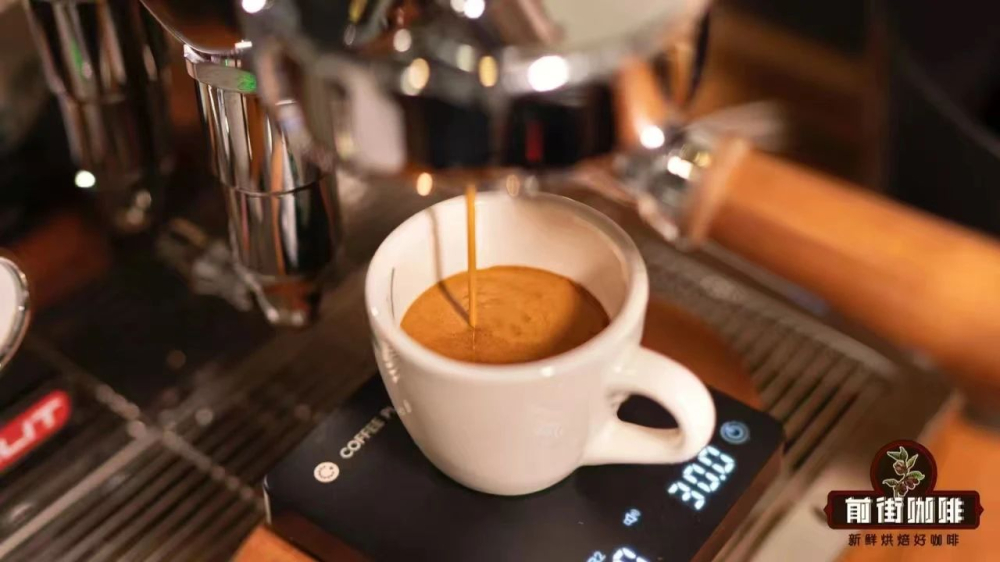
Caffeine content also varies by brewing method: cold brew (200 ml / 20 g beans / 12 hours) is about 200 mg, French press (225 ml / 15 g beans / 5 minutes) is about 120 mg, and espresso (30 ml / 15 g beans / 30 seconds) is about 85 mg. Lattes, cappuccinos, and similar drinks are all based on espresso, so their caffeine content is comparable to that of espresso.
Regarding daily intake, it’s recommended that adults consume no more than 400 milligrams of caffeine per day. If we take an average pour over cup at about 80 milligrams, you could safely drink up to 5 cups a day. Understanding these figures allows you to enjoy the unique allure of dark roast coffee with greater peace of mind.
The above content is compiled by CoffeeHunters, a coffee news website.

