








Introduction:The moka pot is a classic brewing device found in many coffee enthusiasts' homes, but to brew rich and smooth coffee without bitterness, you still need to master some key techniques. This article will delve into the five core elements of using a moka pot: bean selection, grind size, coffee-to-water ratio, timing the shutdown, and whether to leave the lid open. We also recommend several medium-to-dark roast coffee beans that are well-suited for the moka pot, allowing you to easily brew bold and layered flavors at home.
As a classic and highly cost-effective coffee tool, the moka pot can extract richly flavored coffee without complicated equipment. However, many users often encounter issues with overly bitter or burnt-tasting coffee, which is often related to bean variety, grind size, heat control, and operational details. By mastering a few key points, you can adjust according to your personal taste and brew smooth, flavorful coffee.
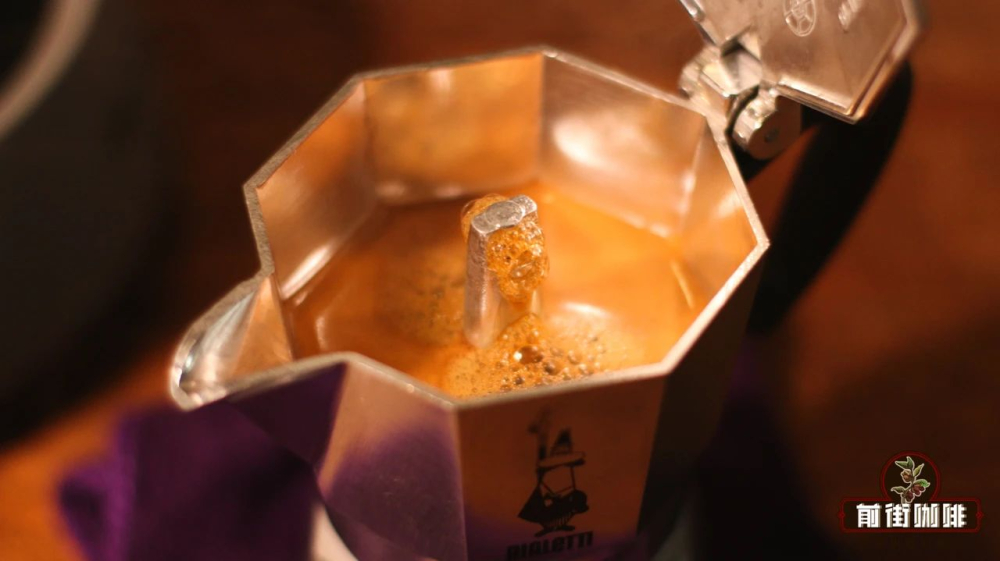
First, choosing the right coffee beans is the first step to success. Given the characteristics of the moka pot, it is recommended to select coffee beans roasted to a medium-to-dark level or darker. These beans can withstand the high temperatures and pressure during the moka pot brewing process, making them less prone to producing overly sharp acidity from over-extraction or heavy burnt bitterness. If you choose beans that are roasted too lightly, they may under-extract, resulting in prominent acidity and a thin mouthfeel. But if the roast is too dark, it may release excessive caramelized compounds, giving the coffee a noticeable burnt bitterness and smoky flavor.

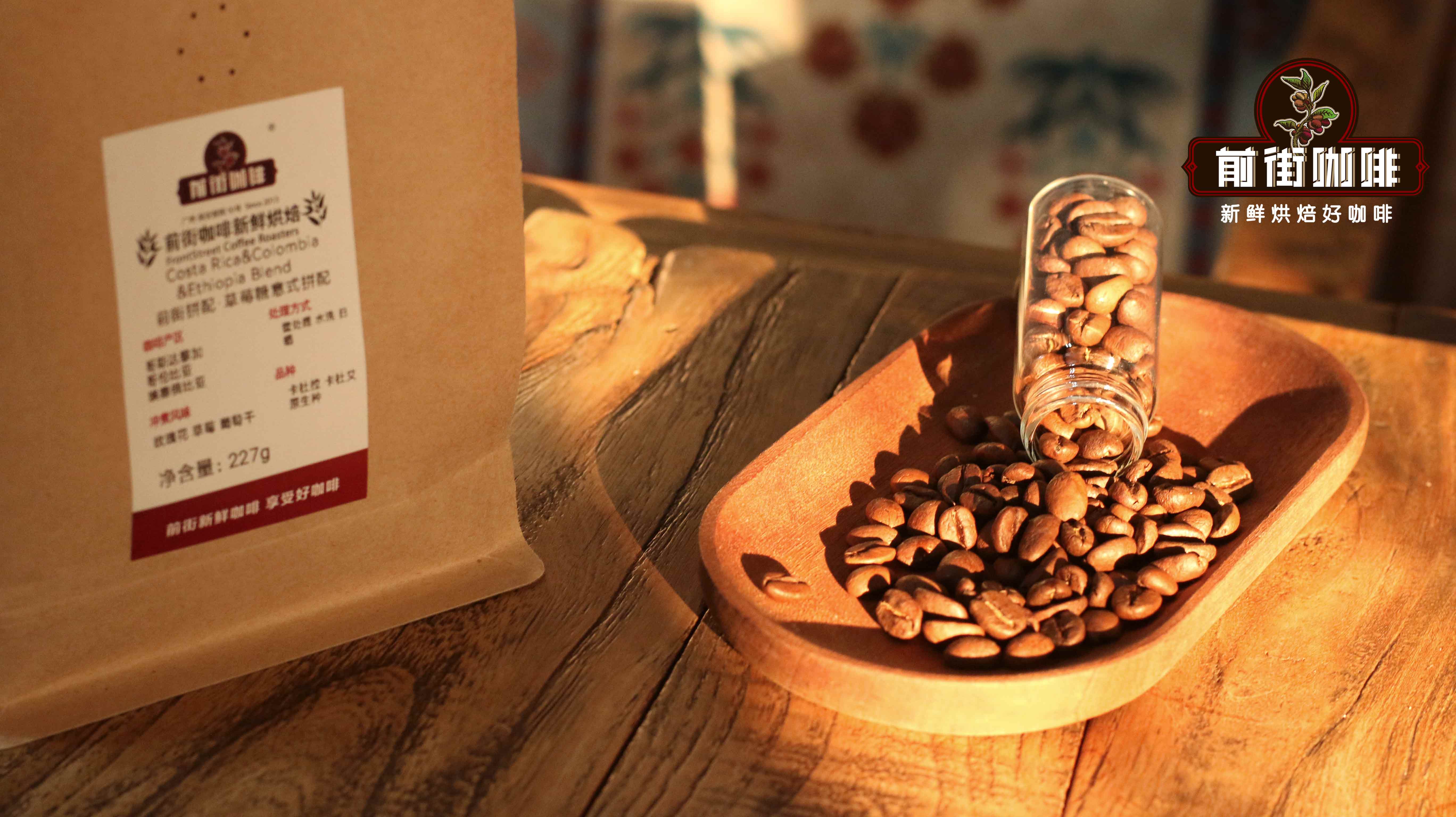
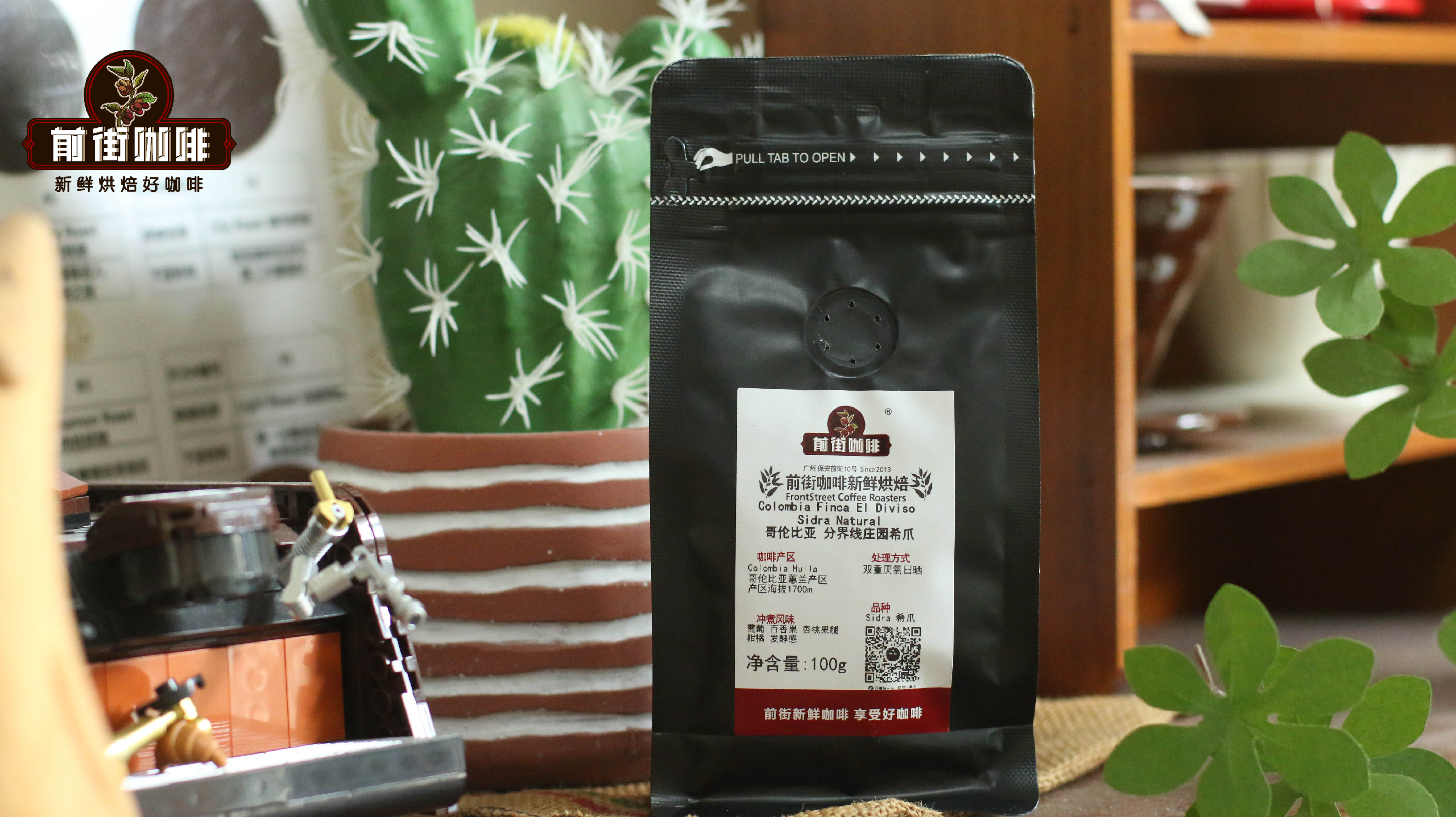
Here are several recommended medium-to-dark roast coffee bean blends suitable for use with a moka pot. First is a classic espresso blend from a well-known brand, which is known for its rich aromas of chocolate, cookies, malt, and toasted bread. It has a thick crema and delivers excellent flavor and a full-bodied mouthfeel whether brewed as Americano or mixed with milk for a latte. Next is that brand’s dark cocoa blend, made from Yunnan and Brazilian Red Bourbon beans, roasted to a medium-to-dark level. Its flavor is dominated by caramel sweetness and nutty notes, making it ideal for those who prefer a smooth and sweet taste—great for direct brewing or with milk. Finally, there’s the brand’s strawberry candy espresso blend, which combines beans from Costa Rica, Ethiopia, and Colombia, roasted to a medium level. It features distinct berry, gummy, and citrus notes, with a balanced sweet-and-sour profile and an almond finish, perfect for coffee enthusiasts who enjoy layered flavors.

In terms of grind size, the coffee grounds for a moka pot should be between 0.3 to 0.55 mm in particle size, similar to but slightly coarser than what is used for home espresso machines. If the grind is too fine, it can make water flow difficult, leading to over-extraction and burnt bitterness. If the grind is too coarse, water will pass through too quickly, causing under-extraction and weak flavor. For beginners, it’s recommended to start with a slightly coarser setting and then fine-tune based on actual extraction results. Also note that the coffee bed in the moka pot should fill the basket as much as possible, but without compacting—just keep the surface flat and free of obvious gaps. This helps ensure even heating and stable extraction.
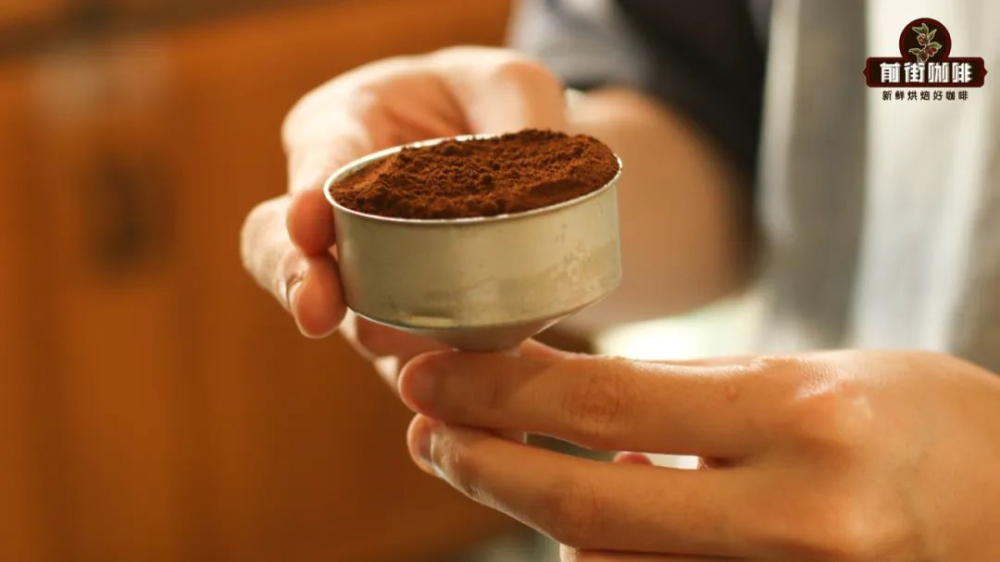
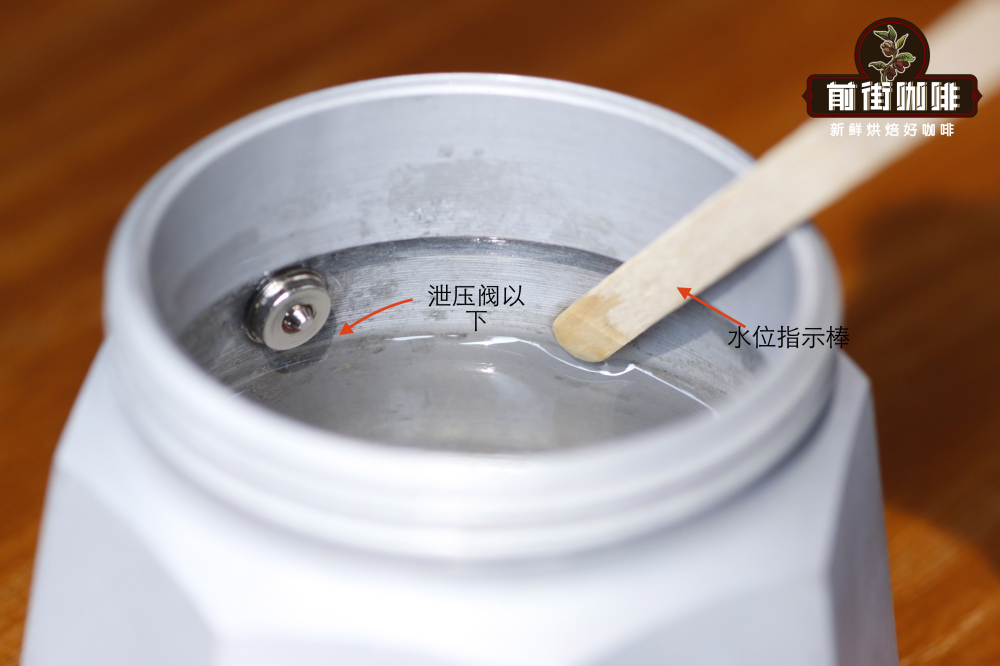
Regarding the coffee-to-water ratio, the moka pot already has a standard range built into its design. It is generally recommended that the water level does not exceed the position of the safety valve on the lower chamber, that is, just below the safety valve. This ensures that the pressure during heating does not become too high and helps avoid overflow or over-extraction. The amount of coffee should be enough to fill the basket, without additional compacting, maintaining a uniform and loosely packed coffee bed. Also, keep in mind that unlike espresso machines, the moka pot does not require tamping—the key is to spread the coffee evenly to achieve stable extraction, something beginners should pay special attention to.
Timing the shutdown is also a crucial factor that affects coffee flavor. It is recommended to use a low-to-medium heat and maintain even heating. When you hear a “hissing” or “whistling” steam sound from inside the pot and see the first bit of coffee liquid start to emerge, you should immediately turn off the heat. This allows the remaining pressure and heat inside the pot to slowly complete the extraction. Delaying the shutdown or continuing to use high heat can easily lead to over-extraction, resulting in pronounced burnt and bitter flavors. Simply put, it's better to turn off the heat a little early than to wait until the coffee is vigorously bubbling before shutting it down.
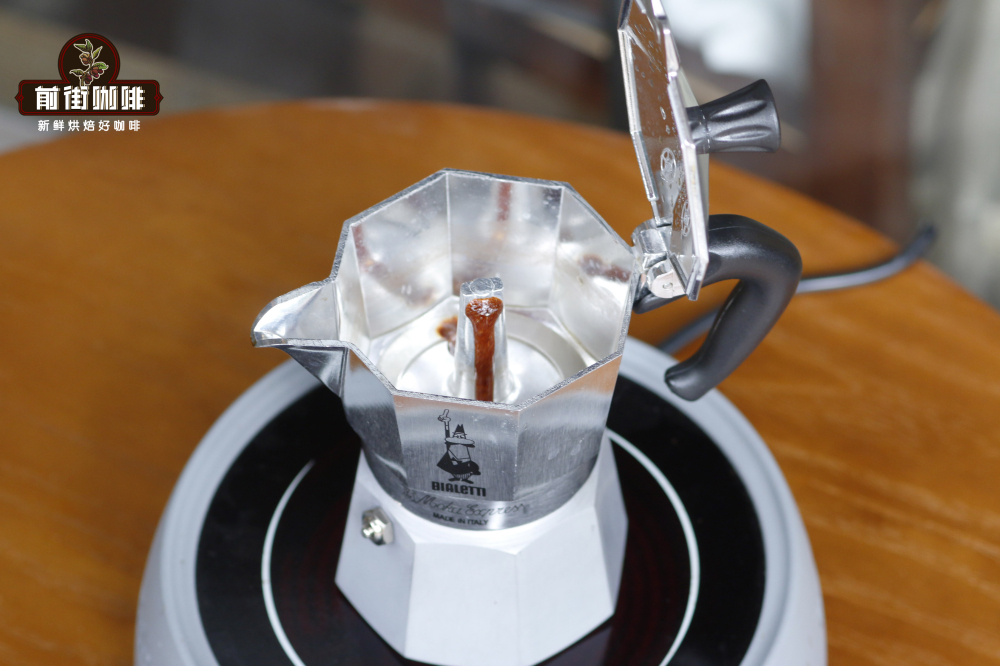
Lastly, regarding whether to leave the lid open while brewing with a moka pot: although it’s common online to see influencers open the lid to capture the therapeutic sight of coffee gushing out, it is actually not recommended to leave the lid open for long periods during actual use. If you’re unsure about the timing to shut off the heat, you can briefly lift the lid after hearing the sound to observe—but once the coffee starts flowing, you should quickly close the lid again. Keeping the lid open for extended periods not only risks spills and burns but may also affect the extraction pressure and the overall concentration of the final flavor.
In summary, as long as you choose suitable medium-to-dark roast coffee beans, control the grind size and coffee-to-water ratio, adjust the heat appropriately, and master the timing for turning off the heat, even novice coffee drinkers can use a moka pot to brew rich, bold, and non-bitter coffee. Enjoying a professional-level coffee experience at home is actually not difficult.
The above content is compiled by CoffeeHunters, a coffee news website.


