








Introduction:Delve into the unique flavor profiles of the three major coffee-growing regions—Latin America, Africa, and Asia—ranging from sweet and acidic balance to rich body, and explore the typical characteristics of beans from each area. This article provides a practical regional flavor quick guide and selects classic beans ideal for pour over, helping coffee enthusiasts choose beans based on taste preferences while mastering extraction essentials for different origins.
The differences in coffee flavors largely stem from the climate, altitude, and processing methods of the growing regions. The world is broadly divided into three major coffee-producing areas: Latin America, Africa, and Asia/Pacific, each cultivating distinctly unique coffee personalities due to their geographical conditions. Understanding these fundamental traits can help you more accurately select beans that suit your taste, especially when experimenting with pour over, allowing the beans' potential to shine.
First, we arrive in Latin America, the dominant region accounting for about 70% of global coffee production, represented by Brazil and Colombia. Coffees from this area generally exhibit a mild temperament, with flavor profiles centered around cocoa, nuts, and caramel, featuring low but layered acidity, medium body, and are highly suitable for drinkers who prefer balanced tastes.
Within Latin America, coffees from Brazil’s Cerrado region are often used as the base for blends, known for their round and full mouthfeel, with moderate acidity and prominent sweetness, making them suitable for both single-origin drinking and blending. Meanwhile, Colombia’s Huila region is famed for its robust body and diverse aromas, capable of showcasing varying levels of fruity and woody notes depending on roast depth, with bright acidity and low bitterness—it's a top choice for many pour over enthusiasts just starting out.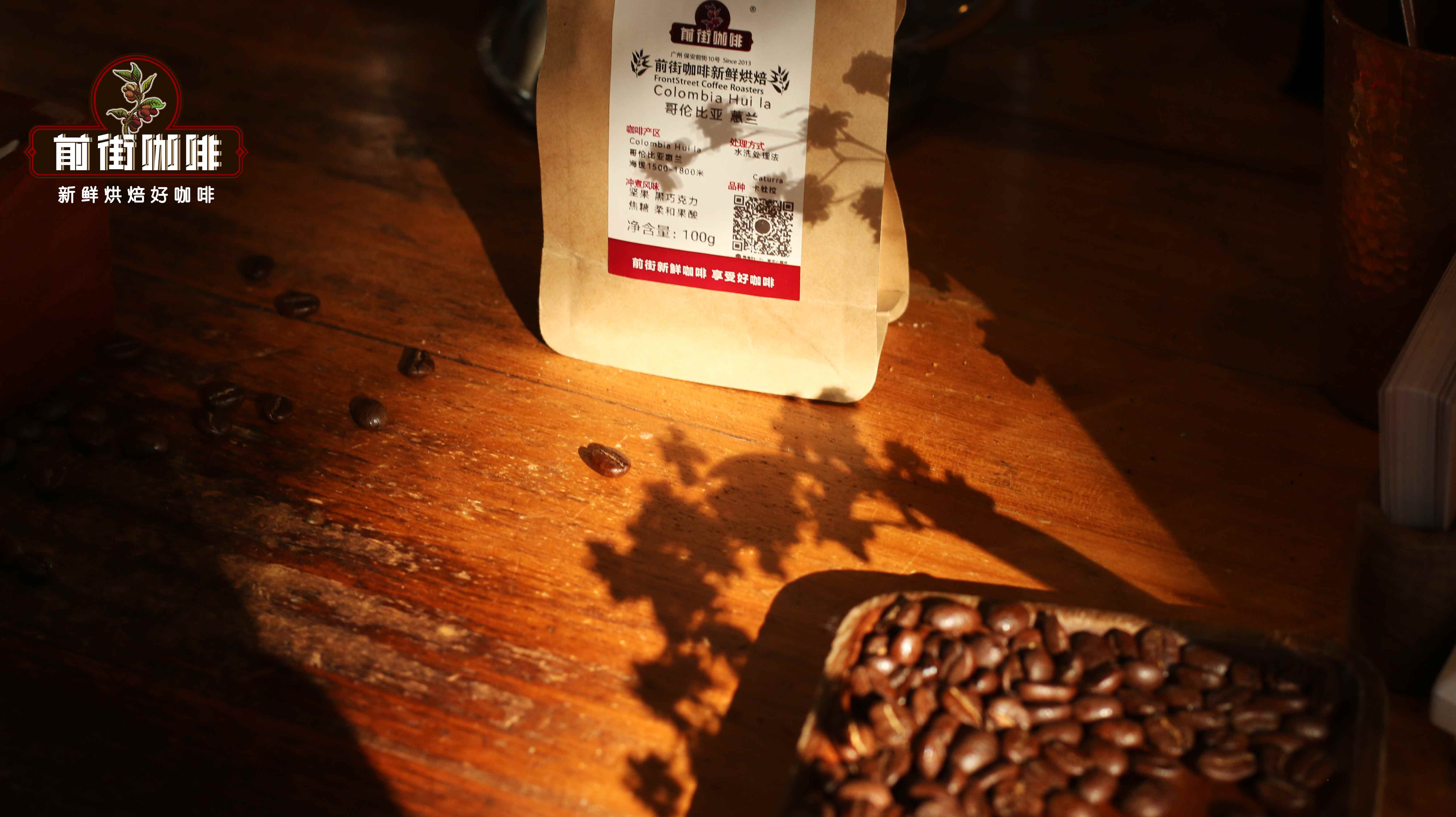
Next comes the vibrant African region, considered one of the birthplaces of coffee and home to globally recognized coffee varieties with the most intense fruit and floral notes. African beans typically have high acidity and a bright profile, suiting drinkers who enjoy fresh, citrusy, and floral flavors—commonly found among single-origin beans in the specialty coffee market.
Ethiopia’s Hua Kui coffee stands out, offering bright fruity acidity and floral notes with extremely low bitterness, perfect for drinking black to appreciate its layered aromas. Kenya’s “little tomato” beans are renowned for their unique fruit flavor spectrum, often featuring aromas of black plum, pear, and cherry tomato, with bright and full-bodied acidity—they are a favorite among those who love juice-like coffee. Rwanda’s Red Bourbon exhibits an elegant citrus and berry character, with pronounced honey sweetness in the mid-palate and an aftertaste of almond and chocolate, achieving excellent overall balance.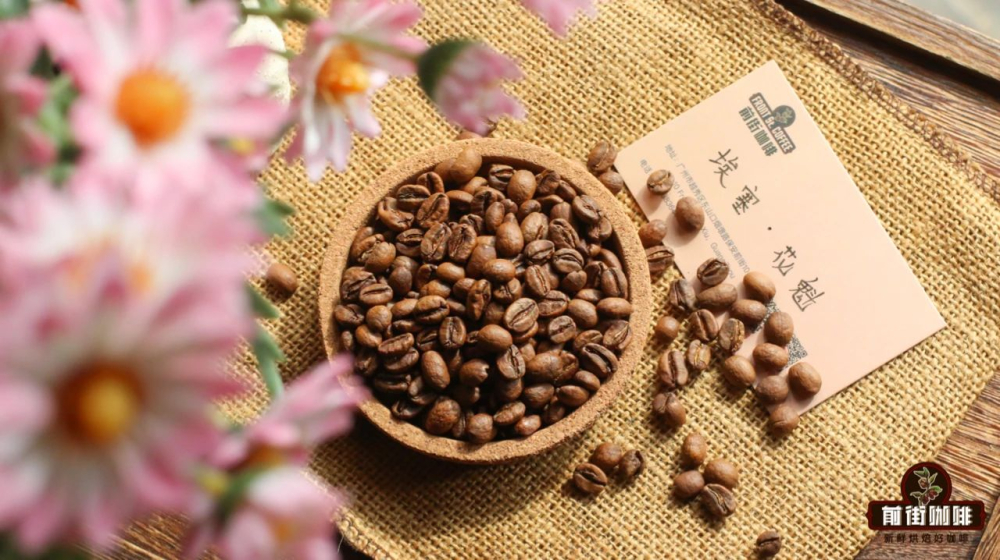

Finally, there is the Asia and Pacific region, represented by Indonesia and China’s Yunnan. Coffees from this area often possess intense herbal, spicy, and even earthy notes, with low acidity but prominent body, particularly well-suited for drinkers who enjoy rich textures and deep flavors. Due to the frequent use of wet-hulling or special processing methods, they often carry unique smoky or herbal undertones.
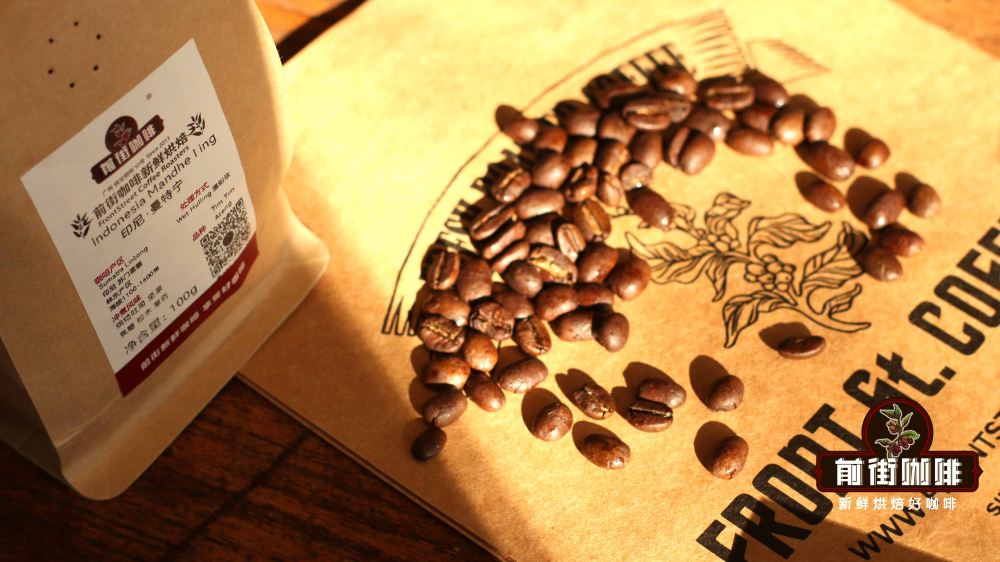
Indonesia’s Mandheling is a classic representative, and when dark roasted, it reveals intense caramel, pine, and dark chocolate tones, making it highly suitable for winter drinking or pairing with desserts. China’s Yunnan produces small-bean coffee characterized by nutty, chocolatey, and brown sugar notes, with a balanced mouthfeel and a slight tea-like quality—it is a highly promising specialty coffee bean variety within Asia. For these Asian beans, a medium-to-dark roast is recommended when using pour over, to bring out their rich foundation and complex finish.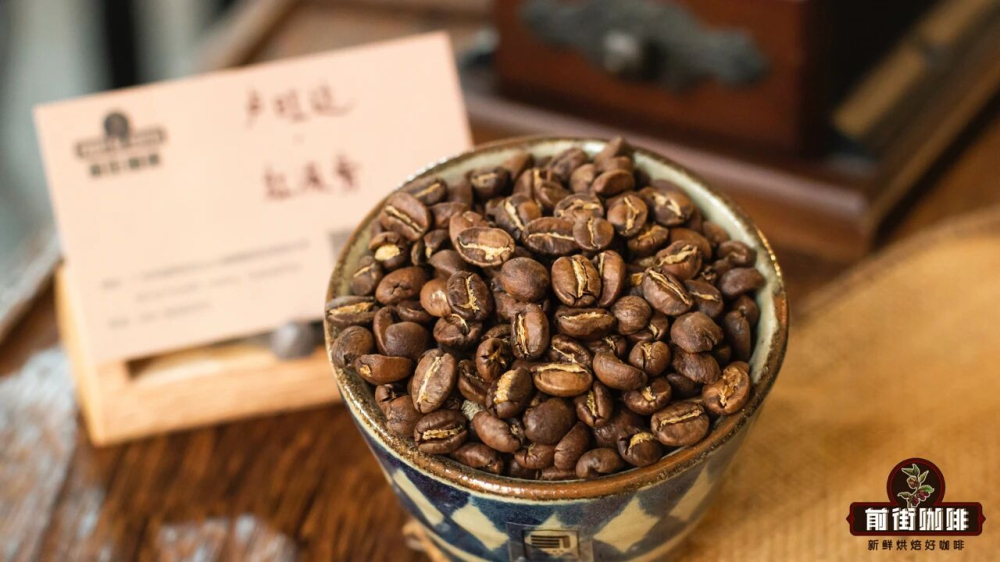

The above content is compiled by CoffeeHunters, a coffee news website.


