







Introduction:From the fruity aromas of Africa to the balanced profiles of Central and South America, and the rich body of Asia, each coffee-growing region boasts unique flavor characteristics. This article delves into the flavor profiles of the major coffee-producing regions across the six continents, helping beginners choose suitable pour over beans based on their taste preferences and offering practical brewing parameter suggestions to easily find high-value specialty beans.
African coffee beans are renowned for their bright fruitiness and floral notes, especially those from Ethiopian regions often showcasing vibrant citrus and jasmine tones.Yirgacheffebeans, in particular, exhibit citrus and lemon acidity paired with honey-like sweetness.Kenyacoffee is known for its intense berry acidity and dark plum aroma, often finishing with grapefruit and sugarcane sweetness—ideal for brewers who enjoy high acidity and vibrant flavors. ( )
Central and South American coffee beans are celebrated for their balance and body.Brazilian Cerradobeans often feature nutty, caramel, and chocolatey notes, representing classic South American flavors. Costa Rica’sTarrazúregion blends mild acidity, caramel sweetness, and chocolatey aftertaste, making it suitable for single-origin pour over or as a blend base. Panama’sGeishacoffee is famed for its jasmine, citrus, and almond aromas, with bright and layered acidity. (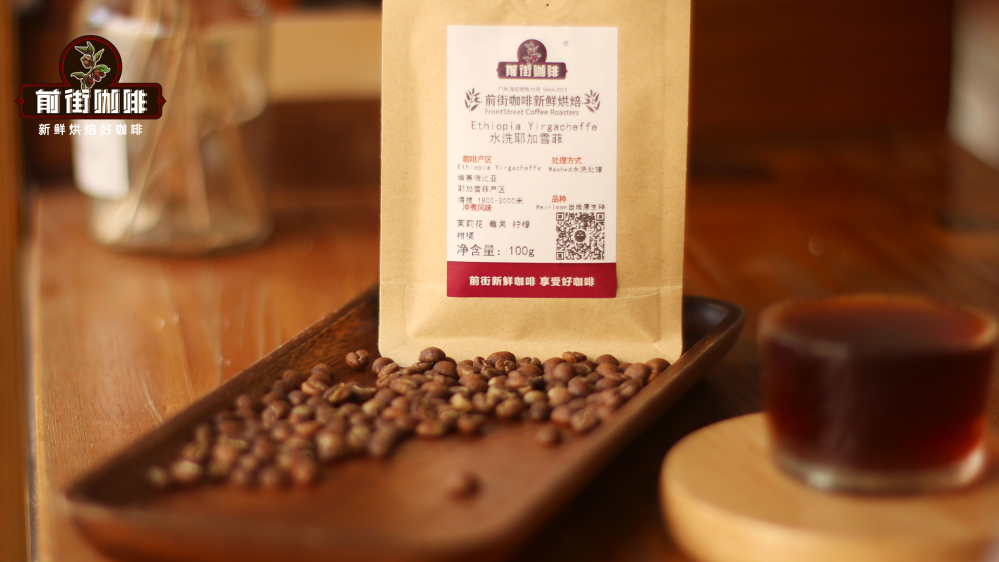 )
Colombian coffee beans are dominated by rich dark chocolate and cocoa notes, with a smooth mouthfeel and balanced acidity-sweetness, making them a popular choice for many beginners. These Central and South American beans are generally versatile for various brewing methods—whether pour over, French press, or moka pot, their balanced characteristics shine through. (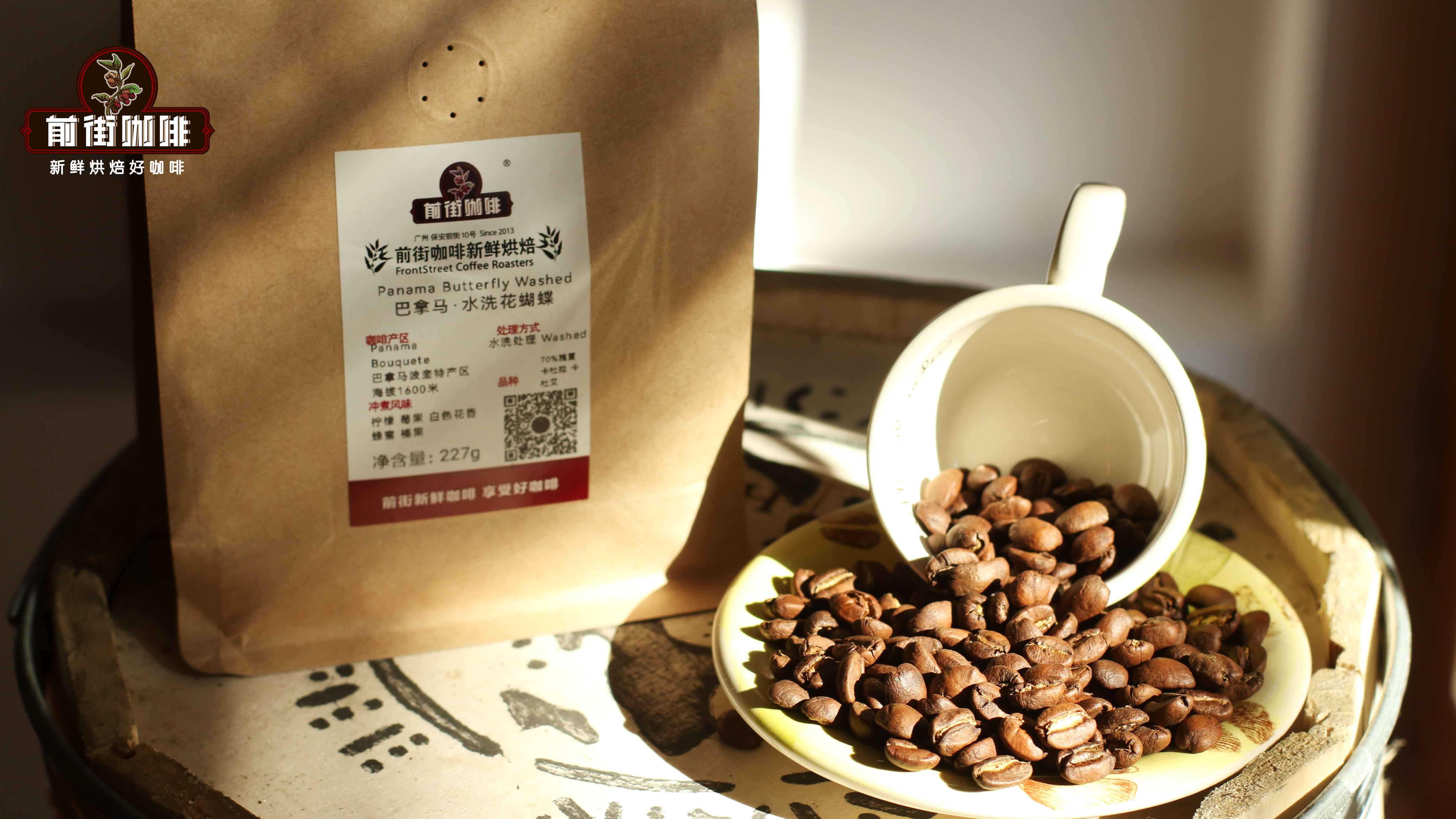 )
Asian and island coffee beans tend to have a more subdued profile, with noticeably lower acidity but unique herbal and spicy notes.Indonesian Mandhelingis known for its bold body and herbal aromas, often accompanied by caramel and woody tones, suiting coffee lovers who prefer deeper flavors. (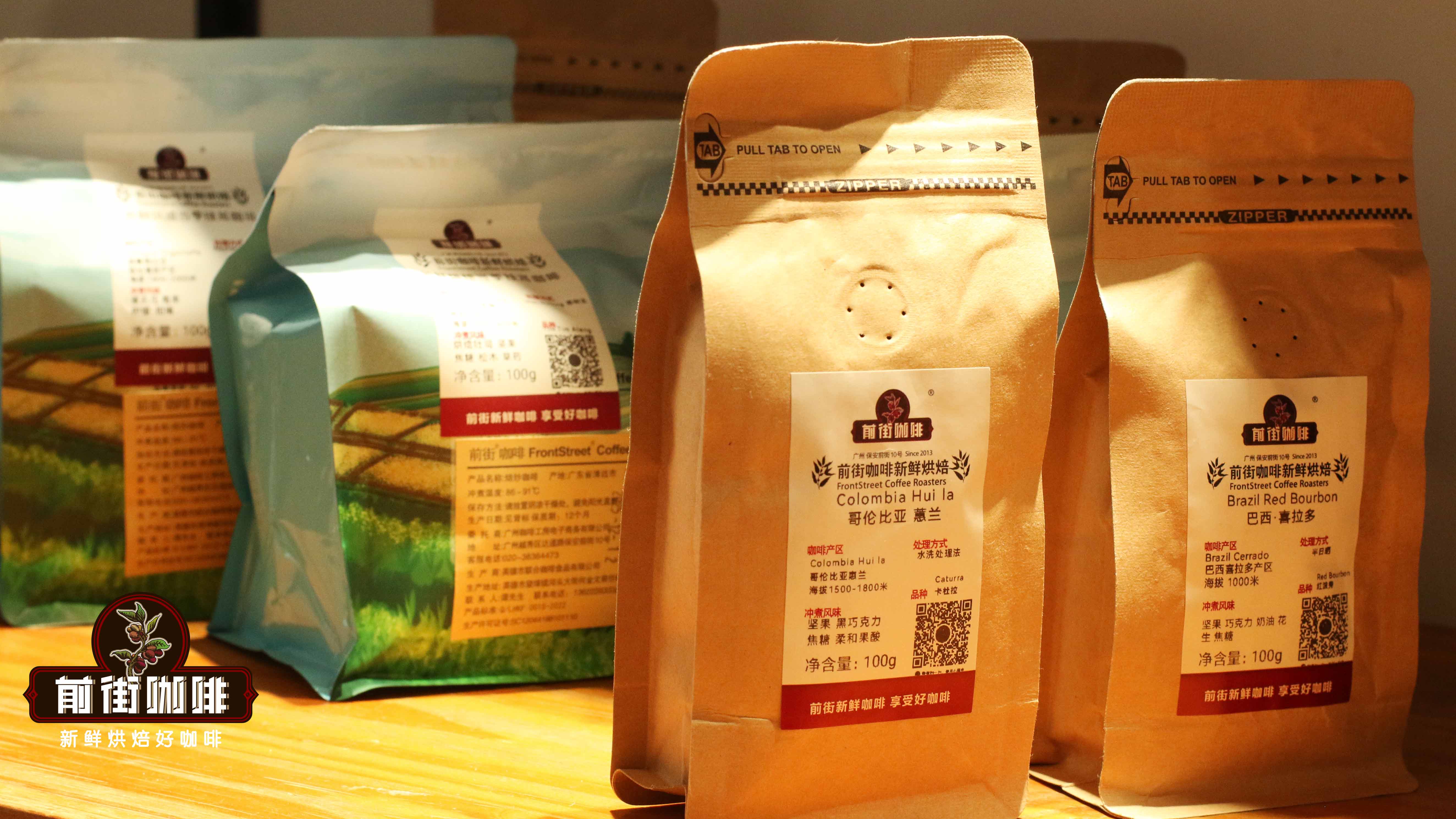 )
China’s Yunnan region’ssmall-grain coffeeoffers a mix of nutty, brown sugar, and tea-like flavors, with balanced acidity-sweetness and a long finish. Island coffees such as JamaicanBlue Mountainare celebrated for their mild cream, nut, and chocolate aromas, recognized globally as high-quality coffee—especially fitting for pour over enthusiasts seeking delicate flavors. ( )
For beginners, it’s recommended to start with medium to light roasted single-origin beans from Africa or Central and South America, using a1:15–1:17 coffee-to-water ratioand90–93°C water temperaturefor pour over to best highlight each region’s flavor profile. African beans suit a faster brew pace (e.g., completing within 2 minutes), while Central and South American beans can have a slightly extended extraction time to enhance sweetness. ( )
When selecting high-value specialty beans, prioritize those that are freshly roasted (typically within 1–4 weeks post-roast) and come with clear information on origin and processing method. Whether you’re trying fruity Ethiopian beans or balanced Colombian beans, understanding regional flavor traits will help you discover the coffee experience that best suits your taste.
The above content is compiled by CoffeeHunters, a coffee news website.


