







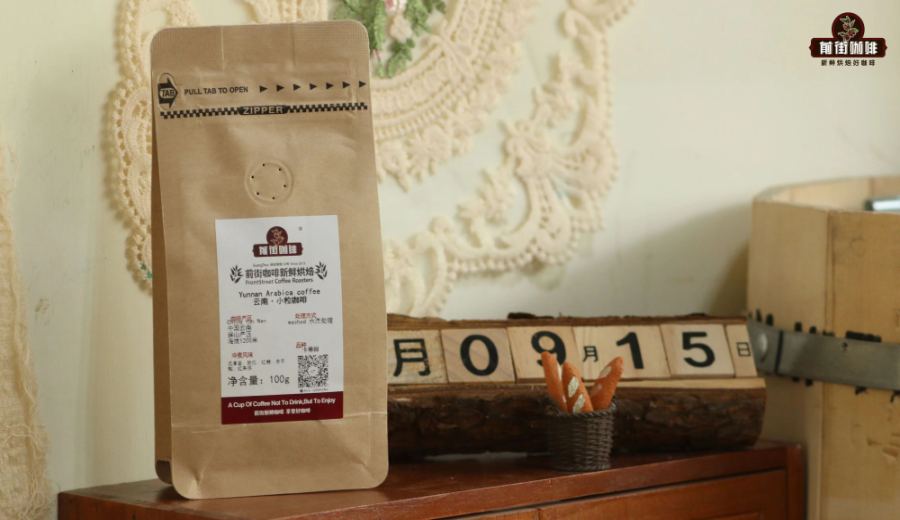
Introduction:When selecting beginner-friendly beans for pour over, the key lies in understanding regional flavor profiles and roast freshness. This article features representative beans from six major producing regions across Africa, the Americas, and Asia, analyzing how processing methods such as washed and natural affect flavors. It also provides practical extraction parameters and steps to help beginners avoid common bean selection pitfalls, allowing you to experience the terroir soul of coffee from your very first pour over cup.
The essence of specialty coffee lies in showcasing unique regional terroir—such beans are often called single-origin beans and are the top choice for pour over enthusiasts. With proper brewing methods, they can vividly present the climate, soil, and processing characteristics of the coffee's origin, delivering a far richer layered experience than instant coffee.

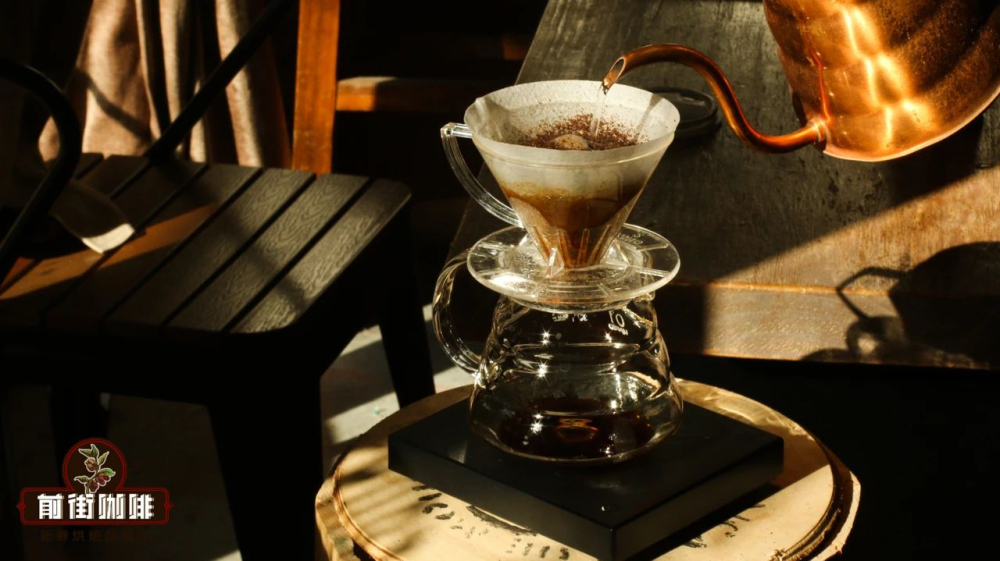
You don’t need to get all pour over equipment at once—beginners just need five basic tools: a filter cone, filter paper, a digital scale, a pour over kettle, and a thermometer to start exploring flavor differences across regions. Among them,Freshly roasted coffee beans (recommended to use within 5–14 days post-roast)are key to ensuring great flavor expression, as older beans tend to lose aroma and taste flat.
Below are six high-value-for-money pour over beans introduced by geographic region, covering flavors from bright citrus notes to rich nutty undertones—perfect for beginners on a budget who still seek expressive flavors:
Africa – Ethiopia Yirgacheffe Washed(Suggested image placement: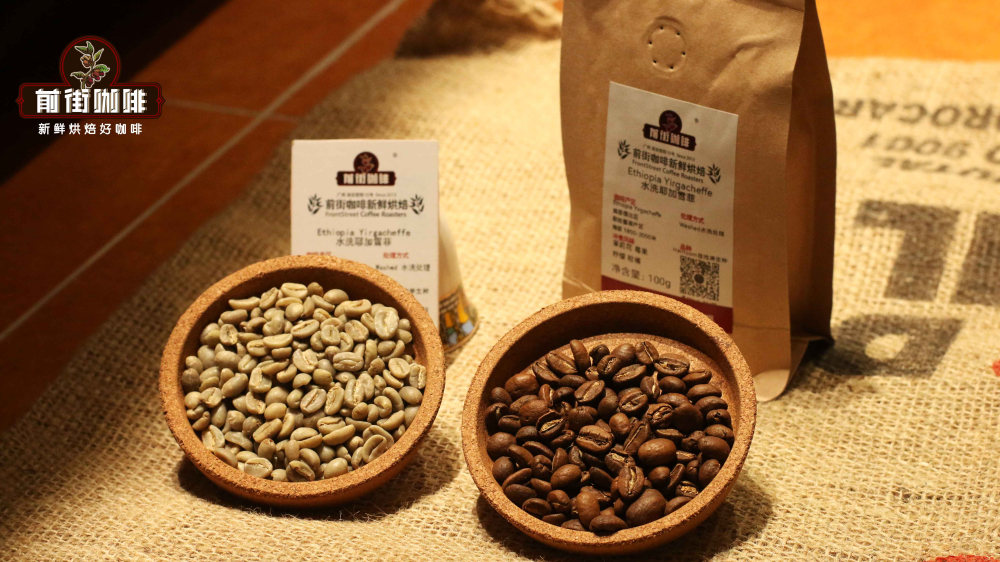 )
Grown at an altitude of about 2,000 meters on highlands, where large diurnal temperature variations slow fruit ripening and accumulate more aromatic compounds. Washed processing gives it clear citrus acidity and white floral notes. The cup delivers a harmonious mix of citrus, green tea, and orange, making it a top choice for many pour over beginners.
Americas – Colombia Huila Washed(Suggested image placement: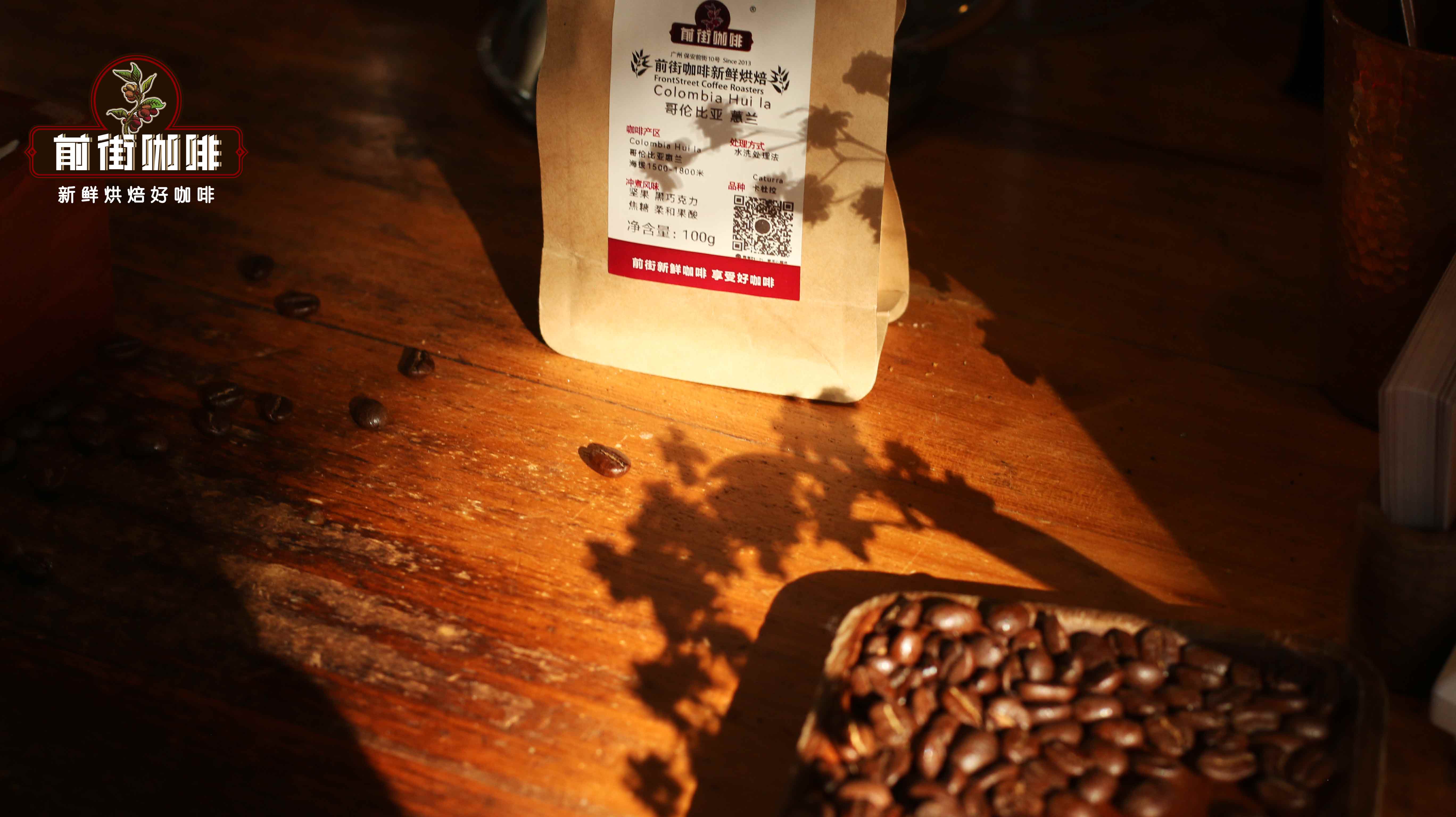 )
Coffee trees are often grown under shade trees, allowing the beans to mature slowly and accumulate rich oils. This washed-processed bean exhibits flavors of dark chocolate, nuts, and creamy texture, with a soft fruity finish—ideal for those who prefer balanced flavors.
Americas – Brazil Cerrado Medium Roast(Suggested image placement: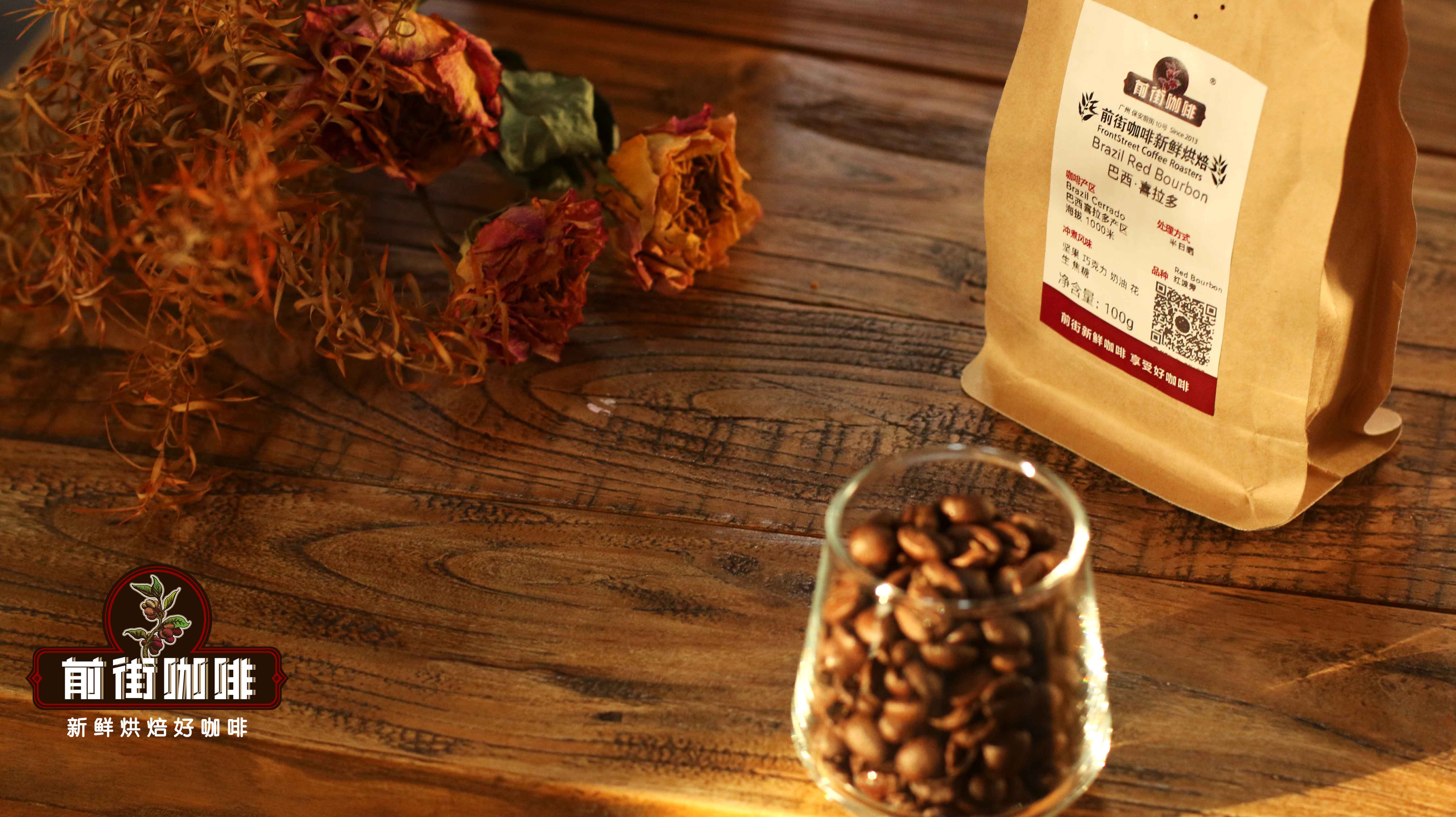 )
As the world’s largest coffee-producing country, Brazil’s Cerrado region is known for its plump beans and low acidity. Medium roasting highlights nutty, caramel, and toasted peanut sweetness. It’s suitable for single-origin drinking or as a base for espresso blends. For extraction, we recommend slightly lower water temperatures (around 88–90°C) to avoid over-extraction.
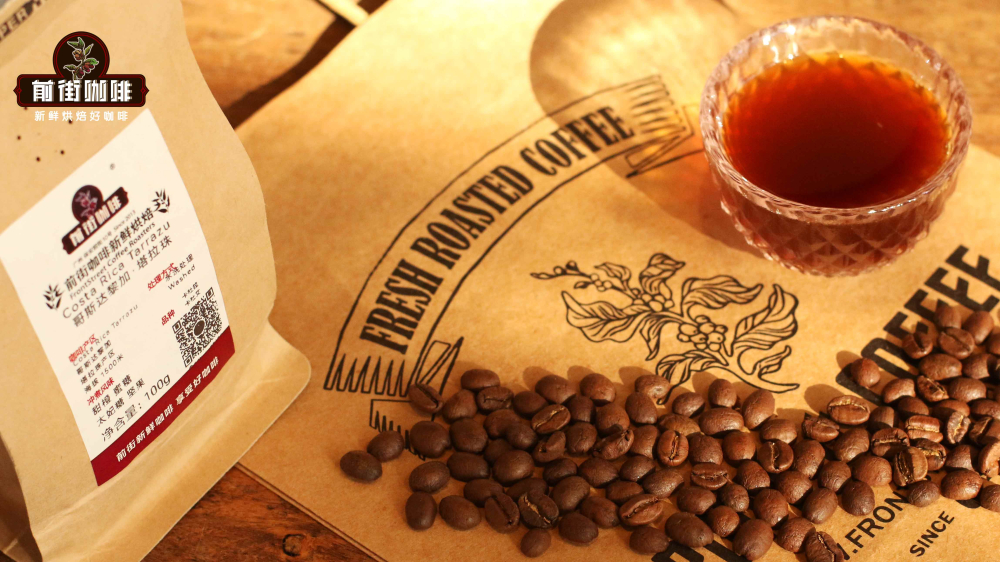
Americas – Costa Rica Tarrazú Washed
Located in the micro-lot Central Valley region with strict controls on pesticide use and ecological preservation. Washed processing preserves bright sweet orange and berry tones, along with a clean aftertaste of nuts and citrus—a classic representation of Central American flavor profiles.
Asia – China Yunnan Washed Small Bean(Suggested image placement: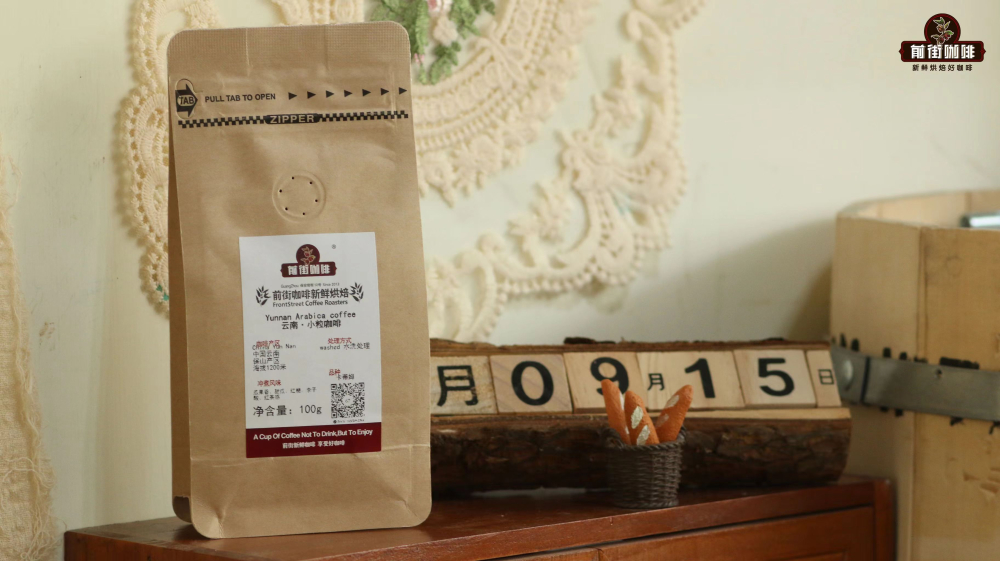 )
Processed via washed method to suit the local rainy climate, medium roasting balances flavors of brown sugar, nuts, and dark chocolate. Though not traditionally a powerhouse in specialty coffee, Yunnan’s quality stability has gained international recognition in recent years, making it a good option for beginners on a budget.
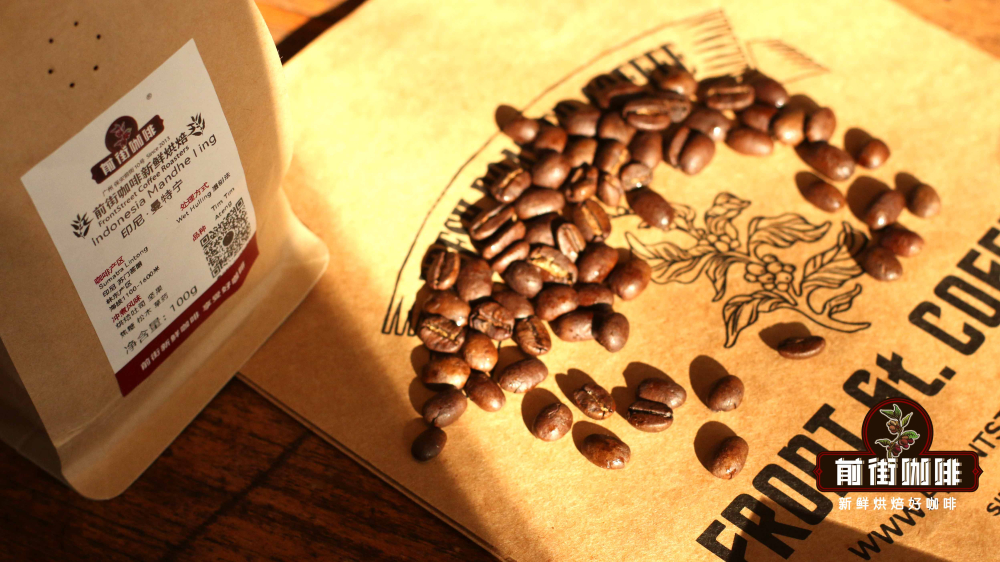
Asia – Indonesia Sumatra Mandheling Wet-Hulled
Unique wet-hulling processing shortens drying time, resulting in intense herbal, spicy, and pine aromas. This dark roast-leaning bean has a full body and deep, mellow richness—forming a strong contrast with brighter African beans. It suits drinkers who prefer bold, intense flavors.
[Practical Pour Over Parameter Suggestions]
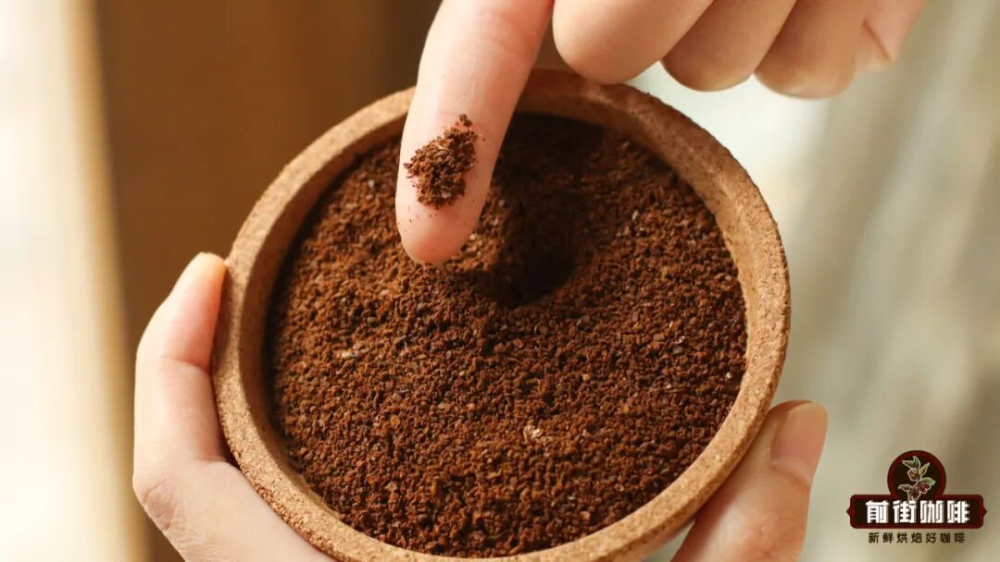
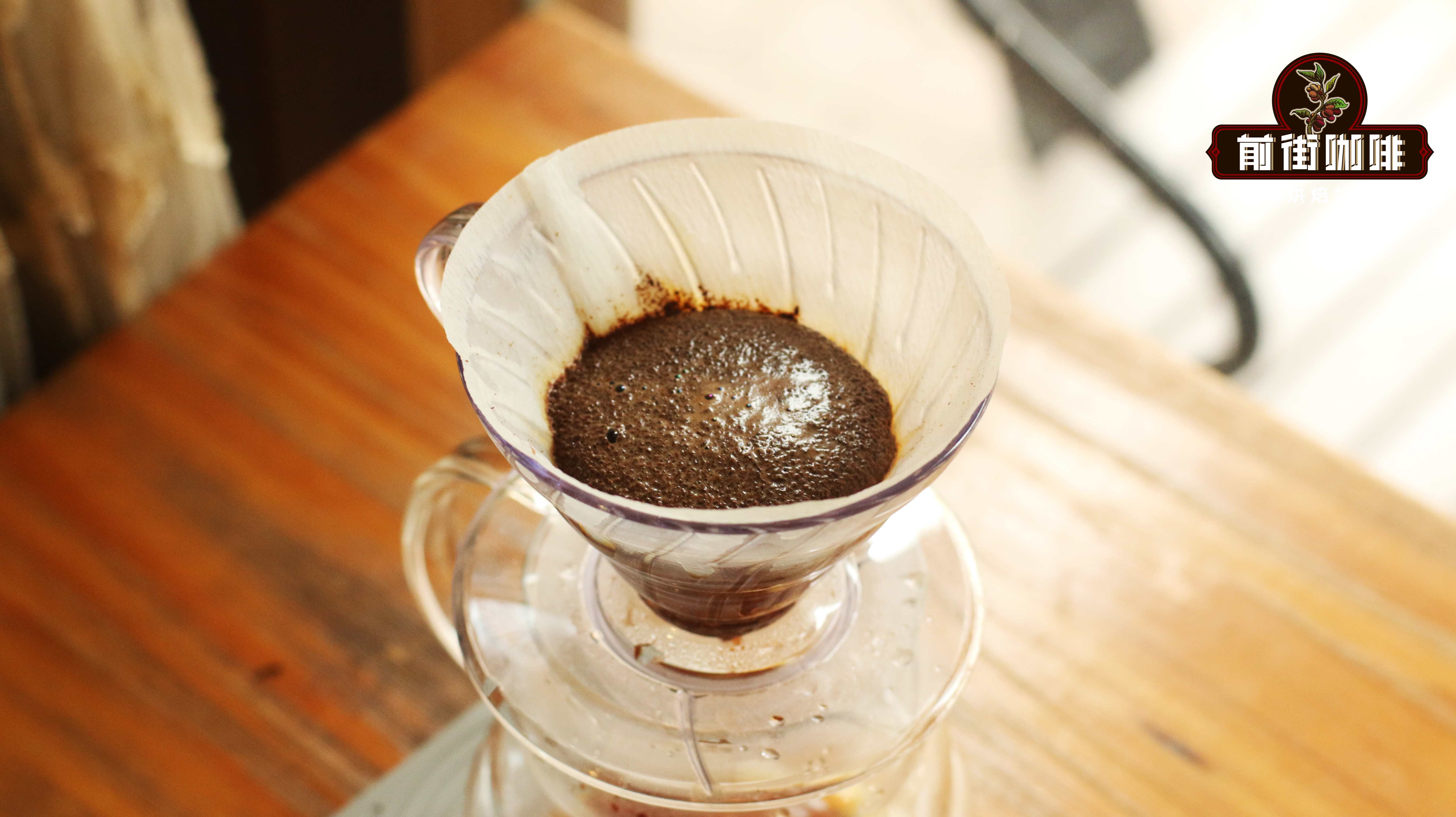
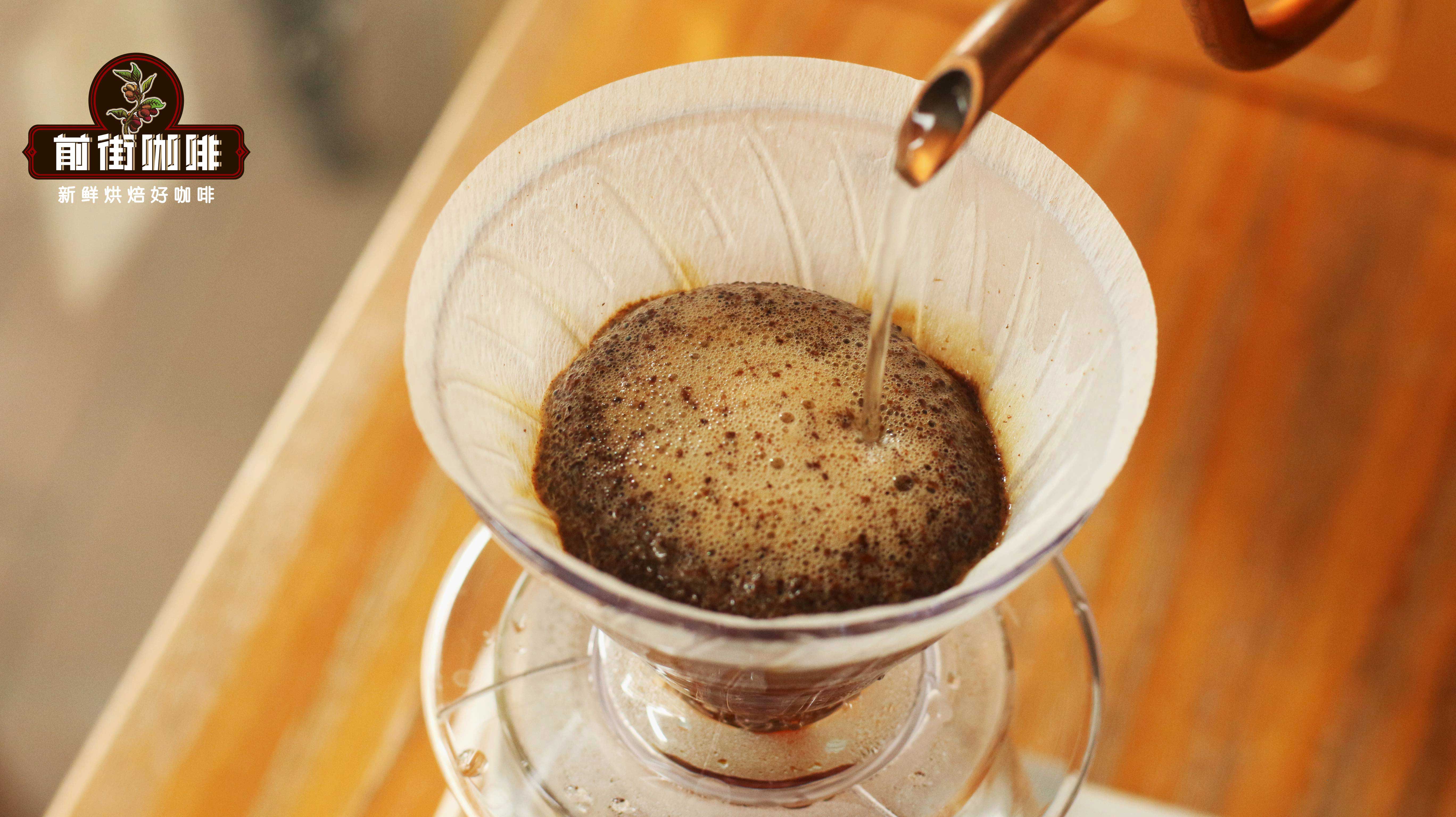
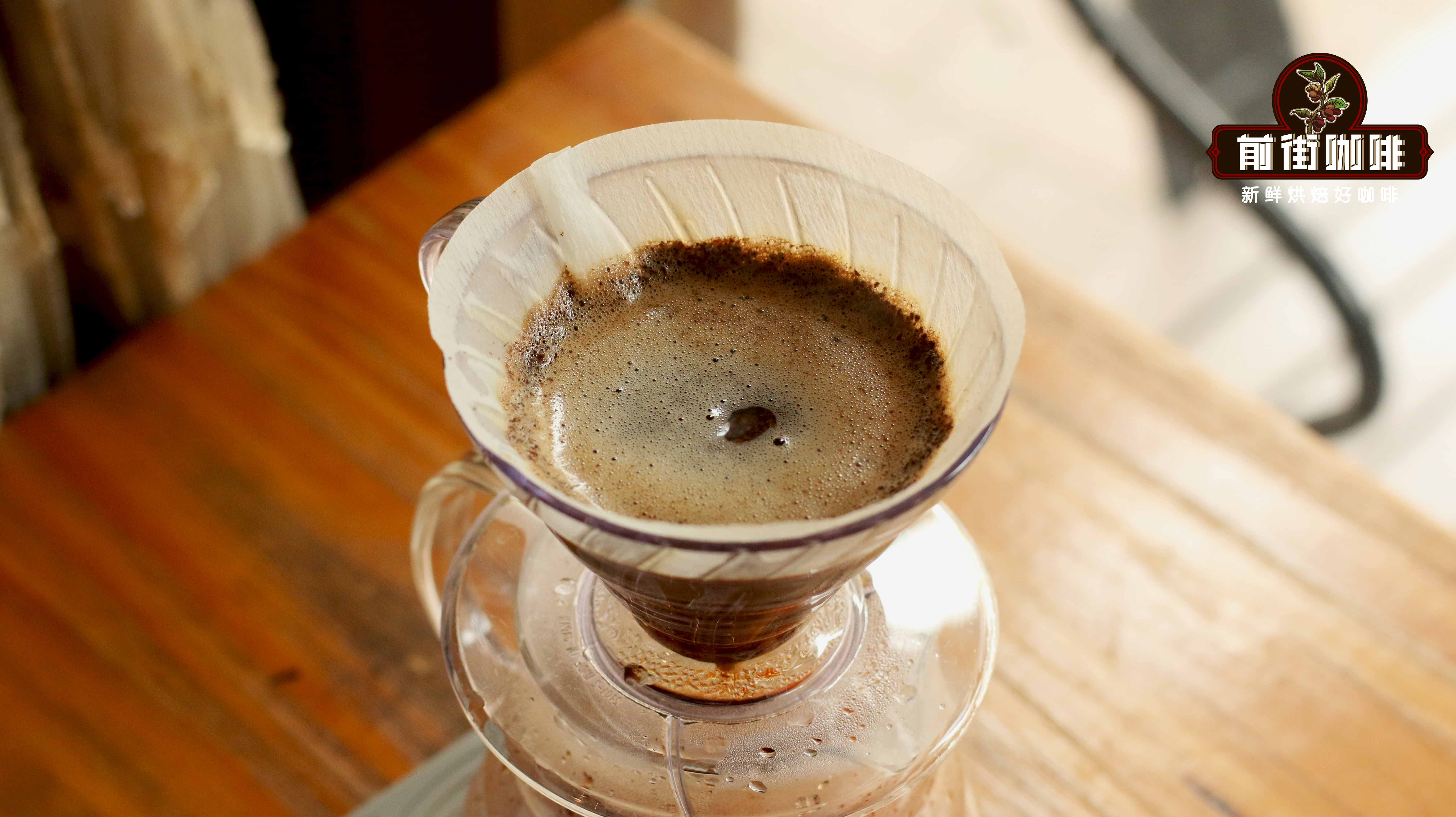
Using 15g of Yirgacheffe as an example, grind to the fineness of coarse sugar (approx. 80% through a #20 sieve), with a powder-to-water ratio between 1:15 and 1:16. After preheating your equipment, use a three-stage pouring method: first stage—30g water for a 30-second bloom → second stage—120g water with medium stream to lift the coffee bed → third stage—90g water with a small stream to finish, total extraction time around 2 minutes 10 seconds, final yield 240g.

Common mistakes to avoid: grinding too fine which may cause channeling, or using water above 94°C which can bring out burnt bitterness in single-origin beans. Regularly replace filter paper and ensure a thorough bloom to improve extraction evenness and aroma expression.
With this guide, you’ll not only be able to choose beans that suit your taste preferences, but also master basic pour over techniques to enjoy a professional-level coffee experience at home.
The above content is compiled by CoffeeHunters, a coffee news website.

