







Introduction:Choosing the right coffee beans is the first step to brewing great coffee, but with terms like single-origin, blend, and pour over, many beginners often don’t know where to start. This article provides a detailed breakdown of the differences between blended and single-origin coffee beans, and recommends 8 popular home-use coffee beans based on different brewing methods such as pour over, espresso, and moka pot, to help you find the best option that suits your taste.
For those who are just starting to explore coffee, you’ll often hear terms like “blended coffee beans,” “single-origin coffee beans,” and “pour over coffee beans.” These actually refer to different types and uses of coffee beans. Understanding their characteristics can help you more accurately choose beans that suit your taste. This article will introduce these three common types of coffee beans and recommend several highly-rated beans suitable for different extraction methods—including pour over, espresso, and moka pot—so you can easily enjoy a professional-level coffee experience at home.
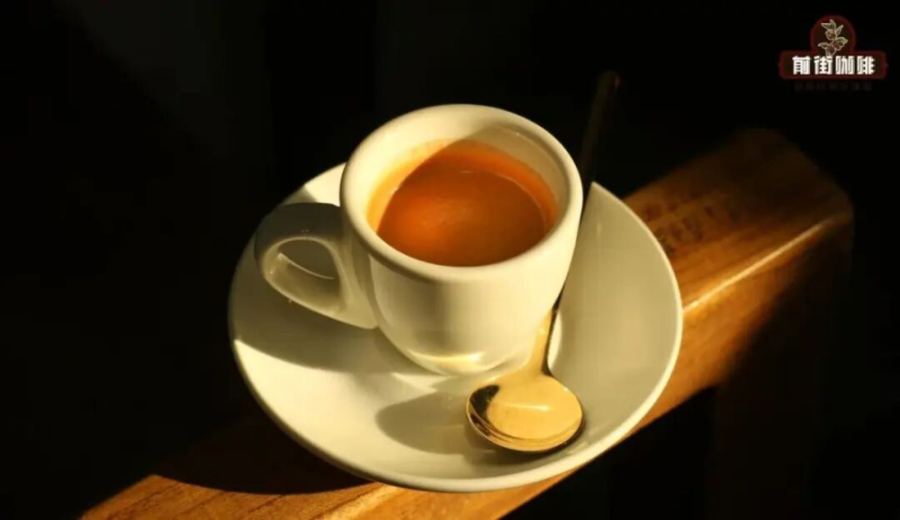
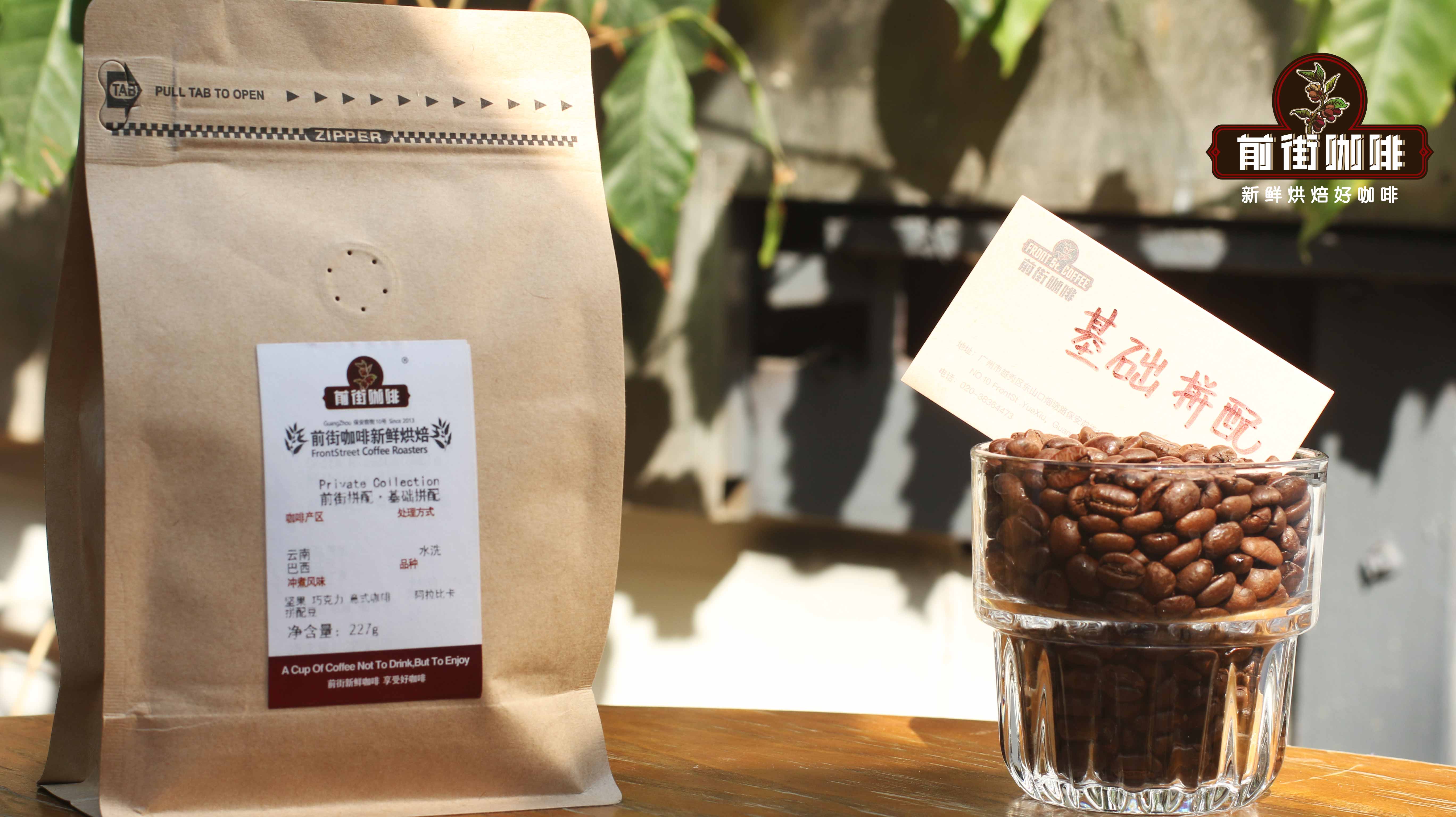
Blended Coffee Beans Are made by blending two or more types of coffee beans, usually from different origins or even roasted to different degrees, in specific proportions. These beans are most commonly used to make espresso,and to extract rich crema, they are typically medium to dark roasted. Blending is not random mixing, but rather a carefully designed process by professional roasters, where beans with different flavor profiles complement each other to achieve a balanced and layered taste. For example, some blends combine flavors such as nuts, caramel, and chocolate, creating a rich and bold foundation for drinks.
For instance, classic blends may include Indonesia’s Mandheling, Brazil’s pulped natural, and Vietnam’s washed beans. Such combinations often exhibit distinct nutty notes and dark chocolate tones, making them well-suited for a hearty Italian-style coffee. There are also commercial blends that emphasize a bold body, using beans like Robusta and Colombian, highlighting intense cocoa and caramel flavors. Additionally, there are options that offer mild acidity without sacrificing body—such as the Dark Cocoa Blend combining Yunnan small-bean varieties with Brazilian beans—ideal for coffee lovers who prefer gentle acidity and sweetness.
As for single-origin coffee beans,these come from a single origin, growing environment, and processing method, showcasing the unique terroir of that region. Single-origin beans are suitable for various brewing methods, including pour over, drip bags, moka pot, and siphon, making them perfect for beginners wanting to explore flavors from different regions. The flavor of single-origin coffee is primarily determined by three factors: the origin (e.g., Africa, Asia, or Latin America), the variety (mainly Arabica), and the processing method (e.g., washed, natural, or honey). Coffee beans from different regions often have distinct aromatic profiles—for example, African beans frequently feature bright fruit acids and floral notes, while Central and South American beans tend to show nutty and chocolatey tones.
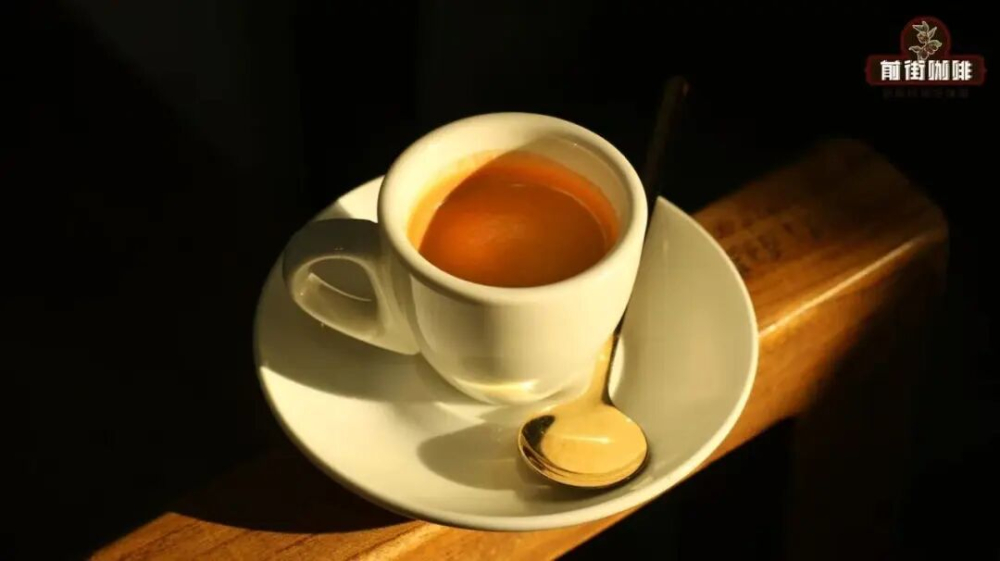
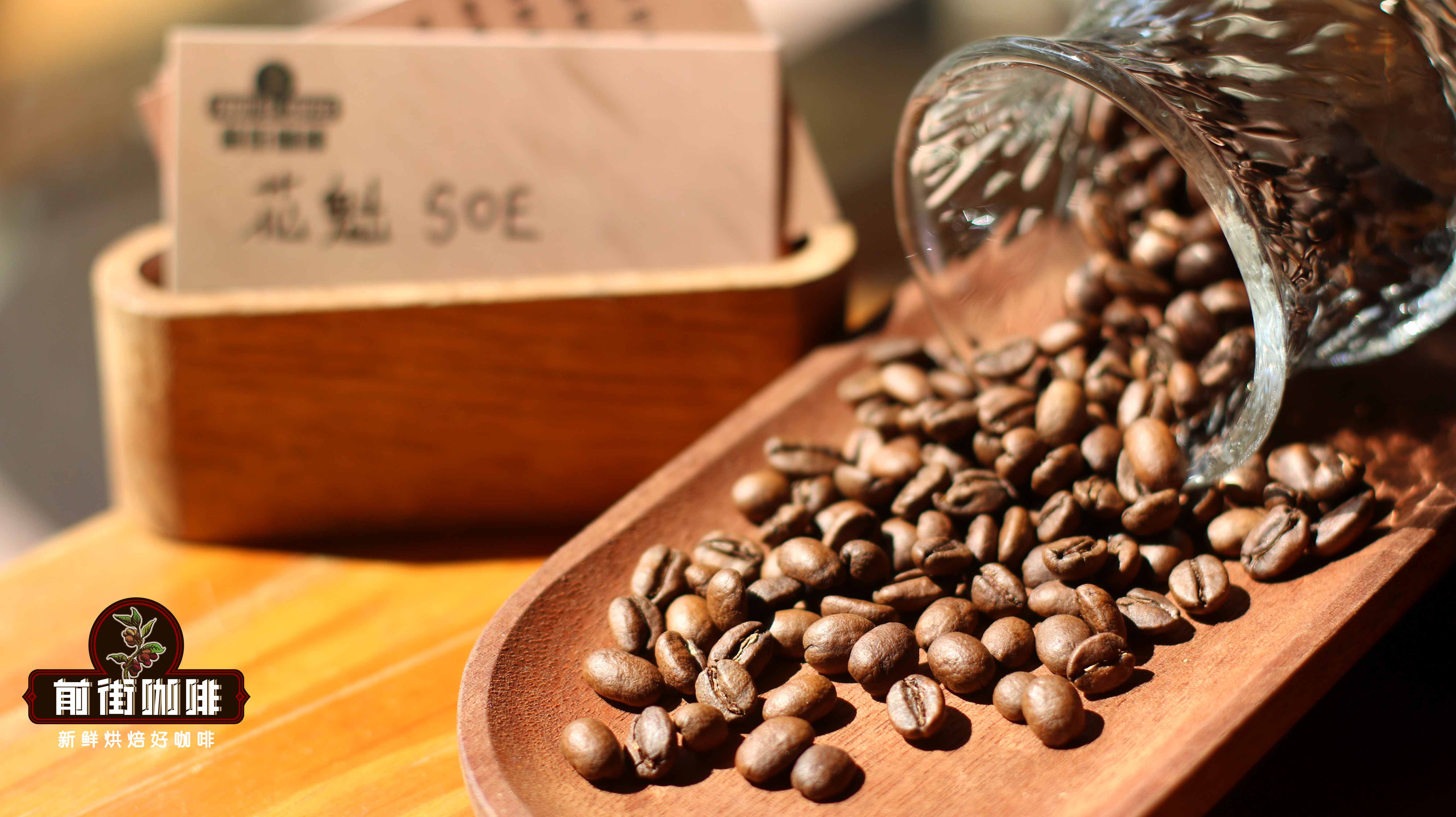
It’s worth mentioning that when single-origin beans are used to make espresso, they’re often referred to as SOE (Single Origin Espresso),meaning Single-Origin Espresso. These beans are generally roasted medium to dark or darker to bring out intense aromas and layers of flavor. For example, some popular SOE beans are loved for their distinct sweetness and clear fruit acidity, making them a great choice for espresso fans who want to explore different flavor experiences.
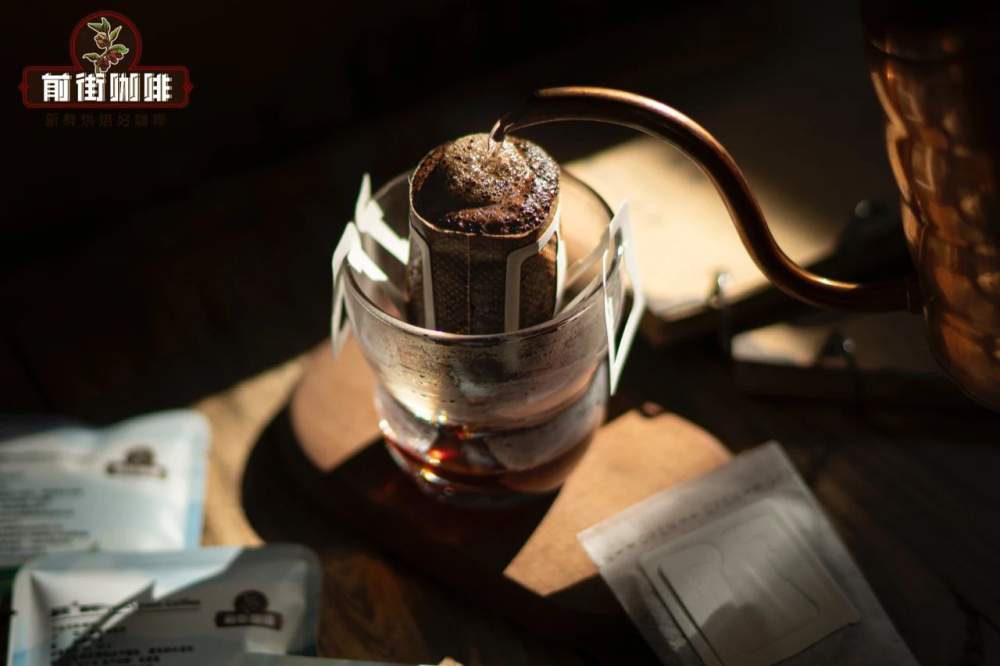
Although the term “pour over coffee beans” is often heard, pour over is just a brewing method,and not exclusive to any particular type of coffee bean. However, because pour over is a drip filtration method, it can more fully highlight the inherent flavor characteristics of the beans, so it’s generally recommended to use high-quality single-origin beans. Also,the freshness of the coffee beans is crucial.It’s generally advised to choose beans roasted within 10 days to ensure optimal flavor performance. If left for more than two months, the aroma and essence of the coffee will significantly deteriorate—even with the best brewing equipment, it’s hard to brew a great cup.
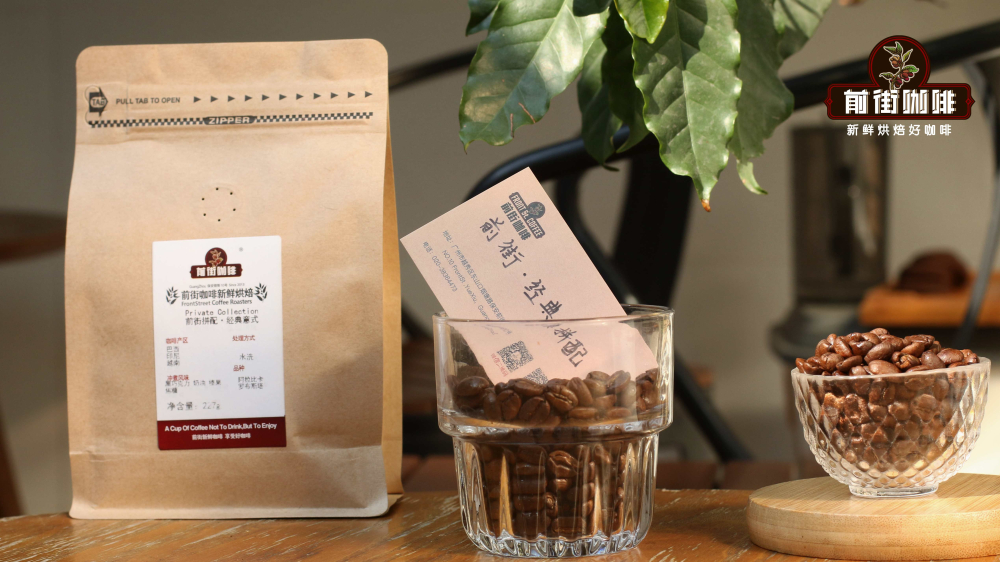
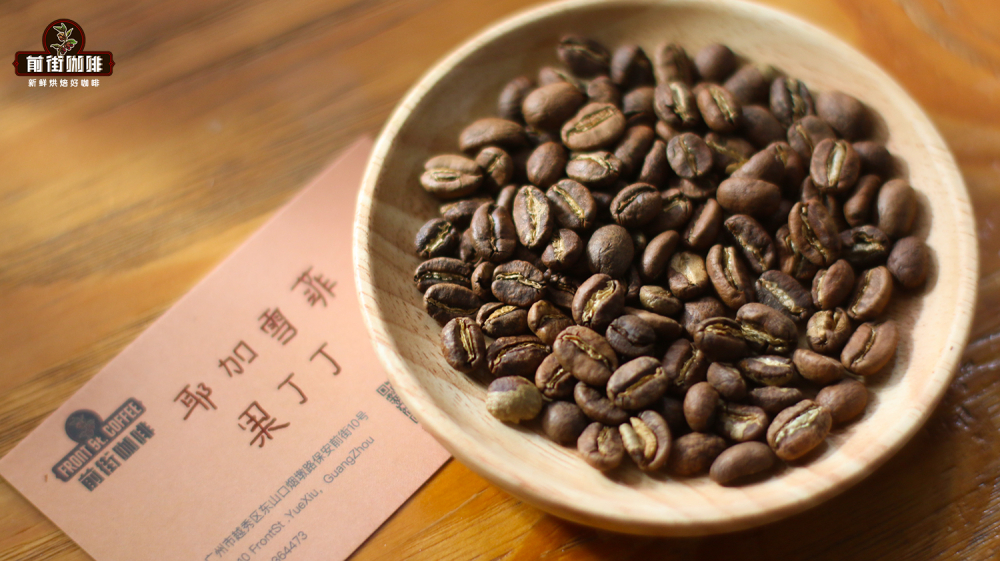
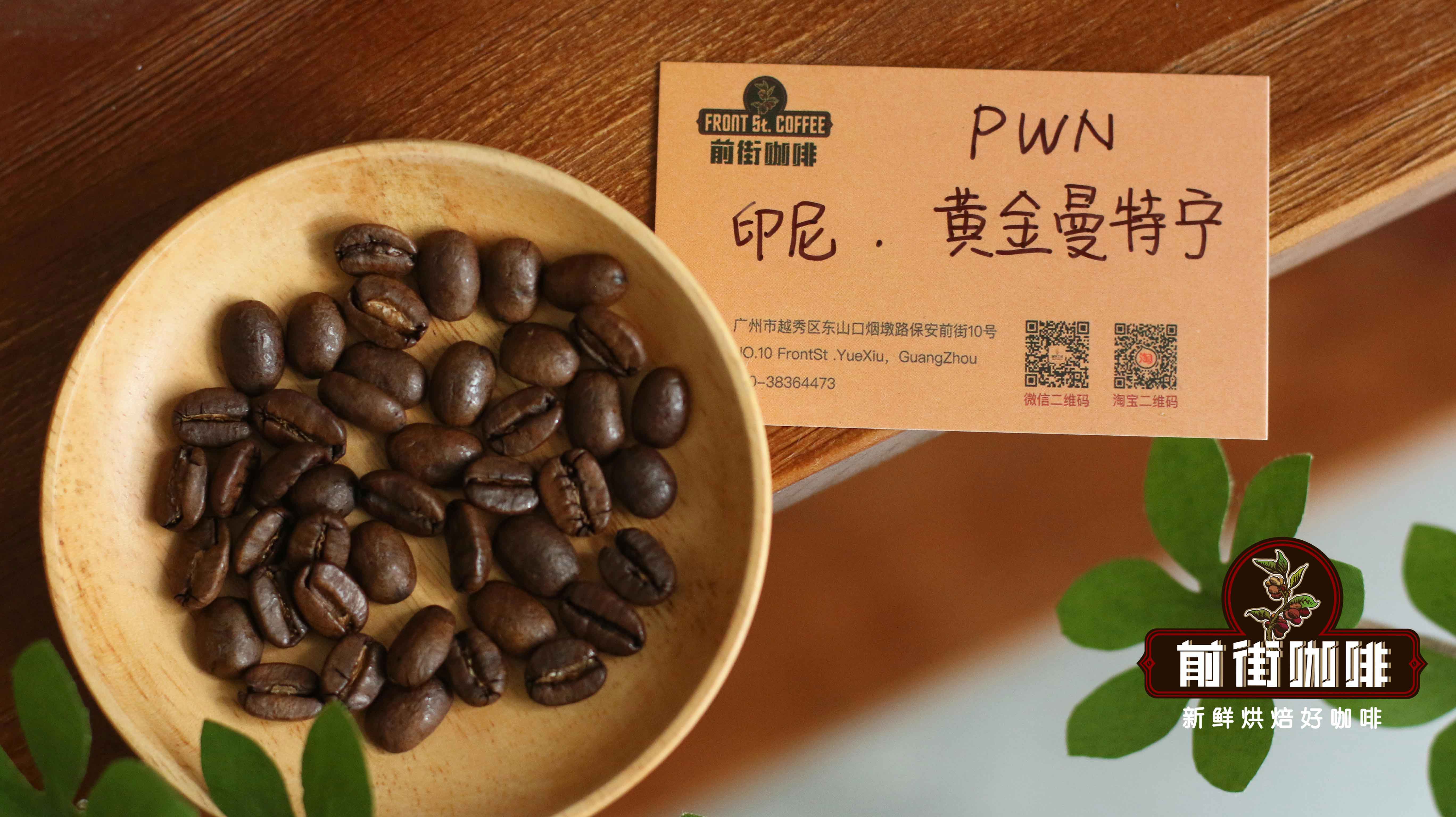
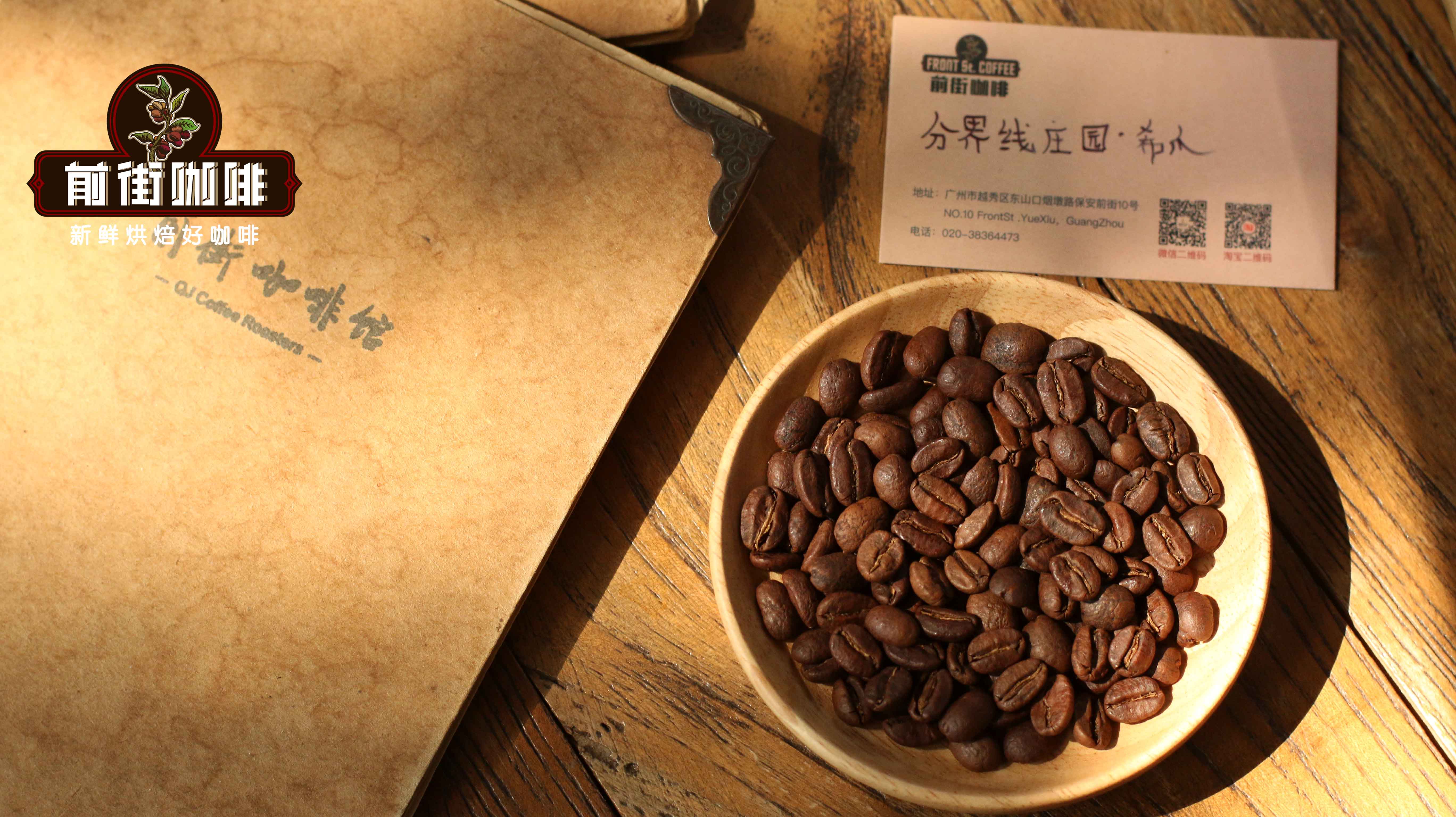
Below are several popular home-use coffee beans recommended for different flavor preferences. These beans are not only great for pour over, but can also be used for other brewing methods based on personal taste. First up is the Gedi Ding Ding Cooperative from Yirgacheffe, Ethiopia, grown at 1900–2300 meters altitude, washed processed, with flavors of white flowers, lemon, honey, and berries—perfect for those who love bright fruit acids. Indonesia’s PWN Golden Mandheling is renowned for its rich nutty and caramel aromas, using the wet-hulled process, and is ideal for those who prefer a bold body.
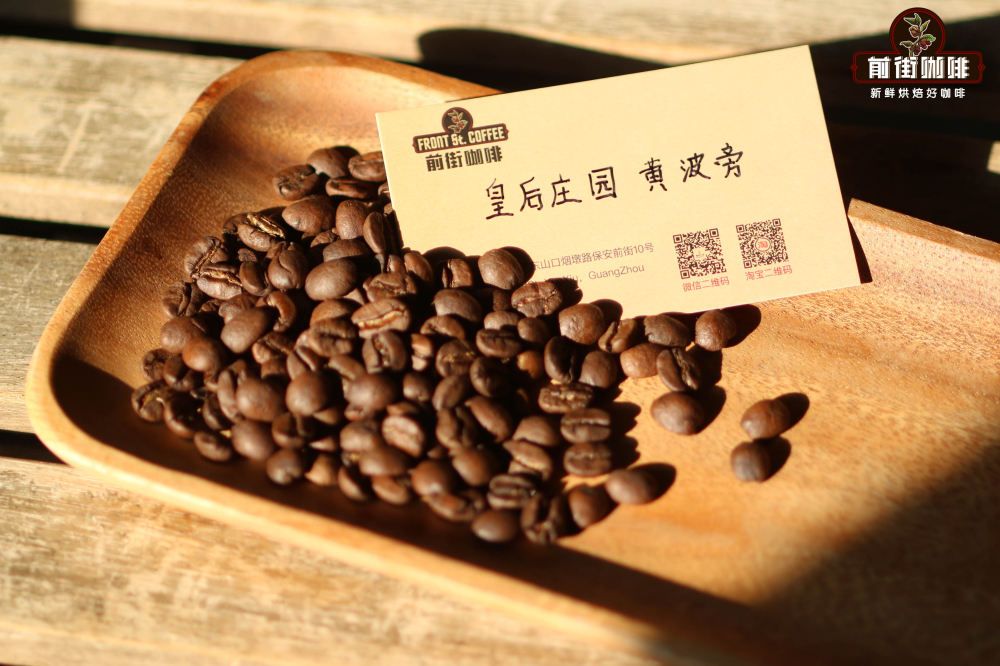
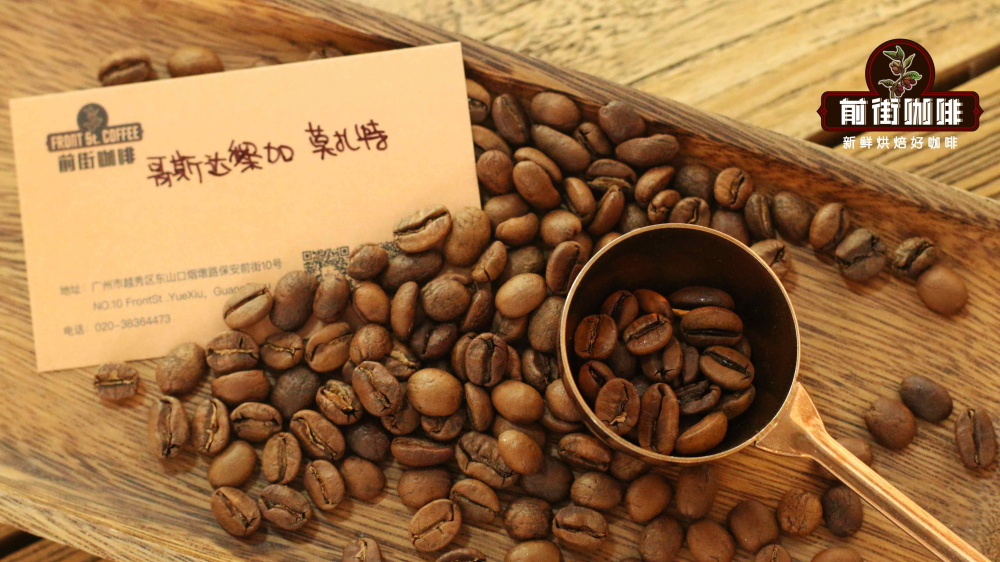
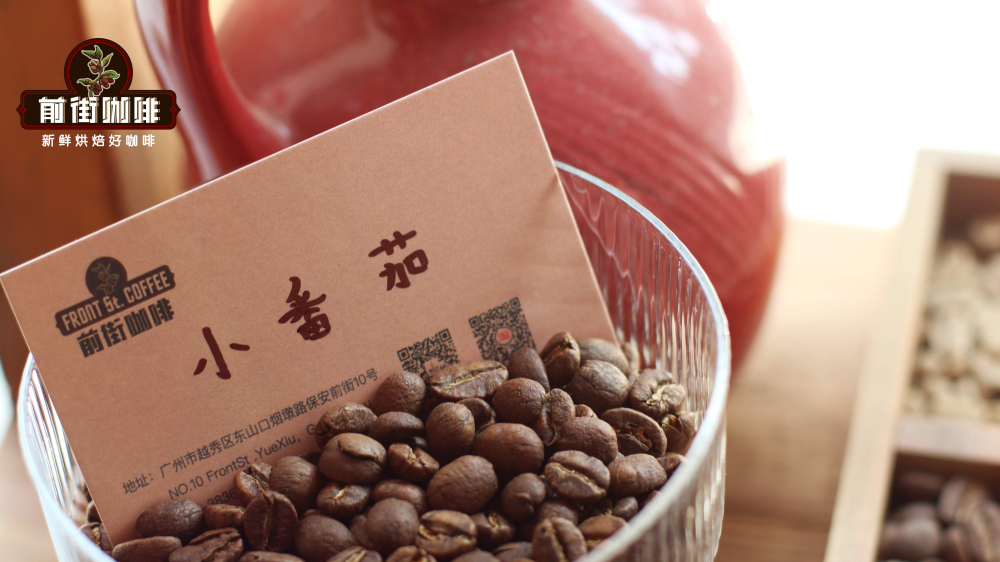
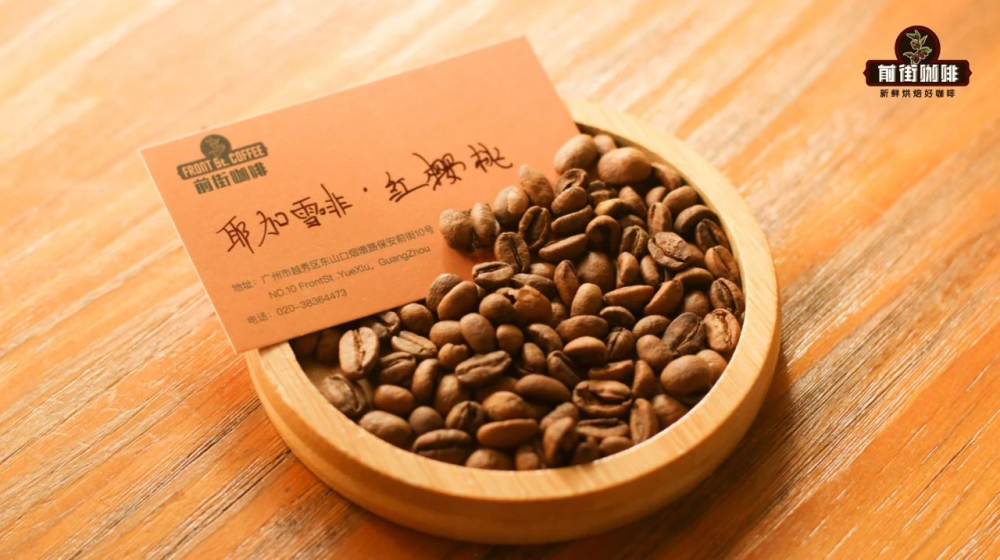
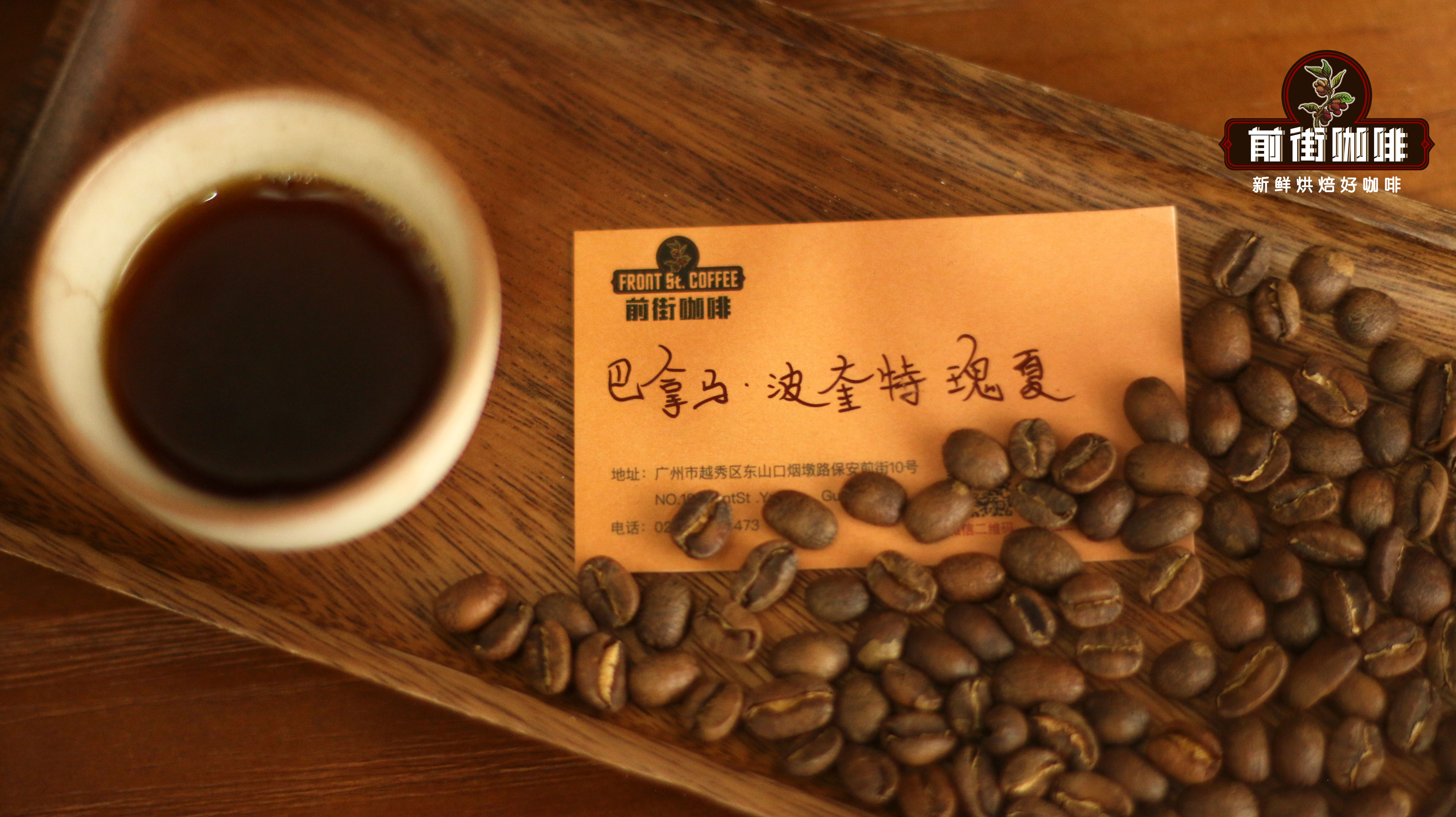
Brazil’s Queen Estate Yellow Bourbon offers creamy, peanut, and fermented fruit sweetness, representing one of the more balanced flavor profiles. Costa Rica’s Mozart excels with its anaerobic honey process, delivering strong berry and fermented wine notes—great for coffee lovers interested in unique processing. Kenya’s “Little Tomato,” with its 72-hour washed process, features complex acidity of black plum, brown sugar, and cherry tomatoes—a good pick for those who love bright acidity. Colombia’s Geisha features a double anaerobic natural process, presenting passionfruit and honey juice-like qualities, suited for those who love intense fruity profiles. Finally, Ethiopia’s Natural Red Cherry and Panama’s Geisha washed beans are also known for their tropical fruit and jasmine floral notes respectively, offering a diverse range of flavor experiences.
Whether you’re a beginner or an experienced coffee enthusiast, understanding the characteristics of different coffee beans and the brewing methods that suit them can bring you richer and more varied coffee enjoyment at home. Choosing the right beans not only enhances your overall coffee experience, but also helps you delve deeper into the fascinating world of coffee.
The above content is compiled by CoffeeHunters, a coffee news website.

