








Introduction:Arabica coffee is renowned for its rich flavor complexity and diverse varieties, making it the top choice for many coffee enthusiasts. This article will take an in-depth look at eight single-origin Arabica beans that are ideal for pour over brewing, ranging from the classic Typica to the high-priced Geisha. It also offers roast level recommendations and flavor profile analyses to help readers find the most suitable entry-level bean based on their personal taste preferences.

The rise of specialty coffee has made varietal differences a focal point of discussion among coffee lovers. Among them, Arabica, with its elegant flavors and wide variety of cultivars, is widely recognized as the representative of high-quality coffee. This species encompasses numerous sub-varieties, each exhibiting distinct flavor profiles due to differences in growing environments and processing methods, deeply captivating coffee aficionados around the world.
For those new to specialty coffee, facing the vast array of Arabica varieties can often be overwhelming. In fact, by grasping a few key selection criteria, it’s easy to pick out high-quality single-origin beans that suit your taste. From roast level and processing method to varietal characteristics, these details all influence the final brewing performance and taste experience.
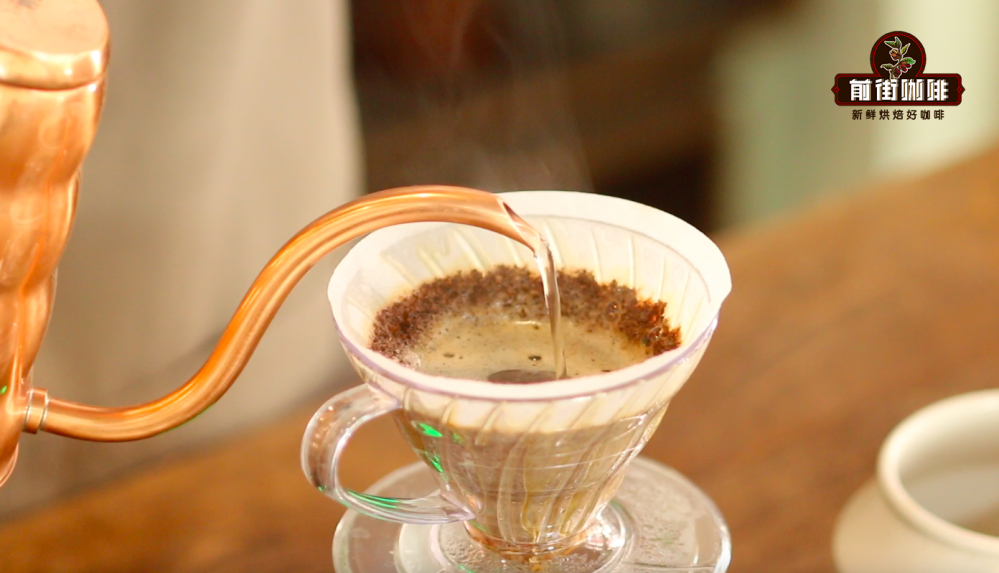
First, it is recommended to choose a self-roasting brand with stable quality control to ensure that each batch of beans maintains consistent flavor expression. In addition, the brewing method should also match the roast level—for example, pour over works well with medium-light to medium roasts, which can highlight the beans' delicate acidity and layered aromas. Understanding these basic principles will help you make wiser choices when selecting coffee beans.
Below are eight highly acclaimed single-origin Arabica coffee beans, each with unique flavor characteristics and suitable brewing methods:
Typica —— 2013 Yunnan Typica Coffee (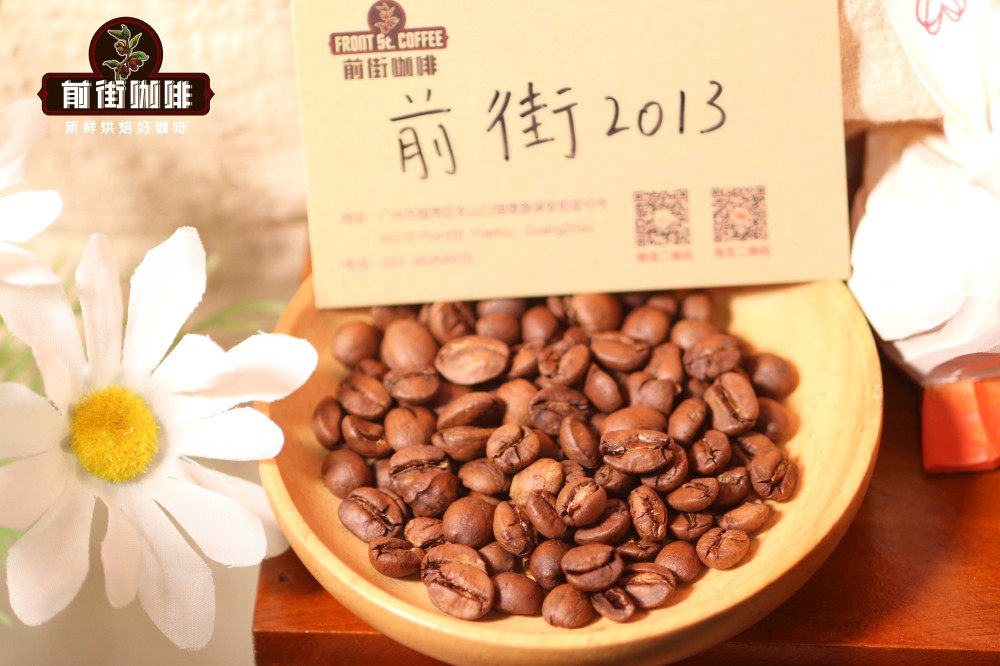 )
This classic variety originating from Ethiopia is known for its elegant nutty tones and soft black tea-like aftertaste. Its flavor profile includes notes of nuts, brown sugar, and dried apricots. It suits medium-light to medium roasting, which can showcase its delicate acidity and aromatic layers. It's worth noting that Typica has relatively weak disease resistance and limited yield, making it a rather rare variety.
Bourbon —— Brazil Cerrado Red Bourbon Coffee (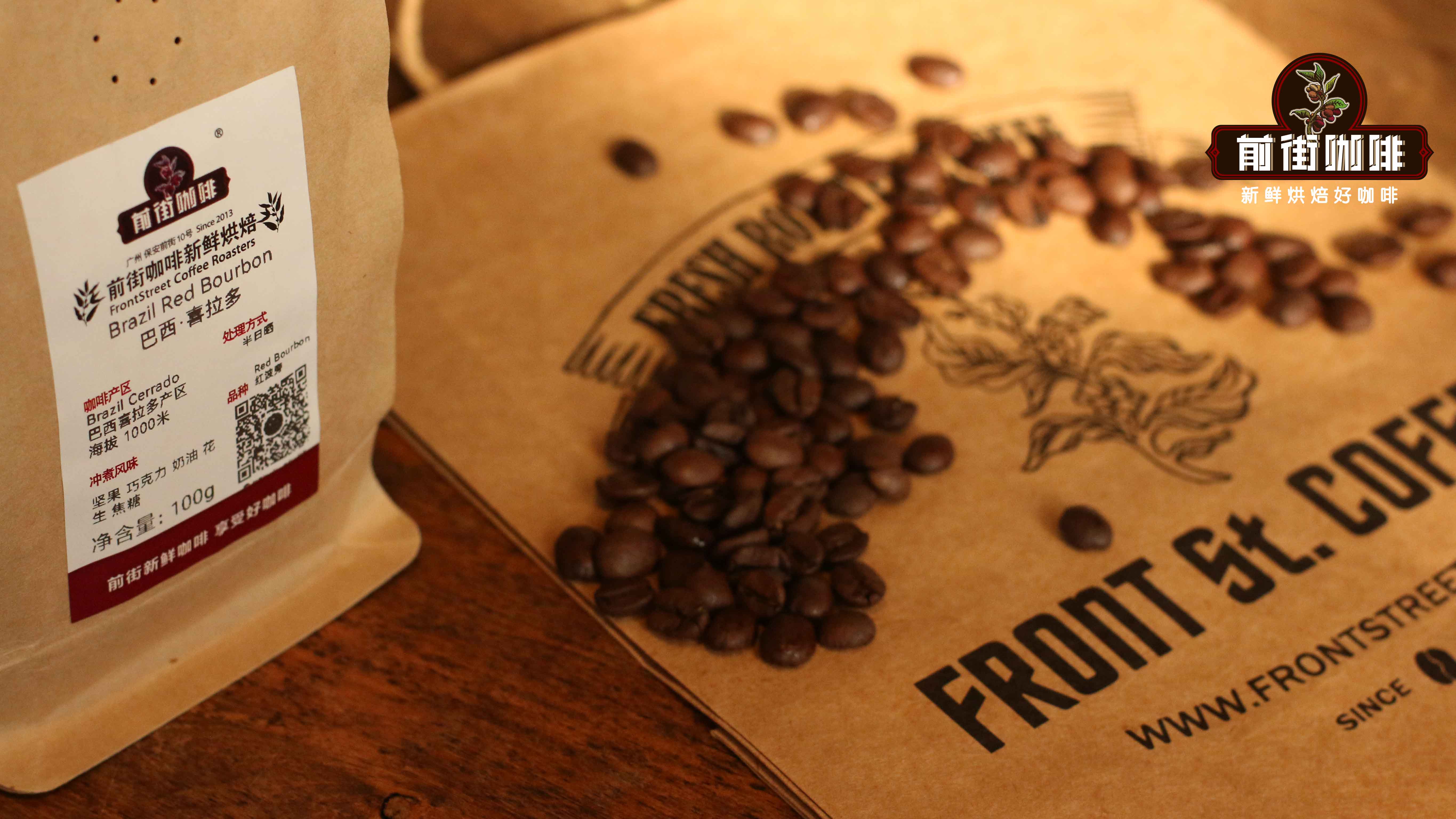 )
As a mutation of Typica, Bourbon is known for its balanced flavor and pronounced wine-like acidity. The roasted beans exhibit a bright red color, and after roasting, they offer aromas of roasted nuts and a moderate level of sweetness. A medium roast is recommended to fully bring out its mellow aftertaste and rich aromatic layers.
Caturra —— Colombia Huila Coffee (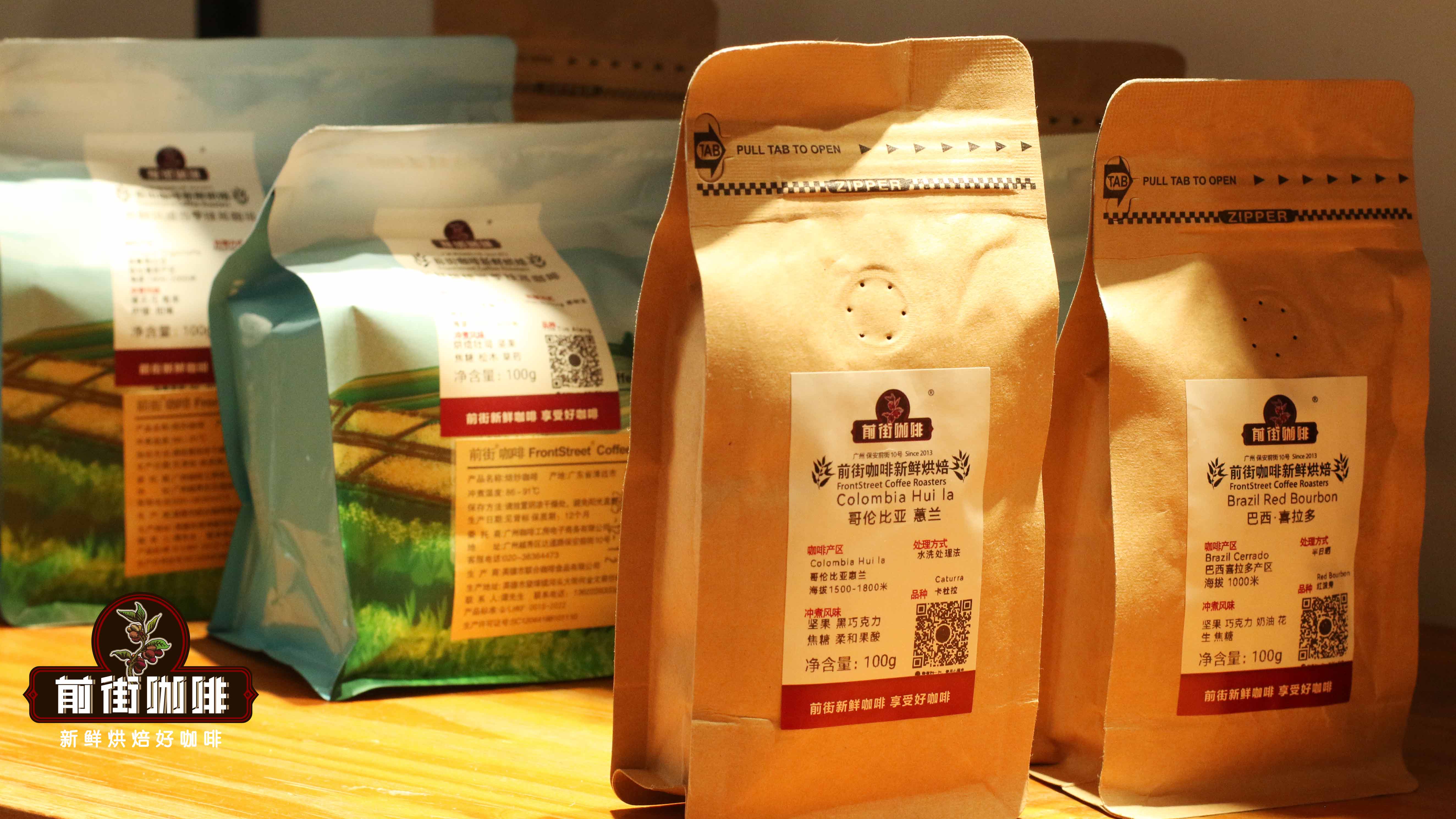 )
Caturra is a variety of Bourbon, noted for its stronger disease resistance and adaptability. A medium-dark roast can highlight its rich flavors of dark chocolate and caramel, with good body, making it suitable for both pour over and SOE extraction. Its short plant stature also makes it easier to harvest, and it is a main cultivar in many producing regions.
Catuai —— Panama Elida Estate Catuai Coffee (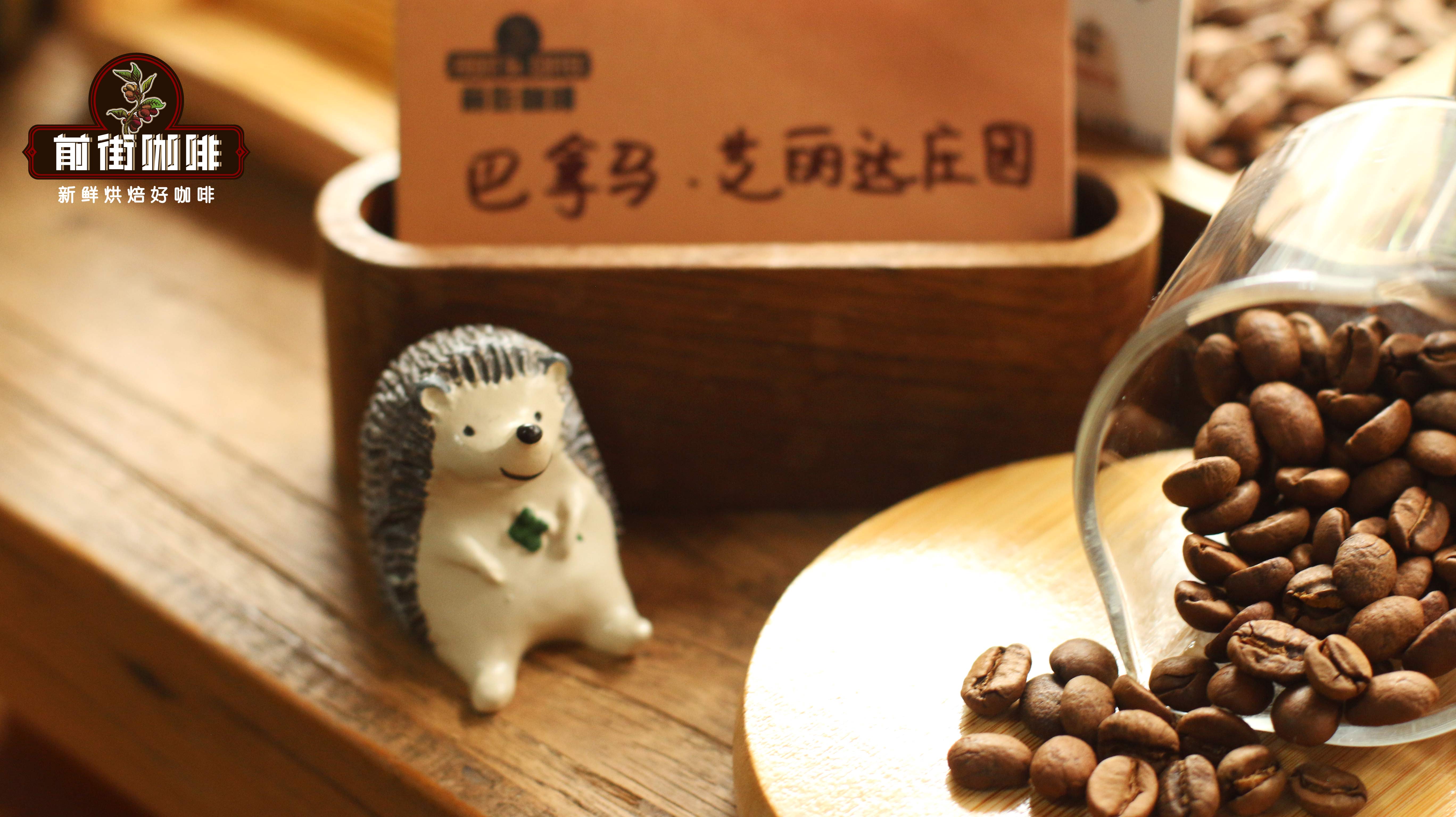 )
This hybrid variety combines the strengths of Caturra and Mundo Novo, offering excellent resistance to wind and rain. Sun-dried processing gives it refreshing flavors of peach, red grape, and citrus, making it very suitable for pour over and cold brew, showcasing abundant fruity notes and a balanced sweet-and-acid profile.
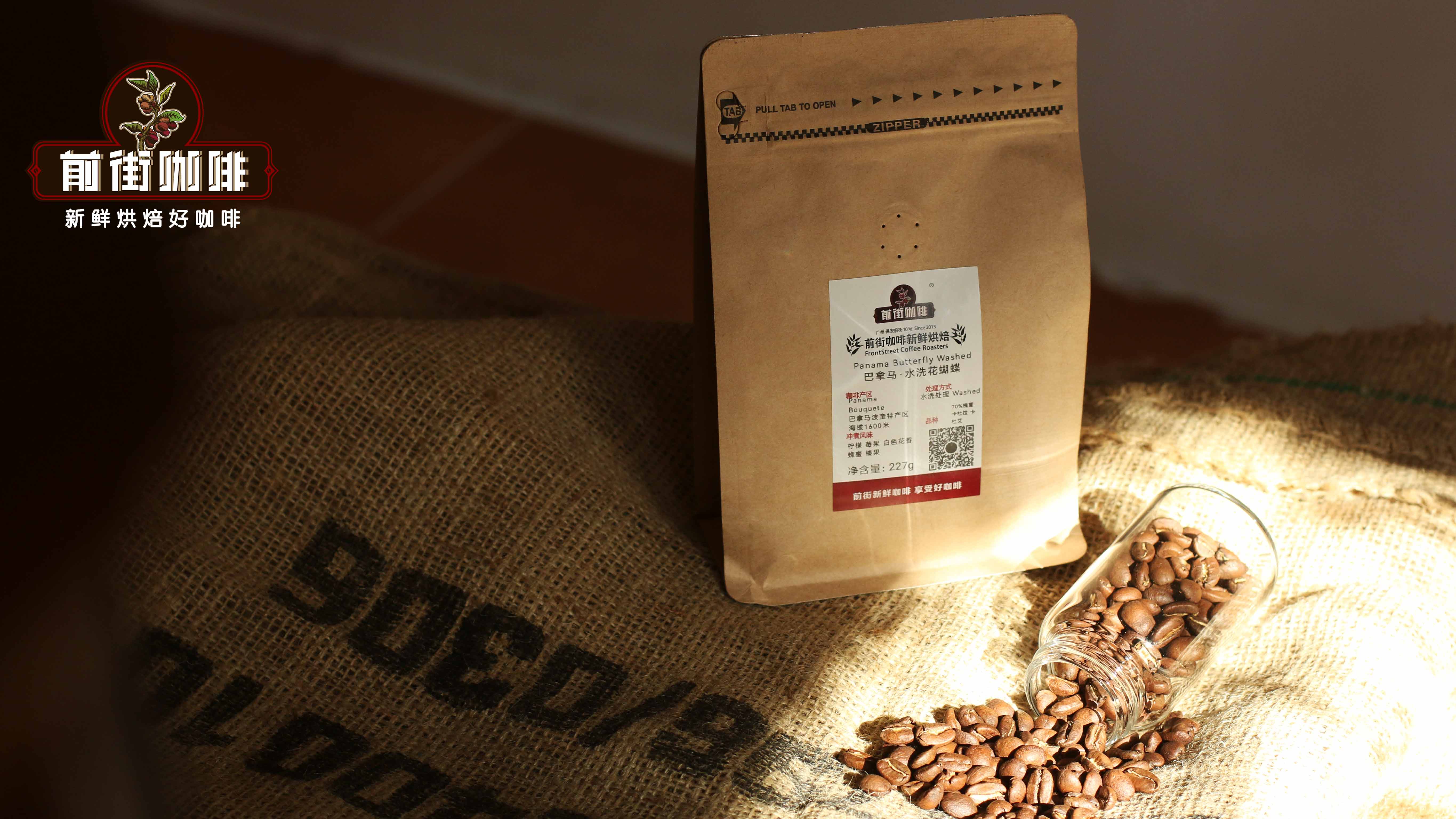
Geisha —— Panama Finca Hartmann Geisha Blend (Flor de Selva) ()
Originating from the Geisha mountains of Ethiopia, this rare variety is known for its intense floral notes, refined acidity, and tea-like aftertaste. The Flor de Selva blend contains 70% Geisha, with orange blossom honey tones and green tea-like sensations. It suits light-to-medium roasting, perfectly highlighting its complex flavor layers and delicate aromas.
Ethiopian Heirloom —— Ethiopia Guji Huika Coffee (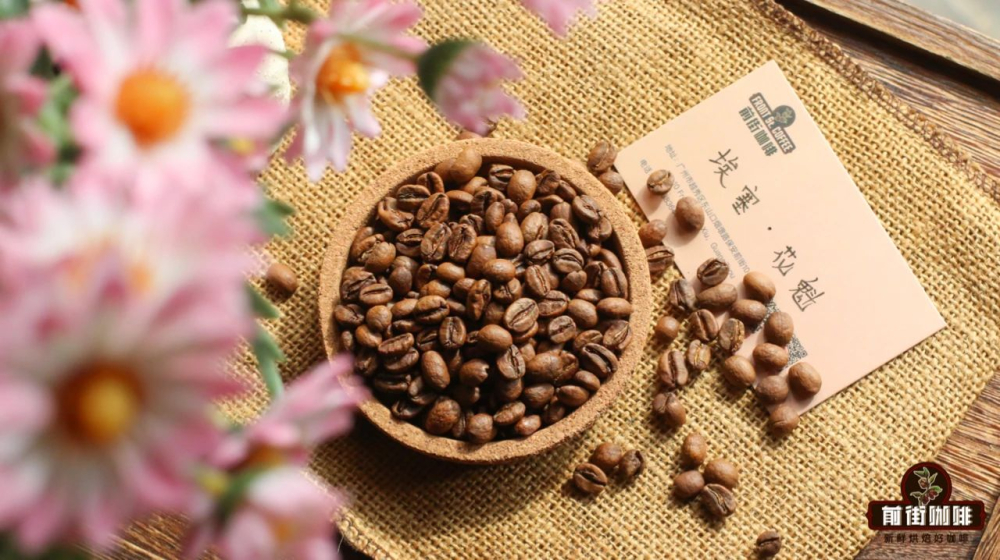 )
As a representative variety from the birthplace of coffee, Ethiopian Heirloom includes various unclassified smallholder-grown cultivars. Huika stands out for its creamy strawberry and tropical fruit aromas, offering a comfortable cup profile, suitable for both pour over and cold brew, and showcasing the unique regional flavors of Ethiopian coffee.
SL28 & SL34 —— Kenya Little Tomato Coffee (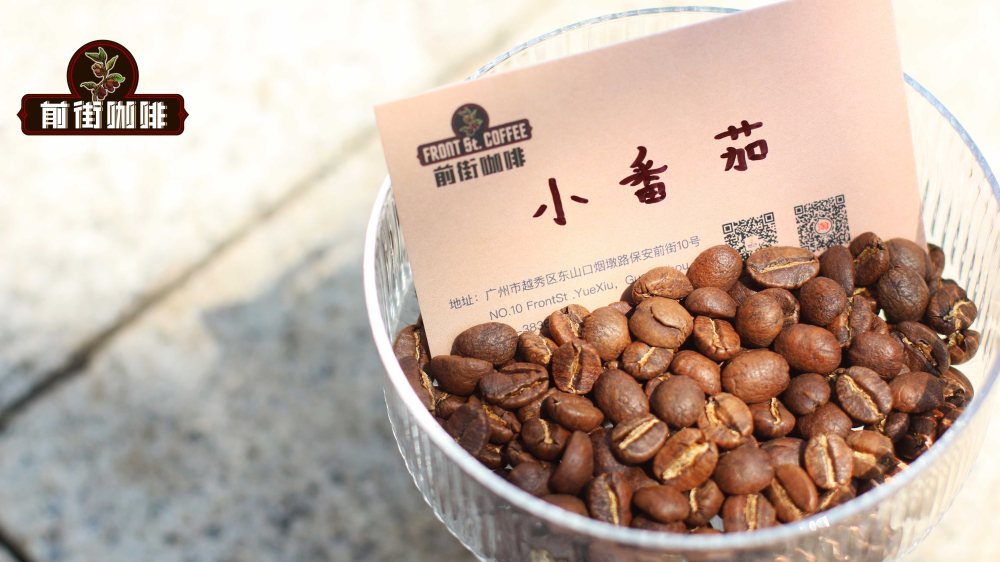 )
These two varieties, cultivated by the Scott Laboratories, are famous for their intense citrus and dark plum acidity. Kenya Little Tomato displays classic berry acidity, accompanied by layered flavors of cherry tomato, Asian pear, and brown sugar. It suits medium-light roasting, which can fully highlight its bright acidity and complexity.
Catimor/TimTim —— PWN Golden Mandheling Coffee (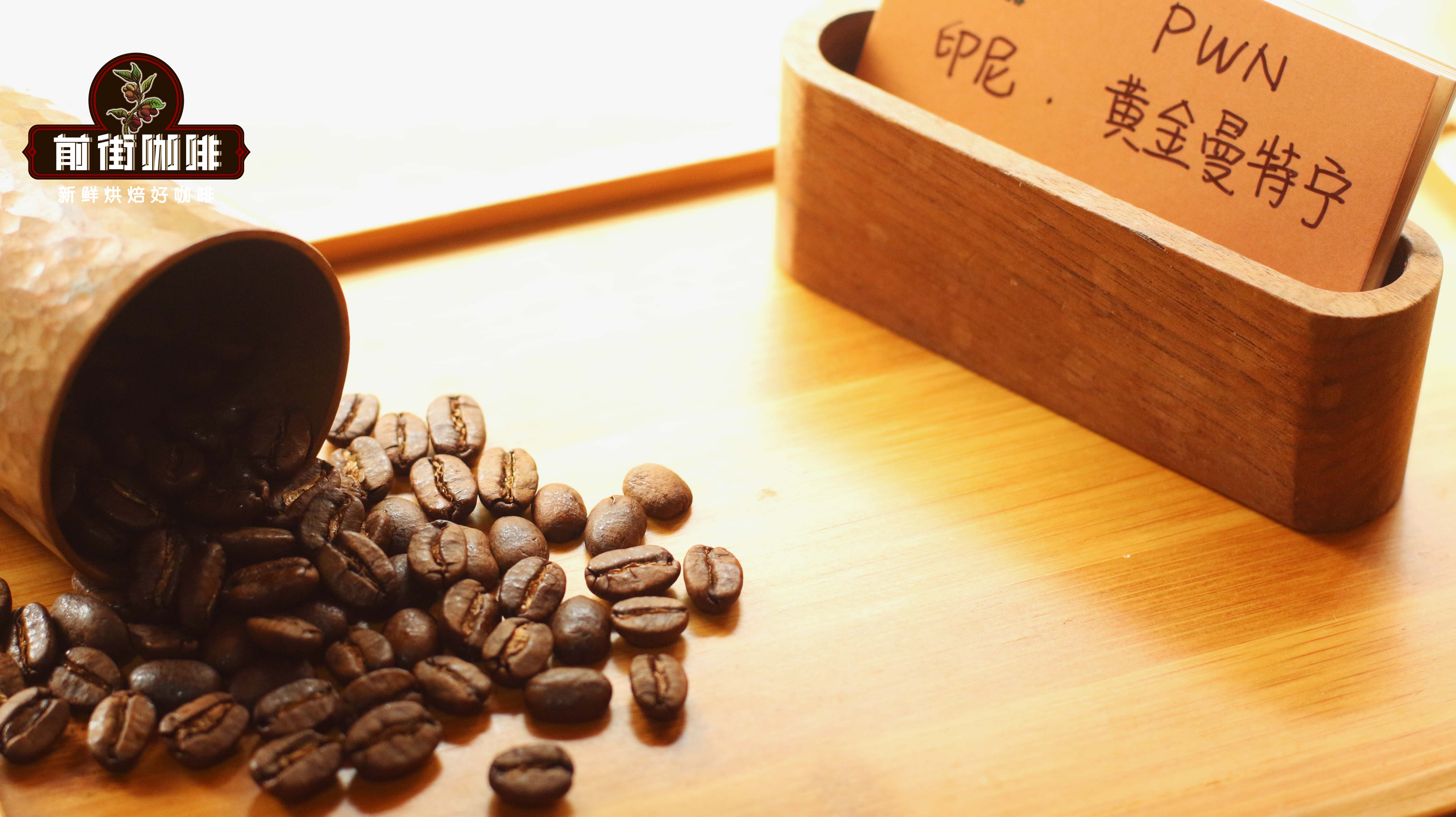 )
This hybrid variety, resulting from a cross between Timor and Caturra, combines Robusta’s disease resistance with Arabica’s aromatic qualities. PWN Golden Mandheling features herbal, spicy, pine, and caramel notes, and is suitable for medium-dark roasting, which can showcase its rich oils and full-bodied mouthfeel.
The above content is compiled by CoffeeHunters, a coffee news website.

