







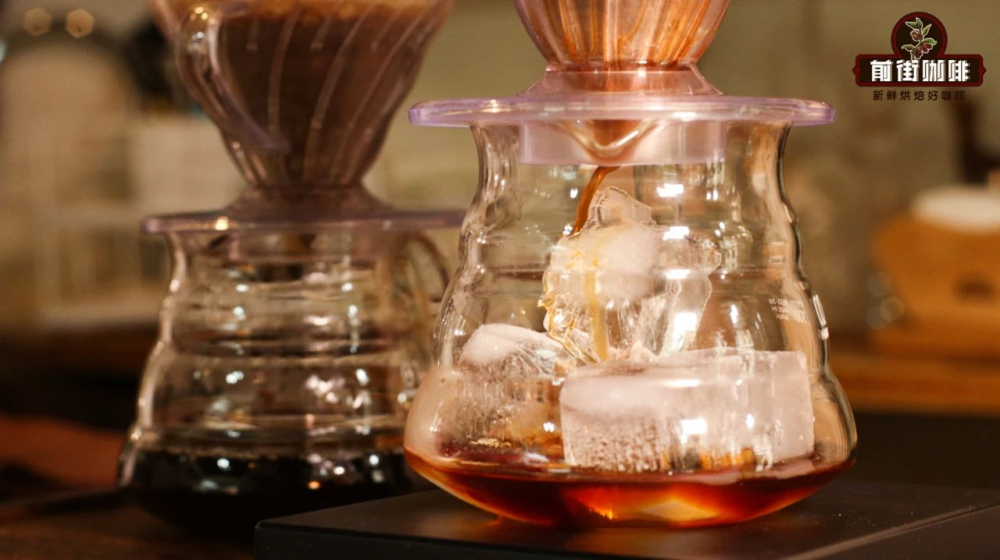
Introduction:Want to understand the correct method and key techniques of Japanese-style iced pour over? This article provides an in-depth analysis of the ratio settings, differences between adding ice early or late, and how various processing methods influence flavor. Covering grind size, water temperature, and extraction time, it offers comprehensive operational advice and sensory insights to help you master this classic brewing technique.
Iced coffee doesn’t have to be made through complicated cold drip methods—in fact, a simple pour over approach can also produce a refreshing and delightful Japanese-style iced pour over. This brewing method not only highlights the delicate flavors of the coffee itself but also delivers a cool and soothing experience on hot summer days. This article will detail the various parameter settings for iced pour over and address a common question—“Should you add the ice first or later?”—with practical comparisons to help you find the brewing method that suits you best.
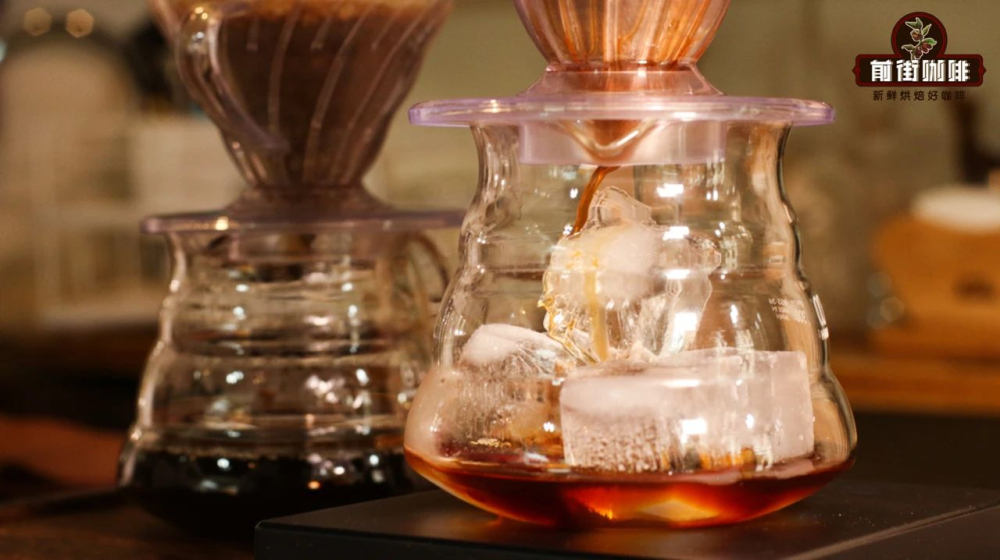
In this demonstration, we used 15 grams of coffee grounds with a 1:10 coffee-to-water ratio, meaning 150 grams of hot water were used for extraction, followed by the addition of 100 grams of ice for cooling and dilution. This combination effectively balances concentration and flavor expression. The selected coffee beans are washed-process beans from Ethiopia’s Kaffa Forest region. This area is considered the genetic origin of coffee and typically produces beans with subtle floral notes and juicy fruit tones, such as sweet orange, apricot, peach, and lemon, along with a rich array of layered flavors.

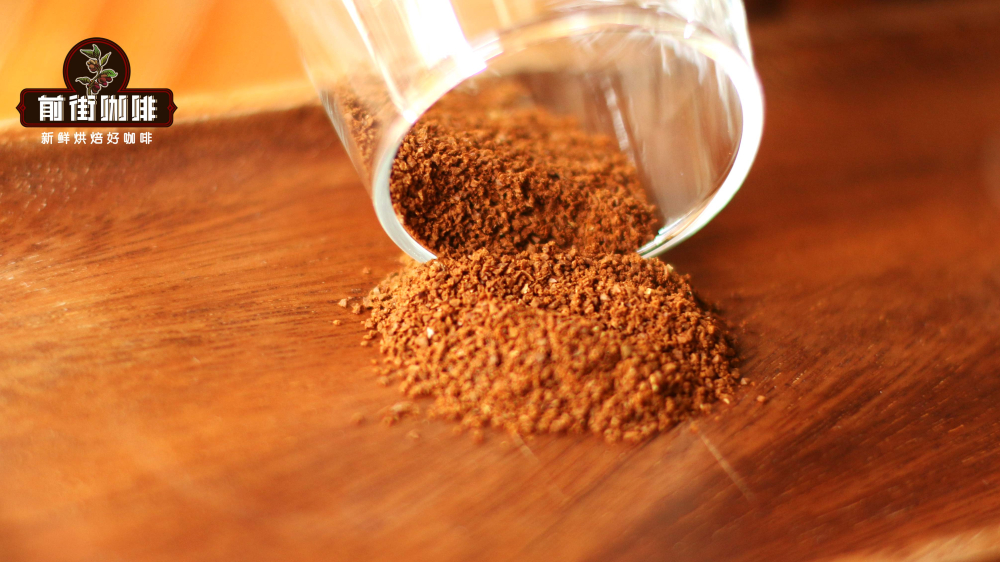
Regarding grind size adjustment, since iced pour over extraction takes relatively longer, it is recommended to grind the coffee slightly finer than for regular hot pour over. For example, if you normally use setting 10 on an EK43s grinder (approximately 80% 20-mesh sieve passing rate) for hot pour over, you may adjust to setting 9 (approximately 85% sieve passing rate) for iced pour over. Additionally, water temperature should be chosen based on roast level: light roasts are recommended at 90–91°C, while medium to dark roasts are better at 87–89°C to avoid over-extraction and bitterness.
Next, we conducted practical tests on two common iced pour over methods—“ice added first” and “ice added later”—to help you understand their unique characteristics and differences.
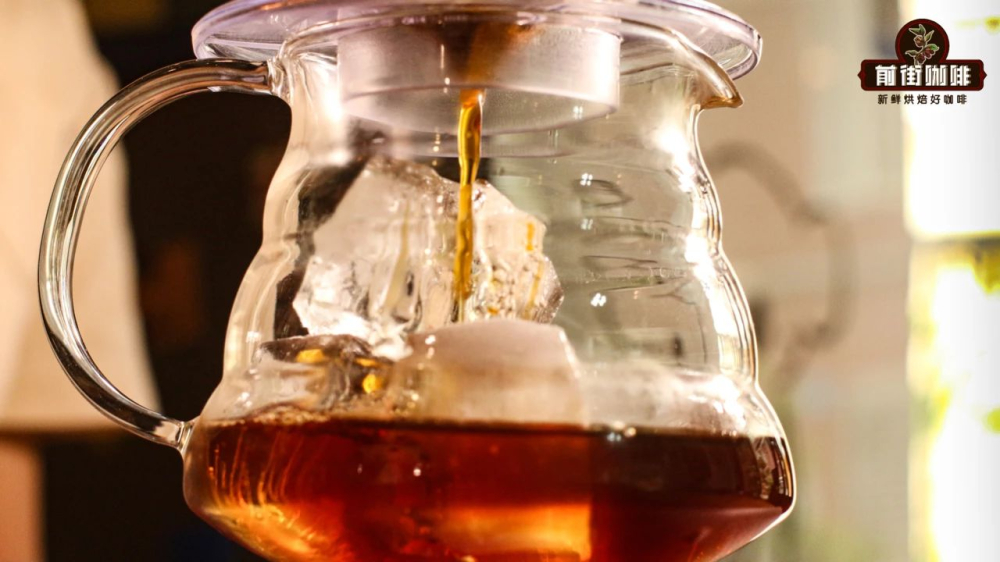
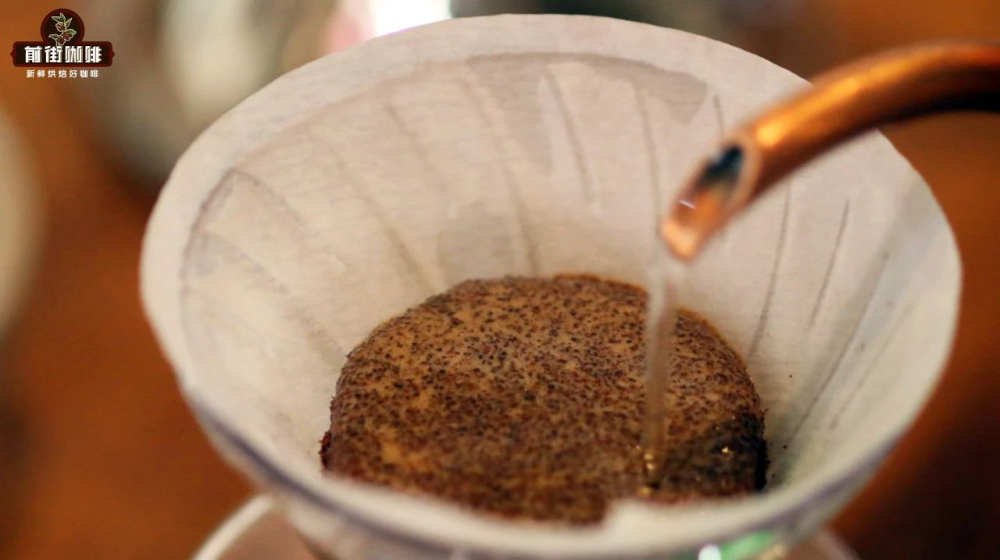
【Ice Added First】Procedure: Start by placing 100 grams of ice in the server, then set up the filter cone and filter paper, followed by adding 15 grams of ground coffee. Reset the scale to zero and start timing. The first step is to pour 30 grams of hot water for a 30-second bloom, then pour 70 grams of hot water in a circular motion from the center outward. Because the coffee bed is finer, the drawdown speed will be slower than with hot pour over. When the water level drops halfway, add another 50 grams of hot water. Wait until all the coffee liquid has dripped through, then remove the filter cone. The total extraction time is about 1 minute and 40 seconds. Finally, gently shake the filter cone to help the coffee liquid cool down quickly and mix evenly.
【Ice Added Later】Procedure: Similarly, start by placing the filter cone and filter paper in the server, along with 15 grams of coffee. Then follow the same steps: 30-second bloom, 70 grams of hot water, and 50 grams of additional water. The total extraction time is also controlled to around 1 minute and 40 seconds. The difference is that in this method, the 100 grams of ice are added to the server only after all the coffee liquid has dripped through, followed by gentle shaking to promote cooling and flavor integration.
After actual tasting, it can be observed that once fully mixed, the overall flavor profiles of both methods are quite similar. However, if you pay close attention, the ice-added-first method often delivers a crisper, cleaner taste upon initial sipping, with aromas leaning toward soft floral and fruity notes. In contrast, the ice-added-later coffee exhibits more concentrated and intense aromas, with more noticeable flavor layering. Without deliberate comparison, the average consumer may find it difficult to detect the subtle differences.

As for why ice added first results in a crisper coffee taste, the key lies in the speed and process of cooling. Since the ice is present from the beginning, the coffee liquid is continuously cooled during extraction, allowing the initially high-temperature coffee to dissolve more of the ice and thus lower the overall concentration and temperature, resulting in a fresher taste. In contrast, the ice-added-later method allows the coffee liquid to cool slightly at room temperature before contacting the ice, so the overall cooling effect and dissolved ice amount are relatively smaller.

The above content is compiled by CoffeeHunters, a coffee news website.


