







Introduction:Gain an in-depth understanding of the principles, pros and cons, and flavor characteristics of the natural (sun-dried) processing method, and master how this traditional craft imparts intense fruity aromas and layered fermentation notes to coffee. This article begins with the basics of the processing procedure, analyzing why natural coffee often exhibits berry and wine-like profiles, and features five carefully selected specialty natural beans from renowned origins such as Ethiopia, Yunnan (China), and Panama. Practical references such as altitude, variety, and flavor profiles are provided to help you find your dream bean suitable for pour over or drip brewing.
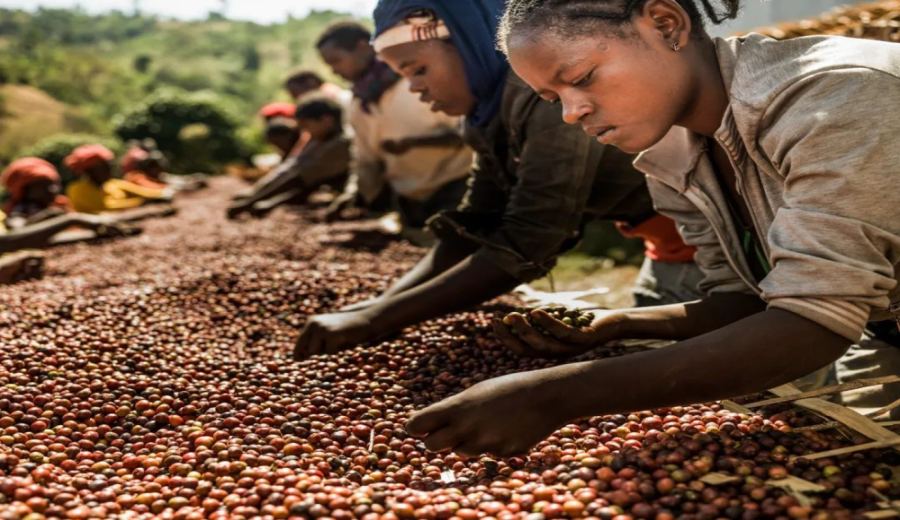
Natural Processing Methodis one of the oldest post-harvest coffee processing techniques. Its core step involves placing freshly harvested red coffee cherries directly under the sun to dry, typically taking about a week (adjusted according to weather). During this period, the moisture in the coffee fruit gradually evaporates, and the outer flesh and mucilage slowly dry and turn dark brown. Finally, a hulling machine is used to remove the hard parchment layer and any remaining pulp, followed by the removal of defective beans to complete the process.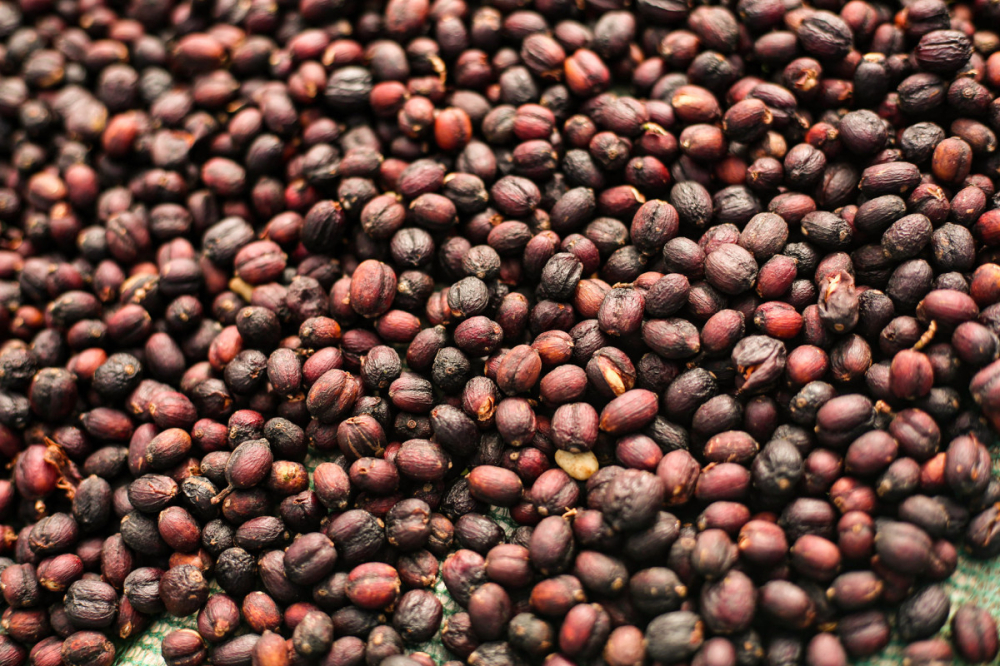
Thebiggest advantage of this traditional method is its low cost and lack of need for additional energy sources, but it requires vast and dry drying areas, making it difficult to implement in rainy regions. In addition, because the drying rate of each bean is not easy to control precisely, improper management can easily lead to over-fermentation or mold defects. In terms of flavor, the slow fermentation of the fruit flesh under the sun gives the coffee notablesweetness, wine-like aromas, and rich fruitiness, with relatively mild acidity.
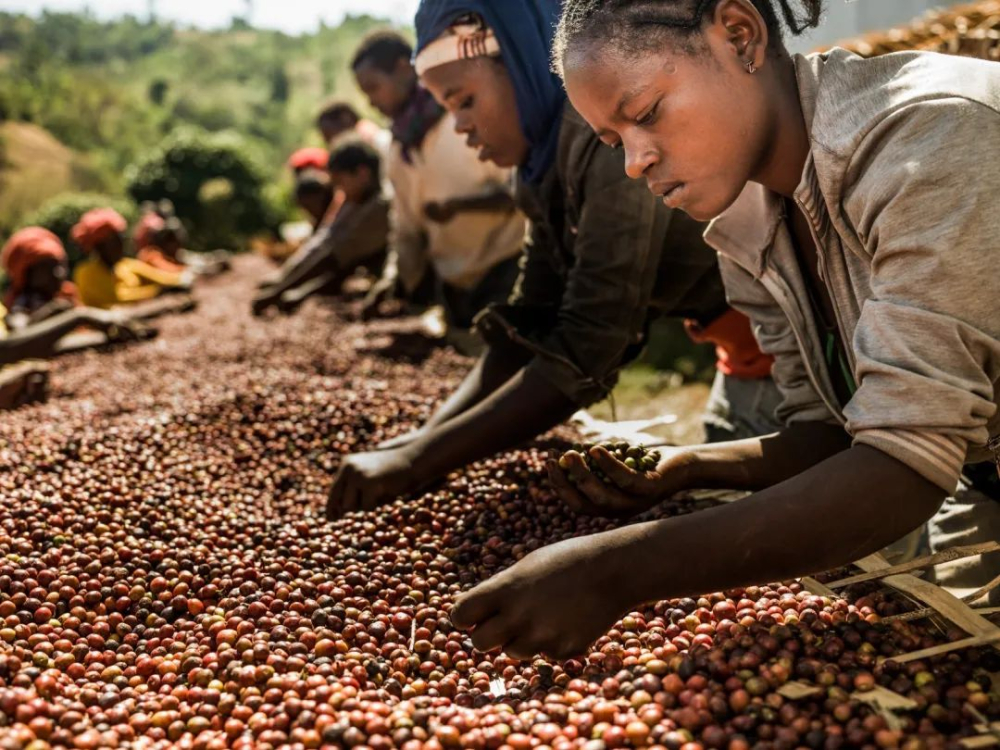 The advanced version,the refined natural process (commonly seen in regions like Yirgacheffe), pays even more attention to detail: the harvested red coffee cherries must be manually handpicked to remove unripe beans, spotted beans, and insect-damaged fruits. The drying stage mostly uses African-style raised beds, and tarps are employed to regulate sunlight intensity. The entire process takes approximately 27 to 30 days, and only when the pulp moisture content drops to 11% and the beans exhibit a dark purple hue is the standard considered met. Natural-processed Yirgacheffe handled in this way often shows a more complex profile, blendingwine fermentation aromas, bright berry notes, and high sweetness and smoothness.
If you want to try natural beans with distinctive flavors, it’s recommended to choose suppliers with stable roasting quality control. Below are five popular specialty natural coffees on the market, covering diverse regional characteristics:
1. Natural Red Cherry(Ethiopia · Yirgacheffe Aterlam Farm | Altitude 1700-2200m | Heirloom | Natural)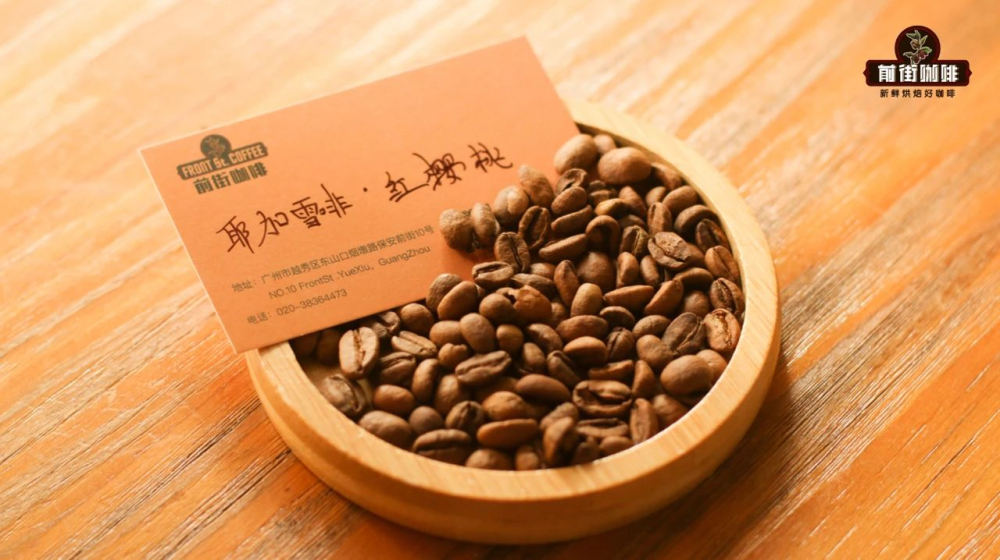 The flavor profile is based on floral and citrus notes, accompanied by distinct berry characteristics, a black tea finish, and unique fermentation aromas, suitable for pour over enthusiasts who prefer a bright and sweet-acid balanced cup.
2. Natural Huacai(Ethiopia · Guji Hambela Buku Abel Washing Station | Altitude 2250~2350m | Heirloom | Natural) A representative of tropical fruit profiles, showcasingthe sweet interplay of creamy-textured strawberry, mango, and guava, with a rich fruit jam-like finish brought by the drying process.
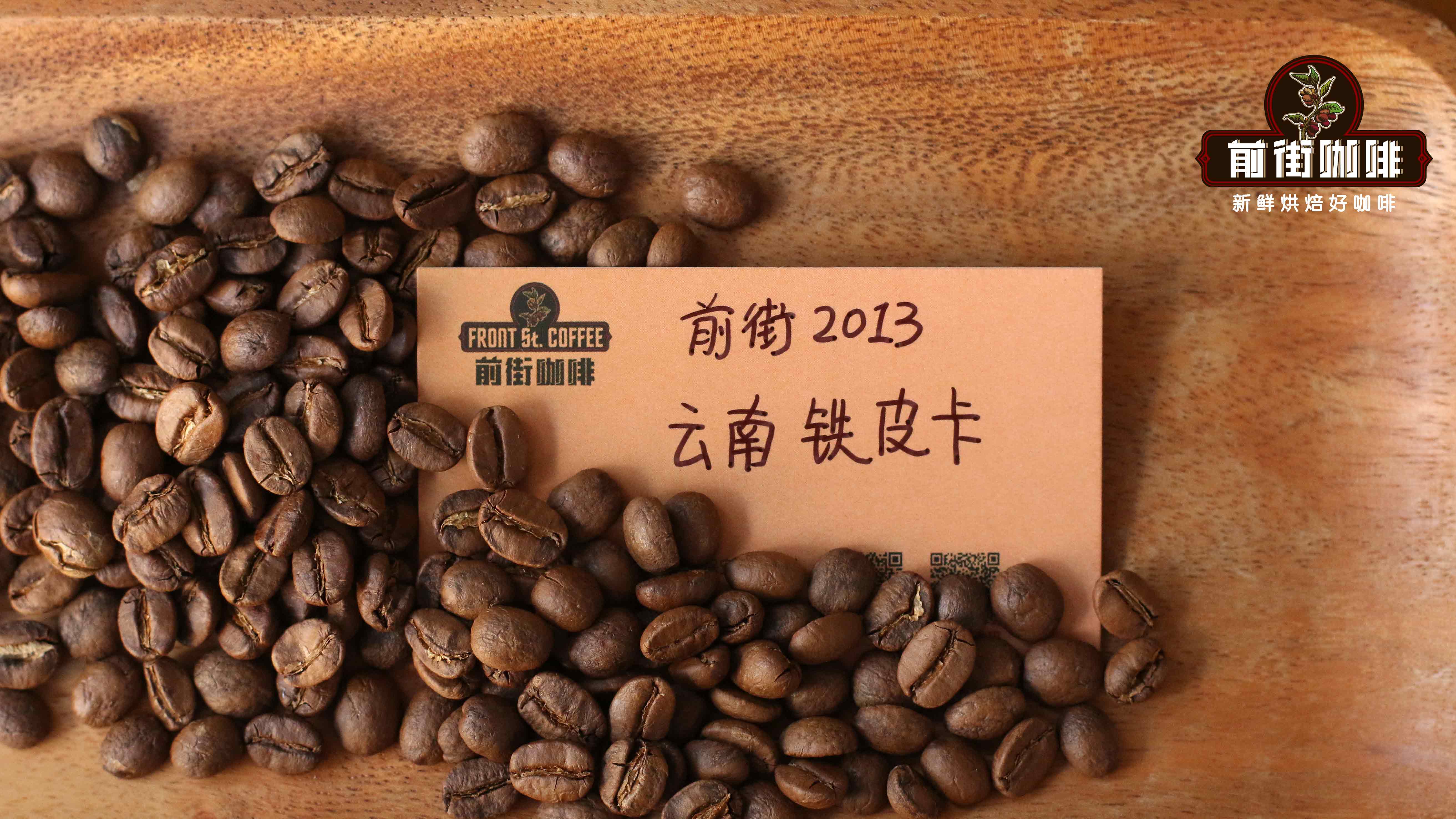
3. 2013 Yunnan Typica(China · Yunnan Yeye Farm | Altitude 1300m | Typica | Natural) Presents an earthy flavor combination, includingcaramelized brown sugar, nutty crispness, dried apricot flesh, and dark roasted chocolate, suitable for brewing methods that favor a full-bodied taste.
4. Emerald Estate Diamond Mountain(Panama · Boquete Emerald Estate | Altitude 1400~1700m | Catuai / Caturra | Natural) A typical Central American refined profile, blending a nutty-creamy base, citrus freshness, and layers of white floral notes, with subtle berry aromas.
5. Brazilian Queen Estate(Brazil · Mogiana Queen Estate | Altitude 1400~1950m | Yellow Bourbon | Natural) A representative of low-acidity and full-bodied style, showcasinga harmonious blend of chocolatey bitterness and sweetness, roasted nuts, sugarcane juice, and toasted peanuts, with a slightly creamy finish, suitable for pairing with milk or brewing with a French press.


The above content is compiled by CoffeeHunters, a coffee news website.


