







Introduction:Gain an in-depth understanding of the blending principles and practical techniques for espresso coffee blends. From the pairing logic of Arabica and Robusta to the analysis of characteristics from different coffee regions, this guide teaches you how to create balanced and layered flavor profiles using the golden ratio. Practical blending suggestions and roasting references are provided here, beneficial for both home brewing and café applications.
Blended coffee, also known as mixed coffee, is the combination of single-origin beans from different regions in specific proportions. The goal is to merge the strengths of each bean variety to create a more balanced and nuanced flavor experience. For example, if one bean has a smooth mouthfeel but lacks aroma, it can be paired with another that offers pronounced fragrance. By complementing each other’s strengths and weaknesses, the overall profile—balancing acidity, sweetness, bitterness, body, and complexity—can be fine-tuned. Blending methods can be divided into pre-roast blending (before roasting) and post-roast blending (after roasting), each with its own pros and cons. The choice depends on the characteristics of the beans, with post-roast blending allowing more precise control over each bean’s roast development.
Before blending, it's essential to familiarize yourself with the flavor profiles of the world’s major coffee-growing regions. Coffee beans from different varieties and origins vary uniquely in acidity, sweetness, bitterness, aroma, and body. Single-origin beans usually highlight regional characteristics, while blended beans are commonly used for espresso-based drinks such as Espresso, Americano, Latte, or Cappuccino, delivering more stable and widely appealing flavors.

Next, let’s explore several common and practical blend combinations along with their formulation logic:
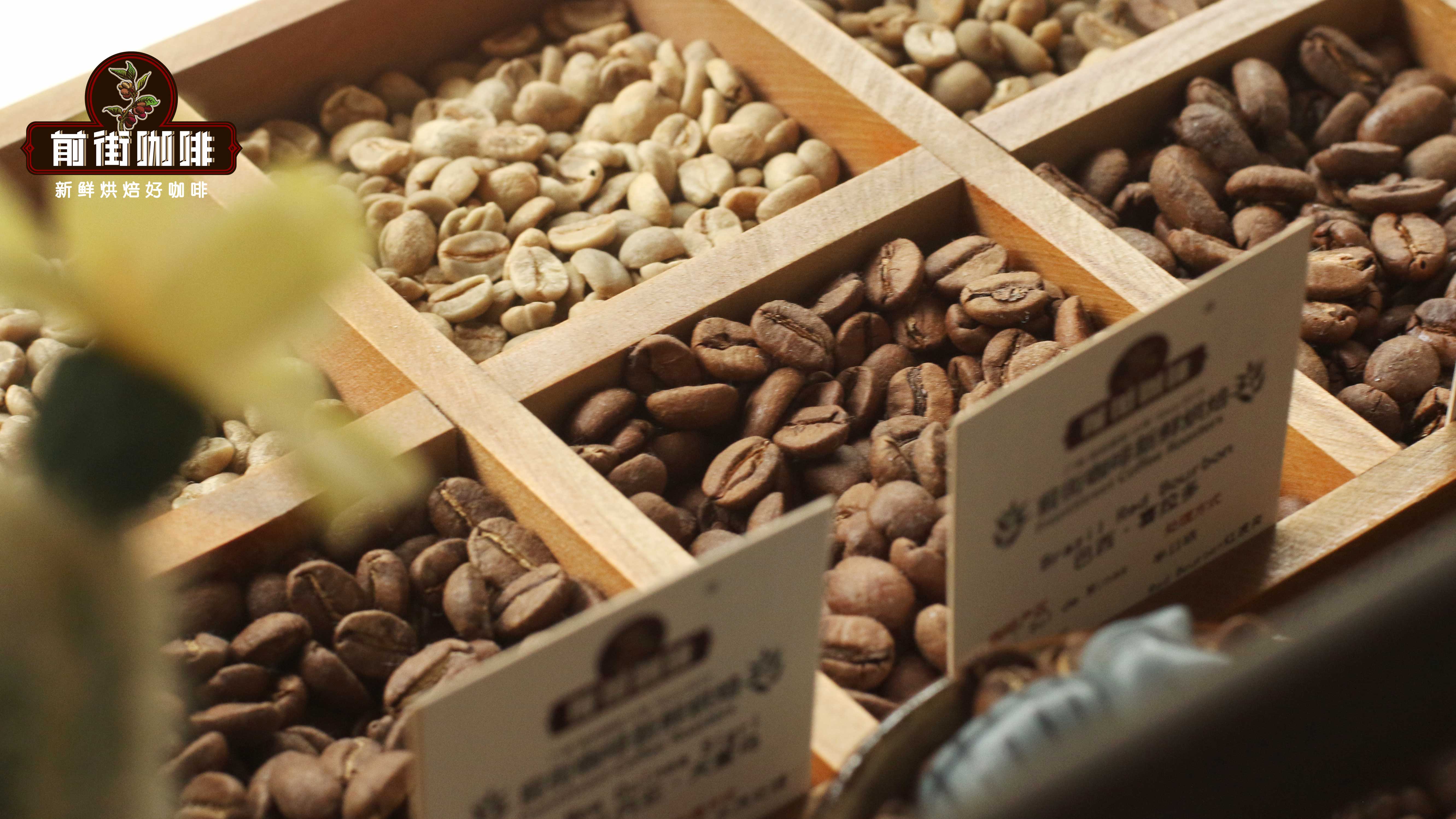
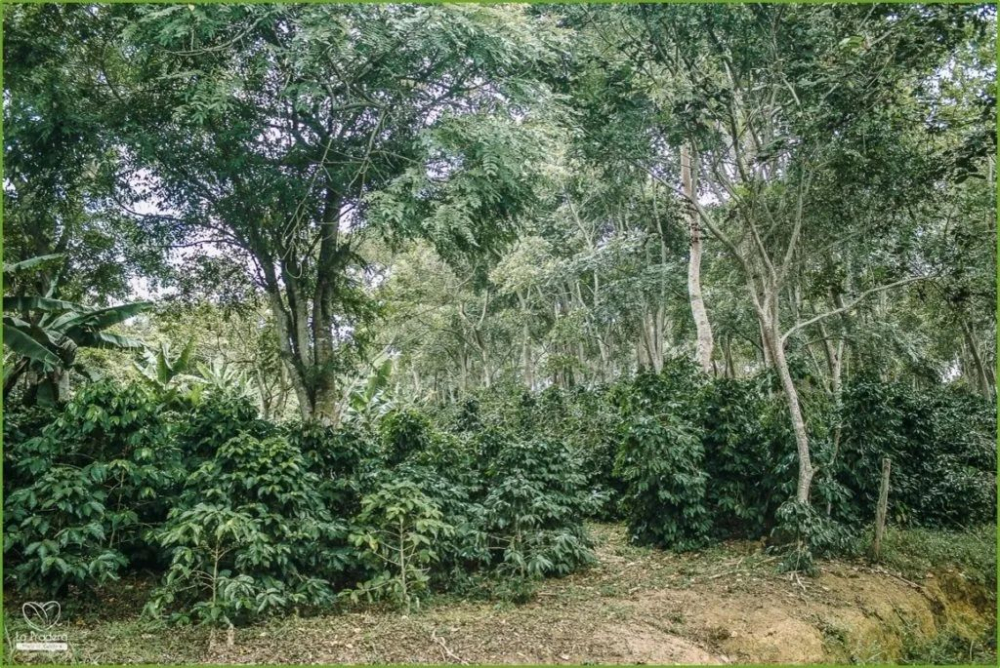
First up is a premium blend combination: Colombia (Huila region) and Brazil (Cerrado region). The Huila region in southwestern Colombia sits at an altitude of about 1500–1800 meters and mainly grows Bourbon and Caturra varieties, processed using the washed method. The beans are dense, have a full shape, and good thickness from core to surface. This region’s coffee is renowned for its rich mouthfeel, with flavors of nuts, chocolate, and caramel, along with moderate acidity, making it an ideal base for espresso blends. The beans are smaller in size and more affordable, making them highly suitable for blending.
Coffee from Brazil’s Cerrado region typically grows at altitudes of 1000–1300 meters. The beans are less dense, mostly of the Bourbon variety, and processed via semi-washed (pulped natural) methods. Due to their softer texture and thinner core-to-surface structure, care must be taken with temperature control during roasting. It is recommended to start with medium heat, maintain steady firepower during the drying phase, slightly adjust the heat after first crack to promote caramelization, and drop the beans just before second crack. The flavor profile of these beans is sweet and bitter in balance, smooth on the palate, with a hint of grassiness and a comfortable aftertaste.
Blending these two beans in suitable proportions and applying a medium-dark roast yields a sweet and mellow cup. When brewed as espresso, the result is soft with mild acidity, offering clean sweetness and nutty undertones, with medium crema. It is suitable for daily café offerings and also meets home users' desire for balanced flavor.

The second common blend is a commercial espresso combination: Colombia, Brazil, and Robusta. Robusta beans are highly resistant to disease and offer high yield. With caffeine content reaching 2.2%—much higher than Arabica’s 1.2%—and greater chlorogenic acid levels, Robusta often presents woody aromas and distinct bitterness with low acidity. Although its single-origin flavor may not match premium Arabica, blending techniques can enhance richness and crema performance. This combination is often used in commercial blends or for everyday home brewing.
The espresso made from this blend has rich crema, classic flavor, and notes of caramel sweetness, nuts, and dark chocolate. It balances sweetness and acidity with a touch of bitterness, and a long-lasting aftertaste. It is perfect for making classic drinks like flat white, Americano, and latte at home.
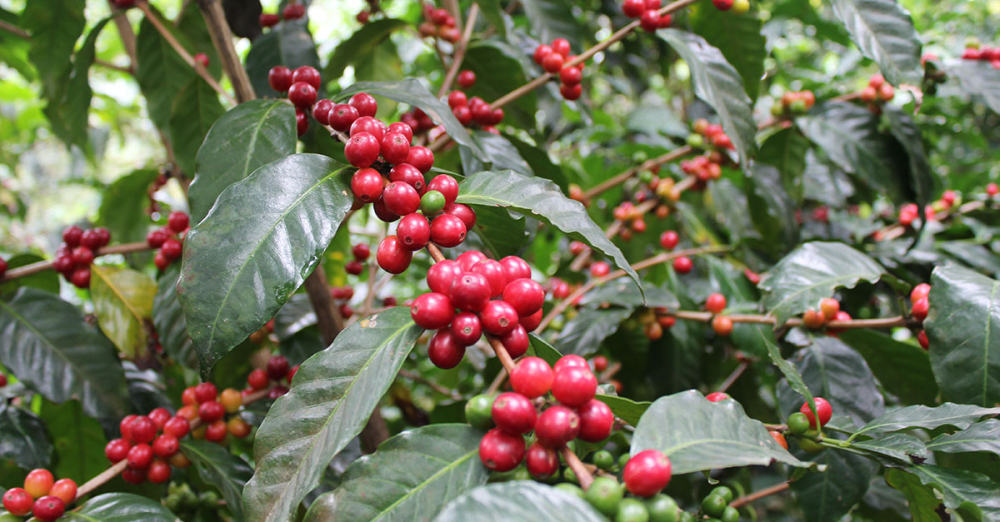
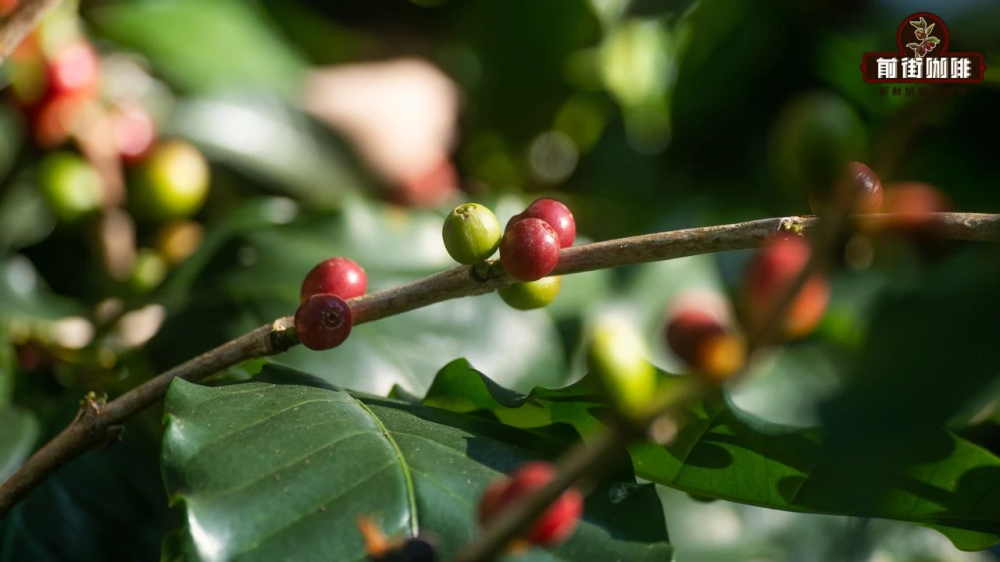
The third foundational blend combination is Yunnan AA and Brazil. Yunnan AA uses the Typica variety, one of Ethiopia’s oldest native cultivars, recognizable by its copper-colored top leaves, commonly referred to as “red-top coffee.” It boasts elegant flavors but is delicate in constitution, with poor disease resistance, low yield, requiring shade growing and harvest only about once every two years. The Yunnan region, with a geography and climate similar to Colombia’s, features high altitude and large diurnal temperature variations, lending its coffee a mellow aroma, moderate acidity, rich mouthfeel, uniform beans with high oil content, fruity notes, and a texture close to that of Colombian beans.

This blend exhibits flavors of gentle fruity acidity, caramel sweetness, with nutty and dark chocolate undertones. The cup is smooth and syrupy, though the overall flavor profile is relatively mild. It is a cost-effective option, suitable for home and café users with limited budgets or less demanding flavor preferences.
When blending, it is recommended to master the primary and secondary ratios, first define the desired flavor profile, then adjust roast levels based on the characteristics of each bean variety, and finally fine-tune through cupping to find the most suitable blend formula. Whether you aim for balance, richness, or layering, mastering key parameters and techniques will help you craft satisfying espresso blends.
The above content is compiled by CoffeeHunters, a coffee news website.

