








Introduction:Want to learn how to choose the right espresso blend? This article delves into the differences between blends and single-origin beans (SOE), explores the purpose and techniques of blending, and offers bean recommendations for common espresso-based drinks like lattes. From regional characteristics, flavor balance to roasting methods, it guides you through professional blending logic to find the most suitable combination of coffee beans.
Coffee blends, also known as mixed coffee, refer to coffee beans sourced from different regions or varieties that are blended together based on specific flavor goals. This approach compensates for the flavor limitations of single-origin beans, resulting in a more balanced, rich, and highly stable final cup. For example, if a bean has a smooth mouthfeel but lacks aroma, adding a variety with pronounced fragrance can create a harmonious and layered new taste. Blending methods can be divided into “pre-blend” (mixing before roasting) and “post-blend” (mixing after roasting), each with its pros and cons. The key is to choose based on the characteristics of each bean in the recipe, and sometimes post-blending can better highlight each bean’s optimal performance.

Whether pre-blending green beans or blending them after separate roasts, adjustments need to be made flexibly according to the traits of the beans, and both methods are common and effective practices in the industry. In particular, post-blending allows for individual optimization of the ideal roast level for each bean, helping each one realize its full flavor potential.
Before planning a blend recipe, it's essential first to understand the unique flavor profiles of coffee beans from different global regions. The flavor of coffee is influenced by multiple factors such as variety, growing altitude, climate, and processing method, creating subtle differences in acidity, sweetness, bitterness, aroma, and body across regions. Single-origin coffee typically emphasizes showcasing the unique characteristics of a specific region, while blends are more commonly used in espresso-based preparations such as Espresso, Americano, Latte, or Cappuccino, aiming to create a balanced, smooth, and stable flavor profile that aligns more closely with mainstream taste preferences.
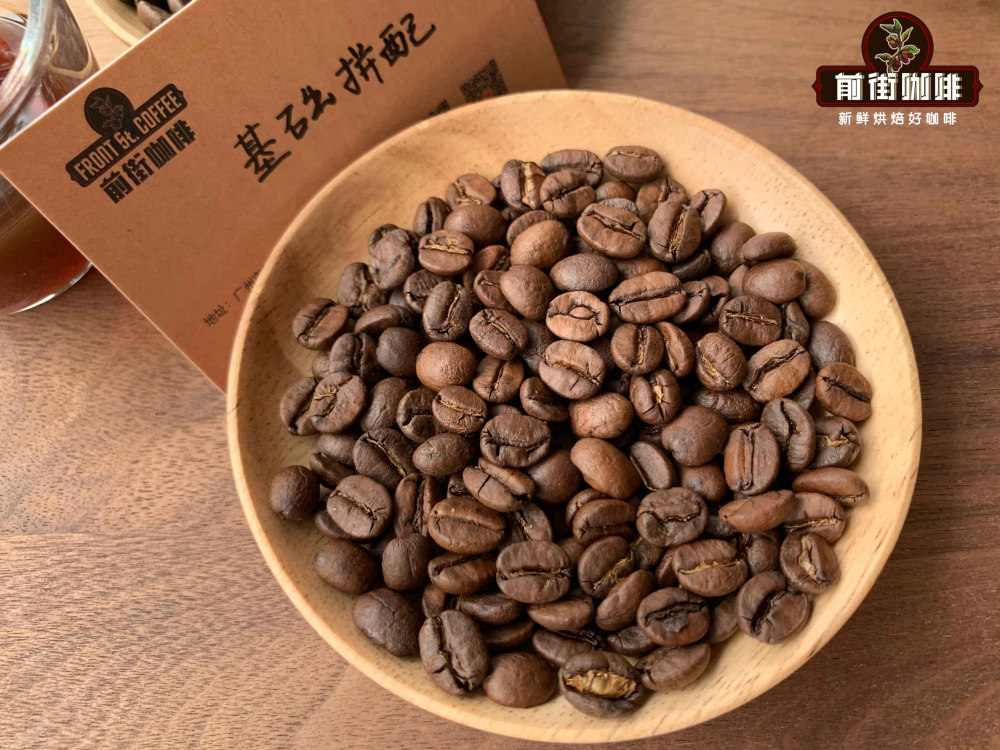
Why blend different coffee beans? The main reasons include the following:
1. Stable Flavor Performance
Coffee beans are agricultural products, and even beans from the same region or batch may vary in flavor from year to year due to climate changes. Strategic blending of multiple beans can effectively balance annual harvest variations and maintain consistent coffee flavor, which is especially important for commercial coffee shops.
2. Balanced Overall Mouthfeel
Due to the high-pressure extraction characteristics of espresso machines, the prominent flavor traits of a single bean can be amplified. If a single-origin bean is used to make espresso and it is overly bitter or acidic, the final product can easily become unbalanced. The goal of blending is to complement different flavor characteristics, harmonizing them into a well-rounded taste with balanced acidity, sweetness, bitterness, and body. This requires a deep understanding of coffee flavors by the blender to achieve the desired effect.
3. Flavor Consistency (Reiterating the Key Point)
Similar to the first point, blending helps overcome flavor fluctuations caused by variations in harvest years, regional outputs, or processing methods, making it a key strategy for many coffee shops to maintain consistent output quality.
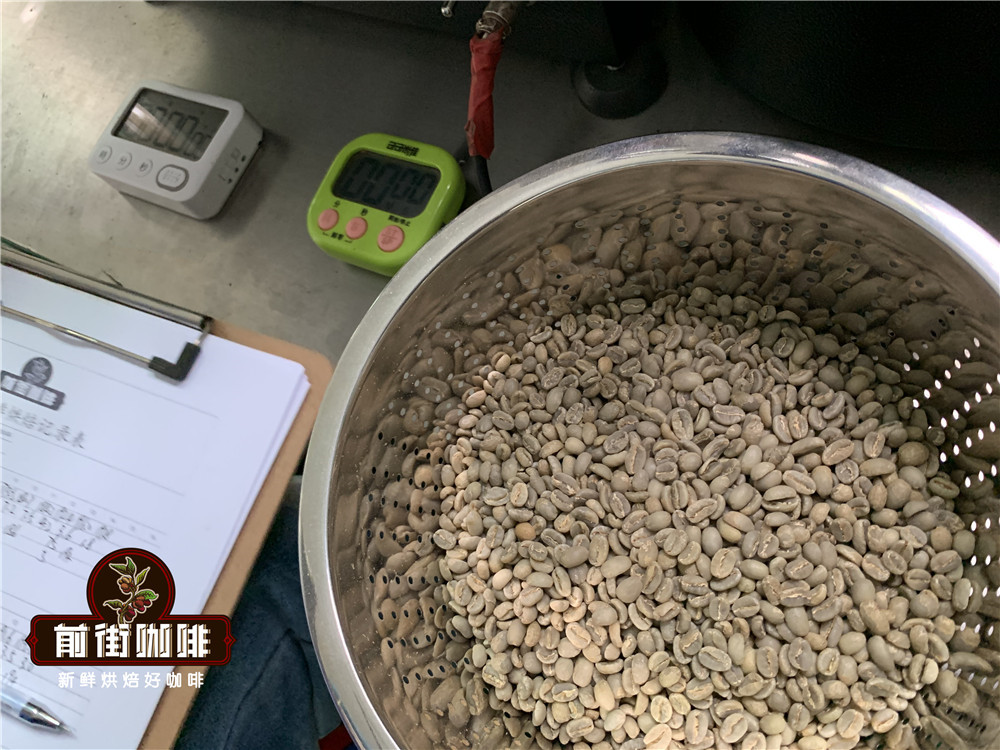
In recent years, Single Origin Espresso (SOE) has gained popularity as a new favorite in the market. SOE usually selects single-origin beans with distinct flavor characteristics—such as the citrus notes commonly found in Yirgacheffe or the pronounced fruit acidity of Kenyan beans—whose features become even more pronounced through espresso extraction. However, because SOE uses beans from only one origin, its flavor traits can be more exaggerated, whether positive or negative, and require more precise control over roasting, grinding, and extraction parameters; otherwise, it may lead to flavor imbalance. Therefore, SOE isn’t always more suitable for everyone’s taste, especially for consumers seeking stability and balance—carefully designed blends remain the more practical choice.

Next, let’s explore several common blend combinations and their applicable scenarios:
(1) Classic Espresso Blend: Colombia + Brazil
Coffee beans from the Huila region of Colombia are grown at high altitudes of around 1500-1800 meters, mostly of the Bourbon and Caturra varieties, and are processed using the washed method. They have a plump bean shape, high density, and often exhibit aromas of nuts, chocolate, and caramel, with moderate acidity and a solid mouthfeel, making them an excellent flavor backbone for blends. Brazilian coffee from the Cerrado region, on the other hand, grows at lower altitudes (around 1000-1300 meters), with softer beans and lower density, often processed via semi-washed methods. Its flavors are characterized by richness, milk chocolate, and gentle bitterness with sweetness. This blend is typically medium-dark roasted, and when brewed as espresso, it delivers soft mild acidity, sweet aftertaste, and a moderate crema layer, making it suitable for daily use in coffee shops.

(2) Commercial-Grade Blend: Colombia + Brazil + Robusta
Robusta beans, known for their strong disease resistance, high yield, and caffeine content of 2.2% (much higher than Arabica’s 1.2%), often carry noticeable woody tones and higher bitterness. While generally not the first choice for premium coffee, they can provide rich crema, caramel sweetness, and a stable balance of bitterness and sweetness in commercial blends. These types of blends are commonly used to make milk-based coffees like lattes and cappuccinos, offering a sufficiently rich base and classic flavors that meet the demands of consistent flavor across large-scale production.
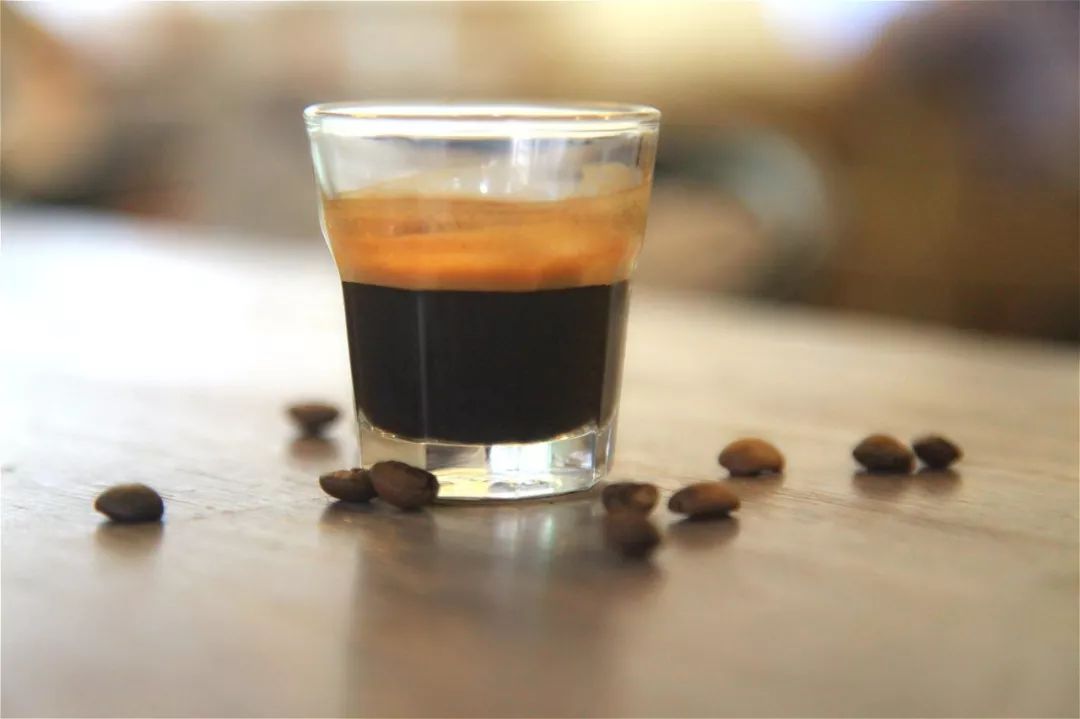
(3) Entry-Level Economy Blend: Yunnan AA + Brazil
The Yunnan region has seen rapid development in recent years. Its geography and climate are similar to those of Colombia, with high altitudes and significant diurnal temperature variation that help foster rich flavors. Yunnan AA mostly consists of the Typica variety. Although it has weaker disease resistance, when grown in suitable environments, it can exhibit fruity aromas, caramel sweetness, and gentle acidity. When paired with Brazilian beans, this blend leans toward soft fruity acidity, dark chocolate, and nutty tones, with an overall mild and cost-effective performance—suitable for cost-sensitive or beginner coffee shops and home users.
When formulating a blend, it’s important to define the proportion and role of primary and secondary beans, and adjust the roast degree according to the intended flavor goals. It’s recommended to start with small trial batches, refining the recipe through cupping and adjustments until the most suitable formula is found. Whether aiming for stability, balance, or specific flavor expression, the right blending strategy can significantly elevate your espresso experience.
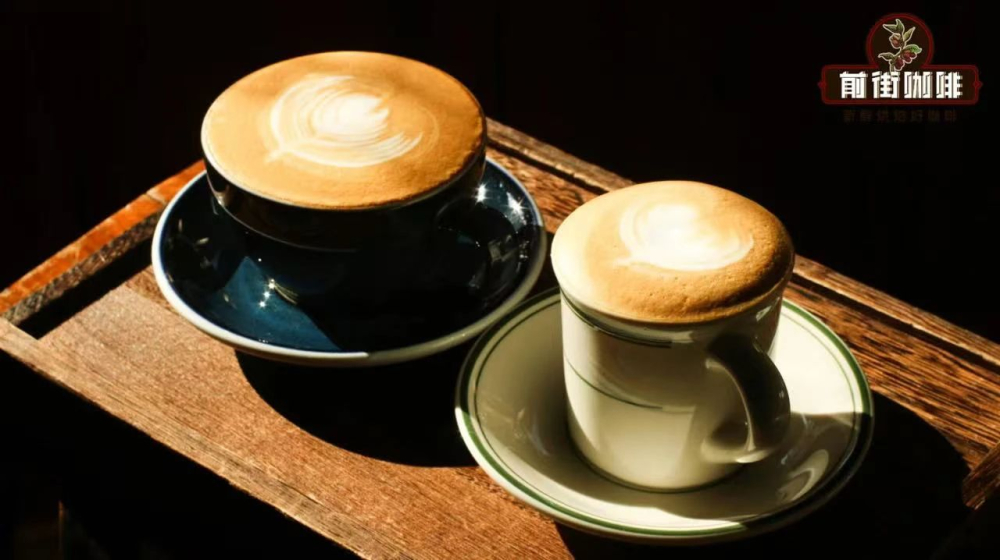
Finally, here’s a quick comparison: the differences between Espresso, Macchiato, Latte, Cappuccino, and Flat White. Lattes consist mainly of 1 shot of espresso with a large amount of steamed milk, offering a smooth texture with prominent milk flavor; Cappuccinos feature at least 1 cm of foam, resulting in a dense mouthfeel; Flat Whites use less foam (under 5mm), have a higher coffee ratio, finer milk texture, and have become a popular middle-ground choice in recent years.







The above content is compiled by CoffeeHunters, a coffee news website.

