







Introduction:This article provides an in-depth analysis of the grading standards and regional characteristics of Ethiopian G1 coffee beans, with a focus on the processing methods and flavor profile of the 2024 new-crop natural-process Huakuai. It also offers comprehensive brewing parameters and practical tips for both pour over and espresso methods, helping coffee beginners develop their flavor recognition skills starting with light roasts, while also understanding why light to medium roasts best showcase the unique floral and fruity notes of African beans.
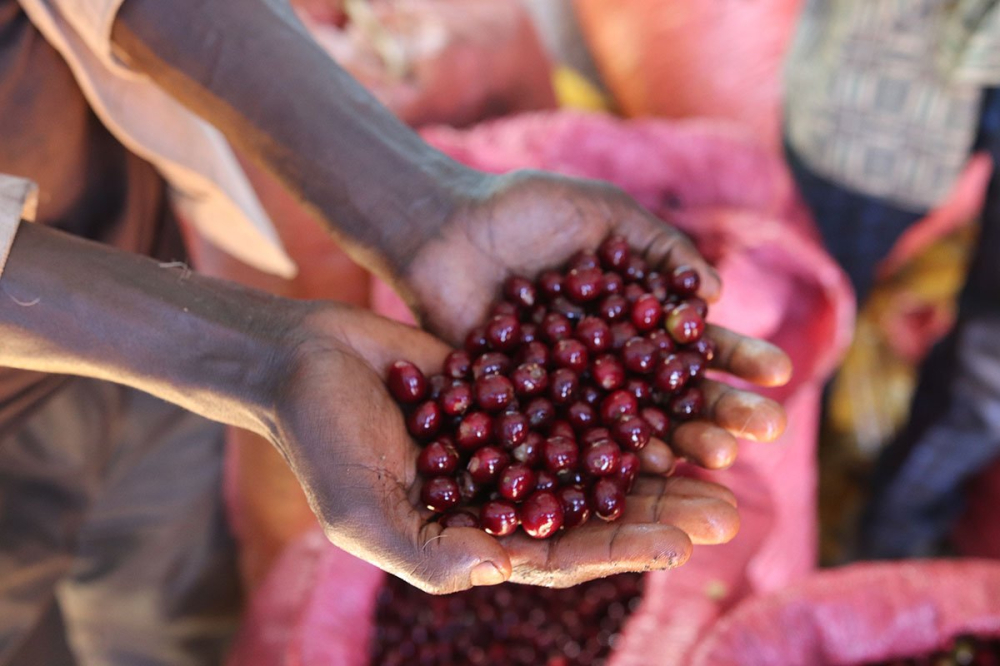
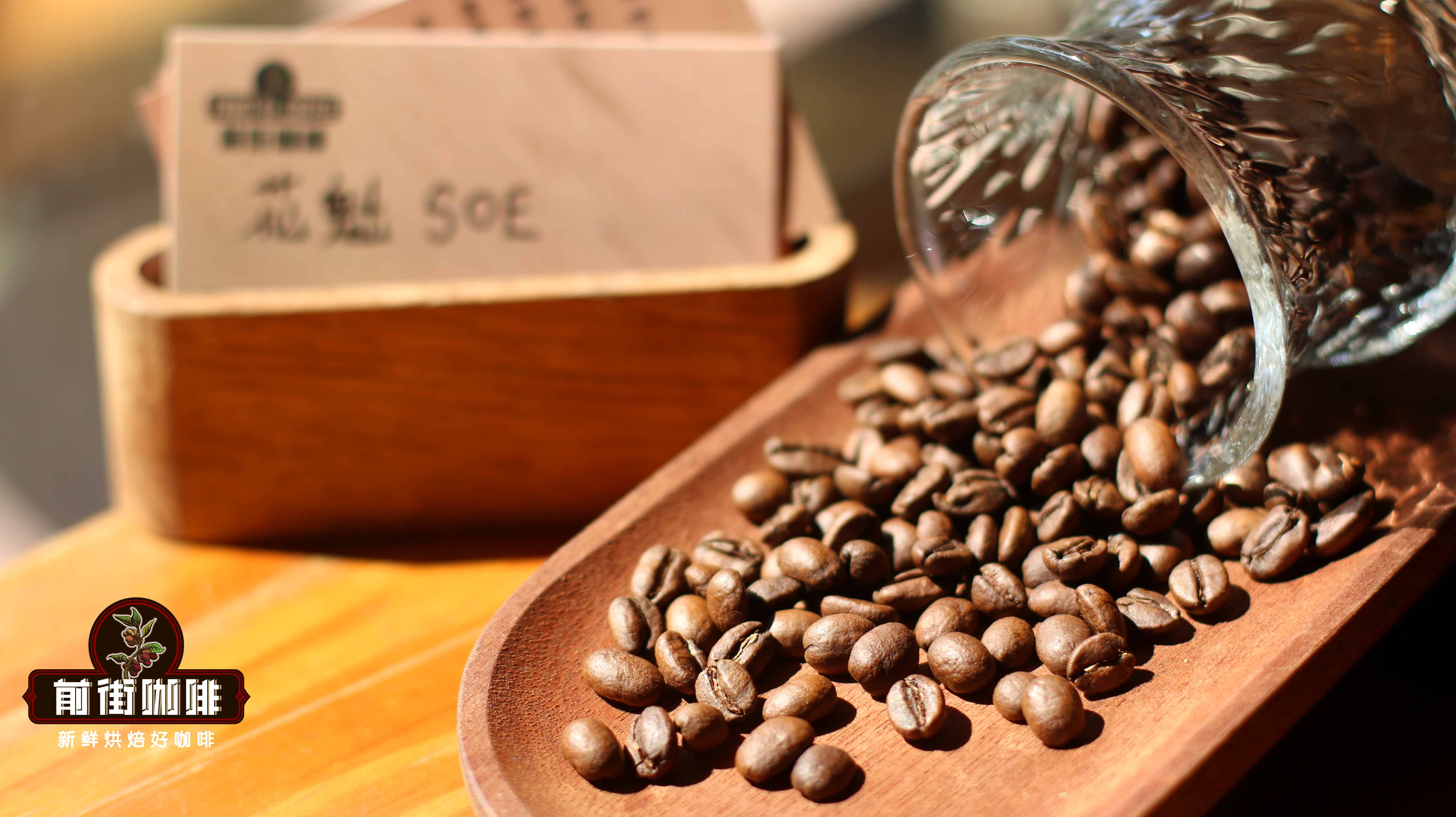
G1 It represents the top tier among Ethiopian green coffee classifications, but beans within this grade can vary greatly in flavor due to differences in origin and processing methods. Take the much-talked-about 2024 new-crop natural Huakuai, for example—it comes from the Buku Abel processing station in the Guji-Hambela region, where it’s processed using the African elevated-bed sun-drying technique. This allows the coffee cherries to slowly ferment under the sun, resulting in a bright and layered flavor dominated by tropical fruits.
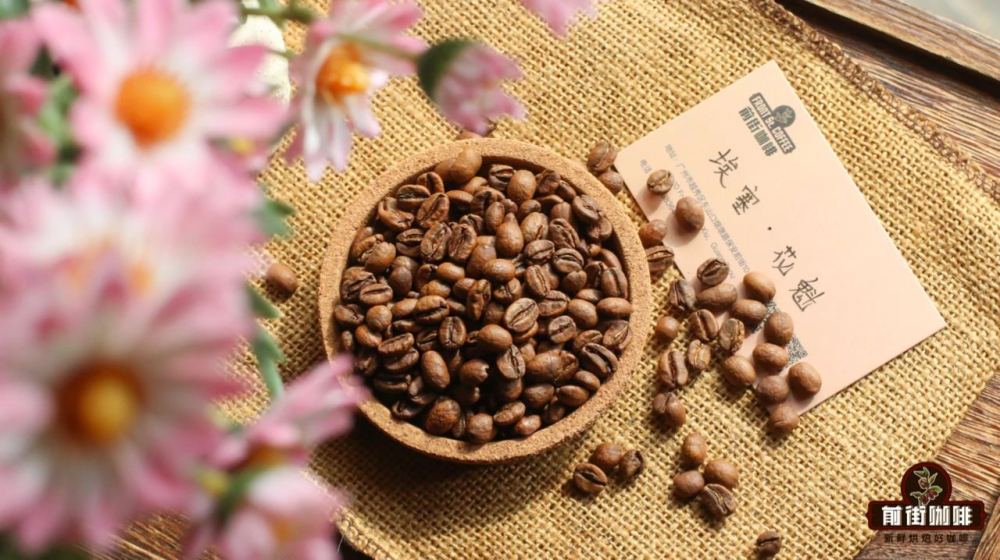
This naturally processed Huakuai bean greets the palate first with the vibrant acidity of peach and guava, followed by the sweet fruitiness of strawberry jam and pineapple juice in the mid-palate, and finishes with delicate floral notes and a mellow aftertaste reminiscent of black tea.Unlike the clean structure typical of washed beans, the natural process gives it a richer mouthfeel and a more complex fruit aroma.This is also one of the reasons why many pour over enthusiasts prefer light-roasted African beans.
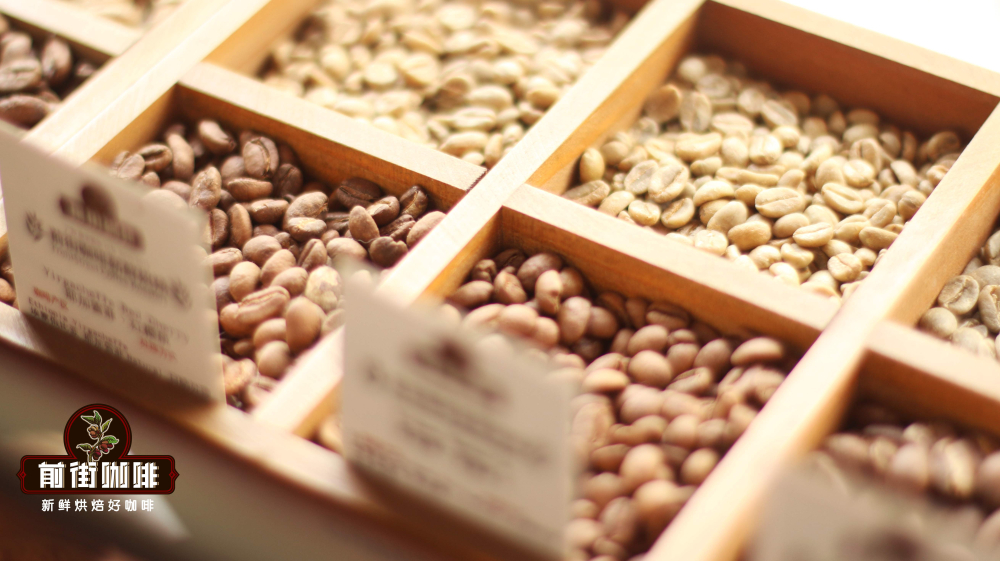
Ethiopian coffees generally feature high acidity, a light body, and a vibrant array of floral and fruity aromas. Therefore,it is recommended to roast them to a light to medium level.Over-roasting not only erases their delicate terroir characteristics but also introduces unwanted burnt bitterness and smokiness, completely contradicting the natural expression of the region’s terroir. For the characteristics of the Huakuai bean, different roast profiles can be selected based on brewing method: the medium-light roast version is ideal for pour over and cold brew, fully releasing its fruit acidity and aroma; the medium roast is tailored for SOE espresso extraction, enhancing body to complement milk.
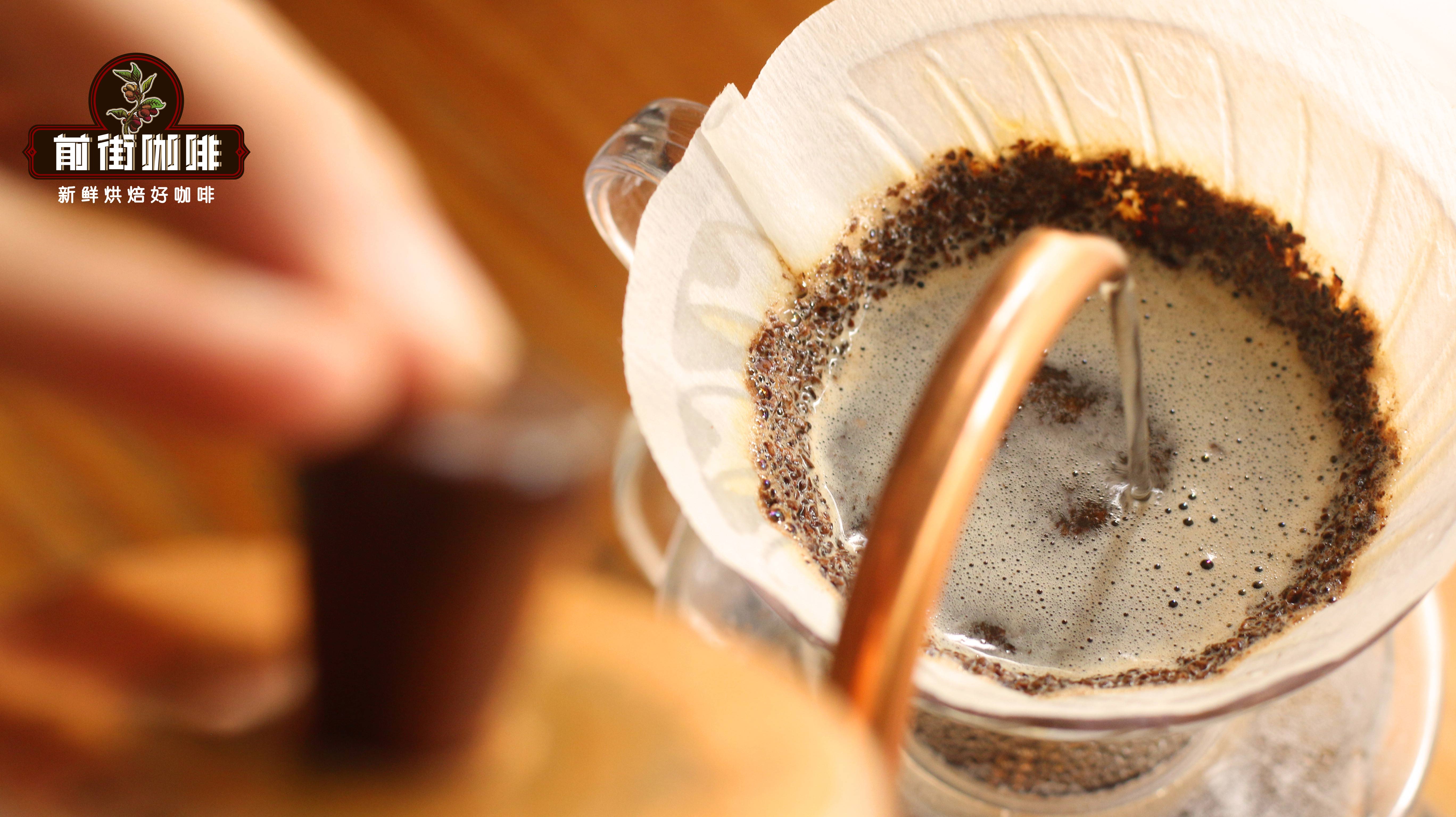
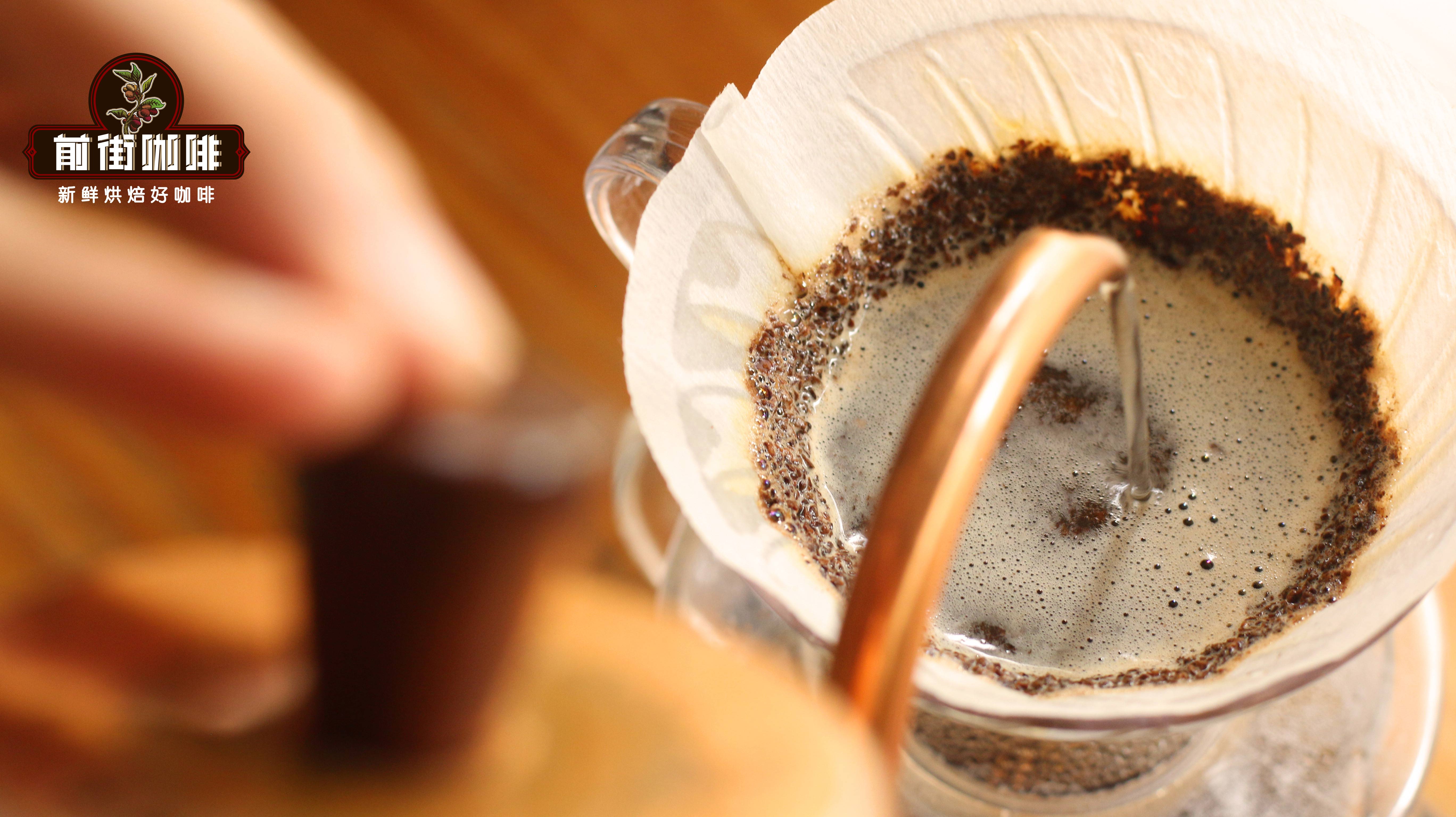
The golden parameters for pour over Huakuai are as follows: use a V60 #01 filter cone, control the water temperature at 90–91°C, maintain a 1:15 powder-to-water ratio (15 grams of coffee to 225 milliliters of water), and grind to a medium-fine consistency (equivalent to 80% passing through a Chinese standard No. 20 sieve).The three-stage extraction method is crucial—start with a 30-gram bloom for 30 seconds, then pour in a slow circular motion until you reach 125 grams and pause. Once the water level drops to the edge of the coffee bed, continue pouring to 225 grams. The total extraction time should be exactly 2 minutes. This process effectively balances the release of acidic and sweet compounds, avoiding over-extraction or unpleasant sharpness.
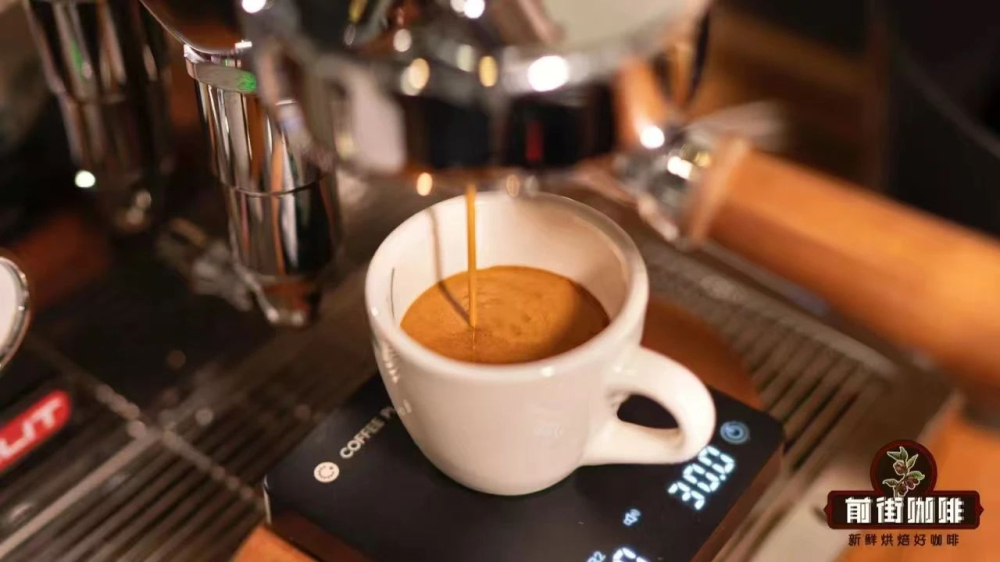
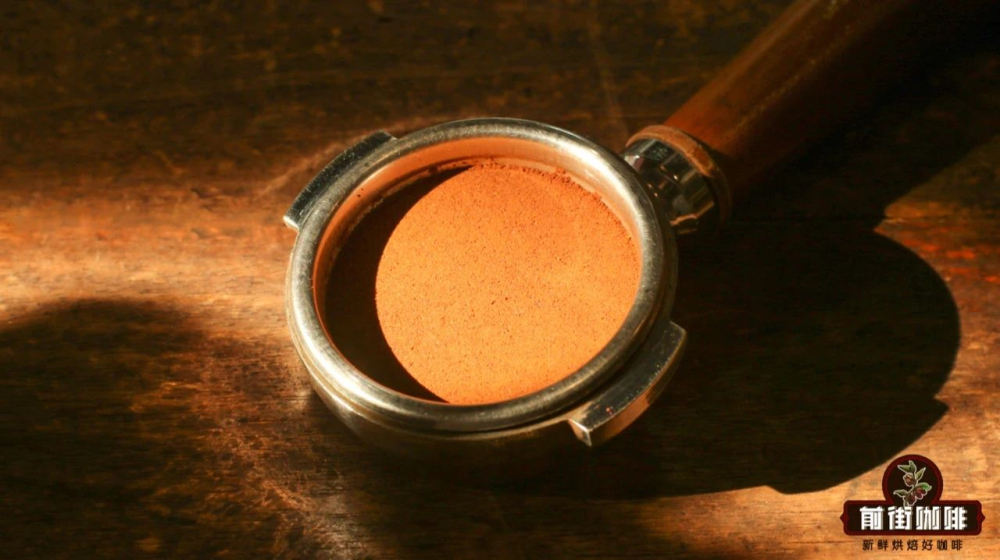
When switching to the espresso brewing scenario, it’s recommended to use a double-shot basket system, with 20 grams of coffee grounds yielding 40 grams of espresso (a 1:2 powder-to-liquid ratio), and the grind setting adjusted to Galileo 2.0 at grid 2. The extraction time must be strictly controlled within 25–32 seconds. Key points to note during operation:Pre-wet the portafilter with a small amount of hot waterto rinse away any residual coffee grounds, and use a distribution tool to evenly spread the coffee bed. Ensure consistent puck density by applying even tamping pressure. When the scale shows 40 grams of extracted liquid and the timer hits the 30-second mark, immediately stop the extraction.
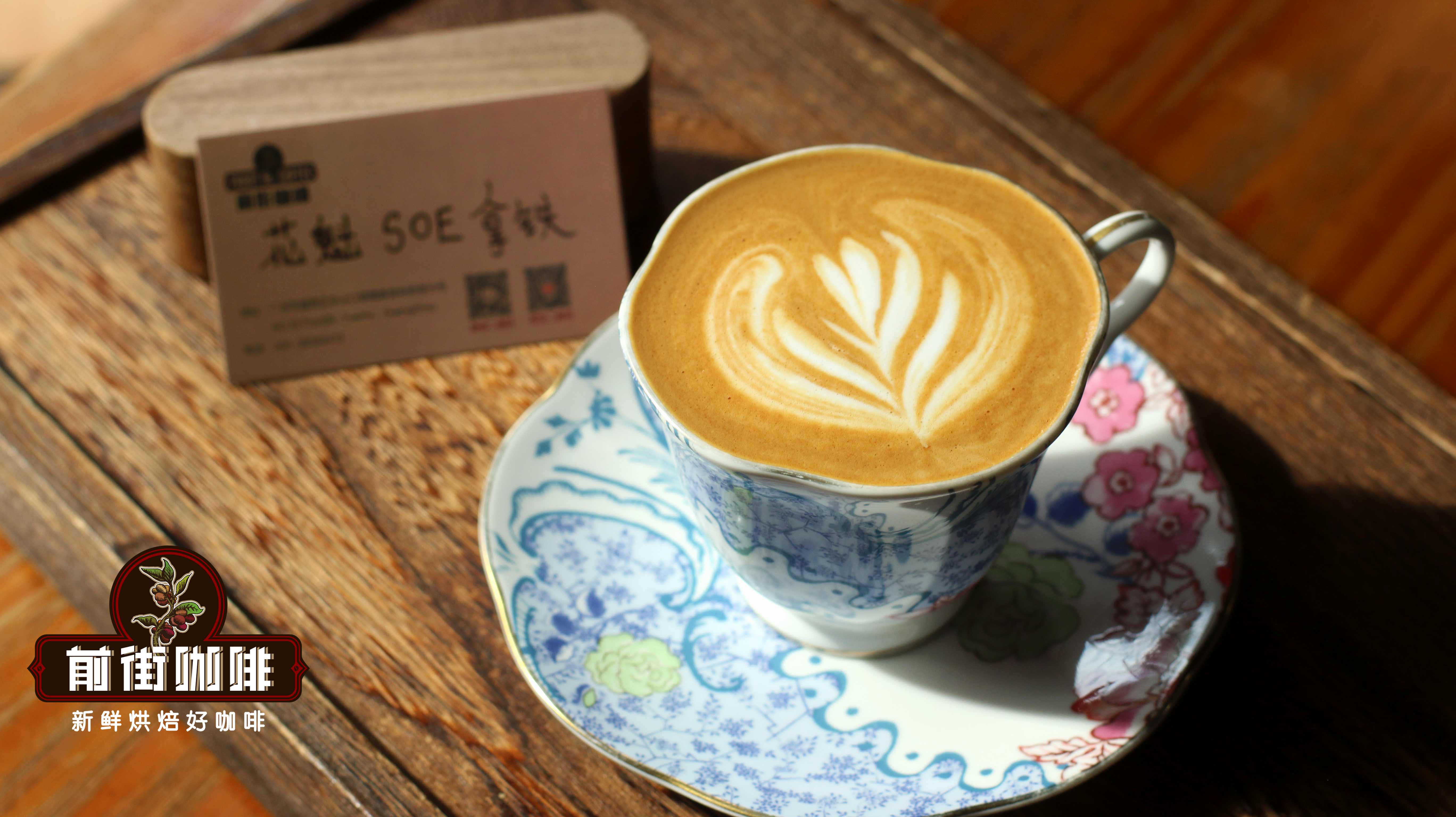
Visually, the Huakuai SOE shot should display a light golden crema; aroma-wise, tropical fruit scents will greet your nose. When prepared as an Americano, the berry acidity and citrus notes will waft like a gentle breeze, with a clean finish reminiscent of high-quality black tea; when made into a latte, it transforms into a silky, sweet creaminess with hints of cranberry, complemented by a soft caramel finish—perfectly showcasing the versatility of light to medium roasted beans in milk-based drinks.
Looking back at the pour over version’s flavor profile, it’s even more vibrant and lively—the moment you open the bag, a rich medley of berry aromas bursts forth. With each sip, the sweet acidity of creamy strawberry and passionfruit intertwines, supported by a notable sweetness, resulting in a full-bodied yet crisp mouthfeel.A common mistake among beginners is chasing excessively high water temperatures or overly coarse grinds, which often leads to the loss of fruity notes and instead highlights woody or earthy off-flavors. First-timers are advised to strictly follow the above parameters and keep a record of every minor adjustment to build a personal flavor preference database.
In summary, the 2024 new-crop Ethiopian G1 natural Huakuai, as a flagship bean of the season, serves as an excellent learning tool whether used as a benchmark for pour over practice or as a flavor study for espresso extraction.Understanding its regional characteristics, the impact of processing methods, and the principles behind roast level pairingwill help coffee enthusiasts cultivate precise taste discernment skills from the light roast entry level, further exploring the unique charm of coffee regions around the world.
The above content is compiled by CoffeeHunters, a coffee news website.

