








Introduction:Want to explore the unique bright floral and fruity notes of light roast coffee? This article delves into the flavor characteristics and acidity profiles of light-roasted beans, featuring five popular washed and natural processed beans from different regions. It details their altitude, variety, and flavor profile. Also included is a golden ratio and step-by-step guide for a three-stage pour over extraction using 15g of coffee, helping beginners consistently brew vibrant citrus, berry, and honey layers while avoiding over-extraction bitterness.
One of the keys to the diverse and vibrant flavors of coffee lies in differences in roast level. Light roast coffee is typically dropped from the roaster in the middle to end of the first crack, when the bean core retains more organic acids and floral-fruit aromas, with relatively mild bitterness—ideal for showcasing bright acidity and complex layers. Many specialty coffee enthusiasts begin their sensory journey of fruitiness, honey, and tea-like qualities through light roast beans.
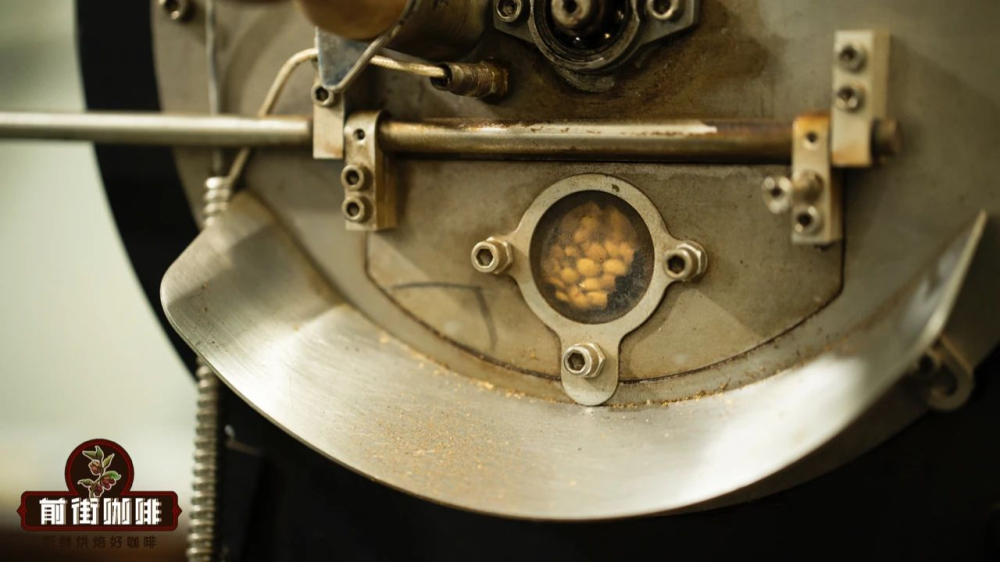
The so-called "light roast" refers to coffee beans that are roasted from the middle to the end of the first crack (the popping sound caused by internal pressure release). At this stage, the organic acids are not fully broken down, often resulting in lively acidity reminiscent of citrus and berries, paired with a soft caramel base and blooming floral notes, creating a balanced sweet-and-sour drinking experience. For those who prefer a clean, non-astringent taste, it's recommended to prioritize beans labeled as washed process and sourced from high-altitude regions, as these often exhibit more vibrant fruit characteristics.

When selecting, freshness and consistent roast quality are crucial. It's recommended to look for suppliers offering beans roasted within 5 days and supporting fast delivery, ensuring the beans you receive are still within their optimal flavor window. For coffee beginners new to pour over, consider starting with the following five popular light roast specialty beans well-received in the market. Each comes with detailed regional information and flavor notes to help you choose based on your personal taste preferences.
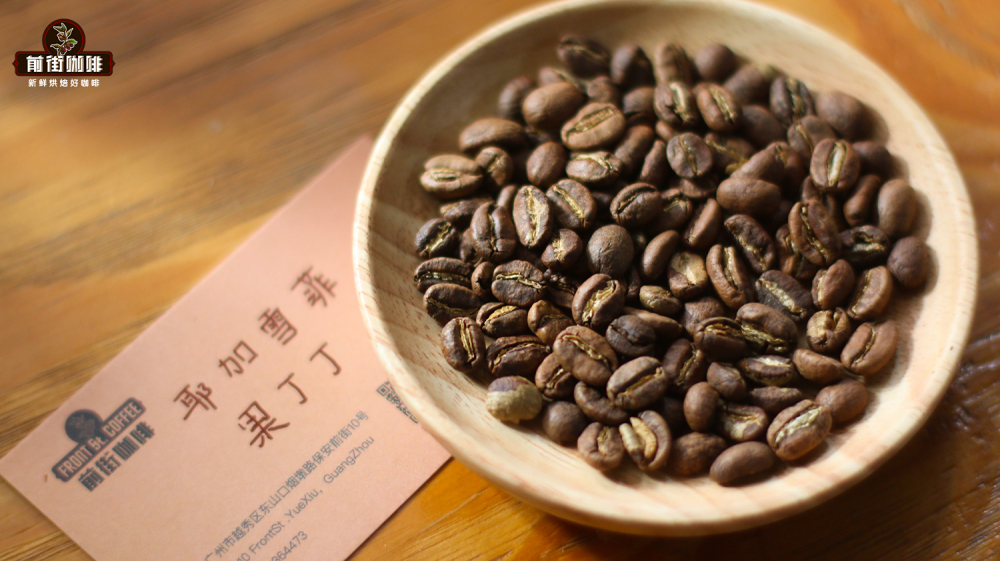
First up is "Guo Ding Ding" from Yirgacheffe, Ethiopia — a washed process native variety grown at 2300 meters altitude, known for its citrus, blueberry, and honey aromas, with a subtle green tea-like finish. Its acidity is bright yet not sharp.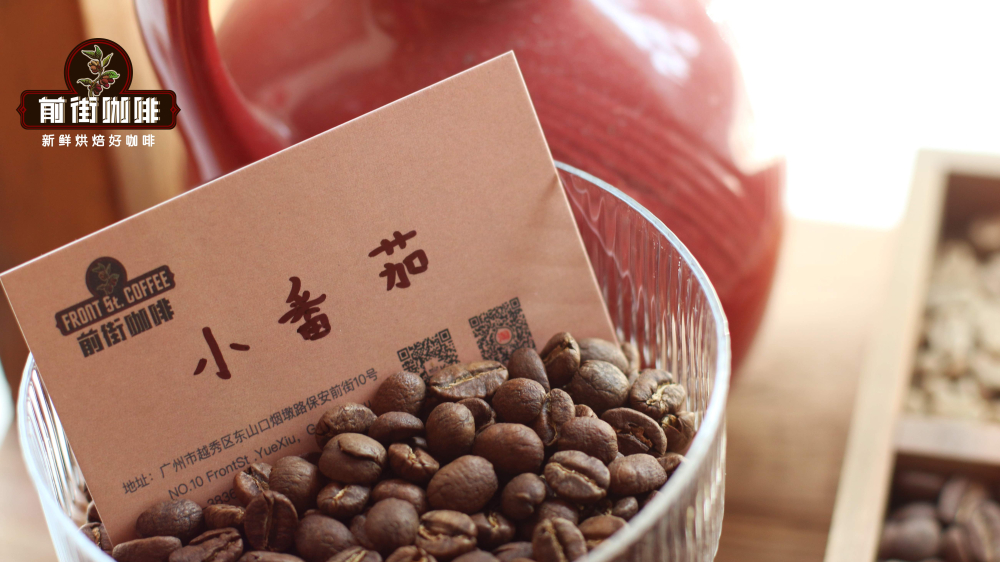
The second is "Little Tomato" from Thika, Kenya — produced by Asali Honey Processing using SL28 and SL34 varieties, grown at 1550–1750 meters altitude. It offers intense fruit notes of cherry tomato, dark plum, and brown sugar, paired with sweet aftertastes of pear and plum, featuring a distinct sweet-and-sour contrast.
The third, "Hu Die Hua" (Butterfly), comes from the Baru Volcano area in Boquete, Panama, grown at 1600 meters altitude. This washed process Gesha hybrid (Catuaí, Caturra) displays clean white floral notes, orange peel, and the soft texture of nuts, with a notable tea-like quality — ideal for those who prefer low-acidity and gentle flavors.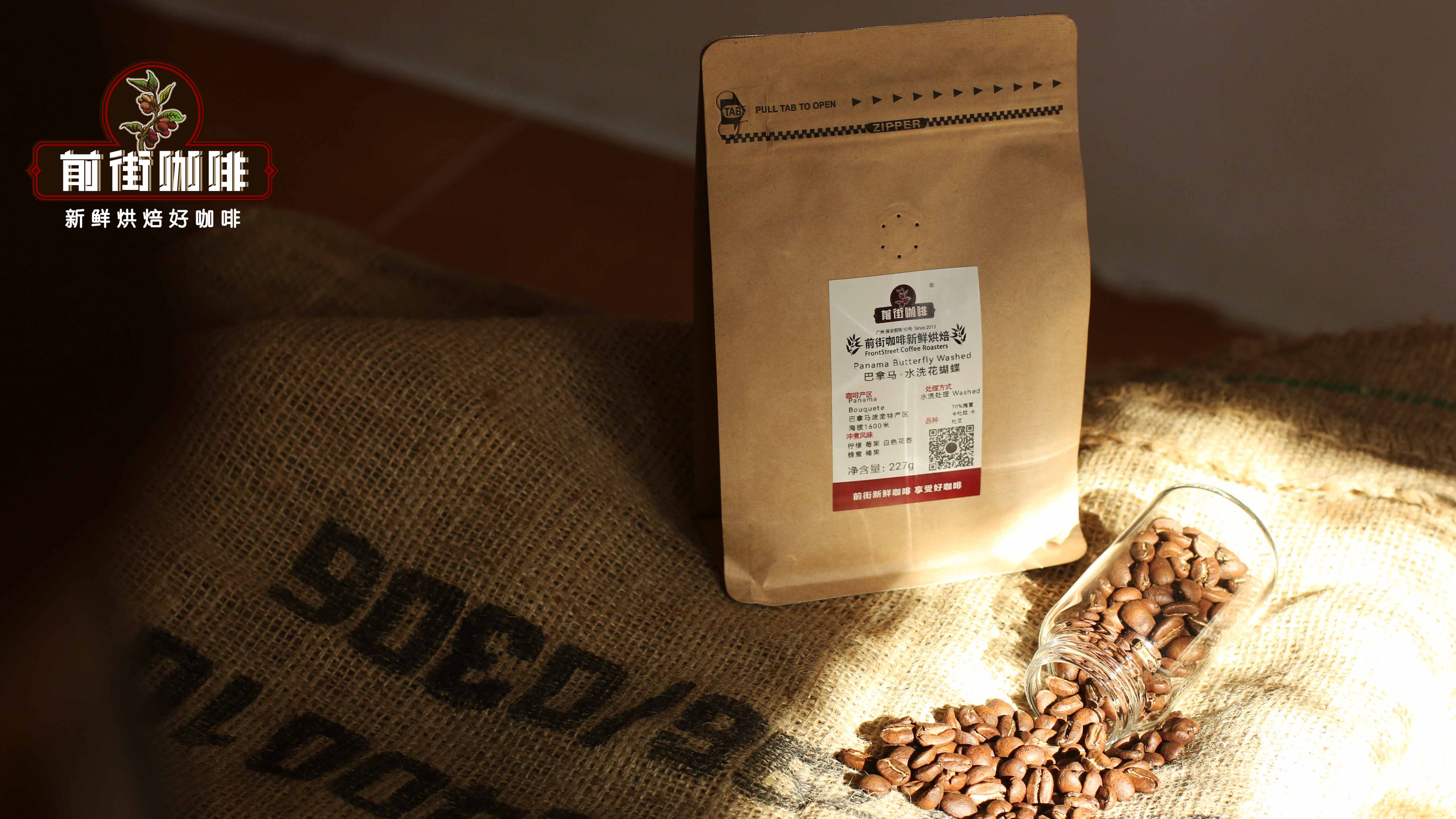
The fourth, "Hua Kui" (Flower Queen) from Guji-Hambela, Ethiopia, is a natural processed native variety grown at 2300 meters altitude. It presents a sweet combination of creamed strawberry, citrus, and delicate floral notes, with berry and black tea undertones adding depth to the flavor profile.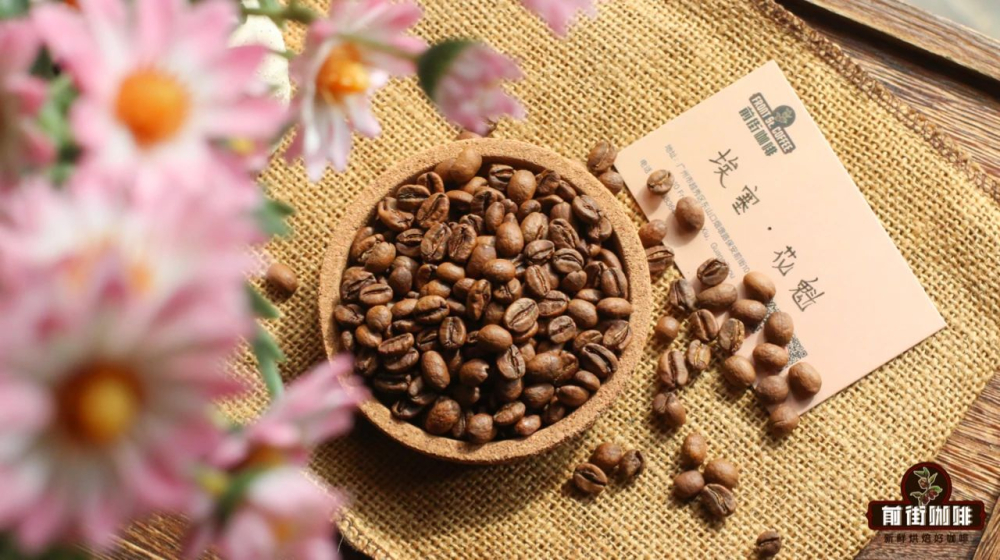
The final one is "Blackberry" from Tarrazú, Costa Rica — a honey-processed (black honey) Catuaí variety grown at 1700 meters altitude. It combines tropical notes of grape, pink floral, and sweet orange, with prominent berry sweetness and rounded acidity.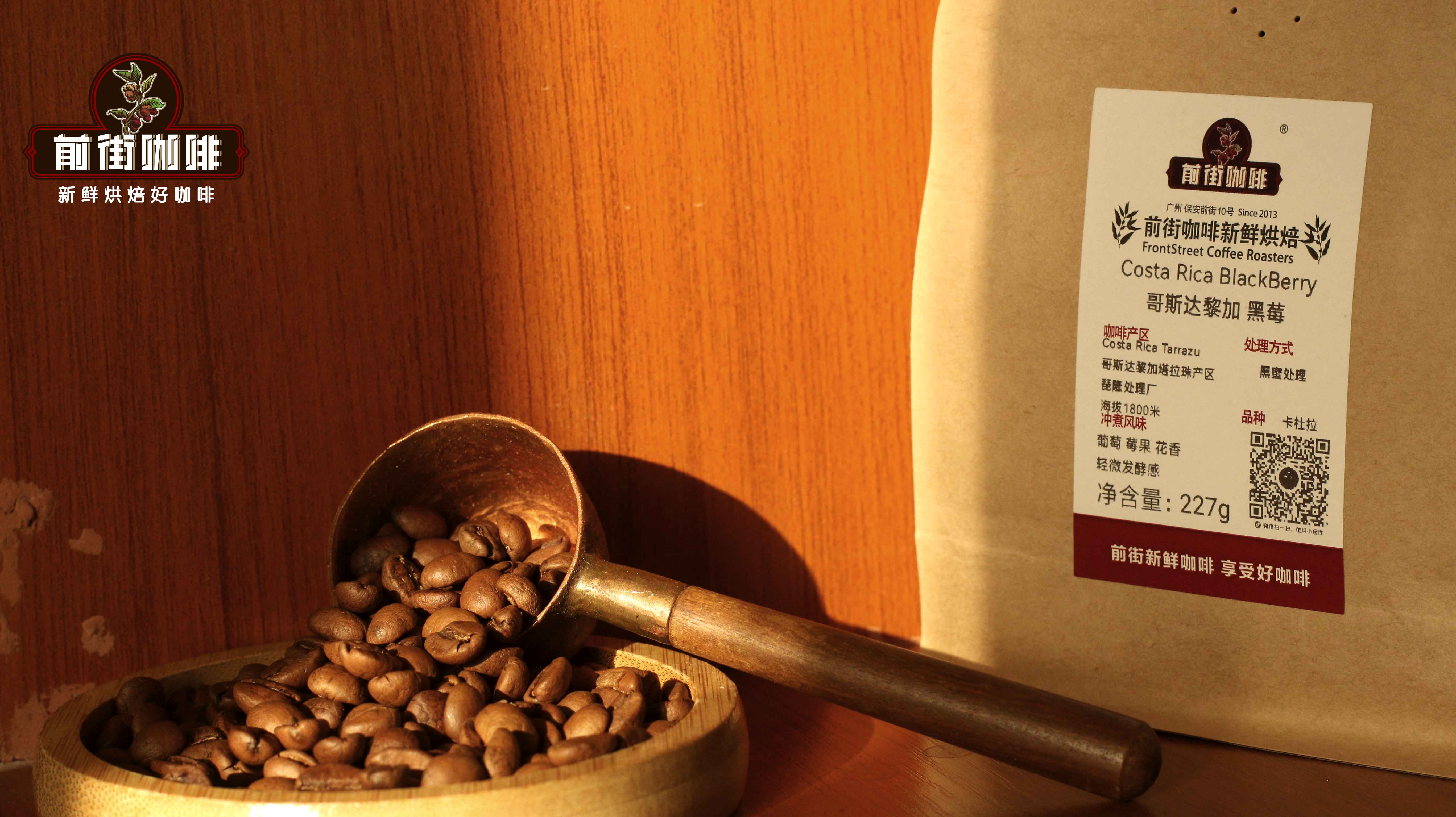
For beginner pour over practice, it’s recommended to use a three-stage pouring method to improve flavor extraction efficiency. Taking 15g of coffee grounds with a 1:15 coffee-to-water ratio (total water volume 225ml) as an example, the suggested water volumes for each stage are 30ml (bloom), 95ml (main extraction), and 100ml (final stage), corresponding to scale readings of 30g, 125g, and 225g.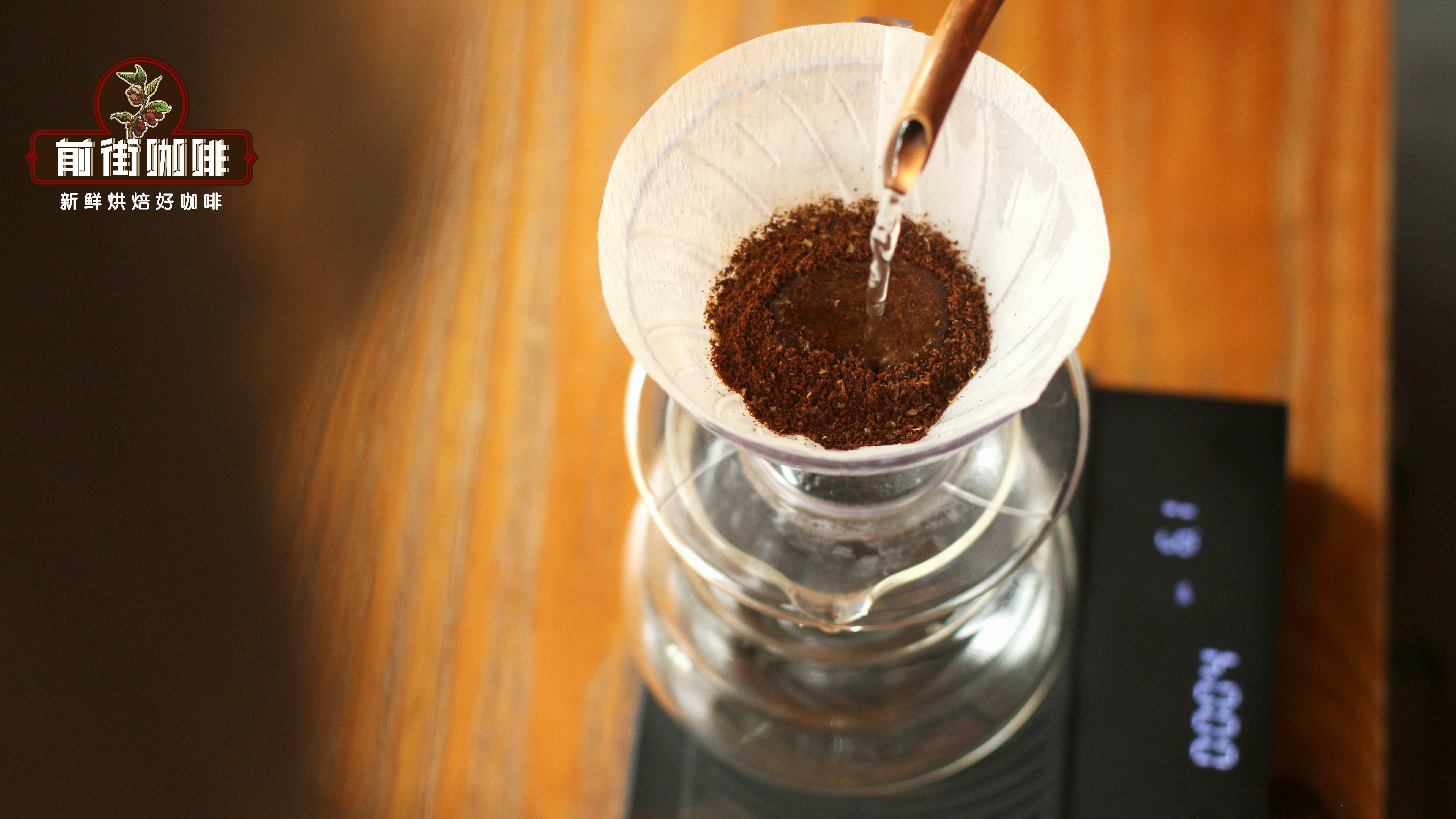
Step-by-step: First, wet the filter paper and attach it to the filter cone, then add the ground coffee and tare the scale.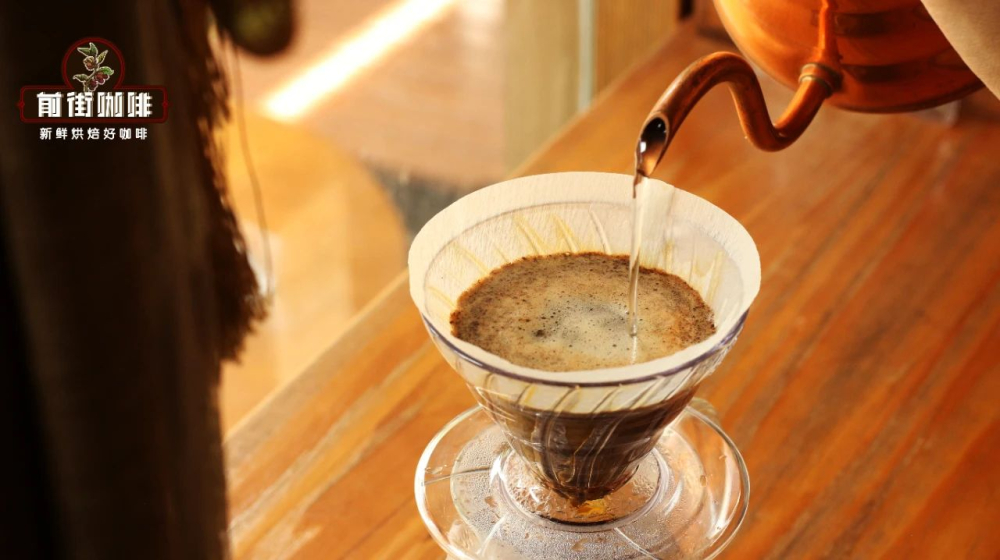 In the first stage, pour 30g of hot water for the bloom and let it sit for 30 seconds. Use a small stream of water, circling from the center outward to ensure even saturation of the coffee bed. After 30 seconds, pour 95g of water at a slightly higher flow rate steadily to lift the coffee bed evenly. Around 55 seconds, the total water should reach 125g. When the liquid level drops halfway, switch to a small stream and slowly make small circles to pour the final 100g. Control the total brew time to no more than 2 minutes. After removing the filter, gently swirl the server to homogenize the coffee before enjoying.
The above content is compiled by CoffeeHunters, a coffee news website.

