







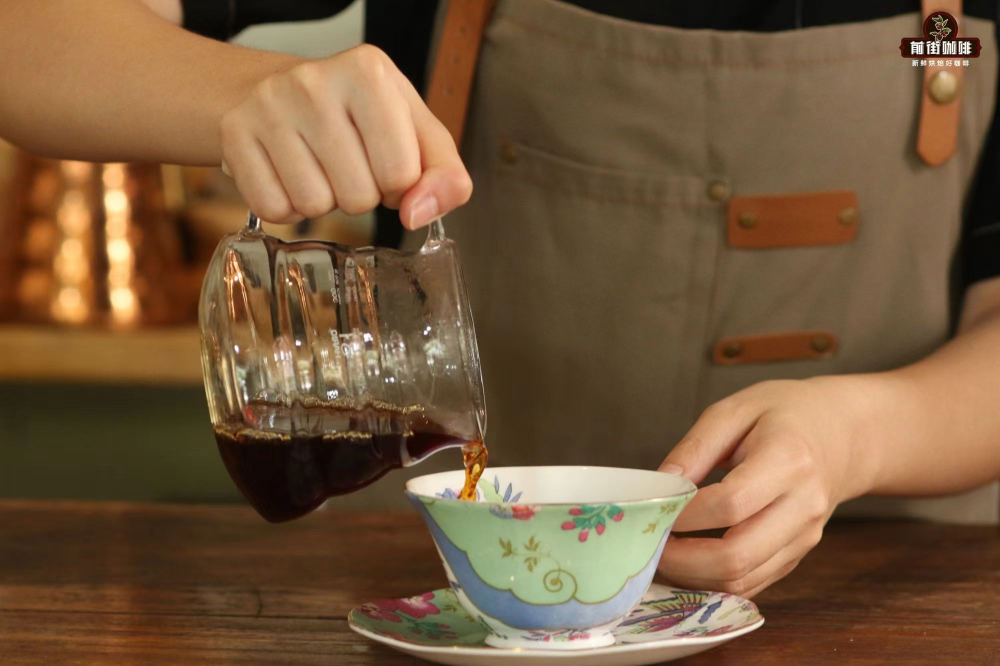
Introduction:The Hua Kui coffee beans have rapidly gained popularity in the global specialty coffee market due to their intense floral and fruity aromas and bright acidity. This article delves into the sun-dried Hua Kui from Ethiopia’s Guji Hambella region, offering an in-depth analysis of its processing method, flavor profile, and variations in roast levels. It also provides brewing parameter suggestions for both pour over and espresso extraction to help coffee enthusiasts find their ideal way of enjoying it.
In recent years, coffees with bright acidity have become a major trend. Among them, a coffee bean variety named “Hua Kui” has quickly captured the hearts of many coffee lovers with its distinctive citrus and berry notes, along with a juice-like, pleasantly sweet and tangy flavor. This Ethiopian sun-dried coffee not only stood out in international competitions but has also become a top choice for many baristas and home brewers.
The rise of Hua Kui can be traced back to 2017, when a sun-dried lot from the Buku Abel washing station, submitted by Ethiopia’s DW Company, won the national championship at TOH (Ethiopia National Taste of Harvest Competition) with its intense strawberry and creamy aroma. In the same year, during the World Brewers Cup China regional competition, contestant Li Jianfei used this coffee bean to defeat Geisha and won second place, propelling Hua Kui onto the international stage in one fell swoop.

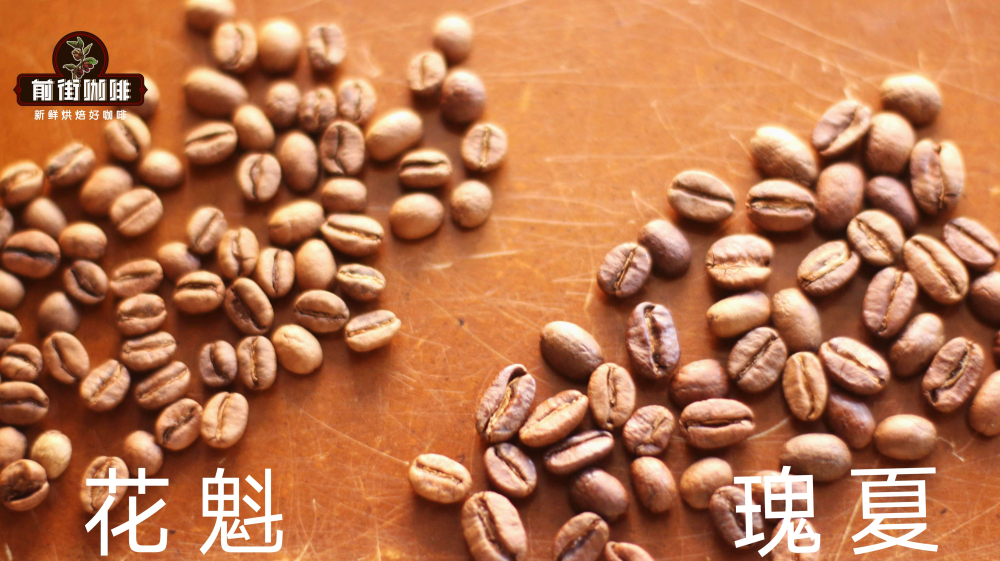
The reason this coffee, which amazed both judges and consumers, was named “Hua Kui” stems from contestant Li Jianfei’s clever idea. He stated that the Ethiopian beans had a flavor profile that could rival Panama’s renowned Geisha (瑰夏), and he hoped it could become a representative of premium “geisha”-level coffee. Thus, he gave it the symbolic meaning of “the king of flowers.” Its English name directly adopts the name of its producing region, Hambella, making its origin immediately clear.
The Hua Kui coffee growing region is located in Ethiopia’s Southern Nations, Nationalities, and Peoples' Region (SNNPR), within the Sidama zone. It lies on the plateau south of Lake Awasa in the East African Rift Valley, at altitudes ranging from 1,500 to 2,200 meters. Due to the significant day-night temperature variation, the ripening period of coffee cherries is extended, allowing for the accumulation of richer flavor compounds. As a result, the coffee produced here boasts complex and layered acidity and sweetness profiles. Additionally, the region’s diverse terrain and soil types contribute to rich microclimates, which are also key reasons why Sidama can cultivate a variety of uniquely flavored coffees.
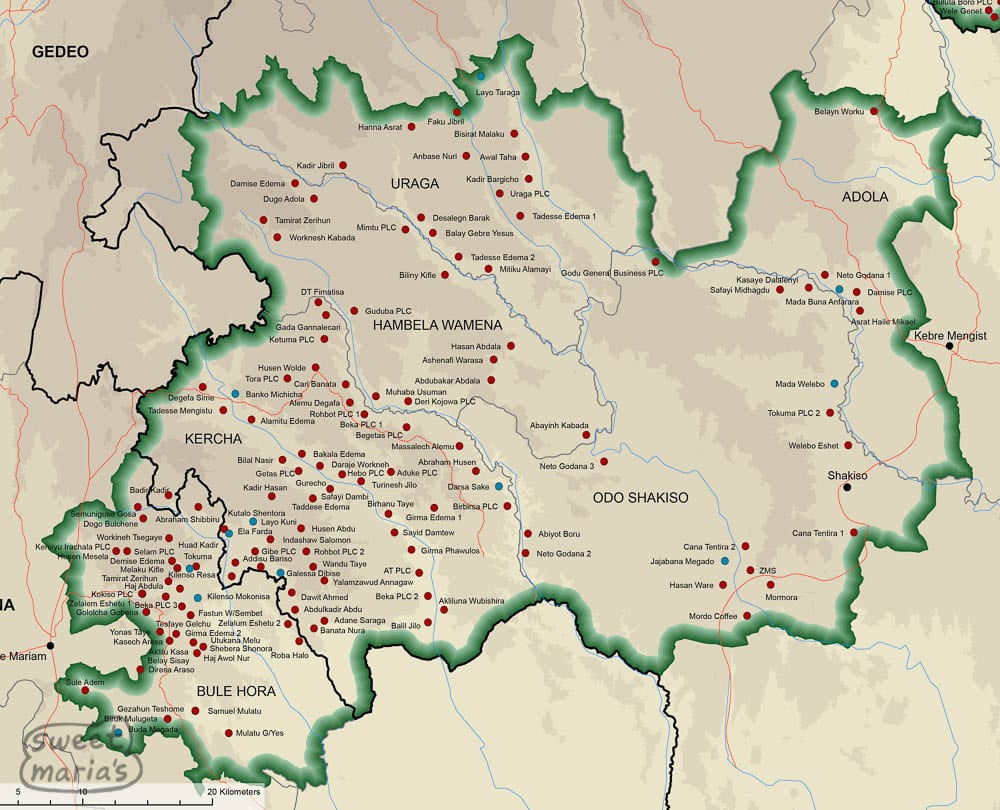
Hambella, as an important sub-region of the Guji zone, is actually a major coffee farm and processing station under the METAD Agricultural Development PLC. The company was founded in 2013 by Aman Adinew, who comes from a coffee-growing family. He previously served as the Chief Operating Officer of the Ethiopia Commodity Exchange (ECX) and, after leaving that position, dedicated himself to enhancing the modernization and international competitiveness of Ethiopia’s local coffee industry. The Hambella farm spans 200 hectares and is located near Yirgacheffe. Not only is its location advantageous, but it also benefits from fertile volcanic soils and a favorable environment for organic farming. Coupled with mature post-harvest processing techniques, it serves as an ideal setting for producing high-quality coffee.

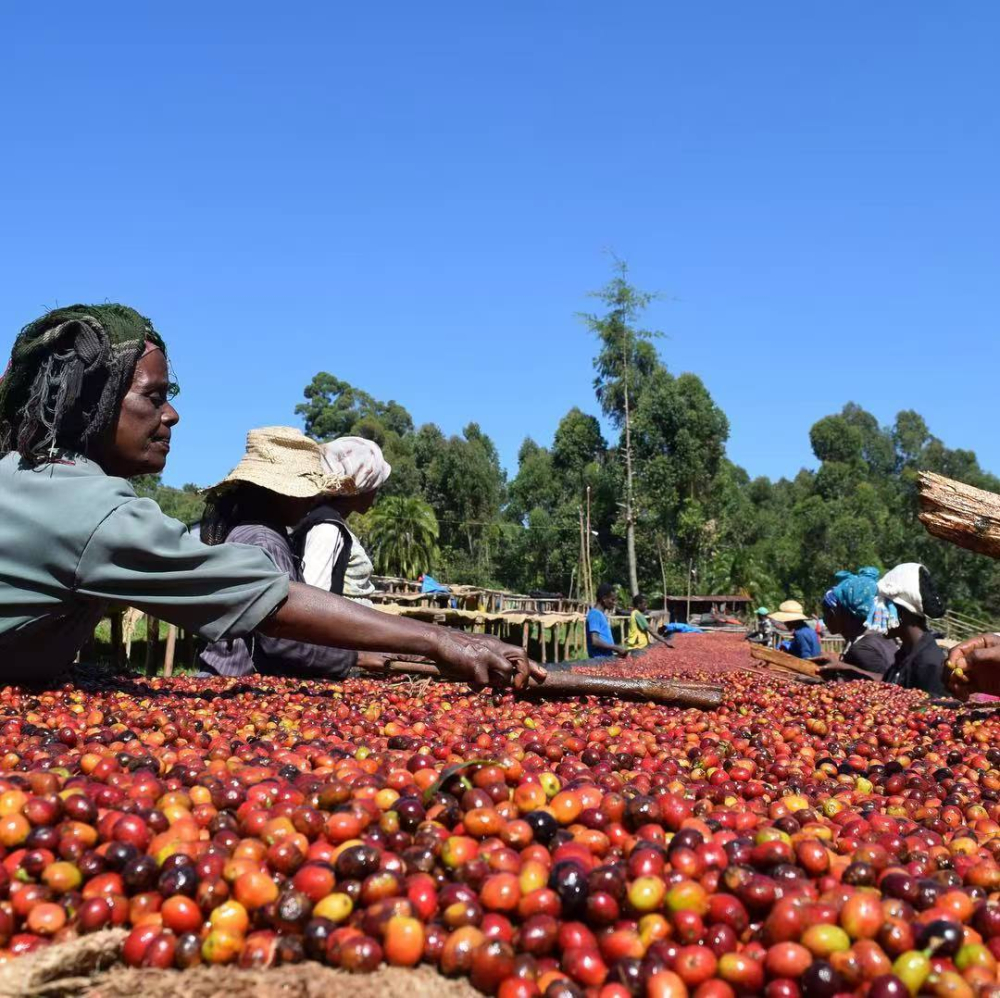
The Hua Kui coffee beans are processed using the highly representative sun-dried method of the region. During the coffee harvest season from December to January each year, the Buku washing station selects only fully red coffee cherries with a sugar content value of 30 or above, placing them on African raised beds for prolonged sun drying. Throughout the process, to control temperature and humidity, farmers provide shade during midday to prevent over-fermentation and cover the cherries with plastic sheets at night to guard against rain. The coffee cherries are turned continuously each day to ensure even drying and to avoid excessive stacking, which could lead to fermentation off-flavors or sunburn. The entire process takes approximately 18 days, and only when the green coffee beans reach a moisture content of 13% are they packaged and stored.
The variety used for Hua Kui is a local heirloom type (Heirloom). Since Ethiopia possesses the world’s richest Arabica genetic library—with diverse varieties that are difficult to classify and with no official details disclosed—they are collectively referred to as heirloom varieties. This also results in the Hua Kui coffee beans varying in size and shape, yet they harbor boundless flavor potential.
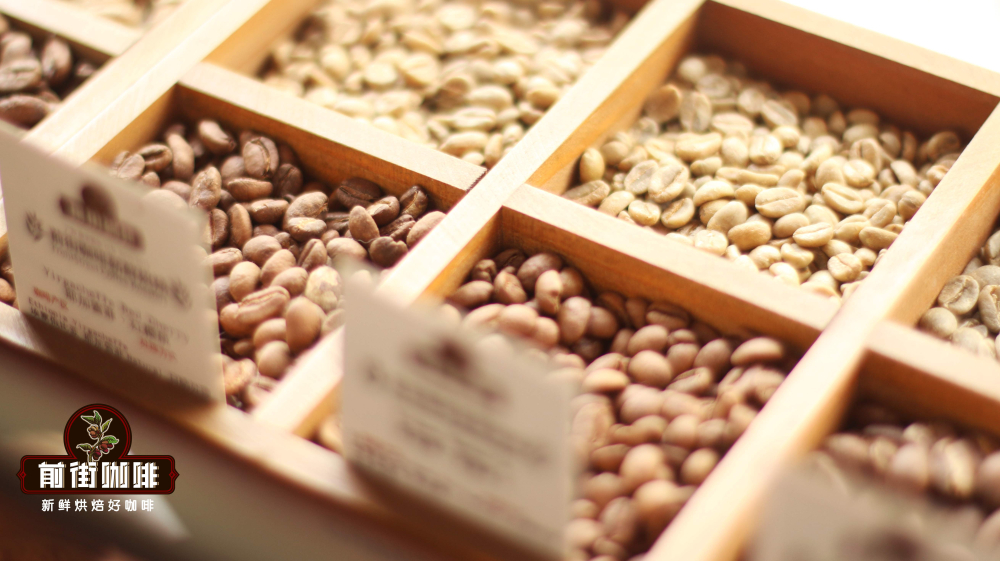
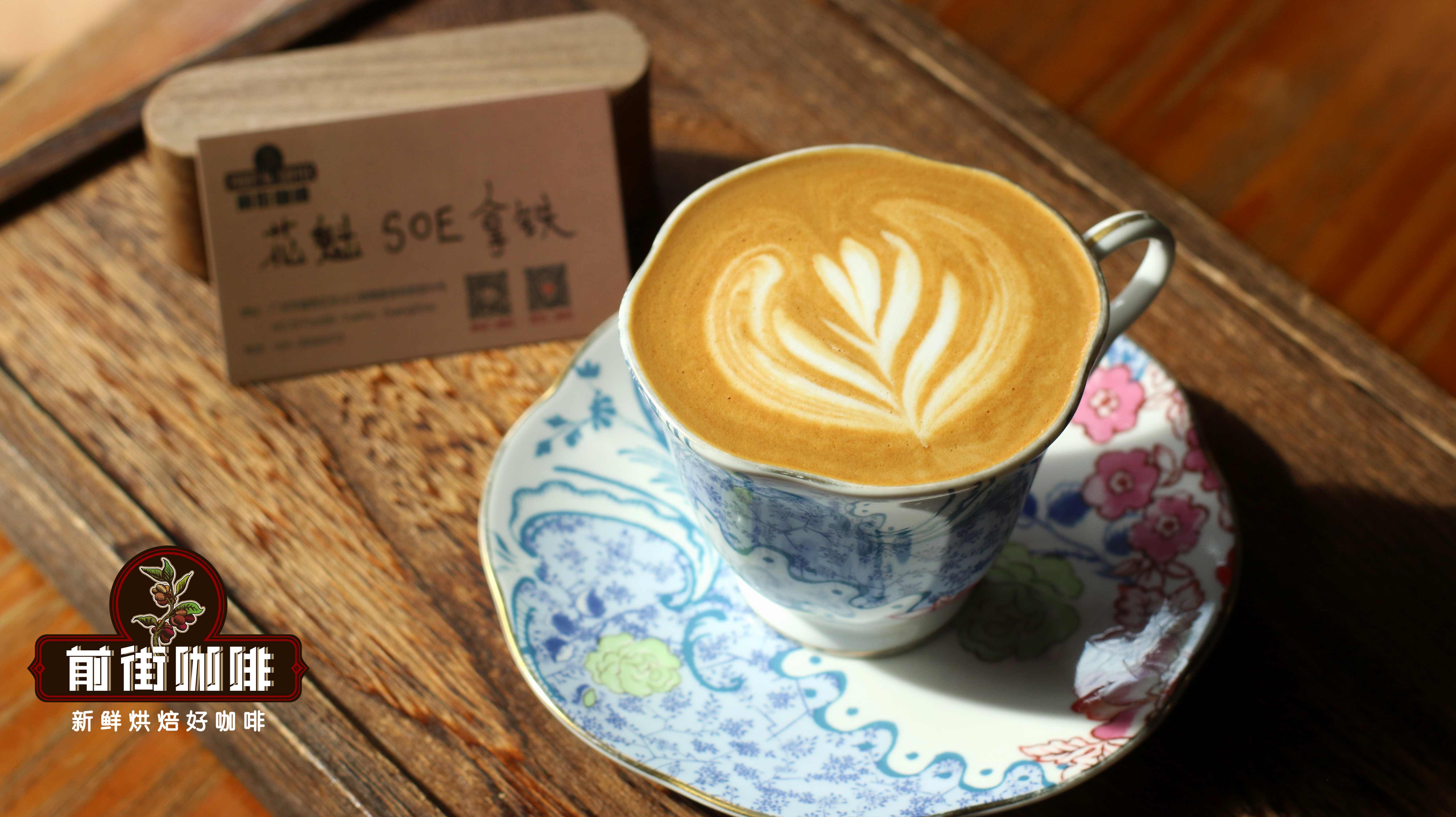
In terms of roasting and extraction, different roast levels are recommended depending on the brewing method. For pour over and cold brew, a medium-light roasted Hua Kui is suitable, showcasing aromas of strawberry, citrus, and guava, paired with a tea-like soft aftertaste. For those who prefer intense berry flavors and milk coffee profiles, a medium-roasted SOE version is available, featuring sweet characteristics of blueberry, mango, and honey. Even when milk is added, it delivers a silky texture and completely lacks the astringency typically associated with traditional coffee.
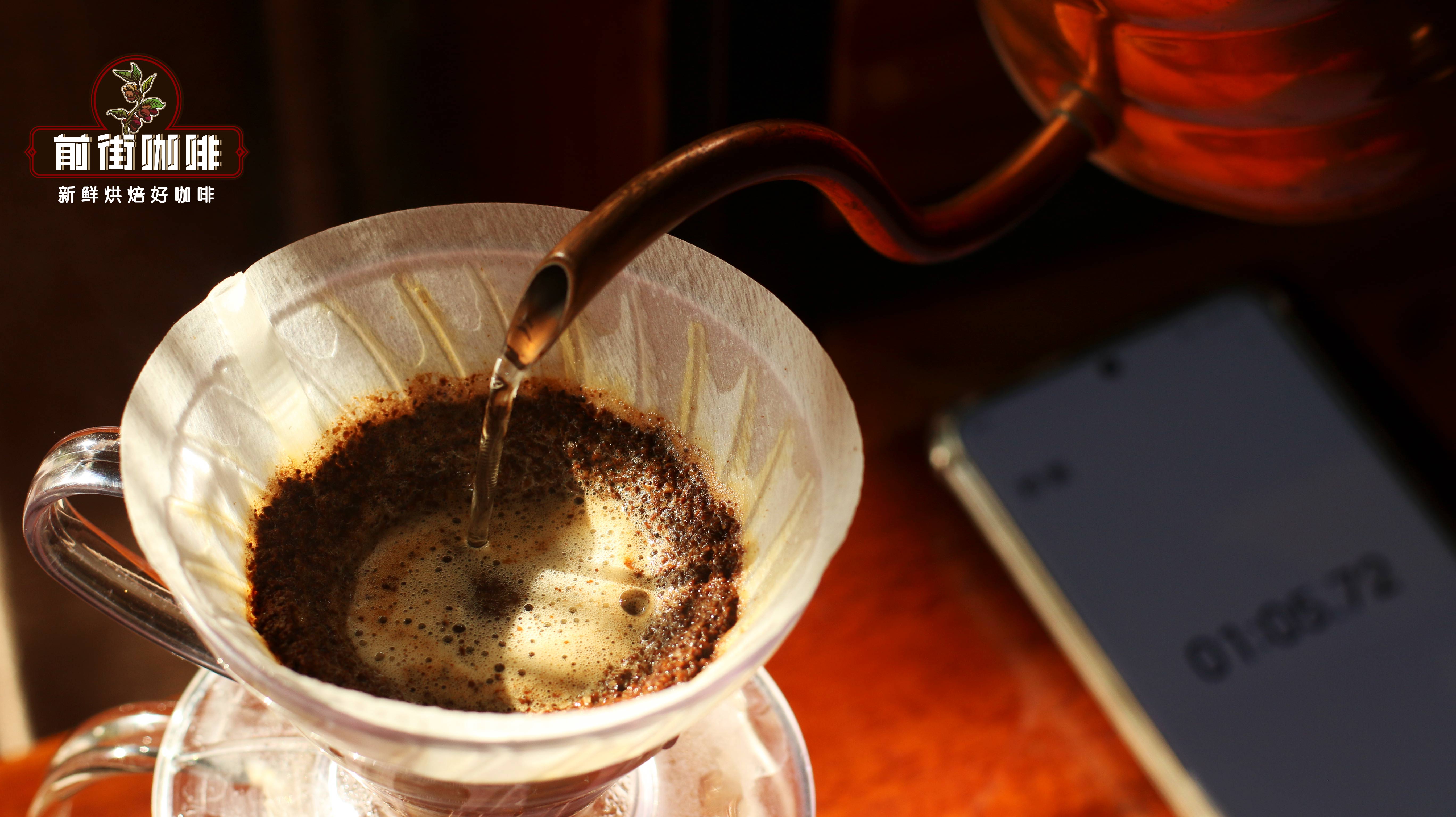
If using a V60 dripper for pour over, it is recommended to use a medium-fine grind size (such as 80% passing through a 20-mesh sieve), with water temperature controlled at around 92°C, a coffee-to-water ratio of 1:15, and about 15 grams of coffee grounds. The specific steps include: wetting the coffee grounds with hot water for a 30-second bloom, followed by pouring water in small streams in circular motions from the inside out. The first pour reaches 125 grams and is then paused. After the coffee bed settles, continue pouring up to 225 grams, with a total extraction time of about 2 minutes. These parameters fully highlight the floral and fruity characteristics of Hua Kui, delivering a layered and distinct taste experience.
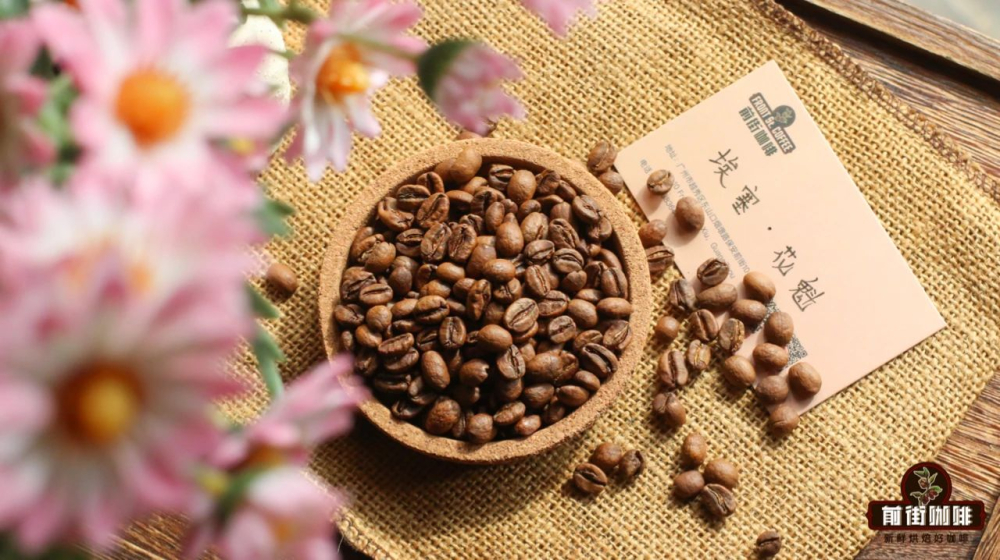
Upon the first sip, Hua Kui reveals a rich tropical fruit sweetness of passionfruit and mango, complemented by lively acidity from berries and citrus. The mouthfeel is as smooth and creamy as butter, while the aftertaste carries the mellow and lingering essence of black tea—making it a premium coffee bean that combines complexity with distinct personality.
The above content is compiled by CoffeeHunters, a coffee news website.

