







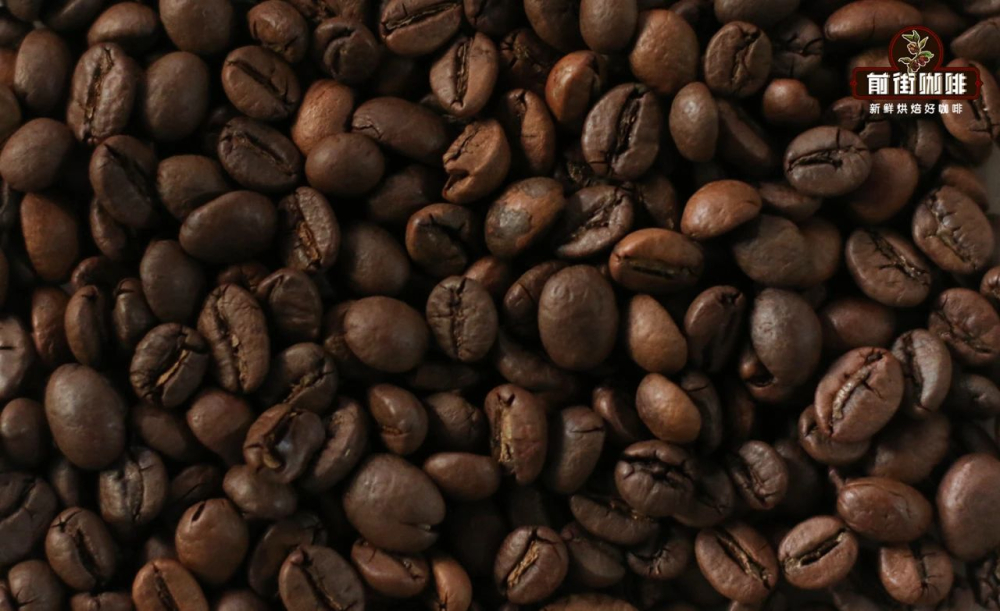
Introduction:The degree of coffee bean roasting directly affects the final flavor profile — from bright fruity acidity to intense smoky richness, each roast level has its unique charm. This article explains the differences between light, medium, and dark roasts, teaching you how to identify roast levels through bean color, aroma, and taste, and recommends classic beans and pour over parameters suited for each stage to help you find your most satisfying coffee experience.
Much of coffee’s allure comes from the magic of the roasting process. When green beans are roasted at high temperatures — often exceeding 200°C — this process not only imparts distinctive aromas but also completely transforms the flavor direction of the beans. Different roasting times and temperatures create a diverse spectrum of flavors ranging from light to dark roasts, allowing the same type of coffee bean to exhibit entirely different personalities.

Looking back to the 1970s and 1990s, during the period when the concept of specialty coffee was not yet widespread, the market was dominated by commercial beans. At that time, using light or medium roasts could easily highlight the defects in green beans, such as unclean off-flavors or the woody taste of aged beans. Many merchants used dark roasts (such as after the second crack) to mask these issues. However, with advancements in cultivation techniques and post-harvest processing, today’s coffee farmers can provide cleaner, sweeter, and more terroir-expressive green beans, and light roasting is just right to highlight these advantages — for example, the citrus and floral notes commonly found in Ethiopian beans are wonderful flavors preserved only through light roasting.
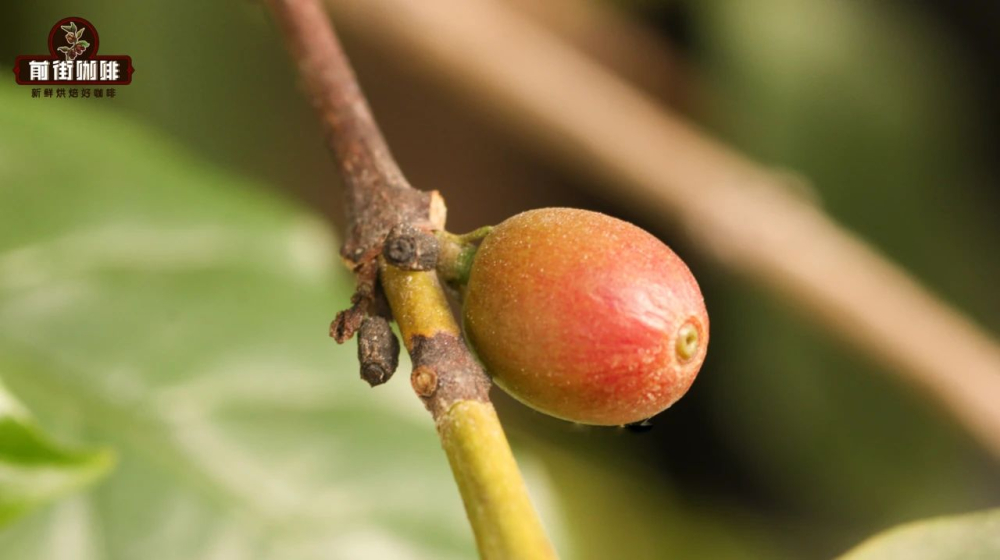
Why do coffee beans need to be roasted? The answer lies in the awakening of flavor. Green beans themselves have almost no pronounced coffee aroma; only through roasting do the internal carbohydrates and amino acids transform under heat, releasing captivating aromatic molecules. This process is akin to cooking, turning ordinary ingredients into astonishingly delicious creations. Roasting not only brings out aromas but also determines the balance of coffee’s acidity, sweetness, and bitterness, its body, and aftertaste performance.
Among the many chemical reactions, the Maillard reaction and caramelization are central to shaping coffee’s flavor. When the temperature rises to about 150°C, the Maillard reaction begins — a complex interaction between amino acids and carbohydrates that produces substances such as melanoidins, which not only give the beans their brown appearance but also influence the body and complexity of the flavor. Experienced roasters often adjust the duration and intensity of this stage, observing its impact on the final flavor: a longer reaction increases viscosity but may, if excessive, destroy fruit acids and sweet precursors; conversely, a shorter Maillard reaction preserves more acidity and sweetness.
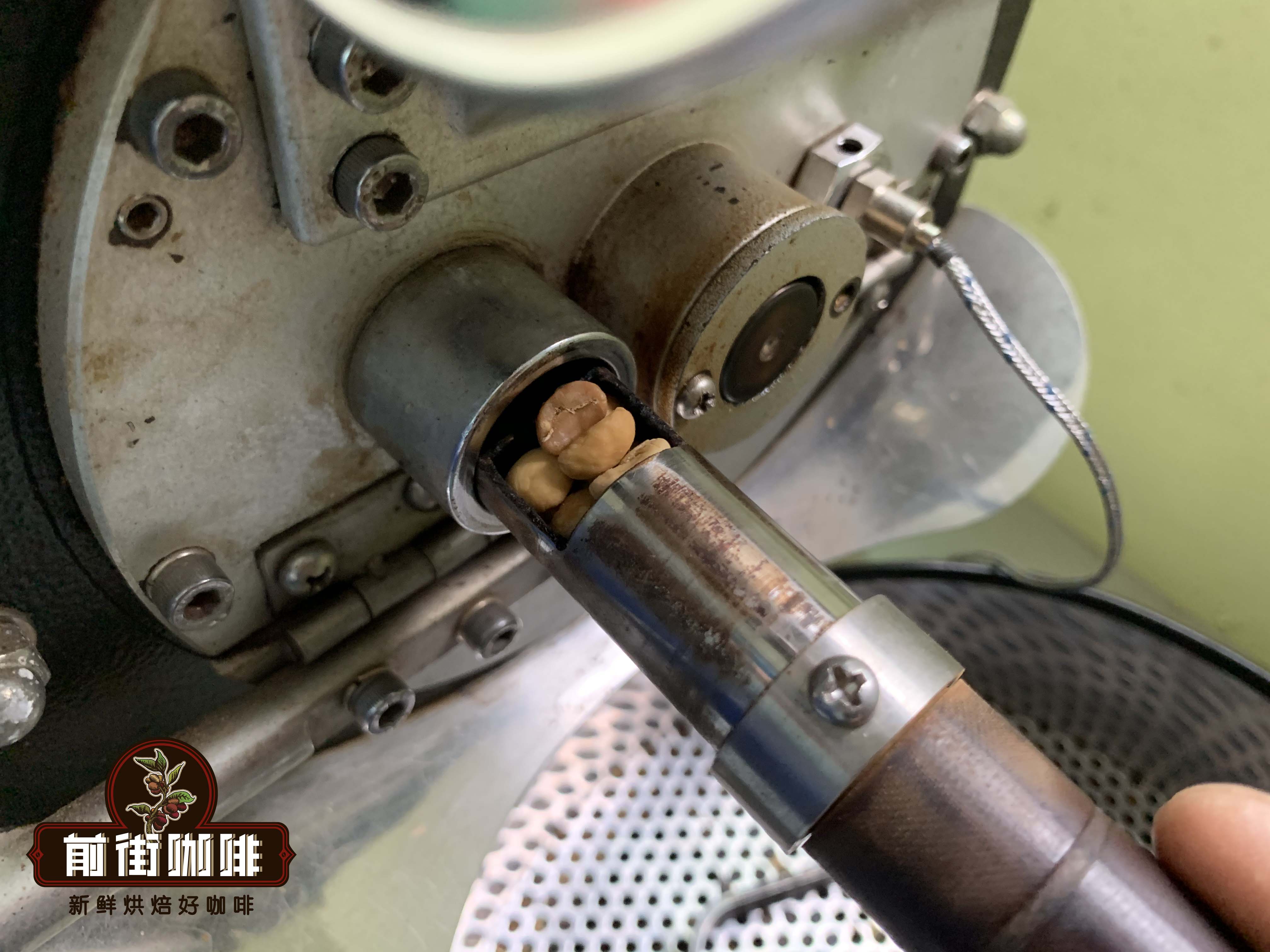
Around 170°C, caramelization begins to take effect. In this process, complex carbohydrates break down into small, water-soluble sugar molecules, directly enhancing the coffee’s sweetness and contributing enchanting aromas like caramel and almond. These two major reactions together orchestrate coffee’s ever-changing flavor profiles and explain why roast level is often considered to influence up to 20% of a cup’s outcome — alongside green bean quality (about 70%) and brewing technique (about 10%) in determining the final cupping experience.

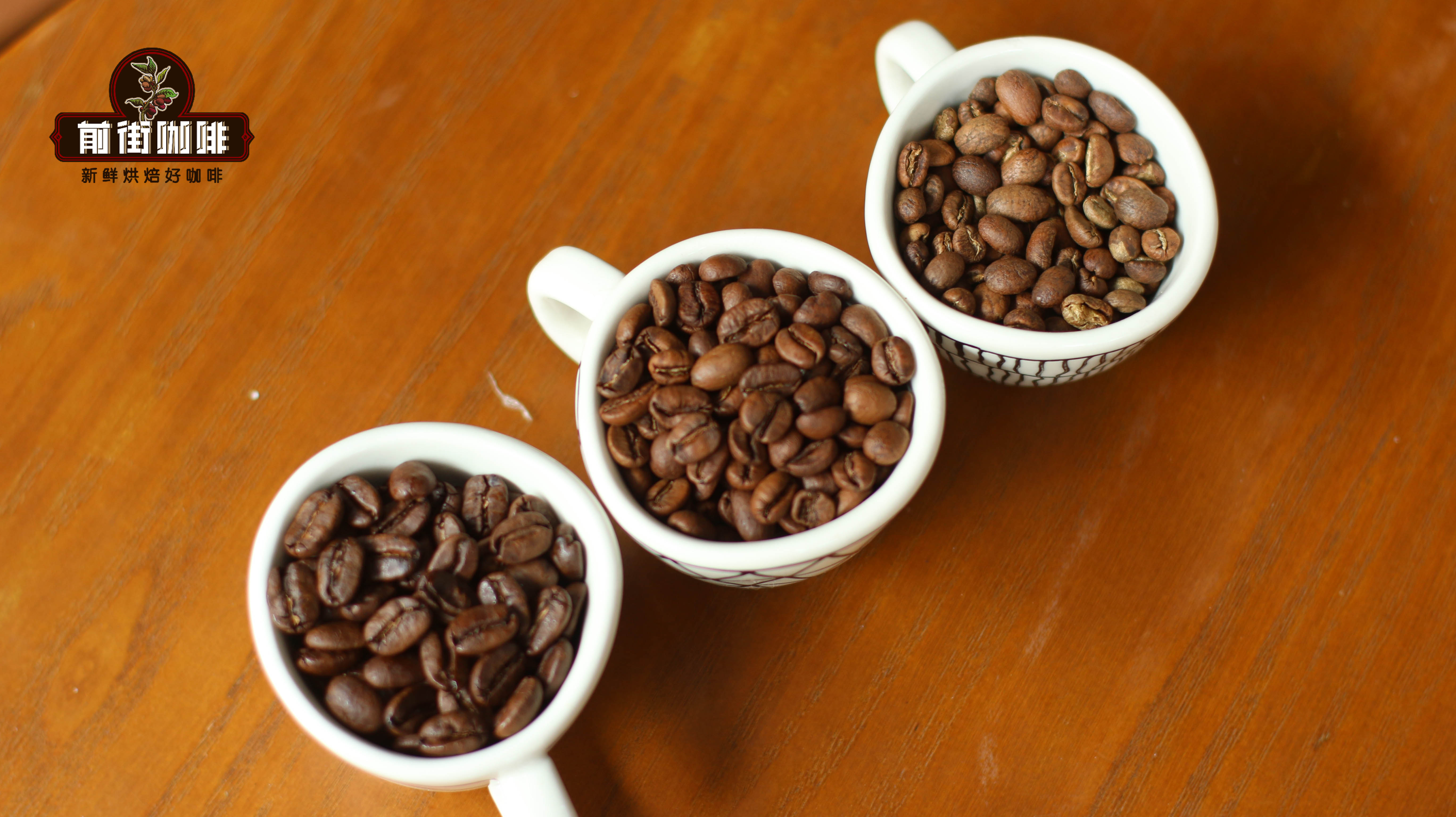
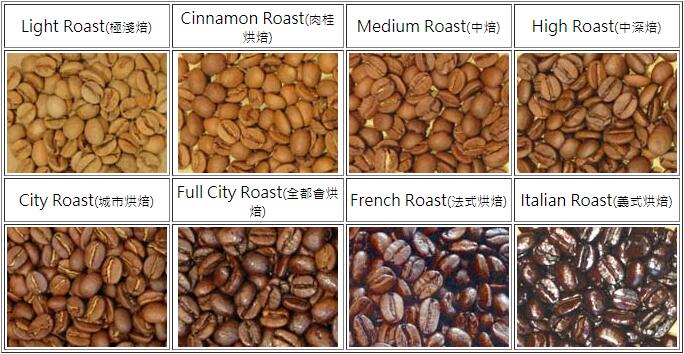
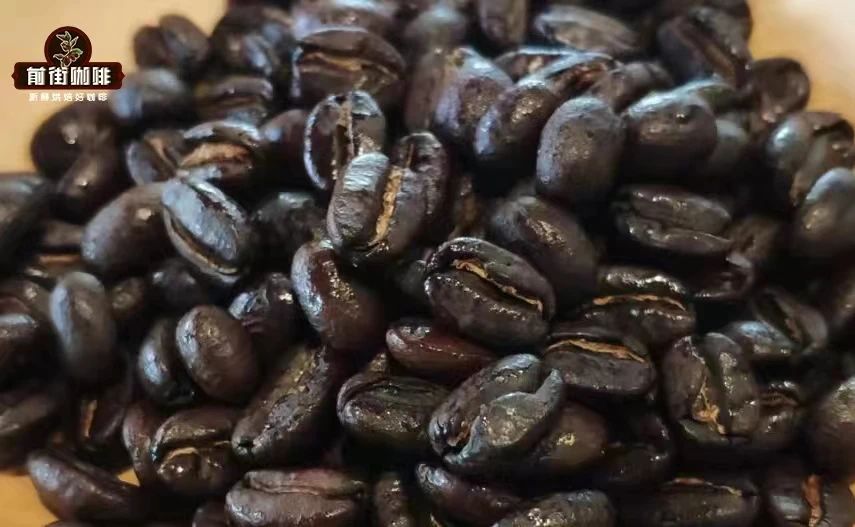
Coffee roast levels are generally divided into three main categories: light roast, medium roast, and dark roast, but when further subdivided, they can reach eight levels, from Light Roast to Italian Roast. Light roasts (such as Light Roast, Cinnamon Roast) are typically dropped just after the start of the first crack to the beginning of its peak, with beans appearing cinnamon in color. They feature bright acidity and prominent aromas, making them ideal for those who enjoy fresh fruit acids and floral notes, and are often used for pour over or American-style coffee. Medium roasts (such as Medium Roast, City Roast) are dropped between the peak and end of the first crack, with beans turning chestnut in color. They offer a balanced acidity and bitterness along with moderate sweetness, serving as the base for many blends and Viennese-style drinks. Dark roasts (such as French Roast, Italian Roast) are dropped after the second crack, with beans appearing black and oily, characterized by intense bitterness and rich smoky aromas, making them the preferred choice for espresso.
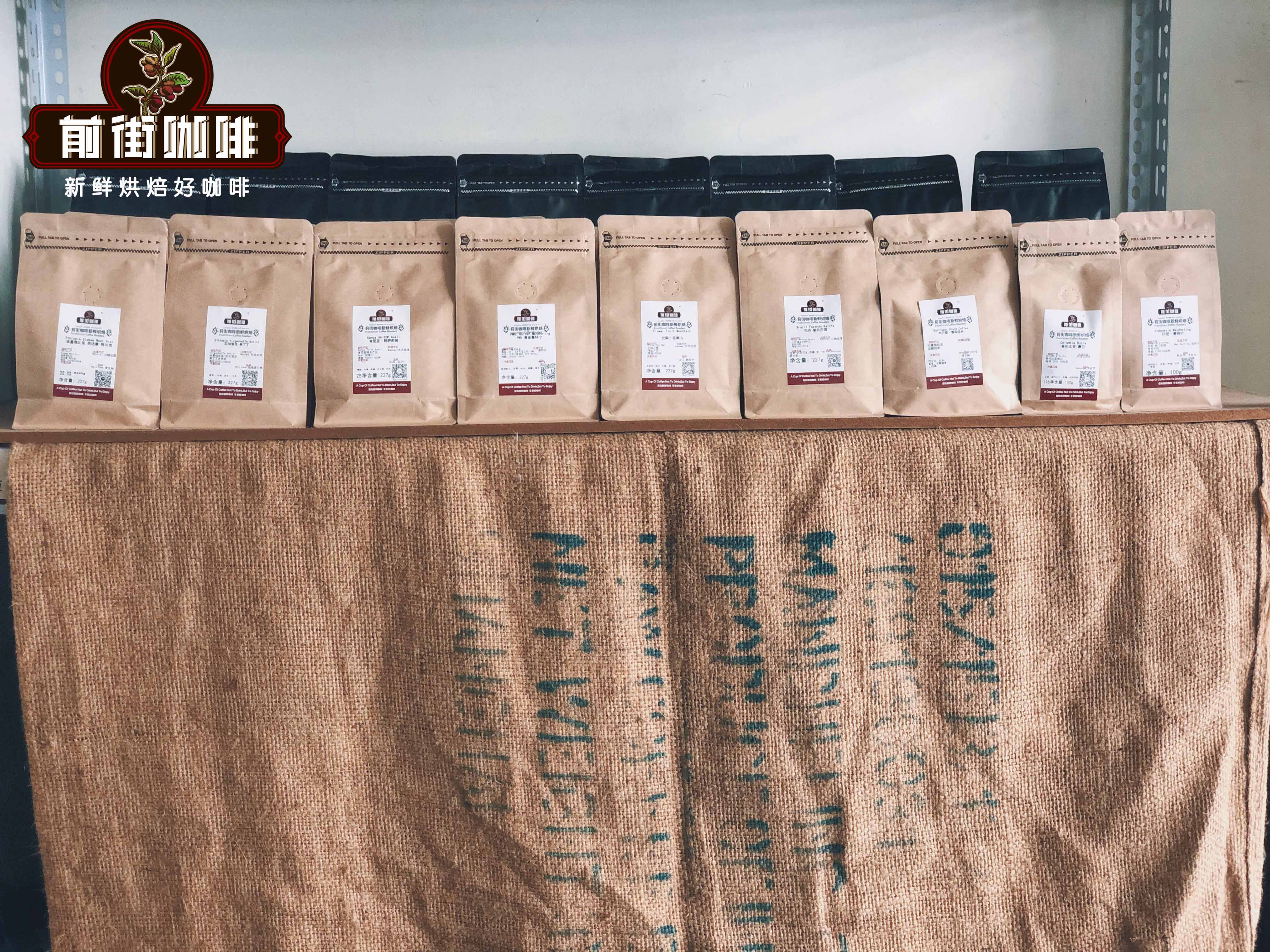
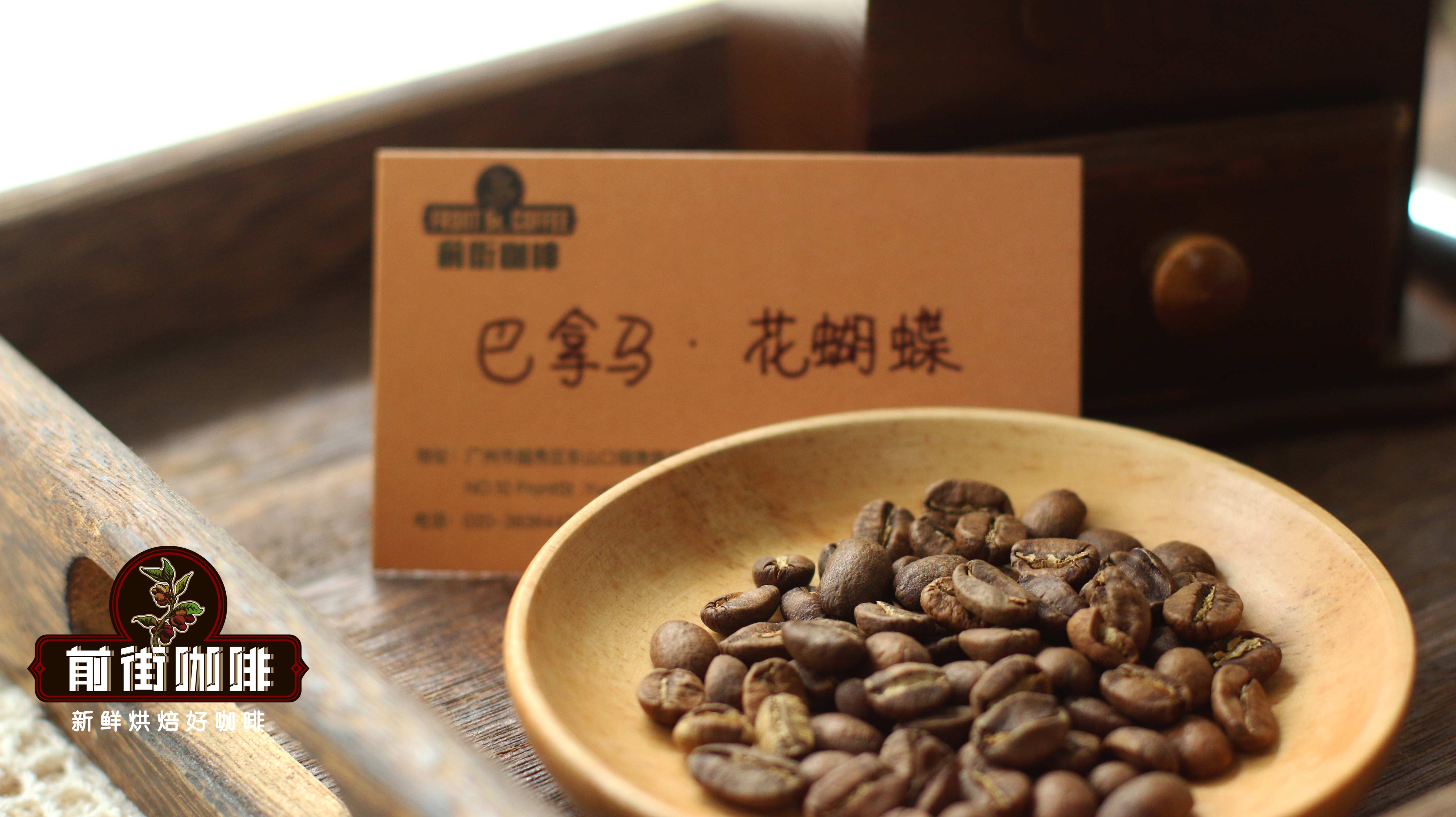
For readers who enjoy the refreshing character of light roasts, here are several classic beans worth trying: First is the Yirgacheffe Natural Red Cherry from a well-known café, an Ethiopian bean dropped early in the first crack, showcasing bright lemon, floral, and fermented wine notes, with a juice-like mouthfeel, lively acidity, and a honeyed sweetness in the finish; next is Kenya AA from Assaliya, known for its intense cherry tomato and dark plum acidity, with outstanding mid-palate sweetness and a long-lasting finish featuring layers of green tea and berries; third is Panama Geisha (also known as Flower Dance), blending floral, black tea, and berry tones with moderate acidity and low bitterness, making it a balanced option suitable for everyday enjoyment.
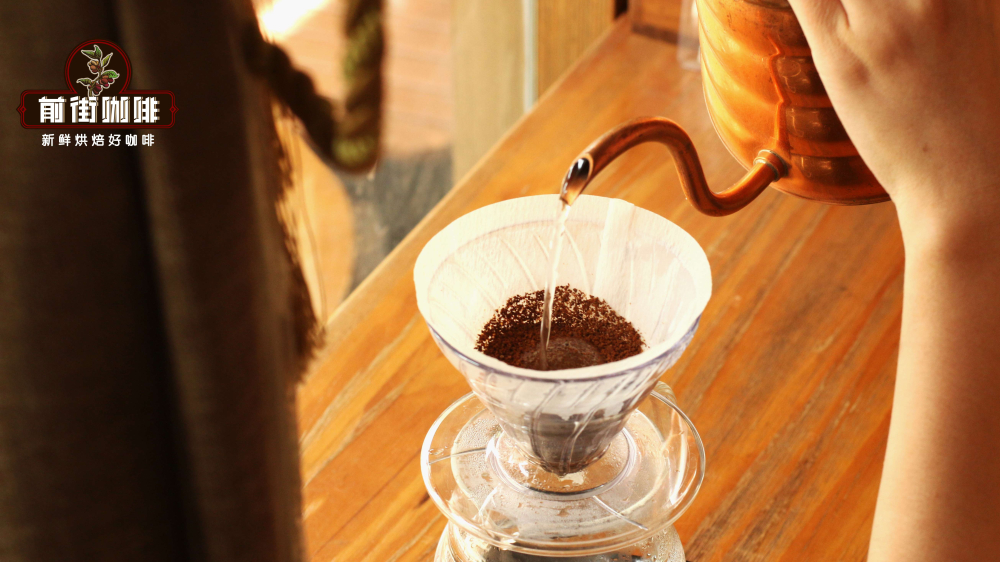
Pour over recommendation: Use 15 grams of coffee, a 1:15 coffee-to-water ratio, 90°C water temperature, medium-fine grind (78% through a #20 sieve) with a V60 filter. Brewing method: Bloom with 30 grams of water for 30 seconds, then pour in a circular motion to 125 grams, wait for the water level to drop halfway, then continue pouring to 225 grams, with total brew time controlled around 2 minutes.
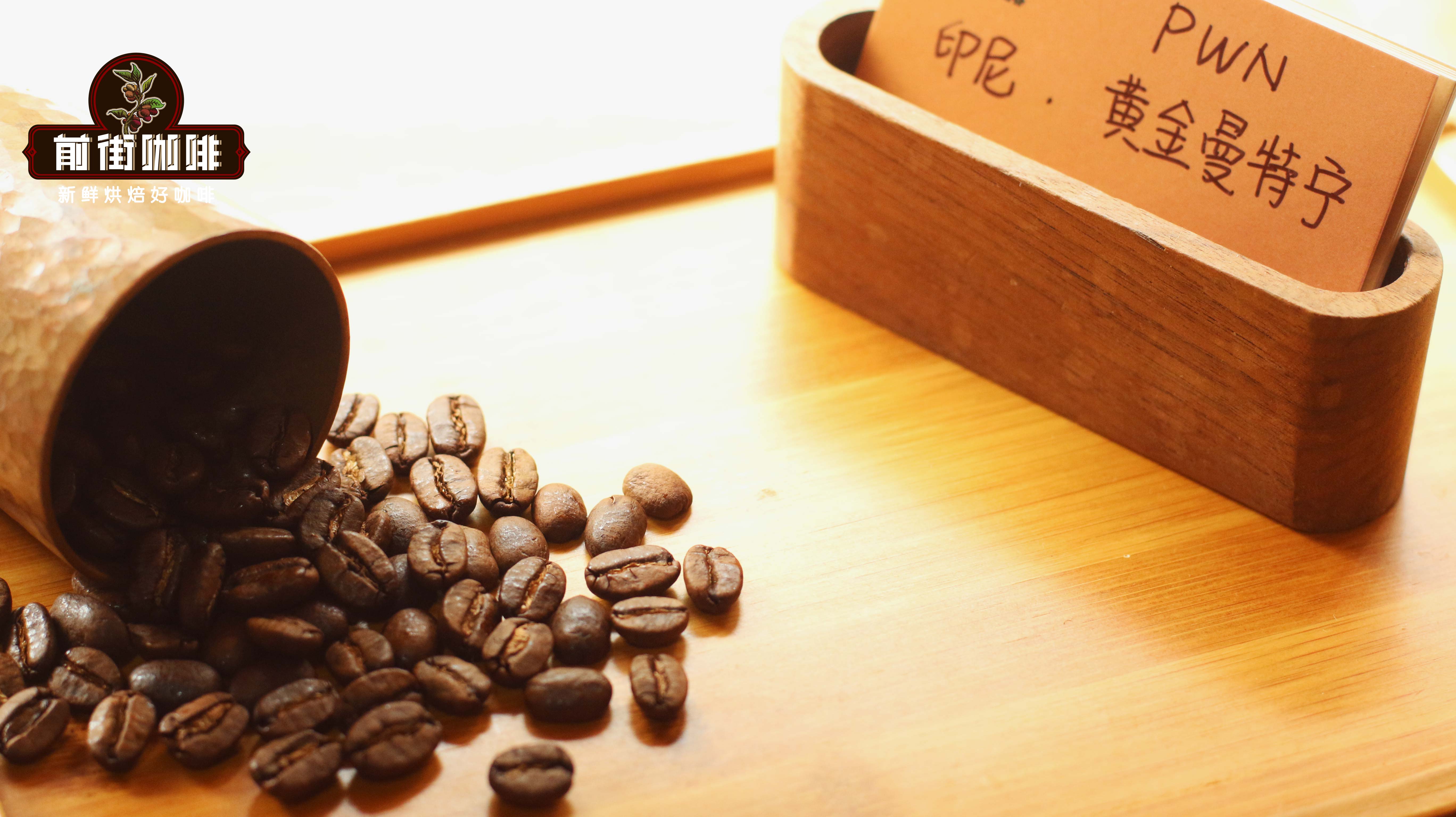
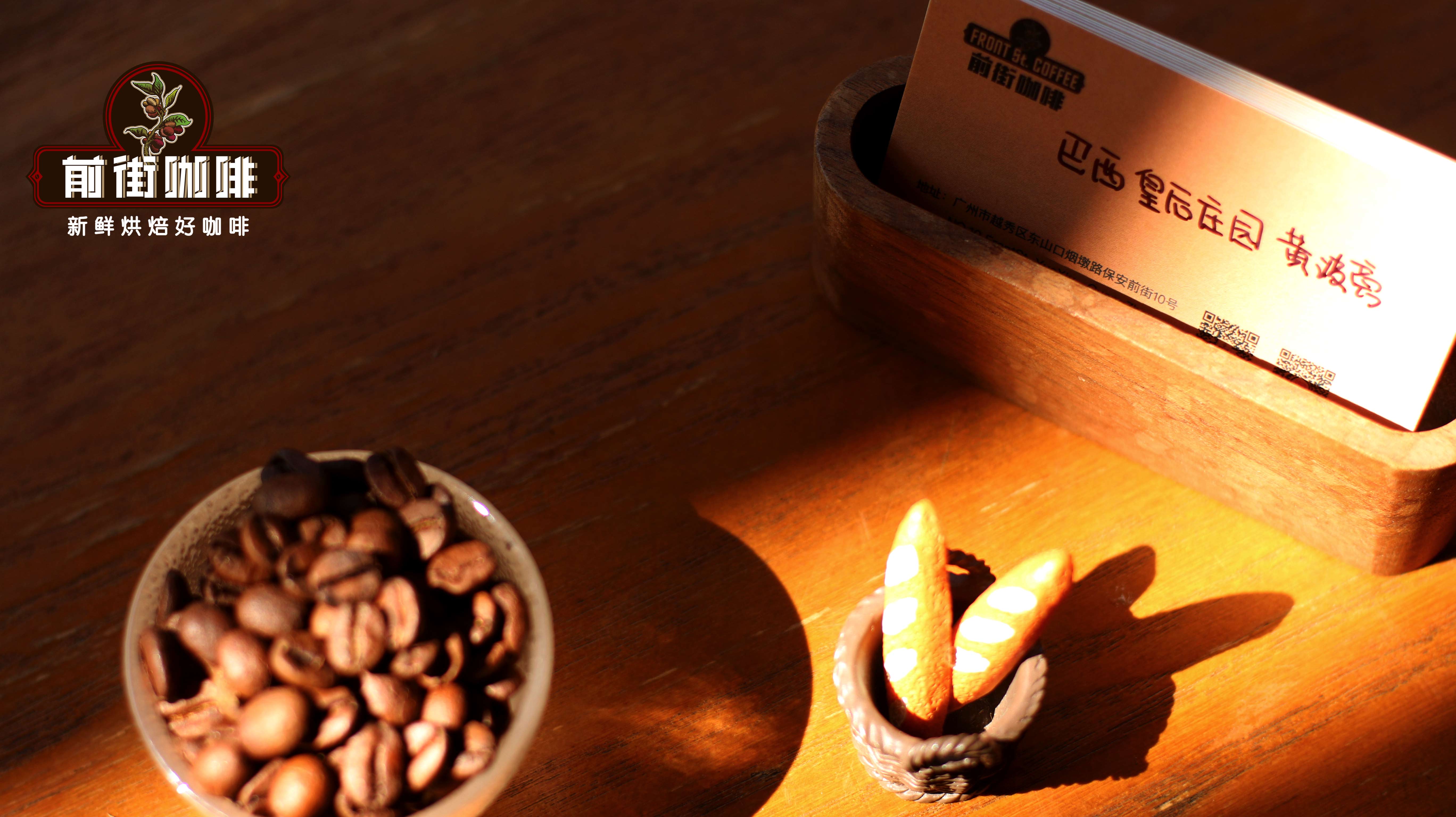
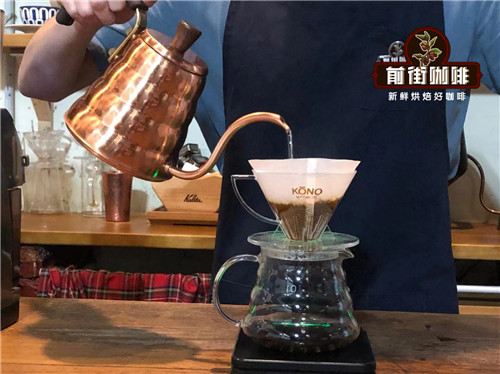
For lovers of medium-dark roasts, consider Golden Mandheling, an Indonesian bean with distinct layers and a long-lasting caramelized sweetness in the finish; Jamaican Blue Mountain is renowned for its exceptional balance, offering a mellow and gentle profile with perfectly harmonized acidity and bitterness, almost no bitterness, and a finish with fruit and green tea aromas; Brazil Fazenda Rainha is another balanced option, featuring nutty and chocolatey notes with noticeable cane sugar sweetness, suitable for those who prefer a stable and robust taste. These three beans are recommended to be brewed with a medium-coarse grind (65% through a #20 sieve) and a KONO filter, with water temperature slightly reduced to 86°C, maintaining a 1:15 coffee-to-water ratio. Brewing process: Bloom with 30 grams for 30 seconds, pour to 125 grams first, then continue pouring to 225 grams once the water level drops halfway, with total time about 2 minutes and 10 seconds, effectively highlighting the beans’ body and sweet characteristics.
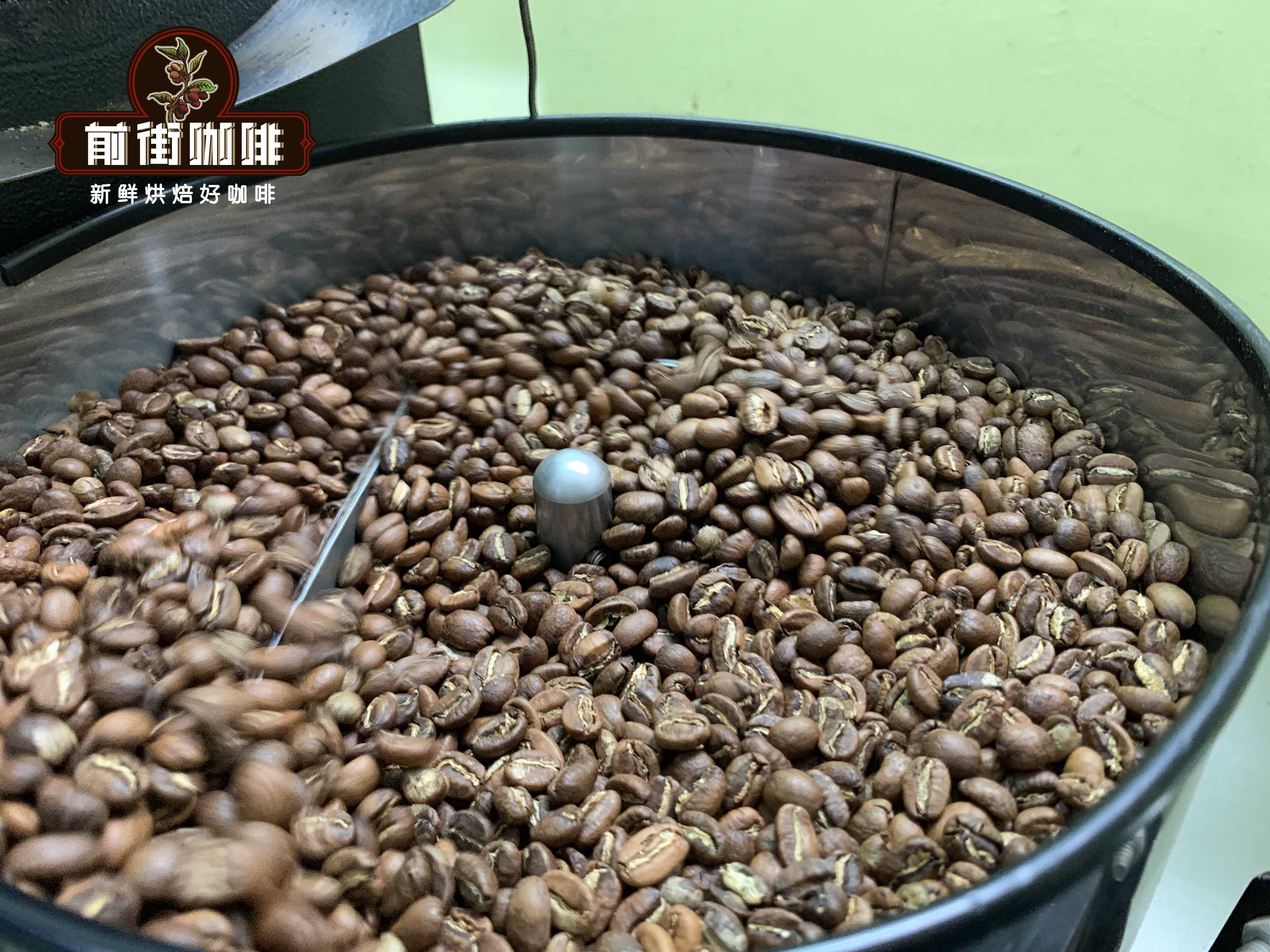
No matter which roast level you prefer, understanding the changes in bean color, aroma, and taste can help you find your most fitting coffee companion. From bright fruit acids to rich smoky notes, each roast style carries its own unique charm, waiting for you to explore and savor personally.




The above content is compiled by CoffeeHunters, a coffee news website.

