








Introduction:As a classic coffee bean from Ethiopia’s renowned growing regions, Yirgacheffe is beloved by coffee enthusiasts for its distinctive floral and fruity flavor profile. But did you know? Different roast levels can completely transform its flavor direction. This article delves into the performance differences of Yirgacheffe under light, medium, and dark roasts, exploring the critical stages from first crack to second crack. Learn how to bring out the most enchanting berry acidity or rich sweetness through roast profiles, and get practical pour over parameters so you can brew professional-level flavors at home.
In the world of specialty coffee, roasting is arguably the most crucial step in determining a coffee bean’s final flavor. Green beans themselves have almost no distinct drinking characteristics and may even carry a vegetable-like grassiness. They must undergo precise heating to unlock their hidden aromas and complexity. This article will use Ethiopia’s renowned Yirgacheffe coffee beans as an example to help you understand how different roast levels influence their ultimate expression.
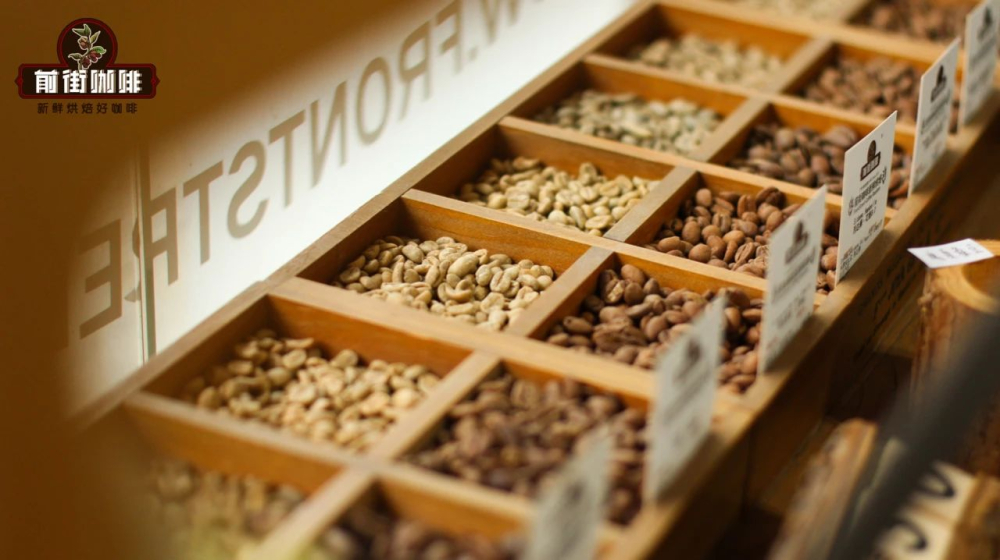
Many people judge roast level solely by the darkness of the beans, but this approach is not comprehensive. The speed of roasting also plays a vital role—even beans with similar outward appearances can yield vastly different flavor outcomes depending on whether they were roasted quickly (completed within 90 seconds) or slowly (taking 14–20 minutes). Although slow roasting takes more time, it preserves more delicate aromas and acidity, which is especially important for high-quality Yirgacheffe.
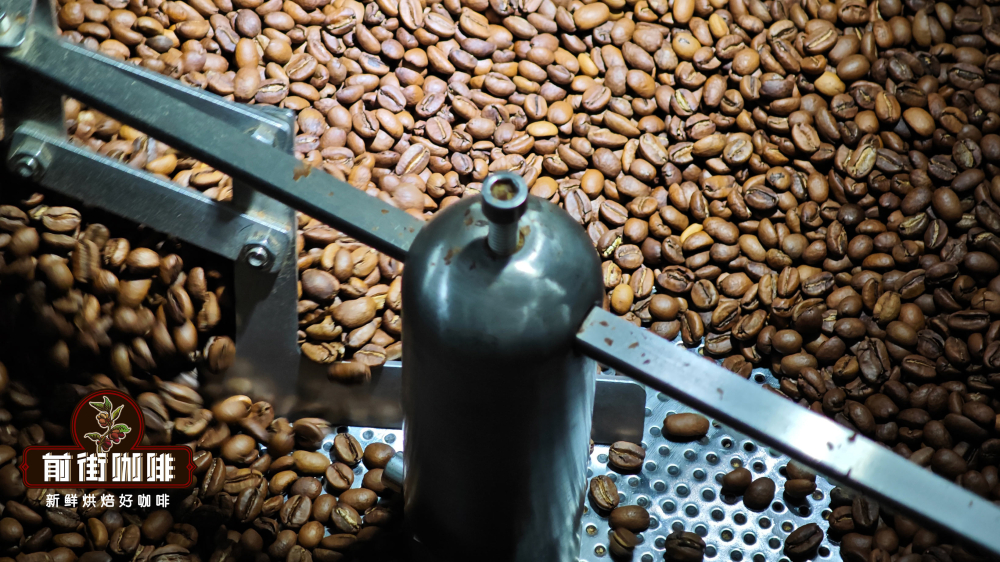
During the roasting process, coffee beans undergo a series of complex chemical reactions, including the Maillard reaction and caramelization. These reactions not only alter color but also affect weight and moisture content. Generally, slow roasting results in a higher weight loss ratio of about 16%–18%, compared to fast roasting, but this also brings out a richer flavor profile.
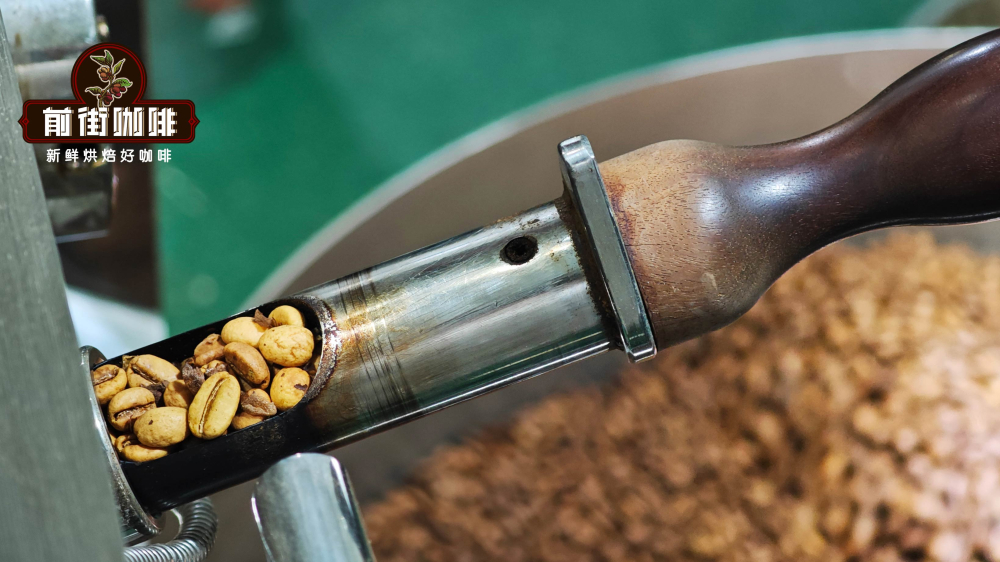
The three basic tastes—sweet, sour, and bitter—undergo significant changes during roasting. The longer the total roasting time, the less pronounced the acidity and the stronger the bitterness. As a result, dark roast coffee tends to be more bitter, while light roast preserves more vibrant acidity and fruity notes, making it ideal for those who prefer a lively cup.

Coffee roasting is primarily divided into two critical stages: first crack and second crack. As the temperature rises, the internal steam and carbon dioxide pressure in the beans increase, causing them to expand and emit a popcorn-like sound—this is “first crack.” Later, as heating continues, a more intense cracking sound occurs, known as “second crack.” These stages are crucial to flavor development.
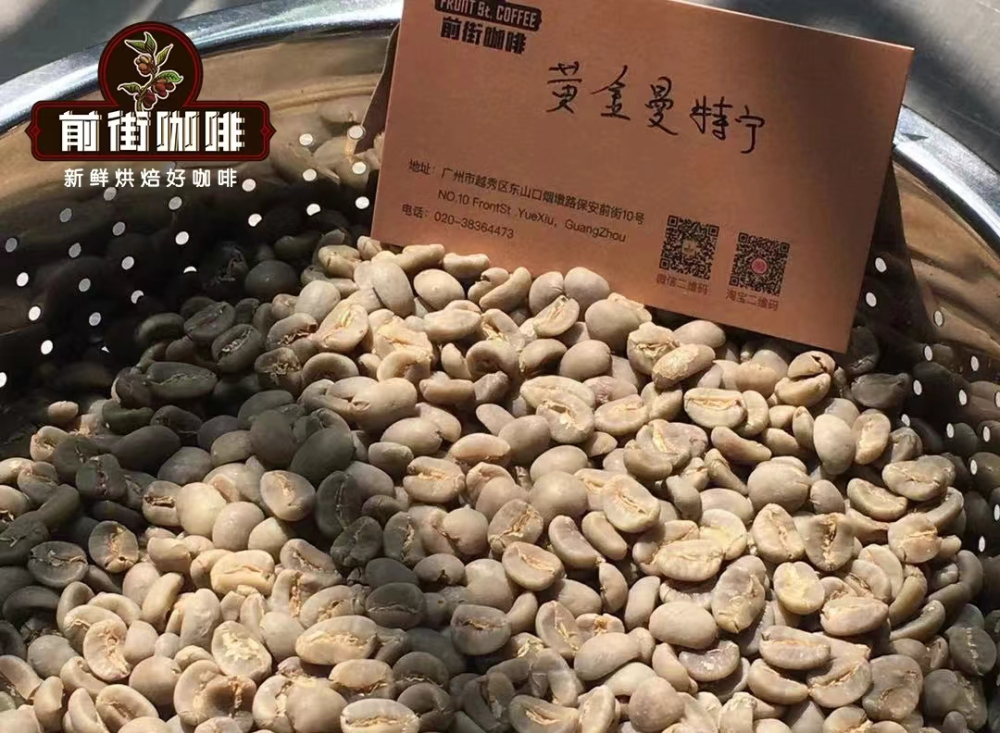
So-called “light roast” typically refers to the stage from the middle to the end of first crack. At this point, enzymatic activity and the Maillard reaction are still in their early stages, and organic acids are not fully broken down. Thus, the acidity is bright, bitterness is minimal, and the flavors are dominated by floral and fruity notes, cinnamon-like tones, and grainy characteristics—making it perfect for coffee lovers who enjoy a bright acidity.
Medium roast falls between the end of first crack and before second crack. In this stage, caramelization and the Maillard reaction become more pronounced, striking a better balance between acidity and bitterness, with sweetness becoming more prominent. The flavor shifts toward caramel, honey, and chocolate tones, with a smooth and rounded mouthfeel—making it the roast level many specialty baristas recommend.
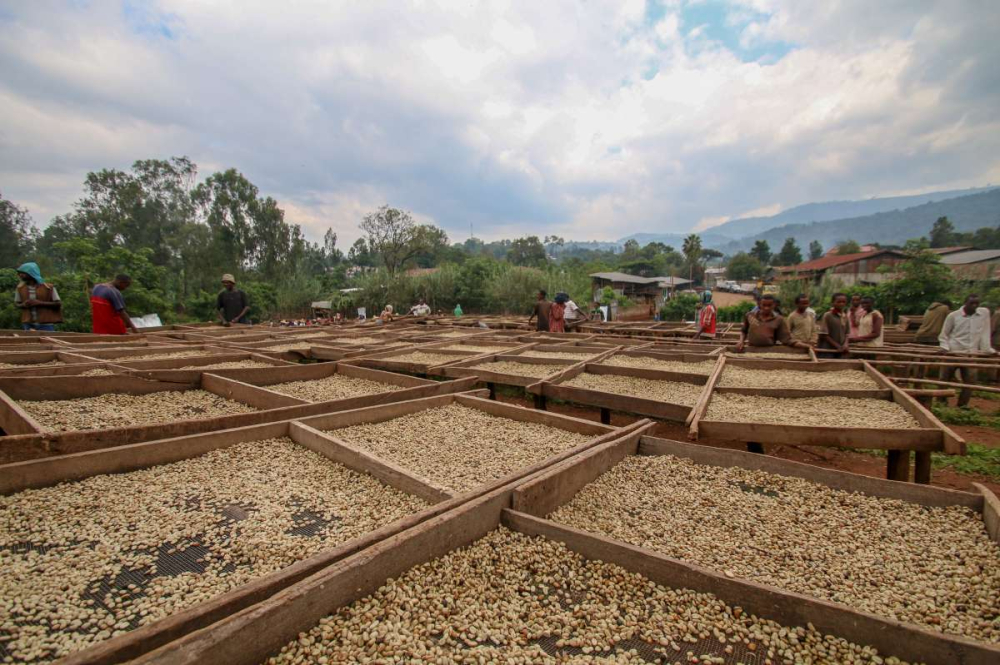
So, for Yirgacheffe from Ethiopia, what roast level best showcases its unique characteristics? Taking washed-process Yirgacheffe as an example, if you want to savor intense floral notes and vibrant fruit acidity, light or medium roast is the best choice. Beans processed this way usually carry bright citrus, blueberry, and other fruity acids, paired with floral and citrusy nuances—a light roast can perfectly preserve these qualities.
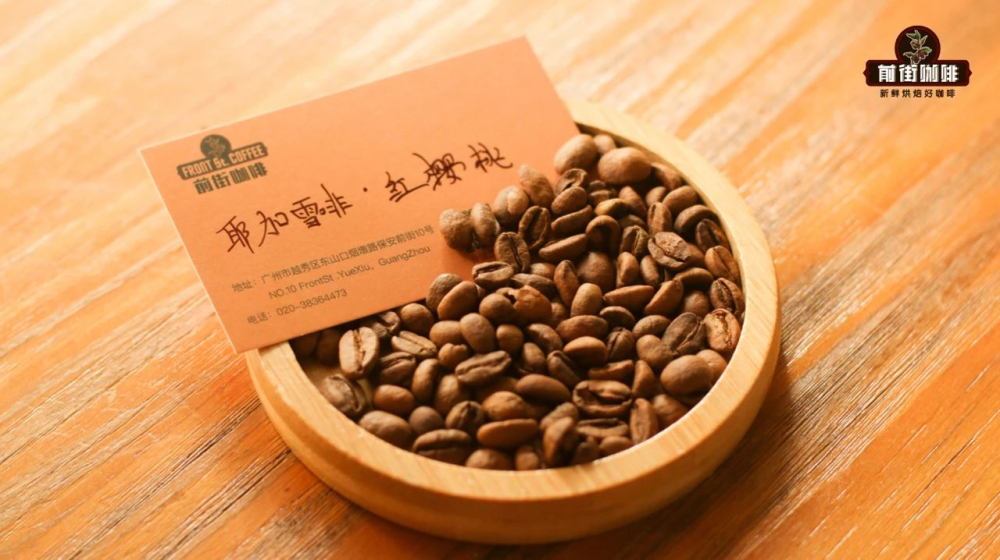
In contrast, naturally processed Yirgacheffe retains most of the advantages of the washed version, but the fruitiness is even more intense, the acidity is relatively softer, and it carries a hint of unique fermented wine-like aroma. Take the “Red Cherry” naturally processed Yirgacheffe as an example—medium-light roasting is recommended, as it highlights its fruitiness and wine-like notes without sacrificing complexity or body.
If you plan to brew this uniquely flavorful Yirgacheffe at home using pour over, here are some practical brewing reference parameters: Use a V60 filter, control the water temperature at 90–91°C, use about 15 grams of coffee grounds, and aim for a 1:15 coffee-to-water ratio. The grind size can be medium-fine (referencing about 80% extraction through a Chinese standard No. 20 sieve), using a pulse pouring method.
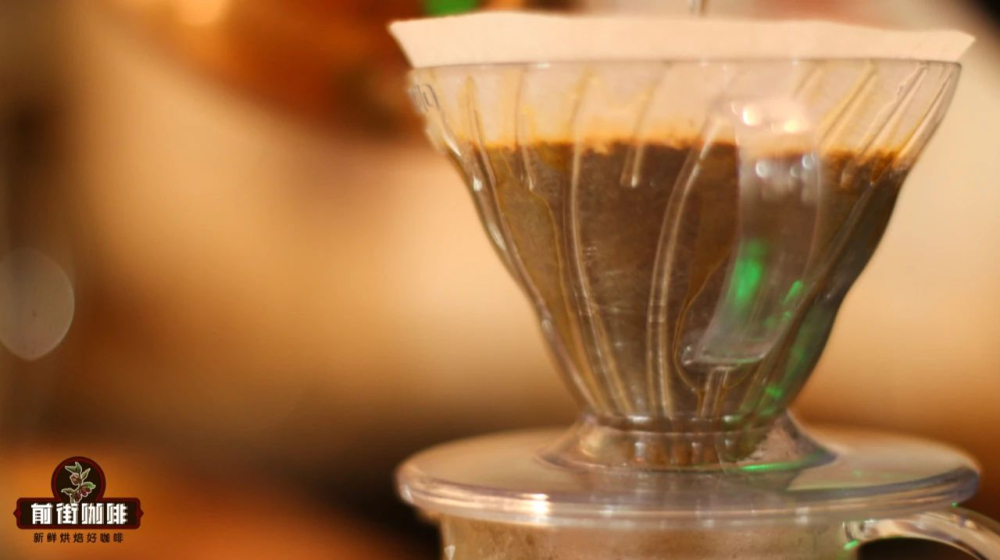
For specific steps: First, pour 30 grams of water for a 30-second bloom; then add water with a small stream until reaching 125 grams. Once the coffee bed has settled halfway, proceed to the third pour up to 225 grams, keeping the total brew time around 2 minutes. This parameter helps fully highlight complex flavors like berries, lemon, fermented fruit, and strawberry, delivering a bright and layered taste experience.
The above content is compiled by CoffeeHunters, a coffee news website.

