







Introduction:Gain an in-depth understanding of the main varieties of specialty Arabica coffee beans and the characteristics of globally renowned producing regions — from Ethiopia’s high altitudes to Sumatra’s wet-hulled processing — and explore how different origins influence flavor profiles. This article details the color, acidity-sweetness-bitterness balance, crema presentation, and typical aromas of the three major roast levels: light, medium, and dark. It also provides practical pour over parameters such as water temperature, brew ratio, grind size, and extraction time, helping coffee enthusiasts select beans and adjust brewing strategies based on personal preferences.
A coffee’s flavor complexity is by no means determined solely by roast depth. The key factors shaping a cup’s unique character lie in the intricate interplay between origin traits, varietal genetics, and cultivation altitude.Even with the same roast level, beans from Yirgacheffe and Sumatra will still exhibit distinctly different flavor directions.. A true professional roaster designs a custom roast profile tailored to each bean’s inherent qualities to best highlight its regional characteristics, rather than simply aiming for a specific color tone.
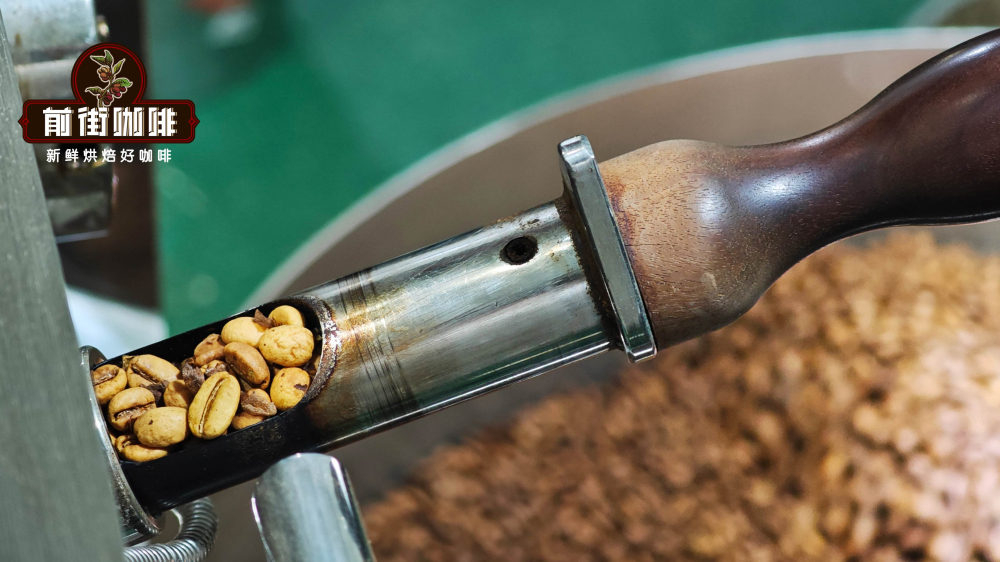
Light RoastCoffee beans roasted to a light degree display a light brown color with almost no oil on the surface and a firm texture. This type of roast preserves the maximum amount of original flavor compounds, offering bright acidity, a refreshing mouthfeel, and a distinct layering of flavors.Common aromatic profiles include bright notes such as citrus, berries, white flowers, and honey. However, if under-roasted — where heat fails to fully penetrate the bean core — it may carry grassy or herbal astringency, so attention must be paid to green bean quality and roast consistency.
The internal temperature at this stage reaches approximately170-200℃, and in most cases has not yet triggered the “first crack” (the turning point where steam pressure causes the beans to crack audibly). This stage is also known as “cinnamon roast” and is the best way to highlight regional terroir characteristics, highly favored by competition-level pour over enthusiasts.
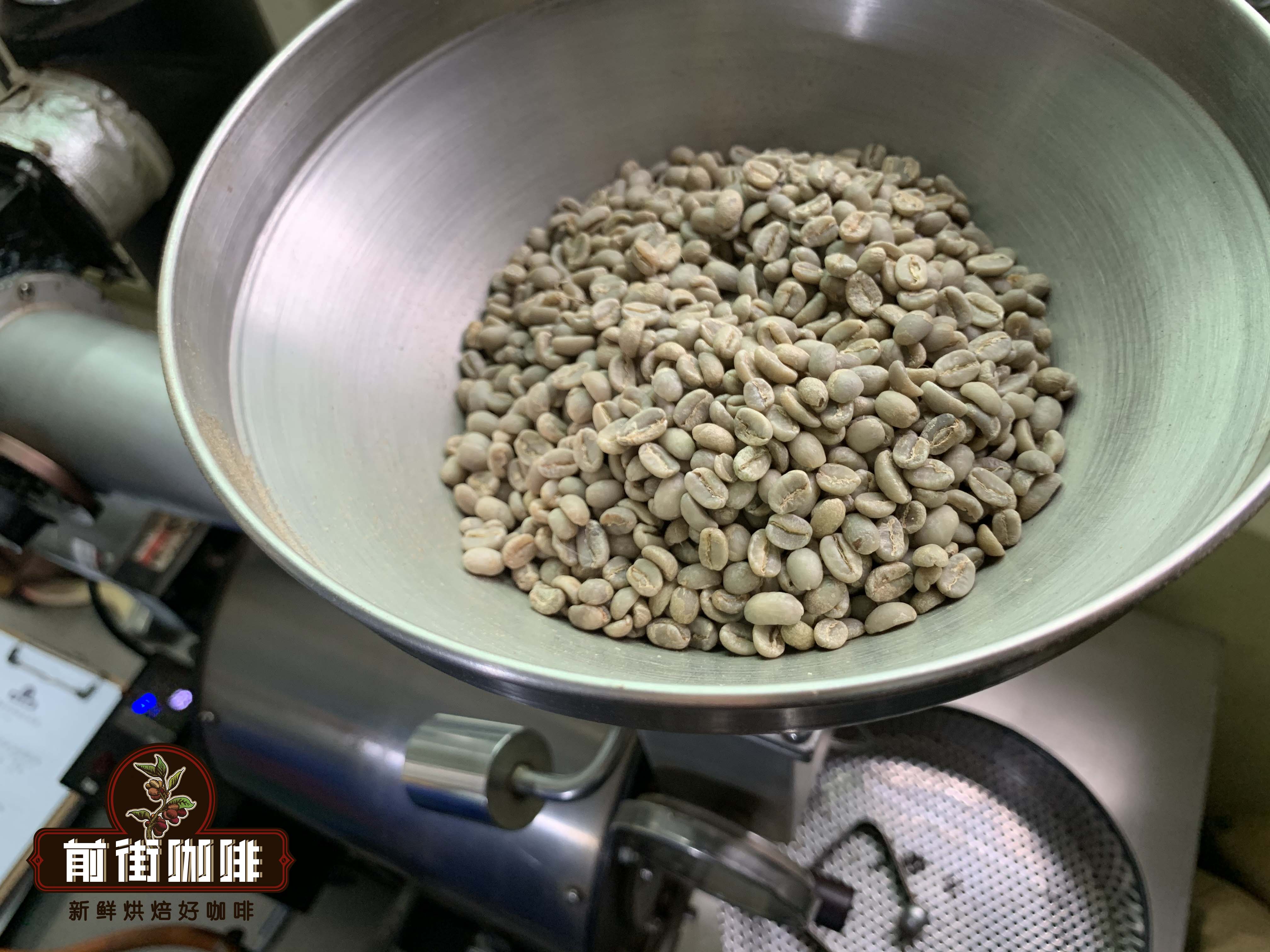
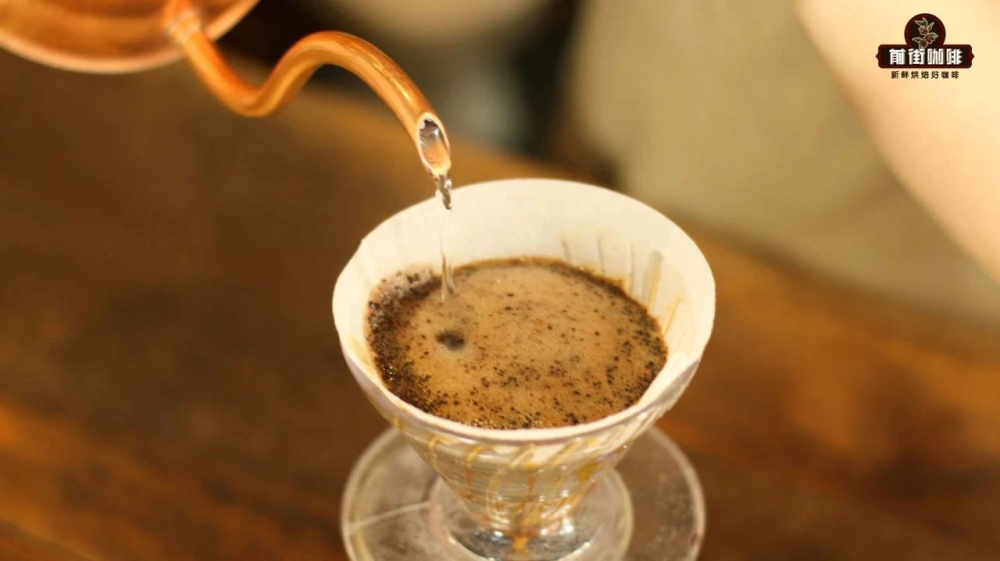
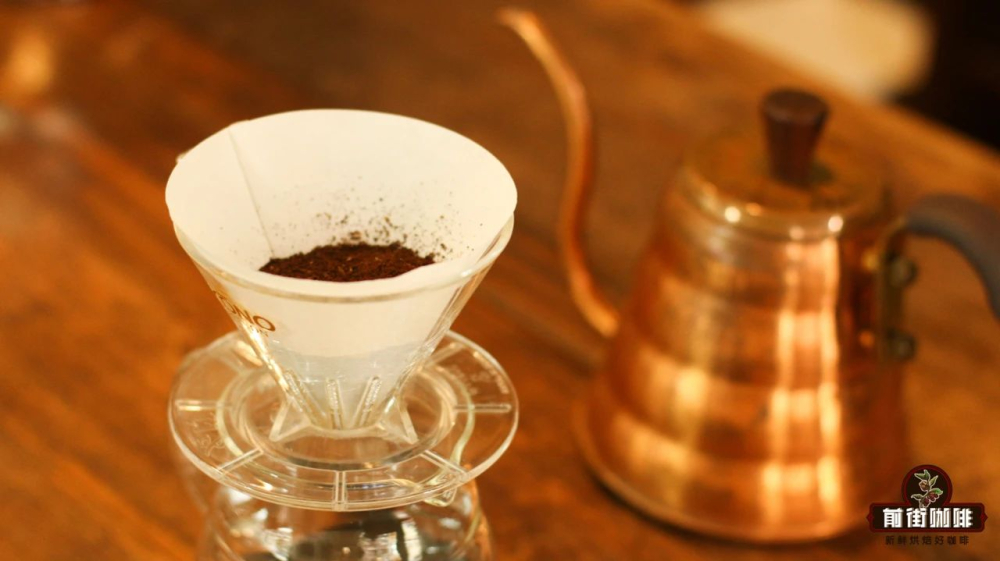
TakeEthiopia Yirgacheffe region’s Atla Estate heirloom variety natural process beansas an example. Usea Hario V60 dripper,90°C water temperature,1:15 brew ratio, andBG#5F (approximately 80% extraction) grind sizefor a step brew: first pre-infuse with30 grams of water for 30 seconds, then pour in small circles until reaching125 grams for the first pour, and continue pouring until reaching225 grams to finish, keeping the total extraction time to2 minutes exactly. Under these parameters, you can clearly tasteberry acidity, creamy body, honey sweetness, and a citrusy finish, delivering a vibrant, fresh-juice-like performance.
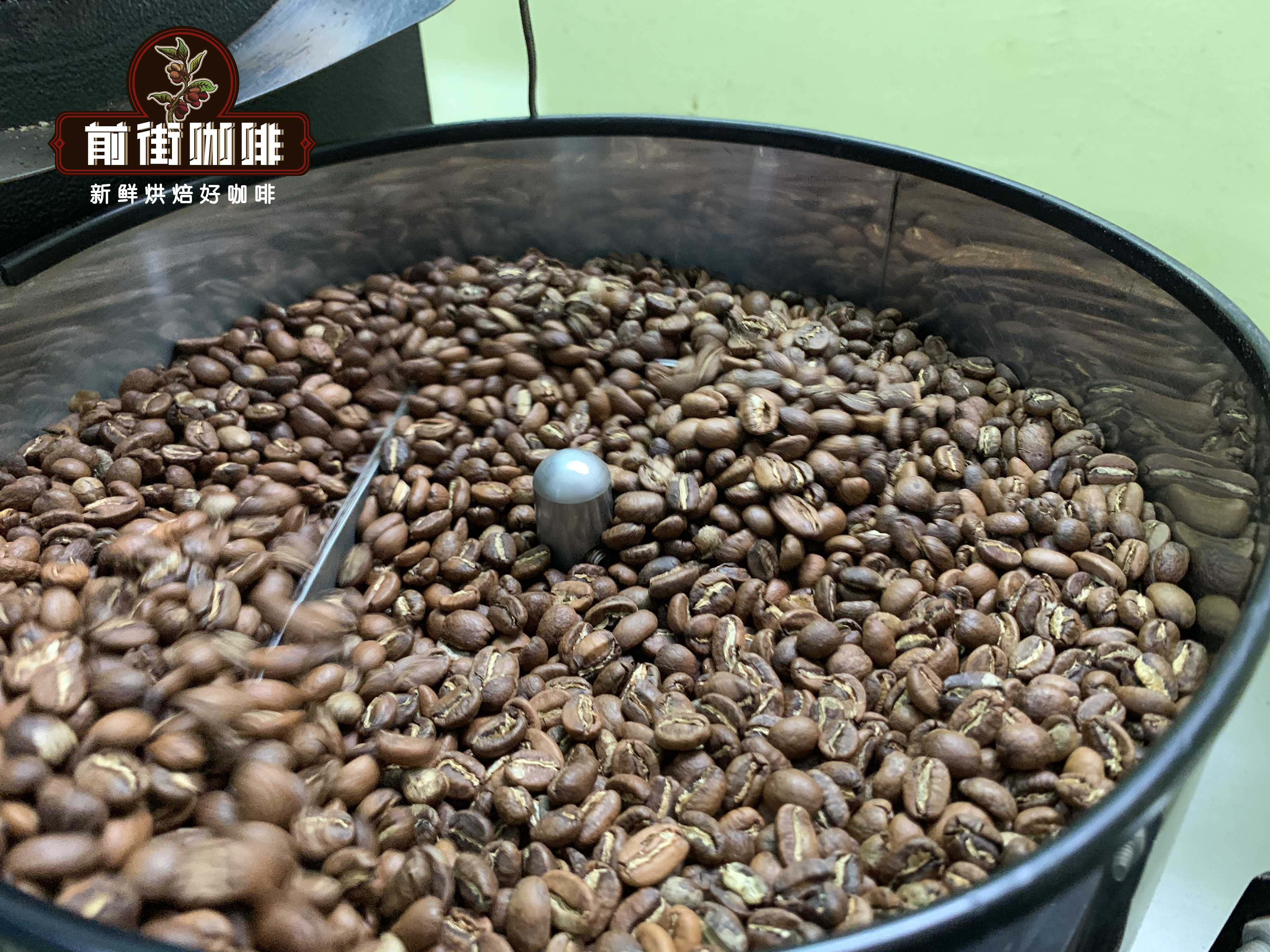
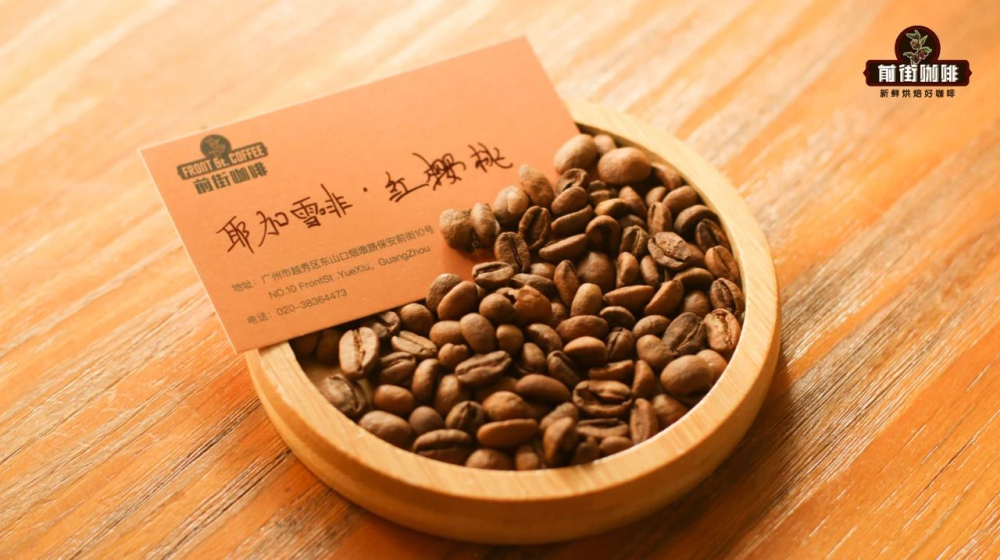
Medium RoastBeans turn a medium brown with slight oil surfacing on the surface, showing improved acid-bitter balance and an emerging sweetness.The early stages of caramelization begin, imparting warm-toned aromas of nuts, dark chocolate, and caramel, making it ideal for everyday drinkers who prefer balanced flavors. The roast temperature range is200-215℃, typically dropping the batch just at the start of the first crack, also called “city roast.”
Brazil Queen Estate Yellow Bourbon natural beansare a classic example. It is recommended to use aKono dripper(its low ridge design extends water-coffee contact time),88°C water temperature,1:15 brew ratio, andBG#5I (approximately 70-75% extraction) grind size. The step brew process is also30 grams of water for 30 seconds of pre-infusion,first pour to 125 grams, then continue to225 grams, with a total brew time of2 minutes. This setup brings outgentle fruit acidity, rich nuttiness, dark chocolate aftertaste, and subtle lemony notes, resulting in a round and full-bodied mouthfeel.
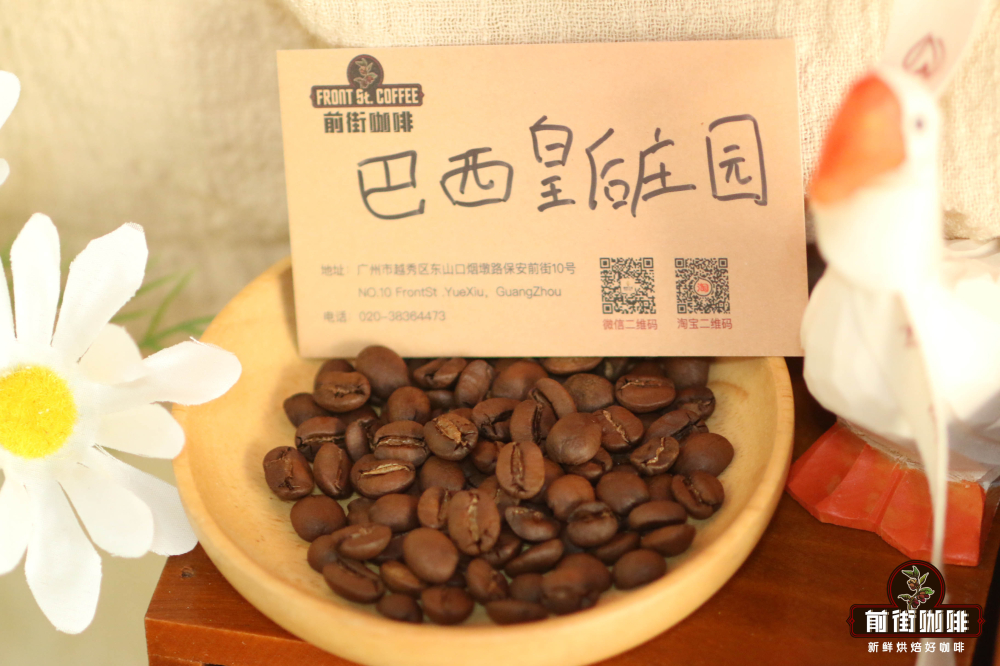
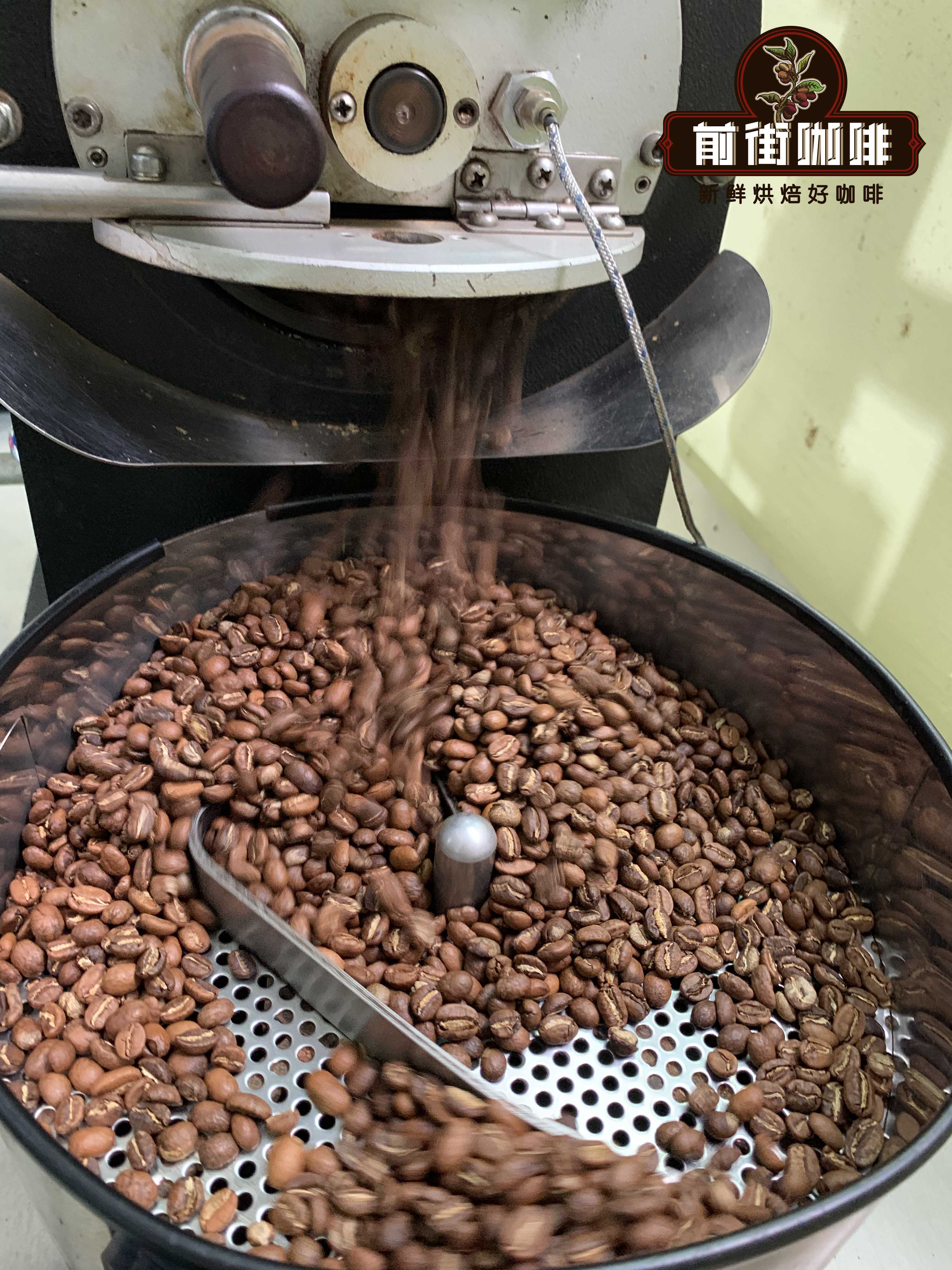
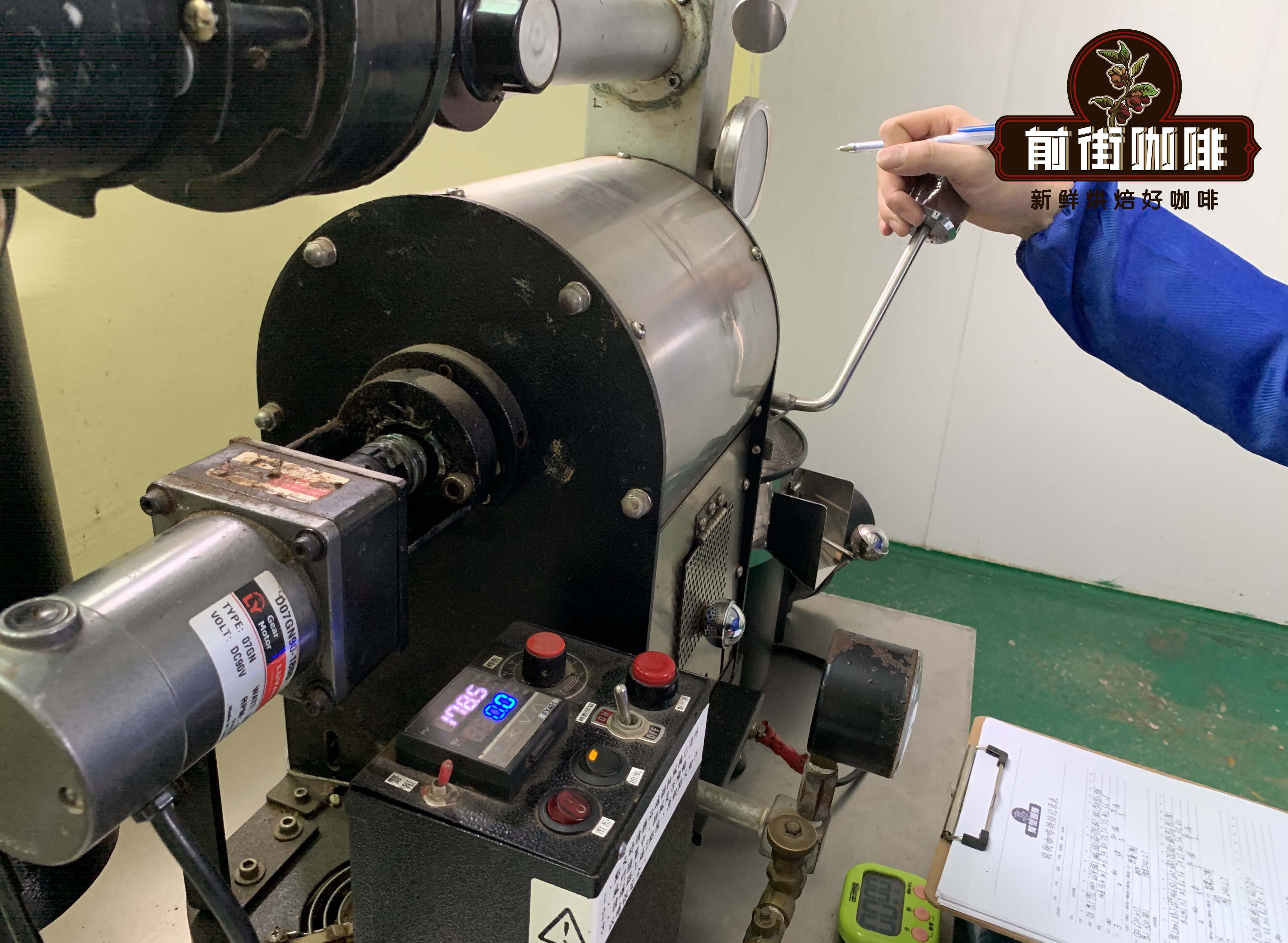
Dark RoastBeans are dark, nearly black in color, with a noticeable oily surface layer, extremely low acidity, and a blend of bitterness and sweetness.High-temperature roasting (220–225°C) often triggers the “second crack,” producing intense toasted, malty, and woody notes, with significantly increased oil richness. Although it is difficult to discern specific regional characteristics at this stage, it is well suited to showcasing the bold potential of roasting-resistant varieties like Ateng.
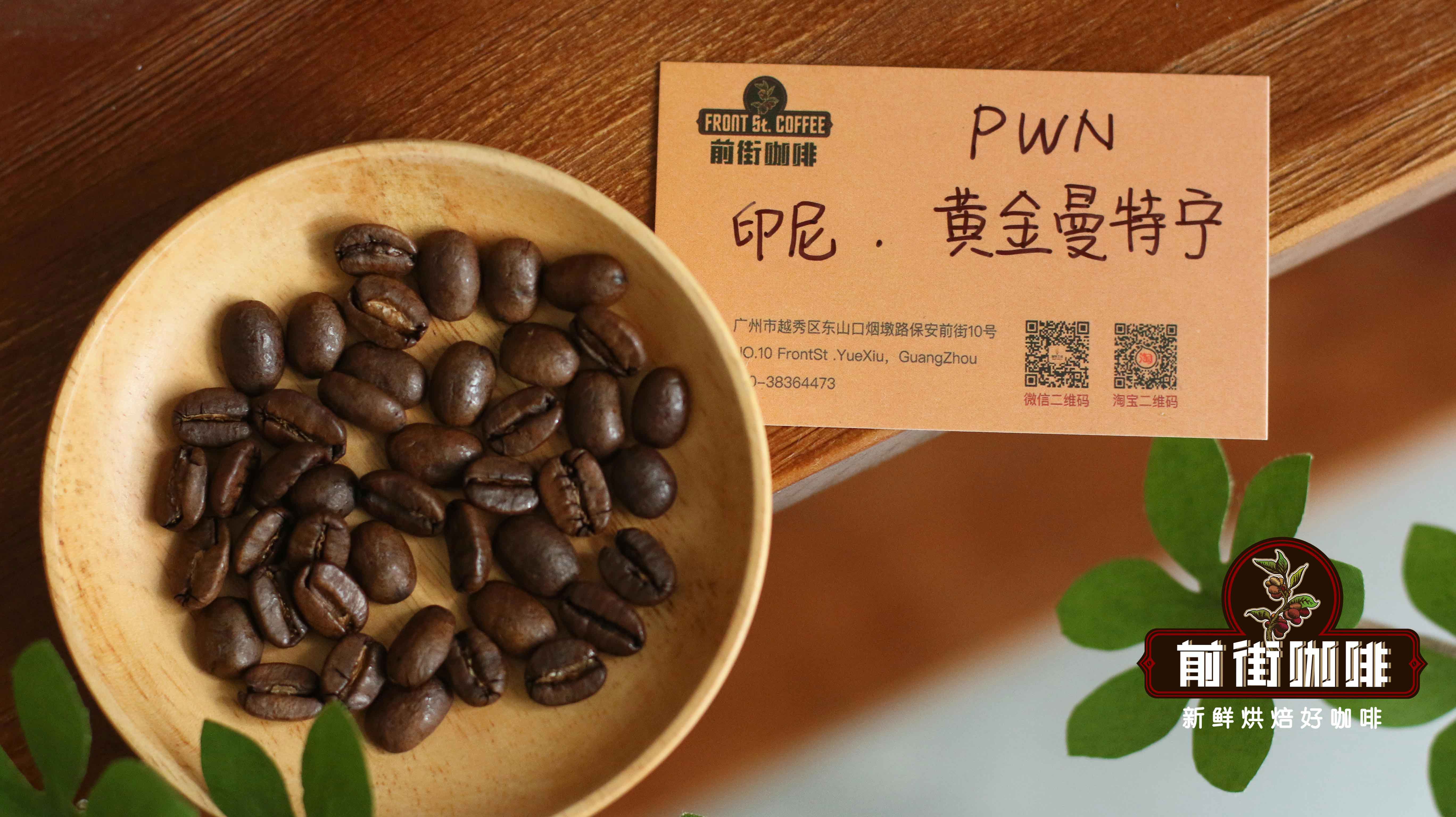
TakeIndonesia Sumatra PWN’s Golden Mandheling wet-hulled beansas an example. Use aKono dripper,88°C water temperature,1:15 brew ratio, andBG#6K (approximately 70-75% extraction) grind size. Follow the process of30 grams of water for 30 seconds of pre-infusion→, first pour to 125 grams→, then final pour to 225 grams, with a total brew time of2 minutes. Its flavor profile presentsrich caramel, malty sweetness, deep woody notes, and sustained fruity undertones, with a long and layered finish.
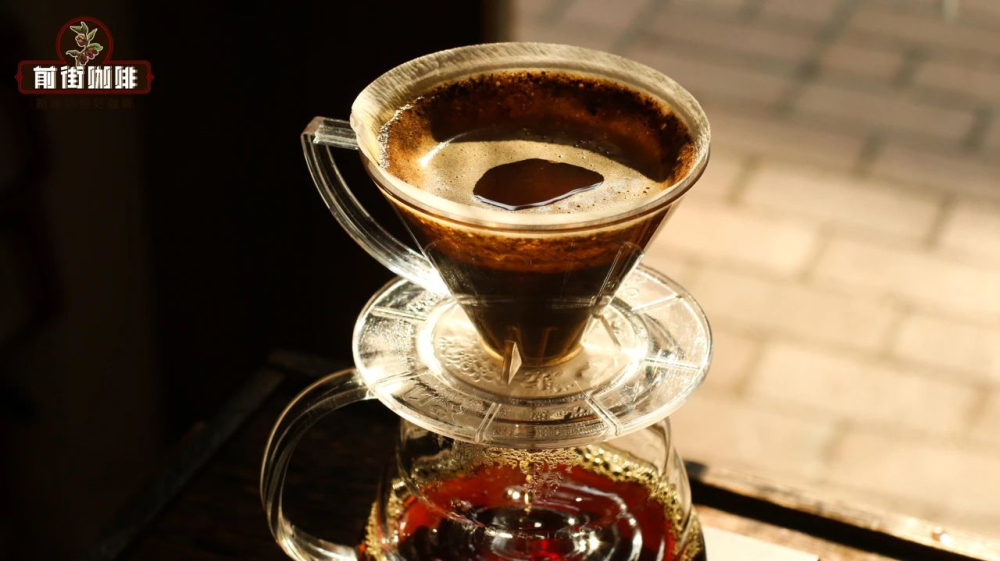
Regardless of the roast style chosen, it is advisable to adjust grind size and water temperature according to the bean’s characteristics: lighter roasts benefit from slightly finer grinds and higher temperatures to enhance acidity, while darker roasts require slightly coarser grinds and lower temperatures to avoid over-extraction bitterness.Record each brew’s parameters and flavor feedback to gradually build your personal coffee preference map, allowing you to deeply explore the infinite charm of the Arabica world.
The above content is compiled by CoffeeHunters, a coffee news website.

