







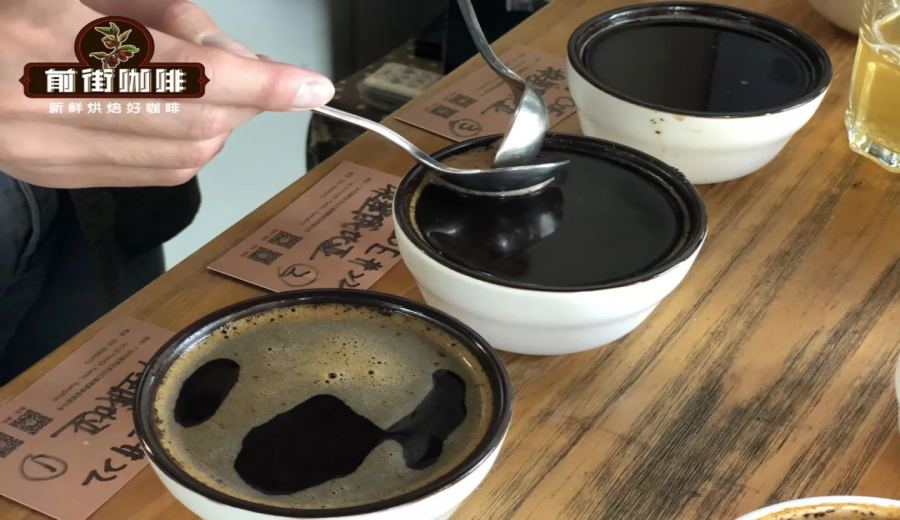
Introduction:Cupping is the core method used by coffee professionals to evaluate coffee quality. Every stage—from origin to roasting to retail—relies on this systematic process. This article delves into the practical applications of cupping and highlights the science and proper technique behind the key action of “slurping,” helping readers enhance their flavor identification abilities. Both industry insiders and coffee enthusiasts can benefit from it.
Cupping is an extremely important quality assessment tool in the coffee industry. This standardized scoring method is widely used across the entire supply chain—from the bean selection stage at origin, to roast curve adjustments at the roastery, to the final quality control in cafés. Through a standardized cupping process, professionals can objectively compare the performance of different coffee batches or processing methods.
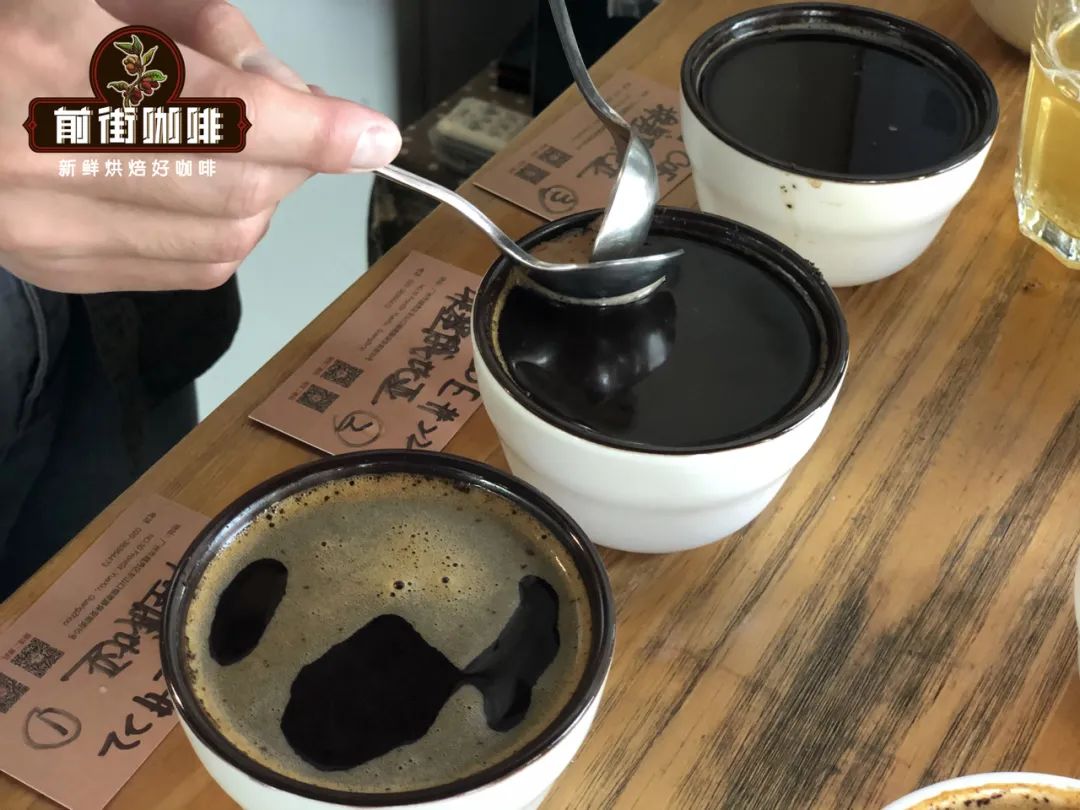
At origin, green coffee scouts use cupping to screen for promising lots; roasters adjust roast profiles based on cupping results to bring out the best flavors of the beans; and baristas in cafés also regularly cup to ensure that roasted beans maintain consistent quality in-store. This particular shop treats cupping as a daily core task, using a simple immersion extraction method (minimizing human variables) to directly reflect the essence of the coffee.
When it comes to cupping, the most curious aspect for outsiders is undoubtedly that noticeable “slurping” action—where evaluators scoop up the coffee with a spoon and then produce a sound similar to sipping soup or a sharp intake, forcefully drawing the liquid into their mouths. This seemingly uncouth gesture actually serves an important function.
The science behind slurping lies in the high-speed atomization of the coffee liquid, which significantly increases the surface area of the liquid and its contact with the mouth and nasal cavity. Human taste (sour, sweet, bitter, salty, umami) can only perceive basic flavors, but the rich and complex flavors of coffee mainly come from volatile aromatic compounds, which must be perceived through smell (especially retronasal olfaction). When the coffee is atomized, more aroma molecules enter the nasal cavity, working in synergy with taste bud signals, allowing us to “taste” a more complete flavor profile.
Many consumers report not being able to discern the “berry notes” or “caramel aromas” indicated on packaging, often because the coffee hasn’t been sufficiently atomized. Slurping is the key technique that solves this problem—not to create noise, but to release flavors through physical means.
The correct steps for slurping are as follows: First, use a cupping spoon to horizontally scoop an appropriate amount of coffee liquid (about 5–8 ml), then place the edge of the spoon lightly against the upper teeth, ensuring the lower lip is fully sealed with no gaps. The key is to use the muscles of the neck and lower jaw to exert a sudden force, drawing the liquid up from the center of the bottom of the spoon, rather than letting it spill in from the edges. The motion should be one fluid movement to ensure sufficient atomization. Although it will produce a noticeable sound (similar to a high-pitched whistling noise), if you can achieve the same level of atomization with less noise, that is also an acceptable alternative.
Common mistakes made by beginners include: only sucking with the lips (resulting in insufficient atomization), incorrect spoon angle (causing liquid to remain on the edges), or reducing suction out of concern for the noise. It’s recommended to first practice the atomization technique at home using regular coffee, gradually mastering a “strong yet precise” slurping rhythm. Remember, the goal is to allow every drop of coffee to fully engage your sensory receptors, not merely to mimic the exaggerated sounds seen in amateur videos.
The above content is compiled by CoffeeHunters, a coffee news website.


