








Introduction:Choosing the right coffee beans is key to a great pour over experience. This article explains how to select freshly roasted single-origin beans, analyzes the typical flavor profiles of light, medium, and dark roasts, and recommends several beginner-friendly single-origin beans to help you find the best match for your taste preferences. It also shares practical tips on storage and grinding.
No matter which roast style or brewing method you prefer, it’s important to understand a few basic principles for choosing coffee beans.The first key factor is freshness — always choose products with a clearly marked roast date (not just an expiration date), and buy from reputable specialty roasters whenever possible. Only freshly roasted coffee beans can showcase their optimal aroma and flavor complexity.
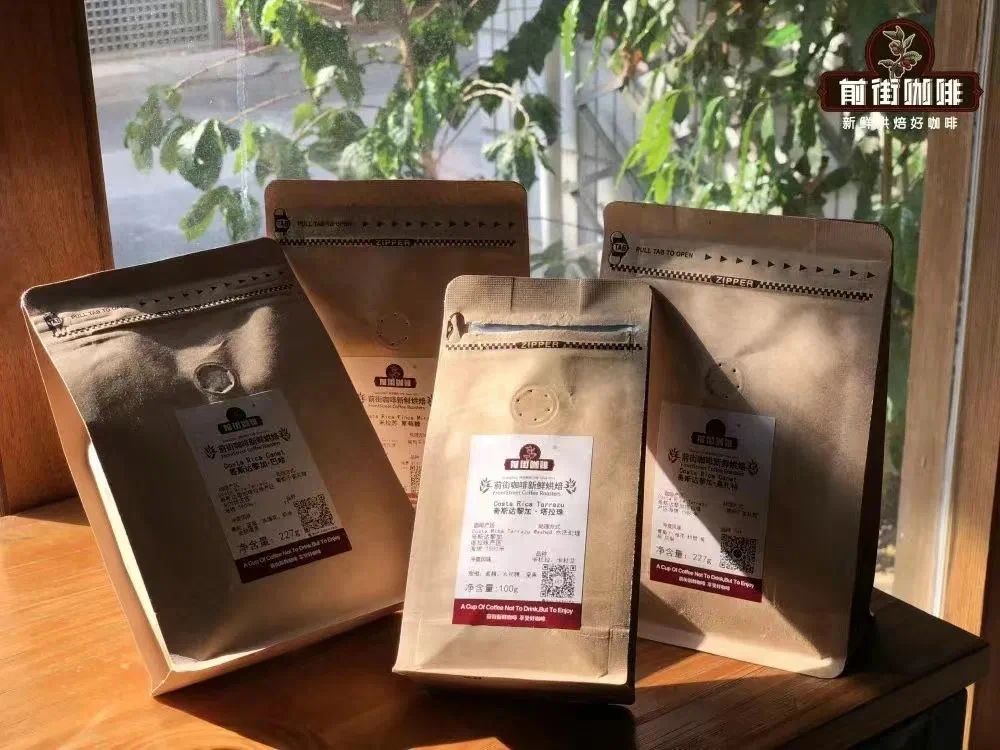
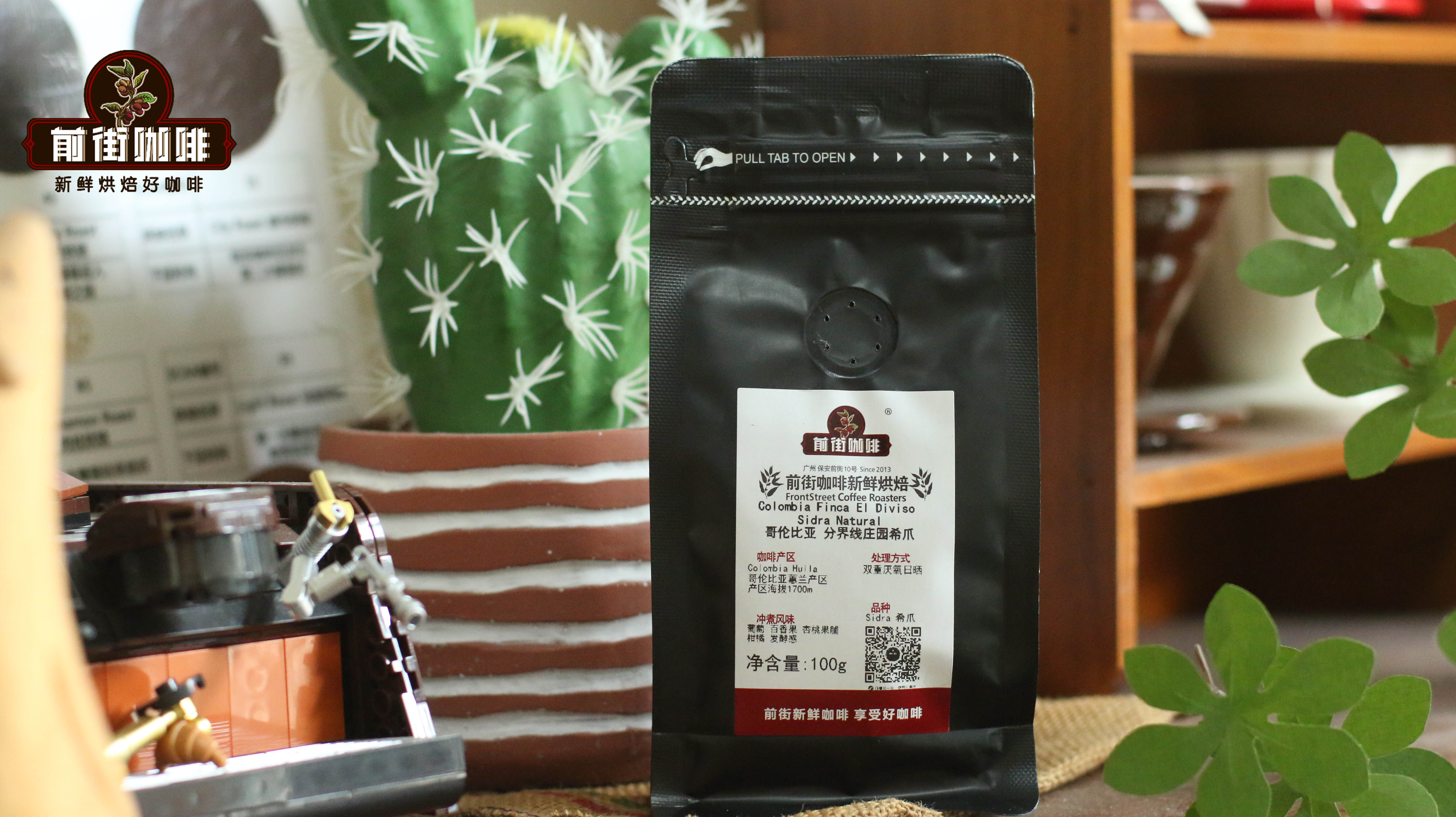
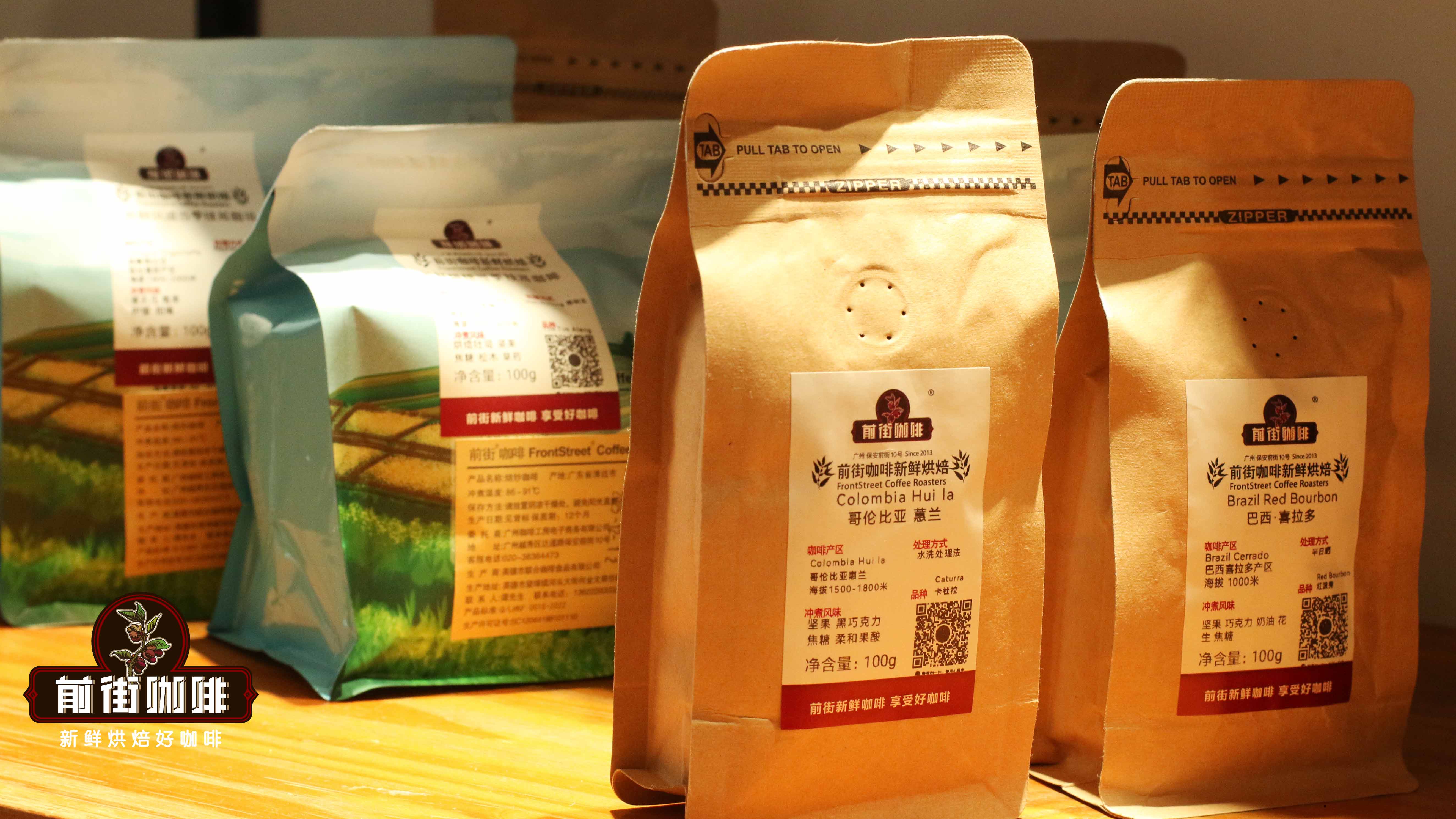
Ideally, coffee beans should be used shortly after roasting. Many high-quality roasters use one-way valve packaging, where the small button-like hole on the bag allows the naturally produced carbon dioxide from the beans to escape while preventing outside oxygen from entering, effectively slowing down flavor loss.Note: if the packaging does not display a roast date, or only shows an expiration date, the freshness may not be guaranteed.
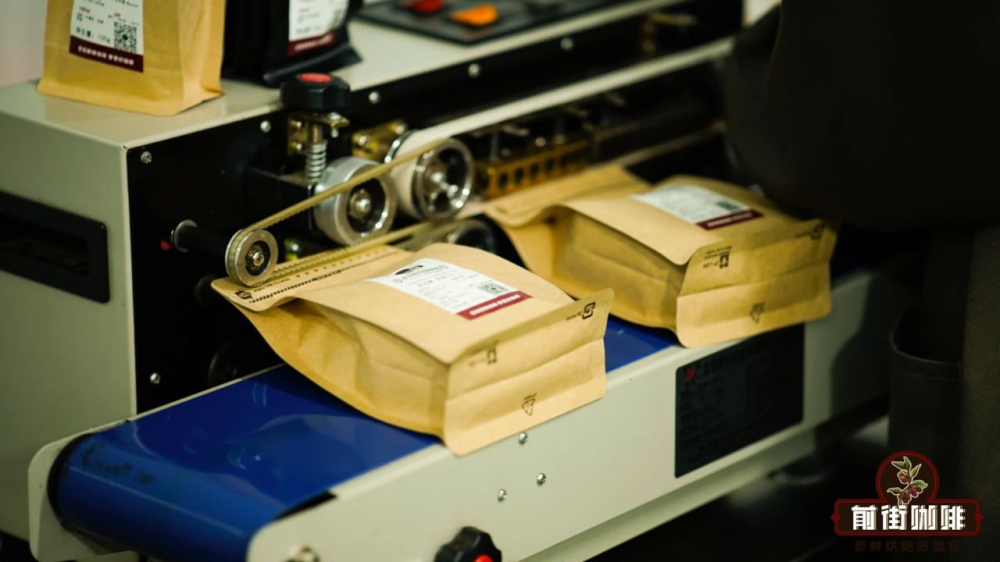
Why emphasize buying freshly roasted coffee beans? Because over time, coffee aroma deteriorates rapidly. Typically, after 50 days post-roast, most coffee beans have significantly lost their flavor, and even those of originally high quality can be hard to brew into a satisfying cup. Moreover, compared to pre-ground coffee,buying whole beans and grinding them yourself helps preserve the original aroma and flavor details to the greatest extent, which is especially important for pour over enthusiasts.
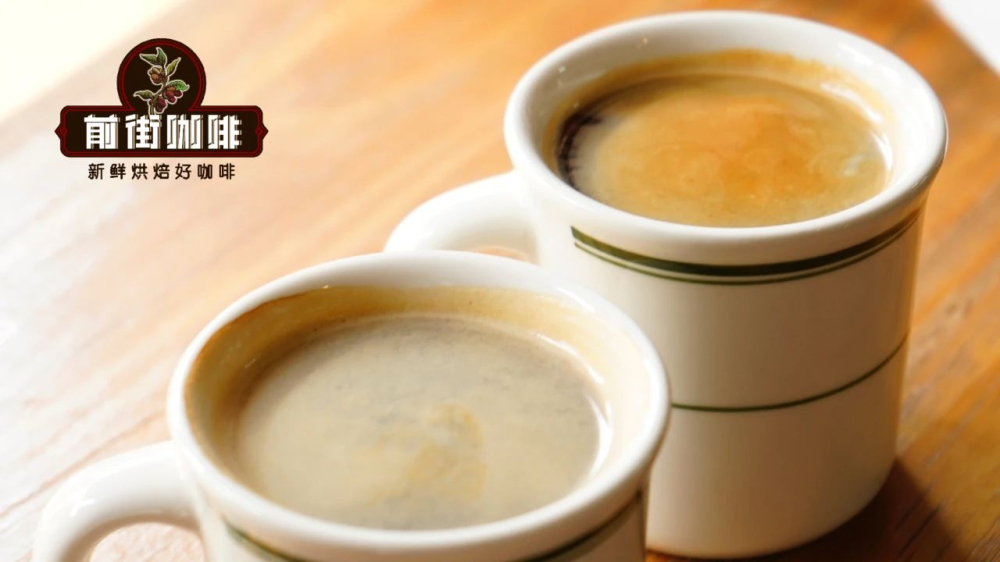
Besides freshness, roast level also directly affects the overall flavor direction of the coffee. Generally speaking, light roasts tend to be more acidic, with a bright and fresh profile; medium roasts offer a relatively balanced taste with moderate acidity and bitterness; dark roasts are distinctly bitter, with a rich and bold mouthfeel. Choosing a roast level that suits your personal taste preference can help you find your desired flavor more quickly.
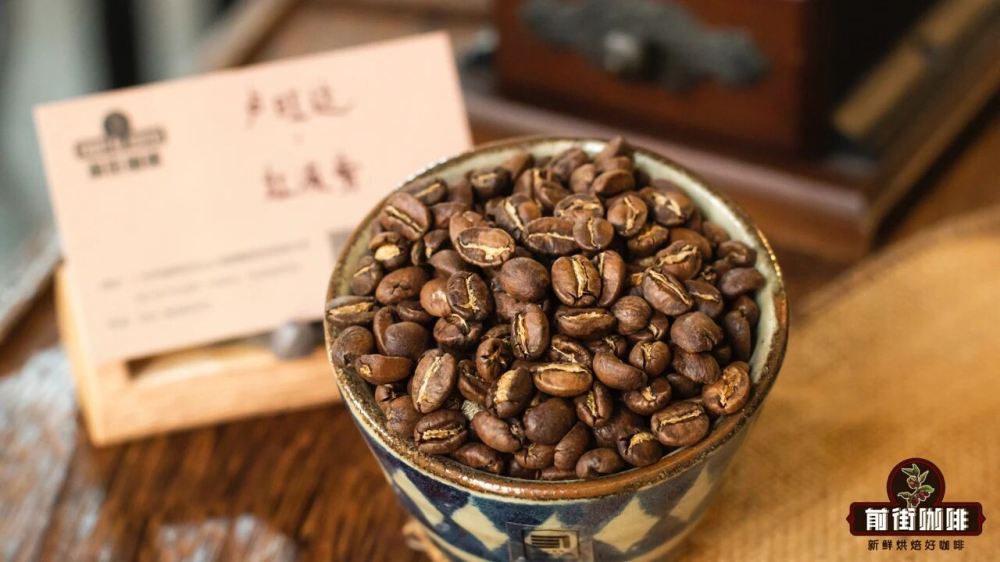
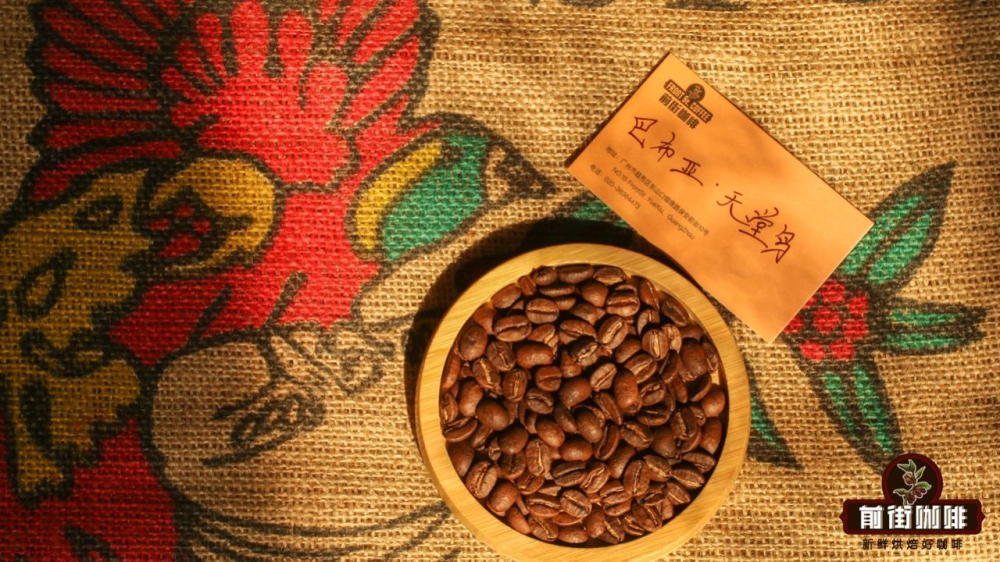
Light Roast Coffeetypically features floral, citrus, or berry aromas, with vibrant acidity and mild bitterness. It’s suitable for beginners who enjoy a clean and bright flavor profile. For example: Rwandan Red Bourbon offers berry, citrus, and caramel notes; Ethiopian Huila exhibits strawberry, citrus, and tropical fruit flavors; Bouquet Geisha is known for its jasmine aroma and honey-like sweetness, accompanied by citrus and green tea undertones. Other examples such as Ethiopian Guji Dingding, Kaffa Forest, Kenyan Little Tomato, washed Yirgacheffe, and natural Red Cherry also represent typical light to medium roasts, each showcasing unique fruit acidity and floral-fruity characteristics.
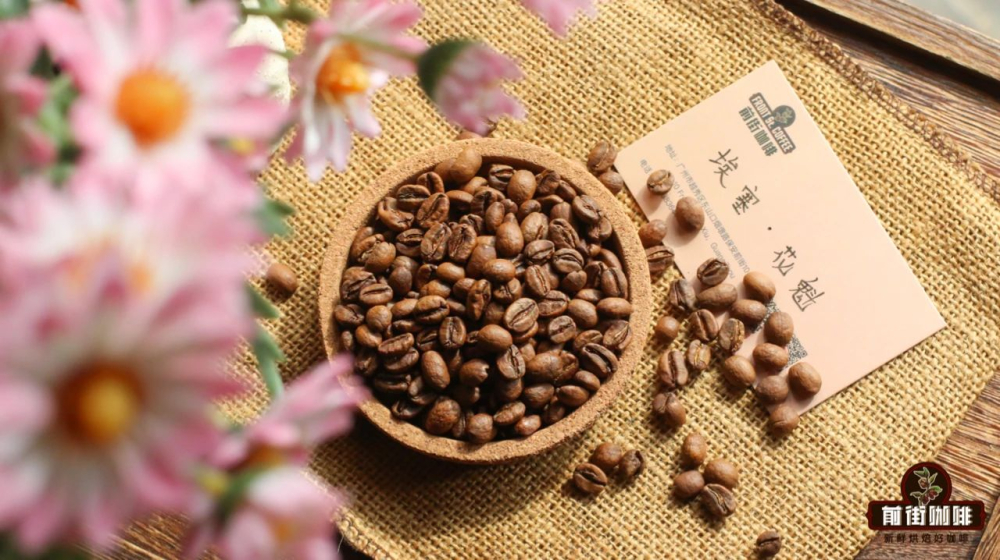
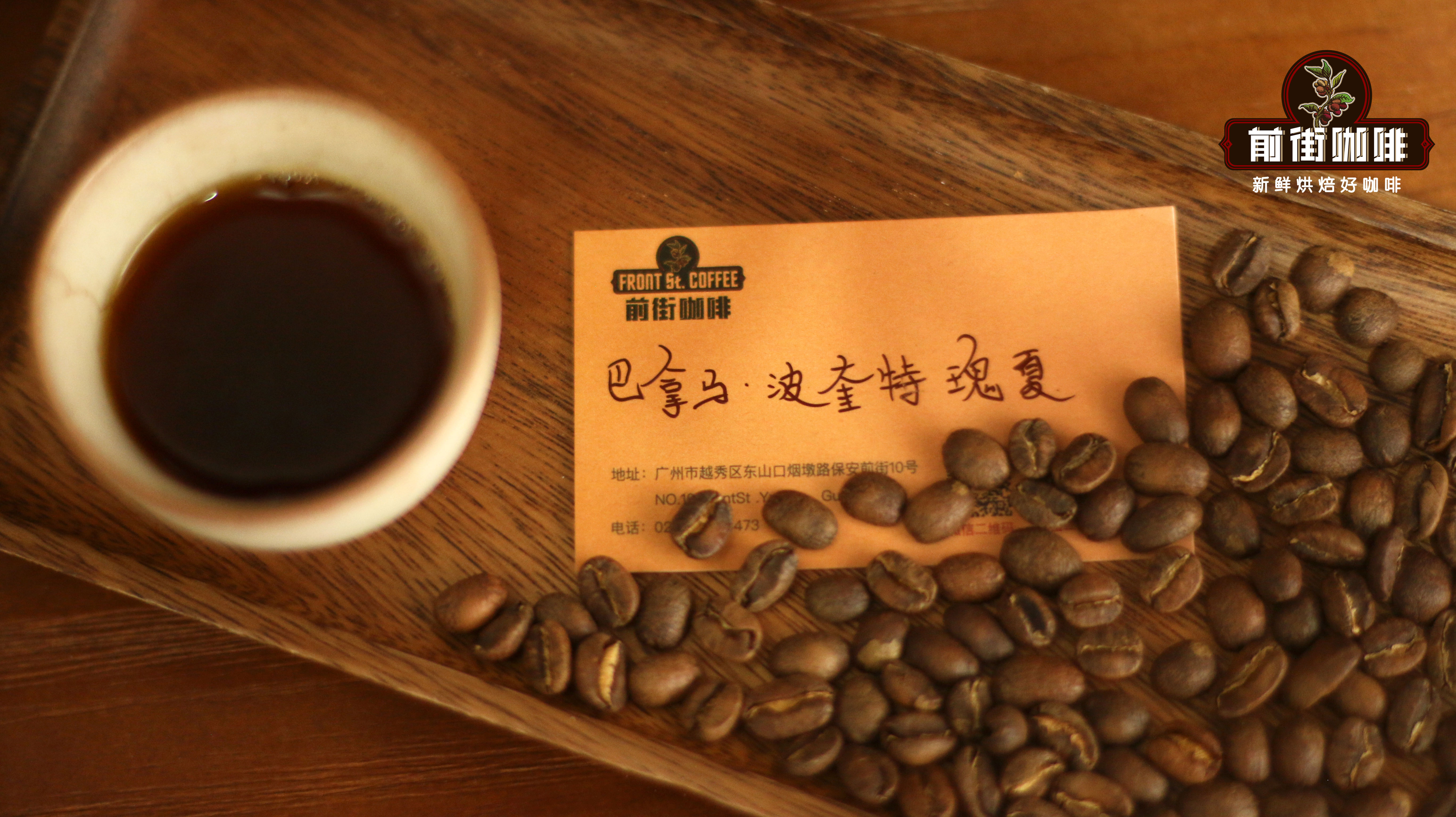
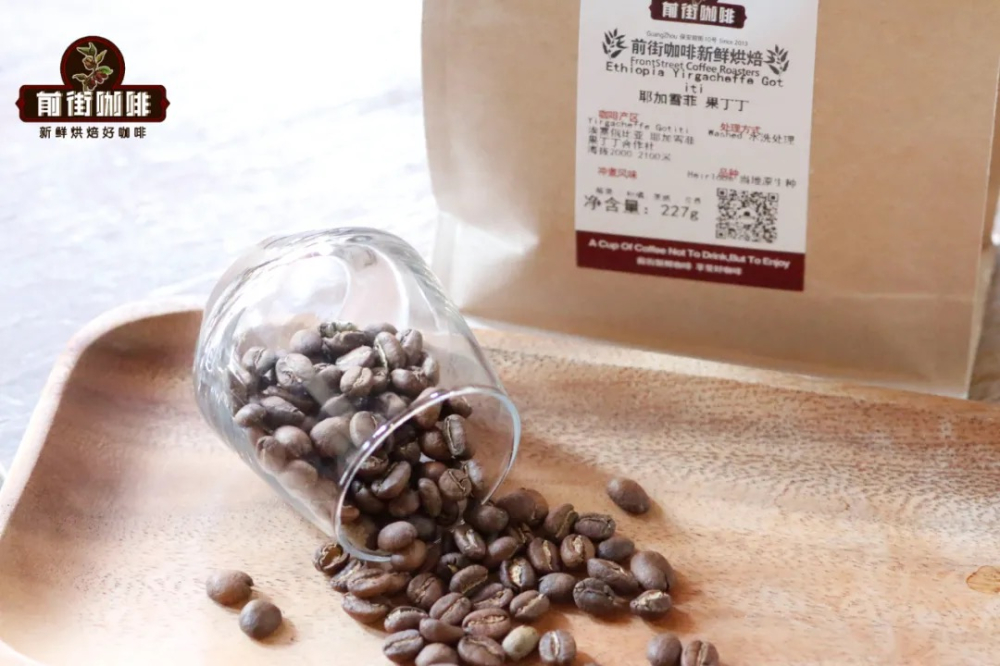
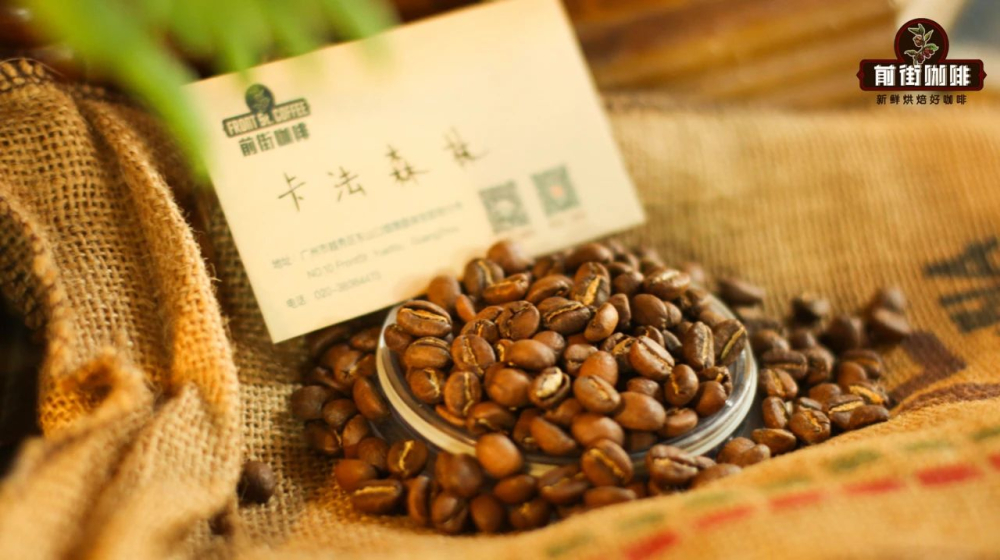
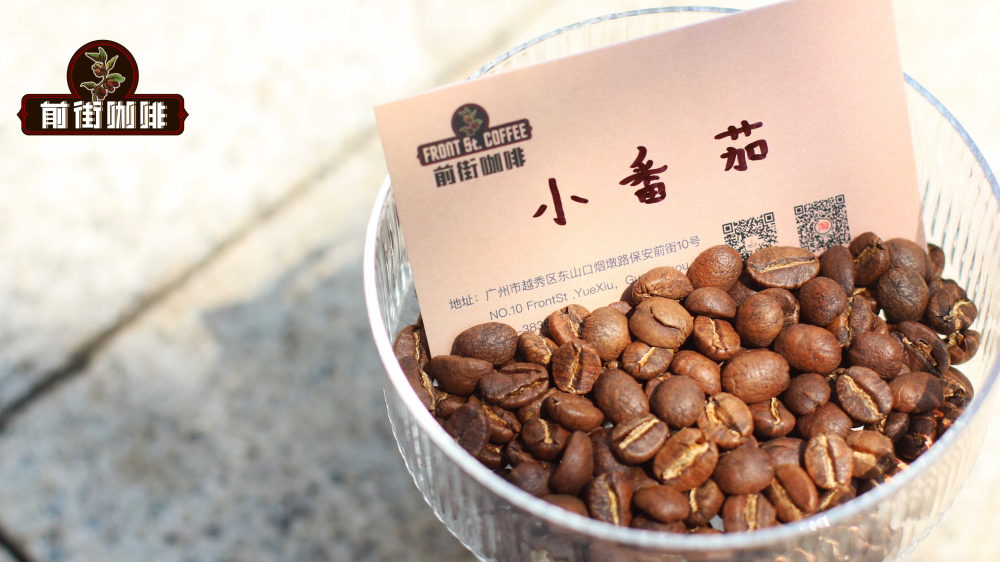
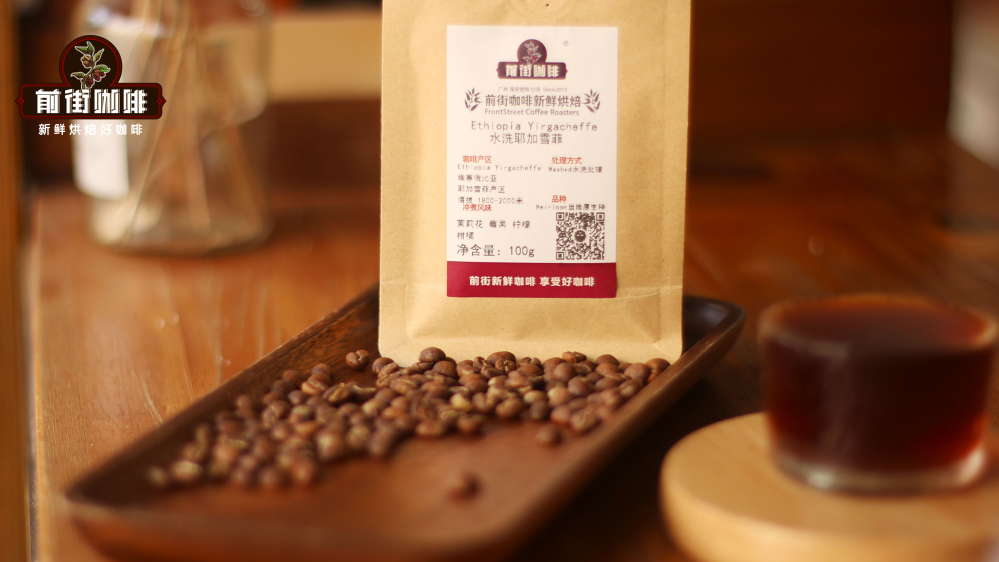
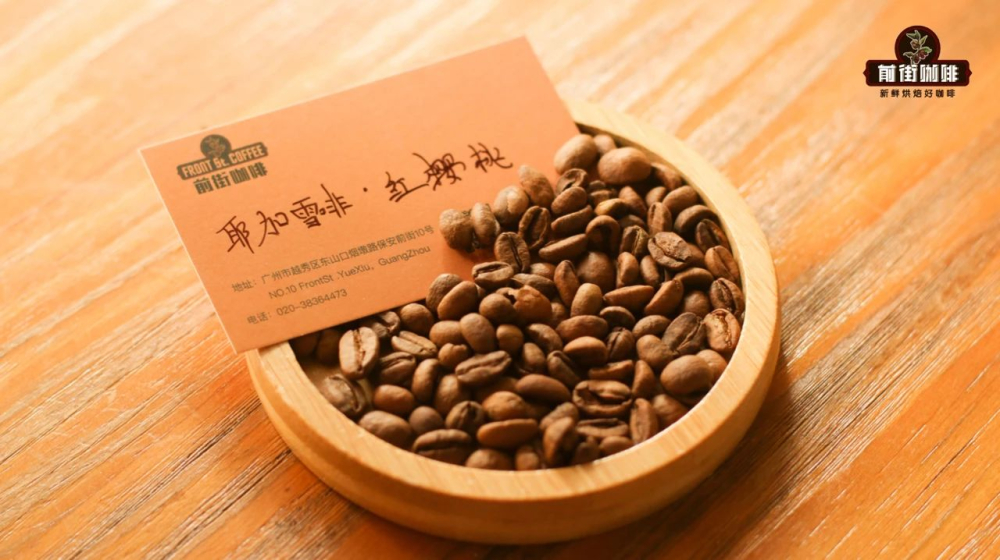
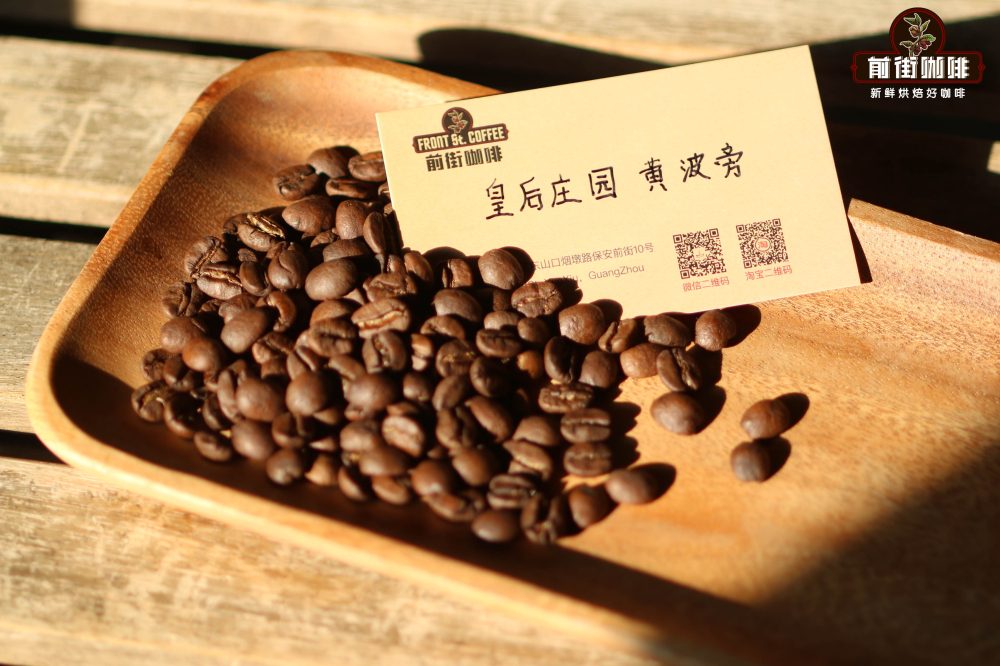
Medium roast coffee often presents richer fruitiness and sweetness, with a balanced acidity and bitterness, along with fermented notes reminiscent of ripe fruit or dried fruit, resulting in a smooth and rounded mouthfeel. Examples include Costa Rican Blackberry with grape and berry tones, and a hint of fermentation adding complexity; Colombian SHB combining grape, passion fruit, and citrus, complemented by apricot and dried fruit aromas; Costa Rican Mozart exuding osmanthus and red grape notes, paired with pineapple, raisin, and fruit wine complexities. These medium roast beans are well-suited for beginners wanting to explore layered flavors without overwhelming acidity or astringency.
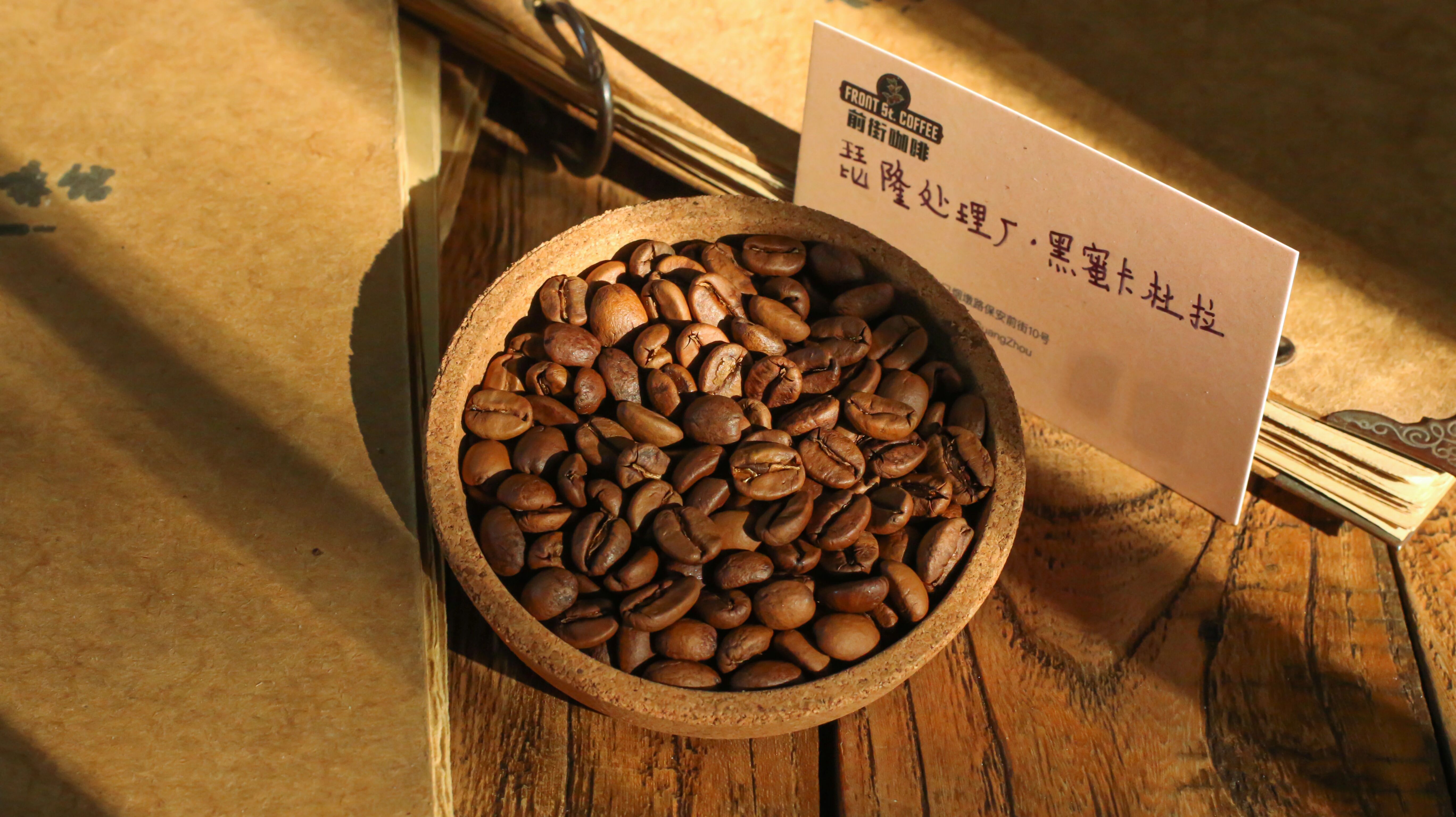
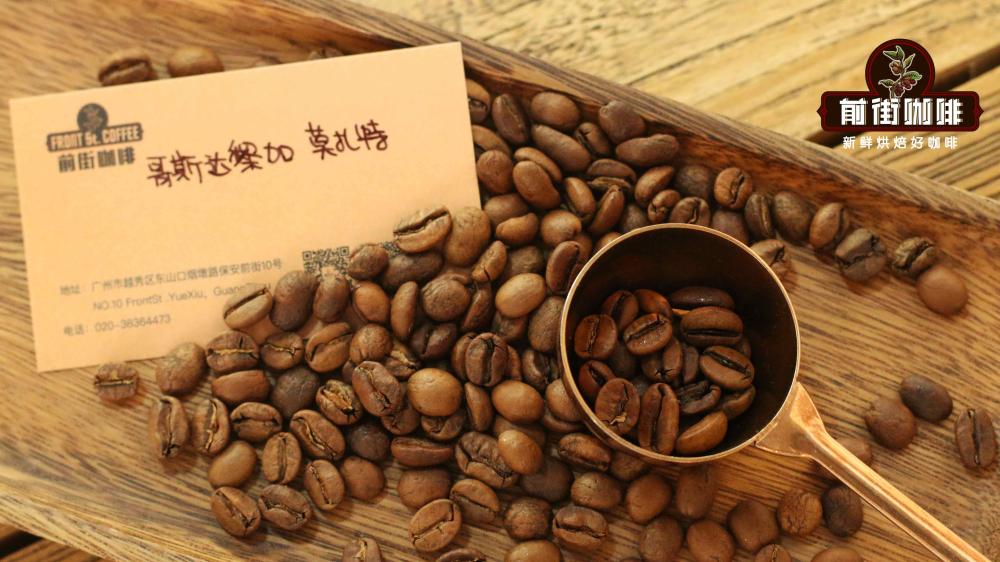
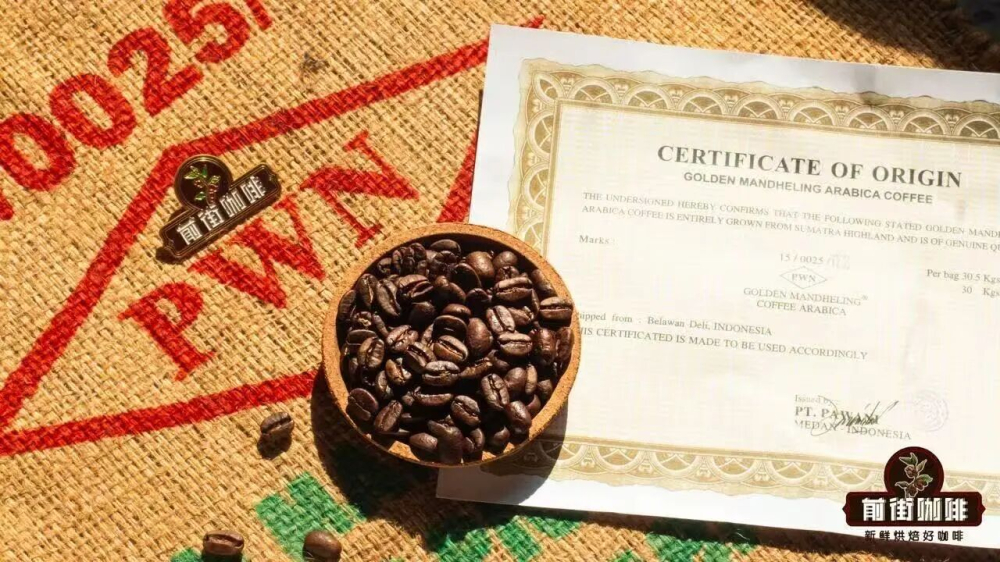
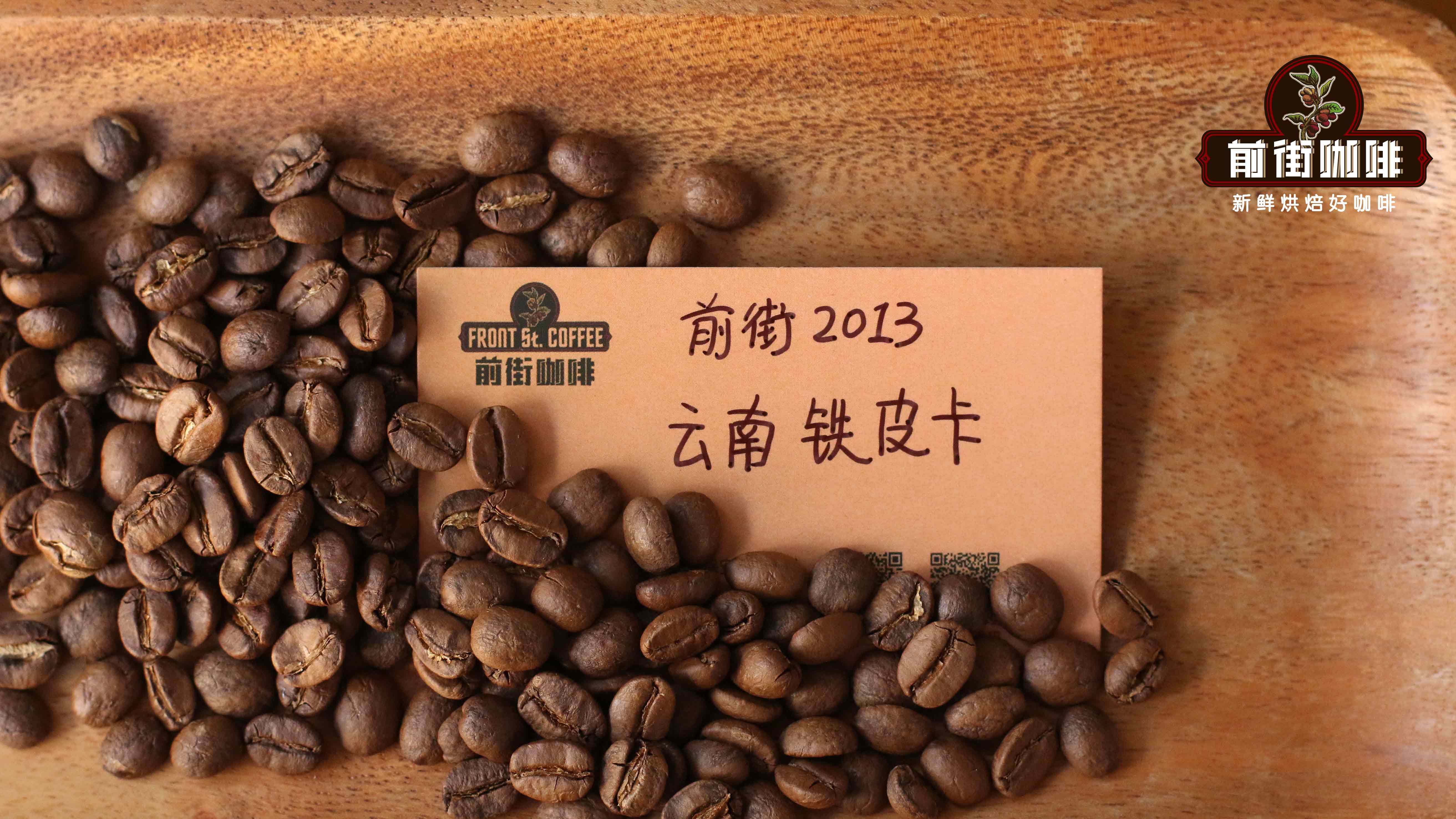
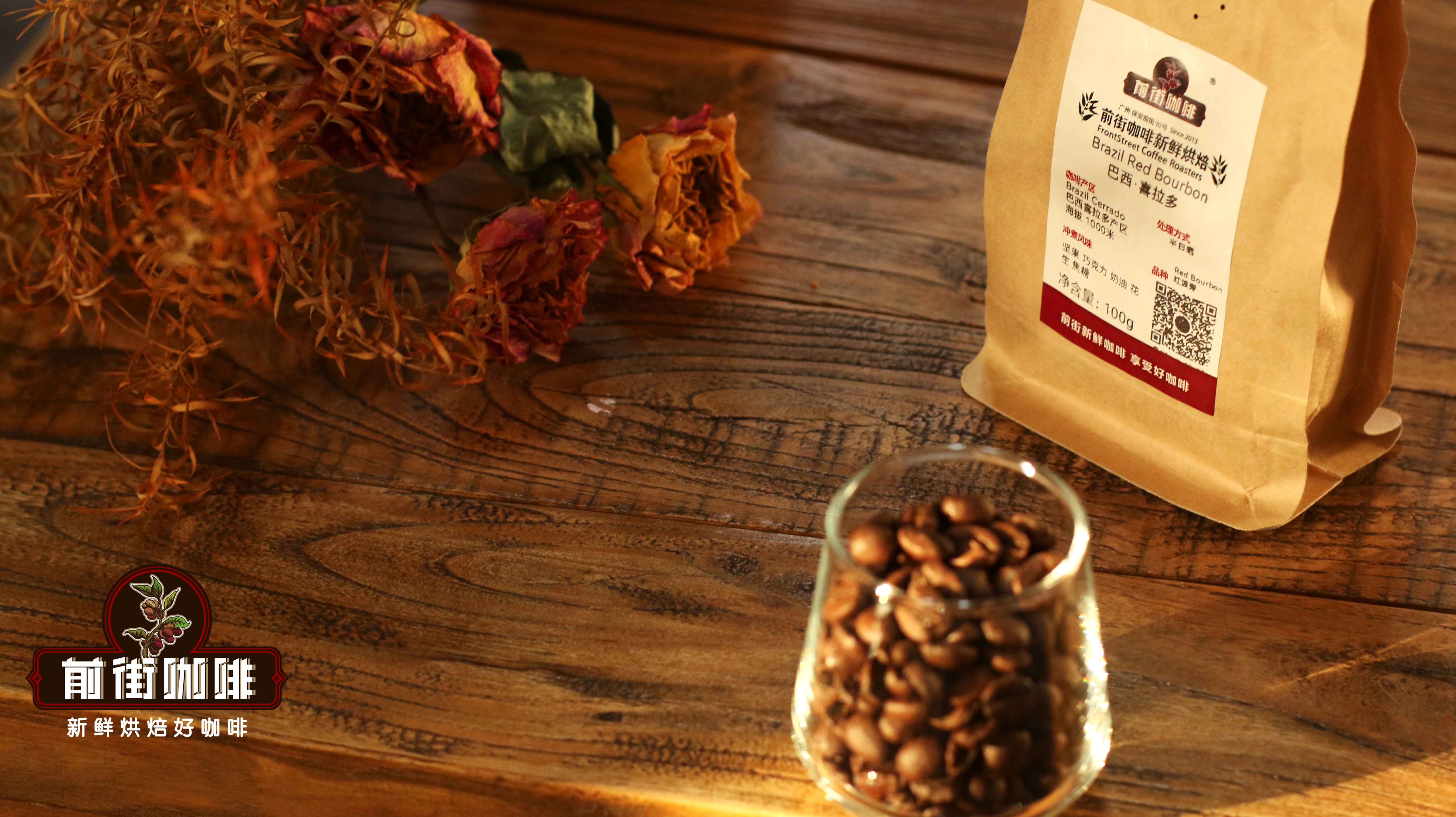
As forDark Roast Coffee, its characteristics include a strong, bold flavor with almost no perceivable acidity, a blend of bitterness and sweetness, and a rich, full-bodied mouthfeel, often accompanied by distinct smoky and woody notes. For instance, PWN Golden Mandheling offers black chocolate, caramel, and spice aromas, with herbal and pine wood notes adding depth; Brazilian Queen Estate presents a mellow profile of chocolate, roasted nuts, and butter; Colombian Huila is dominated by dark chocolate and cocoa flavors, complemented by creamy and roasted nut sweetness. Others such as Yunnan Typica, Honduran Catuai, Brazilian Red Bourbon, and PNG Paradise Bird also belong to the classic dark roast category, ideal for those who enjoy intense flavors and caramelized profiles.
Finally, when selecting coffee beans, in addition to paying attention to roast level and flavor descriptions, make sure the packaging clearly indicates the roast date, and try to consume the beans within their prime period to enjoy coffee at its best. Also, it’s recommended to buy whole beans and grind them at home—not only does this preserve more aroma, but it also allows you to adjust the grind size according to your pour over needs, further enhancing extraction quality.
The above content is compiled by CoffeeHunters, a coffee news website.

