







Introduction:Not sure where to start when looking for high-value everyday beans? This article carefully selects 7 single-origin beans from different regions, covering classic origins from Ethiopia and Brazil to Yunnan, spanning light, medium, and dark roasts. It provides a detailed analysis of each bean’s altitude, variety, processing method, and unique flavor profile, along with practical reference suggestions to help coffee beginners build a foundational understanding of flavors.
For daily coffee enthusiasts, having high性价比 everyday beans on hand is key to maintaining a consistent drinking habit. Focusing on the core need of “flavorful yet reasonably priced,” this article highlights seven representative single-origin beans from globally renowned regions—from the high-altitude Yirgacheffe in Africa to the Yunnan plateau in China. Each bean comes with a detailed flavor profile and processing method description to help readers avoid common purchasing pitfalls.
A common struggle for beginners is: “I have no idea about regional differences—how do I choose?” In fact, at the beginner stage, it’s recommended to first build a basic flavor memory bank through beans from classic regions. These entry-level everyday beans, which have been market-tested, not only showcase typical flavor characteristics of their regions (such as the pronounced fruit acidity of African beans or the nutty tones of Central and South American beans), but also ensure brewing success with stable roast levels, making them the best practice partners for honing your pour over skills.
The following seven “tactical” everyday beans come with specially designed reference suggestions tailored to different processing methods and roast styles:
• Washed beans are suitable for those who prefer clean acidity; it is recommended to use a slightly finer grind (medium-fine, around BG #6F).
• Honey or pulped natural beans require attention to sweetness balance; extraction time can be slightly longer than standard.
• Dark roast beans should be guarded against over-extraction bitterness; it is recommended to control water temperature within the 90–92°C range.
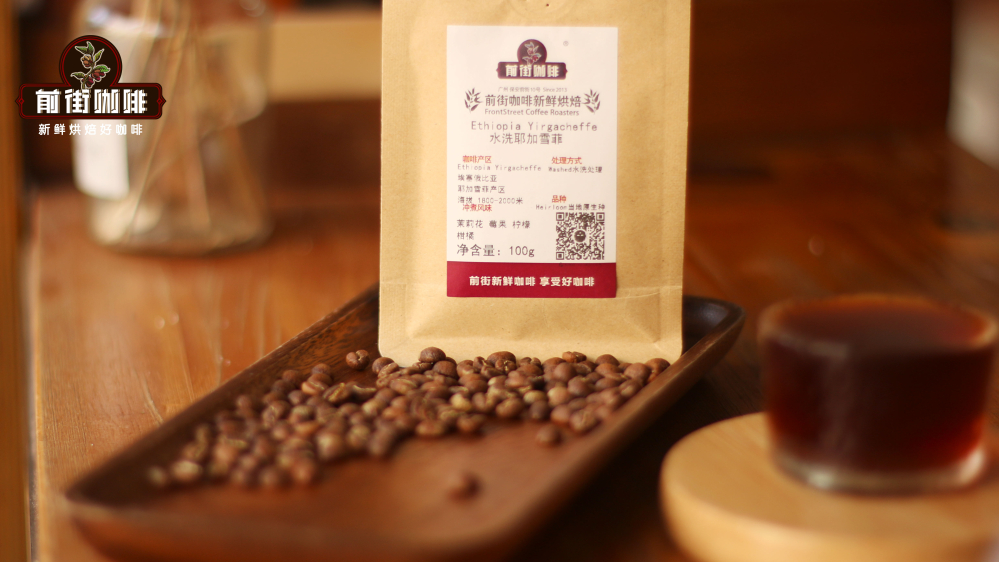
1. Yirgacheffe Washed(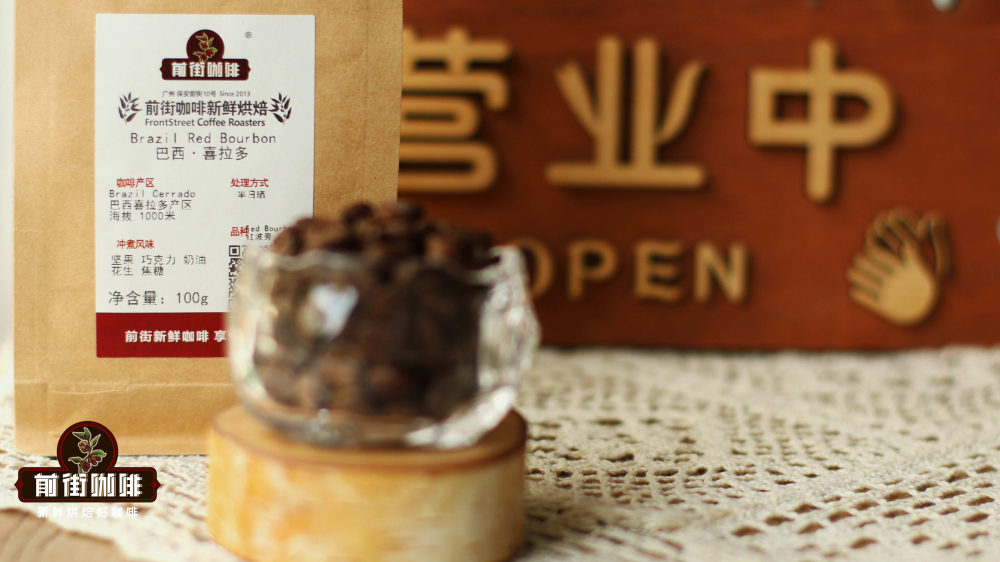 )
Produced in Ethiopia’s high-altitude region of 1800–2000 meters, this bean is processed using the traditional washed method with local native varieties. With bright citrus acidity at its core, it features delicate floral notes (with jasmine-like tones) and a berry finish. The acidity is lively yet not sharp, making it ideal for training your ability to discern layers of acidity. Recommended brewing parameters: coffee-to-water ratio 1:15, water temperature 88–90°C, and a center-pour method is suggested for pulse pouring.
2. Brazilian Pulped Natural Red Bourbon(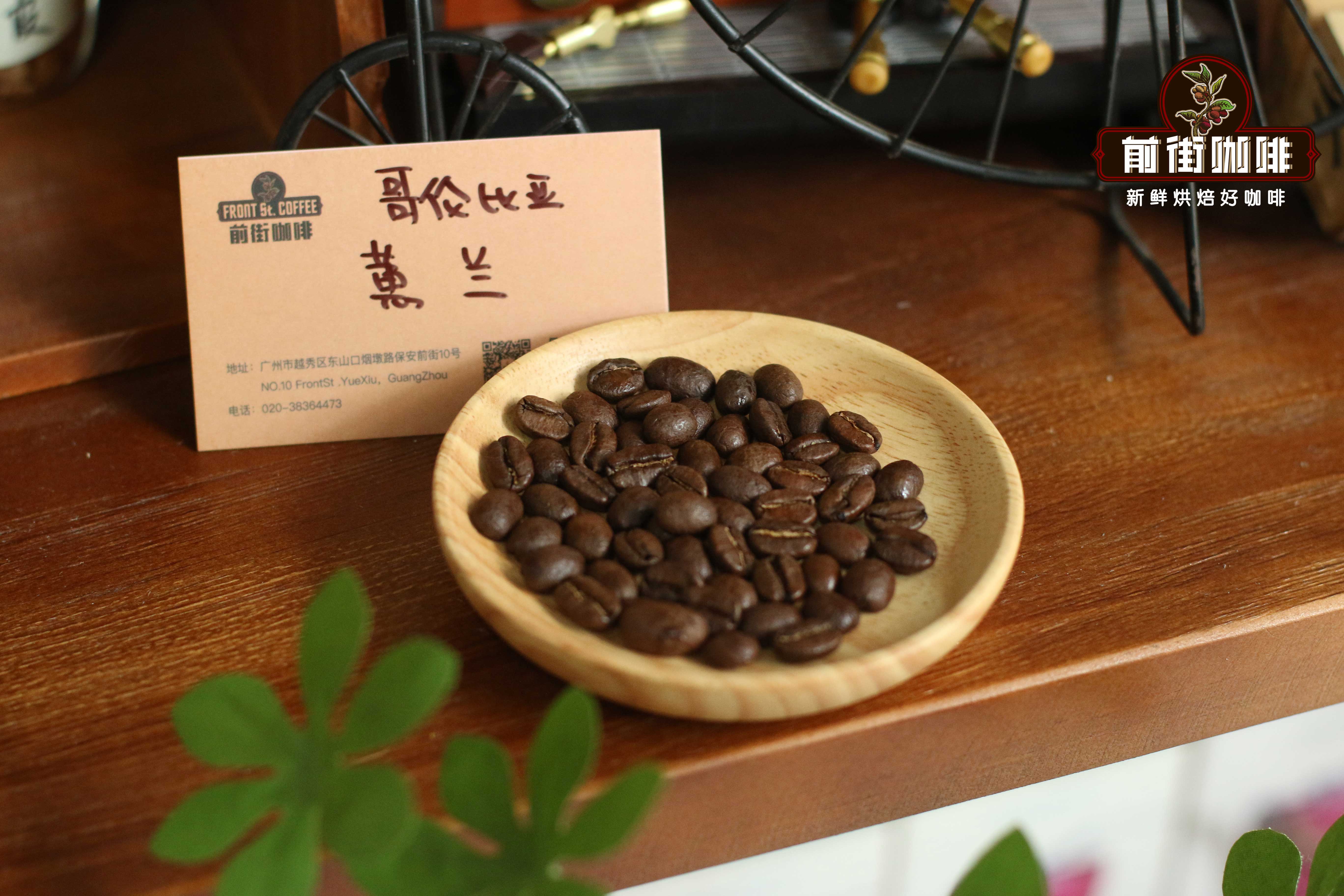 )
A Red Bourbon variety grown at 1000 meters in the South Minas region, enhanced in sweetness through the pulped natural process. Its flavor profile is built around a nutty base (with hints of macadamia) and blends milk chocolate and caramel sweetness, with a peanut brittle-like finish. It’s a well-balanced medium-roast bean. Special note: this bean has a lower moisture content, so allow for proper degassing time after grinding.
3. Colombian Huila Caturra(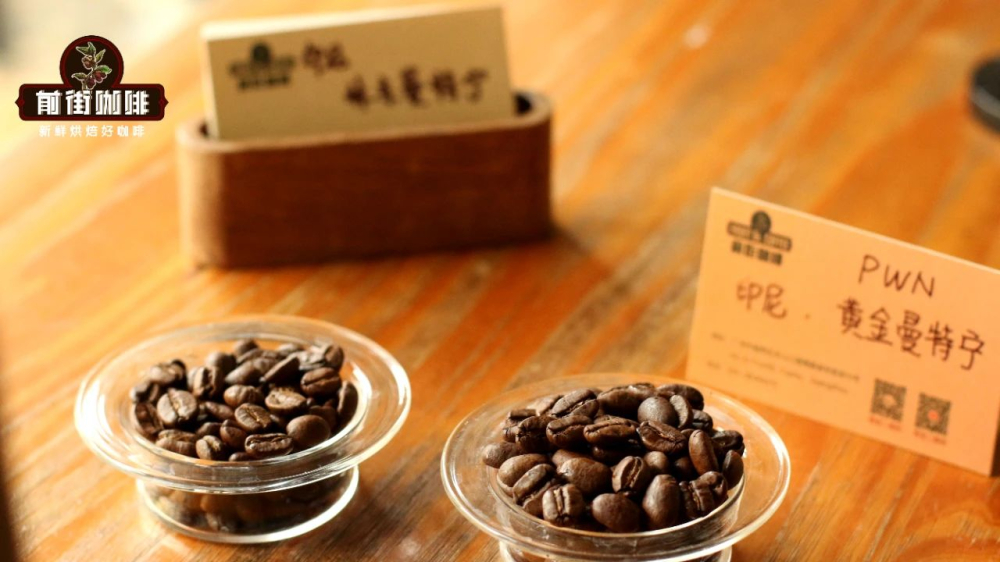 )
A washed Caturra variety grown at 1500–1800 meters, showcasing typical characteristics of Central and South American beans. With a prominent dark chocolate main note paired with gentle fruit acidity (green apple-like tones), caramel sweetness runs throughout the overall flavor curve. It’s suitable for drinkers who enjoy a full-bodied taste while seeking some acidity variation. When using a V60 filter, a three-pour method is recommended, with total extraction time kept within 2 minutes and 10 seconds.
4. Sumatra Mandheling
A wet-hulled blend of Typica/Caturra grown at 1100–1600 meters in Indonesia’s Lintong region, presenting the unique earthy and spicy profile of Southeast Asian beans. With roasted toast aroma as the base, it layers hazelnut-like nuts and pine wood notes, finishing with a slight herbal hint. It pairs well with milk for making lattes. Note that wet-hulled beans can have irregular density, so inspect bean integrity when selecting.
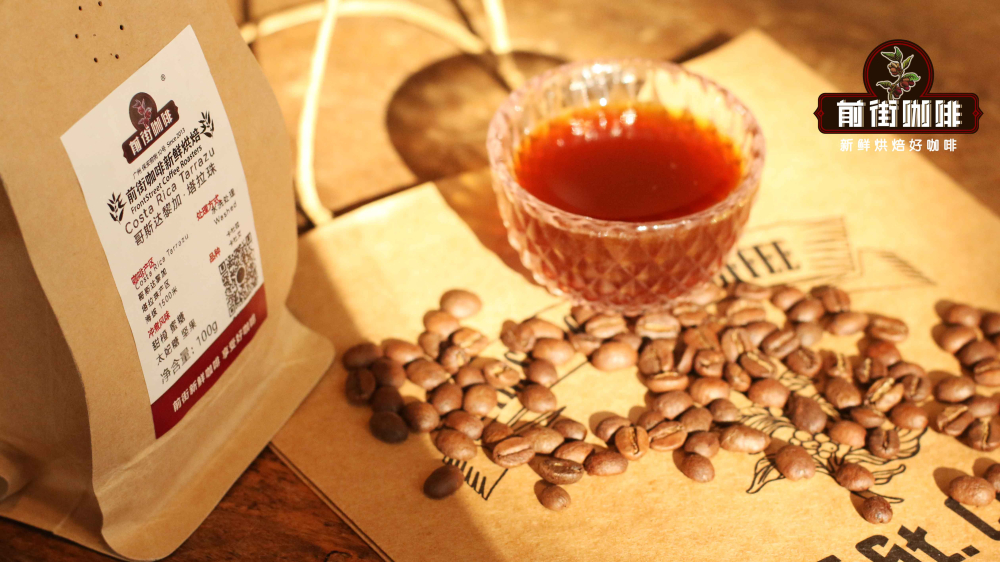
5. Costa Rica Tarrazú(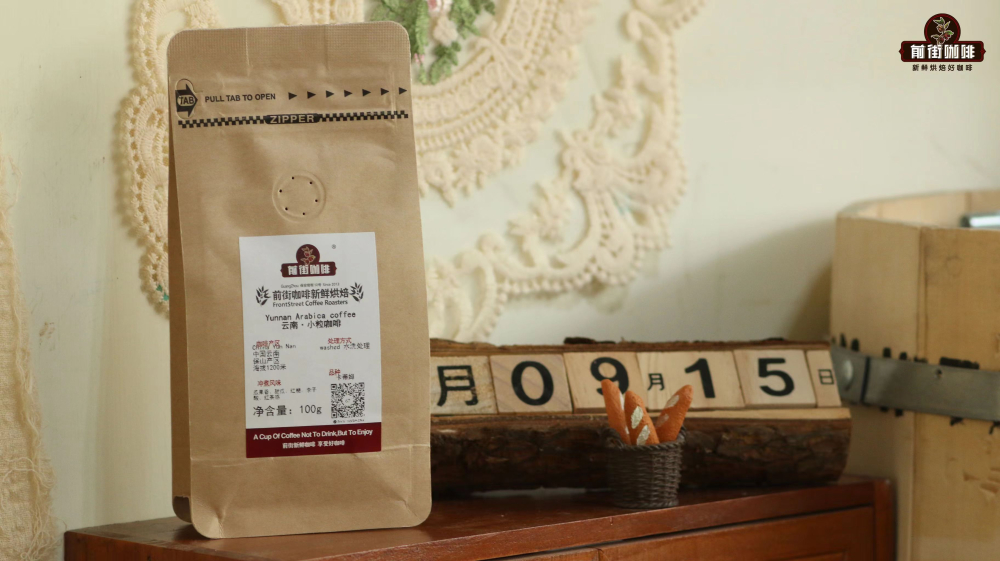 )
A washed blend of Caturra/Catuai grown at 1500 meters, demonstrating the balanced profile of Central American beans. Its standout sweet orange acidity transforms into honey-like sweetness, paired with a rich toffee-like caramel layer, and stable nutty tones in the mid-palate. It’s an excellent choice for beginners trying honey-processed beans. You may try increasing the water temperature to 92°C during pour over to enhance sweetness release.
6. Yunnan Baoshan Small Bean Variety
A washed Catimor variety grown at 1200 meters, showing a rare fruity expression among Asian beans. With clear cantaloupe and brown sugar sweetness as the main notes, complemented by the brightness of plum acidity, the finish carries a tannin-like astringency reminiscent of black tea. It’s suitable for exploring flavor possibilities from non-traditional regions. Special note: this bean is recommended to rest for no less than 14 days.
The above content is compiled by CoffeeHunters, a coffee news website.

