







Introduction:Blended coffee beans are not only a common base in coffee shops but also key to achieving consistent flavor profiles and rich crema. Compared to single-origin beans, blends combine characteristics from different regions, enhancing extraction consistency. This article delves into the advantages of espresso blends, explaining why they are ideal for making classic coffees like lattes and cappuccinos. We also recommend a variety of blends with distinct flavor profiles—from bold nutty notes to vibrant fruity profiles—to help readers find the blend that best suits their taste and needs.
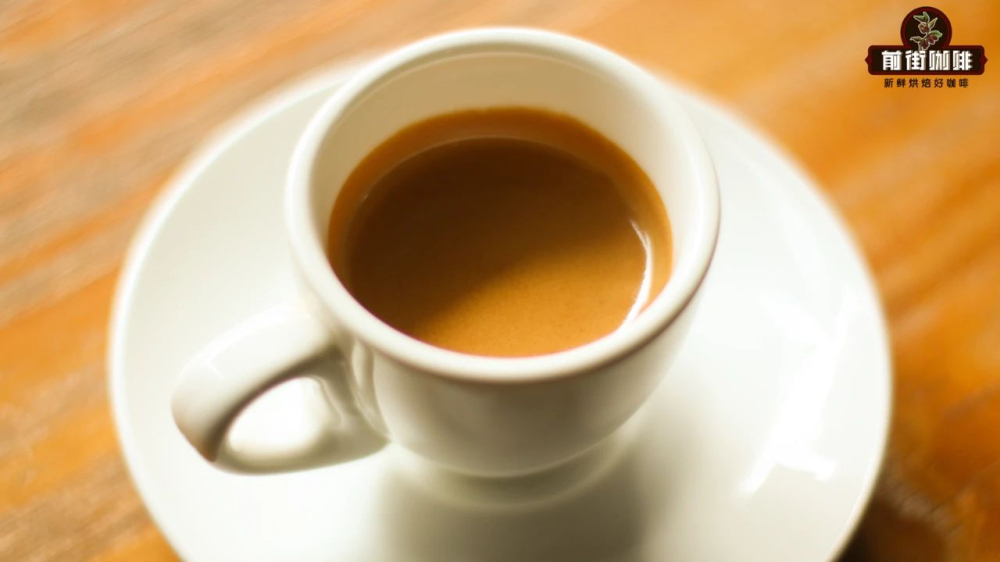
Blended coffee beans are combinations of two or more beans sourced from different regions, blended in specific proportions. In the vast majority of coffee shops, unless explicitly labeled as single-origin, the espresso-based drinks on offer—such as Americanos, lattes, and cappuccinos—are typically made with medium to dark roasted espresso blends. These blends often yield Americanos that are bright and sweet with lingering notes of chocolate and cocoa, while lattes showcase creamy, nutty, and smooth sweetness.
Many people mistakenly assume that blends are merely a cheaper alternative, but there’s more depth to their use. Employing blends isn’t simply about cost-saving—it’s about achieving flavor balance and extraction stability. Since coffee beans are agricultural products, annual variations in climate and soil conditions can affect their flavor expression. A single-origin bean might be aromatic and vibrant one year but overly acidic or tainted with off-flavors the next. Blending techniques skillfully combine the strengths of beans from different regions—for instance, pairing bright and acidic beans with those that are full-bodied and low in acidity—to create a smoother, more layered coffee experience.
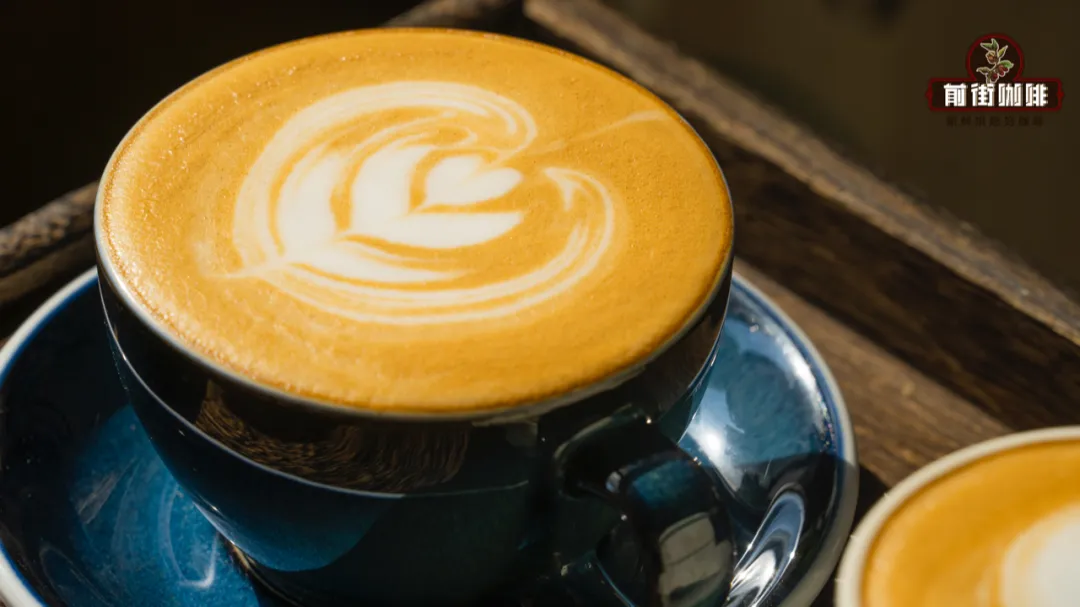
Image location: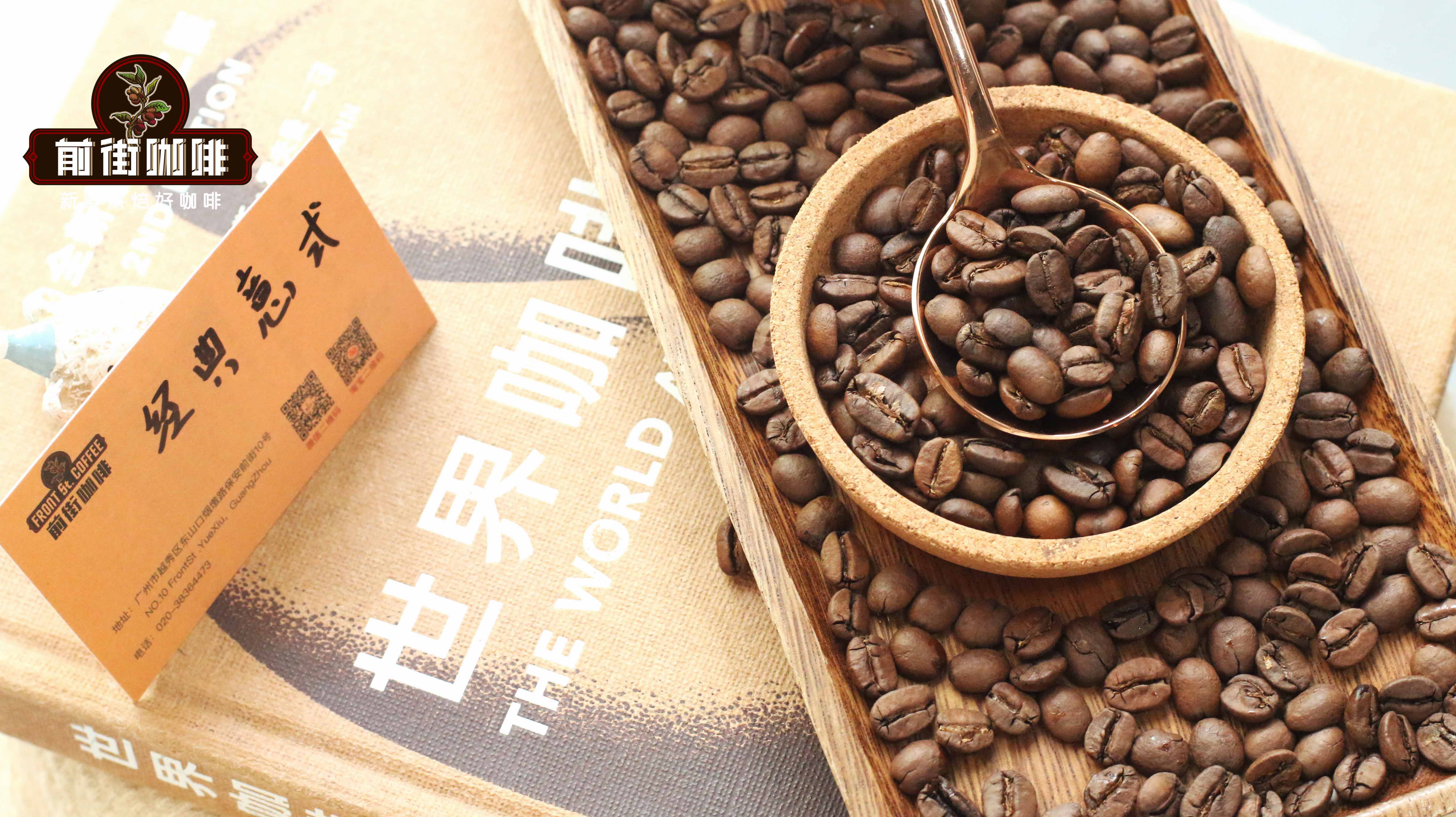
If you prefer a bold and rich coffee flavor, consider the classic combination of Indonesian Mandheling and Brazilian beans. Some blends further incorporate a small amount of Robusta to enhance the body and crema, resulting in richer espresso oils—ideal for crafting latte art at home. These blends not only deliver intense nutty and chocolatey tones but also retain a pleasant sweetness and full-bodied mouthfeel, making them a timeless favorite among many coffee enthusiasts.
Image location: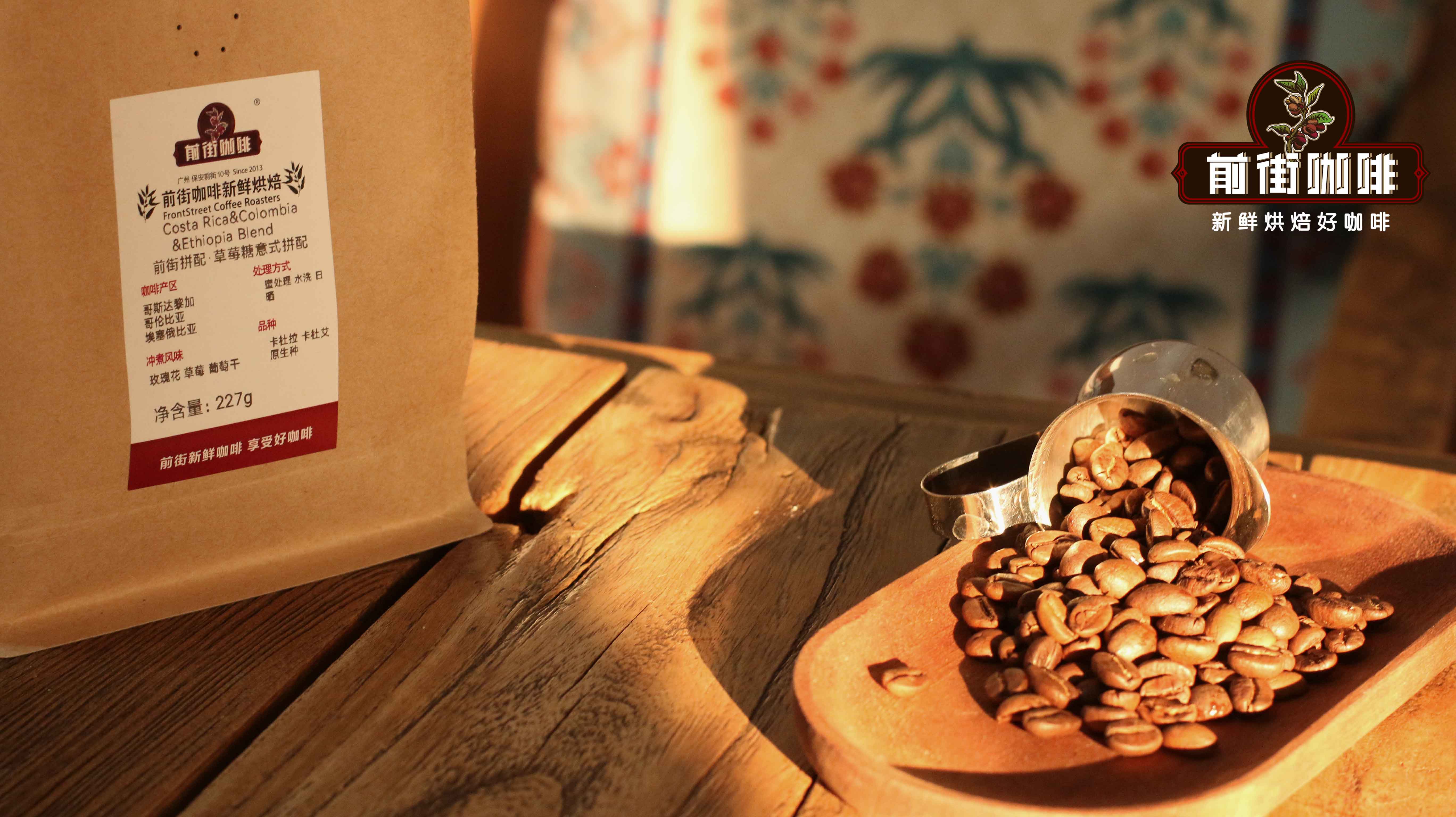
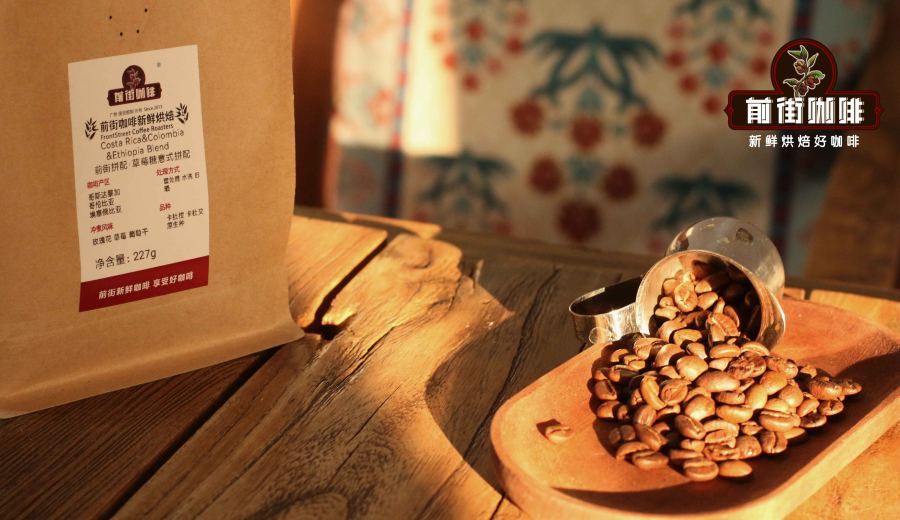
For those who enjoy pronounced fruity and bright acidic notes, we recommend blends that are primarily light to medium roasted. For example, a mix of Costa Rican honey-processed beans and Ethiopian coffee, complemented by a touch of Colombian beans, can produce delicate strawberry taffy-like acidity alongside a smooth texture and stable crema. These blends are suited for consumers seeking a refreshing profile without overly heavy body, especially ideal for summer or those who appreciate floral and fruity notes.
Image location:
If you’re drawn to nutty and chocolatey flavors, a blend of Brazilian and Colombian beans is a great choice. Brazilian beans are known for their low acidity, nutty aroma, and balanced taste, while Colombian beans often bring caramel, chocolate, and subtle fruitiness. Together, they create a synergistic effect greater than the sum of their parts, yielding aromas of butter cookies, cocoa, and roasted nuts—perfect for coffee drinkers who favor warm, full-bodied flavors.
Image location:
To replicate café-quality Americanos and lattes at home, opt for a medium-dark roasted blend of Brazilian, Colombian, and Vietnamese beans. These blends typically feature rich crema and bold roasty aromas. The resulting Americano is smooth and mellow, ideal for straight drinking, while the latte showcases a velvety fusion of milk and coffee with a long-lasting finish. It’s a top daily favorite among home users and offers excellent value for money.
Image location:
For those new to espresso or looking to manage their budget, starting with an affordable yet well-balanced basic blend is advisable. These beans usually offer gentle fruit acidity, caramel sweetness, and stable nutty and dark chocolate notes, with a smooth texture and moderate body. Whether for home use or small cafés, they deliver solid value and consistent performance, making them an ideal entry point into the world of blended coffee.
The above content is compiled by CoffeeHunters, a coffee news website.


