








Introduction:Many coffee enthusiasts wonder why espresso is typically made with blends rather than single-origin beans. This article delves into the definition of espresso blends, how they differ from single-origin beans, and why they are better suited for espresso. It also explains the key parameters for extracting espresso—such as water pressure, water temperature, grind size, dose, extraction time, and yield—to help you master professional-level coffee-making skills. Additionally, it recommends several common flavor profiles to illustrate how different blends affect the final taste.
Each café has its unique flavor profile, and even international chains like Starbucks ensure customers worldwide enjoy a consistent coffee experience through standardized blend recipes. Starbucks once launched a blend combining beans from Latin America and Indonesia, refined through repeated adjustments to deliver a soft acidity, caramel sweetness from dark roasting, and a hint of spice. This is the charm of blends—harmonizing characteristics from beans of different origins to achieve an ideal flavor balance.
So, what is an espresso blend? Simply put, a blend consists of two or more coffee beans from different regions or roasted to varying degrees, mixed in specific proportions. In contrast, single-origin beans come from a single location, such as the renowned Yirgacheffe or Colombia. Since single-origin beans are often medium to light roasted to highlight regional flavors, using them directly for high-pressure espresso extraction can amplify certain traits—like excessive acidity or lack of sweetness—which may not align with the general expectations for espresso.

The primary goal of creating blends is to balance acidity, sweetness, bitterness, and body by complementing the characteristics of different beans, resulting in an ideal flavor with minimal defects. Professional blends usually involve three to five types of beans to minimize variability while relying on the roaster’s deep understanding of each origin’s flavor and processing methods to maximize strengths and mitigate weaknesses. For example, a bright but less sweet bean can be paired with another that has pronounced bitterness but high body to enhance overall performance.
Espresso favors blends because this brewing method requires a rich, balanced, and stable flavor profile. Blending ensures every shot of espresso has sufficient body, a moderate acid-to-sweetness ratio, and an appealing aftertaste. So, how do we actually choose the right espresso blend?
Common espresso blends on the market are often tailored to target flavor profiles. For example, a classic combination might be Brazilian and Colombian beans, mixed in a roughly 7:3 or 6:4 ratio. The former typically contributes a rich, creamy, chocolatey profile with hints of peanut, while the latter offers nutty aromas and subtle acidity. Together, they often produce a shot with a full body, smooth texture, and a touch of bitterness.

Some blends also include a small amount of Robusta beans, which are known for their high caffeine content and intense bitterness. These are commonly used in instant coffee or espresso blends to boost richness and crema. While some coffee lovers are hesitant about Robusta, using it in moderation can add unique dimensions—such as increased bitterness and body—to the overall flavor. When used in the right proportion, it can even become a highlight.
Another example is a blend of Yunnan and Brazilian beans, which can showcase soft fruity acidity and intense dark chocolate notes, along with a balanced sweetness, making it suitable for consumers who prefer a mellow taste. If beans with distinct berry notes—like Yirgacheffe Red Cherry—are added, they can introduce unique fruity and wine-like aromas to the espresso. However, care must be taken to balance the acidity and sweetness to avoid overly sharp acidity after extraction.

Choosing the right blend is just the first step; espresso extraction also requires precision. Even with high-quality blends, improper parameter settings can still lead to flavor imbalance. Below are the key factors that influence espresso extraction:
1. Water Pressure:A stable 9 BAR pressure is generally recommended, as it is the industry-standard optimal pressure for extracting espresso, effectively bringing out the coffee’s aroma and flavor compounds.
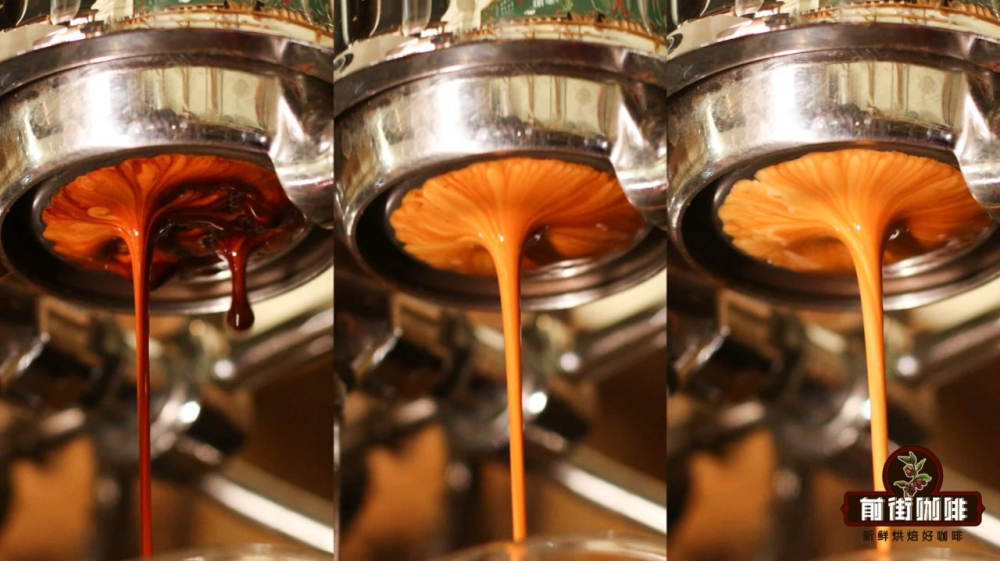
2. Water Temperature:Most professional baristas maintain the water temperature between 90°C and 92°C, adjusting slightly based on the roast level of the beans. Too high can lead to over-extraction, resulting in burnt bitterness, while too low may cause under-extraction, leading to a flat flavor.
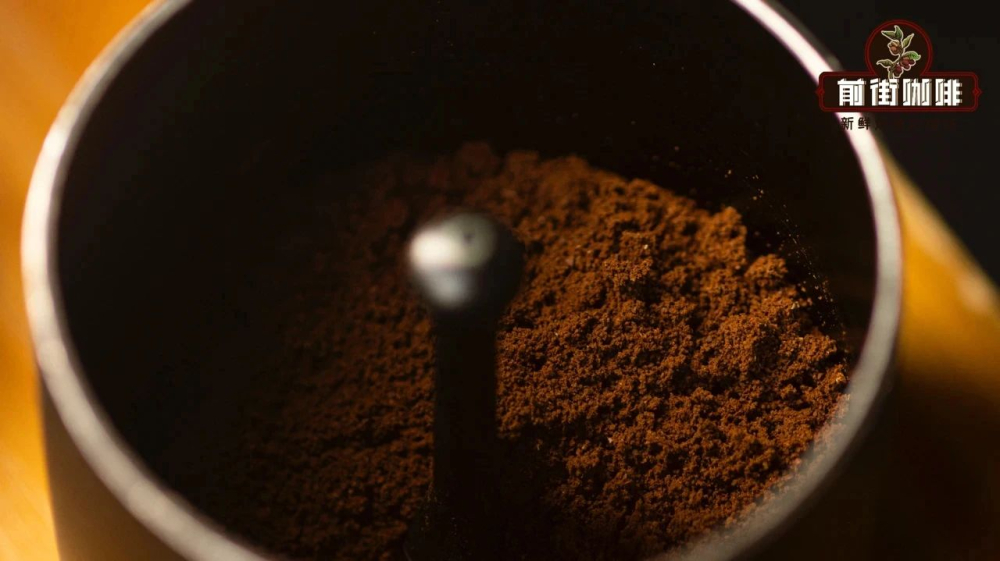
3. Grind Size:Espresso requires an extremely fine grind, similar to powdered sugar or finer. Grind size directly affects flow rate: too coarse results in fast extraction, potentially leading to thin body and prominent acidity; too fine causes slow flow, often leading to over-extraction and bitterness. It’s recommended to experiment with actual shots to find the optimal balance between flow rate and flavor.

4. Dose:A standard single shot of espresso typically uses 12–14 grams of coffee, while a double shot uses about 20–22 grams. The dose directly impacts total extraction and concentration, so it’s advisable to adjust based on your machine’s portafilter capacity and flow performance.
5. Extraction Time:The ideal extraction time is 25–28 seconds, during which the coffee and water should fully interact. However, actual time may vary depending on tamp pressure, grind size, and dose, requiring flexible adjustments based on the situation.
6. Yield:A single shot usually yields 20–21 grams of liquid, while a double yields around 40 grams. The coffee-to-water ratio (e.g., 1:2 or 1:2.5) also plays a key role in determining the espresso’s taste and intensity, so it’s recommended to fine-tune based on personal preference.

Once you’ve mastered these parameters, you can consistently extract balanced and flavorful espresso. Whether you’re aiming for a rich body, bright acidity, or smooth sweetness, selecting the right blend and precise extraction will help you achieve your ideal coffee flavor. Moreover, whether you’re a beginner or a seasoned barista, understanding these principles will empower you to make smarter choices in your daily brewing.




The above content is compiled by CoffeeHunters, a coffee news website.


