








Introduction:Want to make smooth and delicious latte coffee at home just like in a café? This article will delve into the key elements of making a great latte — from selecting the right espresso beans, pairing with milk, to the extraction ratio and detailed steps for the shot — guiding you step-by-step to achieve the perfect balance in your latte. Whether you’re a beginner or already have some experience, you’ll gain practical tips to elevate your home coffee quality.
Latte (Latte) is often the first choice for many coffee enthusiasts, thanks to its smooth texture and the balanced richness of coffee aroma that makes people come back for more. However, many find that their homemade versions don’t quite match the flavor of those made in cafés. So, what adjustments should you make to create a satisfying latte?

First and foremost, the foundation of a high-quality latte lies in correctly extracting the espresso and pairing it with the right milk. Espresso is the soul of a latte, and the quality of its extraction directly affects the final flavor. Meanwhile, the choice of milk and temperature control are key to shaping the texture and foam. Only when both elements reach an optimal balance can the latte’s signature silkiness and richness be achieved.
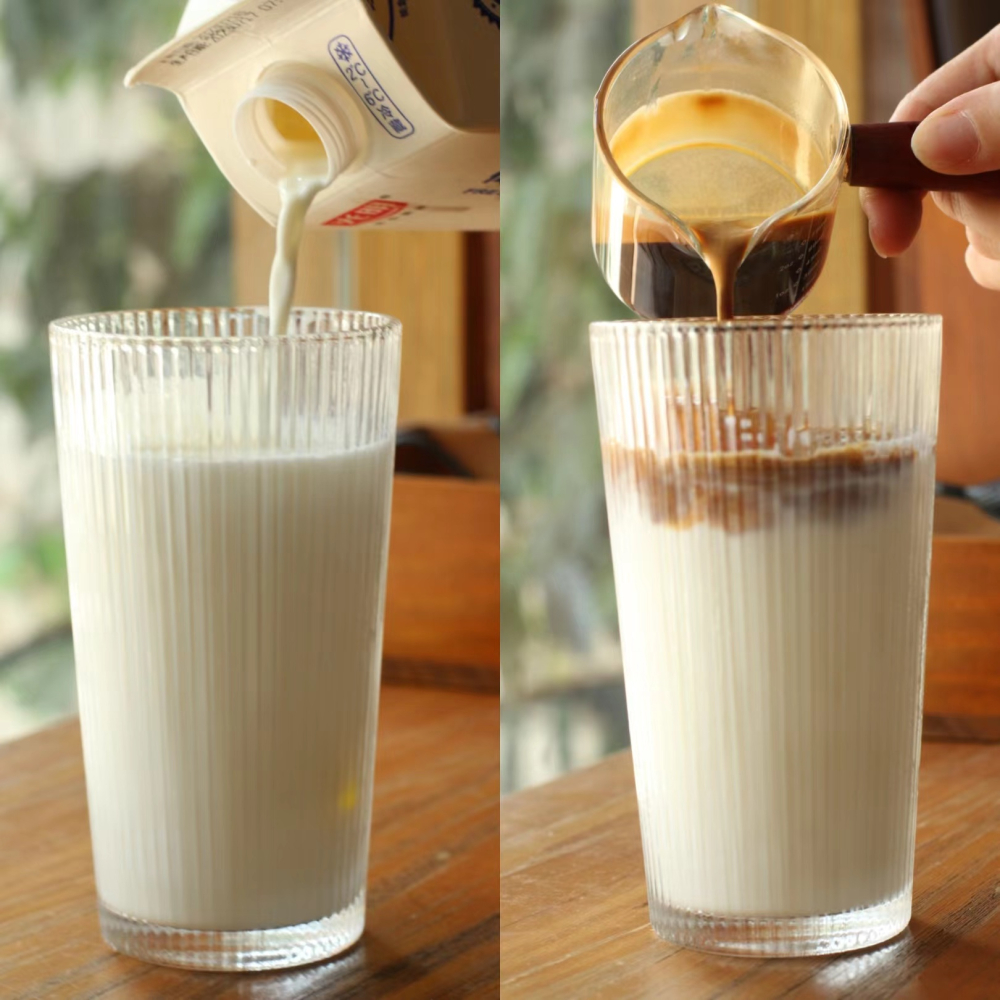
When it comes to ingredient selection, the type and roast level of the coffee beans play a pivotal role. Generally speaking, dark-roasted espresso blends can bring out intense notes of nuts, chocolate, and caramel — flavors that pair exceptionally well with milk. If you prefer a more prominent milky sweetness, you may opt for a medium-dark roasted blend to complement the milk’s sweetness. It’s recommended to choose blends from producing regions such as Brazil, Indonesia, or Vietnam, as beans from these areas typically offer a rich body and crema, helping to enhance the overall flavor complexity.
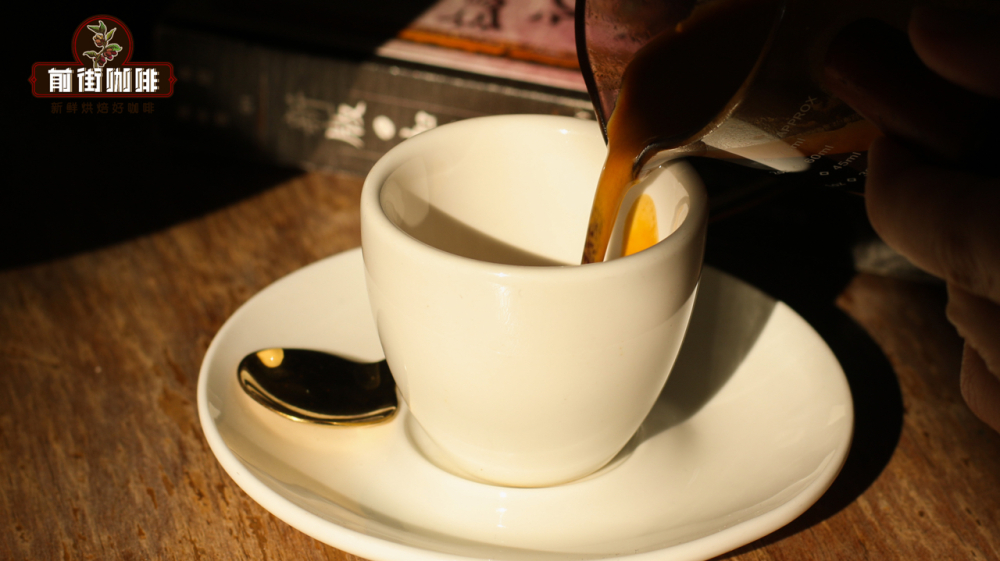
As for milk, whole fresh milk is the most common and recommended choice. There are many types of whole milk on the market — some with a strong milky aroma, others more watery in feel. The ideal milk should have a moderate creaminess and thickness, allowing it to blend seamlessly with the coffee without overpowering the coffee’s inherent flavors. Milk that is too rich can throw off the balance of the entire drink, while overly watery milk may make the latte taste thin and weak.
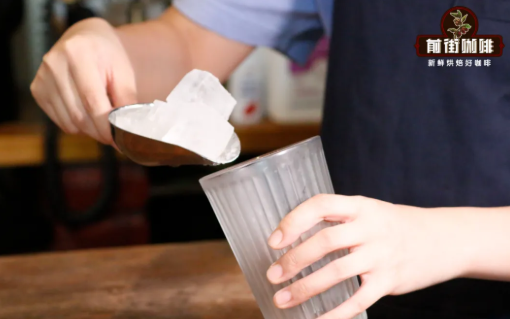
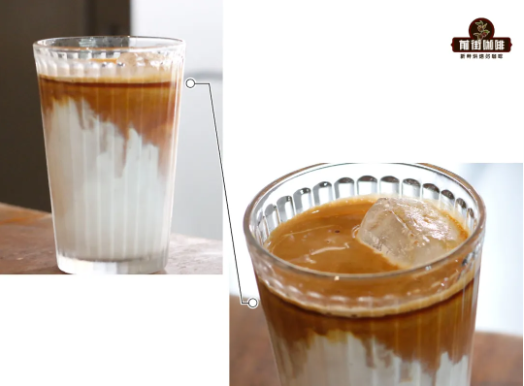
In terms of ratio, the proportion of coffee to milk is one of the key factors affecting the latte’s mouthfeel. A commonly recommended ratio is about 1:6 for espresso to milk — for instance, using 40 grams of espresso liquid paired with approximately 240 grams of cold milk, then adding an appropriate amount of ice cubes (such as 75 grams), and finally pouring it into a transparent glass cup with a capacity of around 300 milliliters. This ratio can be slightly adjusted according to personal taste, but it’s important to note that too much milk can mask the coffee flavor, while too little may make the drink overly bitter. The amount of ice also affects the overall strength and flavor expression.

In actual practice, details determine success or failure. Especially during the espresso extraction process, it’s essential to avoid common issues such as channeling or improper extraction time, as these directly impact the coffee’s flavor. Moreover, the entire brewing process should be carried out as quickly as possible — especially after adding ice and milk, the freshly extracted espresso should be poured into the cup immediately to maintain optimal mouthfeel and crema performance.
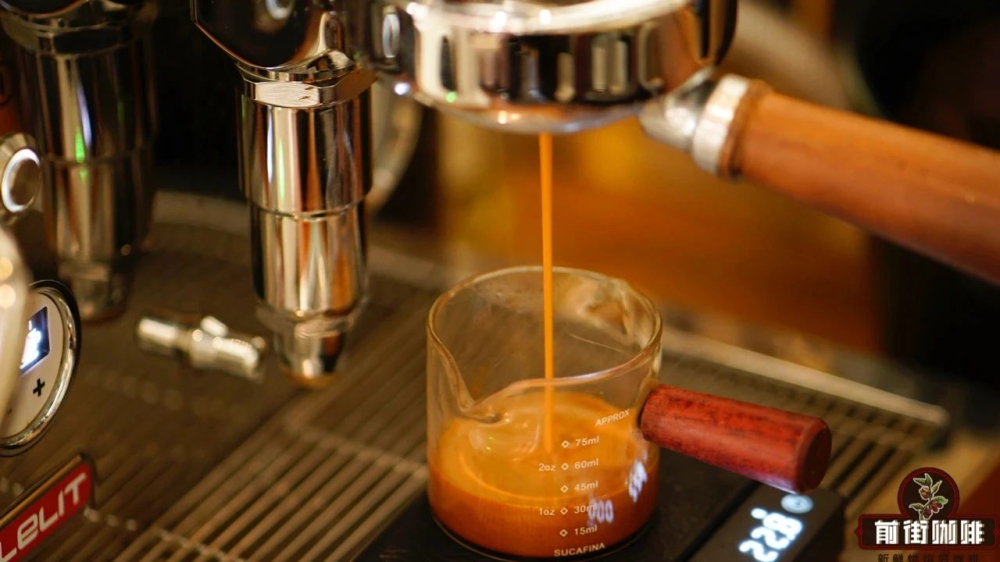
The crema (coffee foam) on the espresso is an important element that enhances the layered richness of the latte. Freshly extracted crema is rich and forms a beautiful gradient layer, adding to the depth of flavor. However, if left standing for too long, the crema gradually dissipates, not only affecting visual appeal but also significantly diminishing the coffee’s aroma and taste. Therefore, it’s advised to proceed to the next step promptly after extraction to ensure every sip is enjoyed at its best.
The above content is compiled by CoffeeHunters, a coffee news website.


