







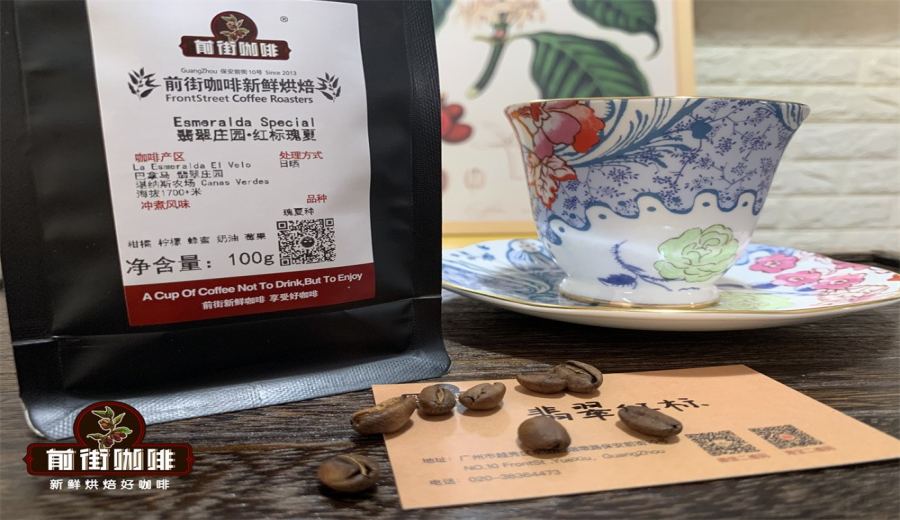
Introduction:Why has Geisha (瑰夏) coffee repeatedly fetched record-breaking auction prices and become a legend in the specialty coffee world? From its Ethiopian wild variety origins to its stunning performance in Panama’s Boquete region, this article delves into its unique flavor profile and the reasons behind its high price, while also recommending three beginner-friendly Geisha pour over beans that balance flavor performance with great value.
Geisha, known in English as Geisha, is also called “Geisha coffee” due to its pronunciation being similar to the Japanese word for “geisha.” This coffee bean is renowned as a top-tier variety in the specialty coffee realm for its exceptional brightness, rich complexity, and astonishing aroma. It has not only repeatedly broken global coffee auction price records but also become a dream coffee for enthusiasts thanks to its distinctive flavor.
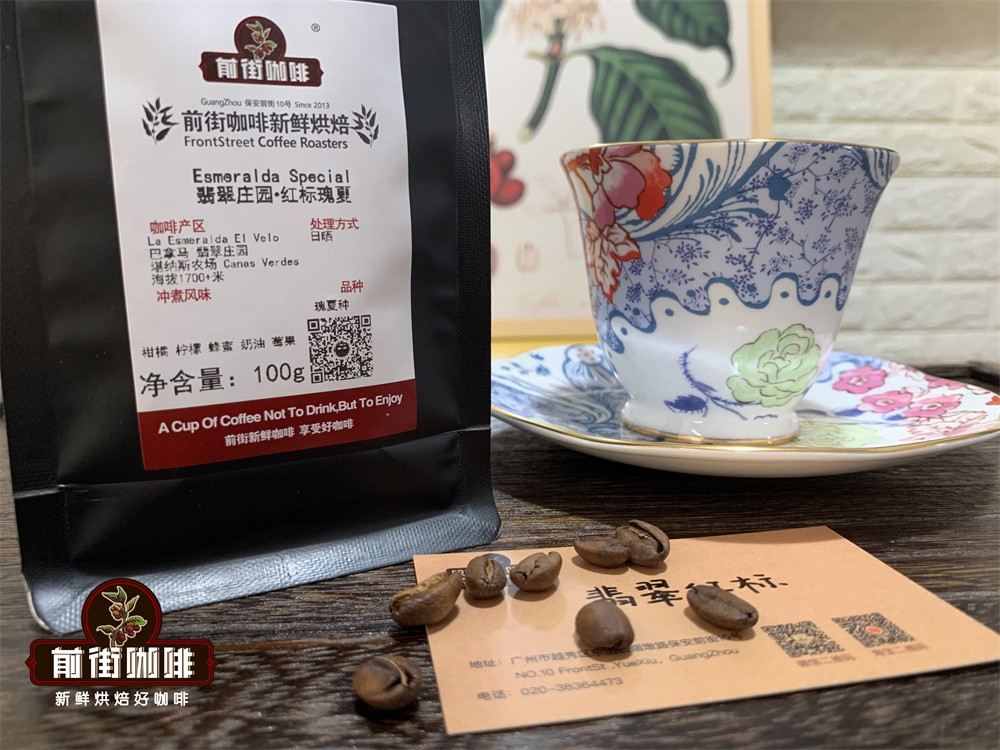
Going back to 1936, in what was then the British colony of Abyssinia (now Ethiopia), British Consul Colonel Richard Whalley collected around 10 pounds of coffee samples from the Geisha mountains in an effort to systematically document local wild coffee varieties. These samples are considered the earliest known source of the modern Geisha variety. Over the following decades, this coffee made its way through Tanzania, Costa Rica, and other regions, until it finally took root at the Hacienda La Esmeralda in Panama in the 1960s. After nearly half a century of maturation, Geisha won the prestigious “Best of Panama” cupping competition in Panama for three consecutive years from 2005 to 2007, shaking the specialty coffee industry.

In 2007, during an international renowned beans cupping competition hosted by the Specialty Coffee Association of America (SCAA), Geisha once again claimed first place, with its auction price reaching a record-high of $130 per pound—an achievement that remains a benchmark for competition-grade beans. Moreover, the variety has accumulated over twelve championship titles in major global coffee competitions, overshadowing long-reigning coffee royalty such as Jamaican Blue Mountain and Hawaiian Kona.

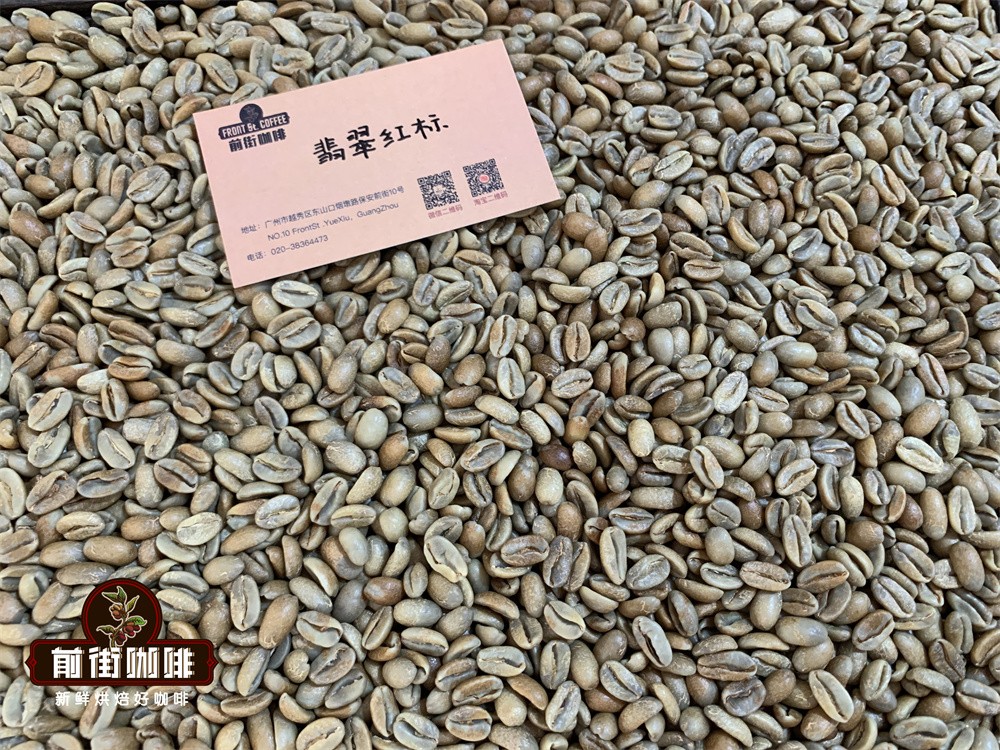
Visually, Geisha green beans possess a delicate, jade-like texture and exhibit a unique bluish-green hue, with an elongated bean shape reminiscent of the more common Mandheling, making them highly recognizable. In terms of flavor, Geisha is celebrated for its pronounced floral notes and rich tropical fruit sweetness. Upon tasting, it often presents bright citrus and berry acidity, followed by a honey or caramel-like sweetness in the aftertaste—an unforgettable experience.
The unique flavors of Panamanian Geisha are inseparable from its stringent growing conditions. The variety thrives at high altitudes, typically above 1,400 meters, in environments with cloud cover or dense shade trees, coupled with mineral-rich fertile soil, which nurtures beans with layered complexity, bold fruity aromas, and delicate acidity. As brewing temperature decreases, its acidity becomes even crisper, and the overall flavor structure becomes more three-dimensional.
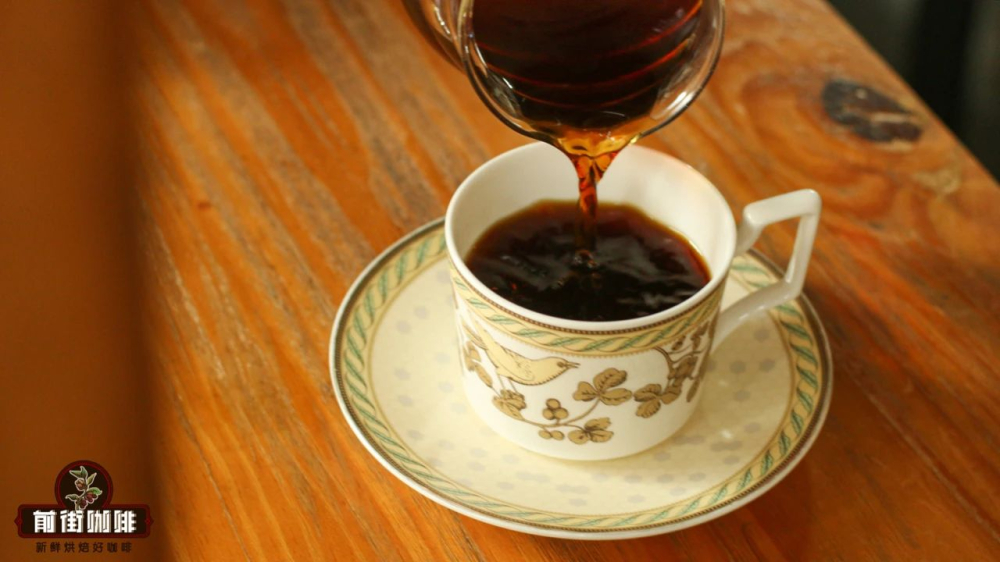
For beginners new to Geisha, beyond appreciating its legendary background, practical concerns like value for money and flavor performance upon purchase are key. It’s important to note that the freshness of Geisha beans greatly impacts flavor—beans roasted over a month ago tend to show significant aroma degradation and may even develop unpleasant woody off-notes. Therefore, it’s recommended to choose freshly roasted beans with proper storage conditions.
Below are three highly acclaimed, high-quality Geisha coffee beans suitable for beginners using the pour over method:
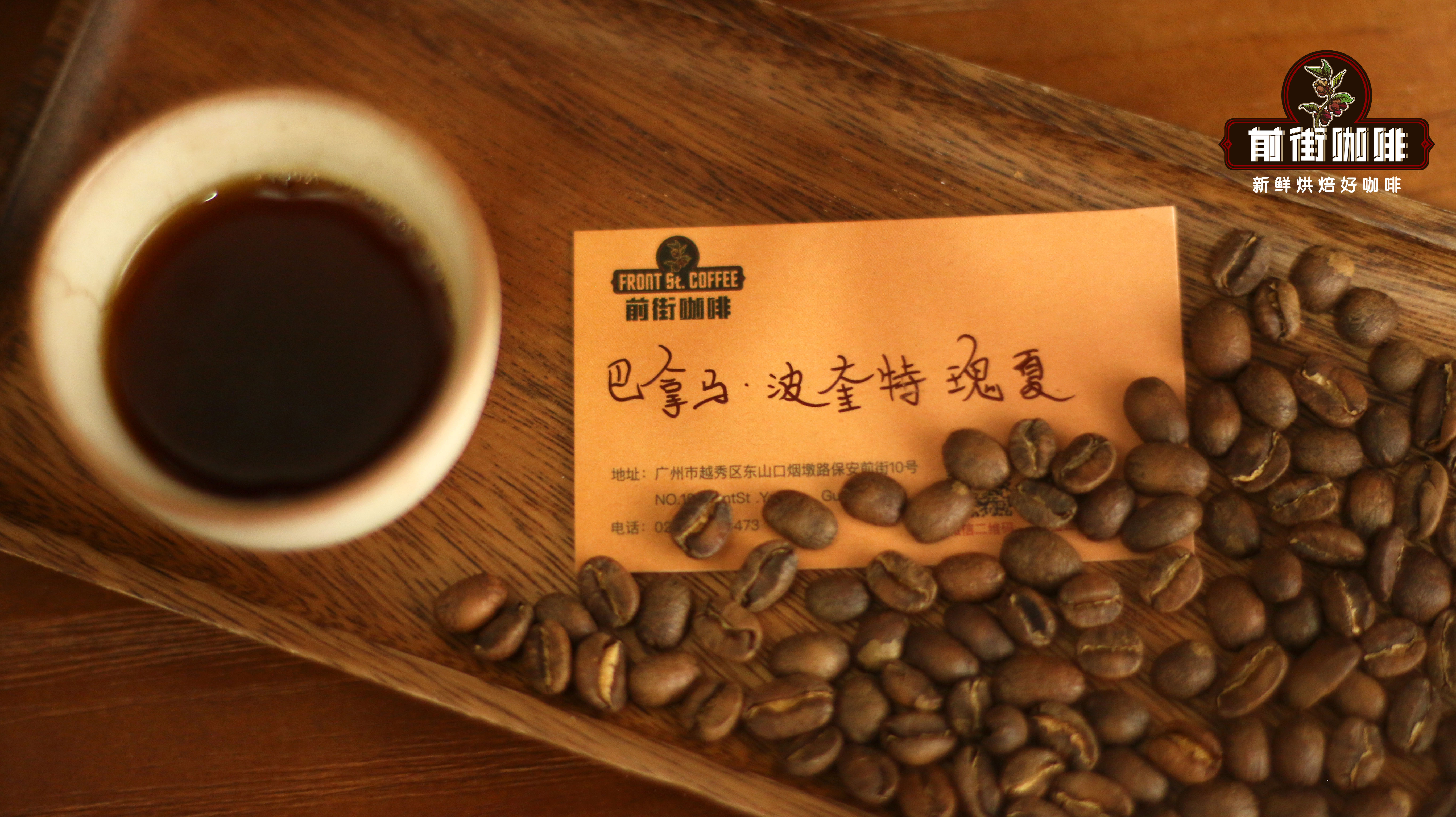
① Boquete Geisha Coffee Beans
Flavor profile features white floral notes, honey sweetness, citrus tones, and a caramel finish. Made from 100% Geisha variety, these beans allow you to fully experience the classic characteristics of the cultivar. It is recommended to use a medium-light roast for pour over, with water temperature controlled at 90–92°C and a medium-fine grind, highlighting its fresh fruit aroma and layered complexity.
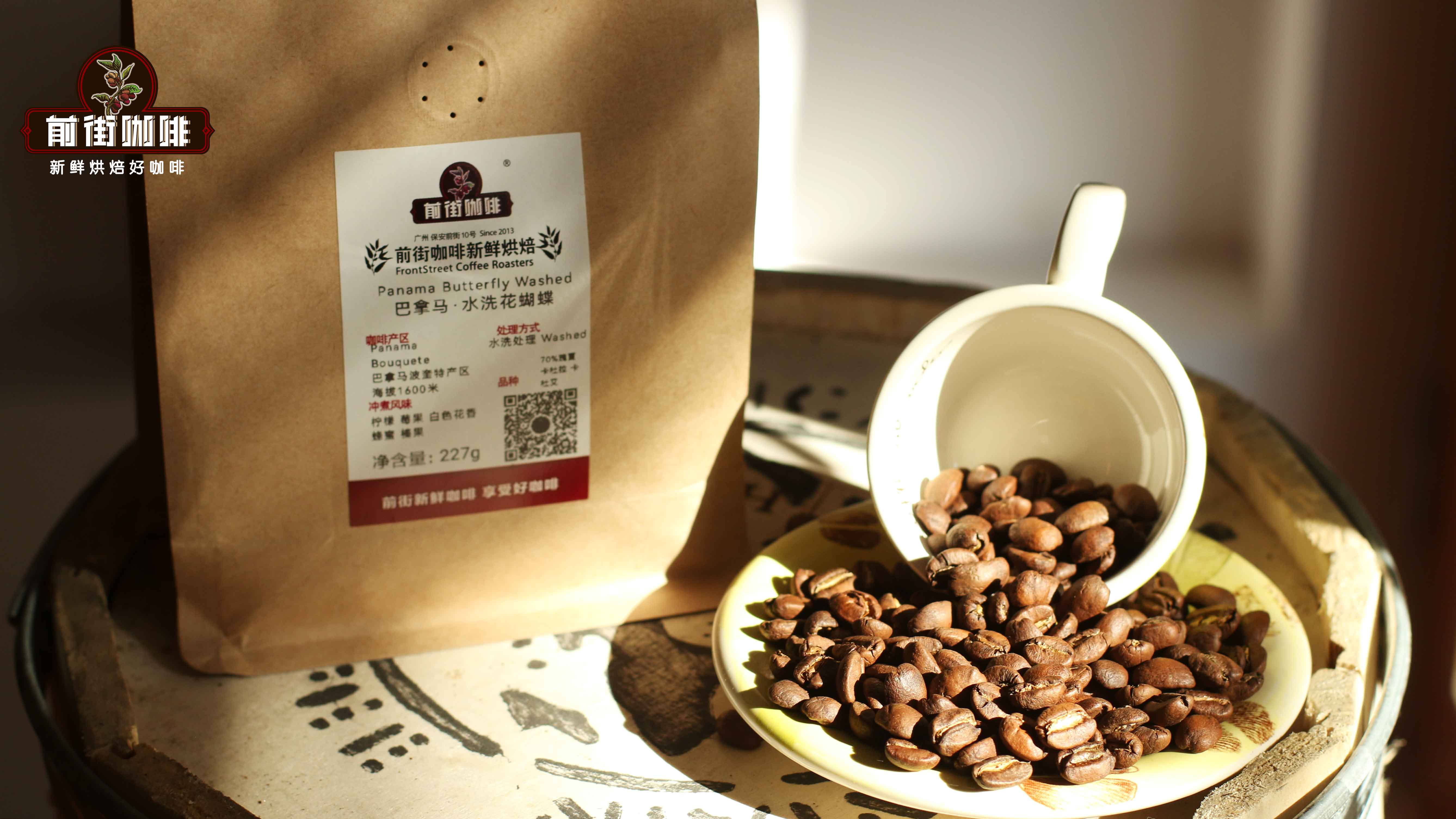
② Flower Butterfly Geisha Blend Coffee Beans
A blend consisting of 70% Geisha along with varieties like Caturra and Catuai. The flavor fuses floral, citrus, and nutty notes with balanced acidity and sweetness, plus a tea-like mouthfeel, offering excellent value. Suitable for drinkers who enjoy noticeable fruit acidity but prefer a smoother mouthfeel. It is recommended to use a medium roast, slightly lowering the water temperature to 88–90°C to bring out the harmony between citrus and nuts.
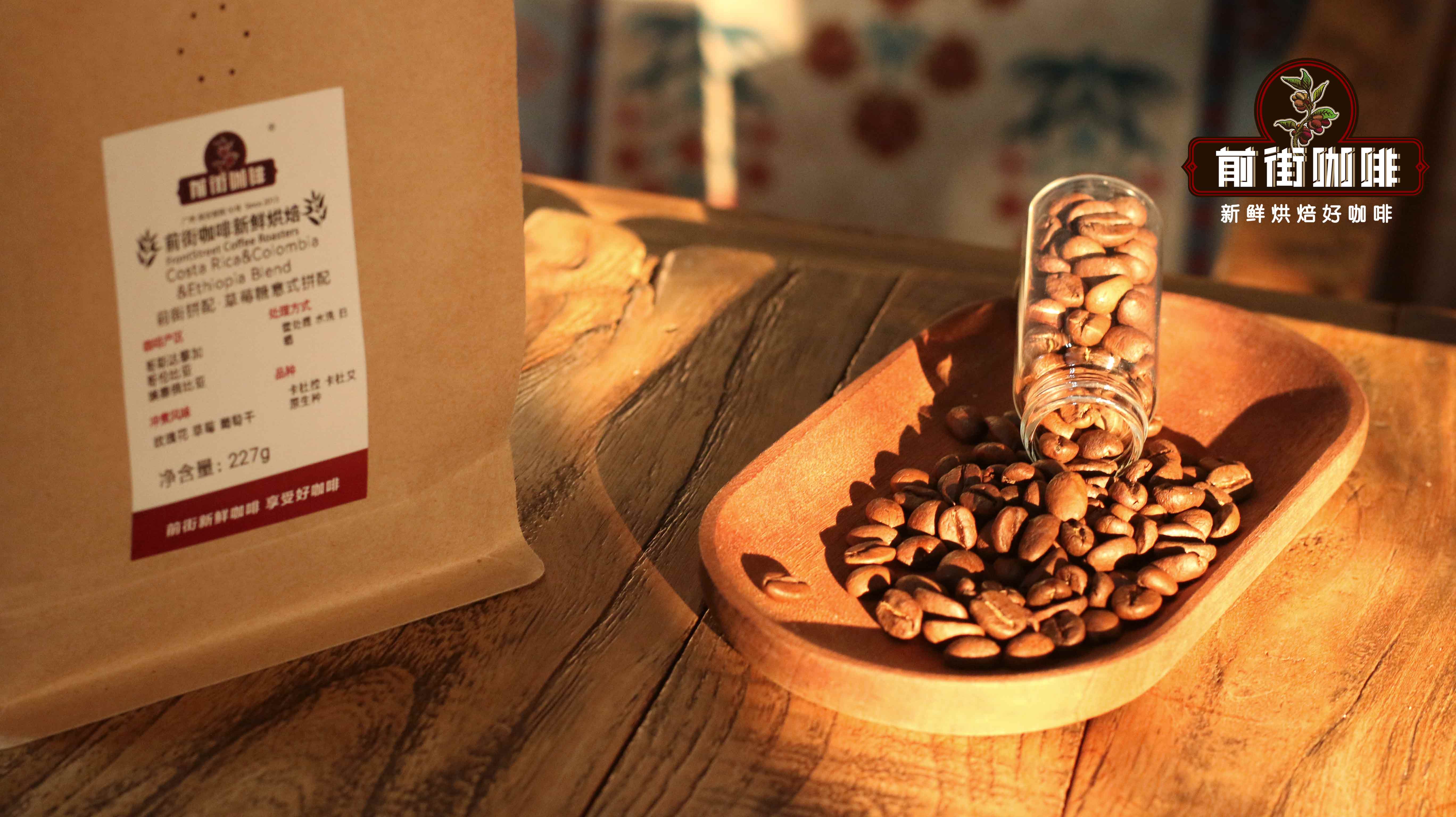
③ Strawberry Candy Geisha Blend Coffee Beans
Combining the refined floral and fruity notes of Panamanian Geisha with the sweet characteristics of Costa Rican honey processed beans. The flavor includes rose floral notes, grape juice-like sweetness, and almond in the aftertaste. Roasted to a medium level, it suits consumers who enjoy both fruitiness and sweetness. When brewing, it is suggested to use 90°C water and a slightly coarser grind to extend extraction time and showcase complex layers.
The above content is compiled by CoffeeHunters, a coffee news website.


