








Introduction:To make a latte with balanced flavors and delicate microfoam, in addition to technique, material selection and operational details are key. This article delves into the essentials of making a great latte, covering everything from choosing the right coffee beans and milk, to finding the optimal coffee-to-milk ratio, practical parameters for espresso extraction and milk frothing, as well as crucial details for the blending process — helping you master both the basics and advanced tips for crafting the perfect latte.
The key to a memorable latte lies in three core elements: the quality of the coffee beans and milk, their ratio, and the techniques used for extraction and blending. Even though it may seem simple, an imbalance in any one of these aspects can significantly affect the final flavor.

First, selecting the right materials is the first step to success. Many consumers may notice that although lattes are a staple drink at most coffee shops, the taste varies greatly from place to place. This is mainly due to differences in the coffee beans and milk used. The roast profile of the coffee beans directly influences the overall taste — for example, most Italian-style blends bring out rich notes of nuts and chocolate, while some highlight the sweetness and silky texture of milk. Take the Sunflower Warm Sun Blend as an example: its flavors combine caramel chocolate and vanilla cream, which pair exceptionally well with milk to deliver a full-bodied yet balanced taste.

As for milk, there are more than ten types of whole fresh milk commonly available on the market. Some have a rich and thick milk flavor, while others are lighter and more watery. It's recommended to choose based on how well it pairs with coffee, rather than simply going for the richest option. An overly heavy milk flavor can easily overpower the delicate nuances of the coffee, while milk that's too watery can make the entire drink feel thin and lacking in layers.

Next is the coffee-to-milk ratio. While there is no absolute standard for lattes, a general recommendation falls between 1:5 and 1:8. This range allows for fine-tuning based on the flavor characteristics of the espresso and how well the milk complements it. For instance, the Sunflower Warm Sun Blend has a moderate bitterness with notes of sherry wine, chocolate, and vanilla cream, performing exceptionally well when blended with milk. In practice, using a 1:6 ratio — 40 grams of espresso liquid paired with 240 milliliters of steamed milk — delivers a smooth milk chocolate flavor.

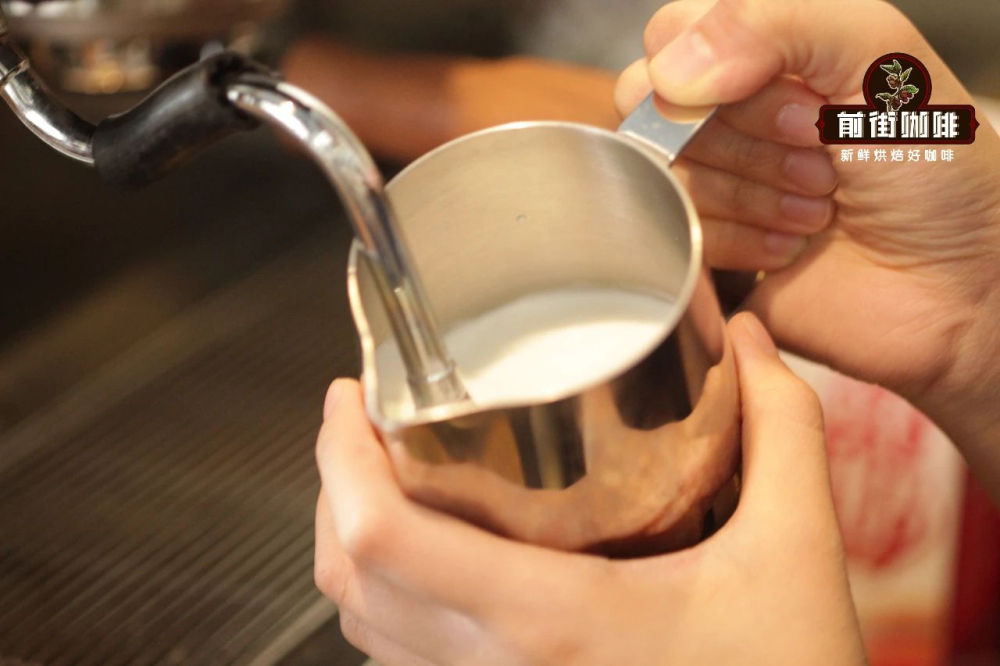
In terms of actual operation, making a latte that’s both smooth and visually appealing starts with the espresso extraction and the texture of the milk foam. It's recommended to use 20 grams of coffee grounds to extract 40 grams of espresso liquid, with an extraction time controlled between 25 and 30 seconds. This yields a rich and layered espresso. As for the milk foam, the goal is to produce fine, dense, and velvety foam with good fluidity. Steam the milk from 5/10 full to 6/10 full, maintaining a temperature between 55 and 60 degrees Celsius. This temperature range balances foam stability with flavor expression.

Blending is the critical step that determines whether the latte has a uniform texture. Ideal blending ensures that the coffee crema and milk foam are thoroughly mixed, so that each sip offers a consistent flavor. Uneven blending can result in one sip being overly milky, followed by one where the coffee flavor dominates. Successful blending is indicated by a uniform 'golden ring' color on the surface, as well as a smooth, bubble-free finish.

Here are several practical blending techniques:
①Ensure your hardware is up to par: The espresso should have a rich and viscous crema, and the milk foam needs to be fine and fluid. Foam that’s too thick tends to float on the surface, leading to failed blending. Before blending, gently shake the coffee cup and the milk pitcher to enhance liquid flow, aiding a smoother blend.
②Control the pitcher spout height: If the spout is too close to the coffee surface, the foam will pile up and result in uneven blending; if it’s too high, it can create bubbles. It’s recommended to keep the pitcher spout about 5 to 10 centimeters above the coffee surface, adjusting slightly based on personal feel.
③Blending technique: It’s recommended to stir in a single direction — for example, holding the cup in your left hand and the pitcher in your right, with hands offset by half a circle and moving in opposite circles. Apply even pressure while stirring, and try to make large circles without touching the cup walls, which helps improve blending efficiency. At the same time, gradually adjust the angle of the hand holding the cup to slowly bring the cup back to an upright position.

The above content is compiled by CoffeeHunters, a coffee news website.


