








Introduction:The key to crafting a successful latte with beautiful latte art lies in the texture of the milk foam and the choice of milk. This article details the correct method for steaming milk for latte art, including techniques for using the steam wand, controlling milk temperature, and the characteristics of milk suitable for latte art. Whether you're a coffee beginner or an enthusiast looking to refine your milk frothing skills, you'll find practical operational tips and solutions to common problems here.
Choosing the right milk is the first step to making beautiful latte art!Whole Fresh MilkWith its rich content of proteins, lactose, and milk fat, it is the top choice for creating stable milk foam. These components form a thin film during heating, trapping air to create fine milk foam, laying a solid foundation for latte art.

The proteins in milk, especiallycaseinandwhey protein,change their structure under heat and steam impact, generating surface tension that encapsulates air to form foam. When whey proteins are heated and unfold, their hydrophobic ends interact with the bubbles, reducing surface tension and delaying bursting, resulting in milk foam that is more long-lasting and delicate.

In addition to proteins,milk fat contentalso affects the texture and stability of the foam. Too much fat can inhibit foam formation, but an appropriate amount enhances the smooth mouthfeel of the foam. Therefore, using fresh, high-quality whole milk is key to achieving fine and dense foam, directly influencing the formation of latte art and the final flavor expression.

Espresso is also the soul of a latte. For aesthetically pleasing latte art, itRich cremacoffee beans. For example, classic Italian espresso blends, estate beans with nutty aromas, or Mandheling with spicy notes can all blend perfectly with milk foam, enhancing the overall complexity of the drink.

In practice, steaming latte art milk foam requires attention to the following key techniques:
First, it is recommendedto hold the milk pitcher with both hands, stabilizing the angle of the steam wand and the depth of the milk to avoid splashing caused by excessive steam pressure, which can lead to burns or uneven foam texture. A steady hand helps maintain fine microfoam and reduces failure rates.
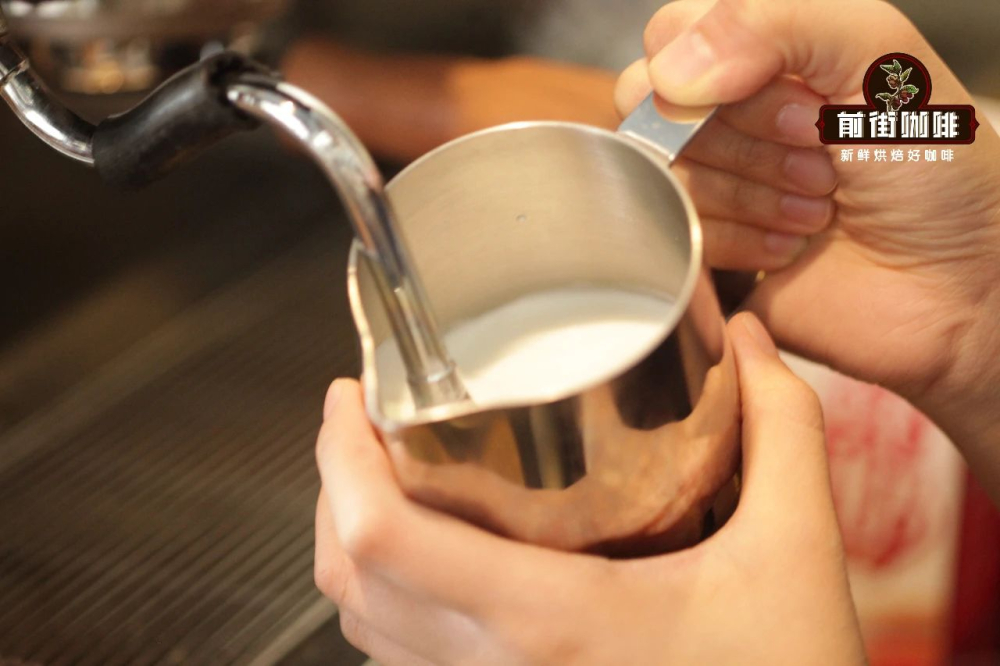
Second, before starting to steam, be sure topurge the steam wand of condensed water. Cool steam will condense into water inside the wand, and if not expelled beforehand, it will mix into the milk and create large bubbles, compromising foam fineness. This step is especially important for beginners and helps ensure uniformity in the foam.

Insert the steam wand at a45-degree angleinto the pitcher, aiming for around the 2-3 o'clock or 9-10 o'clock position, which helps quickly form a vortex that draws in larger bubbles to the center, resulting in more even and refined foam.
The recommended insertion depth of the steam wand is0.8 to 1 centimeter. Too deep and air won’t be drawn in effectively; too shallow and it can produce large bubbles and cause splattering. Experiments show that at this depth combined with a 45-degree angle, an ideal vortex forms more smoothly, improving foam texture.
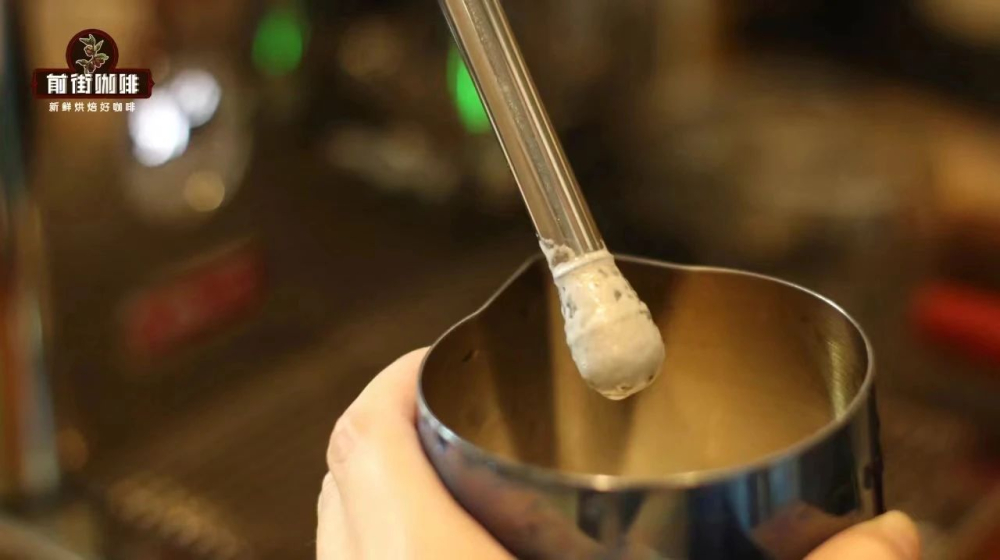
During the aeration phase, when you hear a “hissing” sound, it means air is being incorporated. This phase only needs to last about 4 to 5 seconds, until the foam reaches a thickness of roughly 1 centimeter. Then adjust the steam wand depth to 0.8 to 1 centimeter, maintaining the 45-degree angle, and proceed to the vortex spinning and heating stage.
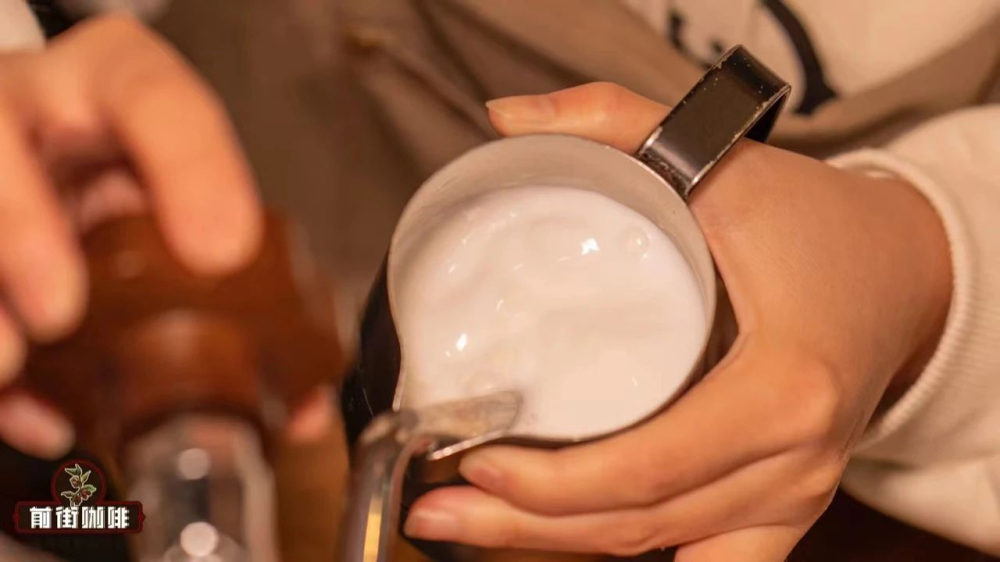
Finally, heat the milk to55 to 65°C. This temperature range activates lactose and other sugars in the milk, bringing out a natural sweetness. When mixed with coffee, it balances bitterness and adds a smooth, rounded flavor, elevating the overall sensory experience of the drink.
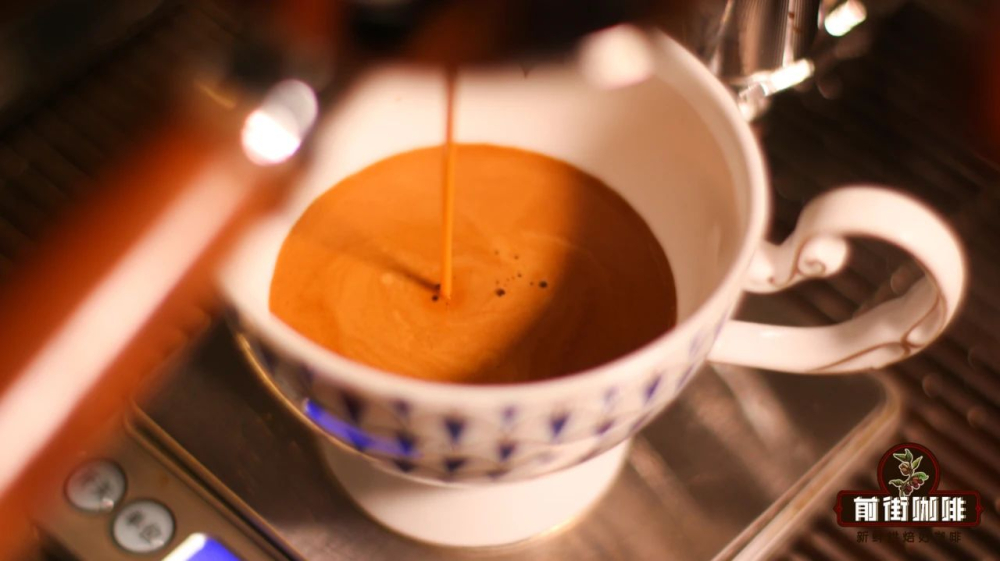
For example, if you use an Italian espresso blend with berry acidity and fermentation aromas, and blend it with milk foam steamed to the right temperature, it can deliver a sweet, strawberry milkshake-like profile, along with aftertastes reminiscent of whiskey cream and hazelnut caramel. This transforms a latte from just a coffee into a richly layered flavor experience.

The above content is compiled by CoffeeHunters, a coffee news website.


