







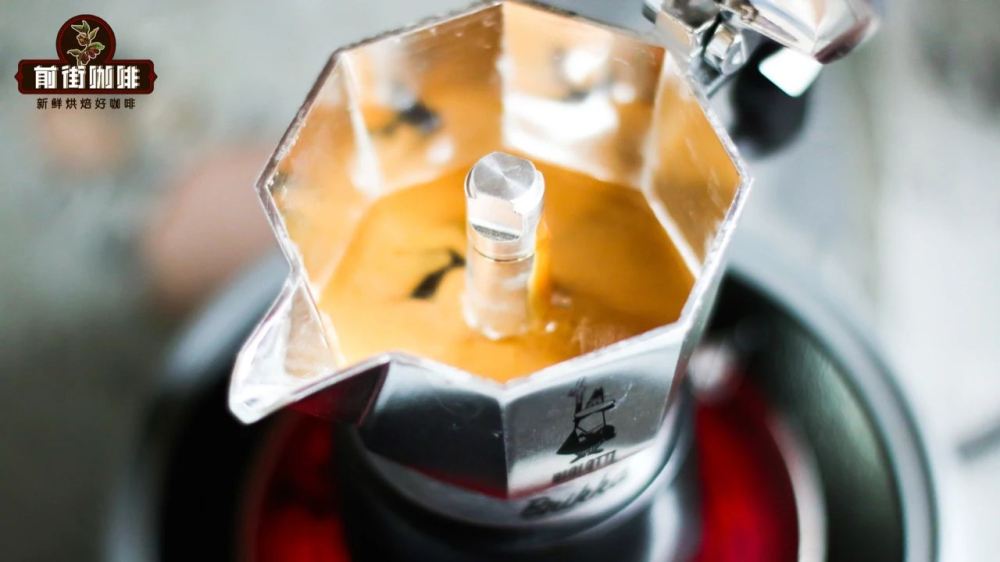
Introduction:The moka pot is a common coffee brewing device in Italian households. Though not a high-end machine, it can produce coffee that closely resembles espresso. This article dives deep into the structure and working principle of the moka pot, suitable coffee beans and grind sizes, and provides a detailed guide on correct usage and safety precautions to help you brew a rich cup of black coffee with peace of mind.
The moka pot (Moka Pot) is a familiar presence in many European kitchens, especially in Italy, where it is almost a standard household coffee maker. Although its design is quite different from modern espresso machines, the coffee it produces has a strong flavor, similar to the concentrated taste of espresso. Some people consider it lacking in “tech appeal” or question whether it qualifies as espresso because it doesn’t produce a rich crema (the coffee’s oily layer). But once you understand how it works, you’ll realize it’s also a pressure-extraction coffee tool.
Structurally, the moka pot is mainly divided into three parts: the lower chamber, the filter basket, and the upper chamber. The lower chamber holds the water, and it is generally recommended to keep the water level below the safety valve to prevent overflow or affect extraction pressure when the water boils.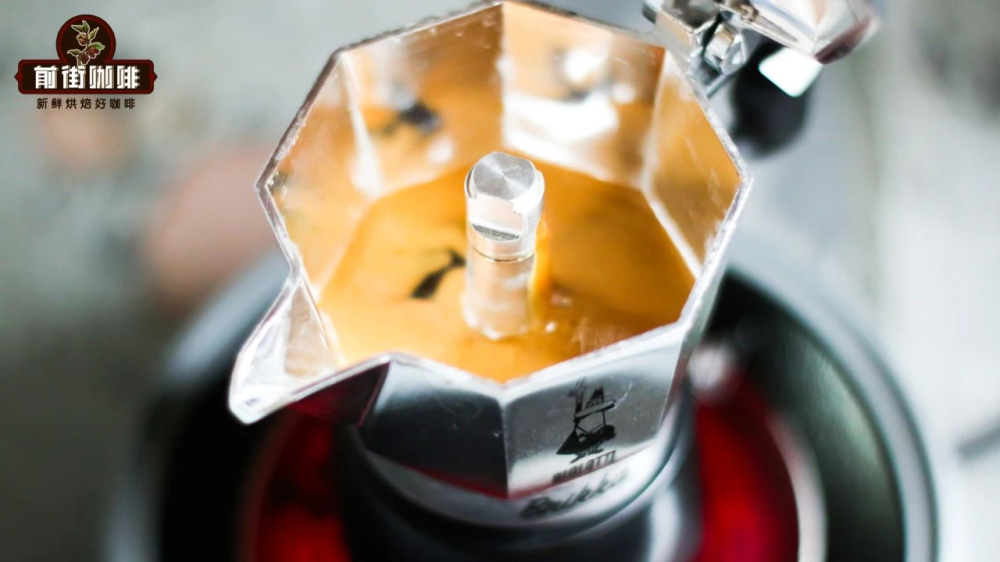 The filter basket is where finely ground coffee is placed, with a grind size typically recommended between 0.3 and 0.55 mm—close to the fineness used in espresso machines.
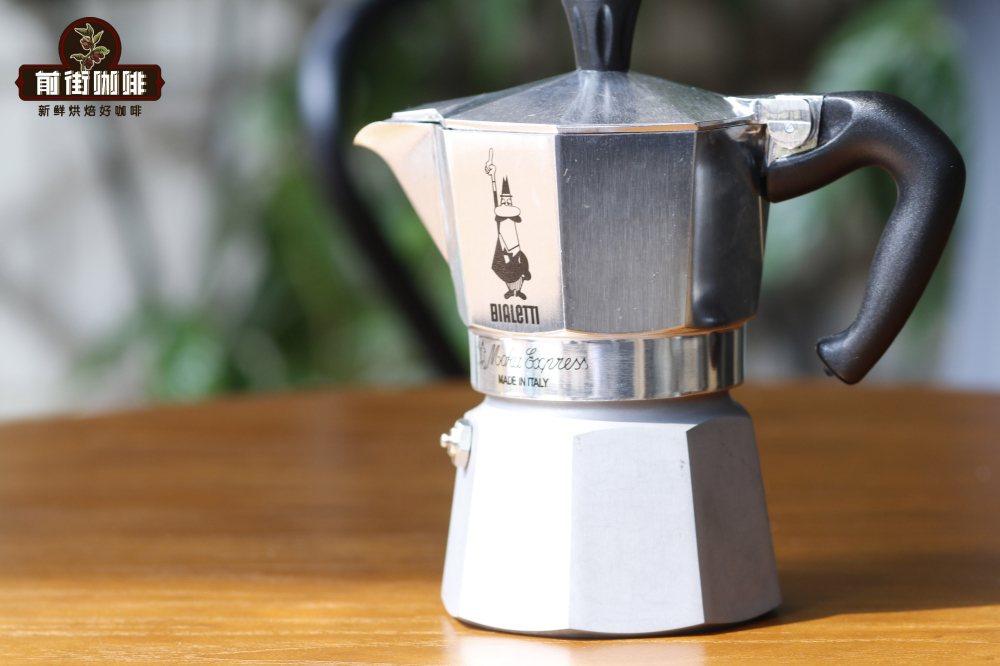 The upper chamber collects the extracted coffee liquid. When the heated water turns into steam pressure, it pushes the water upward through the metal tube at the bottom of the filter basket, passing through the packed coffee grounds, and finally flows out through the central tube of the upper chamber.
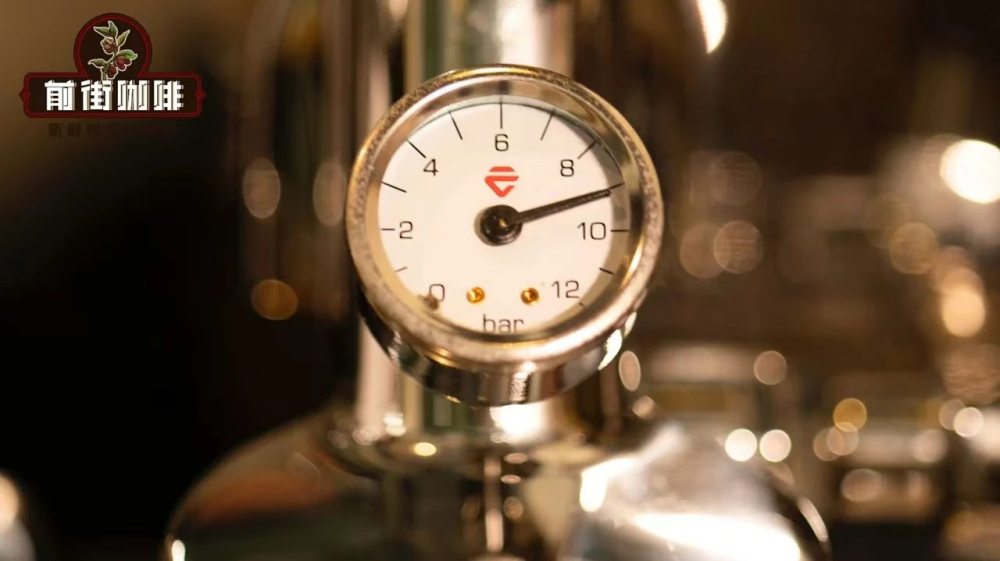
Regarding the extraction principle of the moka pot, the core lies in using heat-generated pressure. As the water in the lower chamber gradually heats up, steam forms pressure that pushes the water upward through the metal tube at the bottom of the filter basket, through the layer of coffee grounds, and finally reaches the upper chamber, where it pours out through the central pipe.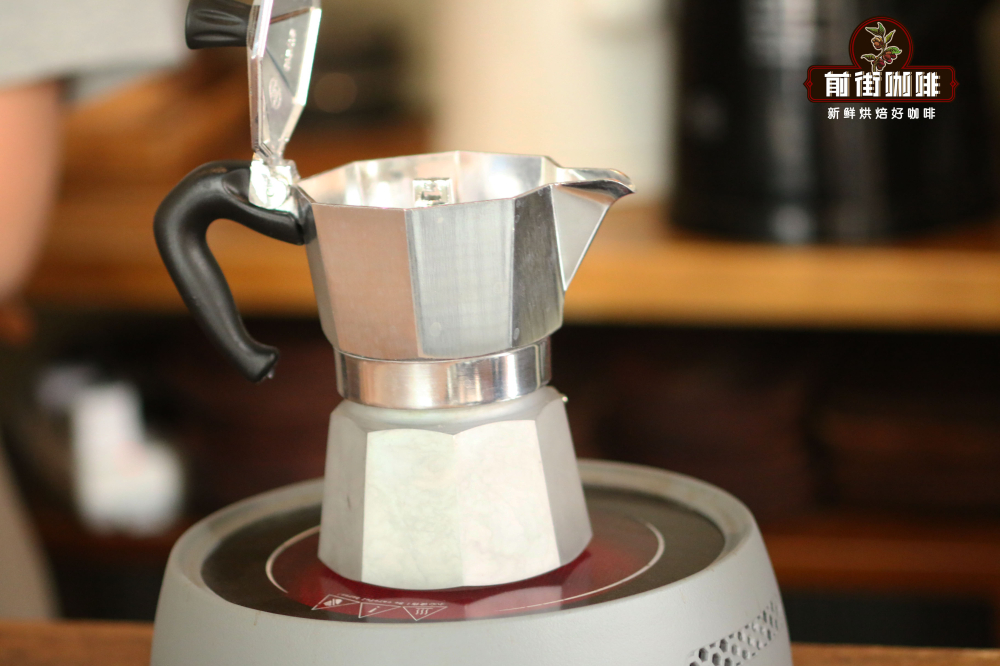 This process is similar in basic logic to espresso extraction, both utilizing pressure. However, the pressure in a moka pot usually ranges only between 1.5 to 3 bar, much lower than the 9 bar of professional espresso machines, which is why the resulting coffee differs in richness and crema performance.
It’s worth noting that the moka pot is designed with a safety valve, proving it is indeed a pressurized vessel. Once the filter basket and lower chamber are tightly screwed together and heated, the steam pressure gradually increases, initiating the coffee extraction process. For this reason, it’s essential to ensure all parts—especially the seal between the filter basket and lower chamber—are well-fitted to prevent pressure leakage or accidents.
In terms of coffee bean selection, since moka pot extraction occurs in a high-temperature, high-pressure environment, it’s recommended to use medium-dark to dark roasted beans that can better highlight bold and slightly roasted flavors. If you’re just starting out, you can choose commercial Italian blends, such as those combining Brazilian and Colombian beans, which offer a balanced profile of nuts and chocolate notes and are suitable for various brewing methods, including the moka pot and espresso machines.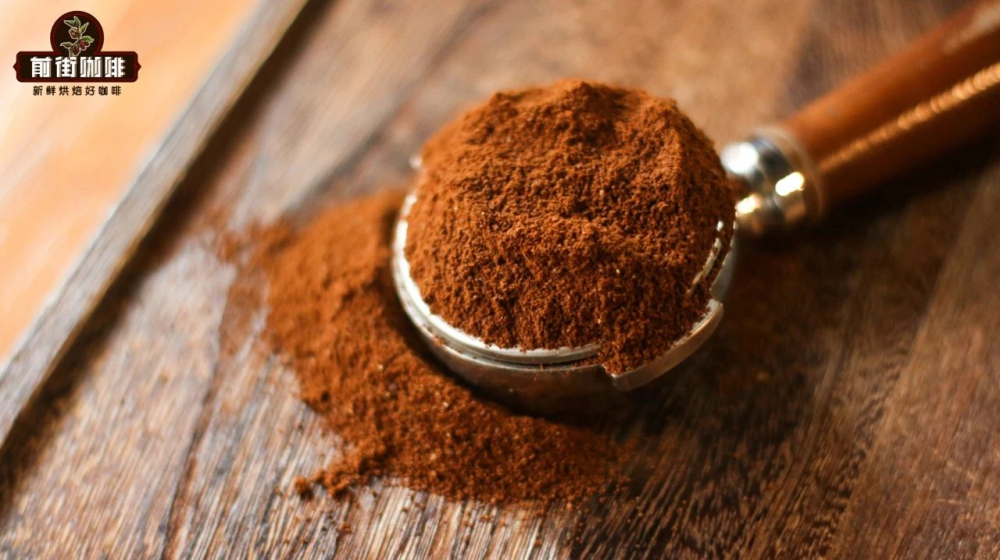 If you prefer coffee with richer crema and a more intense flavor, you can also opt for blends specially formulated for the moka pot. These beans tend to release more robust aromas and fuller body during extraction.
For grind size, the coffee grounds needed for a moka pot are roughly between 0.3 and 0.55 mm in fineness. This is finer than what’s used for pour over but not as fine as Turkish coffee. You can measure this with a dedicated grind size ruler or adjust by trial: if the coffee sprays or gushes out like a fountain, the grind is too fine; if you only hear boiling sounds but no coffee comes out after heating, the grind might be too coarse.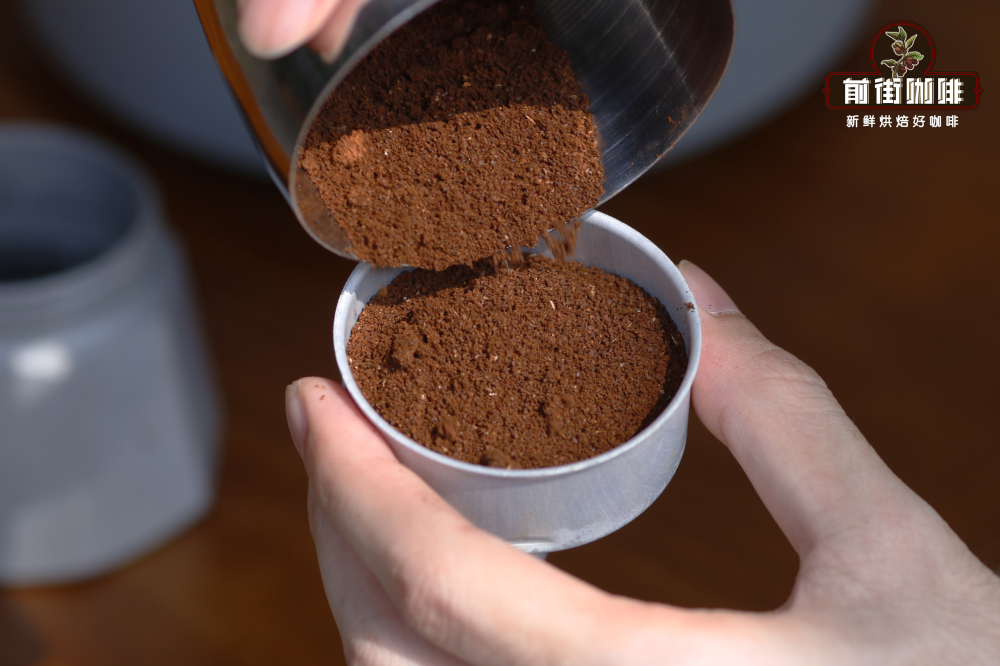 It’s recommended to try adjusting the grind size 3 to 5 times the first time you use your moka pot to find the fineness that works best for your specific device.
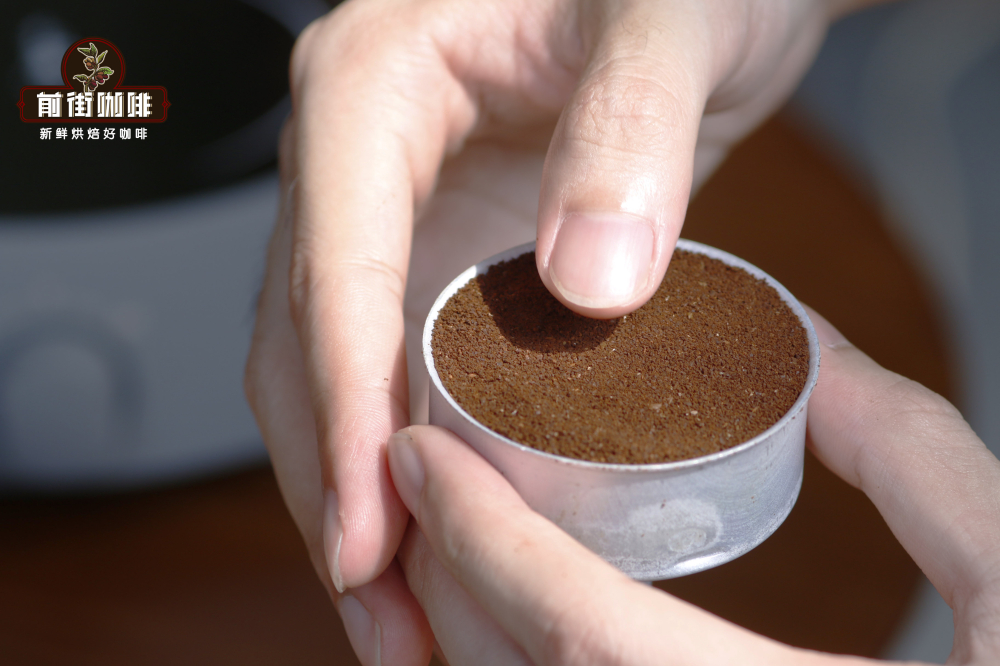
Using a moka pot may not be complicated, but each step is crucial. First, fill the lower chamber with hot water, making sure the water level does not exceed the safety valve. This prevents the water and coffee grounds from being in contact too long, which could lead to burnt or bitter flavors and a cloudy appearance.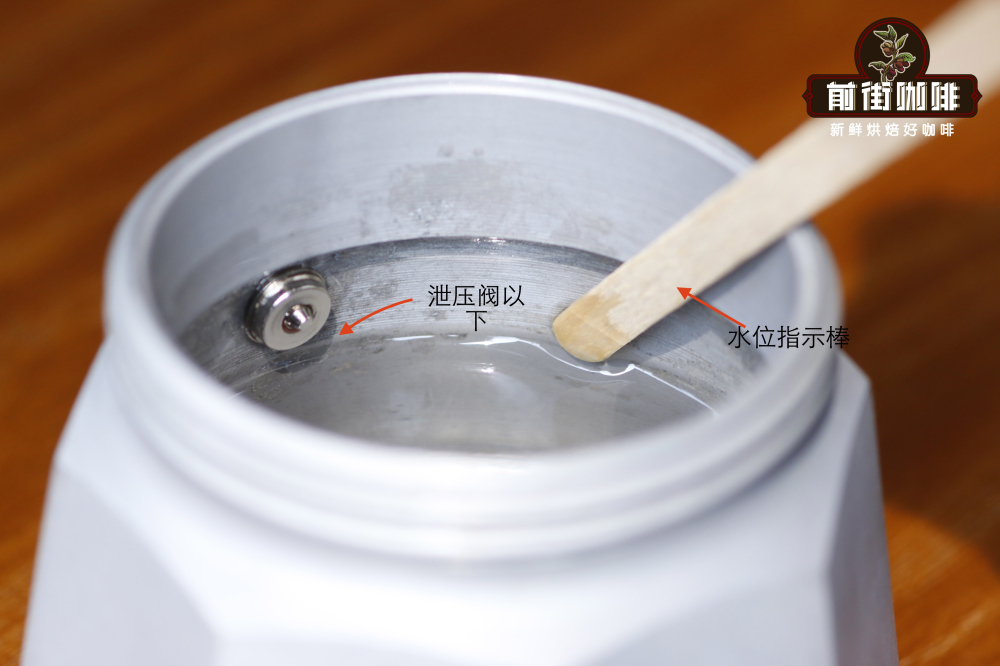 Next is filling the coffee grounds. It’s recommended to fill the filter basket but avoid tamping it down too hard, as excessive compression can obstruct water flow, causing uneven or difficult extraction. You can add the coffee in portions, gently tapping the edges of the basket to distribute the grounds evenly, then tap the basket lightly on the table to settle the coffee and eliminate air gaps.
After the coffee is loaded, securely attach the filter basket to the lower chamber, then screw on the upper chamber firmly. It’s advisable to apply moderate pressure when tightening to ensure an airtight seal. Place the entire moka pot on the heat source (medium or low heat is recommended), and you may choose to brew with the lid open to observe the extraction process.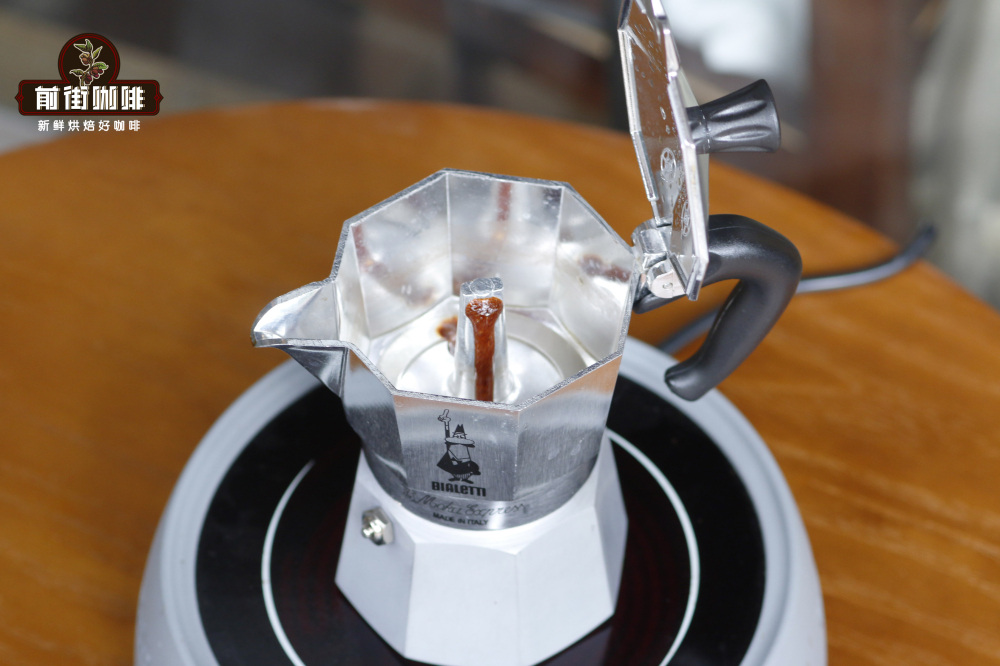 When the coffee starts flowing out of the central metal tube in the upper chamber, observe the color and flow rate of the liquid. When the stream begins to show crema and changes from dark to light in color, it indicates the extraction is nearing its end. You should turn off the heat immediately to avoid over-extraction, which can result in bitterness or off-flavors.
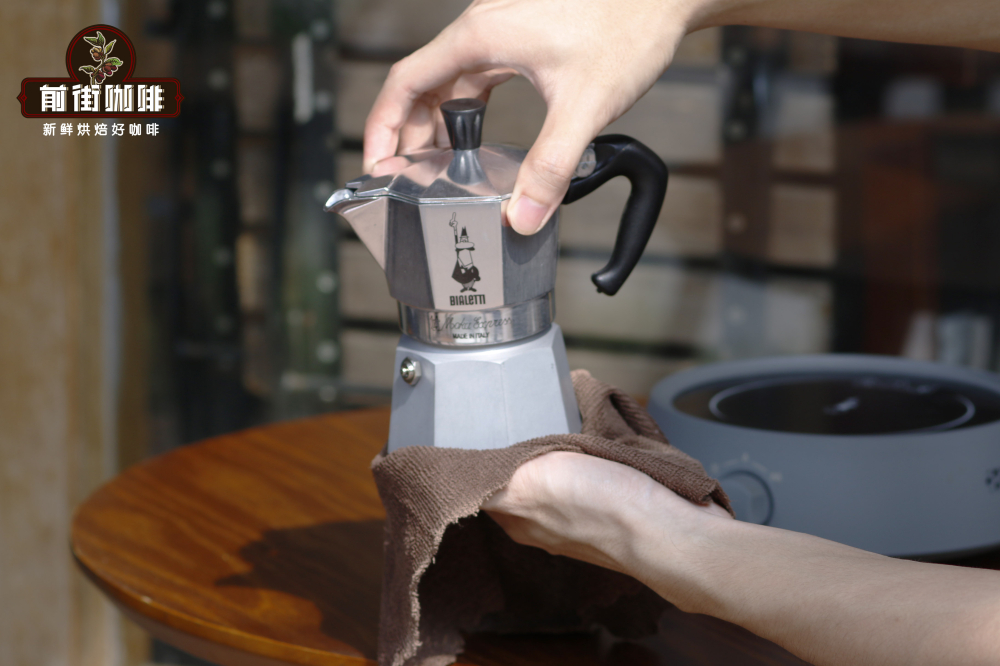
Additionally, experienced users often place the moka pot on a damp cold towel right after turning off the heat. This helps cool it quickly, preventing residual heat from continuing to extract and further reducing the risk of over-extraction.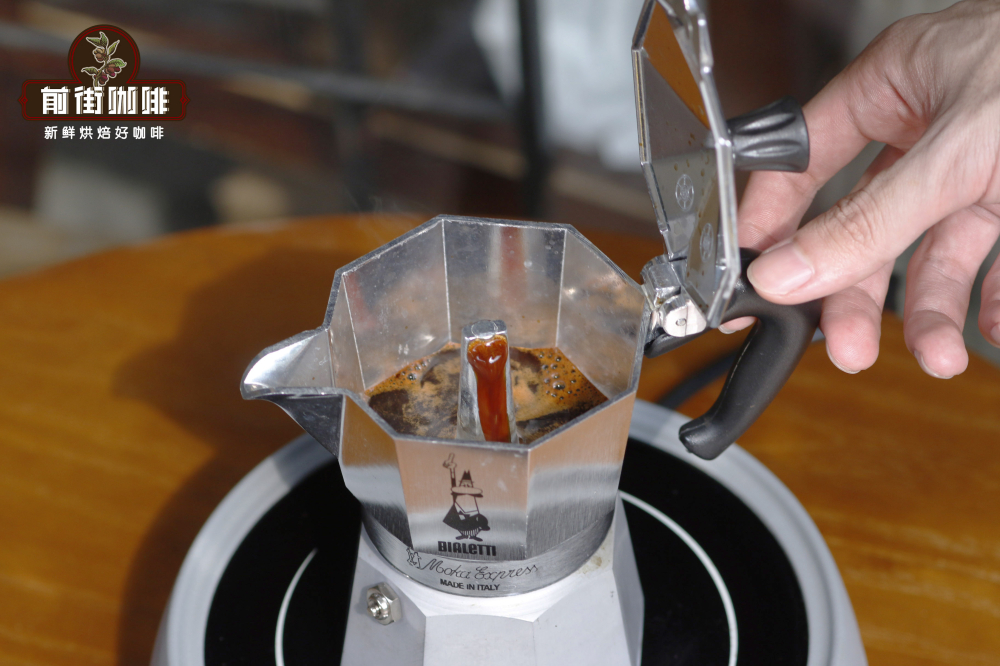
Finally, maintaining your moka pot is also an important part of ensuring safety and brewing quality. The rubber gasket under the upper chamber is recommended to be replaced once a year to avoid poor airtightness or leaks due to aging.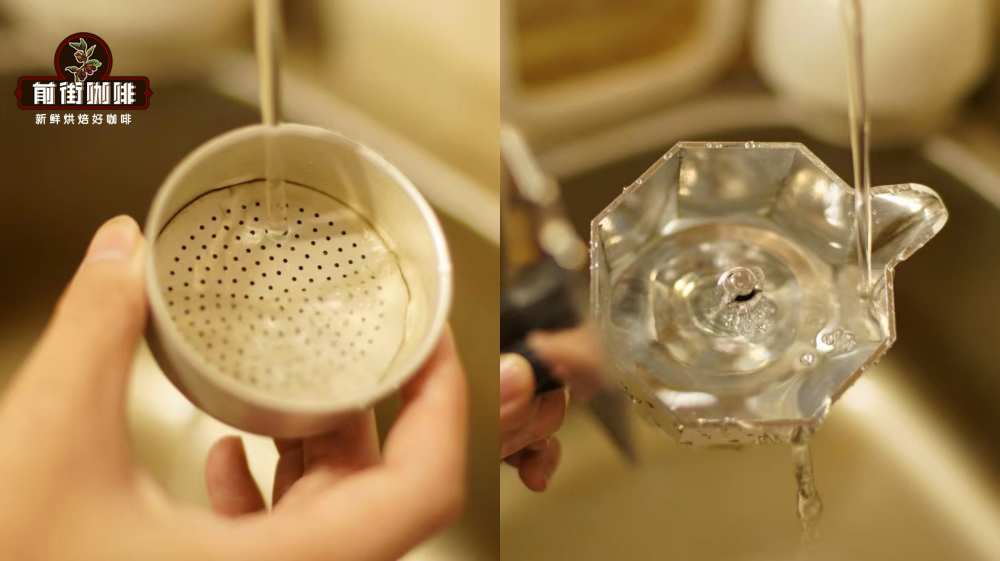 If you notice the safety valve leaking air or water, you may need to replace the thin metal disc in the middle to maintain proper pressure function. Regular inspection and maintenance will keep your moka pot brewing rich, aromatic coffee reliably for years to come.


The above content is compiled by CoffeeHunters, a coffee news website.


