







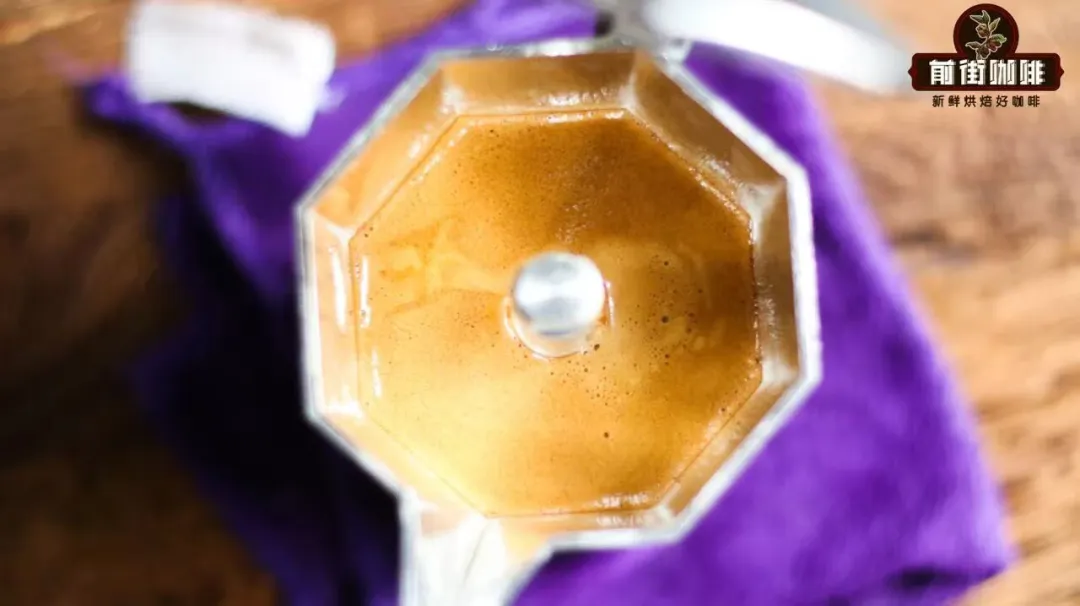
Introduction:The moka pot is the go-to brewing device for many coffee enthusiasts who want to make espresso-style coffee at home without investing in an expensive machine. It allows you to enjoy a rich, intense flavor similar to that of espresso. This article delves into the structure and working principle of the moka pot, provides detailed step-by-step instructions and precautions to help beginners get started quickly, and analyzes its pros and cons so you can better understand the practical value of this classic coffee tool.
Espresso, as the core of coffee beverages, has always been cherished for its unique flavor. In addition to semi-automatic espresso machines, the moka pot is also one of the classic devices capable of producing espresso-like coffee. This Italian-origin coffee brewer, with its simple operation and bold flavor output, has become a helpful coffee companion for many households.
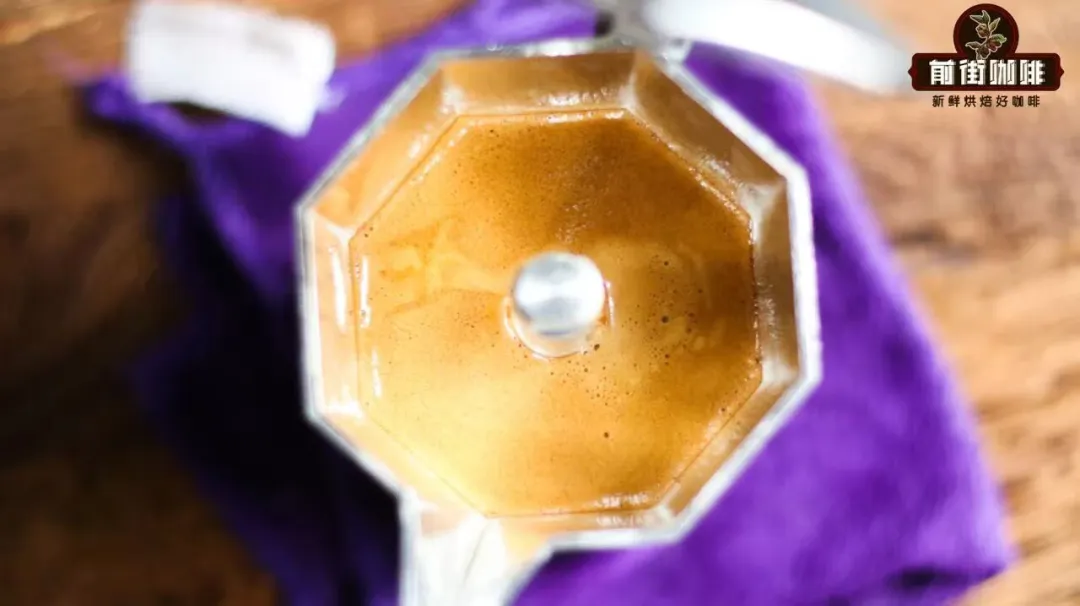
The moka pot, known in English as Moka Pot, was invented in 1933 by the Italian Alfonso Bialetti. It uses steam pressure generated by heating to extract coffee, belonging to a type of distillation extraction. It is a relatively affordable and widely used model among espresso brewing devices. Early moka pots were mostly made of aluminum and could only be heated over an open flame. Moreover, their reaction with acidic coffee could produce off-flavors. Over time, they gradually transitioned to stainless steel or heat-resistant glass materials, which not only improved safety but also diversified the exterior designs, making them both collectible and practical tools beloved by many coffee lovers.
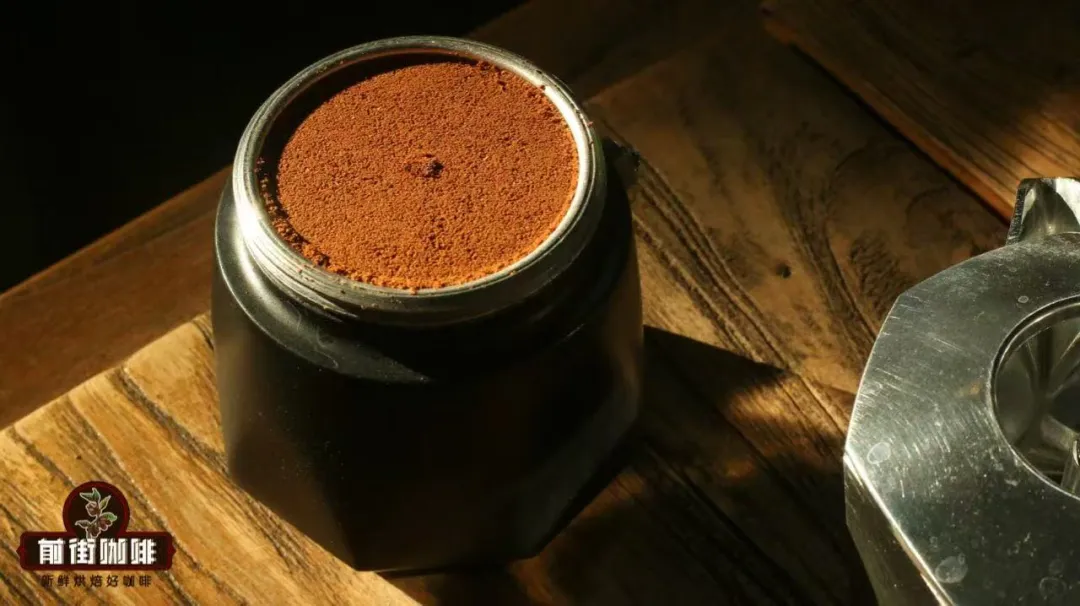
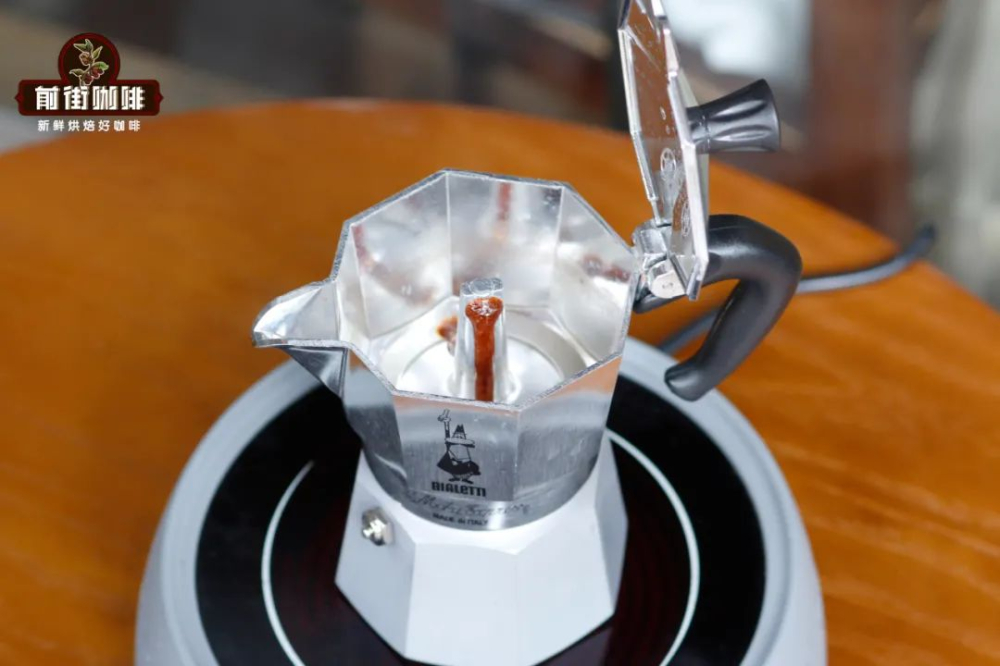
The moka pot mainly consists of three parts: the lower chamber holds water, the funnel is for placing finely ground coffee, and the upper chamber collects the extracted coffee liquid. Its operating principle involves heating the water in the lower chamber to generate steam pressure (about 1.5 to 3.0 atmospheres). When the pressure is sufficient, it pushes the hot water upward through the middle layer of coffee grounds, eventually collecting in the upper chamber as a strong coffee. Although not as precise as a professional espresso machine, this method can still deliver a flavor profile close to that of espresso.
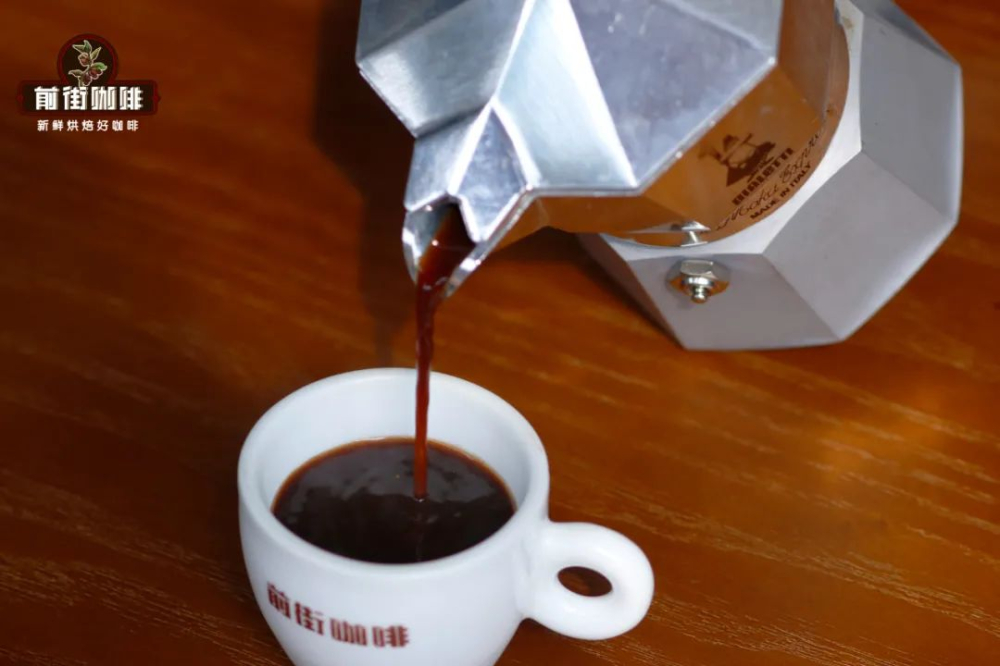
There are single-valve and double-valve designs available in the market for moka pots. For the single-valve version, coffee liquid flows directly out from a small hole at the top of the hollow tube. The double-valve design adds a pressure valve on the tube, which only opens when a certain pressure is reached, allowing the coffee to be ejected. Compared to the single-valve, the double-valve design can extract more coffee oils (crema), resulting in usually richer and more intense flavors with a thicker crema layer. Meanwhile, the coffee produced by the single-valve tends to have lower concentration and less crema.
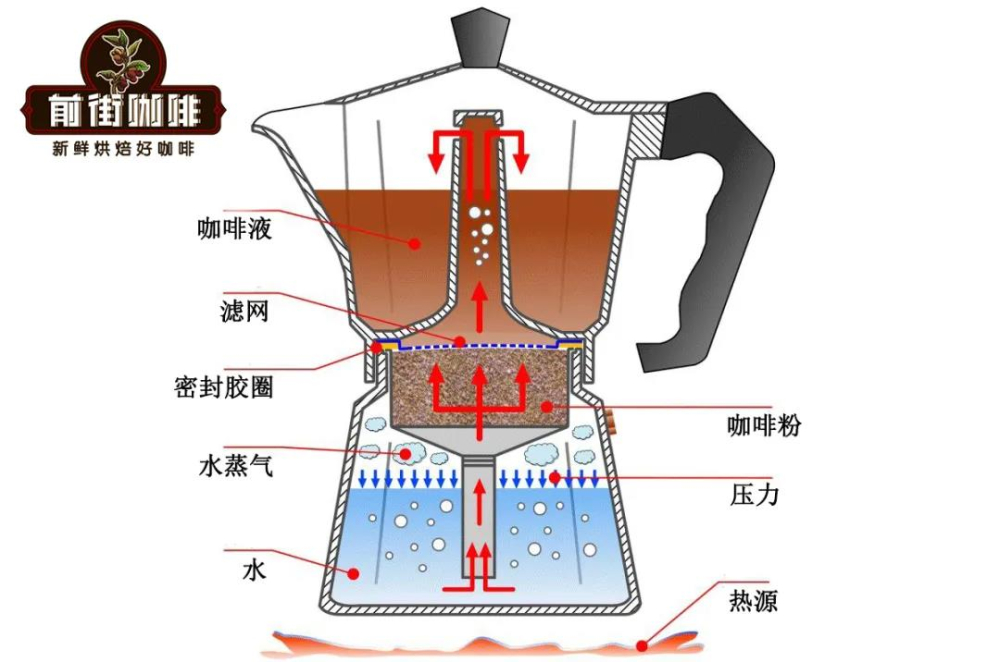
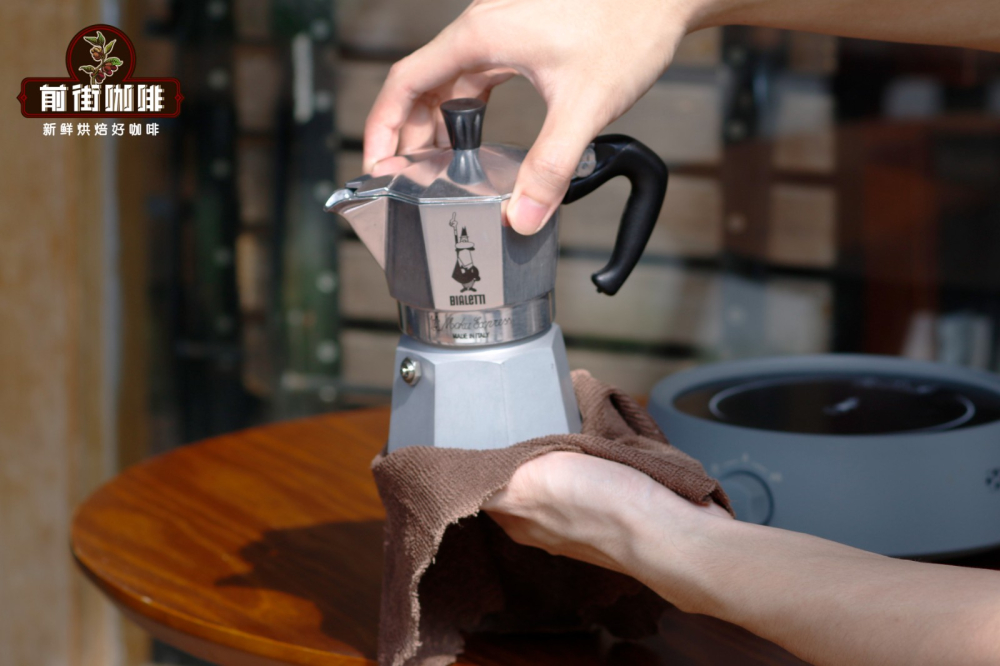
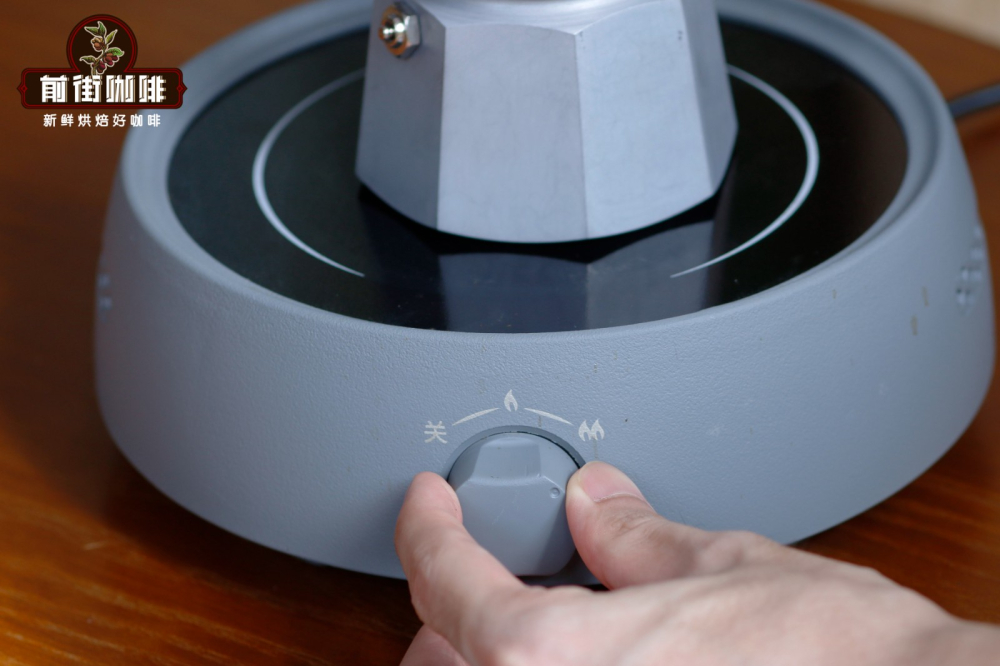
To use a moka pot, simply add an appropriate amount of cold water to the lower chamber, fill the funnel with finely ground coffee (about 90% full, then gently level it), and screw the upper and lower chambers tightly together. It’s recommended to heat with low to medium flame, then reduce to low heat once you hear a hissing sound. When the sound changes to a bubbling noise, it indicates that extraction is complete—you can then turn off the heat to avoid over-extraction. During this process, take care to avoid dry heating (heating without water), and always clean the moka pot thoroughly after each use to prevent residue buildup or damage to the rubber gasket. For a new moka pot, it's advised to boil water twice before using it for coffee to ensure the pot is stable.
The advantages of the moka pot include its compact size, simple operation, no need for electricity, suitability for outdoor or travel use, and its relatively low price, making it a good entry point for experiencing espresso-style coffee. However, because its extraction pressure and precision are not as high as those of professional machines, it is more challenging to achieve a high level of flavor complexity and clarity. Compared to hand-brewed coffee or professional espresso from specialty cafés, there is still a noticeable gap, which is why it is less commonly used in the professional coffee field.

If you want to use a moka pot to make a cup of coffee close to espresso, you will need: a moka pot, a heating tool (such as a gas stove or induction cooker), medium to dark roasted coffee beans, and a grinder. It is recommended to grind the coffee beans to a fineness similar to that of fine sugar to facilitate proper tamping and extraction. Here is the basic operation process:
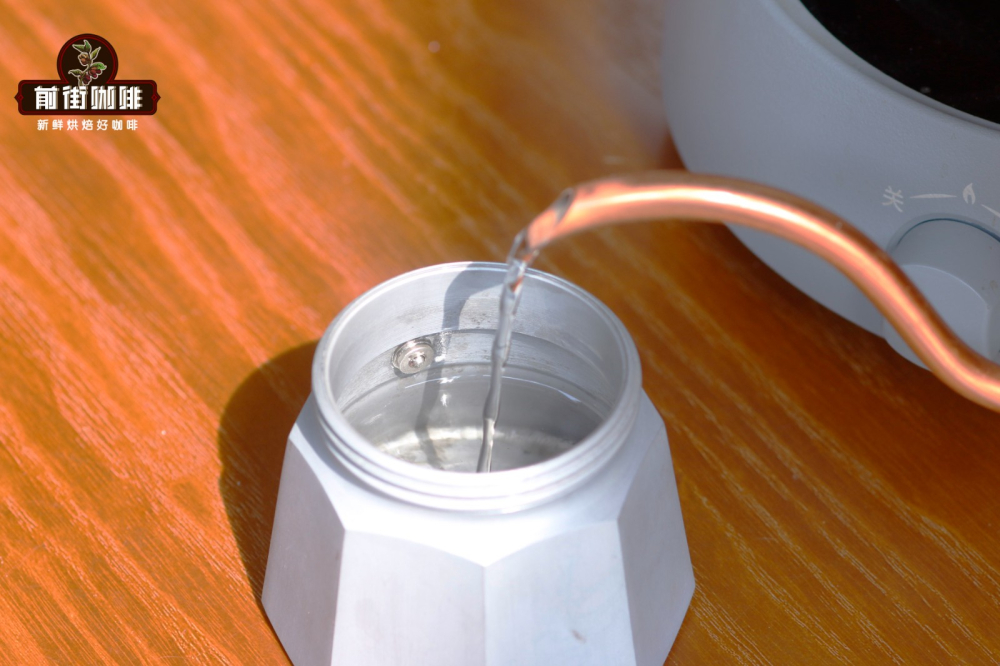
1. Add cold water to the lower chamber, keeping the water level below the safety valve.
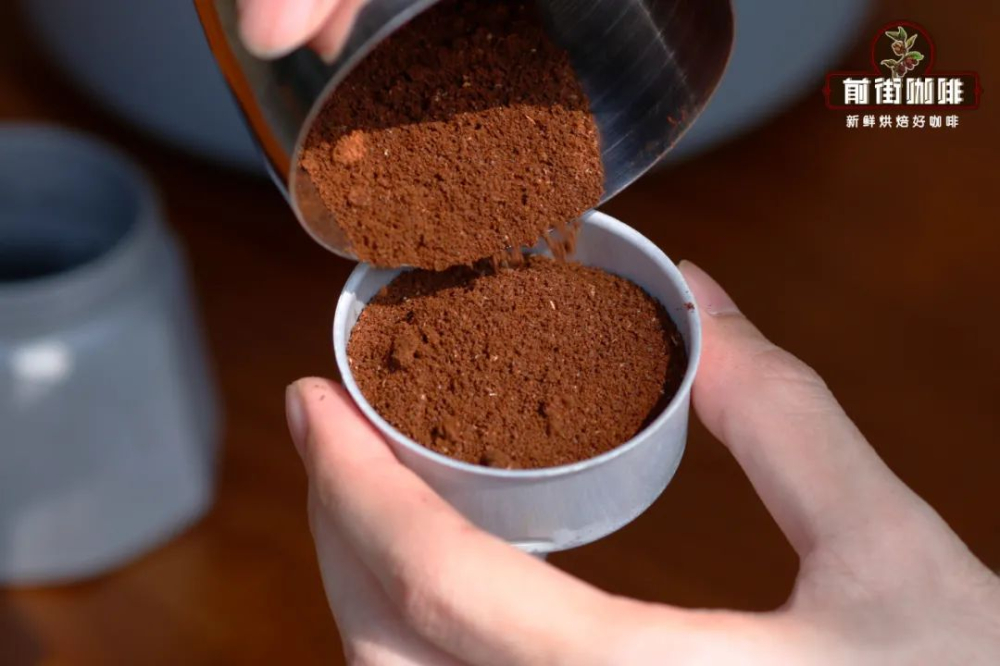
2. Fill the funnel with finely ground coffee to about 90% full, then gently tap the edges to level and compact it.
3. Screw the upper and lower chambers tightly together to prevent leakage during heating.
4. Place the moka pot on the stove, heat over medium flame until you hear a hissing sound, then reduce to low heat and wait for the coffee to start flowing out.
5. When the sound turns into a delicate bubbling noise, you can turn off the heat to avoid over-extraction.
When using a moka pot, there are several common precautions to keep in mind: First, the coffee brewed with a moka pot is highly concentrated, and it is usually recommended to pair it with fresh milk or milk foam to make drinks like lattes or cappuccinos. Second, the coffee grounds must be ground finely to allow for proper compaction and even extraction. Third, never let the moka pot run dry to avoid damaging its structure. Fourth, always clean the moka pot after each use to prevent coffee grounds from clogging the filter holes or affecting the accessories. Lastly, for a new moka pot, it is suggested to boil water twice first to remove impurities and odors before brewing coffee.
After extraction, you can adjust your drinking method based on personal preference. Black coffee without sugar or milk is the most basic way to enjoy it—ideal for those watching their calories or wanting to savor the pure flavor of coffee. Adding heated fresh milk (at 60–65°C) allows you to enjoy a smooth, latte-like taste. If you’d like to try a Vietnamese coffee style, you can add sweetened condensed milk and ice cubes to the espresso—it works well both hot and cold. Additionally, you can explore different flavors by trying various coffee bean blends, such as the Black Cocoa Blend, Specialty Blend, or Commercial Blend currently available on the market, each offering a unique taste profile for exploring different layers of coffee enjoyment.
In summary, the moka pot is an easy-to-use and flavorful home coffee brewing device. While it may not match the professionalism of commercial machines, its classic design and practical performance make it an appealing choice for both beginners and everyday coffee lovers. With the right techniques and attention to detail, you can easily enjoy a richly flavored espresso-like coffee at home.


The above content is compiled by CoffeeHunters, a coffee news website.


