








Introduction:Want to brew espresso-like coffee at home but don’t have a professional machine? A moka pot is your perfect helper. This article not only teaches you how to use a moka pot correctly, but also selects suitable coffee beans. Using Brazil’s Queen Estate as an example, we’ll detail extraction parameters and flavor characteristics to help you quickly master the usage tips of this classic brewing tool.
Want to enjoy rich and aromatic coffee at home without an expensive espresso machine? In fact, a classic-looking moka pot can easily make it happen. The moka pot uses steam pressure generated by high heat to push hot water through a bed of finely ground coffee via siphon principle, ultimately extracting a concentrated coffee liquid. Due to its design features, although the amount of coffee extracted each time is not large, the concentration is quite high, making it ideal for various milk-based coffee drinks.
The moka pot mainly consists of three parts: the upper chamber, the filter basket, and the lower chamber. The lower chamber holds clean water, which generates steam pressure when heated; the filter basket is used to place finely ground coffee; and the upper chamber is where the final extracted coffee liquid collects. The whole process is not only simple and efficient, but also lets you experience the joy similar to that of making espresso.
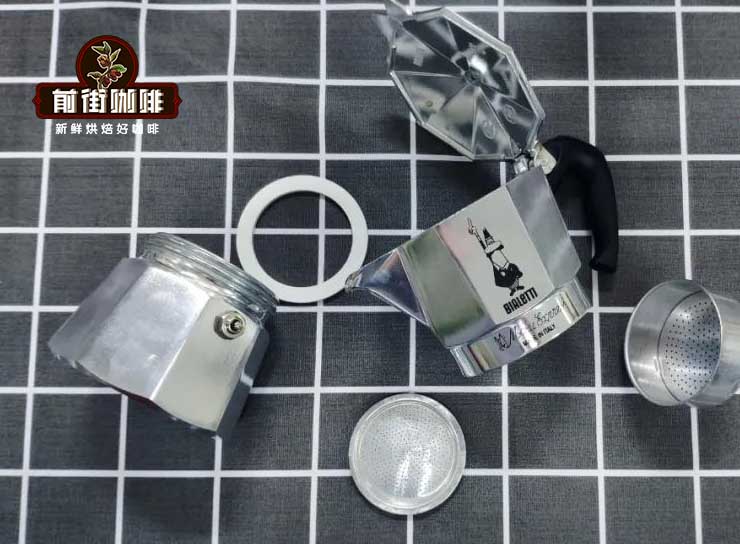
So, how does a moka pot extract coffee? The principle is actually not complicated — it mainly relies on the steam pressure generated after heating the lower chamber. When the pressure is strong enough to penetrate the coffee grounds, the hot water is pushed up into the upper chamber, completing the extraction. This method allows the moka pot to produce a beverage with flavors close to espresso, which is one of the reasons it is loved by coffee enthusiasts.
For beginners, how can you use a moka pot to brew espresso suitable for pairing with milk? Here are several key steps to pay attention to: First, determine the appropriate amount of coffee grounds — it’s recommended to use a fine espresso grind, then level and weigh the grounds after filling. Second, control the water level in the lower chamber, which usually requires practical testing to adjust, such as calculating the required water volume based on your target brew ratio. Third, fine-tuning the grind size is crucial; the ideal state is when the coffee flows out slowly, the pressure valve releases a bit of steam without any sharp noise. Lastly, be sure to turn off the heat in time to avoid burnt or overly bitter flavors caused by over-extraction.

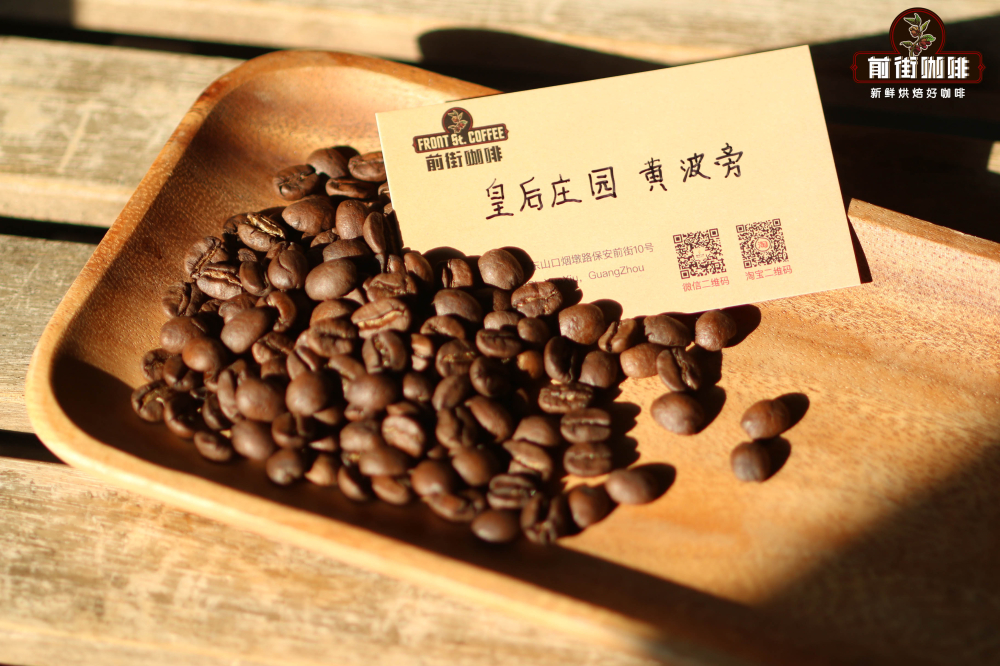
Next, let’s take a coffee bean with distinctive flavors as an example to see how the moka pot performs in practice. This time, we’ve selected the Yellow Bourbon variety from Brazil’s Queen Estate, processed using the honey method, and featuring rich nutty and cocoa aromas — perfect for extraction with a moka pot. The estate is located in São Paulo State, at an altitude between 1400 and 1950 meters. Its unique geographical conditions give these coffee beans a rich and balanced flavor profile.
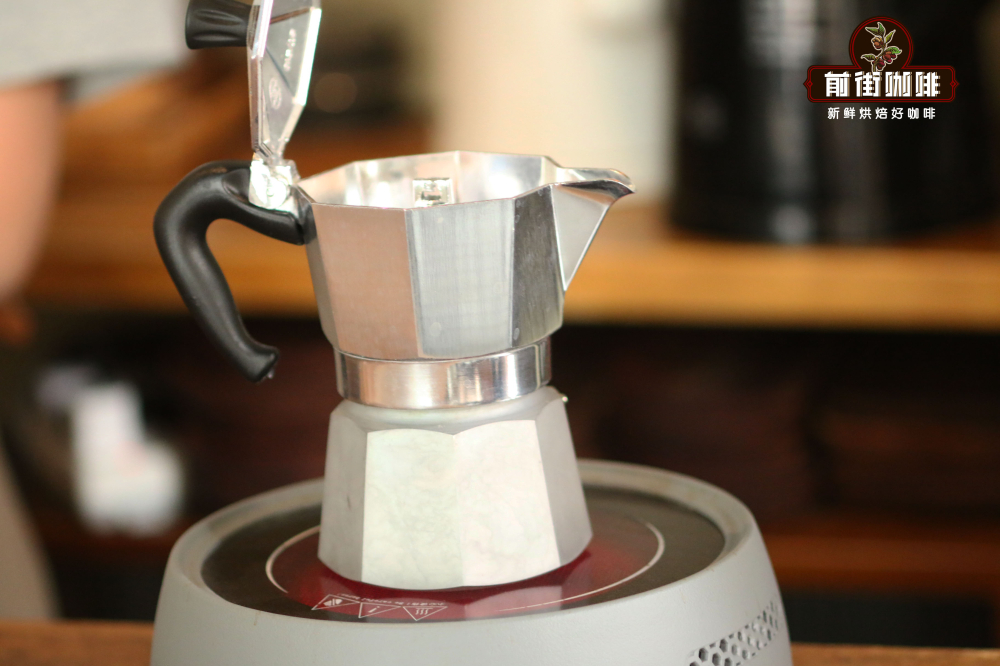
In terms of specific operation, first pour purified water into the lower chamber of the moka pot, keeping the water level about 0.5 cm below the pressure valve. Next, choose a grind size slightly coarser than standard espresso grind, gently tap the coffee grounds to distribute them evenly, form a small mound, and then level the surface. Place the filter basket into the lower chamber, ensure the moka pot’s upper and lower parts are tightly screwed together, and then heat it on an electric stove or gas burner over high heat. When about half of the coffee liquid has flowed into the upper chamber, turn off the heat source and let residual heat and internal pressure push the remaining coffee into the upper chamber.

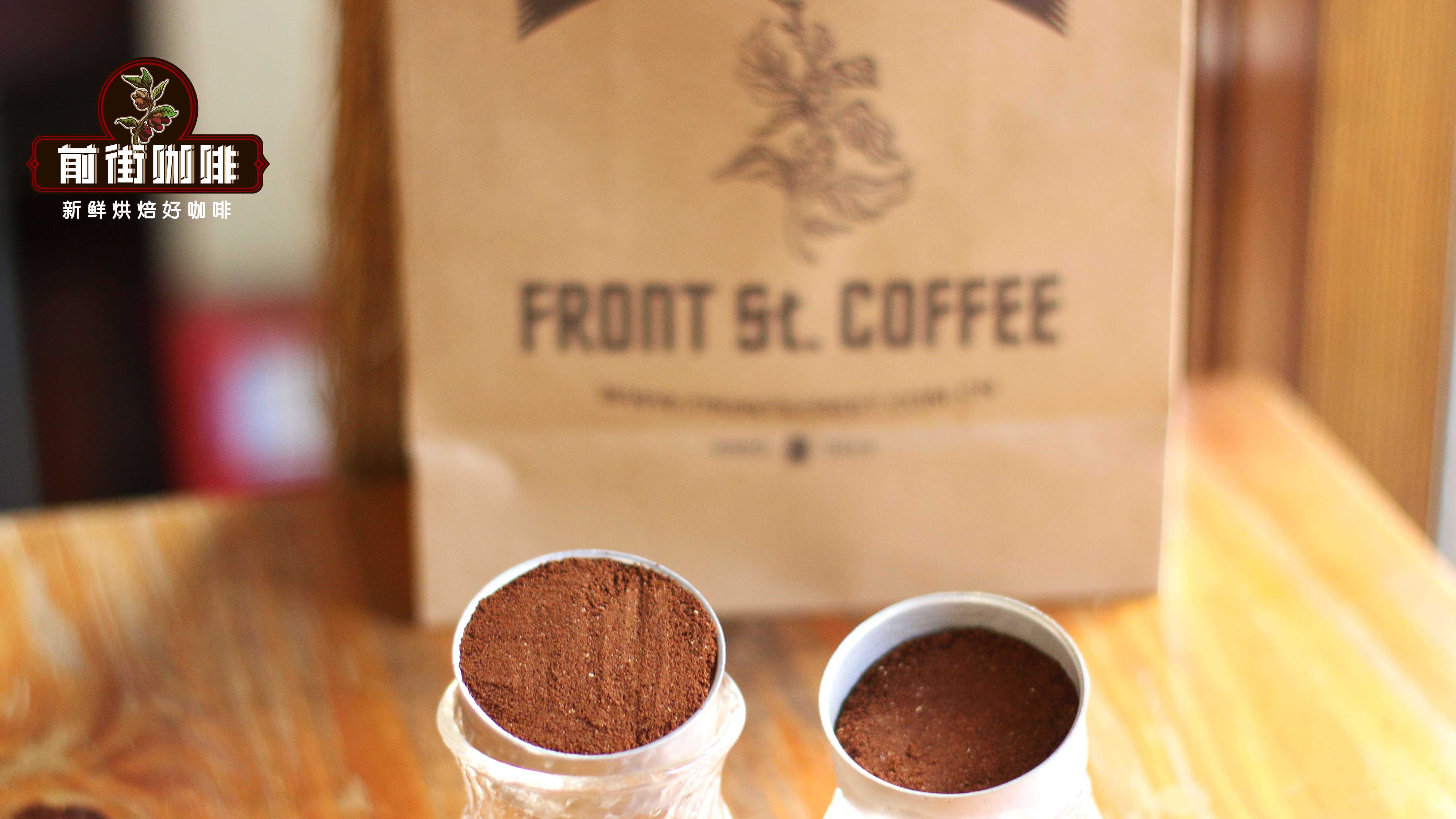
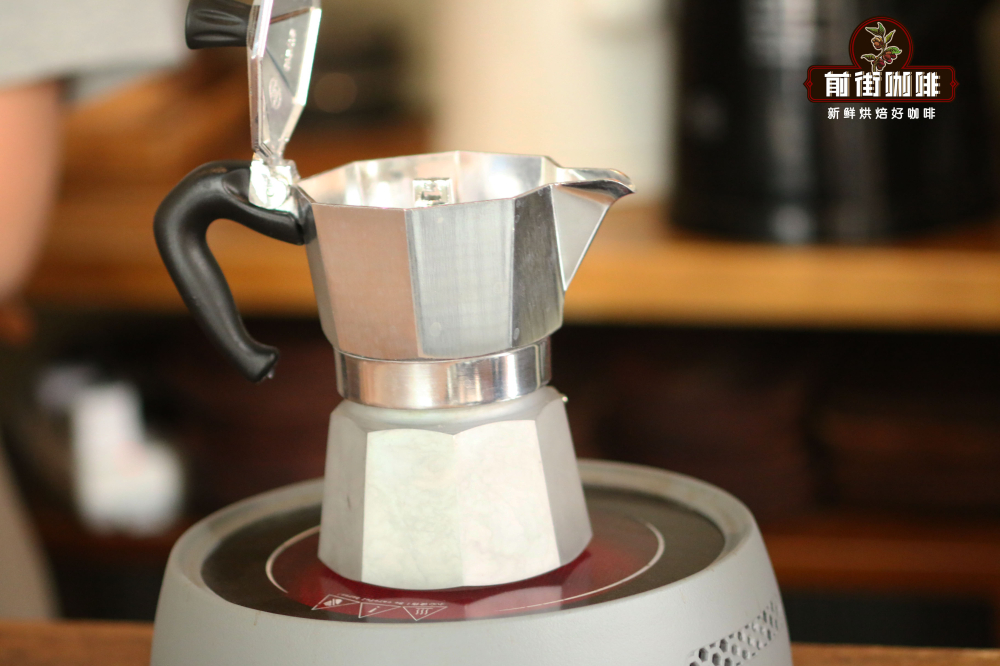
Once all the coffee liquid has been successfully extracted into the upper chamber, you can pour it into a cup and enjoy. Coffee made with a moka pot is usually very strong and can sometimes even form a thin layer of crema. You can choose to drink it directly based on your taste preference, or dilute it with a suitable amount of water or milk — the flavor remains excellent either way.

As for the flavor description of this Brazilian Queen Estate coffee bean, moka pot extraction brings out rich nutty aromas, accompanied by distinct chocolate notes and a sweet taste reminiscent of brown sugar. The overall profile is full-bodied and robust. When paired with milk, its performance is in no way inferior to that of professional café offerings — making it an excellent choice for everyday enjoyment or serving guests.
The above content is compiled by CoffeeHunters, a coffee news website.


