







Introduction:The moka pot is a classic brewing device for many coffee beginners. Not only can it quickly produce a strong cup of coffee, but it also carries a distinctive Italian charm. But do you know how to use it to extract the best flavor? How fine should the grind be? Will there be crema (coffee oils)? This article will explain in detail the operation steps, key parameters, and common misconceptions of the moka pot, helping you easily brew a cup of coffee that closely resembles espresso.
The Origin and Design Features of the Moka Pot
The moka pot was invented in 1933 by the Italian Alfonso Bialetti and is one of the important symbols of Italian coffee culture. Its classic two-tiered design uses steam pressure generated by heating to extract strong coffee, allowing you to enjoy a taste close to that of an espresso machine at home without expensive equipment. Most moka pots on the market today are made of stainless steel, compatible with both induction cooktops and open flames, with capacities typically ranging from 2 to 3 servings.
Basic Structure and Working Principle of the Moka Pot
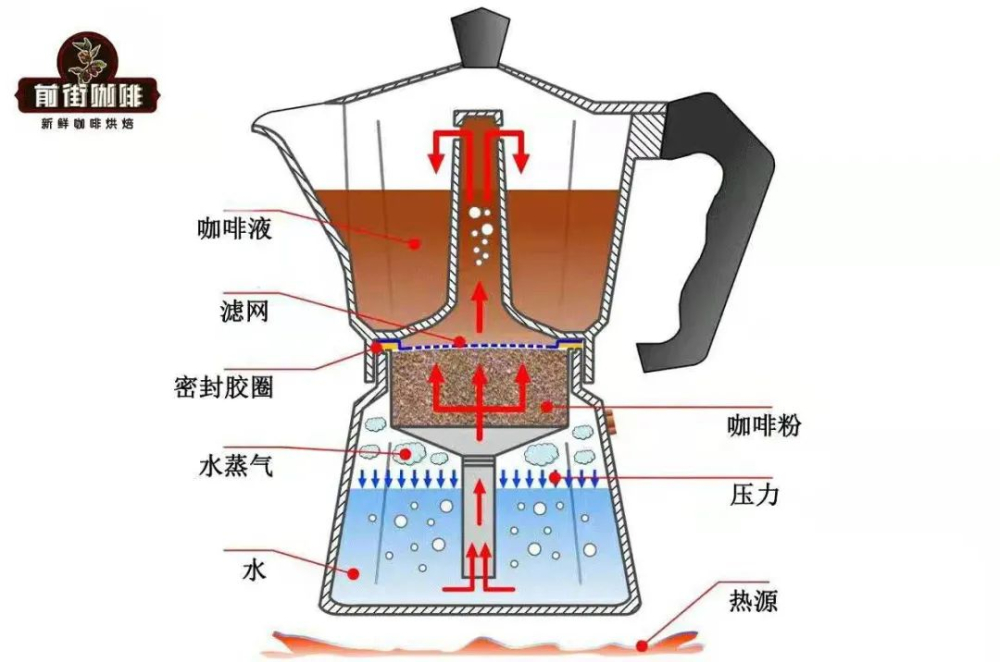
The moka pot mainly consists of three parts: the lower chamber for water, the middle filter basket for coffee grounds, and the upper chamber that collects the brewed coffee. When heated, the water in the lower chamber generates steam pressure, pushing the water upward through the coffee grounds layer to extract the essence, which then rises into the upper chamber. This process is similar to the principle behind making espresso, but it’s much simpler to operate, making it a popular entry point for those wanting to experience concentrated coffee flavors.
Preparation Before Use
Before you start, you’ll need freshly roasted coffee beans, a grinder, water, and a heating device (such as an electric or gas stove). It’s recommended to choose medium to dark roasted blends that can better showcase the rich aroma and bold taste produced by the moka pot. In our test, we used a blend of Brazilian, Indonesian Mandheling, and Vietnamese beans, featuring notes of caramel, chocolate, and nuts—perfect for experiencing the unique flavor of the moka pot.
Coffee Grind Size and Ratio
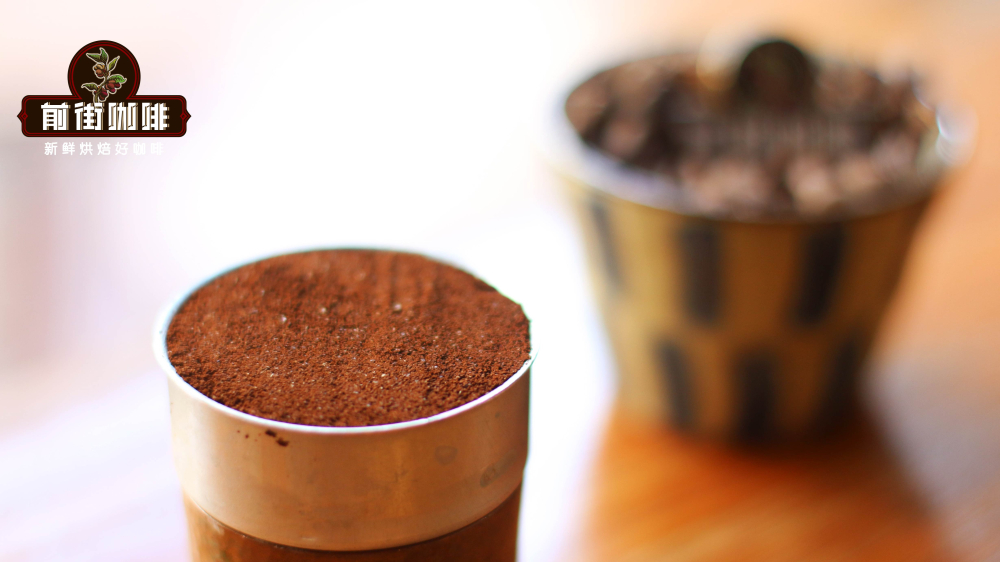
The grind size for a moka pot falls between that of pour over and espresso. It should be finer than what you’d use for pour over, but slightly coarser than what’s used in professional espresso machines. If you’re using an EK43s grinder, adjust to setting #3 to #3.5, with a texture similar to but finer than granulated sugar. A grind that’s too coarse may lead to under-extraction, resulting in weak flavor or even splattering due to insufficient resistance. On the other hand, a grind that’s too fine may clog the filter, causing over-extraction or excessive pressure. The recommended coffee-to-water ratio is around 1:5 to 1:6—for example, 20 grams of coffee to 100–120 milliliters of water, adjustable based on personal taste.

Step 1: Add Water and Coffee Grounds
Start by adding hot water to the lower chamber. The water level should be about 0.5 cm below the safety valve, usually around 100 grams of water. This helps reduce over-soaking of the coffee grounds, avoiding over-extraction and bitterness while also shortening the overall extraction time. Then, add the ground coffee to the filter basket, gently level it, and press evenly with your fingers—but don’t press too hard. Just make sure the surface is flat.
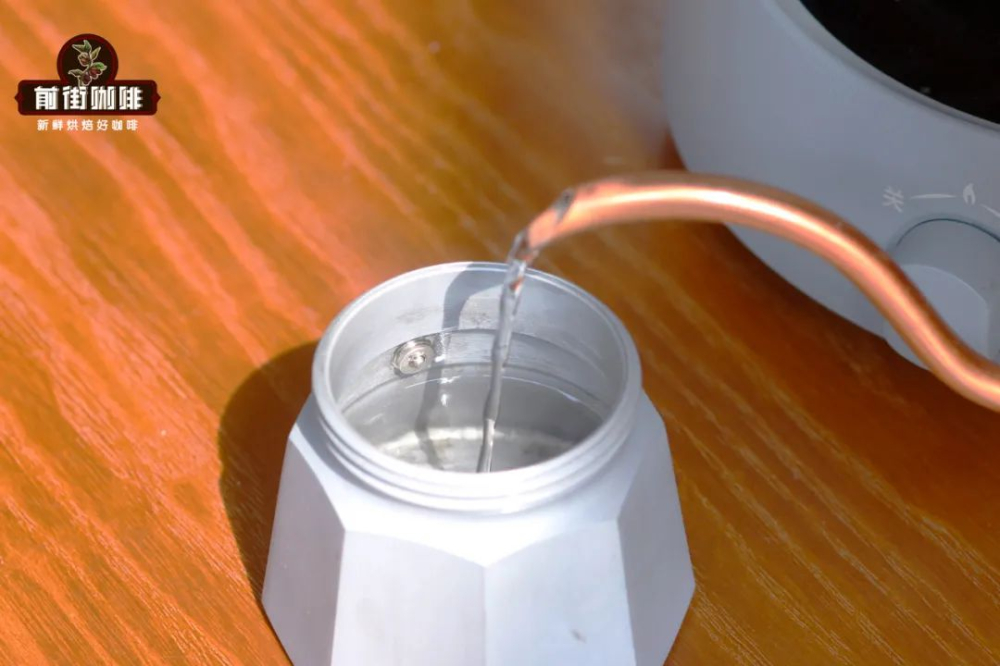
Step 2: Assemble, Heat, and Observe Extraction
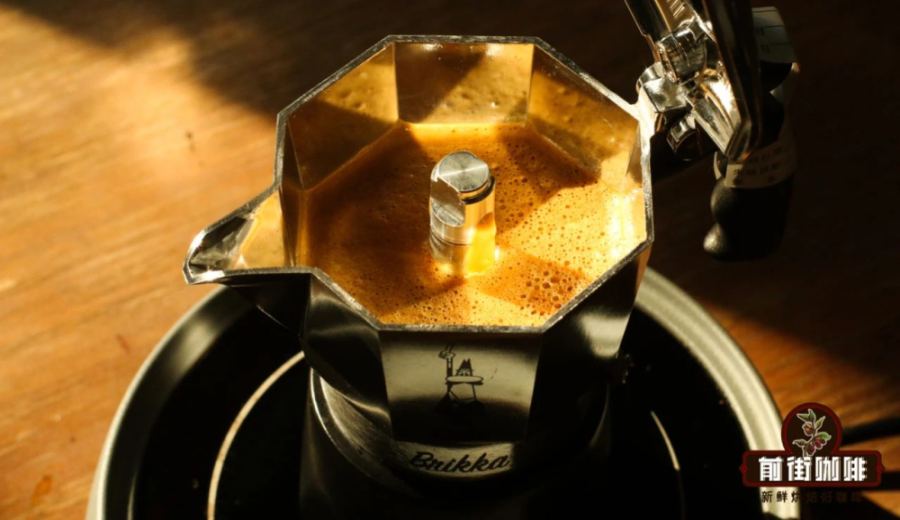
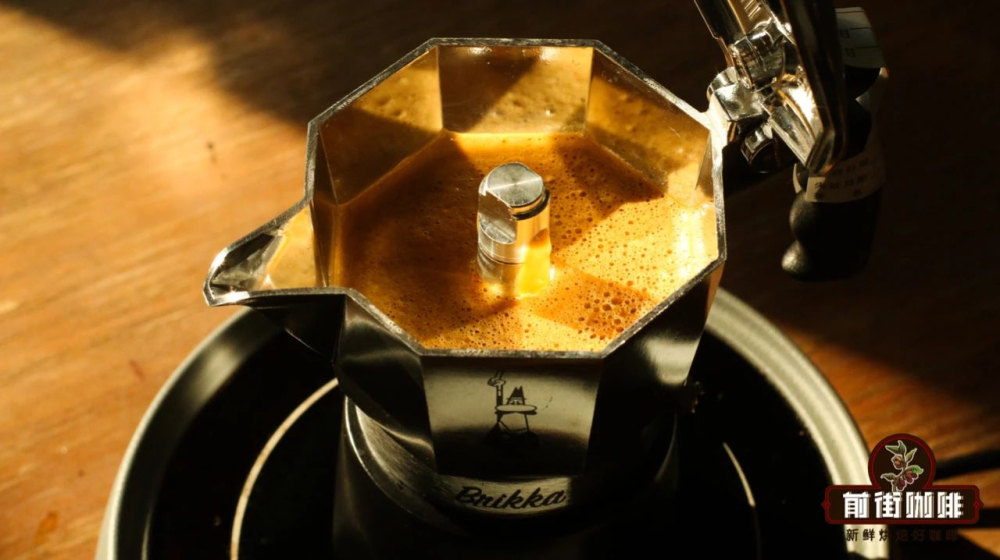
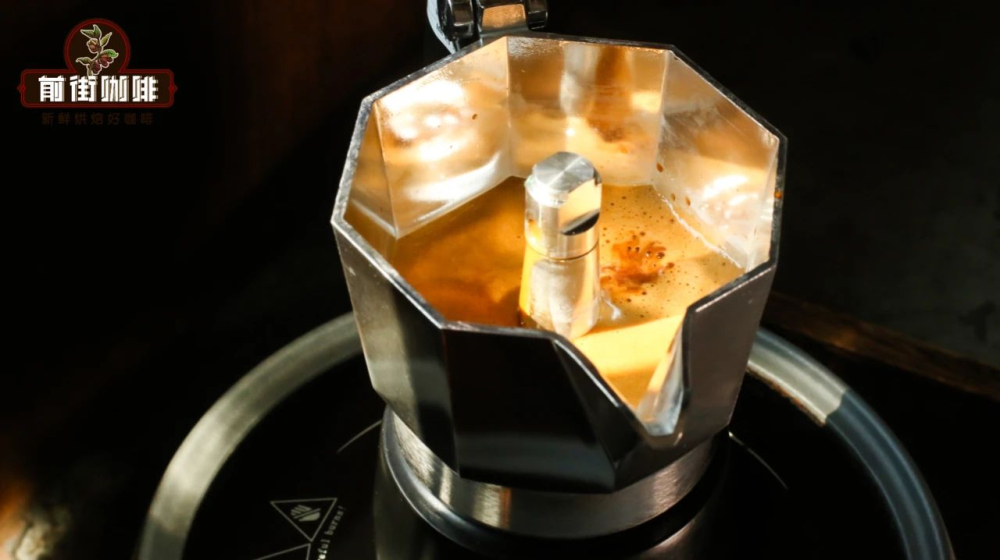
Place the filter basket back into the lower chamber and securely screw on the upper chamber. You can then begin heating. Use low to medium heat. Once you hear a hissing sound from inside the pot, it means pressure is starting to build. At this point, turn the heat down to low and open the lid of the upper chamber to observe the flow of coffee and any crema. Be cautious: too much heat can lead to excessive pressure, negatively affecting the taste and even posing safety risks.
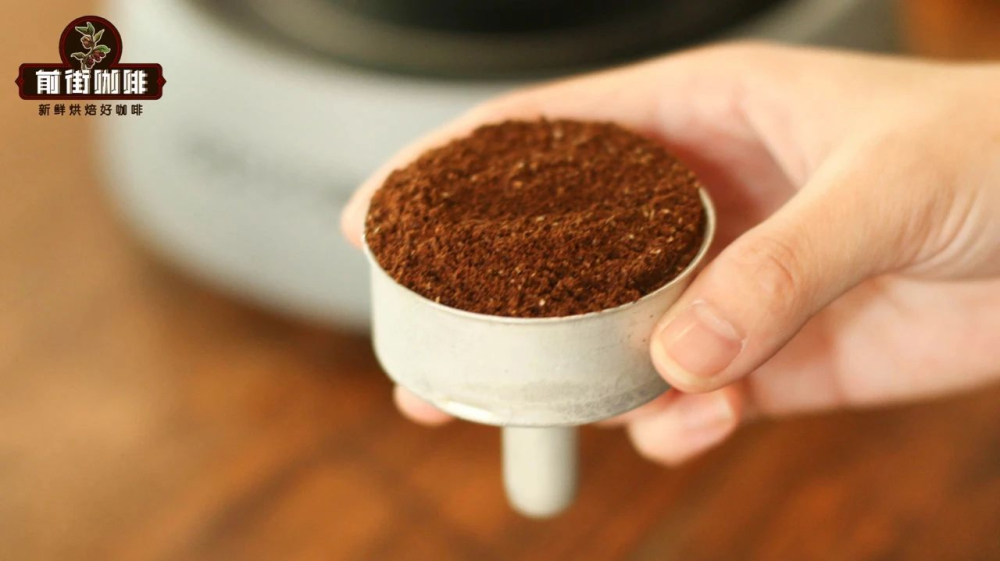
Step 3: Turn Off Heat and Complete Extraction
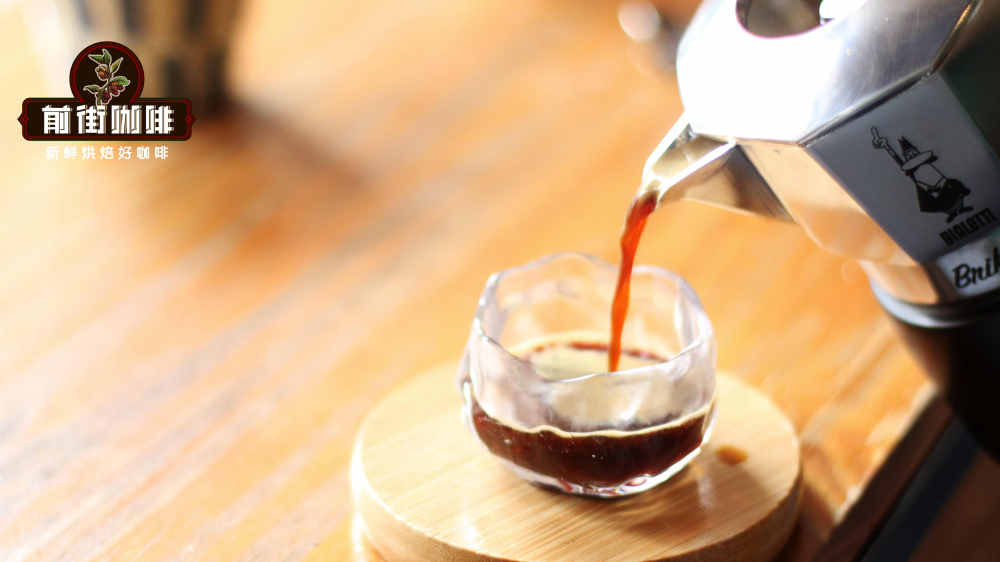
When the coffee in the upper chamber reaches about half full, you can turn off the heat. Let the remaining pressure and residual heat inside the pot complete the extraction. Move the moka pot to a safe, flat surface and let it sit for a moment—avoid touching the hot metal parts to prevent burns. The entire extraction process usually takes just a few minutes, yet delivers a strong and layered coffee experience.
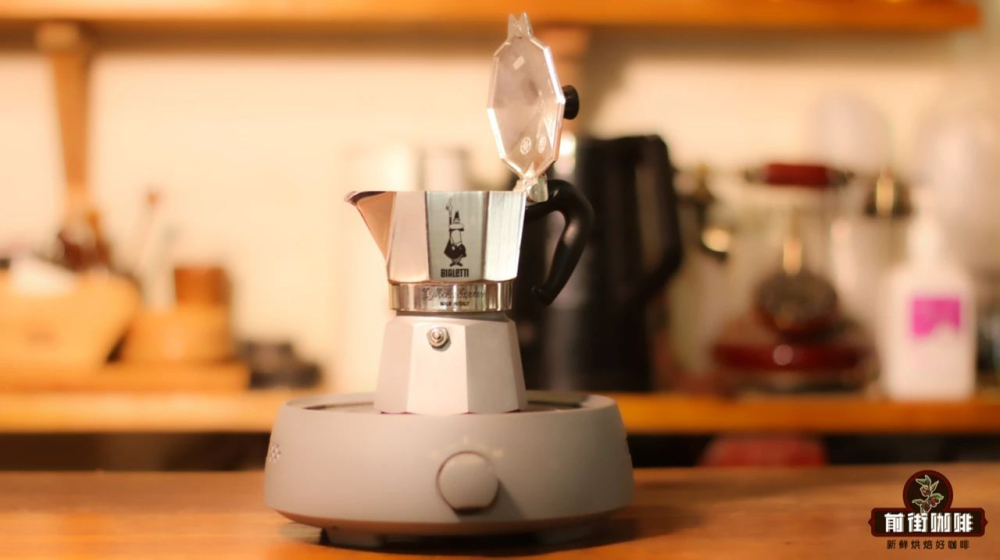
On Crema and Common Questions
Many people wonder if coffee brewed with a moka pot can produce crema. The answer is: it’s possible, but not as pronounced as with an espresso machine. If you use freshly roasted medium to dark roast beans—which are rich in carbon dioxide—and apply the right amount of pressure, you can extract a crema-like layer of coffee oils that enhances aroma and taste. However, the moka pot’s structure and pressure characteristics mean its crema is usually thinner. Also, avoid using stale or oxidized beans to ensure optimal extraction and flavor.
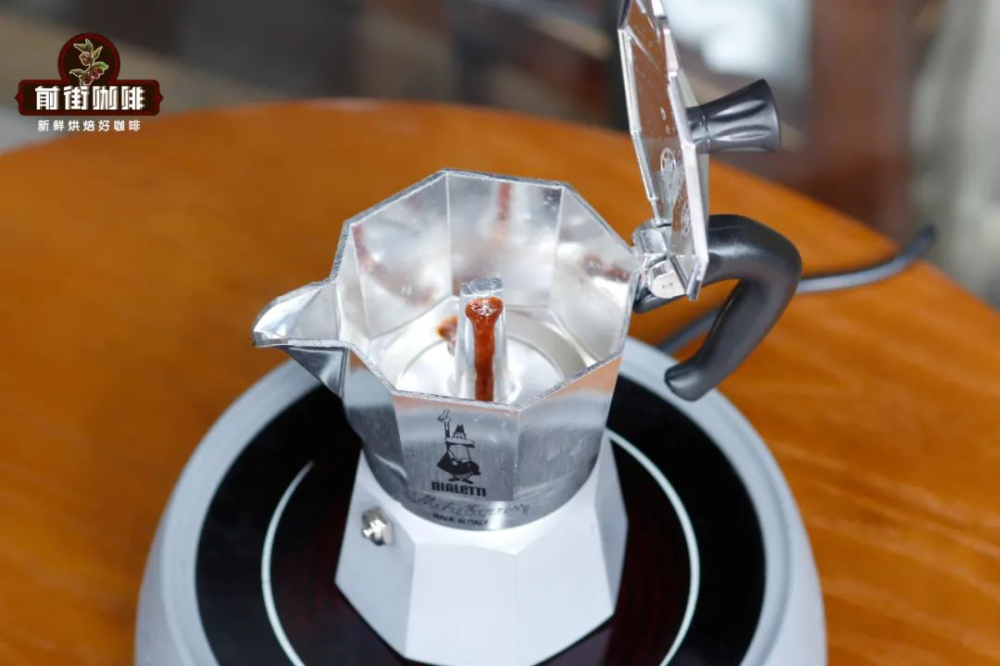
Tips and Summary
When using a moka pot, besides controlling grind size and coffee-to-water ratio, also pay attention to flame intensity and heating duration to avoid over-extraction or excessive pressure that can ruin the taste. Clean the pot thoroughly after each use, especially the filter basket and screen, to prevent old coffee grounds from affecting the next brew. With the correct method, the moka pot isn’t just a convenient home brewing tool—it’s also a great way to explore the flavors of espresso.
The above content is compiled by CoffeeHunters, a coffee news website.


