







Introduction:The moka pot is a classic coffee brewing device commonly found in Italian households, beloved for its simple structure and richly extracted flavors. This article delves into the history, internal construction, and brewing principles of the moka pot, guiding you on how to choose the right coffee beans and grind size, while detailing proper usage steps and safety precautions—allowing you to brew bold Italian-style espresso at home.
The moka pot is a classic coffee brewing tool originating from Italy, invented as early as 1933 by Alfonso Bialetti. This steam-pressure extraction device is arguably the most user-friendly espresso maker and remains extremely popular in Italian homes to this day. If you’re interested in this historically rich method of coffee brewing, take some time to explore its unique features and usage techniques.
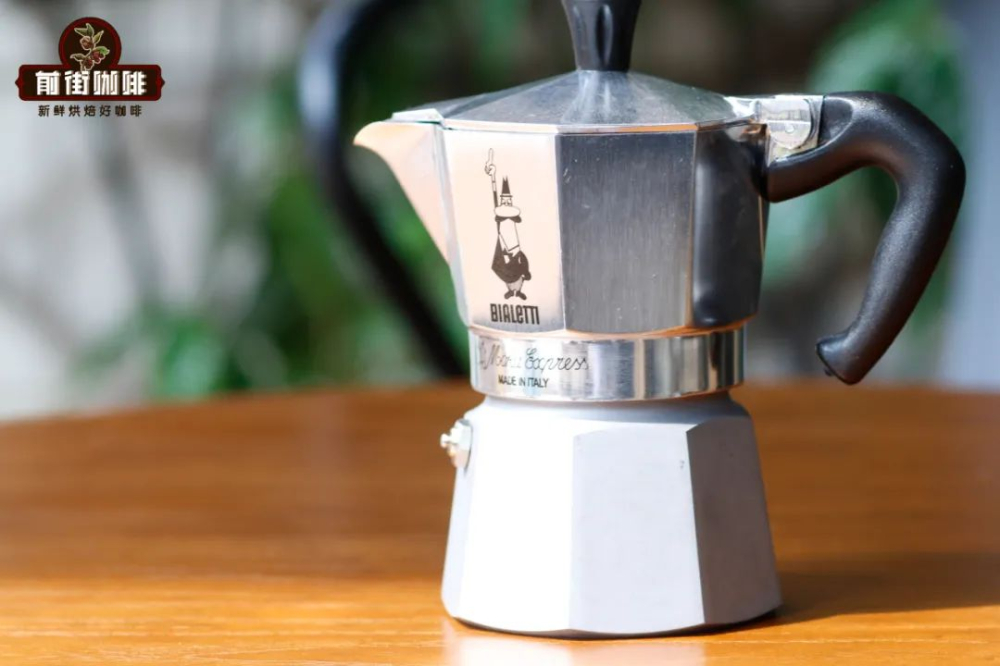
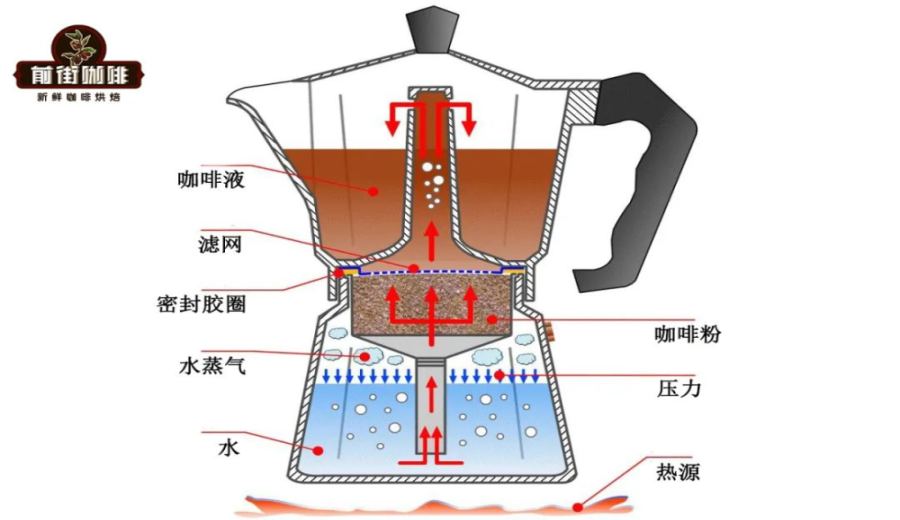
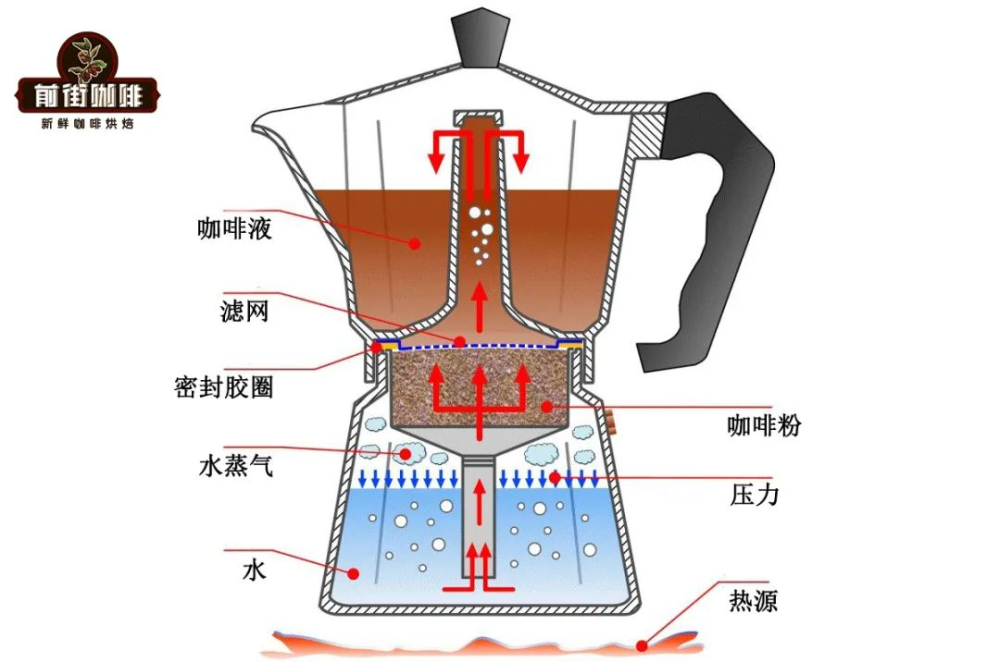
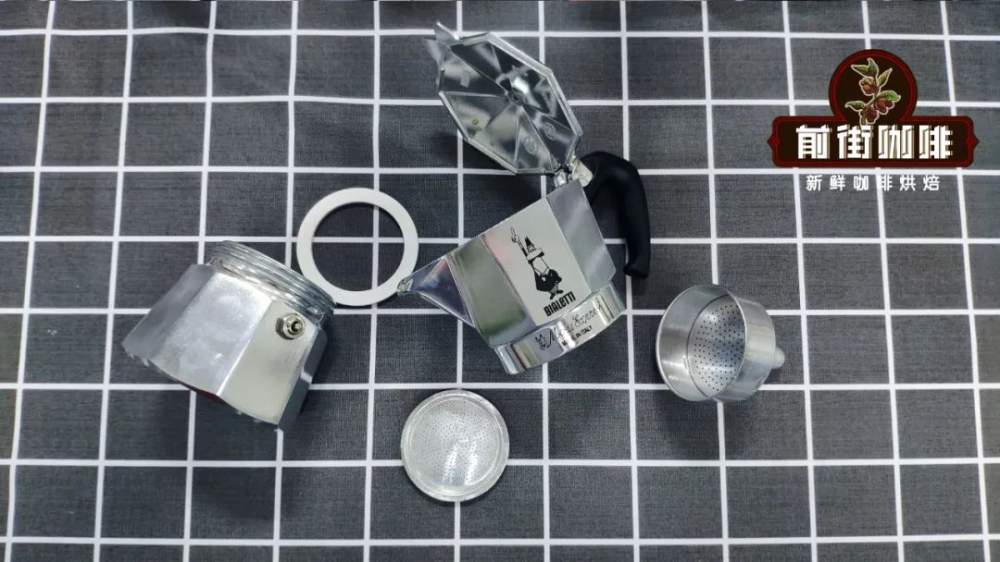
The moka pot mainly consists of three parts: the lower chamber, the filter basket, and the upper chamber. The lower chamber holds water, and when heated, the resulting steam pressure pushes the hot water through the middle coffee grounds-filled filter basket, eventually extracting a concentrated coffee liquid that flows into the upper chamber. This design allows the moka pot to produce espresso-like crema and aroma, despite lacking complex mechanical components.
Speaking of the history of the moka pot, we must mention its inventor, Alfonso Bialetti. This French-born designer returned to Italy and joined the then-thriving Italian aluminum
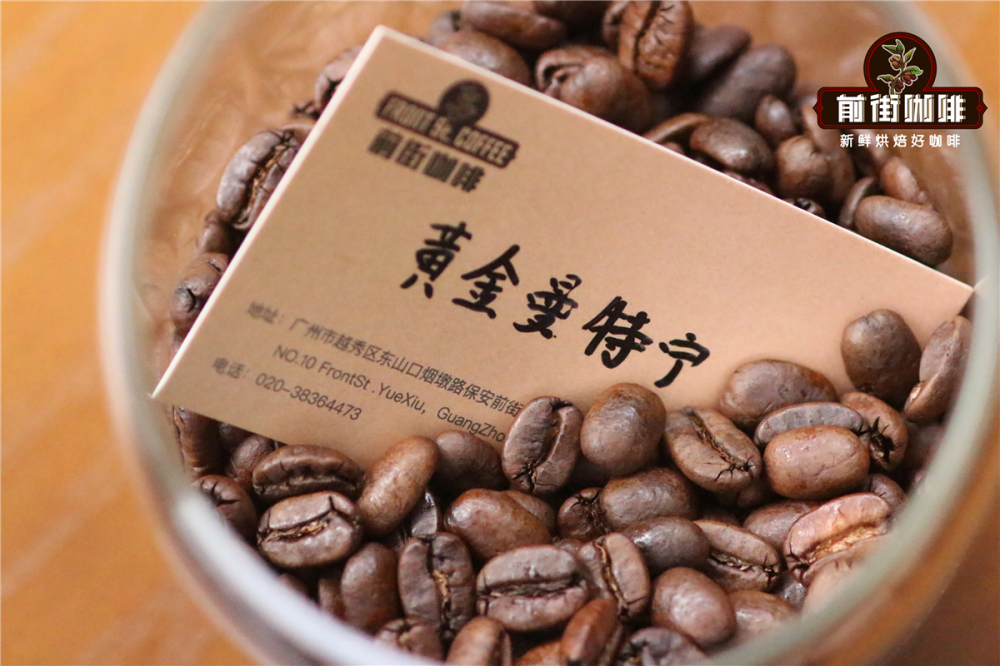
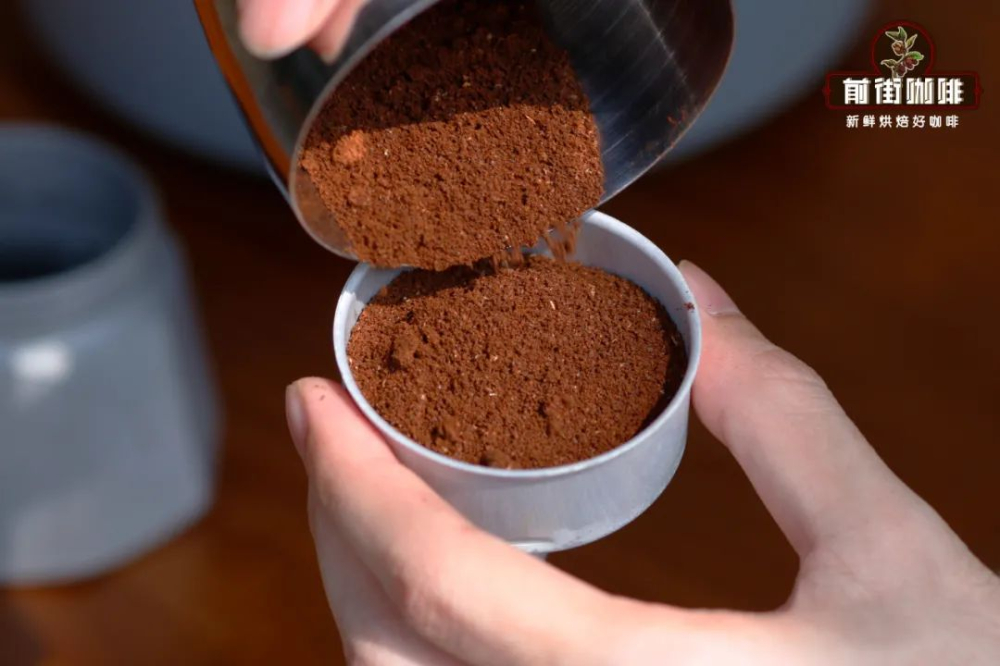
When using a Moka pot, it is recommended to choose medium-dark to dark roasted coffee beans to bring out a rich and full-bodied flavor. Typically, such beans can better withstand the high temperature and pressure extraction of the Moka pot, delivering a complex and layered taste. In addition, the grind size of the coffee is crucial—it should be as fine as table salt, which corresponds to about setting 3 to 3.5 on an EK-43s grinder—to ensure proper extraction resistance.
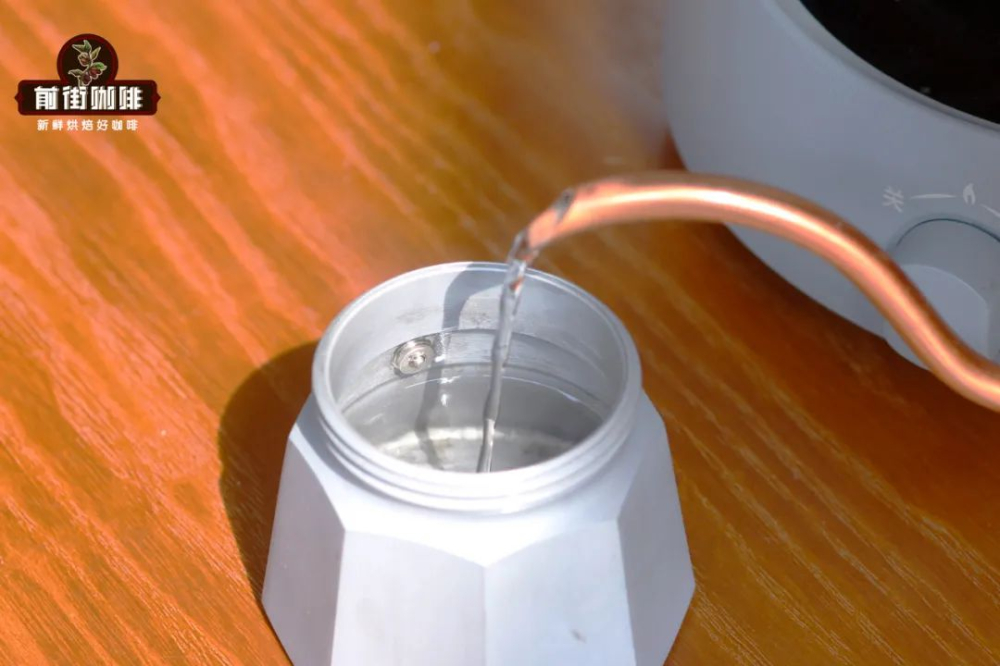
In practice, start by pouring water into the lower chamber, with the water level about 0.5 cm below the safety valve. This small safety valve plays a critical role, effectively preventing excessive internal pressure caused by overly fine coffee grounds or too much water, thereby avoiding potential danger. Remember, the water level must not exceed the opening of the safety valve, as doing so will significantly increase the risk of explosion.
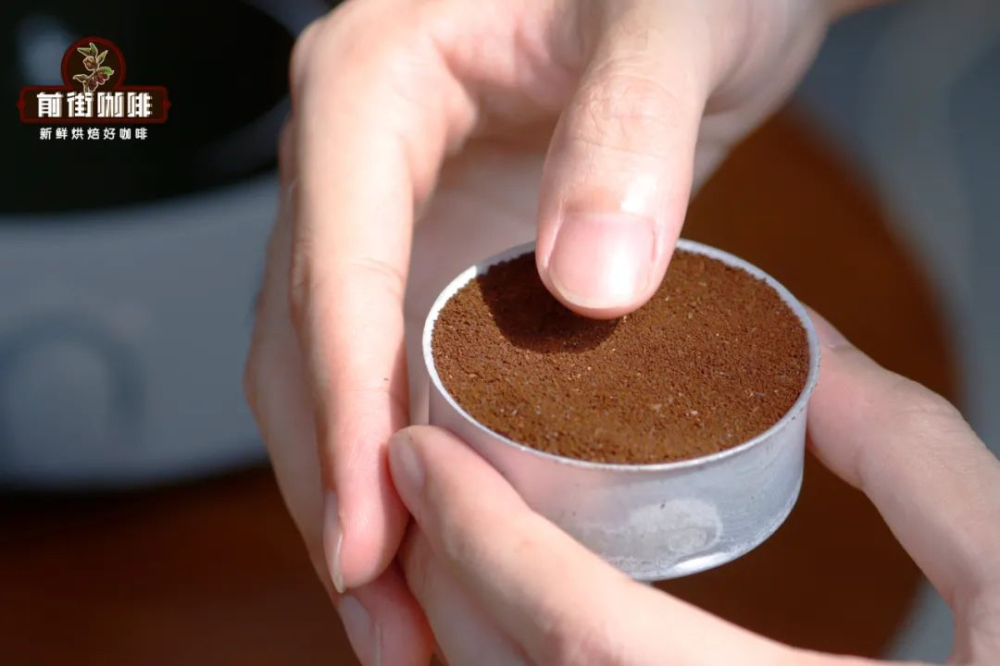
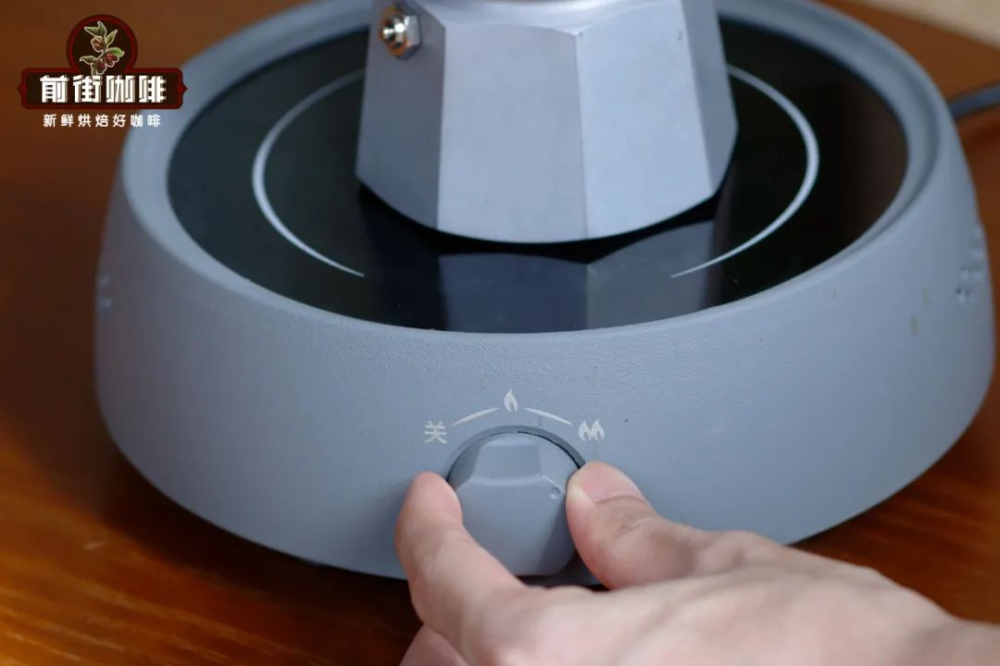
After placing the appropriately ground coffee into the filter basket, gently level it without creating a mound. If the coffee bed is uneven, you can use a distribution technique to even it out, ensuring the coffee grounds are densely packed throughout the basket. This helps stabilize the extraction process and reduces unwanted off-flavors. Then, screw the upper and lower chambers tightly together and place the Moka pot on the heat source over high heat.
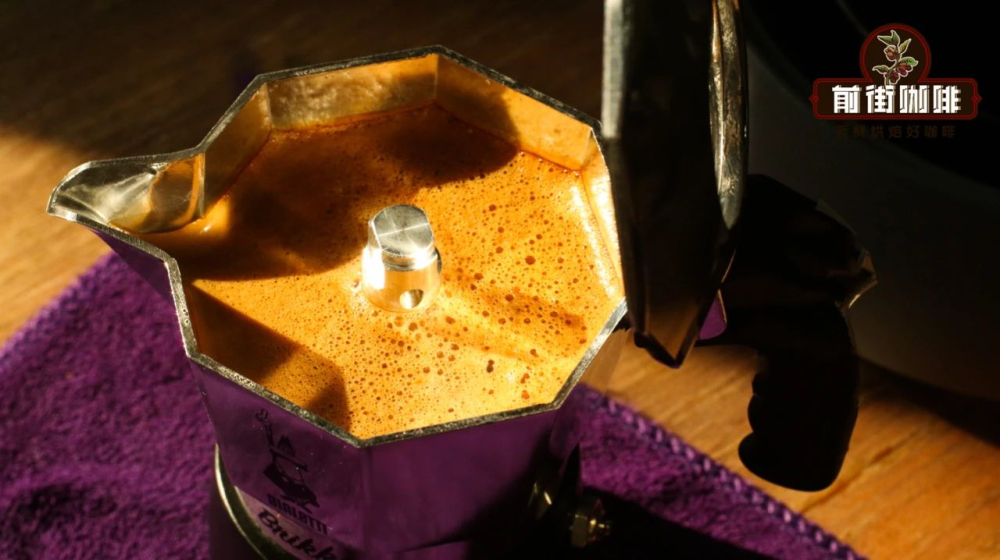
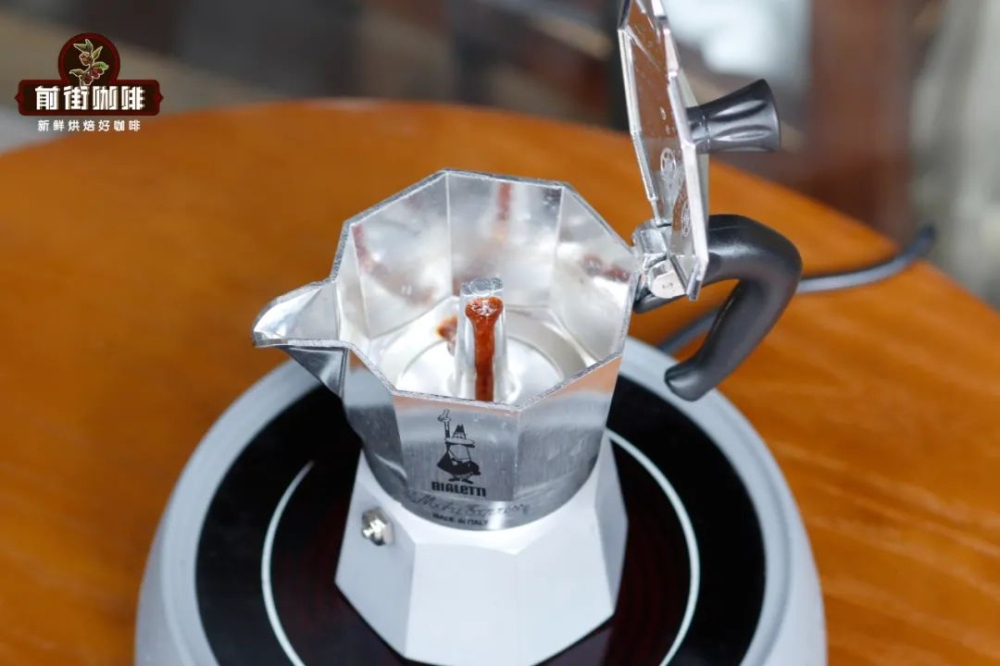
When you hear a distinct “wuu wuu” sound, it indicates that the pot has reached the optimal temperature for extraction. At this point, reduce the heat to low and open the top chamber to observe the extraction. When about half of the coffee has flowed out, you can turn off the heat and move the Moka pot to a flat surface. The remaining coffee will continue to extract slowly using residual heat and internal pressure until the process is complete.
Freshly brewed Moka pot coffee is quite strong, typically featuring a thick body and a noticeable crema layer. You can dilute it with water to make an Americano according to your taste preference, or add milk to make a latte. You can even try steaming milk at home with a milk frother to create latte art for added enjoyment. However, be especially cautious—if the coffee does not start flowing after heating, stop applying heat immediately to prevent the risk of excessive pressure.
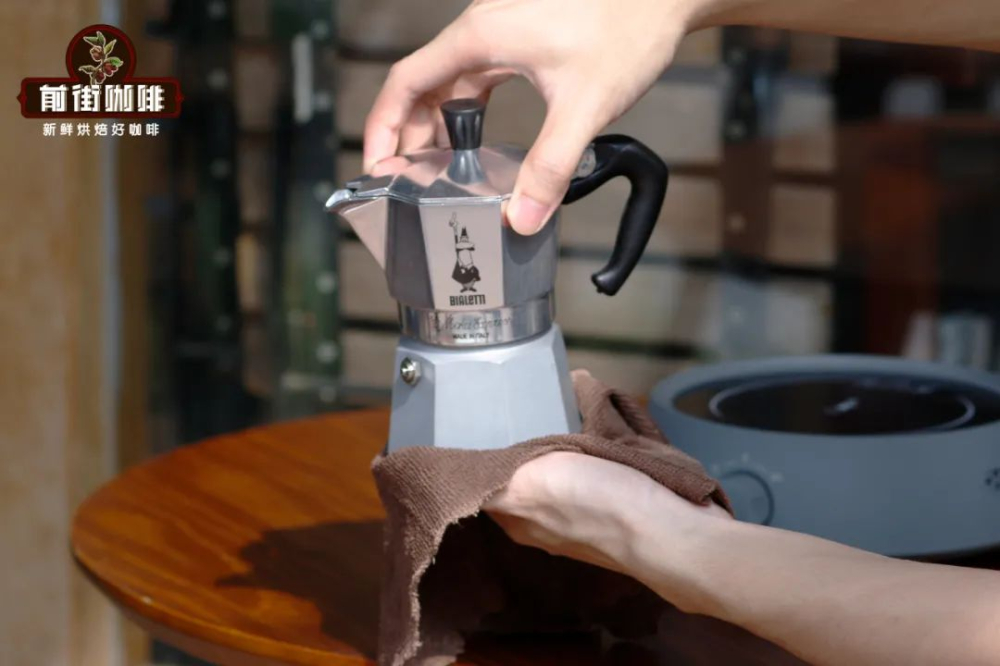
When using a Moka pot, safety should always be the top priority. In addition to controlling the grind size and water volume, avoid using low-quality or deformed Moka pots, as structural issues may lead to accidents. Moreover, never leave the Moka pot unattended during heating—stay alert to changes in the pot’s condition and any sounds, ensuring the entire process remains under control.
In summary, the Moka pot is not only a classic brewing device that carries the essence of Italian coffee culture, but also a practical tool for home users to easily enjoy the flavor of espresso. By correctly selecting coffee beans, mastering the grind size and operation steps, you can also brew a uniquely flavorful, crema-rich cup of Italian-style coffee at home, and enjoy the pleasure and satisfaction of making coffee by hand.
The above content is compiled by CoffeeHunters, a coffee news website.


