







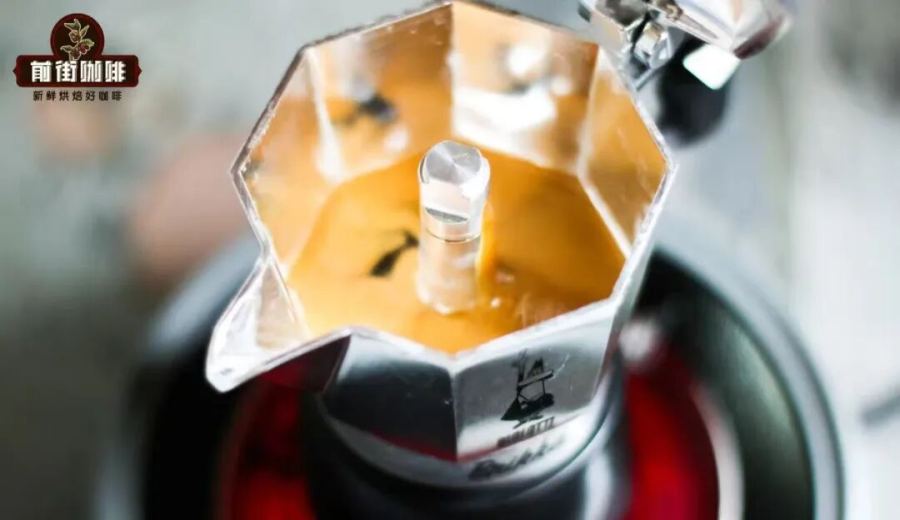
Introduction:Many coffee enthusiasts enjoy the bold flavors of dark-roast beans brewed with a Moka pot, but they also wonder if light-roast beans can deliver equally impressive results. This article delves into common issues when using light-roast coffee beans in a Moka pot—such as lackluster flavor, minimal crema, and weak-tasting milk coffee—and provides detailed advice on grind size, coffee dosage, and heat adjustment to help you brew layered, elegant coffee even with light-roast beans.
After drinking one style of coffee for a while, it’s natural to crave something new. Many Moka pot users typically prefer the smoky, intense flavors of dark-roast beans but are also curious about the floral, fruity notes and bright acidity of light-roast beans. However, online forums are filled with examples of failed attempts at brewing light-roast beans in a Moka pot, leading many to question whether light-roast beans are suitable for this method. In reality, light-roast beans absolutely can be used in a Moka pot—it just requires more precise extraction parameters and techniques compared to dark-roast beans to avoid common pitfalls.
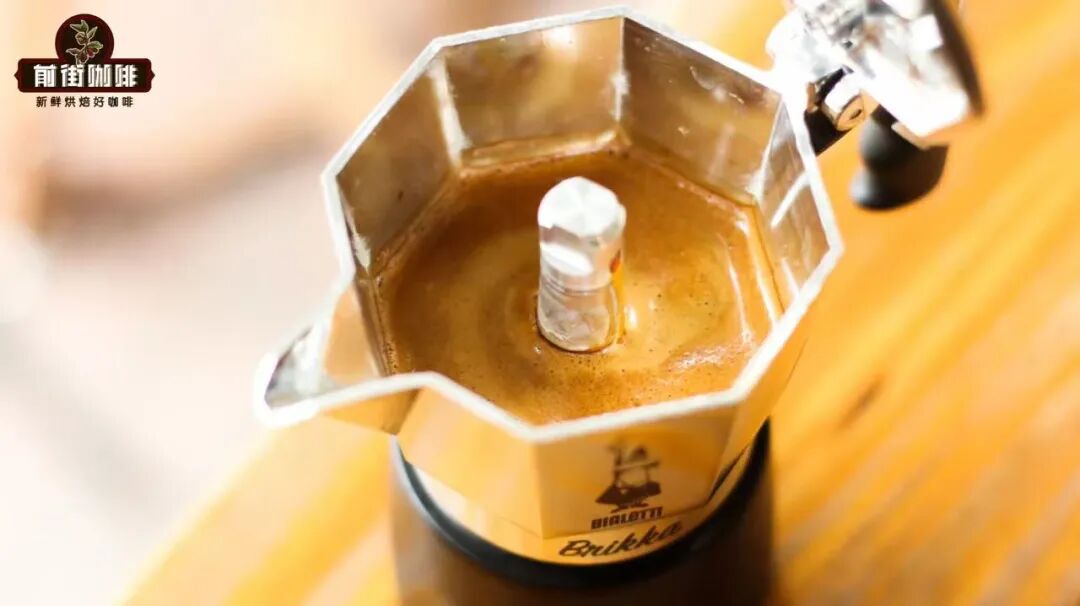
Next, we’ll break down several common issues when brewing light-roast beans in a Moka pot, including under-extraction resulting in overly sharp acidity, poor crema performance, and unbalanced flavors in milk coffee. We’ll also offer practical parameter adjustments and brewing tips to help you achieve surprisingly good results with light-roast beans.
I. Common Issues with Light-Roast Bean Extraction: Why Do They Often Taste Sharp and Flavorless?
When using light-roast beans in a Moka pot, the most frequent problems are sharp, overly acidic tastes, muted flavors, or even an undrinkable cup. These issues usually stem from two main causes: under-extraction and failure to adjust brewing parameters for light-roast beans.
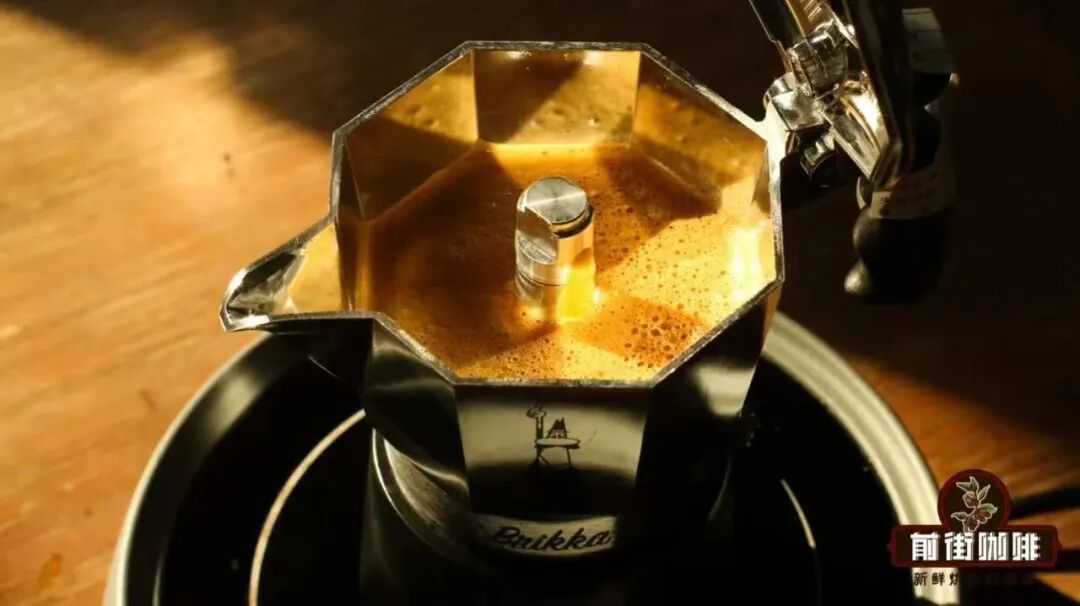
Under-extraction means the sweet and bitter compounds in the coffee aren’t fully released, allowing acidity to dominate and become overly harsh, while the overall flavor remains undeveloped. Additionally, splattering liquid or the formation of a “double tail” often indicates uneven extraction or overly fast flow rate.

To improve this, try adjusting to a finer grind, increasing the coffee dosage, or slightly reducing the heat to extend the extraction time. These adjustments effectively increase the resistance of the coffee puck, prolonging extraction and achieving a better balance between sweetness, bitterness, and acidity, while unlocking more layered flavors.
Many people assume that the same grind size and dosage can be used for both dark-roast and light-roast beans, but the differences are significant. Dark-roast beans, due to their higher roast level, have greater expansion coefficients and lower density, making their flavor compounds easier to extract. In contrast, light-roast beans are denser, and their flavor compounds are less soluble. Without parameter adjustments, under-extraction is likely.
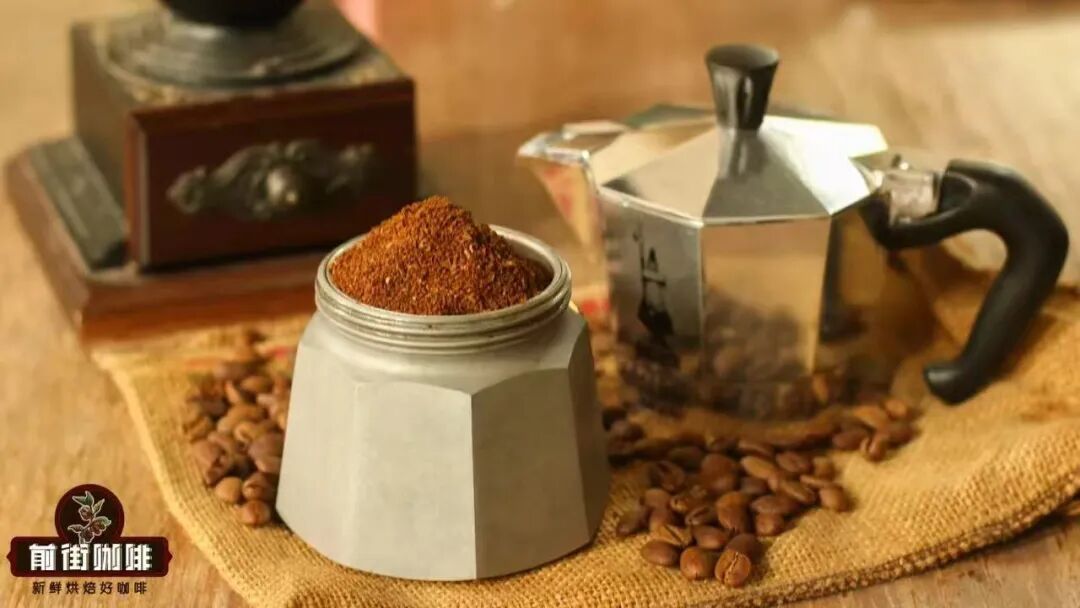
As a practical recommendation, if you usually use 20 grams of dark-roast beans with a Galileo Q18 at a 1.0 setting and a flour-like grind, try using 21 grams or more of light-roast beans, adjusting the grind to slightly coarser than flour but still fine. This helps extend extraction time and enhances overall flavor expression.
Additionally, light-roast beans typically retain more acidity. If you prefer lower acidity, opt for medium-light or medium-roast beans, such as SOEs or blends with floral and fruity notes. These tend to offer a smoother balance of acidity and sweetness, along with richer fruit characteristics.
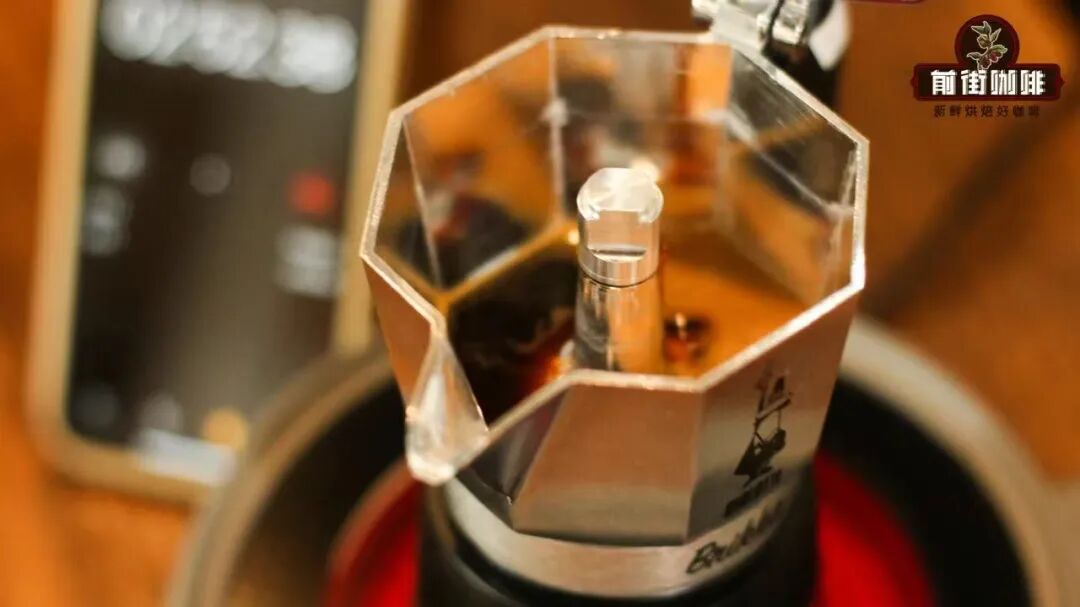
II. Crema Performance of Light-Roast Beans: Is It Really Less?
Many users report that when using light-roast beans, the Moka pot produces coffee with a thinner layer of crema—or none at all. This isn’t necessarily a mistake but rather a normal phenomenon.
The amount of coffee crema primarily depends on the roast level and the freshness of the beans. Deeper roasts and fresher beans generally yield a richer crema. However, the pressure in a Moka pot is far lower than that of a professional espresso machine, so even if a seemingly thick crema is produced, it dissipates quickly, unable to maintain a stable foam or support latte art.
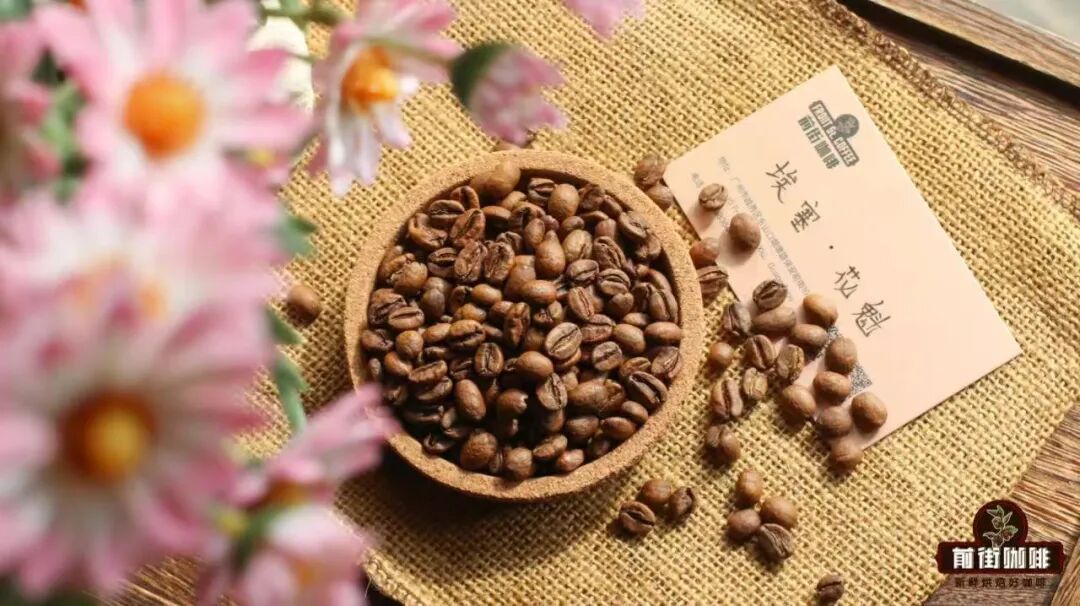
Therefore, for Moka pot brewing, the thickness of the crema isn’t a primary indicator of coffee quality. It’s better to focus on the overall flavor and mouthfeel rather than excessively pursuing crema.
If you still prefer a more visible crema, opt for slightly darker-roasted beans. This not only increases crema quantity but also enhances the coffee’s richness.
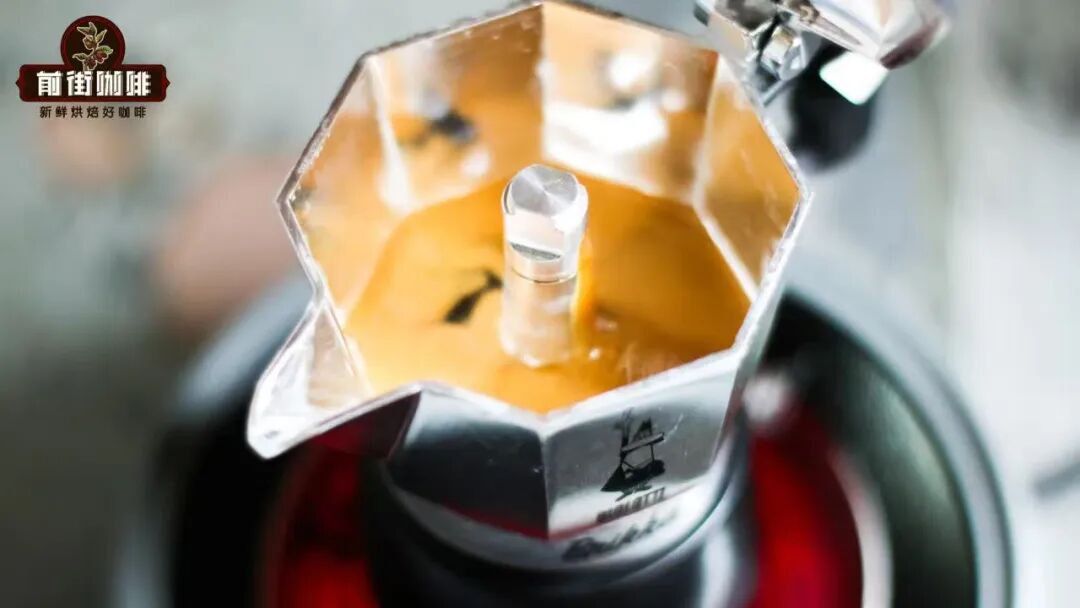
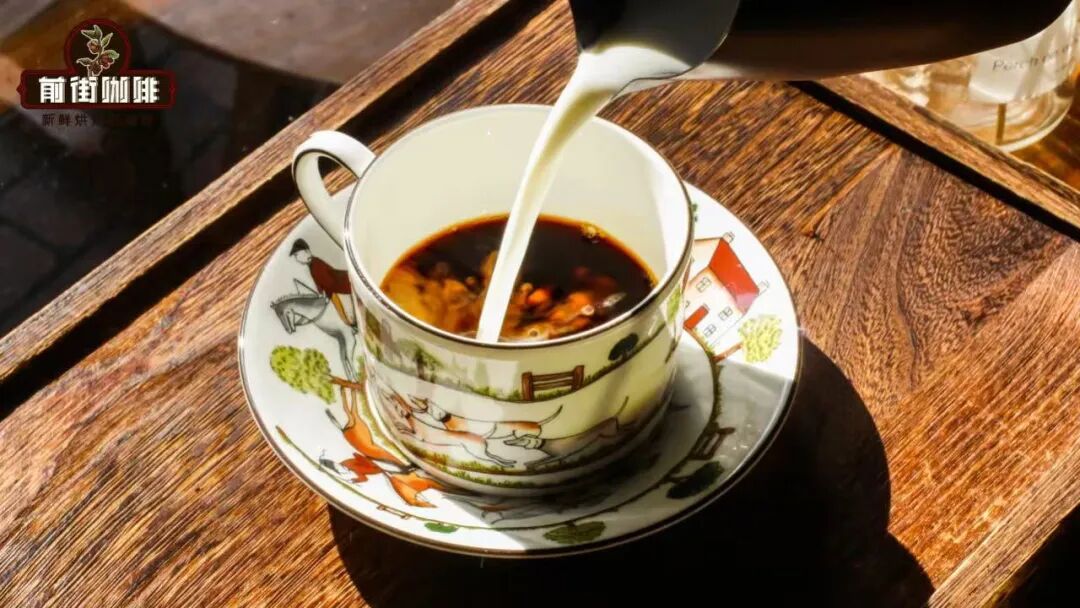
III. Milk Coffee with Light-Roast Beans: Why Does It Taste Less Intense?
Many users buy a Moka pot hoping to brew espresso-like coffee to mix with milk for lattes or cappuccinos. But when switching to light-roast beans, they often find the milk coffee dominated by milk flavor, with the coffee character lacking prominence.
This is because light-roast beans undergo less caramelization and Maillard reaction during roasting, producing fewer intense caramel or chocolate notes. Instead, they emphasize bright floral and fruity aromas. When paired with milk, the result can taste thin or unbalanced.
To address this, adjust the coffee-to-milk ratio. Instead of the common 1:3.5 ratio (recommended for dark-roast beans), try 1:3 or even lower. For example, use 50 ml of light-roast espresso base with 150 ml of milk to achieve a more balanced, smooth, and layered milk coffee flavor.
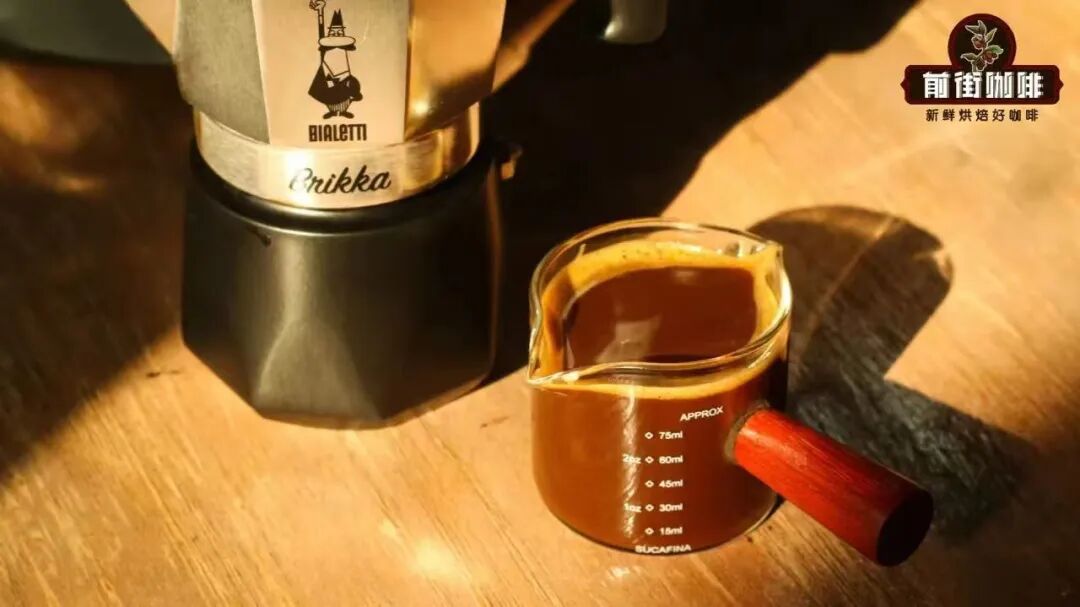
If you enjoy fruit-forward milk coffee, consider light-roast blends with prominent berry or citrus notes. These add personality and complexity while maintaining good drinkability and harmony with the milk.

In summary, light-roast beans are absolutely suitable for Moka pot brewing. With the right adjustments to grind size, dosage, heat, and ratios, you can still achieve satisfying results. Whether you prefer bright, fruity flavors or balanced, easy-drinking milk coffee, slight parameter tweaks will allow light-roast beans to shine in your Moka pot.
The above content is compiled by CoffeeHunters, a coffee news website.


