







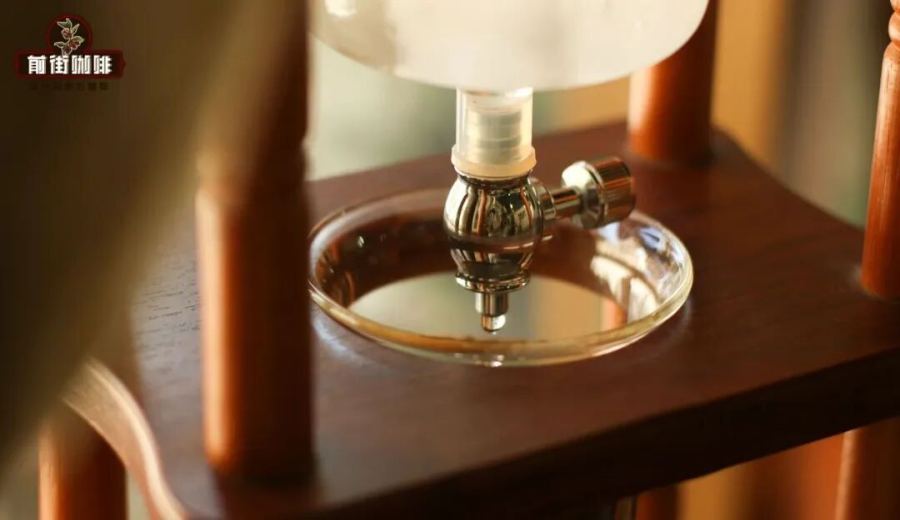
Introduction:Drip coffee, with its unique flavor profile and low-temperature extraction process, has become a beloved summer coffee choice. This article delves into the historical origins of drip coffee, debunks common misconceptions, and recommends suitable coffee bean types for this brewing method. It also provides detailed at-home preparation steps and professional-level parameter settings to help beginners easily master this seemingly complex yet refined brewing technique.
As temperatures rise, drip coffee has become the go-to refreshment for many coffee enthusiasts. Compared to traditional hot brewing methods, drip coffee uses prolonged cold extraction to deliver a smoother, more delicate taste and richer layers of flavor. However, this seemingly advanced brewing method can actually be easily achieved at home by mastering a few key points.
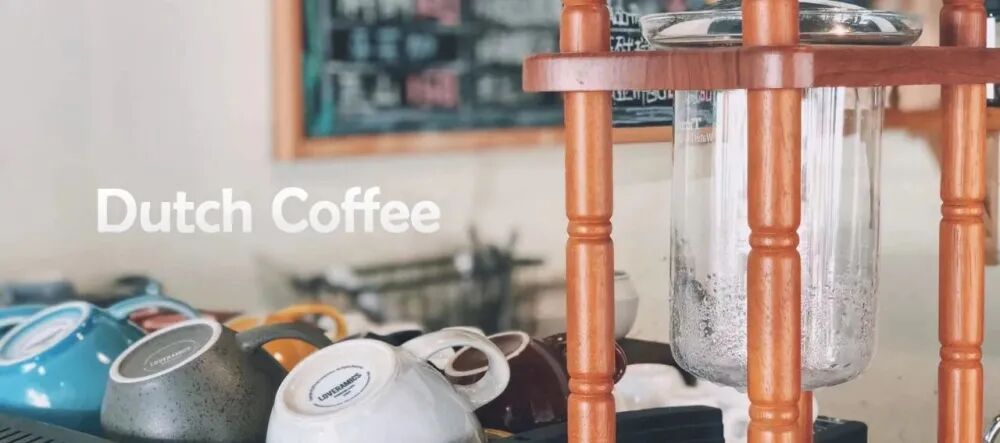
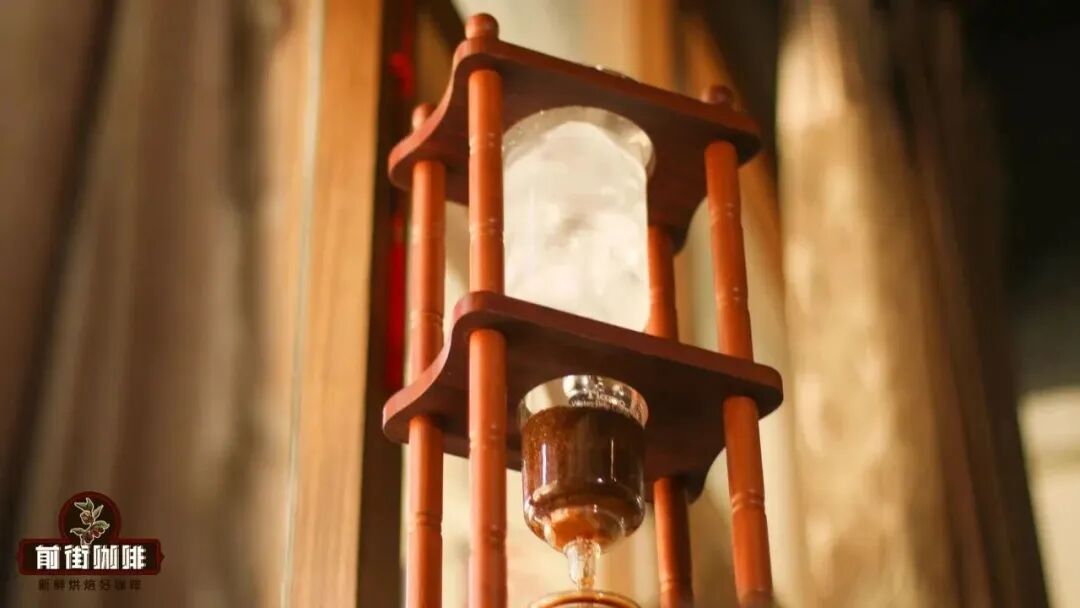
Regarding the origin of drip coffee, there is a widely cited story about Dutch sailors—allegedly, they accidentally invented this cold water extraction method while transporting coffee beans due to a lack of hot water. But upon investigation, this turns out to be a marketing tale fabricated later by Japanese businesses to promote drip coffee makers. In fact, the mainstream cold brew method in the Western world is "cold brew," where coffee grounds are steeped in cold water for an extended period, not the Japanese-style drip extraction technique.
True drip coffee, though called "Dutch Coffee," has little direct connection to the Netherlands. Its birth is closely tied to Kyoto, Japan: it’s said that the owner of a Kyoto café, after studying historical records of coffee cultivation during the Dutch colonization of Indonesia, collaborated with scholars from Kyoto University’s Chemistry Department and medical equipment experts. Based on ancient texts, they developed specialized equipment and successfully replicated the unique low-temperature drip filtration technique. Later, this method spread to Europe and America, but due to the lack of widespread knowledge about its origins, it was mistakenly referred to as "Kyoto Coffee."
The unique charm of drip coffee lies in its low-temperature extraction—near-zero-degree ice water significantly slows the evaporation rate of aromatic compounds, preserving the coffee’s delicate fragrances fully within the liquid. When the chilled coffee gradually warms to room temperature for drinking, the trapped aromas are released instantly in the mouth, especially creating a strong burst of fragrance at the back of the tongue, delivering a distinctive sensory experience.
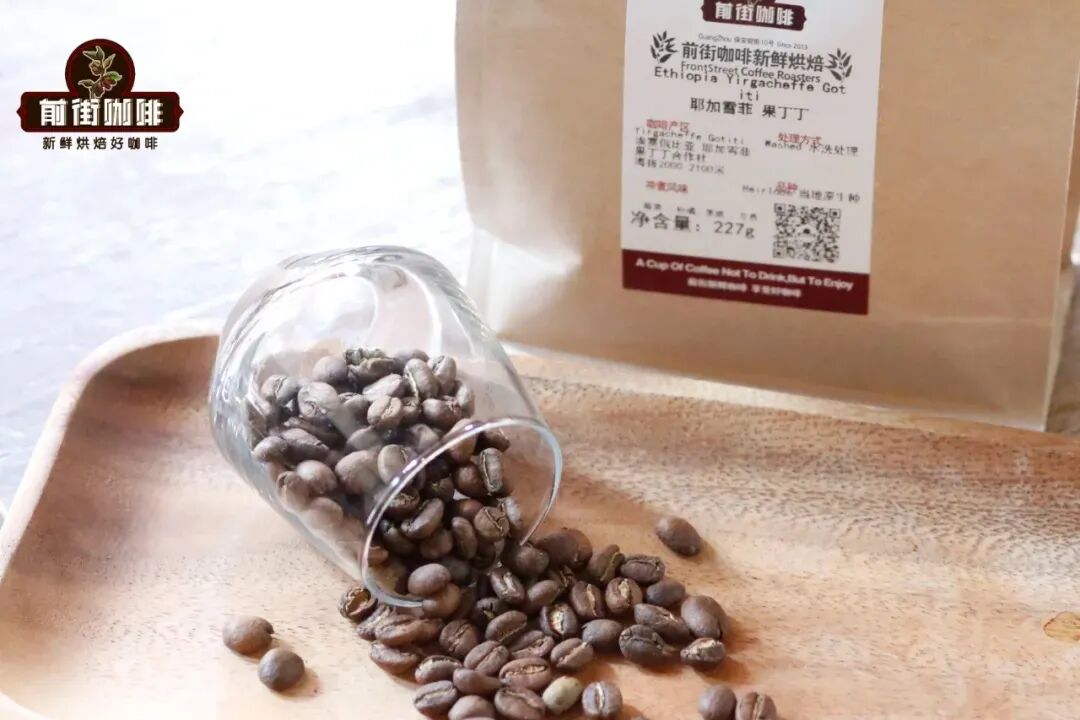
When selecting coffee beans, it’s recommended to choose based on personal taste preferences:If you prefer bright fruit acidity and a refreshing taste,prioritize washed-process beans, such as medium-roast beans with distinct citrus notes;if you enjoy rich and full-bodied flavors,opt for medium-to-dark roast blends, which often exhibit complex nutty and chocolatey finishes. Additionally, fermentation-processed beans that have gained popularity in recent years (such as those with intense berry notes and high sweetness) can add layers of complexity to drip coffee, though be aware that fermentation flavors may subtly change under low-temperature extraction.
For home brewing, here is a standardized process and key parameters validated through practice:
1. The coffee-to-water ratio is recommended to be 1:10(e.g., 60 grams of coffee grounds to 600 milliliters of total water), which effectively balances strength and clarity of flavor.
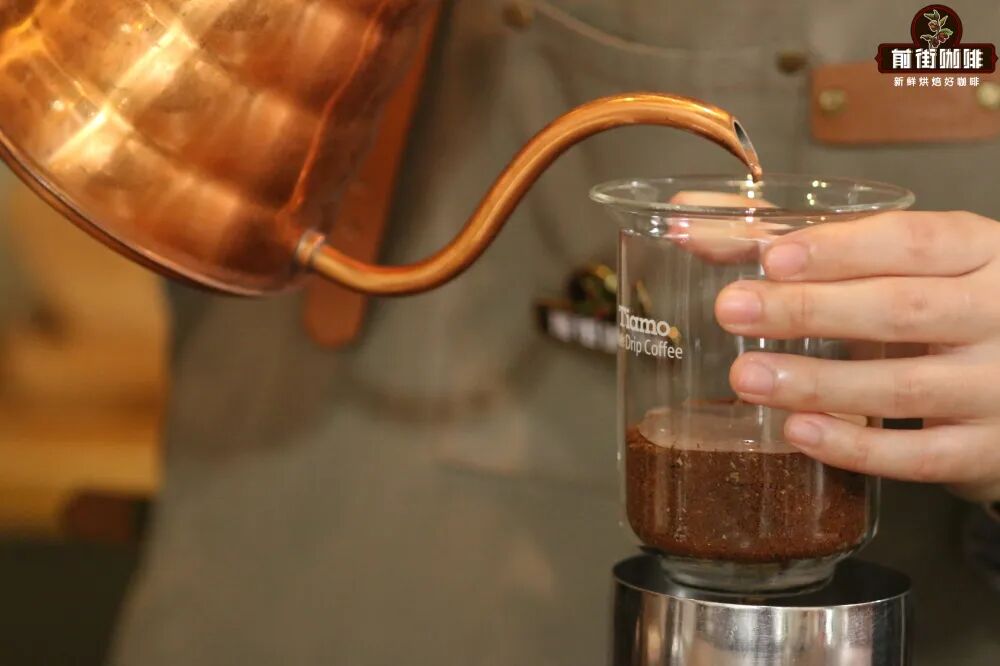
2. Pre-place a round filter paper at the bottom of the dripper and fully wet it, ensuring it adheres tightly to the walls before adding medium-coarse ground coffee (similar in size to sugar granules; recommended grind size is #10, though actual grind size should be adjusted based on drip speed).
3. After leveling the coffee bed, be sure to cover it with another filter paper—this utilizes the paper’s tension to evenly distribute the pressure of water droplets, preventing localized indentation in the coffee bed over time, which could affect extraction uniformity.
4. Before starting, it’s recommended to perform an ice-water pre-wetting (similar to blooming in pour over)for about 30–45 seconds; this step activates the coffee grounds’ cell structure, significantly improving subsequent extraction efficiency and ensuring flavor consistency.
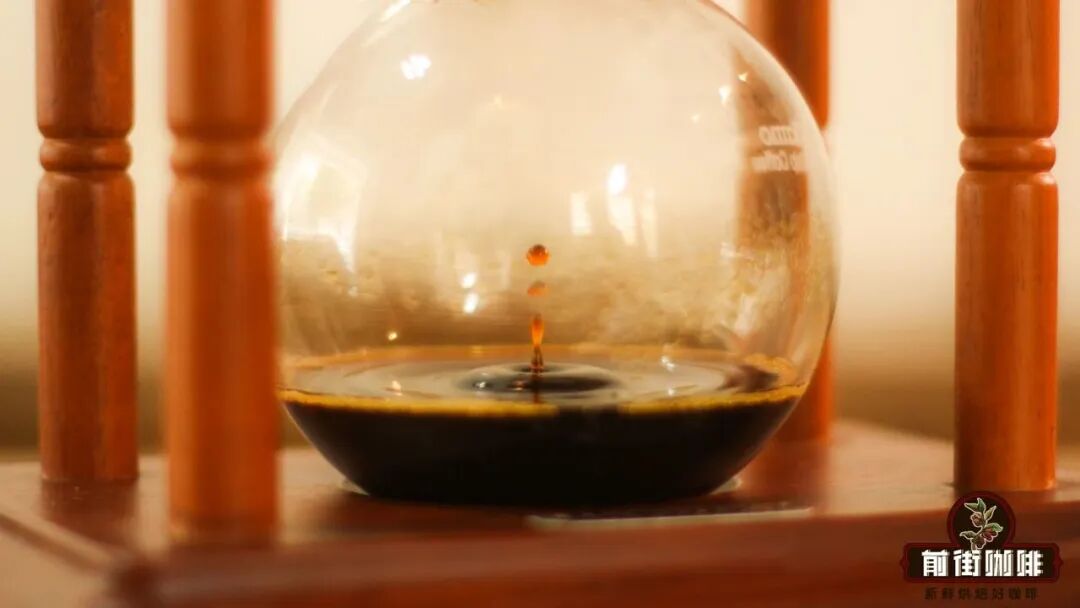
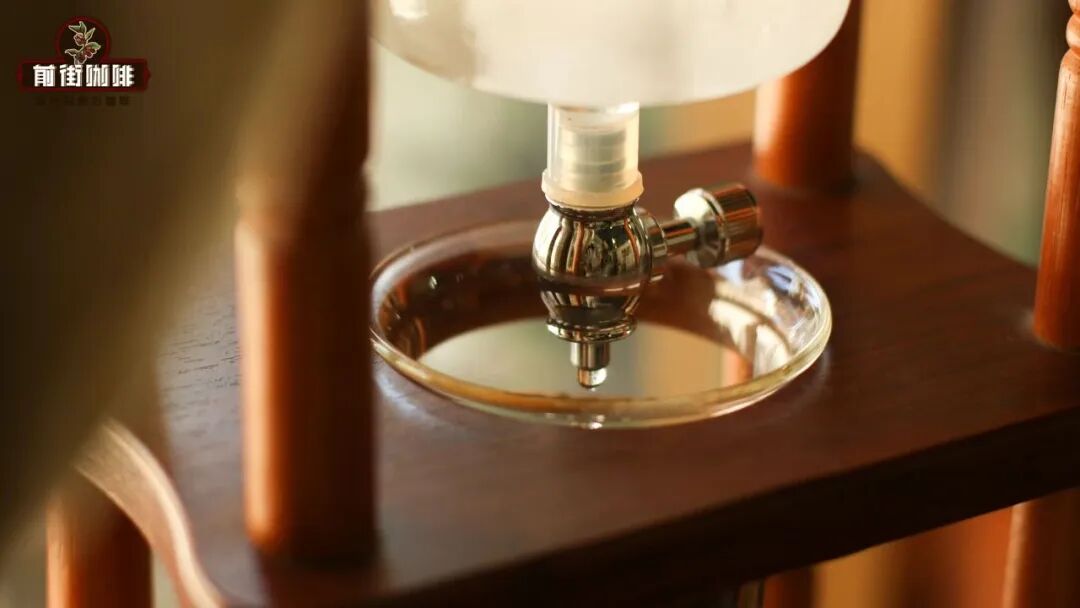
5. Use a 1:1 ratio of ice and water as the brewing source, and control the drip speed within 7 drops per 10 seconds(approximately 42 drops per minute); this flow rate helps fully extract flavor compounds while avoiding over-extraction and bitterness.
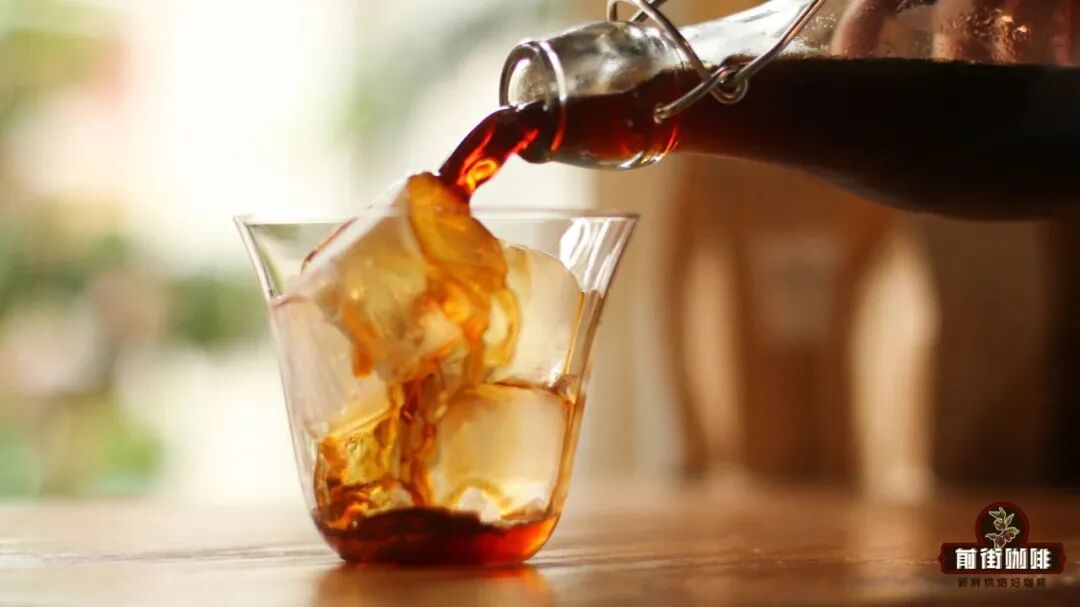
6. After extraction, transfer the coffee liquid to a sealed container and refrigerate for at least 8 hours; this maturation process allows the various flavor components to further integrate, enhancing overall smoothness and balance.
Regarding the commonly asked question about caffeine content, while low temperatures do inhibit the rate of caffeine dissolution, the cumulative effect over time is not negligible. Research data shows that using20 grams of coffee grounds to brew 200 millilitersof standard drip coffee results in a caffeine content of approximately135 milligrams(for reference: the same amount of espresso contains about 100 milligrams). Actual values may vary significantly depending on bean type, grind size, drip interval, and total extraction time. Special note: individual sensitivity to caffeine varies greatly, so it’s advised to consume in moderation based on personal tolerance.
The above content is compiled by CoffeeHunters, a coffee news website.


