







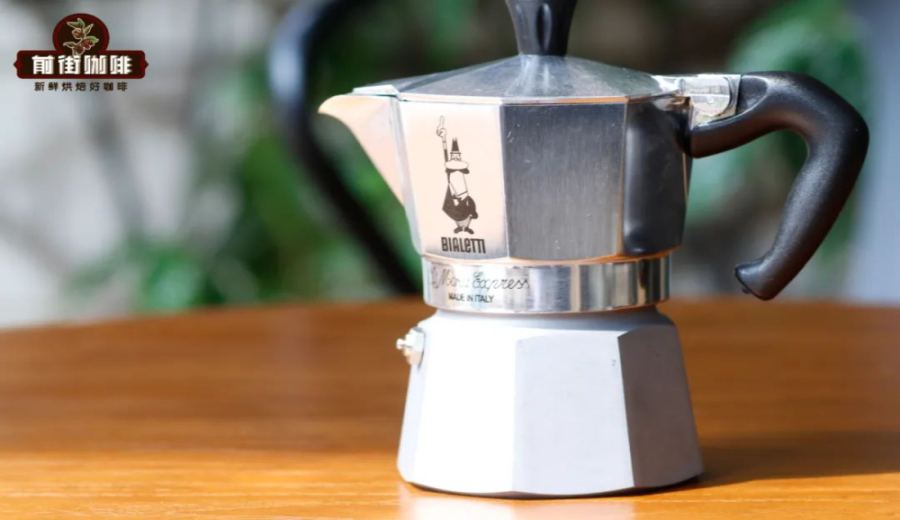
Introduction:The Moka pot is a highly efficient coffee brewing device beloved by many households, capable of quickly extracting richly flavored espresso-style coffee. This article details the structure and working principles of the Moka pot, outlines step-by-step operation procedures, and offers recommendations on suitable coffee bean types and grind sizes to help you progress from beginner to expert and brew professional-grade concentrated coffee.
The Origin and Basic Structure of the Moka Pot
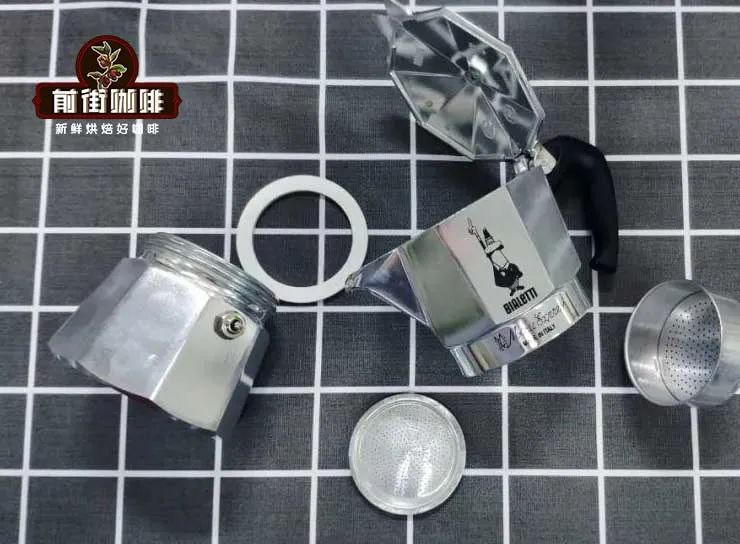
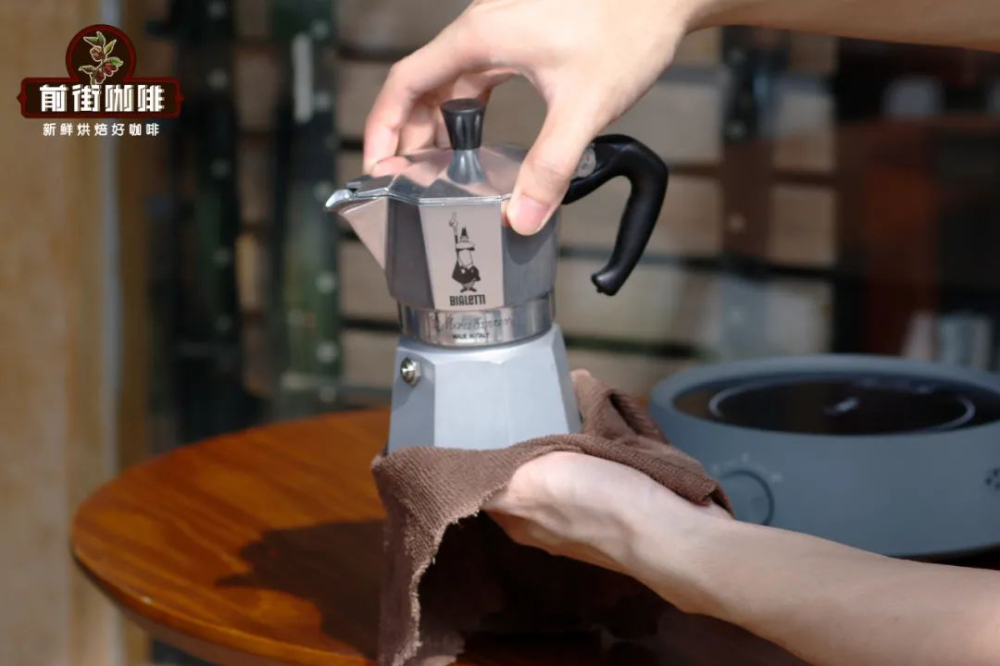
The Moka pot was invented in 1933 by Italian designer Alfonso Bialetti and remains a commonly used coffee tool in many European households to this day. Its classic design consists of three parts: the upper chamber holds the brewed coffee, the middle funnel contains the ground coffee, and the bottom chamber holds the water. When heated, the water in the lower chamber generates steam pressure, pushing the water upward through the coffee grounds to extract a rich and aromatic coffee liquid, which then flows out from the upper chamber.
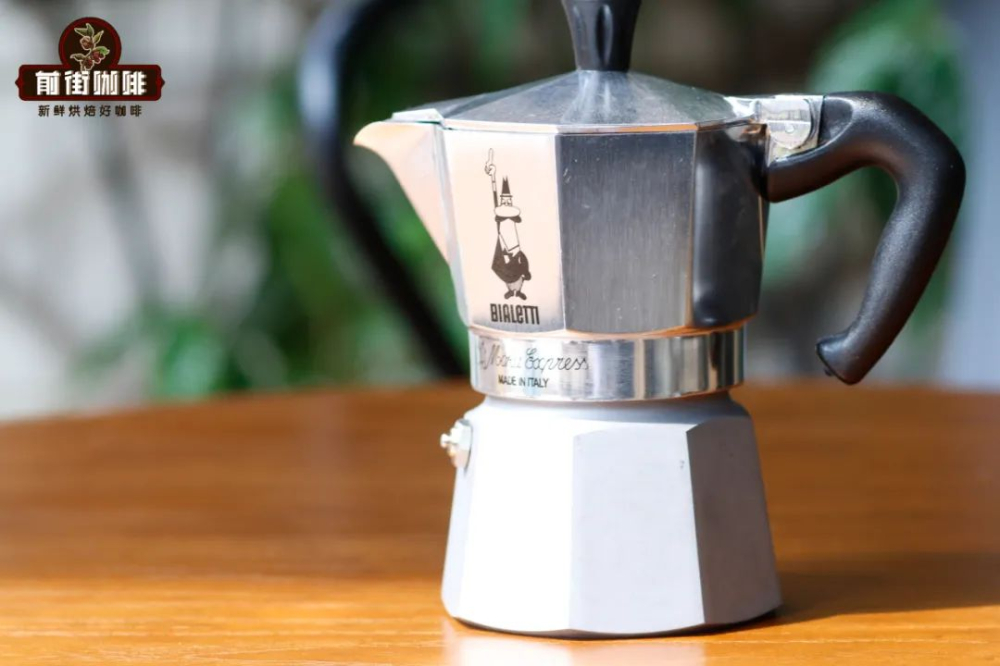
Material Evolution and Usage Scenarios
Early Moka pots were mostly made of aluminum and could only be used on open flames, whereas modern mainstream models are made of stainless steel and are compatible with various heat sources such as induction cooktops. In terms of capacity, small-sized Moka pots for 2–3 servings are the most popular, suitable for everyday home or office use due to their balance of efficiency and convenience.
Preparations Before Use
Before starting, you’ll need freshly roasted coffee beans, a suitable grinder, a heating tool (such as a stove-top heater), and water. It’s recommended to choose a medium to dark roasted blend to highlight the rich characteristics extracted by the Moka pot. Additionally, preheating the water to near boiling point helps shorten the extraction time and reduces the risk of over-extraction.
Detailed Step-by-Step Guide
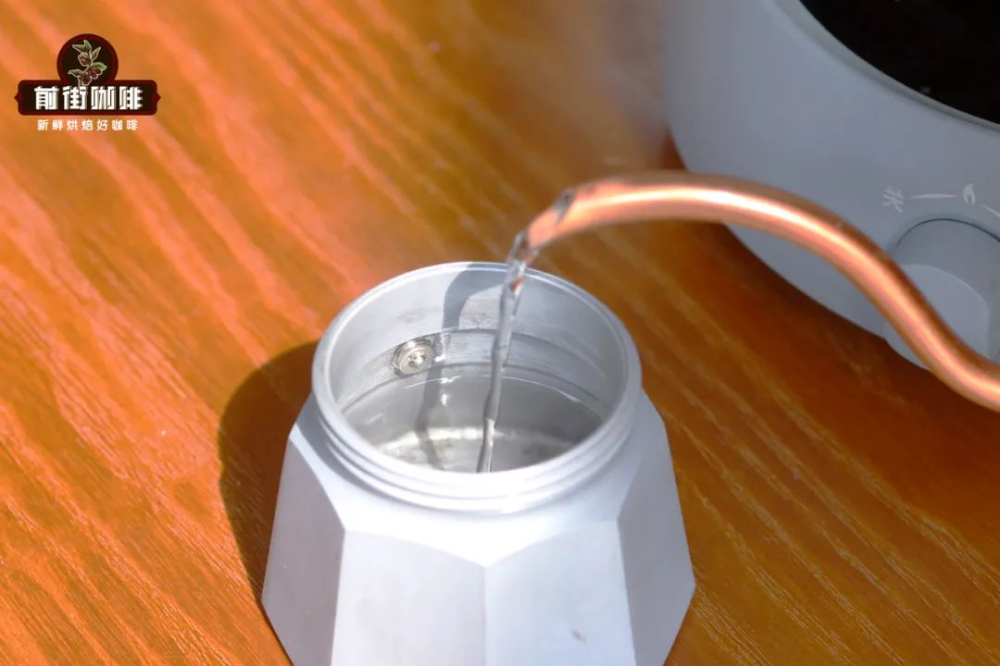
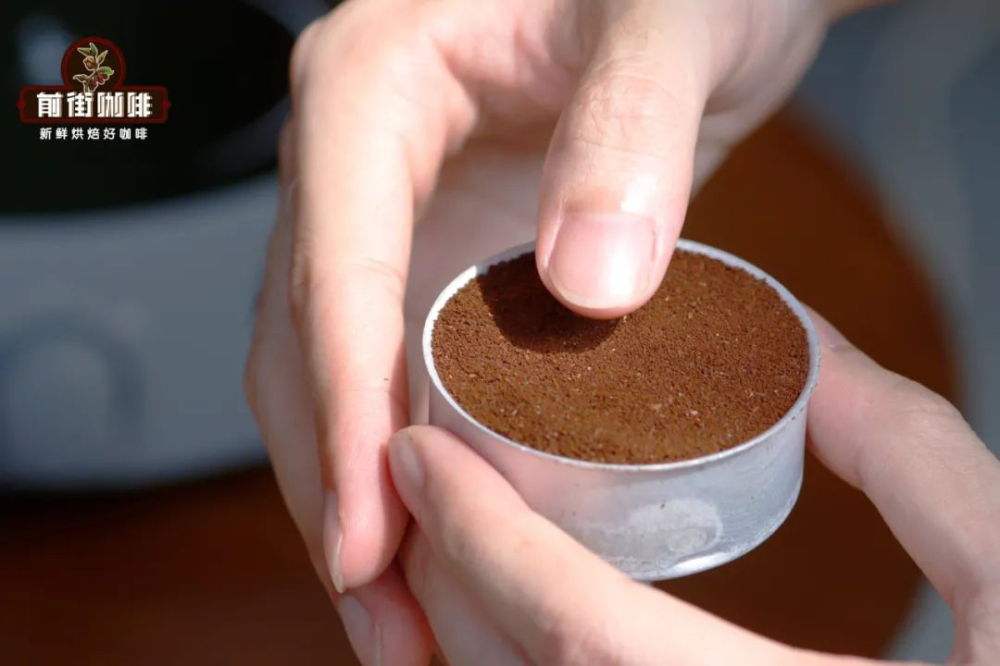
First, pour cold water into the lower chamber, keeping the water level about 0.5 cm below the safety valve to avoid pressure abnormalities that may compromise safety.Using hot water is recommended to reduce the soaking time of the coffee grounds and prevent bitterness.. Next, grind the coffee beans to a fineness close to that used for espresso machines but slightly coarser than pour over, ensuring the coffee bed is compact and doesn’t clog the filter.
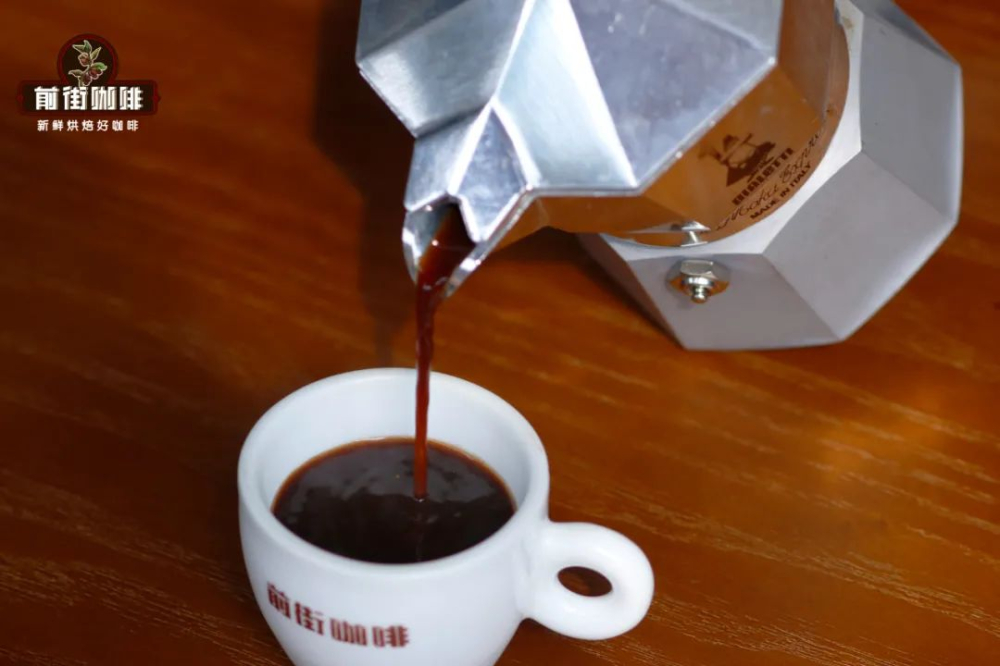
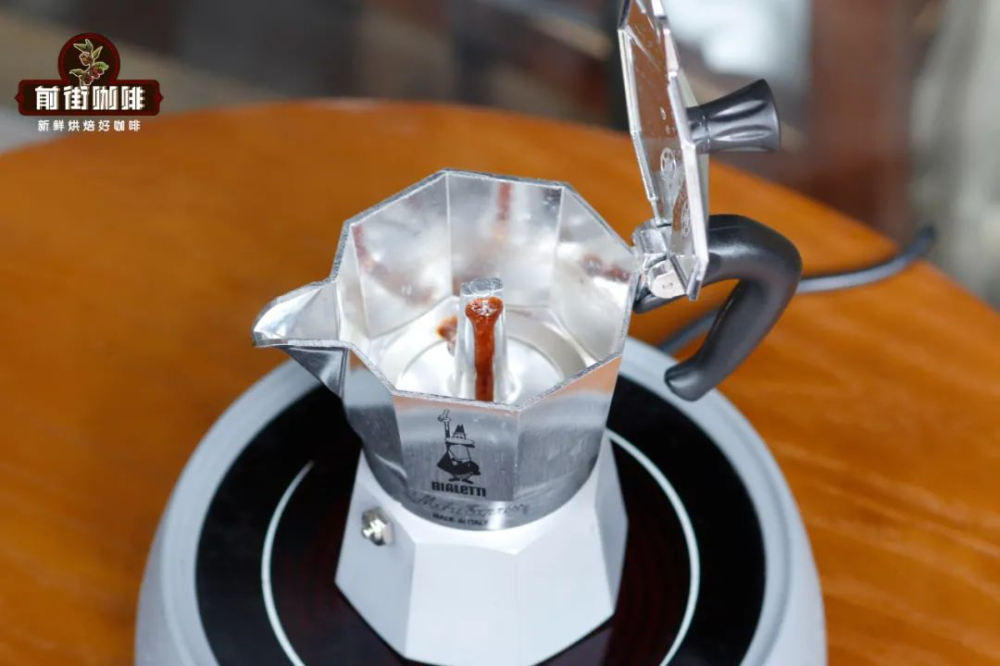
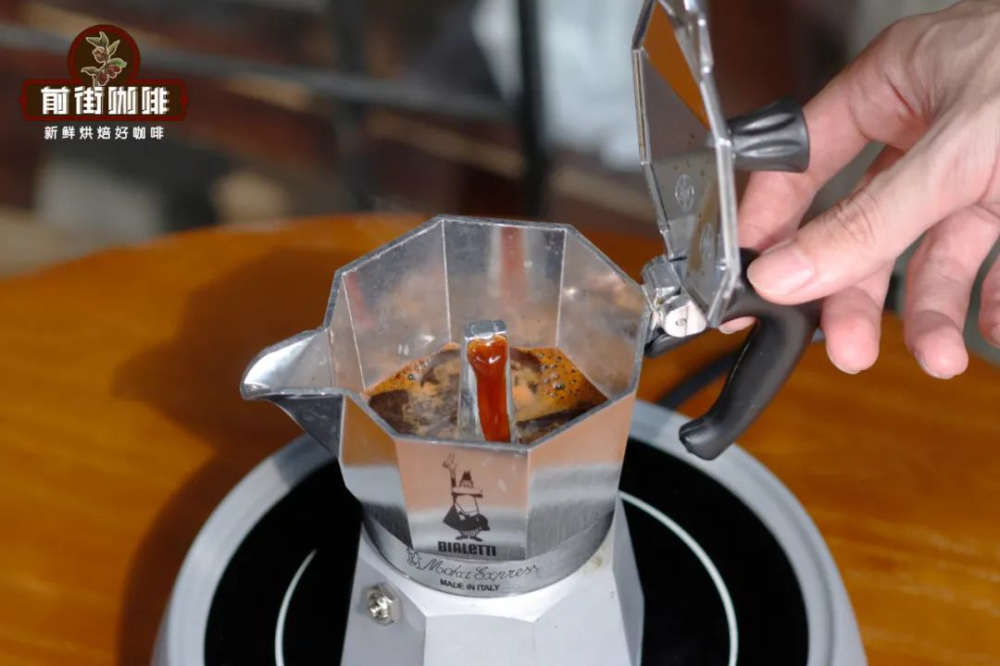
After evenly leveling the ground coffee in the funnel, reassemble the lower chamber and securely attach the upper chamber. Place it on the heat source. When you hear a hissing sound from inside, it indicates that pressure is gradually building up. At this point, reduce the flame and open the upper chamber lid to observe the flow of coffee.
Controlling Extraction and Safety Notes
When the coffee in the upper chamber reaches about half its capacity, it is recommended to turn off the heat and let residual heat complete the final stage of extraction. Be especially cautious of the high temperature of the pot to avoid burns. If the coffee splashes or flows too quickly, it may be due to excessively high water temperature; if the flow is too slow, adjust the flame or check the grind size.
Coffee Bean Selection and Flavor Development
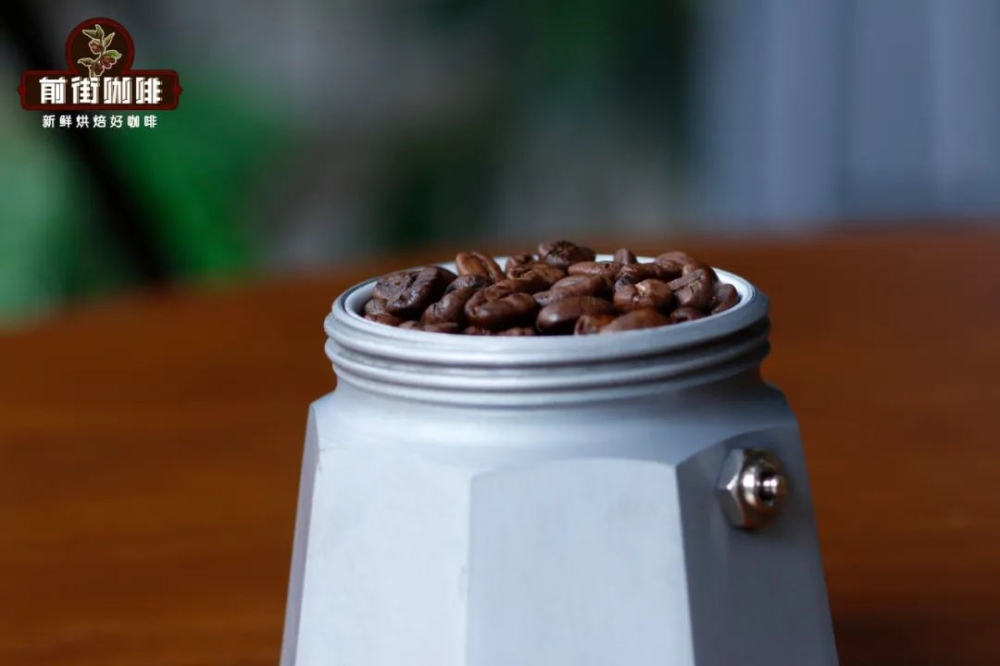
It is recommended to use medium to dark roasted blends, such as Mandheling or Golden Mandheling, which can showcase rich chocolate and nutty notes. Freshly roasted coffee beans (ideally within 5 days) have higher gas content, which helps form a thick Crema layer and enhances the overall flavor complexity.Avoid using coffee beans that have been stored for too long, as loss of gas can negatively impact extraction quality..
Common Issues and Adjustment Tips
When using a Moka pot, ensure the water level does not exceed the safety valve to prevent excessive pressure and potential hazards. If abnormal flow rates occur during extraction, slight adjustments to grind size or heat can help. Proper coffee-to-water ratio and stable heat control are key to achieving consistent flavor.

The above content is compiled by CoffeeHunters, a coffee news website.


