








Introduction:The moka pot is the go-to tool for many households looking to brew espresso-style coffee. It’s simple to use yet capable of extracting richly flavored coffee. This article delves into the working principle of the moka pot, the ideal grind size for coffee beans, and how to adjust parameters to achieve optimal extraction. Whether you’re a beginner or an advanced user, you’ll find practical tips and precautions to enhance your coffee flavor.
What is a Moka Pot?
The moka pot is a classic Italian coffee brewing device. Since its invention by Italian craftsman Alfonso Bialetti in 1933, it has become a staple coffee maker in many homes. This steam-pressure design allows users to easily produce coffee at home with flavors similar to espresso.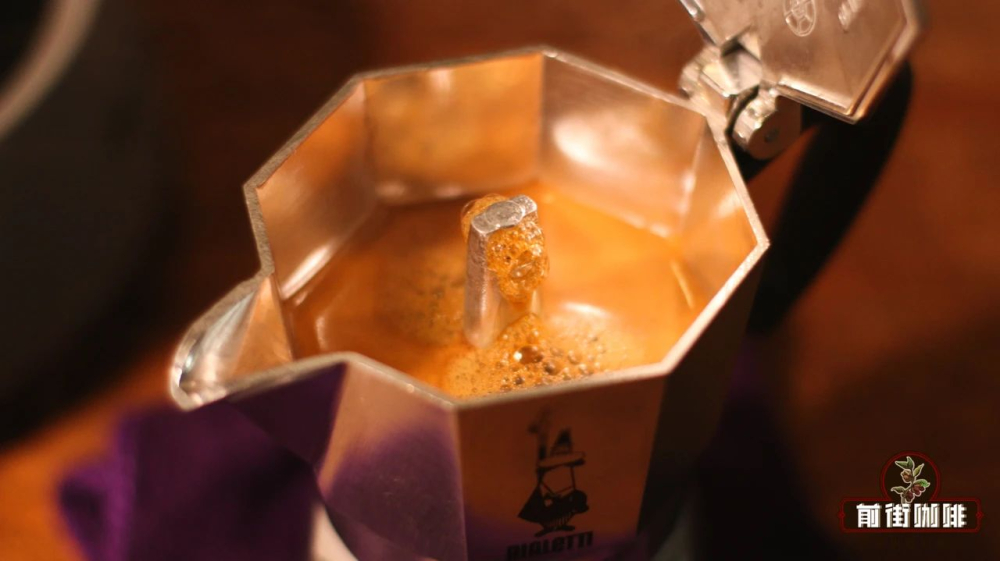
The Extraction Principle of the Moka Pot
The moka pot consists of two main parts: the lower chamber and the upper chamber. When the lower chamber is heated, water vapor pressure pushes water through the filter in the middle, carrying the essence of the coffee grounds up into the upper chamber. This process is similar to the mechanism of an espresso machine but is more suitable for home use. It’s recommended to keep the heat low during brewing to avoid high temperatures that can result in bitter or burnt flavors.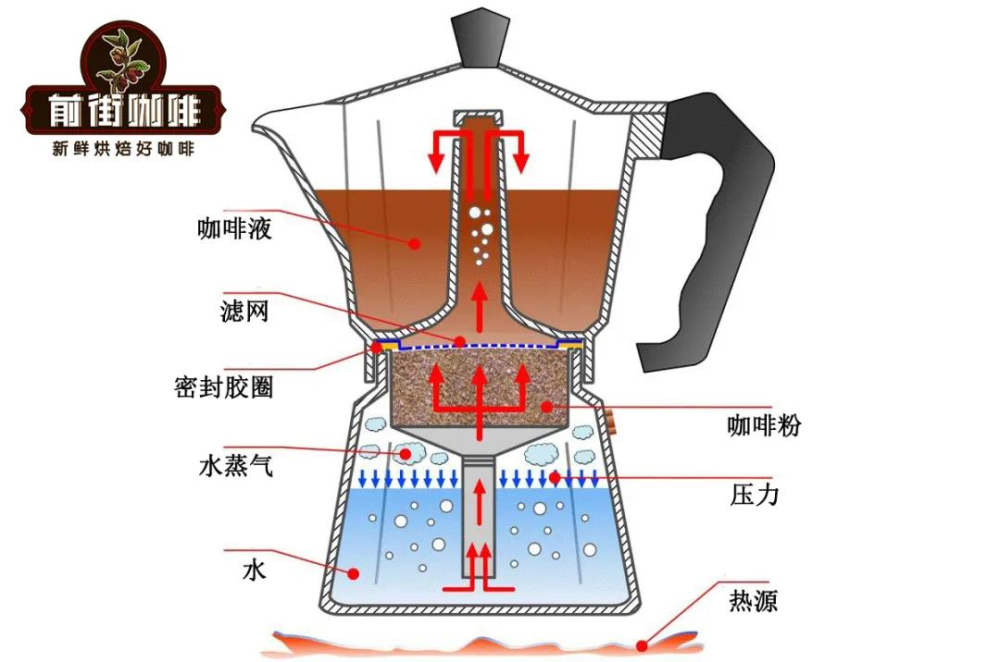
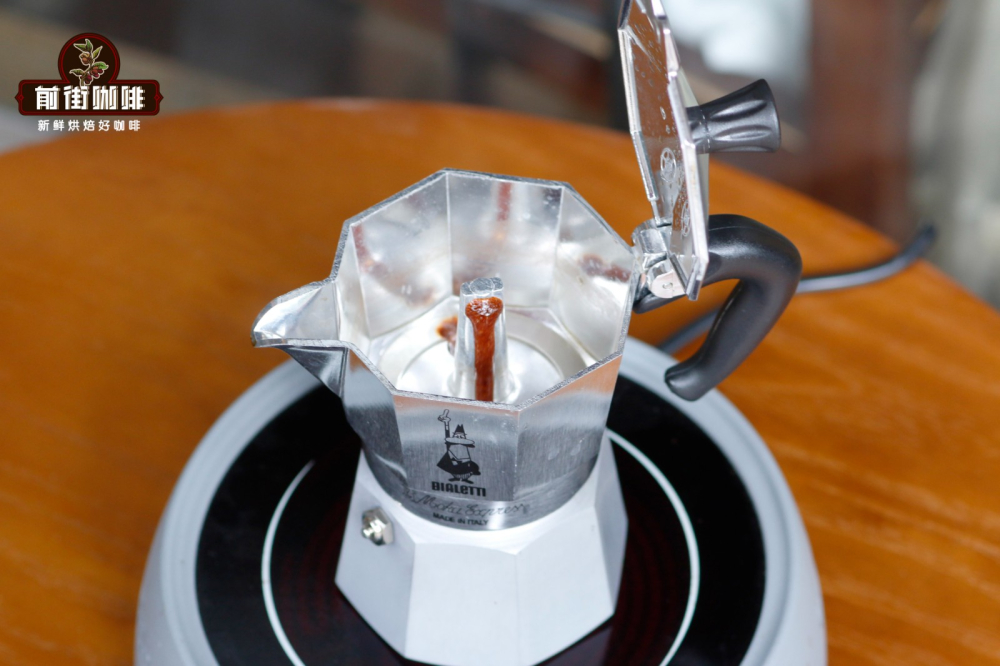
Single-Valve vs. Double-Valve Differences
Moka pots on the market come in single-valve and double-valve designs. The double-valve version generates higher pressure, extracting richer coffee crema and producing a more intense flavor. In contrast, the single-valve moka pot has lower extraction pressure and less crema, making it better suited for those who prefer a lighter taste.
Coffee Grind Size Settings
When using a moka pot, it’s recommended to grind coffee beans to a medium-fine level, approximately 0.3 mm to 0.55 mm. This fineness falls between that of pour over and espresso machines and ensures appropriate extraction resistance. If the coffee flows out too quickly, the grind may be too coarse; if the flow is too slow or you hear a gurgling sound, the grind may be too fine.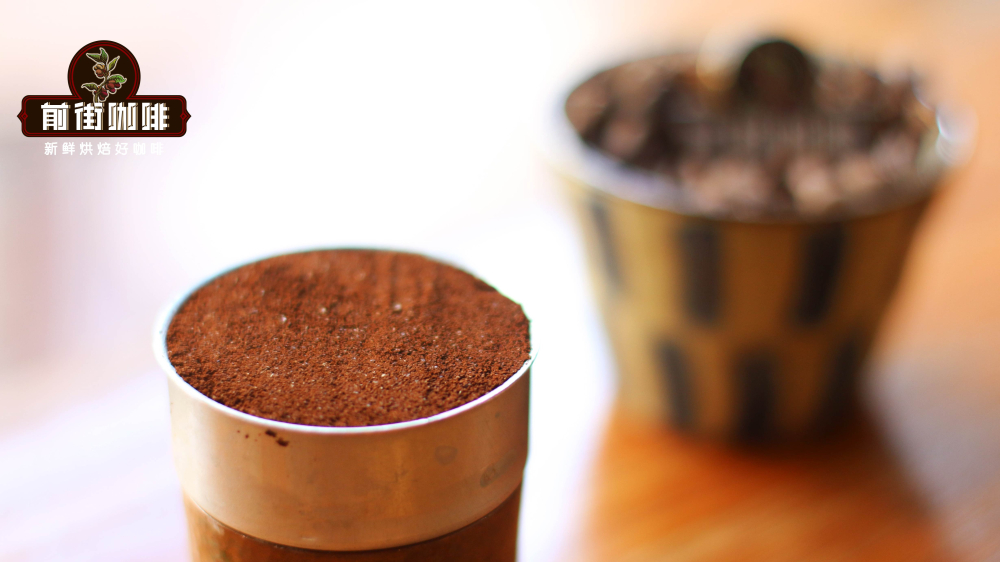
Water Temperature and Heating Tips
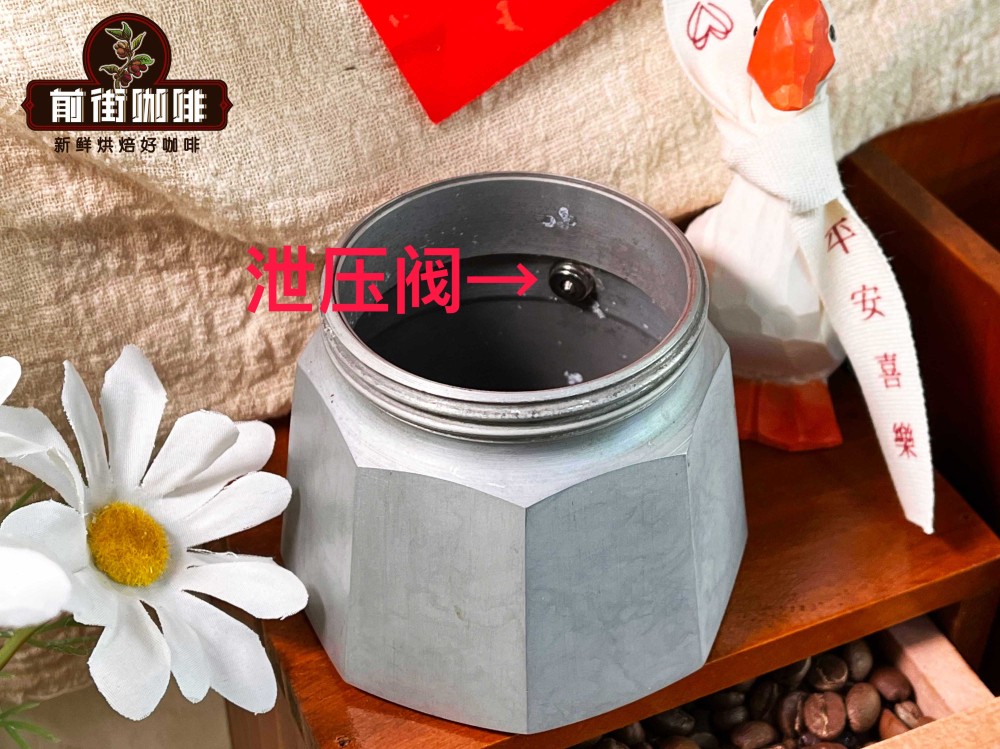
The best practice is to use hot water close to boiling point, rather than cold or room temperature water. Brewing with cold water causes the coffee grounds to start extracting at unsuitable temperatures, affecting flavor. It’s recommended to fill the lower chamber with an appropriate amount of hot water, ensuring the water level does not exceed the safety valve position to prevent excessive pressure.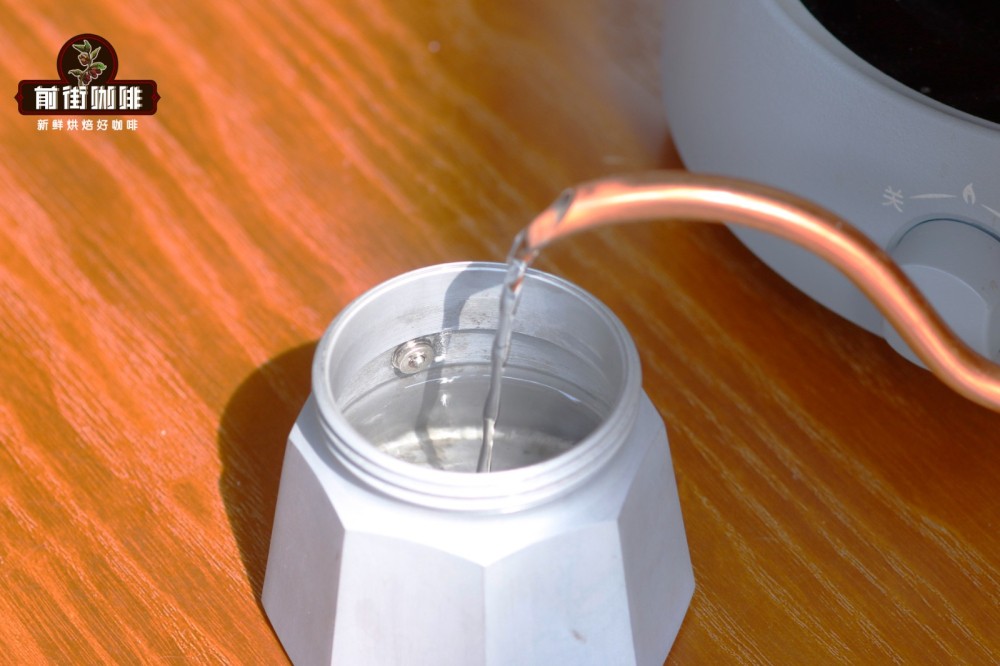
Brewing Steps and Precautions
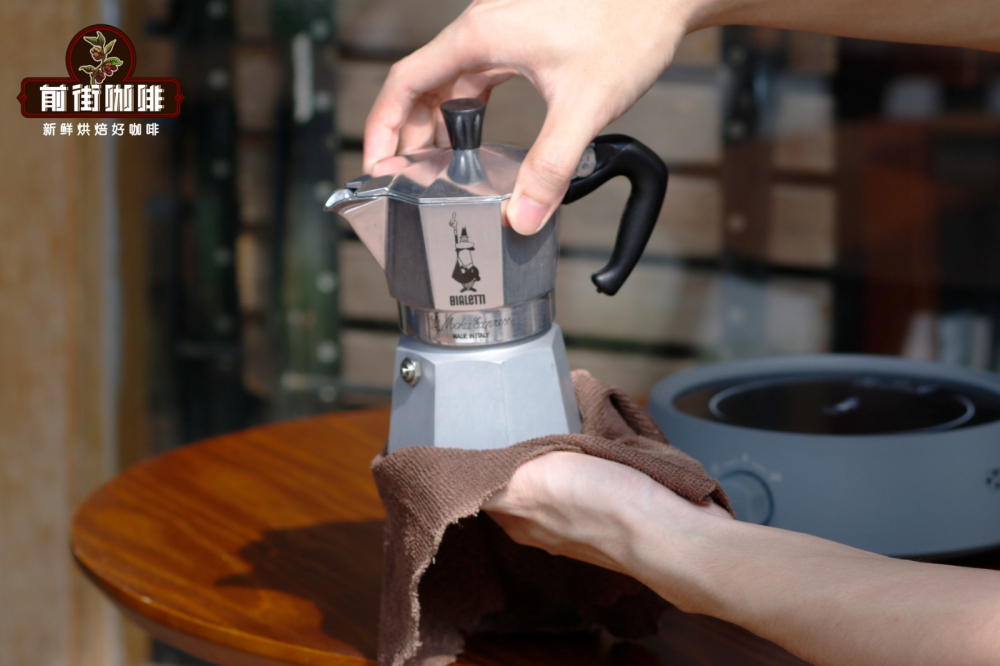
Add hot water to the lower chamber, place the ground coffee in the filter basket, ensure the coffee bed is level, then assemble the upper and lower chambers. Heat over medium heat, and once the coffee begins to flow steadily, turn off the heat and remove the moka pot from the heat source. The ideal extraction should yield golden crema with a smooth coffee flow. If the flow is too fast or too slow, adjust the grind size or heat level.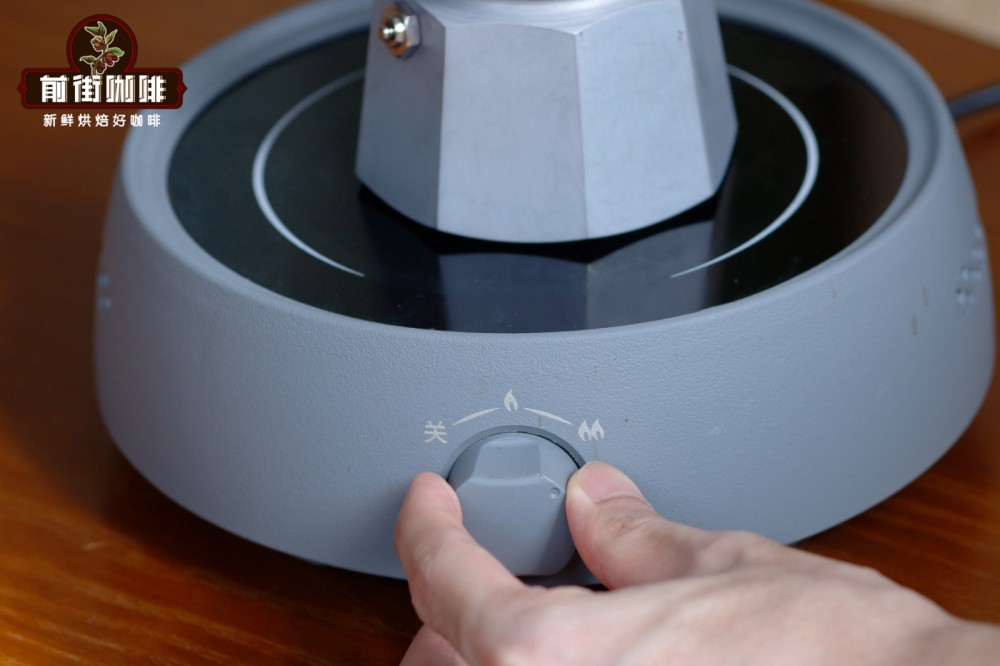
Coffee Bean Selection Recommendations
Medium to dark roasted coffee beans are the best match for the moka pot. These beans contain more carbon dioxide, which helps produce rich crema. Light roast beans, while offering brighter flavors, may not fully showcase the bold characteristics of the moka pot. It’s recommended to choose beans with nutty, chocolatey, or caramel notes, which complement the moka pot’s extraction style well.
Cleaning and Maintenance Tips
After each use, allow the moka pot to cool completely, then disassemble and clean all parts to remove coffee grounds. Avoid using steel brushes or abrasive cleaners to prevent scratching the surface. Be especially careful not to let water seep around the pressure relief valve to ensure it functions properly. Aluminum moka pots are best air-dried naturally and should not be cleaned in a dishwasher.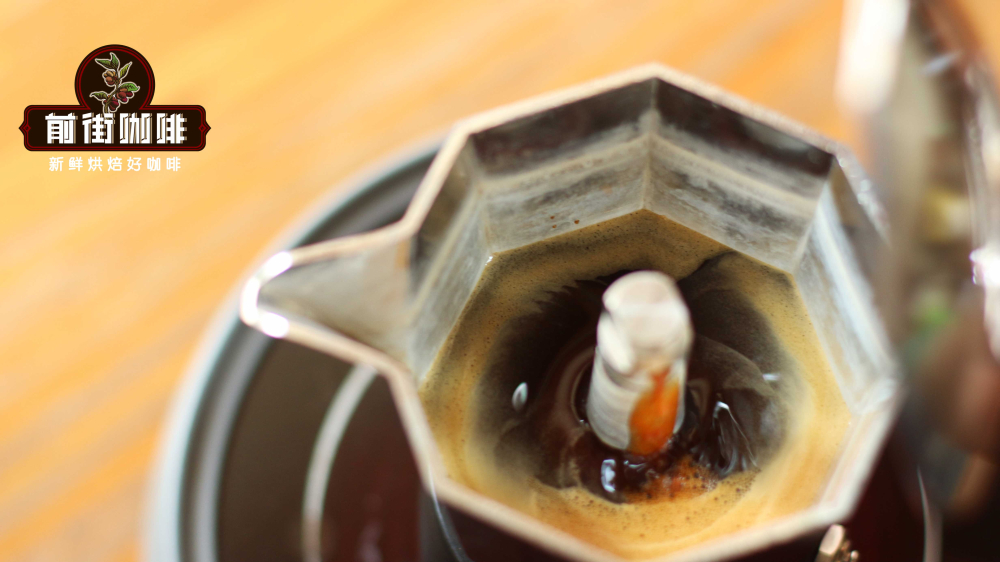

The above content is compiled by CoffeeHunters, a coffee news website.


