







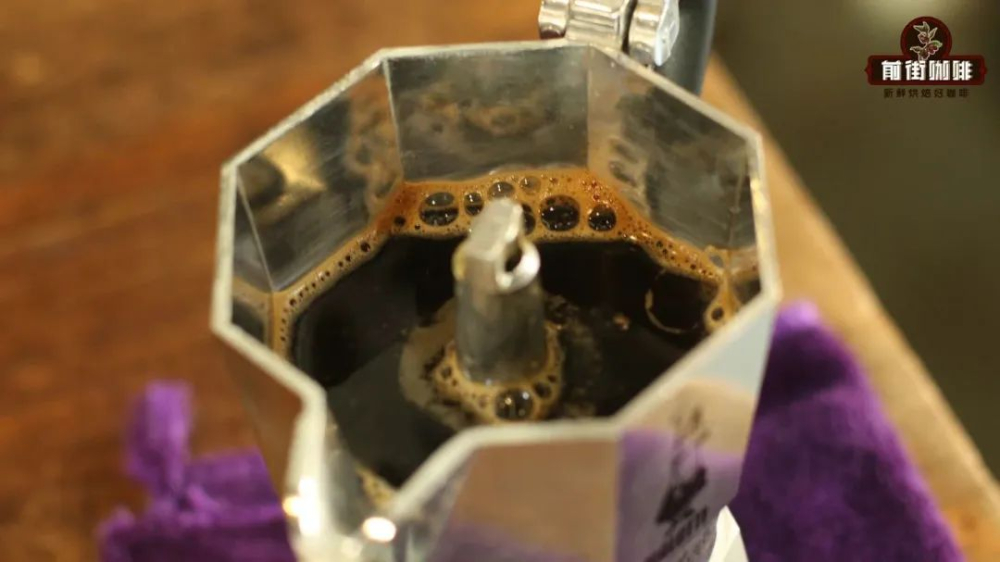
Introduction:Want to brew rich crema with an affordable moka pot that rivals that of an espresso machine? In fact, by mastering coffee bean selection, grind size, and dosing techniques, even a single-valve moka pot can produce delicate crema. This article delves into the real reasons behind thin crema and offers three proven improvement methods—from recommended dark roast beans suited for moka pots to techniques for tamping the coffee bed—to help beginners avoid common extraction mistakes.
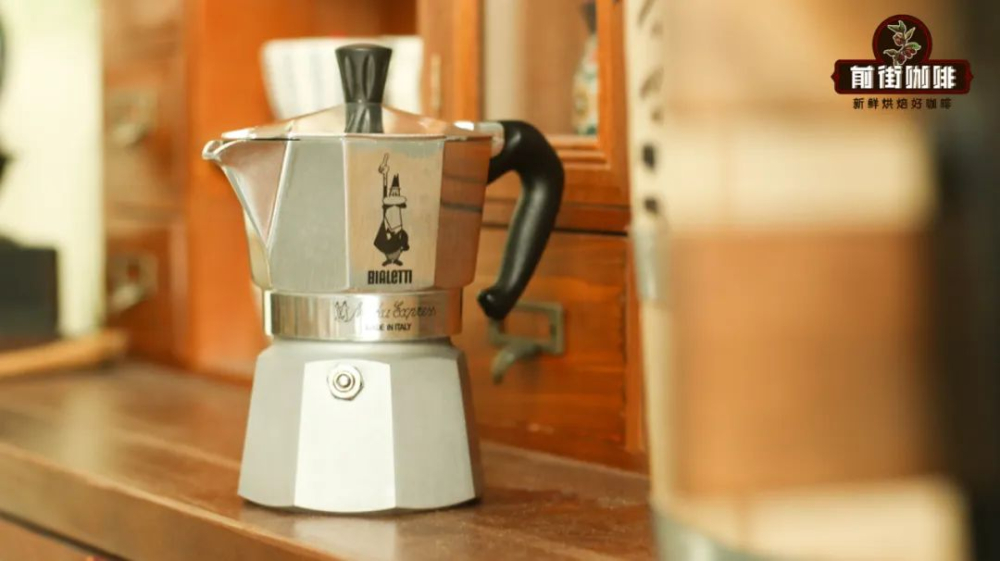
Many coffee enthusiasts initially turn to moka pots because they’re drawn to the intense flavor of espresso, only to often encounter the issue of thin, quickly dissipating crema. Compared to espresso machines that generate over 9 bars of pressure to fully extract carbon dioxide and form crema, a single-valve moka pot only produces 1–2 bars of pressure—this is the main reason for the difference in crema performance. But there’s no need to rush to replace your pot; by mastering key techniques, you can still achieve richly layered coffee crema.
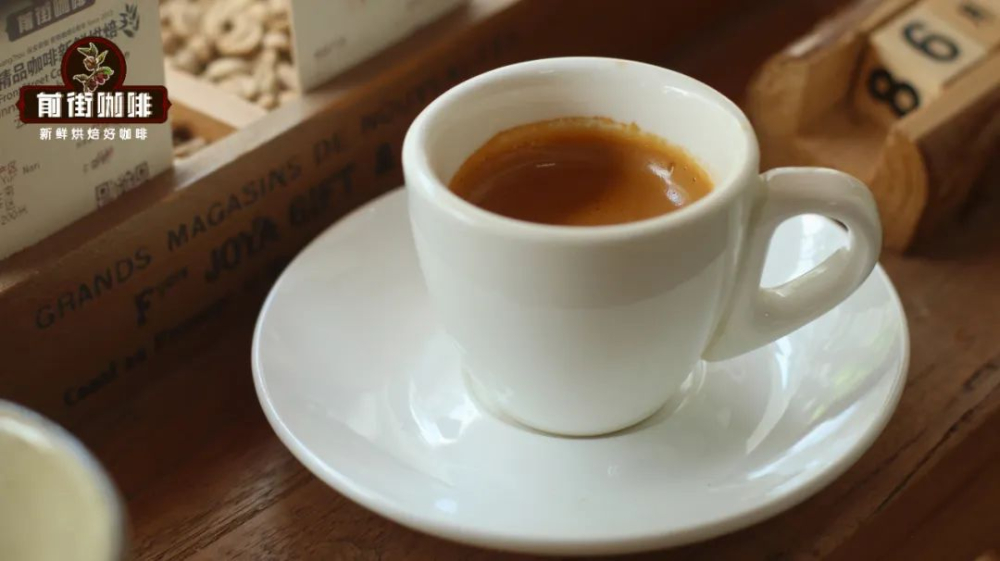
The science behind thin crema lies in insufficient pressure. The high pressure of an espresso machine allows hot water to penetrate the coffee grounds while releasing a large amount of carbon dioxide and insoluble substances. These substances form an emulsified suspension with water—that’s crema. The low-pressure environment of a moka pot struggles to fully extract these components, but by adjusting the type of beans, grind size, and dosing method, you can still significantly improve crema performance.

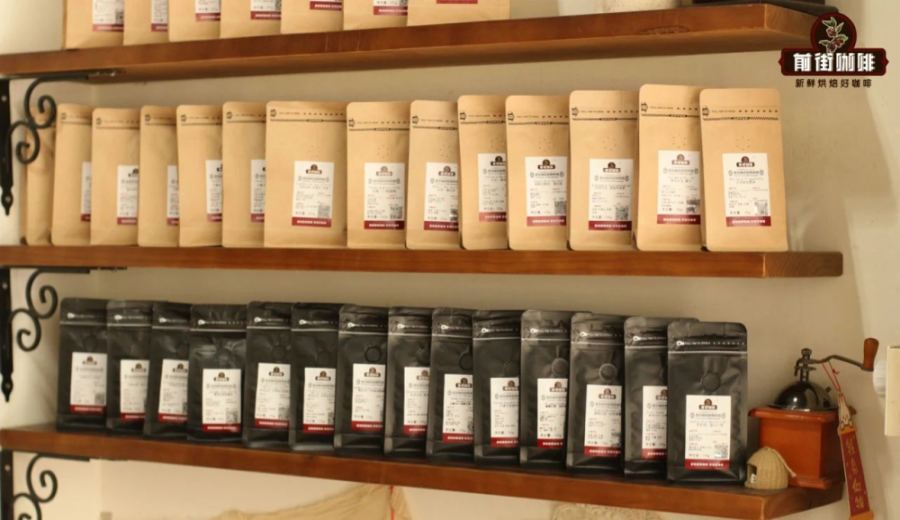
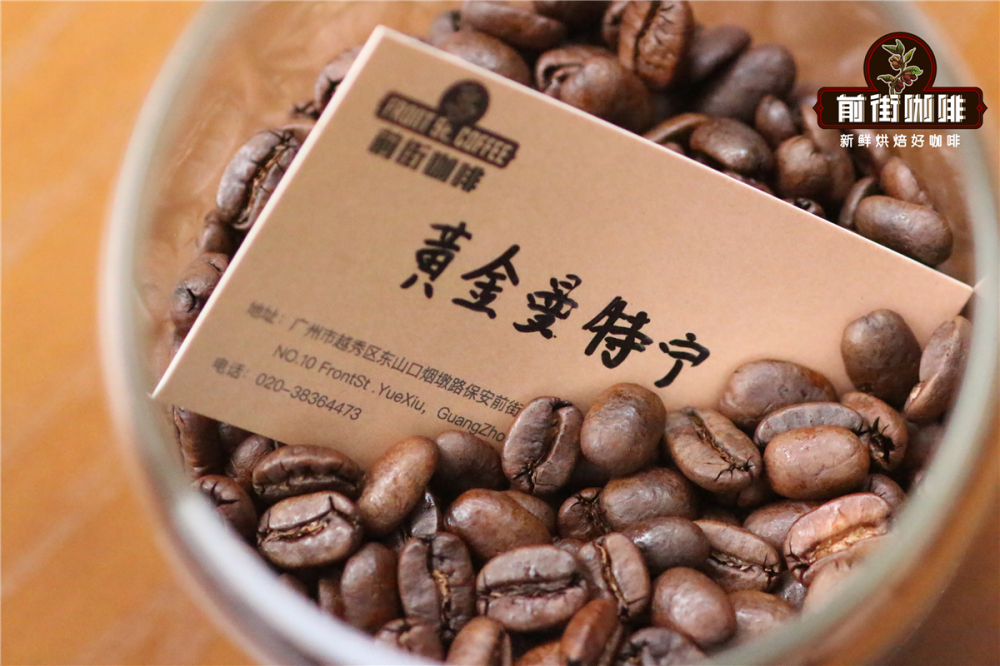
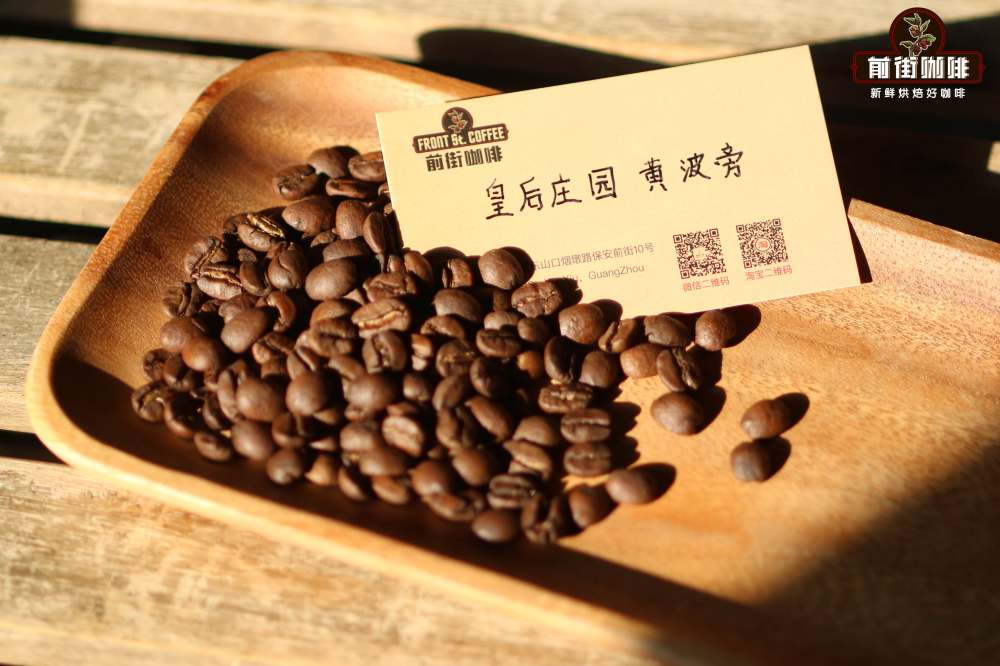
When choosing beans, roast level and freshness are paramount.Dark roast coffee beansBecause of their loose structure, allow hot water to more easily penetrate and release carbon dioxide. It’s recommended to choose beans within their optimal flavor window of 5–14 days post-roast. A well-known brand’s Golden Mandheling is a classic example—its piney notes and dark chocolate flavors, when brewed in a moka pot, can produce a fine caramel-colored crema layer. Be sure to avoid using beans stored for more than three weeks; aged beans lose carbon dioxide, which directly affects crema thickness.
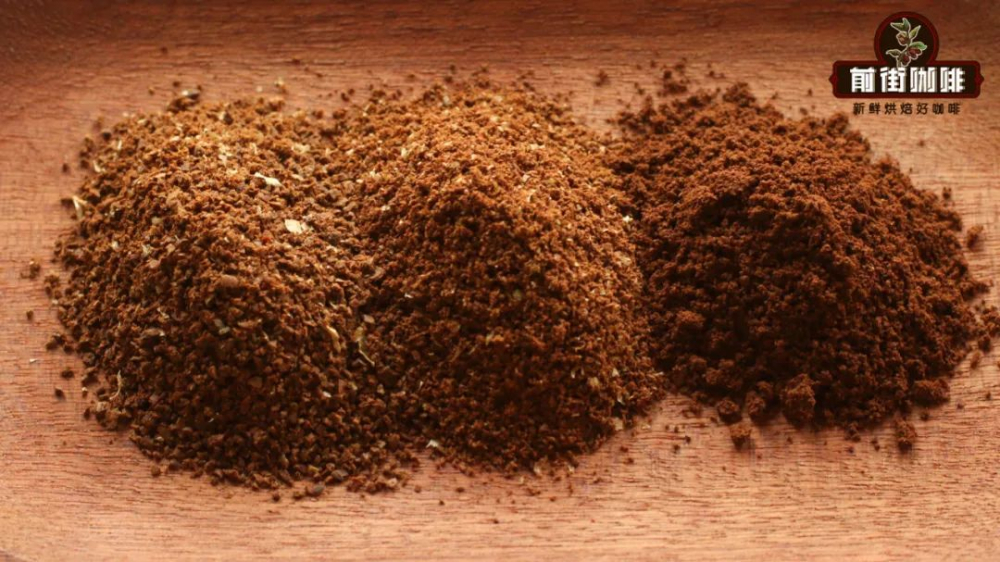
Grind size is the primary factor in controlling pressure.The ideal grind should fall between pour over and espresso—about 30% finer than pour over and 10% coarser than espresso. If you use a grind as coarse as pour over, the hot water will pass straight through the coffee bed, leading to under-extraction; if it’s as fine as espresso, it may clog the flow path or even risk excessive pressure. Practical testing suggests adjusting the grinder setting to just one step coarser than espresso grind, with the extraction time ideally between 25–35 seconds.
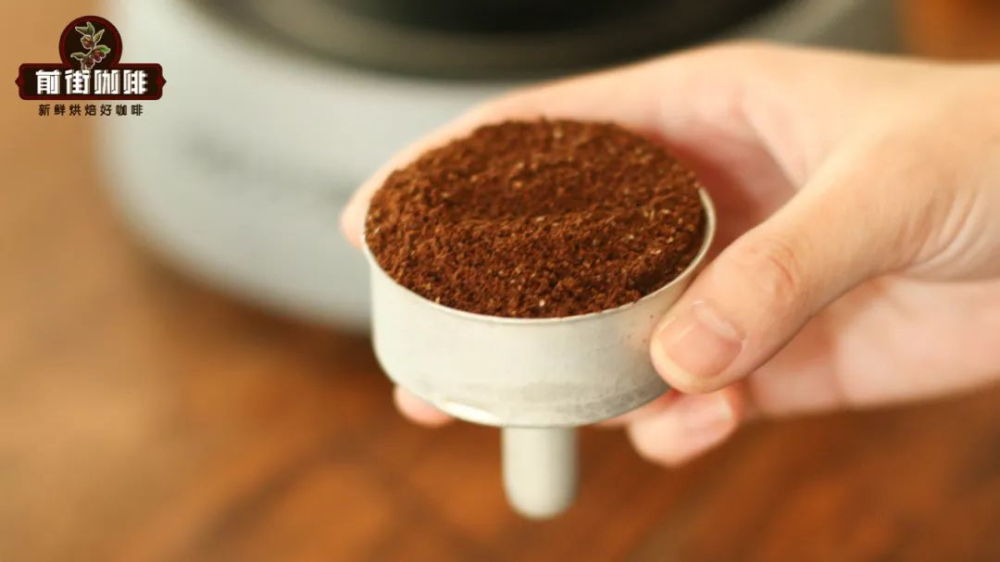
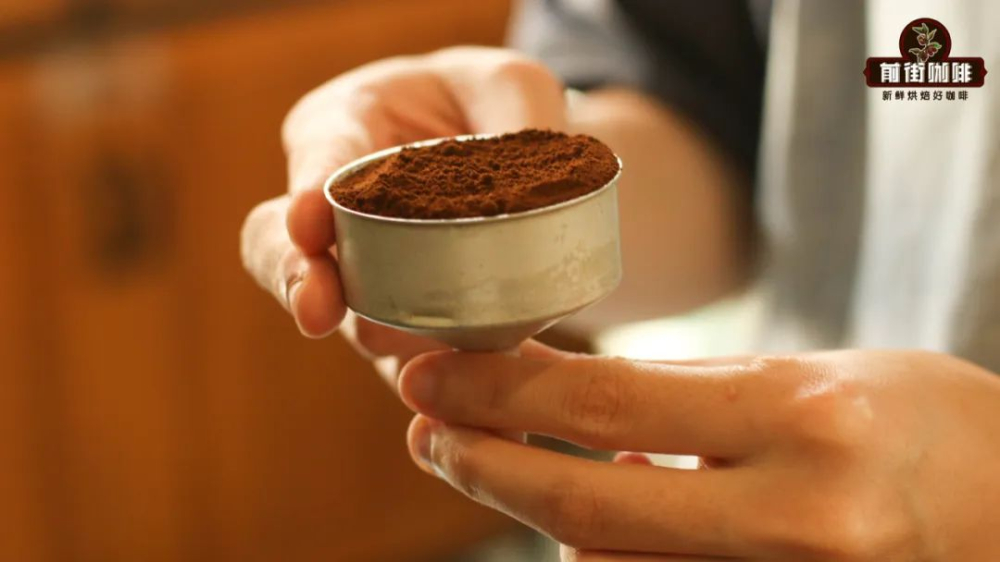
Dosing technique directly affects flow rate and crema formation. After adding about 19g of coffee grounds into the basket, do not tamp directly—this can cause overly compacted spots. The correct steps are: first, use your finger to level the surface of the coffee bed, then gently tap the sides of the basket to allow the grounds to settle evenly, and finally decide whether to apply slight pressure based on grind size:For coarse grinds, use your fingertip to lightly press down to about 0.3cm thickness; for finer grinds, leave the bed loose. Make sure the coffee bed height is above the rim of the basket, but avoid piling it too high to prevent overflow.
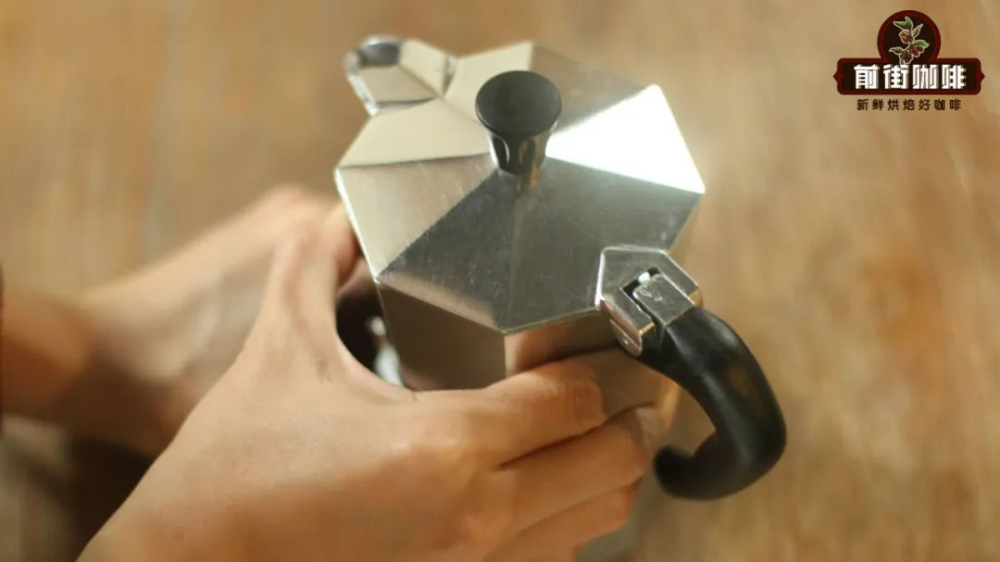
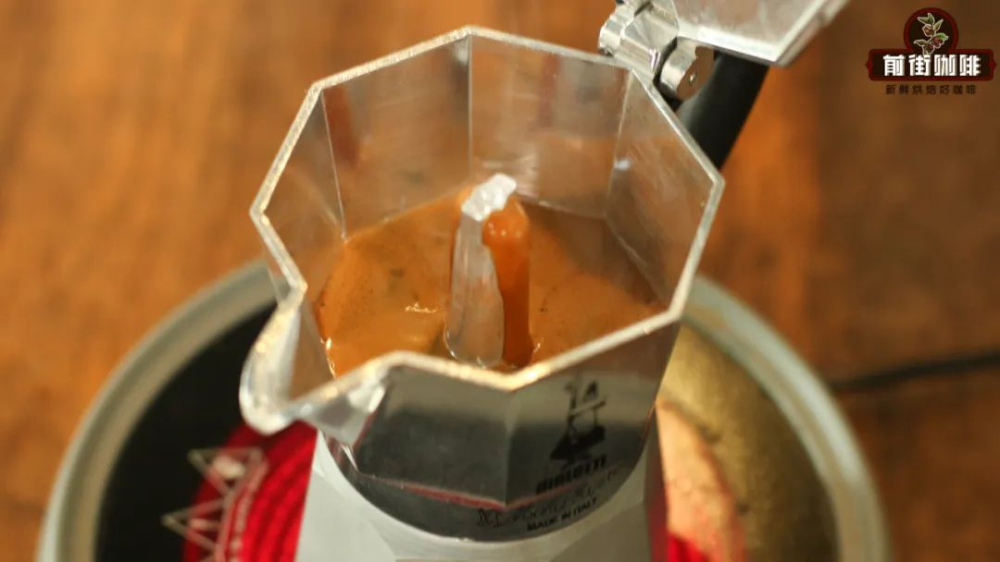
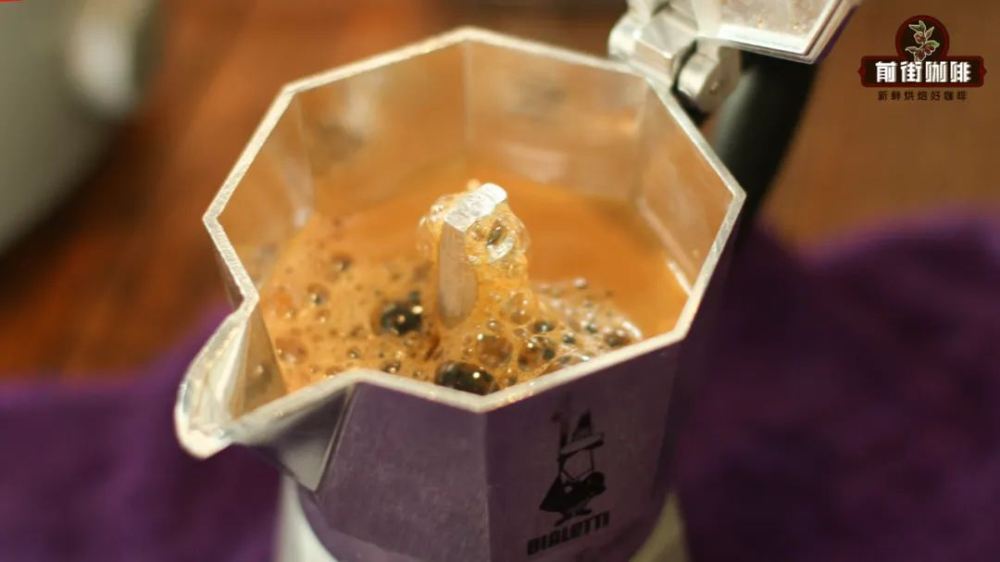
Fine control during the brewing process is equally crucial. Add 110ml of 92°C water to the lower chamber, then heat over medium-low heat. As soon as you notice an oily sheen appearing on the silver area of the lower chamber, turn off the heat. The remaining heat in the pot will complete the final stage of extraction, effectively preventing over-extraction and bitterness. Double-valve moka pots, with their additional venting design, typically produce more abundant crema and are ideal for users seeking a richer taste.
Common mistakes to avoid: Don’t dry-fire an aluminum moka pot—preheat it first by adding a small amount of water to the heating area; after dosing, never tamp forcefully with a metal tool, as this can damage the coffee bed structure; if the coffee flows out too quickly (in under 20 seconds), check whether the grind is too coarse or the tamp is insufficient. Master these points, and even an entry-level single-valve moka pot can consistently brew coffee with a satisfying crema layer.
The above content is compiled by CoffeeHunters, a coffee news website.


