







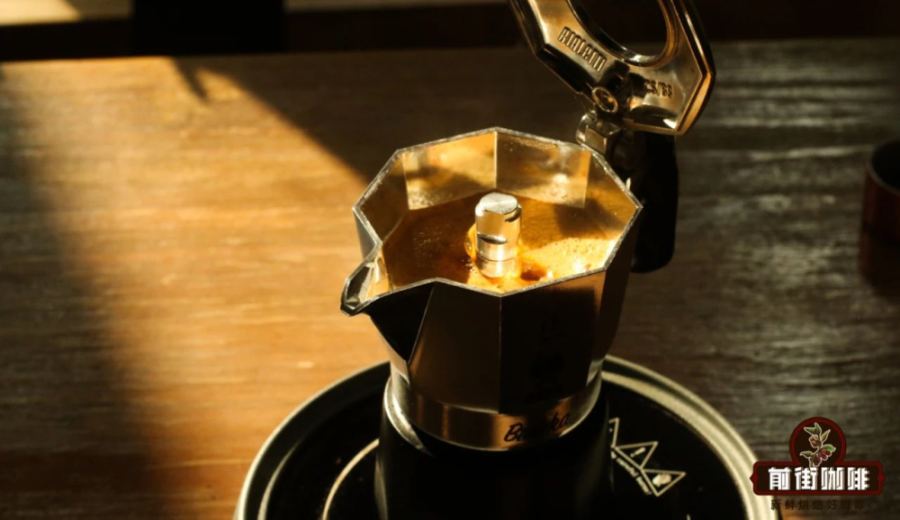
Introduction:Want to understand the pros and cons of using a moka pot to brew pure black coffee, the step-by-step process, and the best bean types? This article provides an in-depth analysis of the extraction principles behind the moka pot, explores how it differs from pour over and espresso machines, and offers a detailed moka pot brewing guide, safety tips, along with five medium-to-dark roasted coffee bean recommendations that work well with the moka pot. This will help you use the right tool to brew rich, bold coffee.
The moka pot, also known as the stovetop espresso maker, is a classic Italian-style coffee appliance. It generates steam pressure by heating water in the lower chamber, which then pushes the hot water through finely or medium-finely ground coffee to extract a coffee liquid rich in crema and bold flavors. Although its operating principle isn’t as high-pressure as that of an espresso machine, the approximate 1–2 atmospheres of steam pressure can still produce a body and aroma similar to espresso, making it a practical choice for many home and outdoor coffee enthusiasts.
The advantages of brewing coffee with a moka pot include its compact size, portability, and low learning curve, allowing you to brew strong coffee with crema in a short time even without professional skills. It’s especially suitable for travelers, campers, or those who frequently go abroad. Its metal construction is durable and impact-resistant, ensuring stable performance even in outdoor environments. However,its extraction method differs from that of high-pressure espresso machines, resulting in a relatively simpler flavor profile, making it harder to showcase delicate fruity acidity or clear layers. As a result, it is less commonly found in high-end specialty coffee shops, but it still performs excellently as a daily household brewing tool.
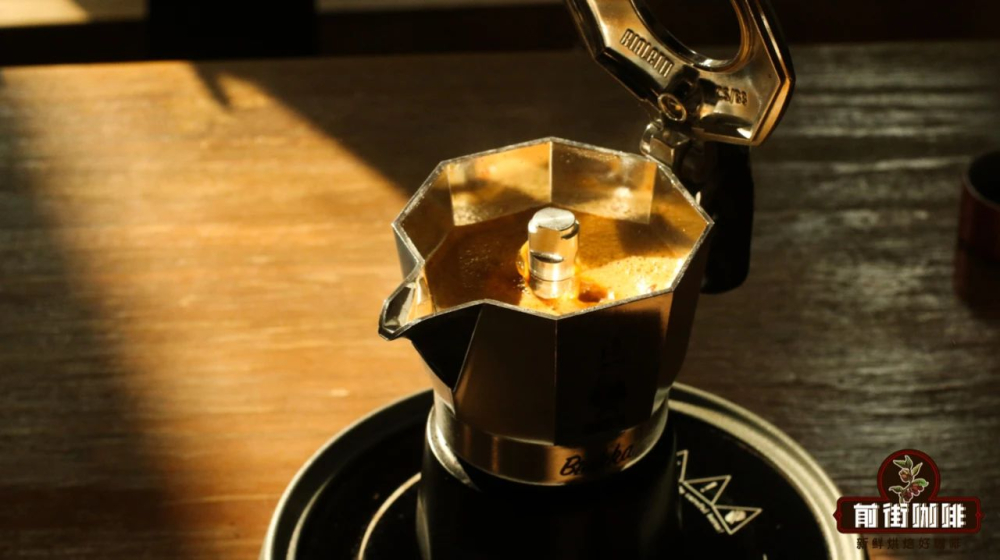
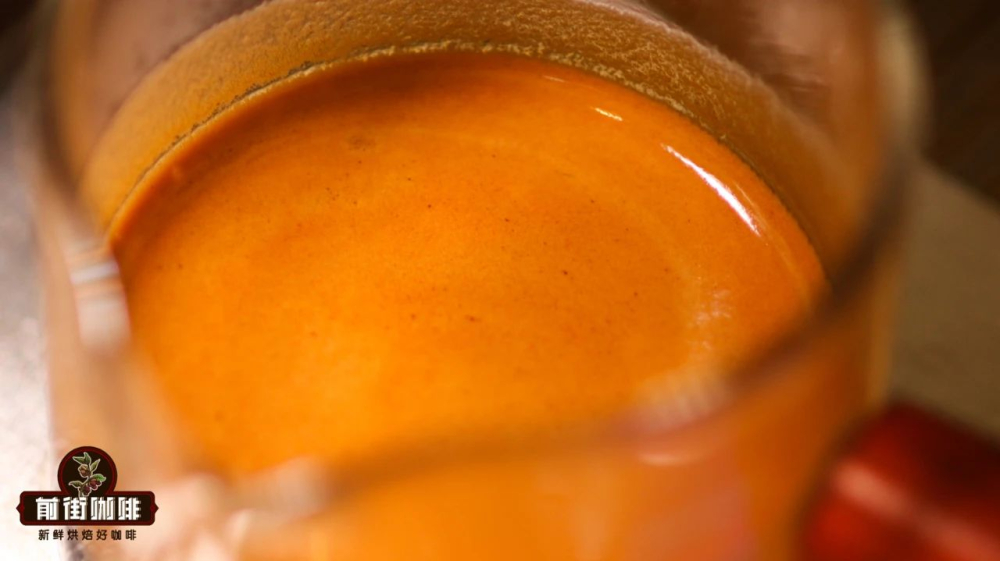
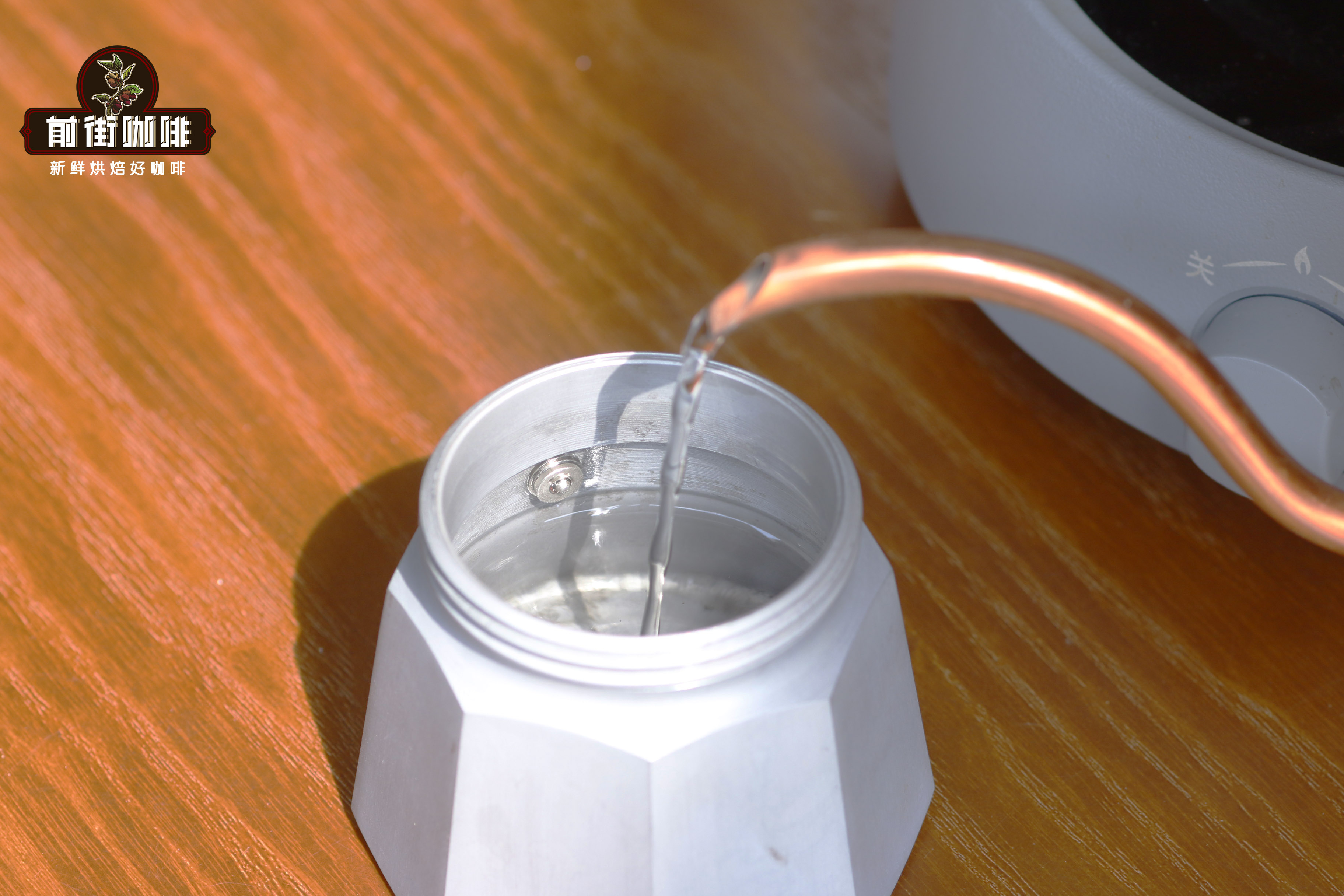
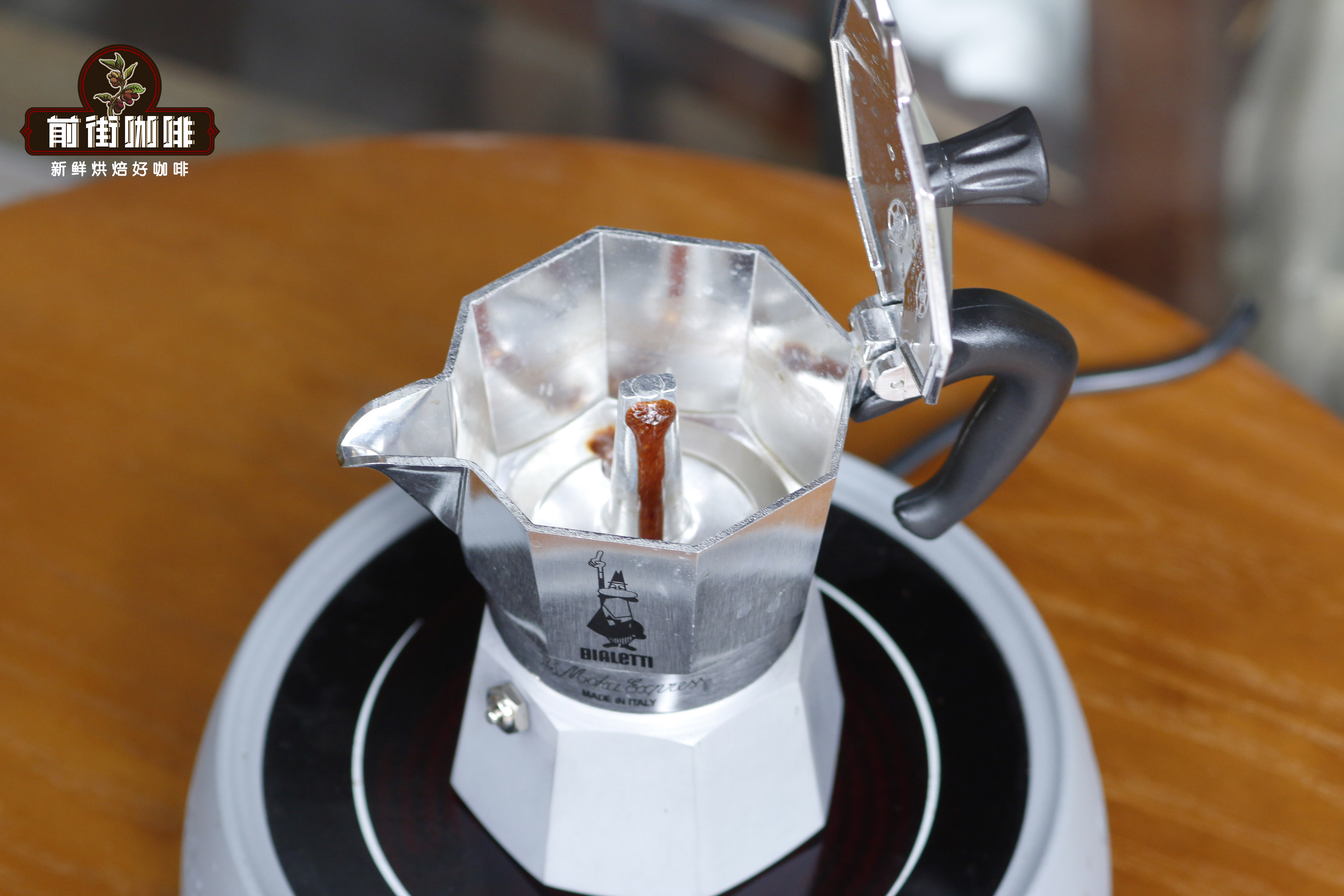
From a technical perspective, the moka pot’s extraction process lies somewhere between drip and pressure brewing, but is closer to high-pressure immersion. When the water in the lower chamber is heated to near boiling point, the steam pressure pushes the water upward through the central tube, passing through the coffee grounds in the upper chamber, and then dripping into the upper reservoir. This method produces coffee with a smooth texture and intense aroma similar to espresso, but may also come with noticeable bitterness and a heavier body—especially when using dark roasted beans.
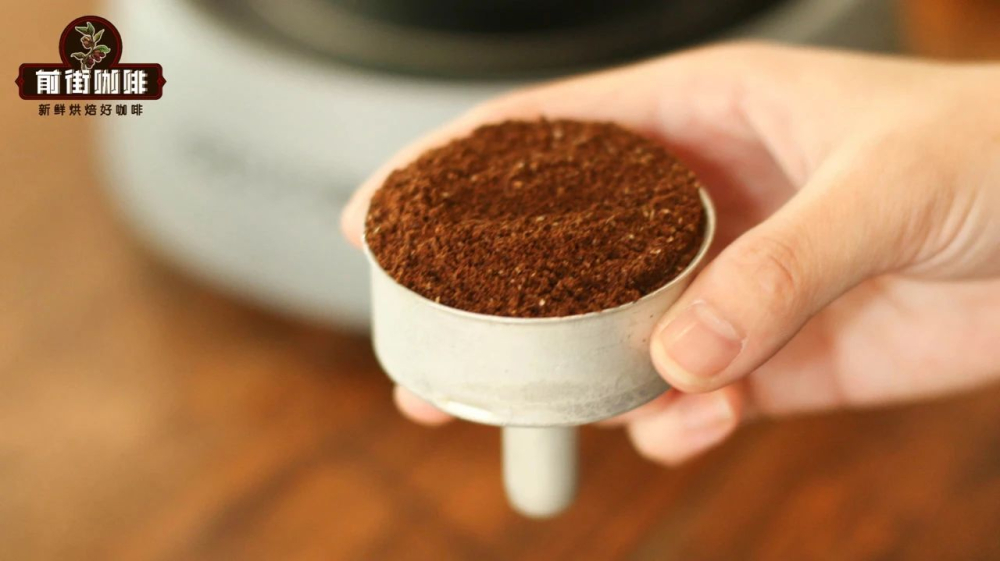
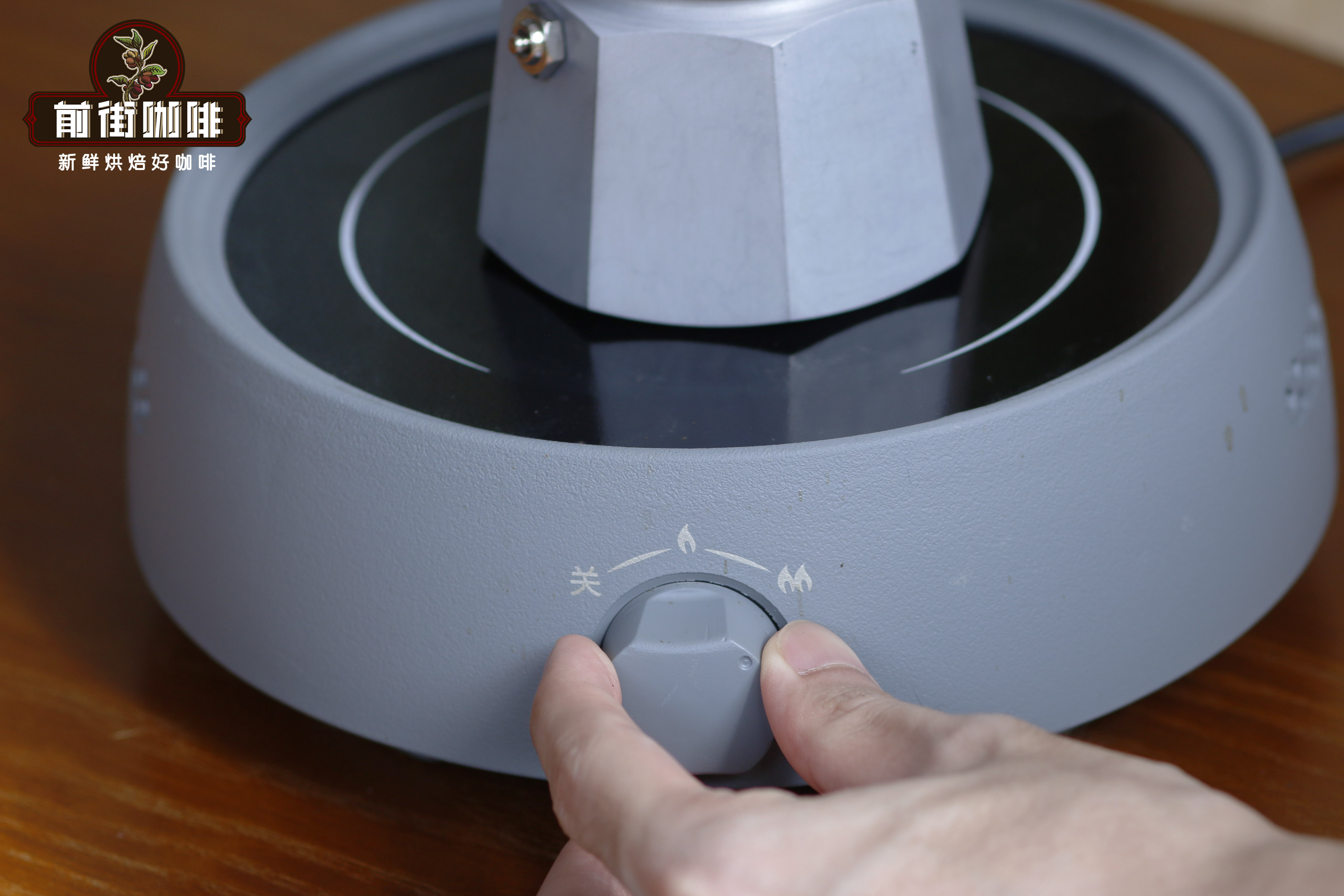
When using a moka pot, it is recommended to choosemedium-to-dark roasted or dark roasted coffee beans, as these beans typically have bold flavors and rich crema, which complement the high temperature and pressure conditions of the moka pot. Generally, using moderate heat (such as low to medium heat on a ceramic stove) to heat the pot, and when you hear a distinct “wuu wuu” or “puff puff” sound, it indicates that the steam pressure has reached the optimal extraction level. At this point, reducing the heat and beginning the extraction helps control brew time and avoid over-extraction.

The overall extraction time typically ranges between20 to 30 seconds, depending on factors such as heat intensity, grind size, and how tightly the coffee is packed. You can turn off the heat once about half of the coffee has flowed out of the upper chamber, using residual heat to complete the rest of the extraction. This helps prevent over-extraction and excessive bitterness. Common beginner mistakes include using too much heat, grinding too fine, or packing the coffee too loosely or too tightly—all of which can affect flow rate and final flavor. It’s recommended to adjust these parameters through repeated practice to find your ideal combination.
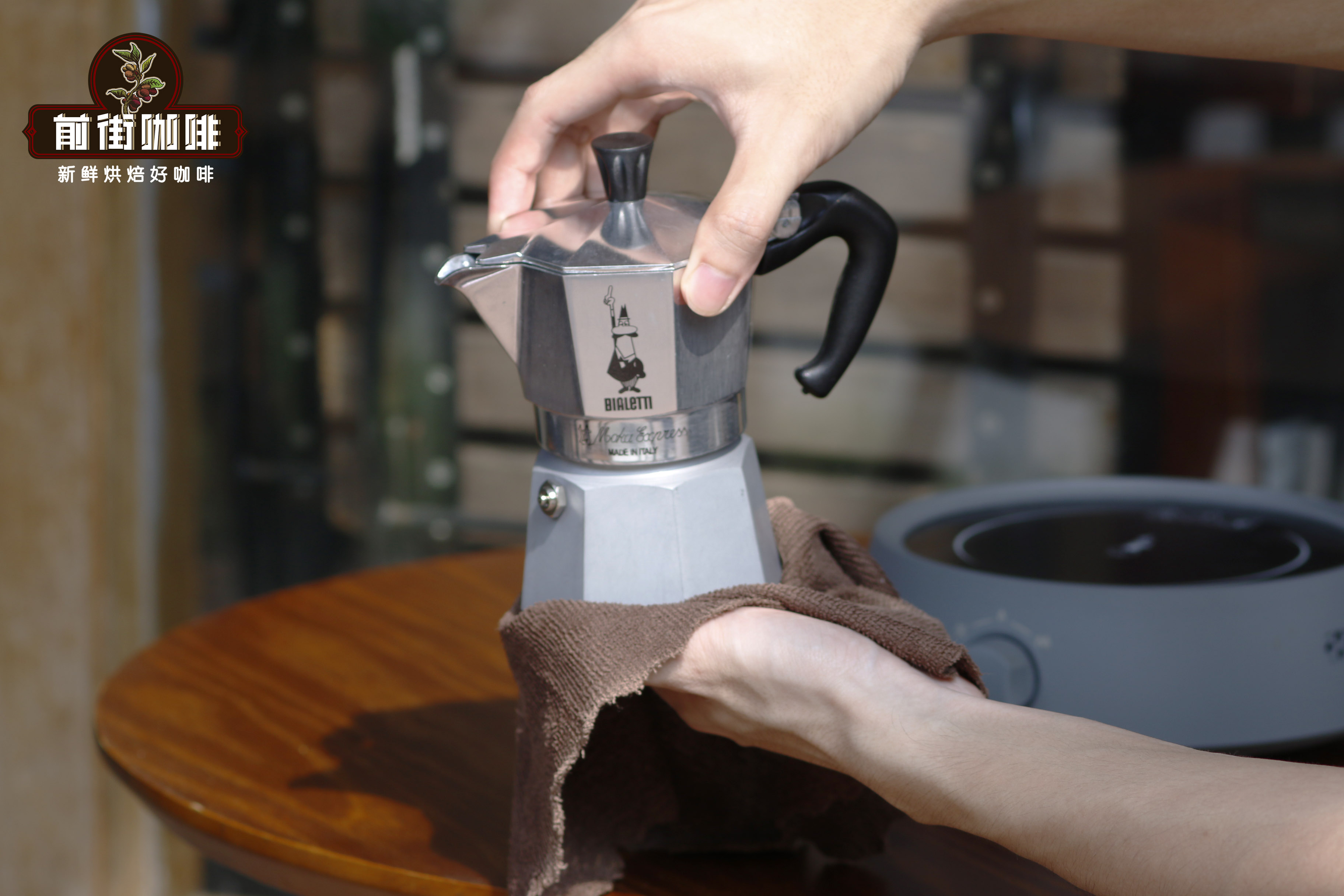
Regarding safety,as long as you follow the correct steps, the moka pot is a very safe home coffee appliance. It’s recommended to use a stable heat source (such as an induction cooker or ceramic stove), avoid excessively large open flames that could cause the pot to overheat or deform, and remain attentive during the brewing process—never let the moka pot run dry. Additionally, be cautious of the high temperature of the pot when pouring out the coffee; it’s advised to use heat-resistant gloves or a towel for assistance to ensure safe usage.
If you plan to use the moka pot specifically for brewing pure black coffee, here are five coffee beans that suit medium-to-dark roast profiles or higher, each with unique origin characteristics and processing methods that can bring different layers and enjoyment to your moka pot coffee:
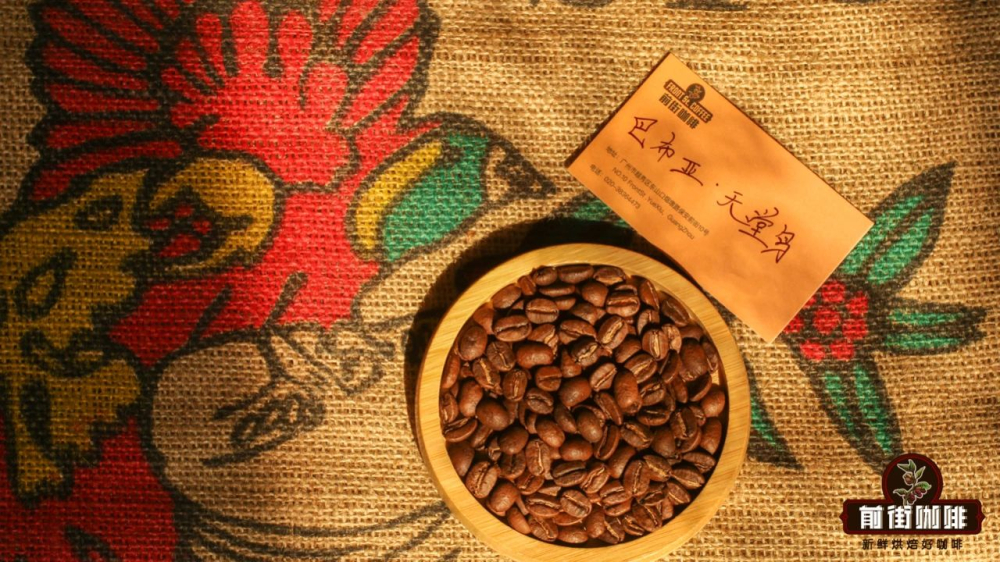
1. Sigri Paradise Bird Coffee Beans (Papua New Guinea)
These are washed-process Typica beans grown at high altitudes of 1600–1800 meters, offering bright acidity and fruity aromas. They are suitable for users who prefer fresh and vibrant flavors, and can still present a certain level of complexity even when brewed with a moka pot.
2. Brazil Queen Estate Coffee Beans
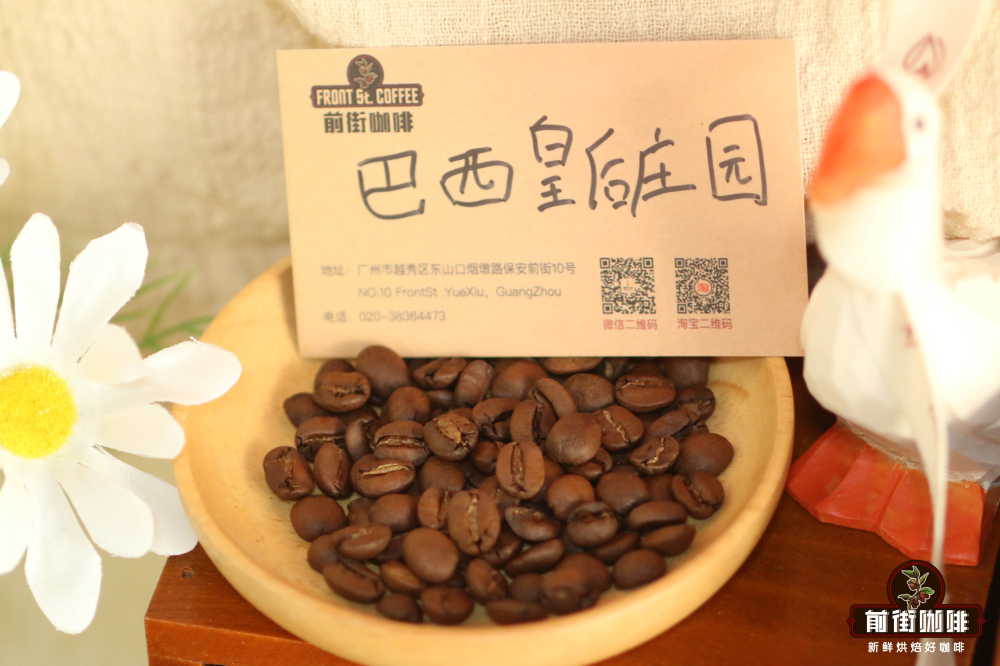
Produced in the Mogiana region of São Paulo, Brazil, these yellow bourbon beans are sun-dried and feature flavors of nuts, cream, and caramel, with a smooth and full-bodied mouthfeel—a classic choice for moka pot brewing.
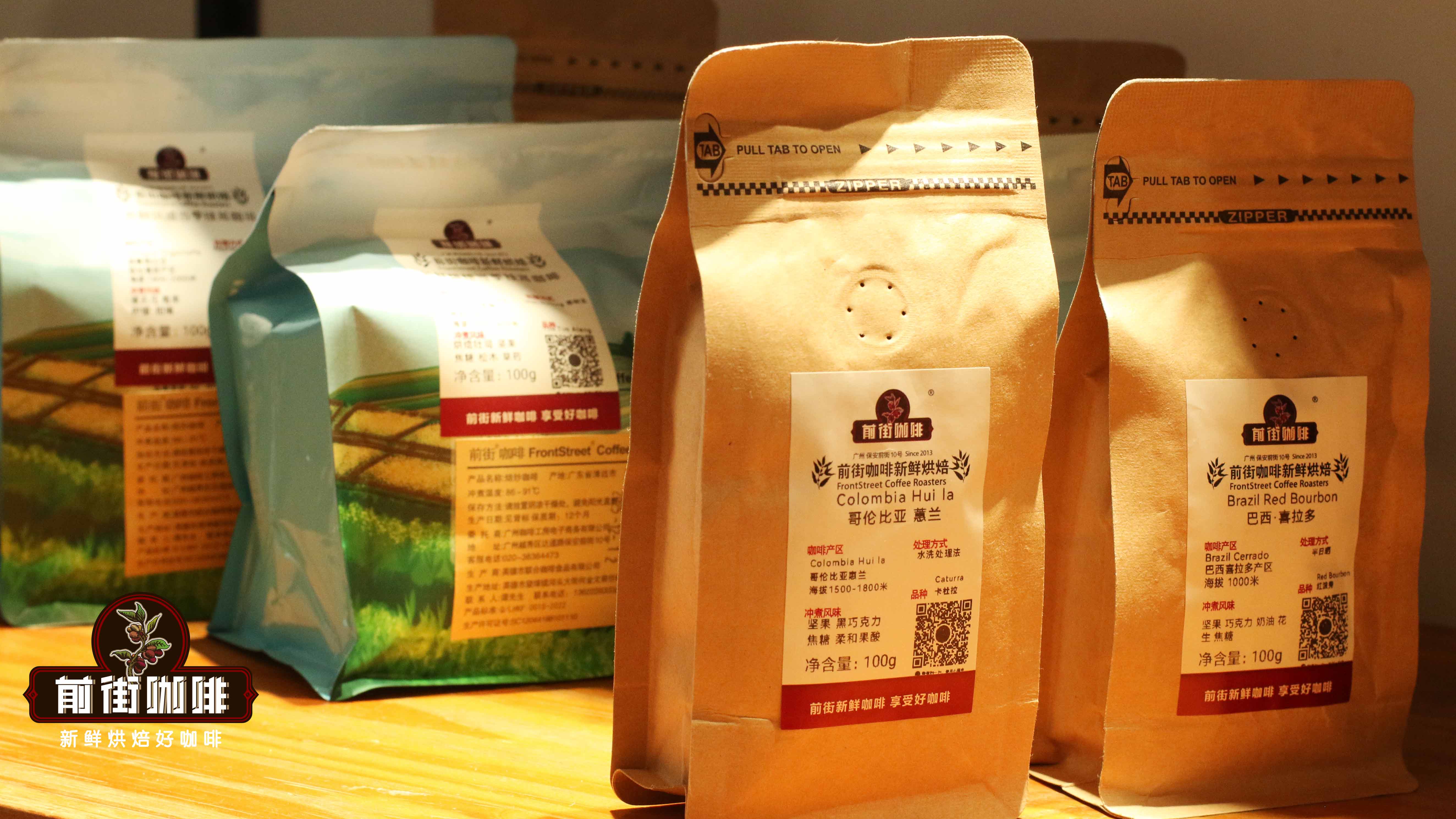
3. Colombian Huila Coffee Beans
These beans come from the Huila region of Colombia and are of the Caturra variety. The washed process delivers a balanced profile of dark chocolate, nuts, and mild fruit acidity, ideal for coffee lovers who enjoy multi-layered flavors.
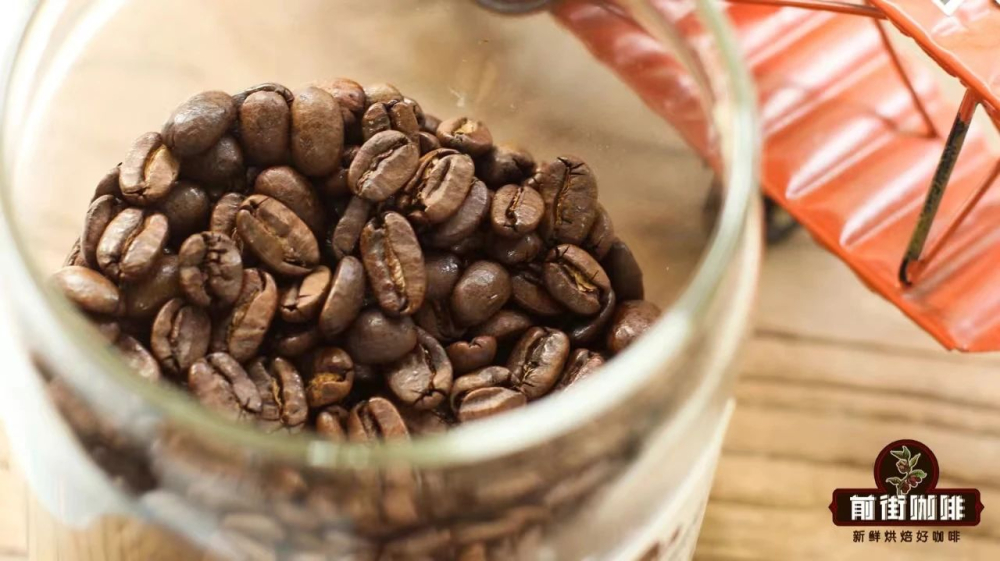
4. PWN Golden Mandheling Coffee Beans (Sumatra, Indonesia)
Sourced from the Gayo Highlands in Aceh, these G1 grade Ateng beans are processed using the traditional wet-hulled method, offering intense flavors of caramel, pine, and dark chocolate—a top pick for dark roast enthusiasts.
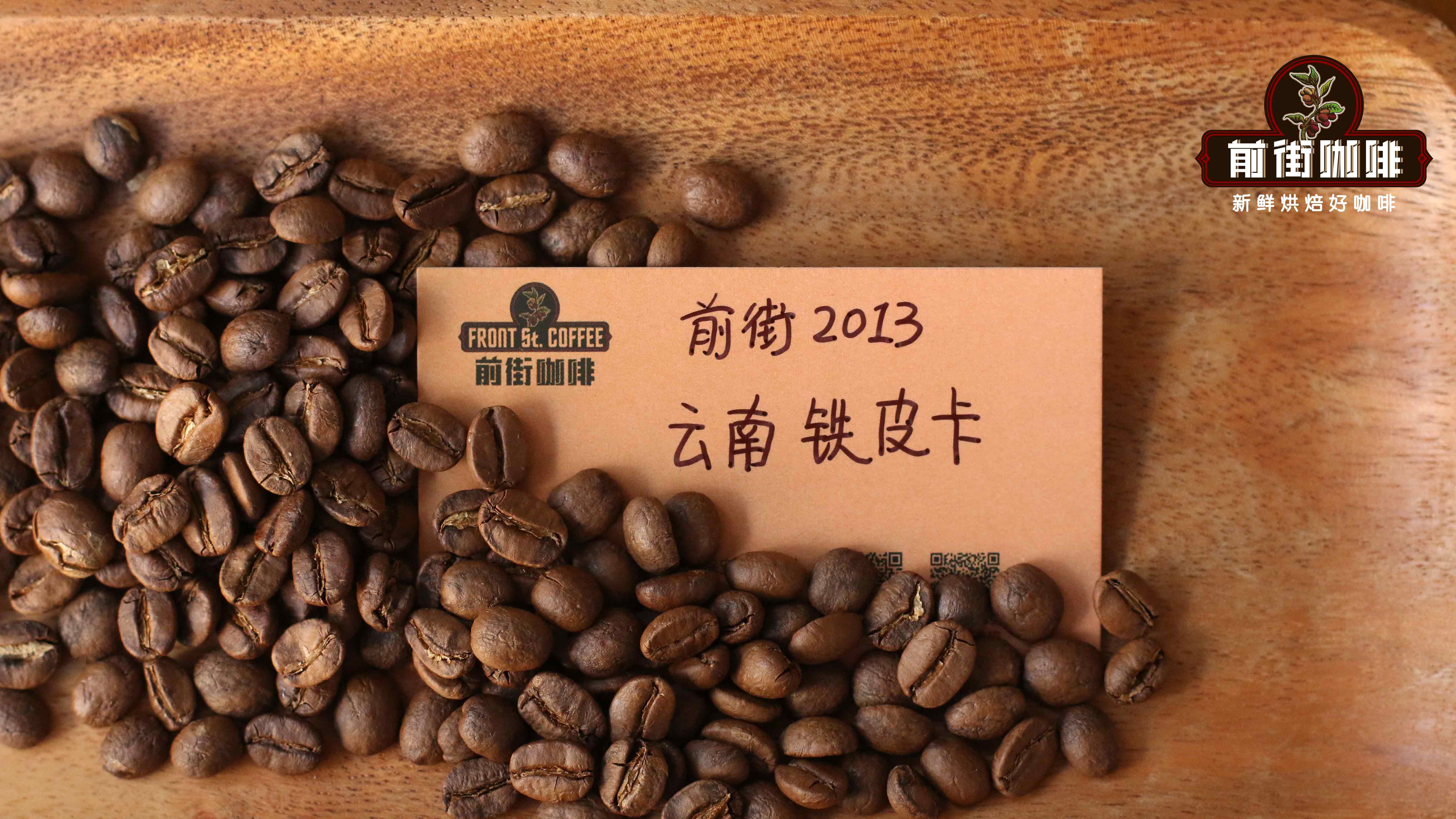
5. Yunnan Peaberry Typica Coffee Beans
Grown at a self-owned estate in Yunnan, China, these sun-dried Typica beans deliver a gentle sweetness reminiscent of brown sugar, nuts, and dried apricots, perfect for those wanting to explore local flavor profiles.
In summary, the moka pot is a simple-to-use yet effective tool that delivers richly flavored coffee,making it suitable for coffee lovers who value efficiency, convenience, and full-bodied taste. As long as you master the correct grind size, heat level, and coffee packing technique, even pure black coffee can yield surprising flavor and aroma when brewed with a moka pot, making it a great entry point for experiencing espresso-like flavors.
The above content is compiled by CoffeeHunters, a coffee news website.


