







Introduction:Light roast coffee is often misunderstood as having only sharp acidity, but it actually harbors delicate floral and fruity notes with a bright layered profile. This article delves into the roasting characteristics and flavor potential of light roast beans, provides expert-level pour over brewing parameters, and selects 5 premium light roast beans from Ethiopia, Kenya, and Panama. Each is accompanied by a detailed flavor profile and recommended brewing method to help you extract vibrant fruit-forward expressions.
In the world of pour over coffee, roast level is a key variable that determines flavor direction. Light roasts are typically completed in the middle to late first crack stage, when the coffee bean's cellular structure remains relatively intact, preserving a wealth of organic acids and volatile aromatic compounds, resulting in a unique and refreshing taste profile.Image
The so-called 'light roast' refers to the stage where coffee beans are roasted during the first crack duration (approximately until the end of the first crack). At this stage, the green beans release moisture and heat energy just right, resulting in a final product with bright citric and malic acid tones, while maintaining low bitterness and a silky body—ideal for showcasing the unique terroir characteristics of the origin.Image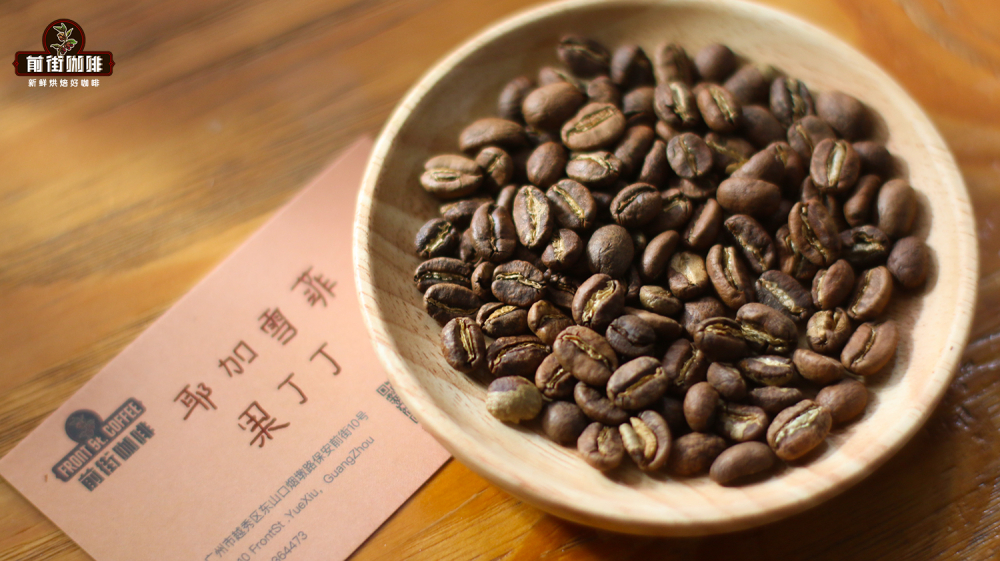
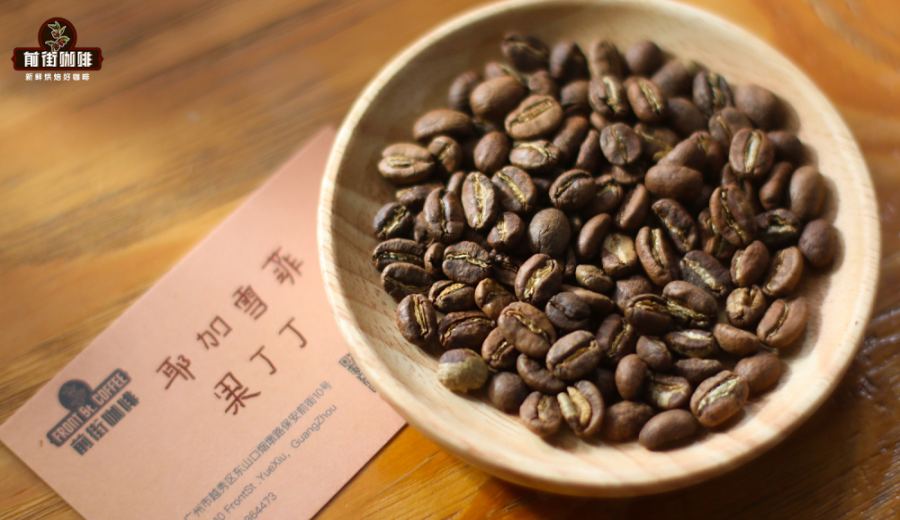
We have selected five highly expressive light roast specialty beans: First up,Ethiopia Yirgacheffe Guji Dingding(washed process at 2300 meters altitude), known for its citrus, blueberry, and honey aromas, with an acidity as lively as morning dew;Kenya Little Tomato(SL28/SL34 varieties from the Thika region, using K72 washed process) brings out a deep sweet-and-sour balance of cherry tomatoes and black plums, paired with a brown sugar finish.Image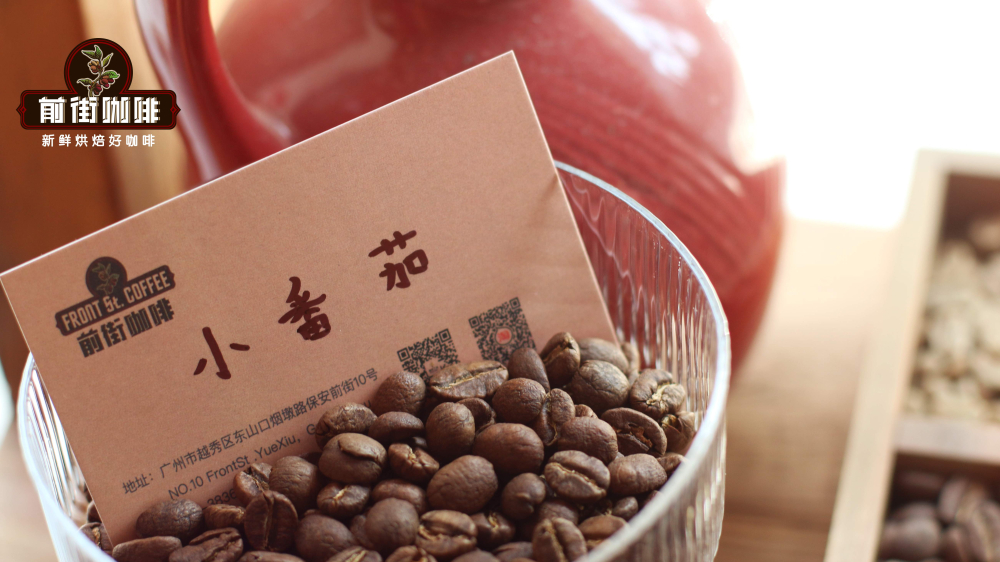
Panama Geisha Flower Butterfly(washed Geisha hybrid from Boquete at 1600 meters altitude) showcases white floral and nutty notes, perfect for drinkers seeking layered complexity;Ethiopia Huacai(natural process from Guji Hambela) stands out with creamy strawberry and black tea aromas, where the natural process lends a rounder fruit pulp texture.Image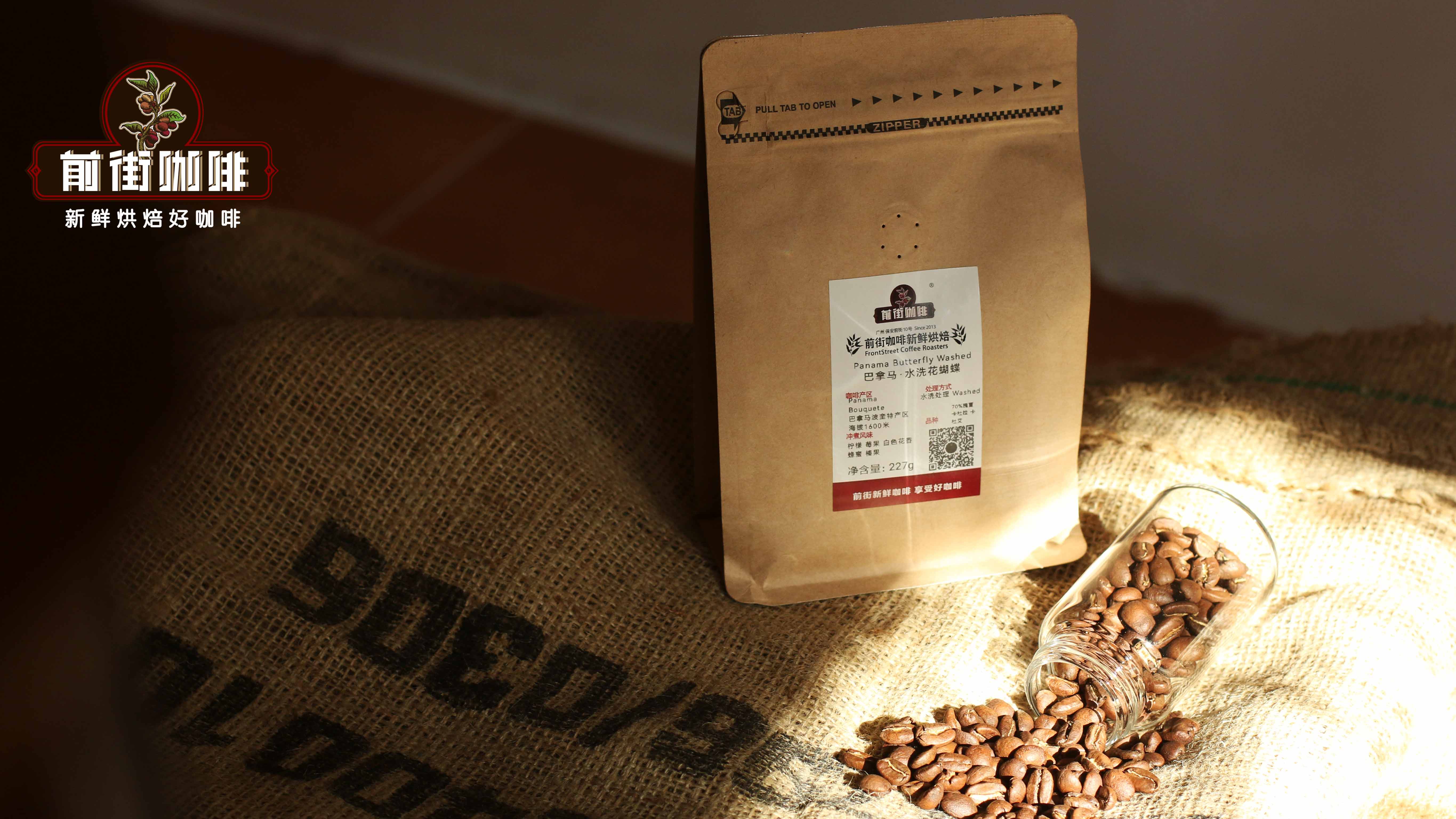
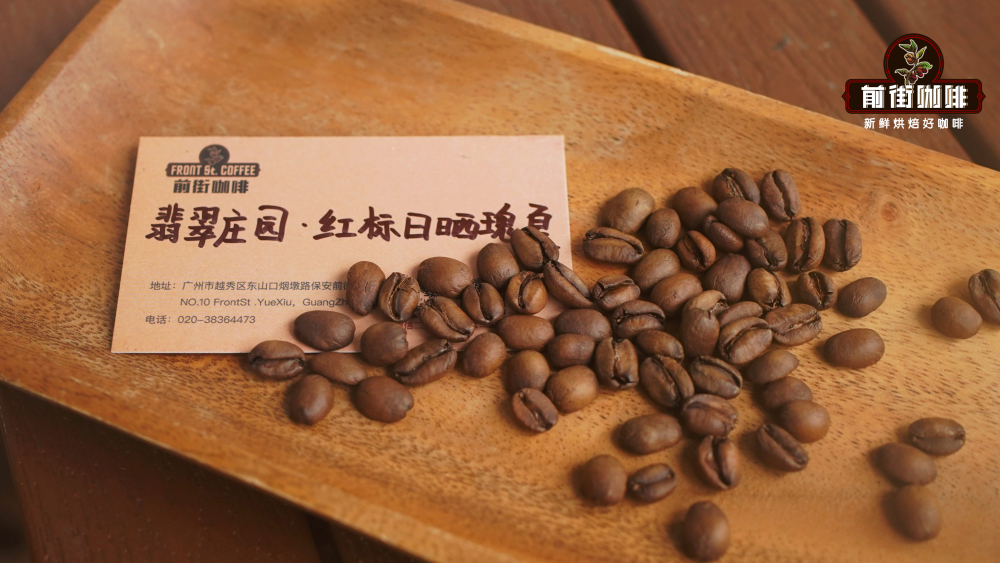
The top-tier choice isPanama Emerald Red Label Geisha(natural process from Boquete at 1700 meters altitude), featuring intense tropical fruit flavors like mango and guava paired with rose notes, and a surprising berry and fruit candy finish. Each bean comes with clear information on origin altitude, processing method, and variety to ensure flavor consistency.Image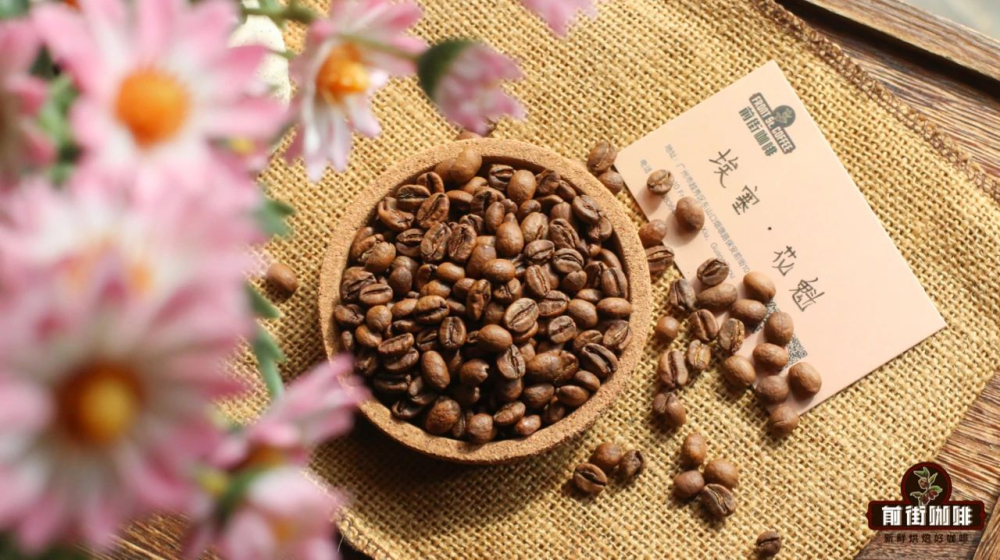 Image
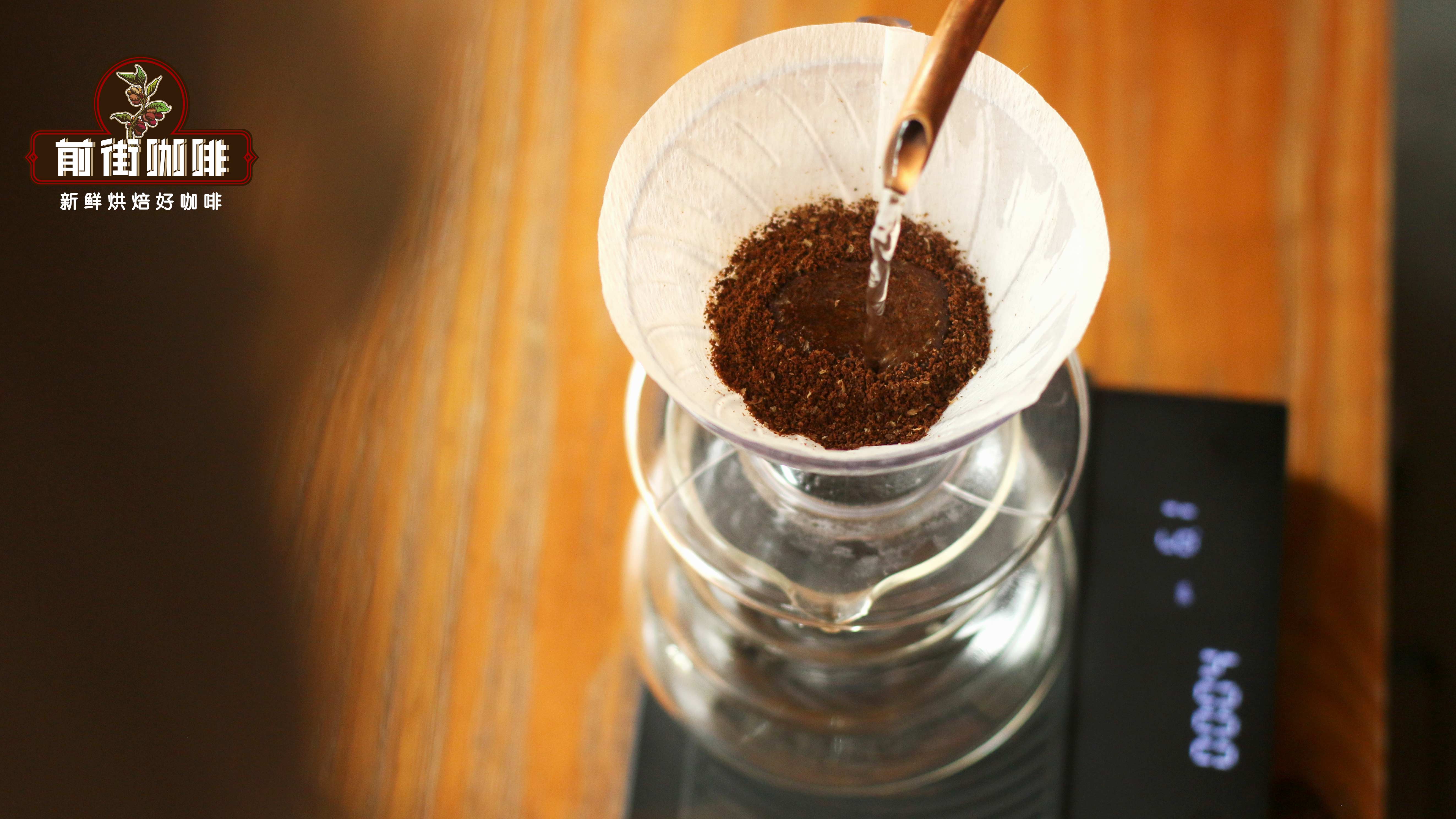
Recommended pour over parameters include medium-fine grind (approximately 78% passing through a #20 sieve, similar in texture to fine sugar), with a coffee-to-water ratio of 1:15 to 1:16 (e.g., 15 grams of coffee to 225 ml of water).Temperature should be controlled at 92-93°Cto fully activate the acidic aromatic compounds, taking care to avoid overly high temperatures that may lead to over-extraction and bitterness.Image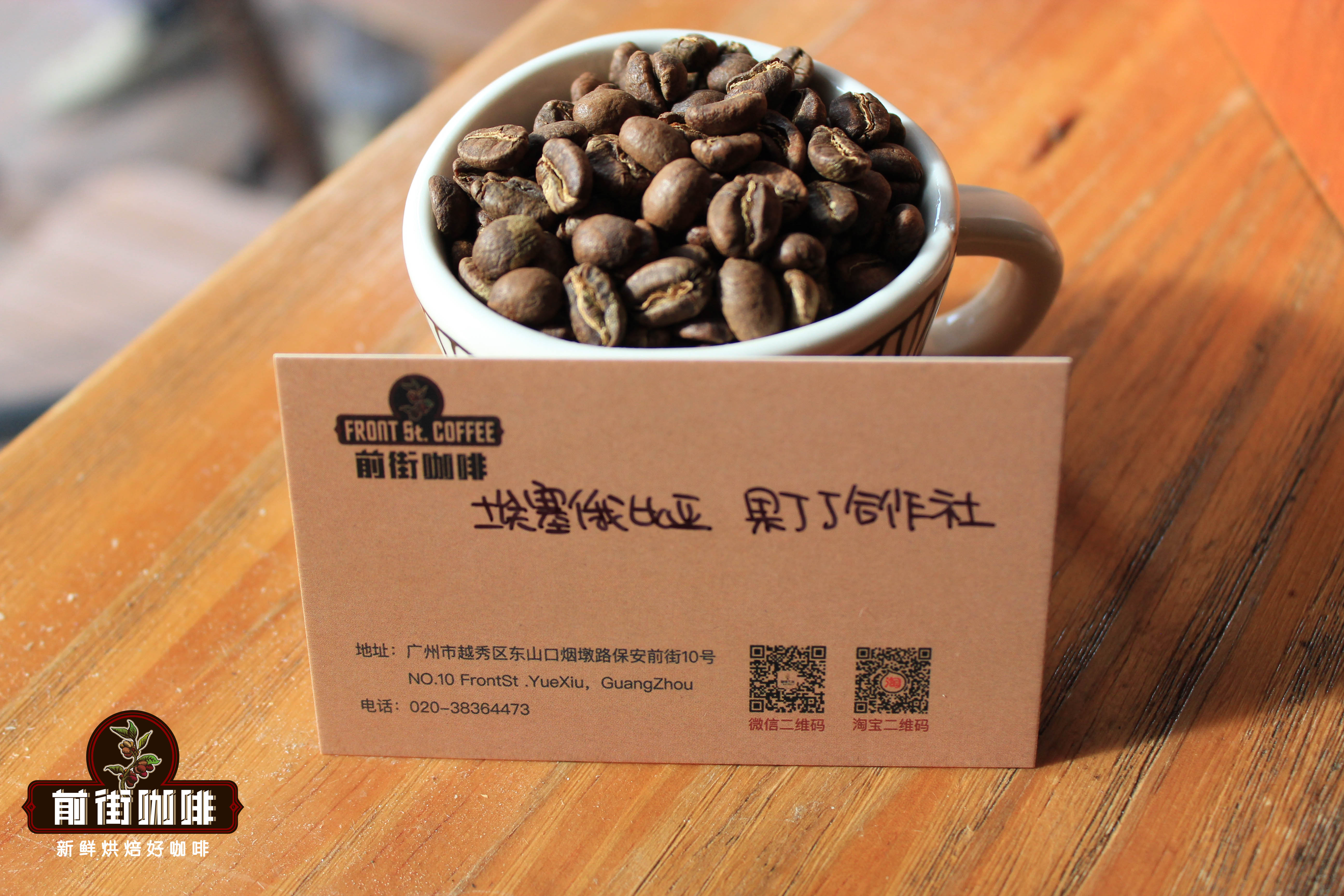
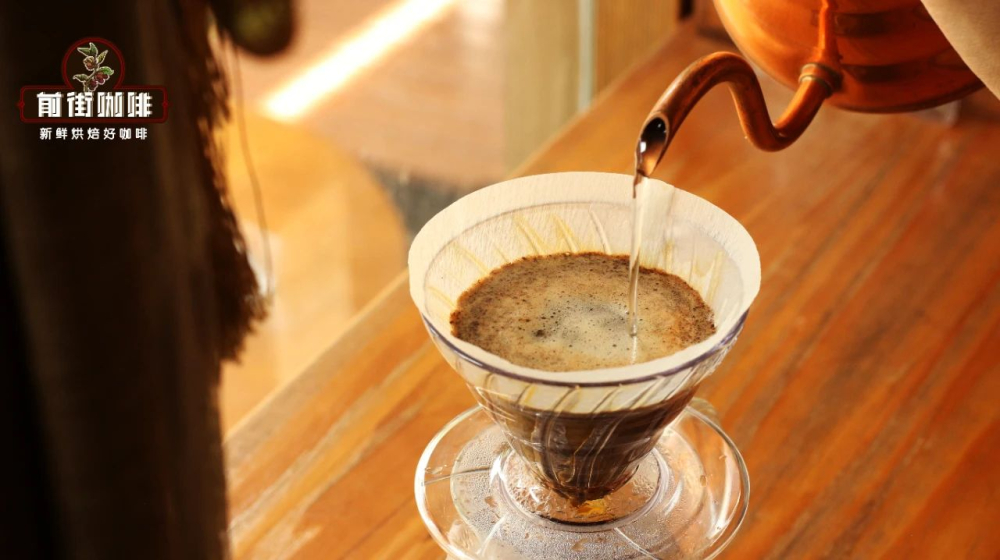
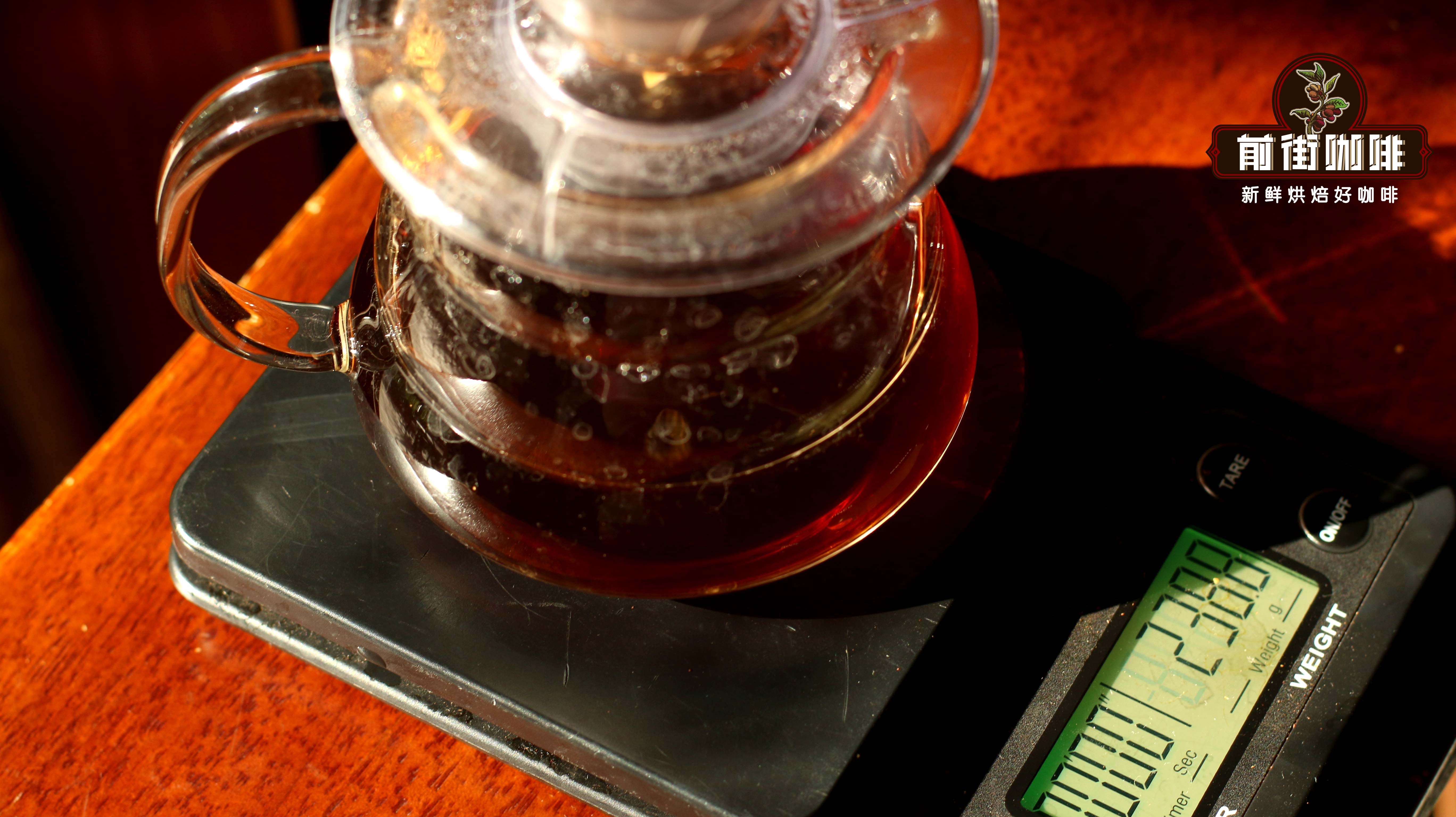
A three-stage pouring method is recommended: first, a 30 ml bloom for 30 seconds (small stream, center outward); second, 95 ml with a medium stream to steadily raise the coffee bed; third, 100 ml with a small stream to slowly finish. Total brew time is about 2 minutes, and the brew is complete when the final liquid weight reaches 225 grams. Note that filter choices such as the V60’s spiral ridges aid in gas release, enhancing acidity expression.Image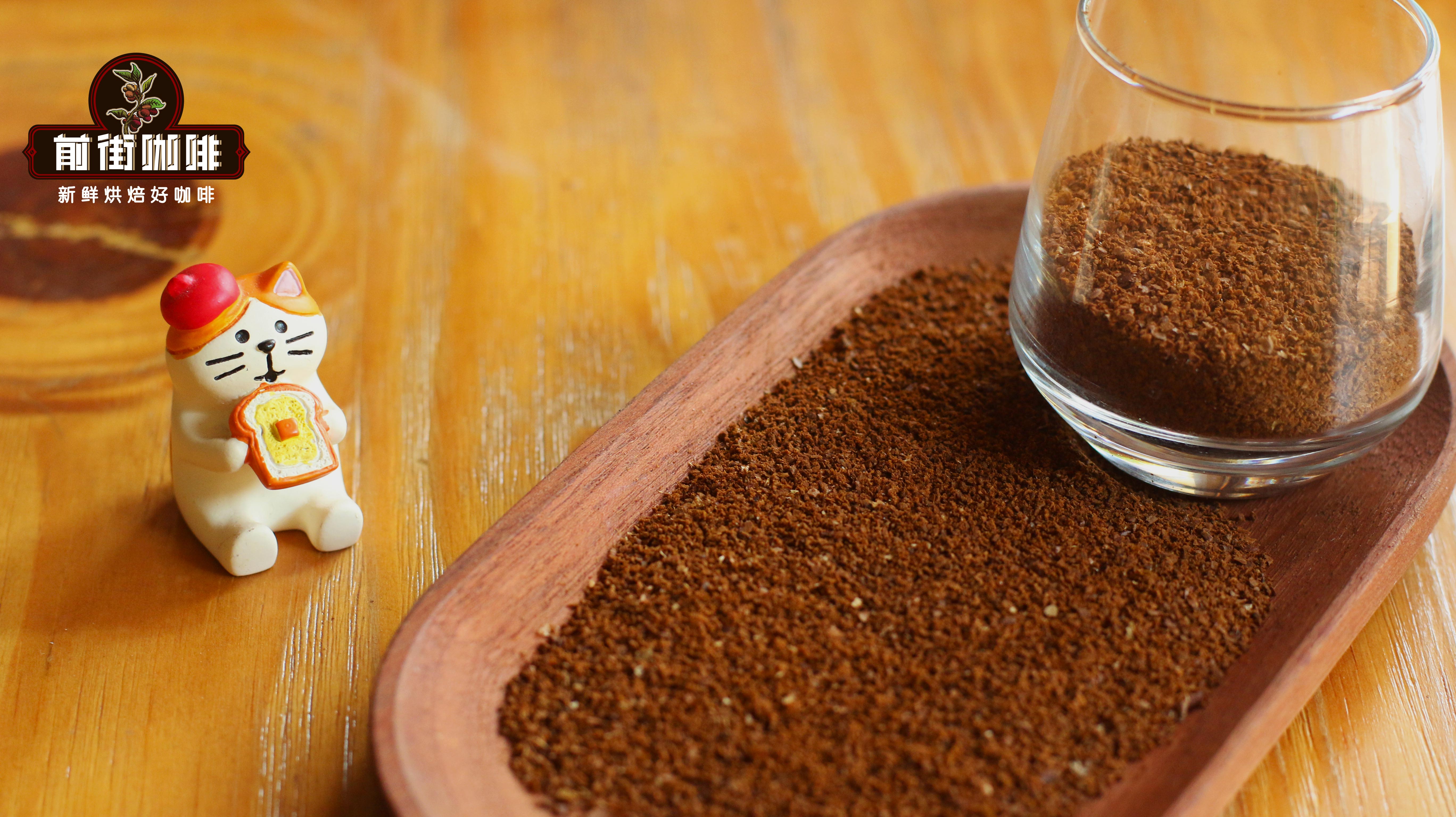 Image
 Image
 Image
The above content is compiled by CoffeeHunters, a coffee news website.


