








Introduction:Want to brew richly cremed and intensely flavored espresso with a moka pot? This article explains the working principle of the moka pot, provides correct operation steps, and recommends 5 medium-to-dark roasted coffee beans suitable for it. From flavor profiles to extraction tips, it helps you master the secrets of brewing professional-level moka pot coffee at home.
In Italian households, the moka pot is the soul tool of daily coffee—not just a brewing device, but also a showcase of lifestyle aesthetics. This classic coffee maker from Italy extracts a strong coffee with crema through pressure, winning the love of coffee enthusiasts around the world.
The history of coffee in Italy dates back to the 16th century. Introduced by Arab merchants, it quickly gained popularity and gradually developed into an Italian coffee culture that emphasizes richness and crema expression. Venice, as the coffee trade hub of Europe at the time, not only gathered numerous roasters but also gave birth to historic coffee landmarks like Caffè Florian, which still attracts countless travelers today.
To brew coffee with rich crema using a moka pot, choosing the right coffee beans is crucial. It is generally recommended to usemedium-to-dark roasted or dark roastedcoffee beans. These beans, due to their higher degree of roasting, can release more complex flavors such as caramel, chocolate, and spices, while also helping to form a thick crema.
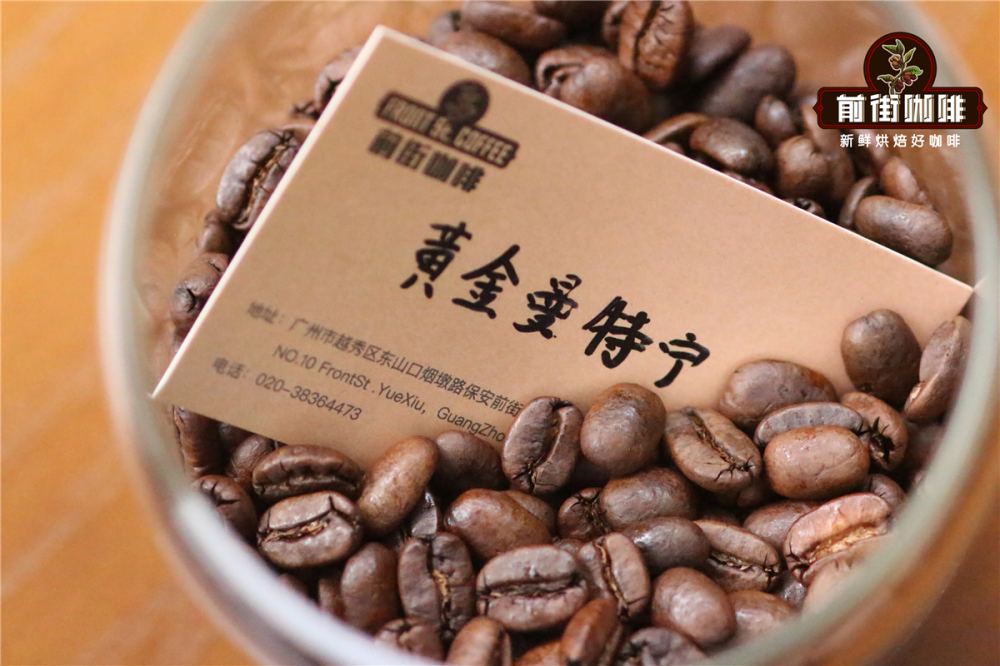
Below are some classic medium-to-dark roast coffee beans recommended for use with a moka pot:
First is the PWN Golden Mandheling produced by a certain brand, a high-altitude selection bean with distinct aromas of dark chocolate, caramel, and spices. It has a full-bodied taste and excellent crema performance, suitable for coffee lovers who pursue intense flavors.
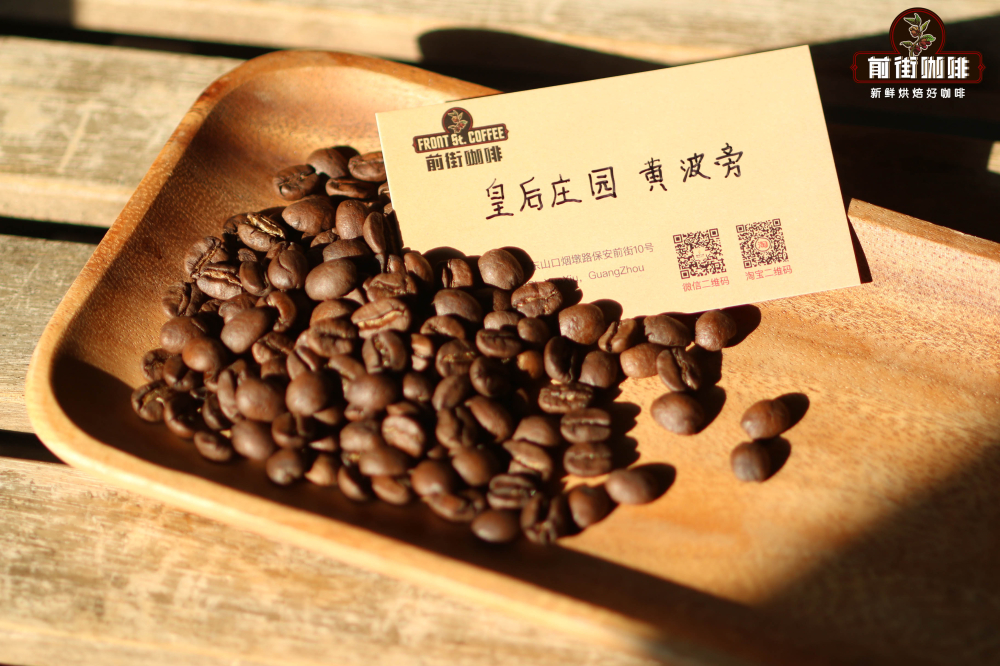
Another recommendation is the Brazilian Queen Estate beans, which excel in nutty and creamy tones, paired with moderate cocoa and cane sugar aromas and a soft acidity. Although medium-to-dark roasted, it retains a delicate crema layer, suitable for users who prefer balanced flavors.
Coffee beans from the Huila region of Colombia are also a good choice. They offer a rich and stable aroma of sugarless chocolate with a thick and full crema. In addition to being suitable for single-origin brewing, they can also serve as a base for milk-based coffees like lattes, showcasing a strong foundational flavor.
If you prefer classic Italian flavors, the classic Italian blend launched by a certain brand is a standard answer. With dominant notes of rich caramel and chocolate, a deep crema layer, and a smooth, mellow taste, it is a common base choice for many Italian-style coffee shops.
For users on a budget but still seeking stable performance, the commercial Italian blend from a certain brand offers a cost-effective option. Not only does it have a rich crema, but it also features low acidity and dense aroma, making it suitable for everyday use.



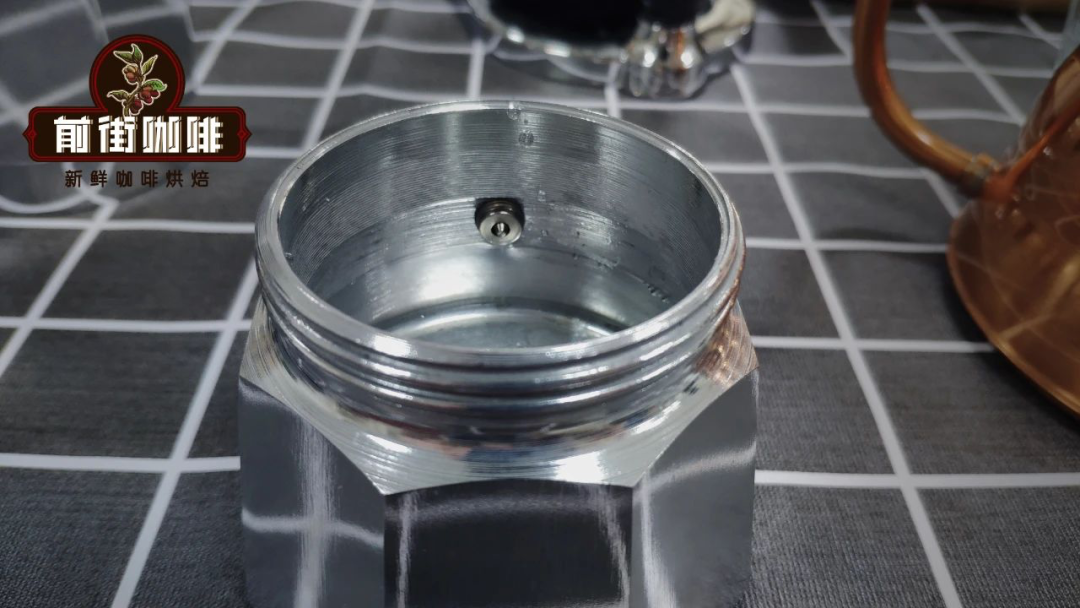
Next, let’s take a deeper look at the working principle and practical operation steps of the moka pot. The moka pot mainly consists of three parts: the lower chamber holds water, the middle filter holds the coffee grounds, and the upper chamber collects the brewed coffee. The entire process relies on the steam pressure generated by heating to push water through the coffee grounds layer, ultimately dripping into the upper chamber.
First, addwater to the lower chamber. It is recommended that the water level does not exceed the safety valve position to avoid excessive pressure and potential danger. A general suggestion is about 200 milliliters of water, which can be adjusted according to the moka pot capacity.
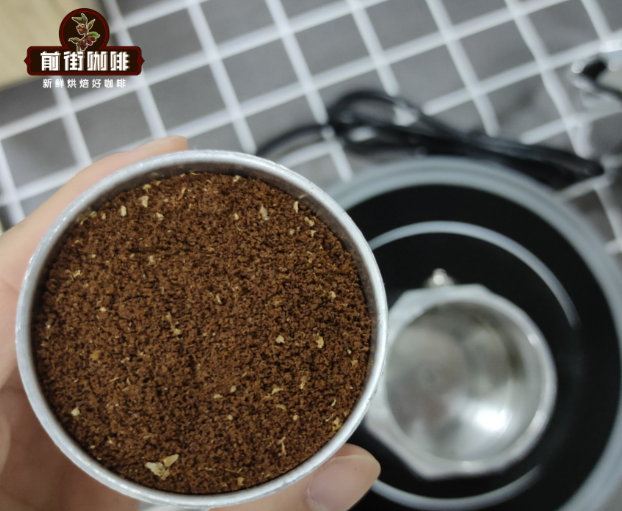
Next, fill thefinely ground coffee powder into the middle filter. Do not tamp too tightly—keeping it evenly level is sufficient. This step is key to ensuring smooth extraction. Over-tamping can cause channeling, where water passes through too quickly without fully extracting the flavors.
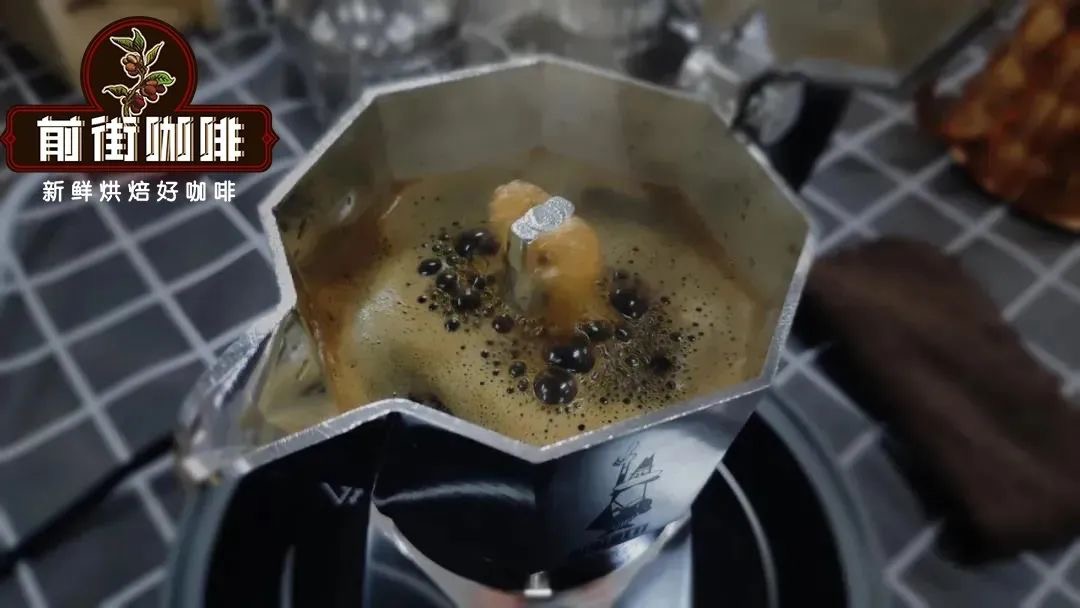
When the water in the lower chamber is heated to boiling, the steam pressure pushes the hot water through the coffee grounds layer, extracting its flavor compounds and crema, which then flow out through the spout of the upper chamber. This process usually takes only 25 to 30 seconds. It’s advised to observe the flow rate of the coffee—if it’s too fast, it may indicate the grind is too coarse or the tamp is insufficient.
Finally, when coffee starts to appear in the upper chamber, it is recommended to remove the heat source immediately to avoid over-extraction and increased bitterness. The freshly brewed moka pot coffee has a rich crema, so it’s best enjoyed while hot to experience its full aroma and taste.
The above content is compiled by CoffeeHunters, a coffee news website.


