







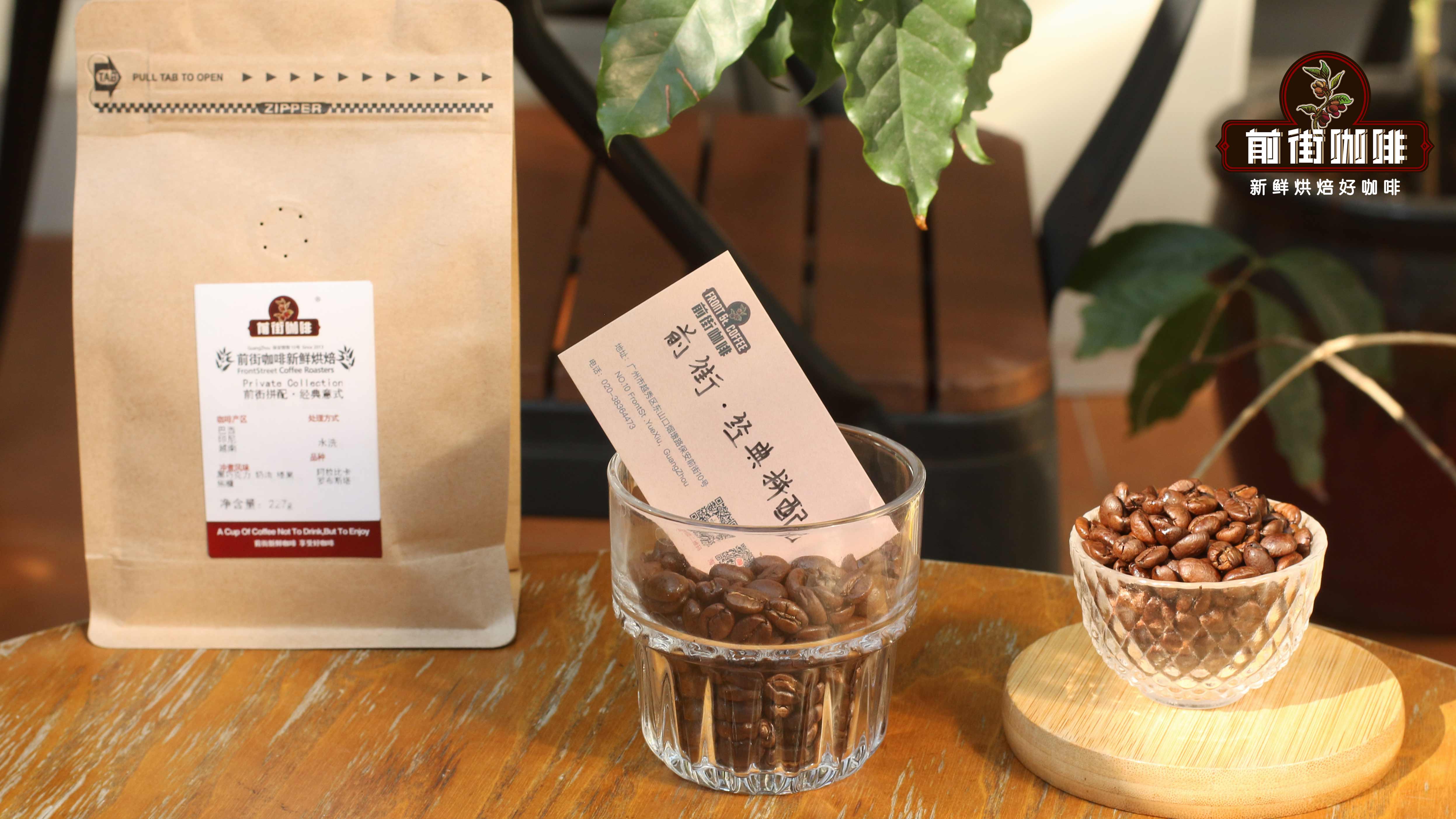
Introduction:To make standard espresso at home or in a café, everything from bean selection to extraction parameters involves expertise. This article explores the ideal conditions for espresso and recommends three affordable blends perfect for making lattes and Americanos, teaching you how to master the keys to crema and balanced flavor.
The mainstream types of beans used for espresso can be divided into two major categories: blends and single-origin SOEs. However, there are clear differences between them in terms of extraction performance and flavor profiles. Traditional espresso emphasizes richness, full body, low acidity, and smoothness, relying on a thick layer of crema to support the overall mouthfeel. This type of coffee also serves as the base for milk-based drinks like lattes and cappuccinos.
To brew a qualified espresso, five key parameters must be strictly controlled:Extraction yield should be maintained between 25 and 35 milliliters, while the amount of coffee grounds is adjusted according to grind size;water temperature needs to be stable within the range of 90.5 to 96 degrees Celsius, paired witha stable pressure of 8.5 to 9.5 atmospheres, and the extraction time should be kept within20 to 30 seconds. These conditions may seem simple, but they actually require high precision in equipment and experience in operation — which is the main reason why many home users find it difficult to meet these standards on their own.
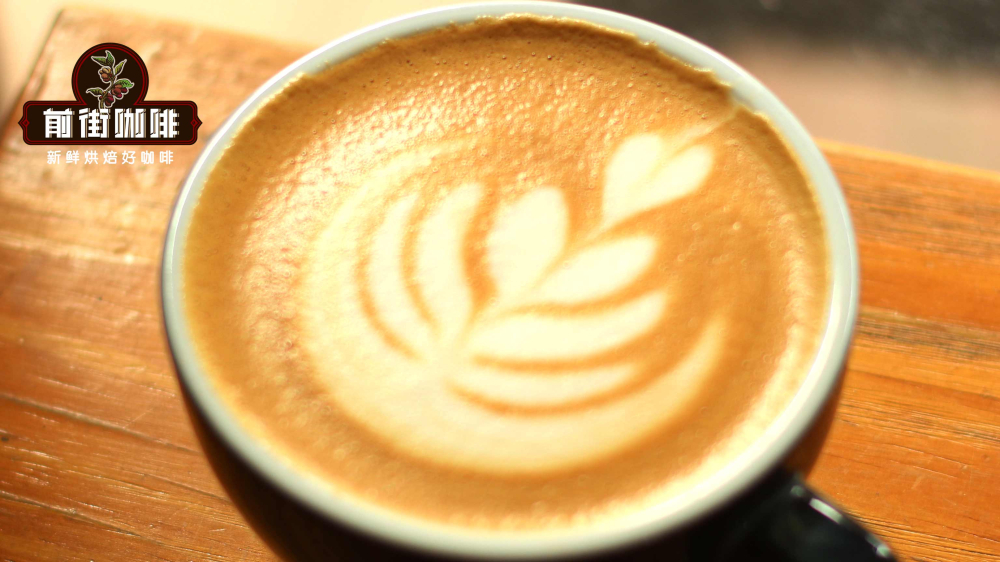
Espresso blends, crafted by professional roasters using beans from different regions and processing methods, aim to create a product that is balanced in flavor, rich in crema, and highly consistent. A common strategy is to combine medium-to-dark roasted beans, leveraging the complementary characteristics of beans from various origins — for example, using nutty notes to balance fruit acidity or employing high body to support the overall mouthfeel. For beginners, blends reduce the risk of extraction errors while delivering consistent flavor, making them an excellent choice with great cost-performance.
An evolved version of the Mamba-style blend often includes Indonesian Mandheling and Brazilian beans, with the latter enhancing crema and body thickness. Some advanced versions further incorporate a small amount of Robusta to boost intensity and crema longevity, making them particularly suitable for home users practicing latte art. When extracting such beans, it’s recommended to use a medium-fine grind and be mindful not to use too high a coffee-to-water ratio, so as not to mask the layers of flavor.
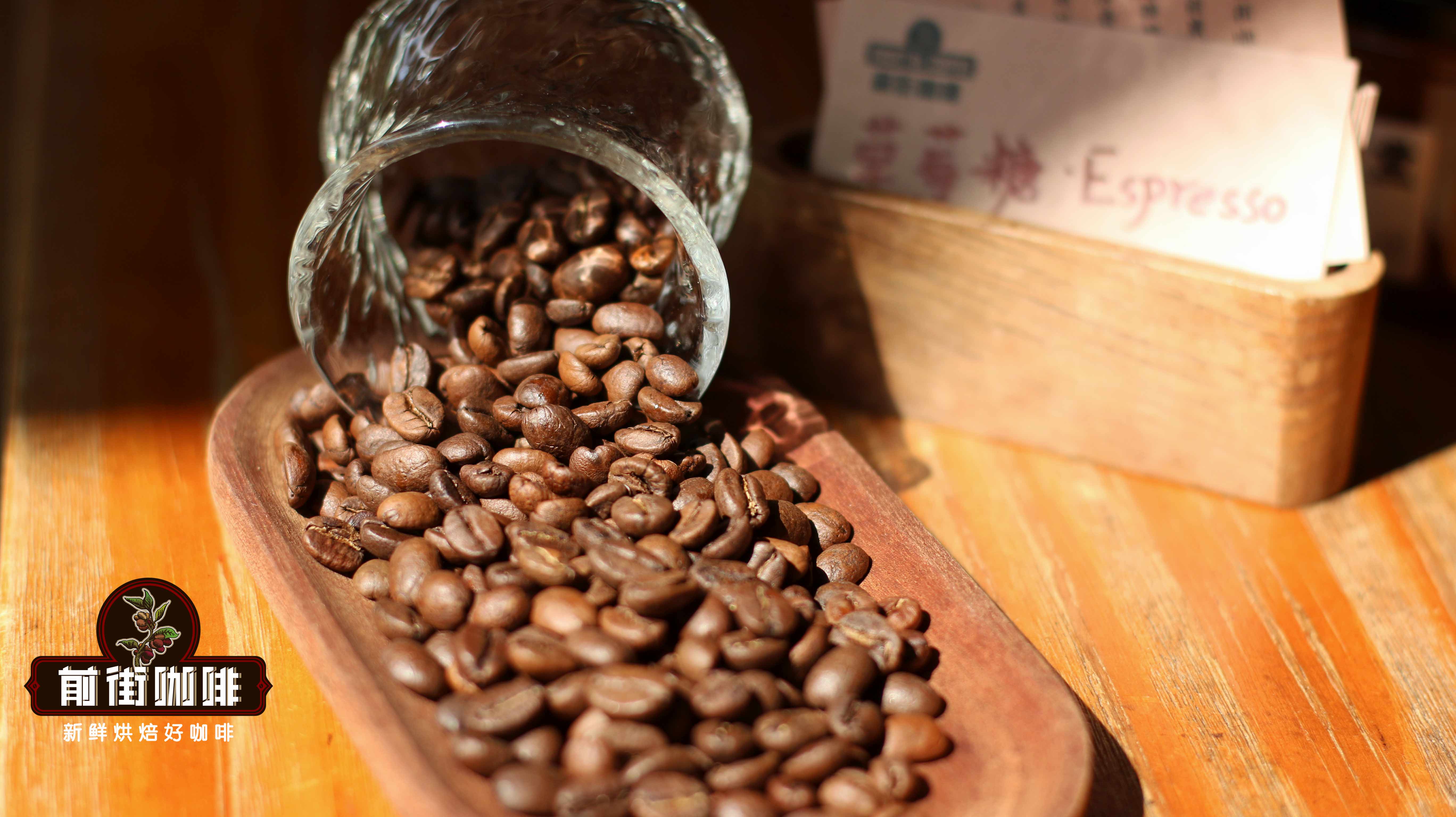
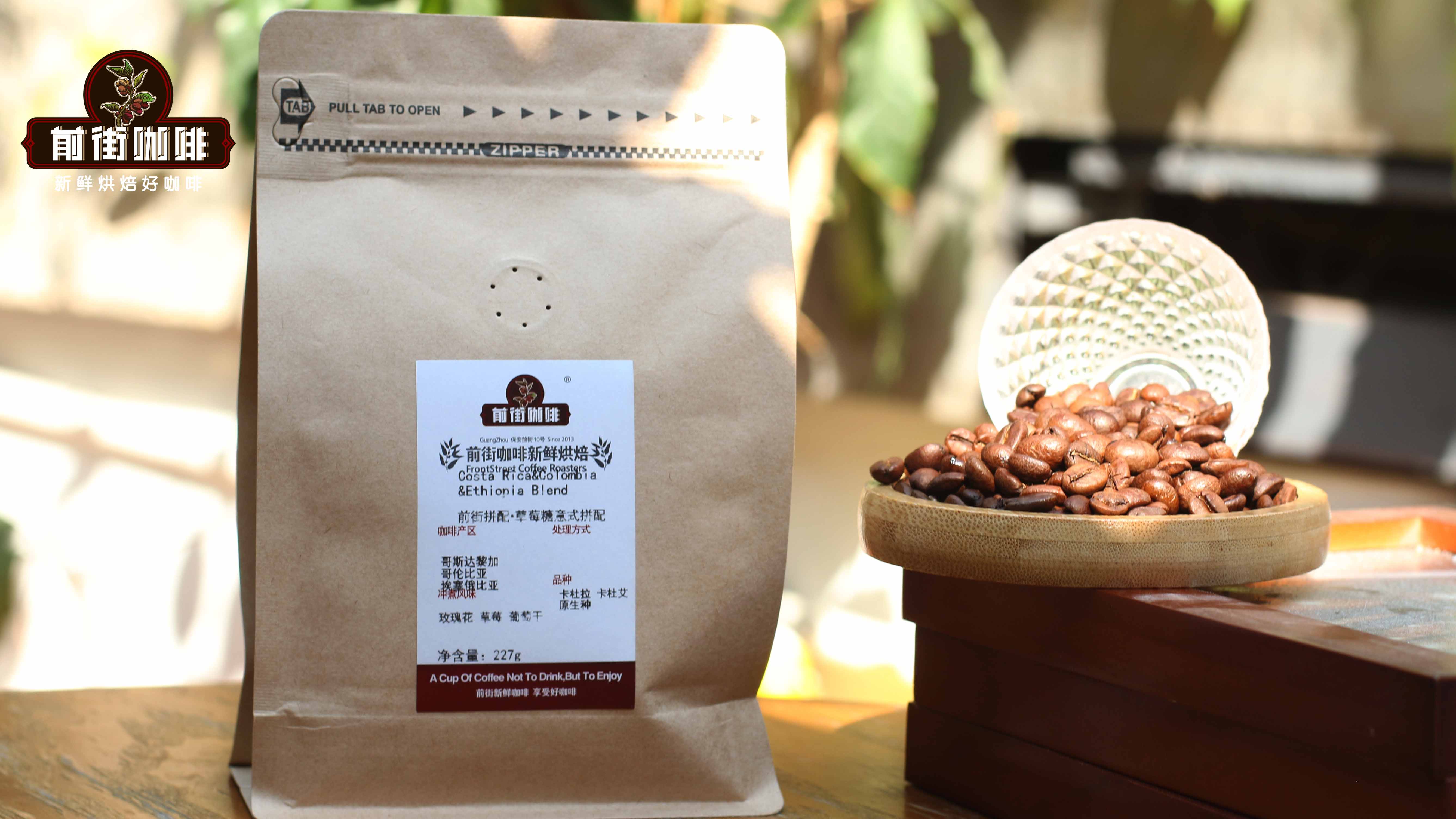
For those who prefer floral and fruity notes, blends based on medium-to-light roasts can be tried. For instance, combining Costa Rican honey-processed beans with Ethiopian natural beans, then balancing the acidity and sweetness with Colombian beans, can produce a bright acidity reminiscent of strawberry taffy, while maintaining a dense texture and rich crema. When extracting these beans, it’s important not to use too high a temperature; it’s recommended to keep the water temperature between 92 and 94 degrees to avoid over-extraction, which can lead to sharp acidity that disrupts the overall balance.
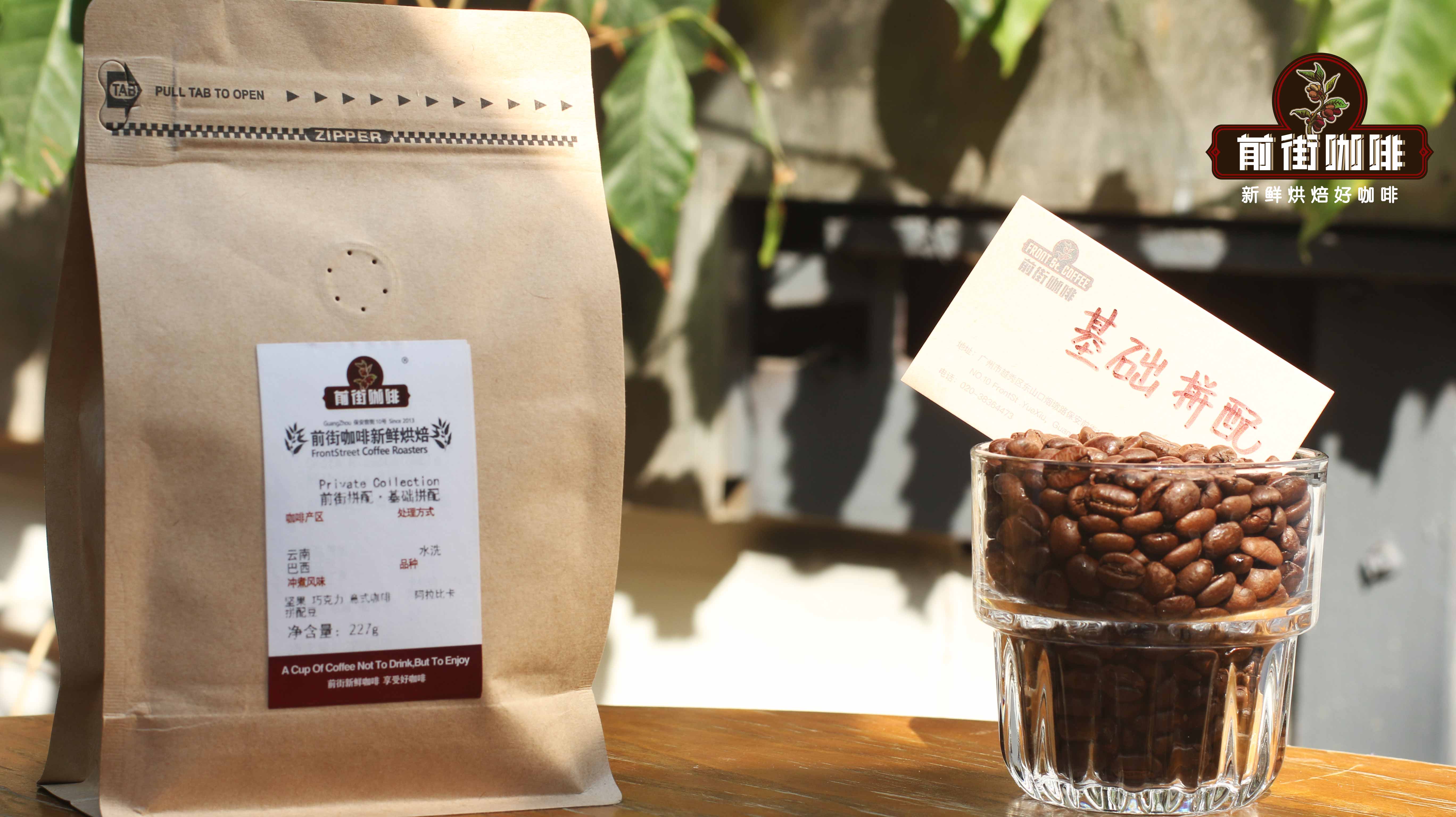
For budget-conscious users or beginners, there are also many high-cost-performance blends available on the market. These products typically focus on balanced fruit acidity, caramel sweetness, and nutty notes, with a moderate dark chocolate finish. They are well-suited for everyday Americanos or basic lattes. While their flavor complexity may not match that of high-end single-origin beans, their stable extraction performance and affordable pricing make them a practical first choice for both cafés and home users.
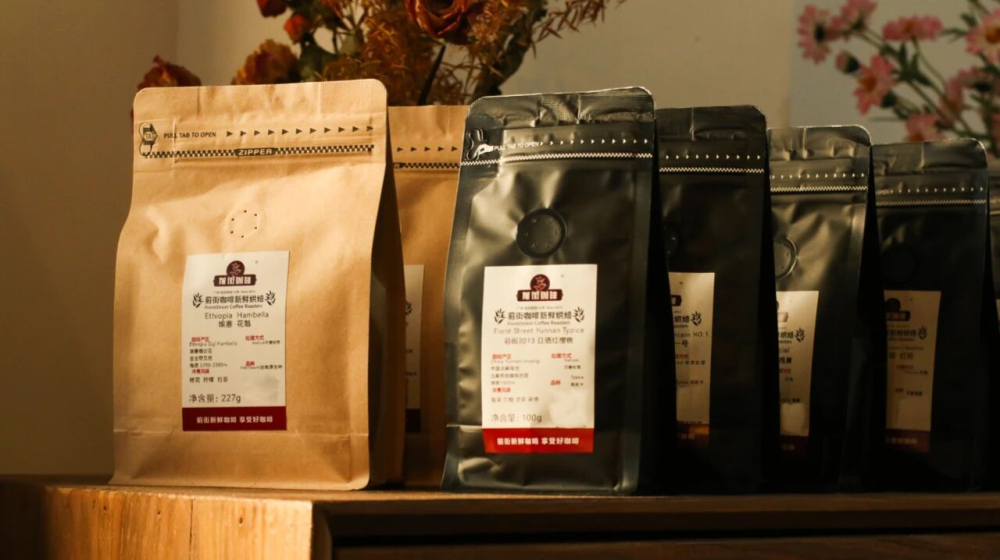
Regardless of the type of blend chosen, freshness is always a key factor influencing flavor performance. It’s recommended to prioritize products from reputable roasters and ensure the roast date is within 5 to 7 days of freshness. For storage, use an oxygen-proof airtight container, keep it away from light at room temperature, and try to use it within 2 to 3 weeks after roasting to achieve the best extraction results.
The above content is compiled by CoffeeHunters, a coffee news website.


