







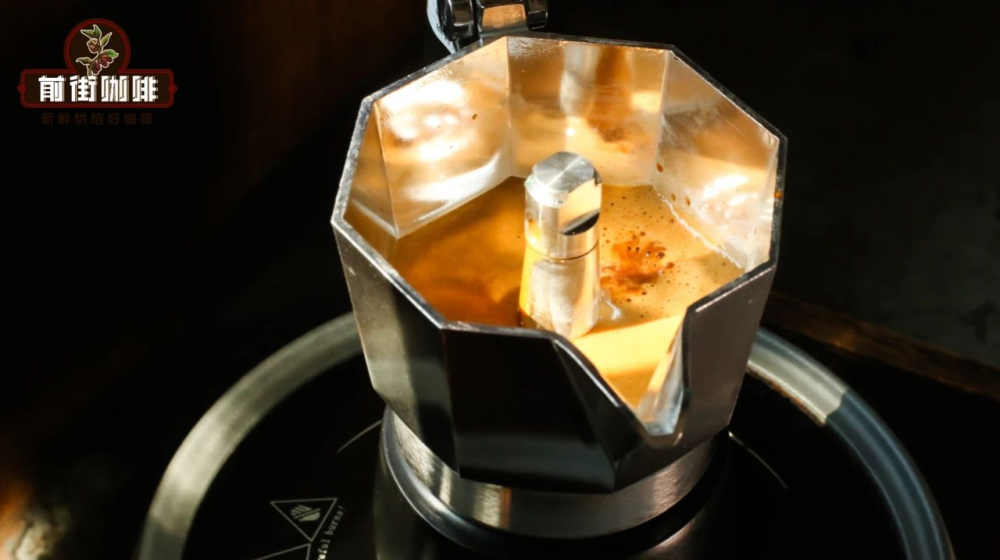
Introduction:Many coffee enthusiasts wonder: which can brew stronger coffee, a moka pot or an espresso machine? In fact, the two differ significantly in design principles, extraction effects, and ease of use. This article delves into the working mechanisms and concentration differences between them, and provides a detailed guide on how to correctly use a moka pot—from grind size, coffee loading techniques to heating control—to help you brew coffee at home that closely resembles café-quality espresso, especially suitable for beginners.
Both moka pots and espresso machines can produce richly flavored coffee, but they differ greatly in structure, usage, and extraction results. If you're aiming for an espresso with thick crema and an intense concentrated taste, then a high-performance espresso machine is an indispensable choice—these machines are usually more expensive, often starting at several thousand yuan. However, for users on a budget who still want to brew delicious black coffee at home using simple tools, the moka pot is a more cost-effective and easy-to-use solution.
The Basic Structure and Working Principle of the Moka Pot
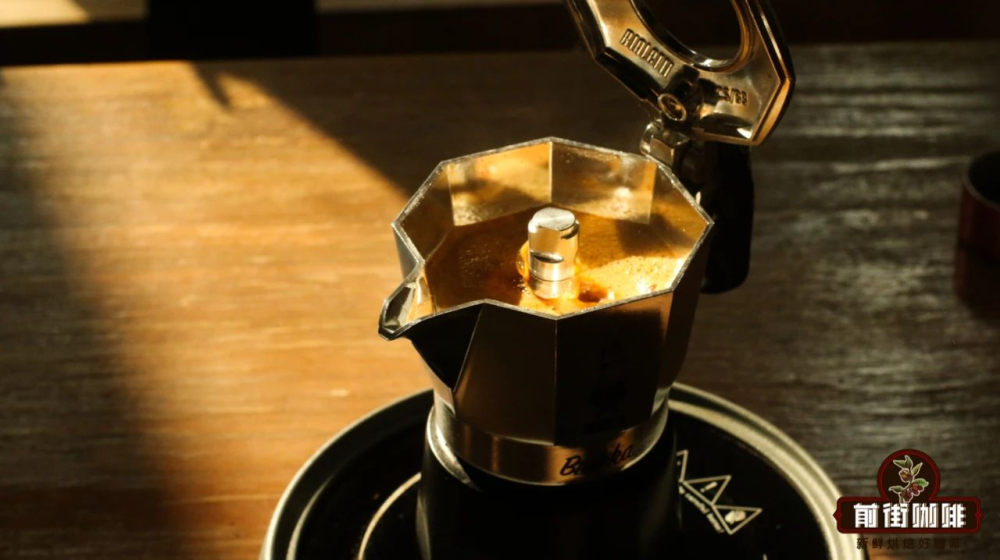
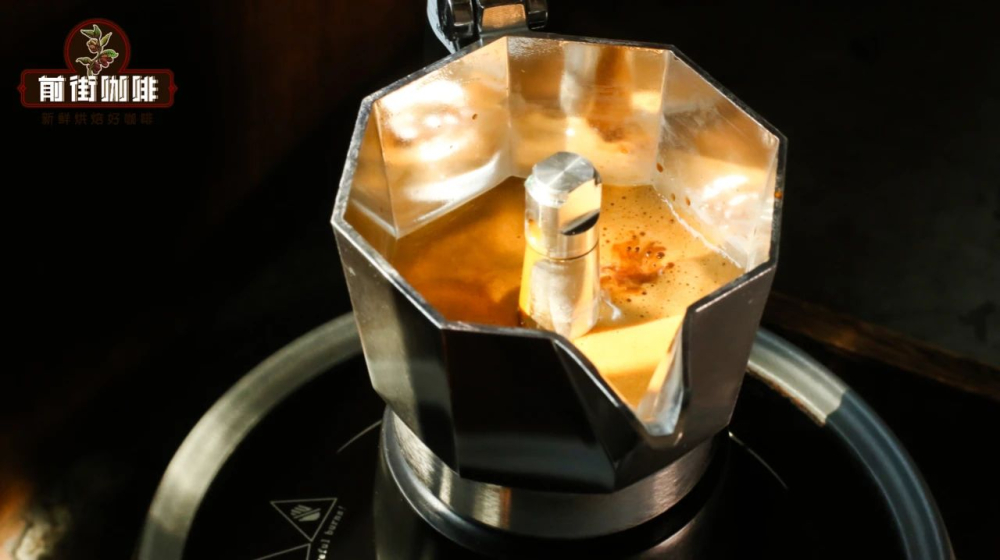
A moka pot mainly consists of three parts: the upper chamber, the filter basket, and the lower chamber. Common capacities are designed for three or six cups. The lower chamber holds water, the filter basket contains the coffee grounds, and the upper chamber collects the brewed coffee. When the lower chamber is heated, the water turns into steam, generating pressure that pushes the water through the coffee grounds in the middle, eventually flowing into the upper chamber to form a strong cup of coffee. During this process, the resistance the water encounters while passing through the coffee grounds helps extract more flavor compounds and oils.
The Extraction Logic and Characteristics of the Espresso Machine
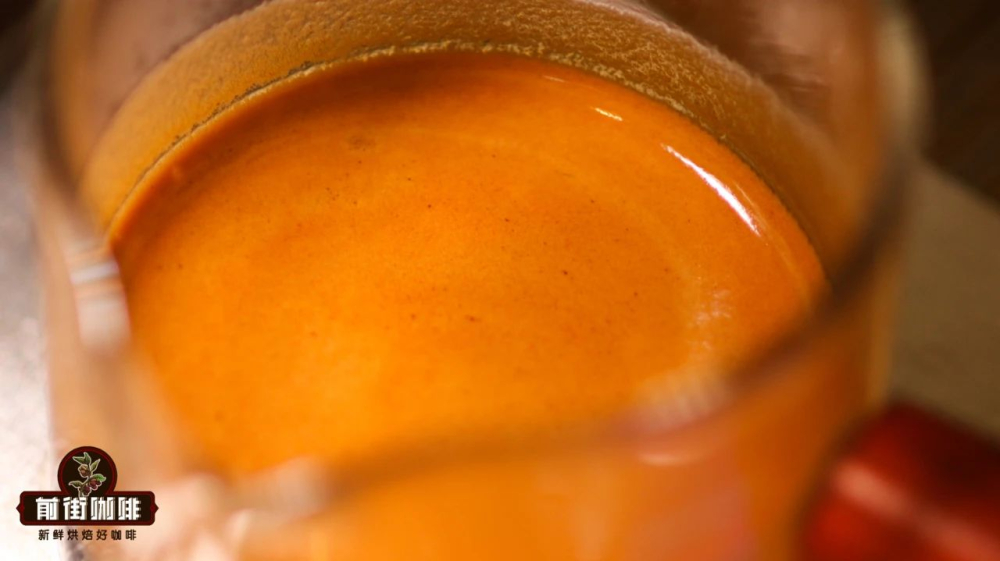
Compared to the moka pot, espresso machines generally produce coffee with higher concentration, thanks to their professional pressurized extraction system. A traditional espresso machine uses high pressure (about 9–10 bar) to push water heated to approximately 94°C quickly through finely ground coffee, extracting a thick, honey-like, dark espresso. This process not only brings out rich aromas and crema, but also serves as the base for many specialty coffee drinks like lattes and cappuccinos.
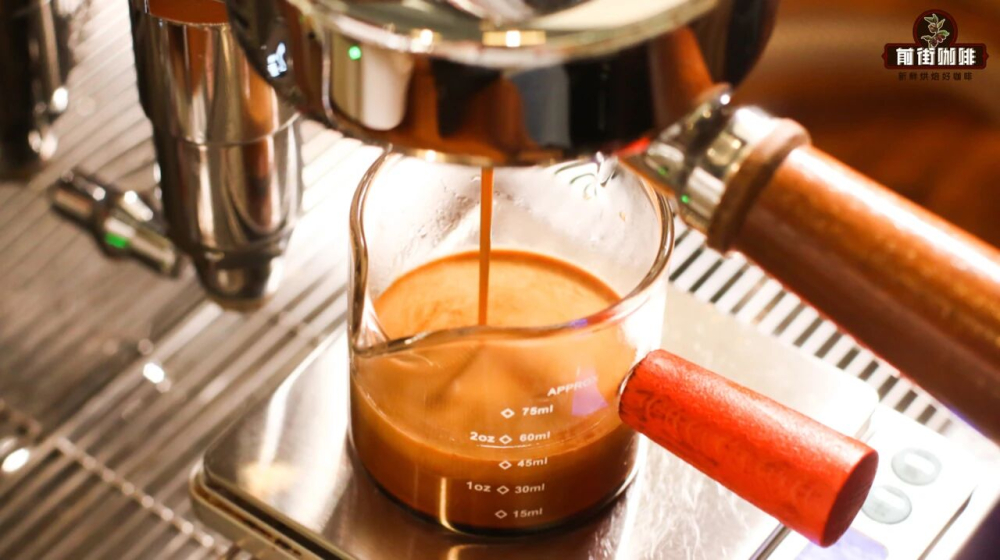
It’s worth noting that operating an espresso machine has a higher learning curve—not only do you need to master grind size, tamping pressure, and extraction time, but you also need to be familiar with the machine's characteristics. Therefore, beginners may need to spend more time practicing.
Moka Pot Usage Tutorial: A Complete Step-by-Step Guide from Filling Water to Brewing
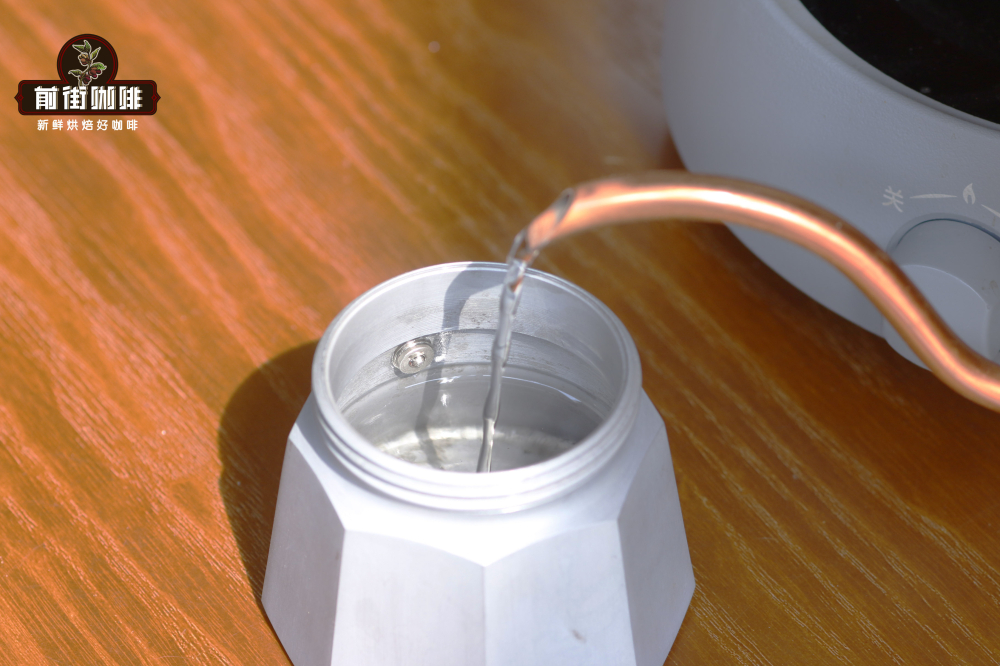
When using a moka pot, it’s recommended to first add an appropriate amount of warm water to the lower chamber—the water level should be below the safety valve. This not only shortens heating time but also prevents the coffee grounds from scorching too early due to overheating, which can result in bitterness. Note that the position of the safety valve is crucial—if the water level exceeds the valve, blockage in the filter basket could prevent pressure from being released, potentially leading to danger.
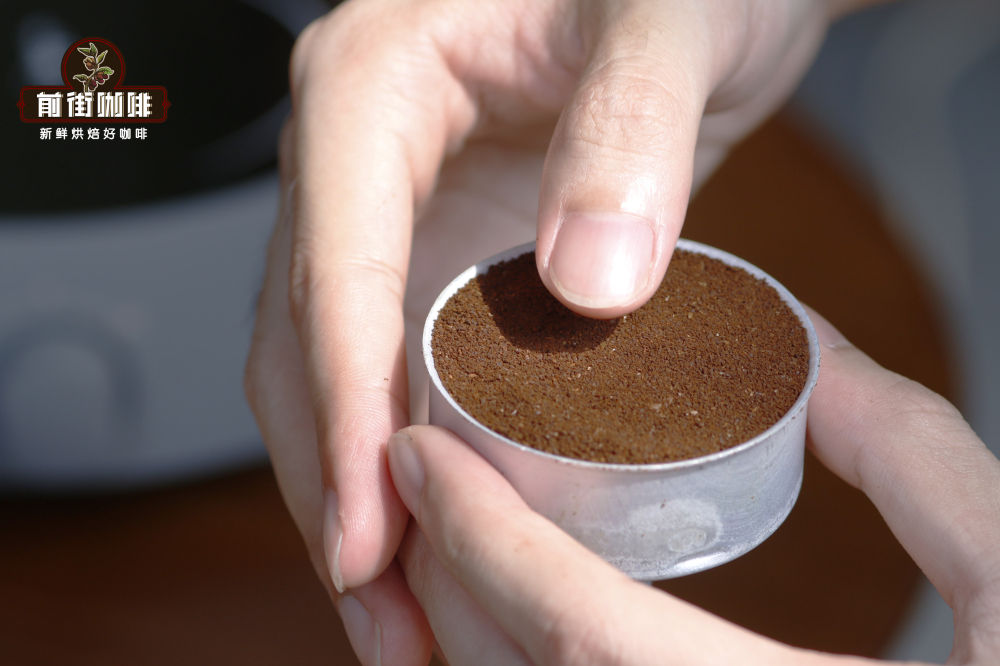
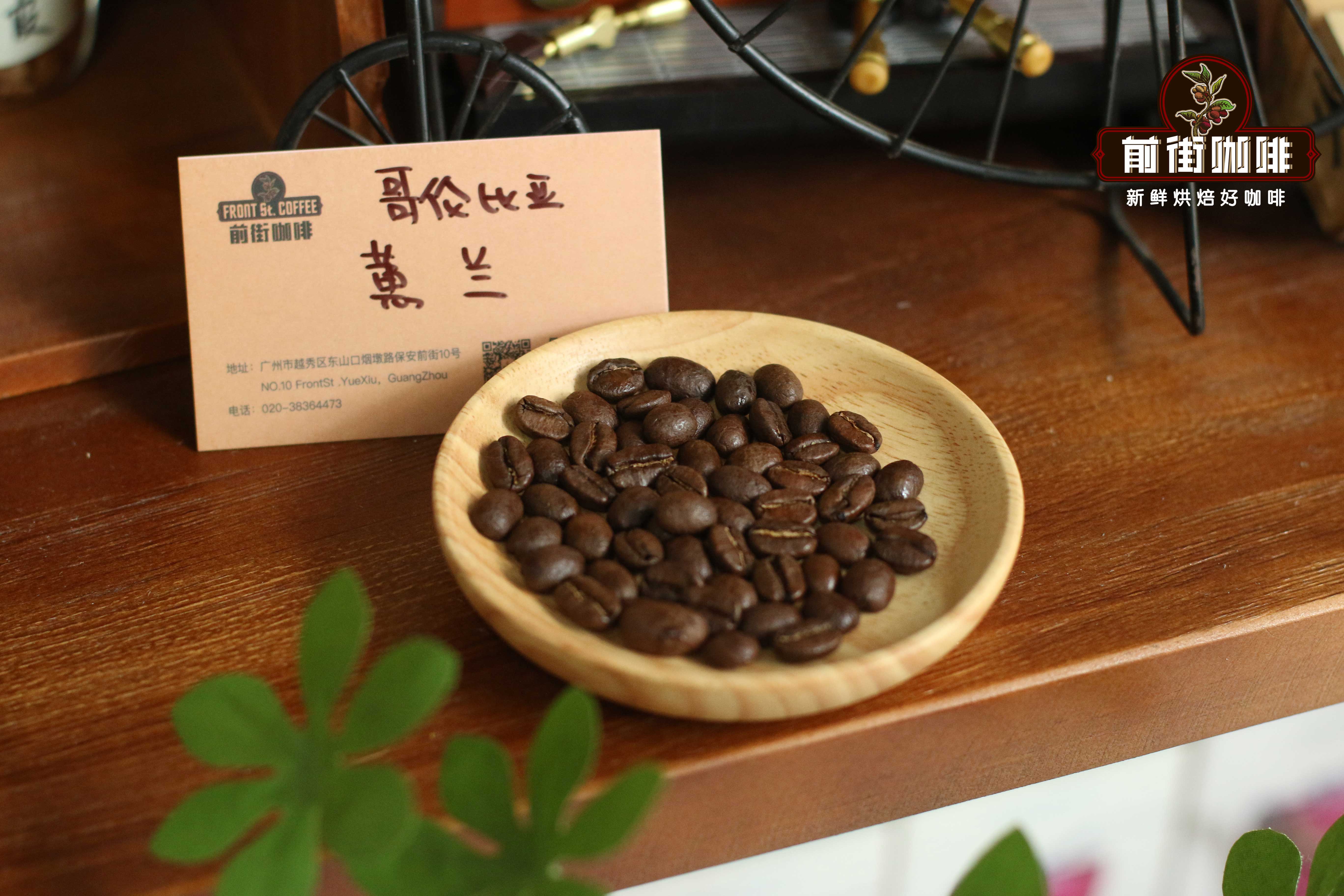
Next, choose a suitable coffee bean and grind size. It’s generally recommended to use medium-dark roasted blends or single-origin beans, with a grind size between pour over and espresso—roughly similar to the texture of fine sugar. If using a professional grinder like the EK-43s, it’s suggested to set the grind around setting 3. Fill the ground coffee evenly into the filter basket, and gently level it—there’s no need to tamp it down firmly, as this may affect water flow.
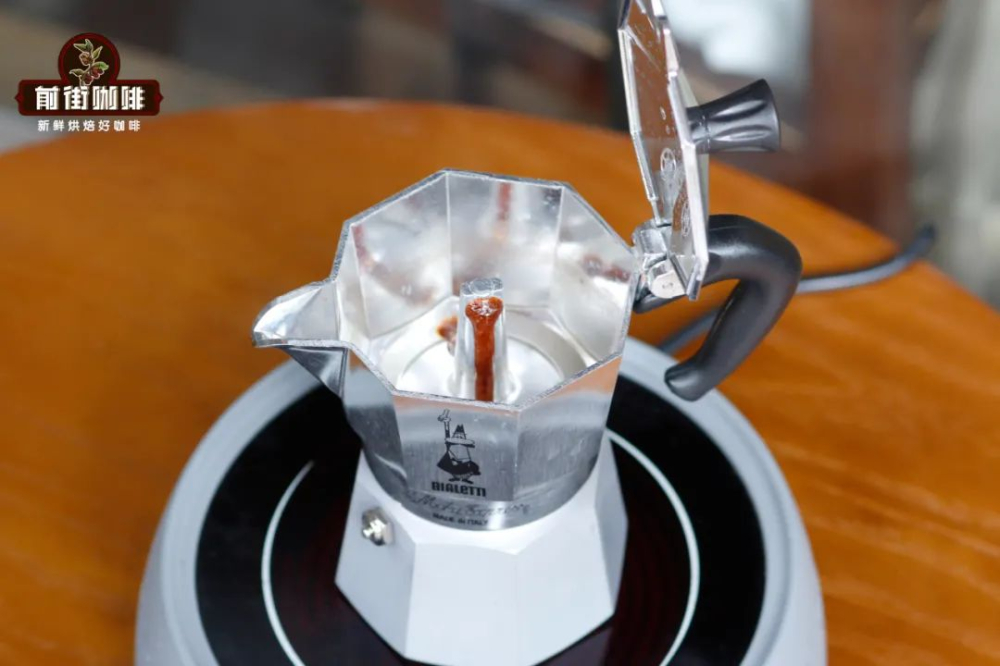
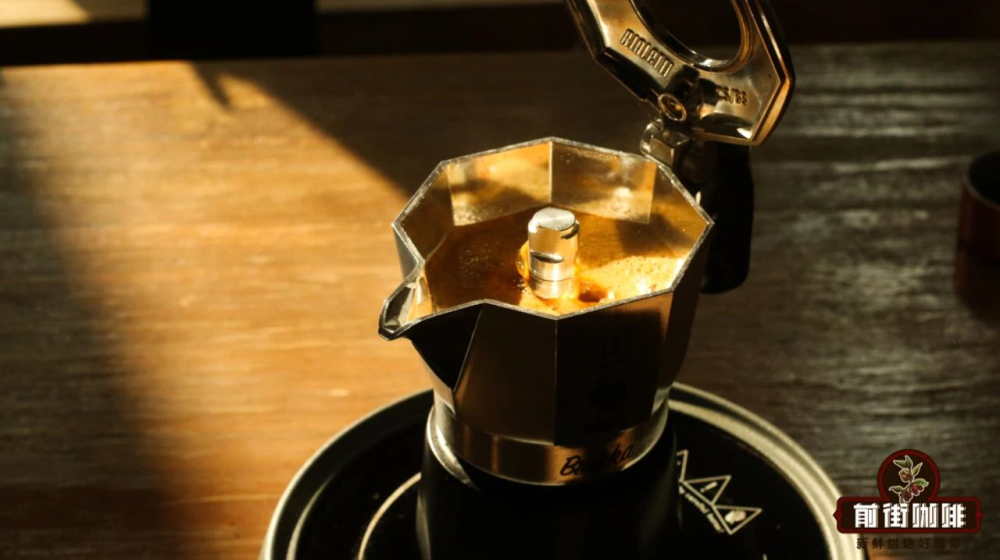
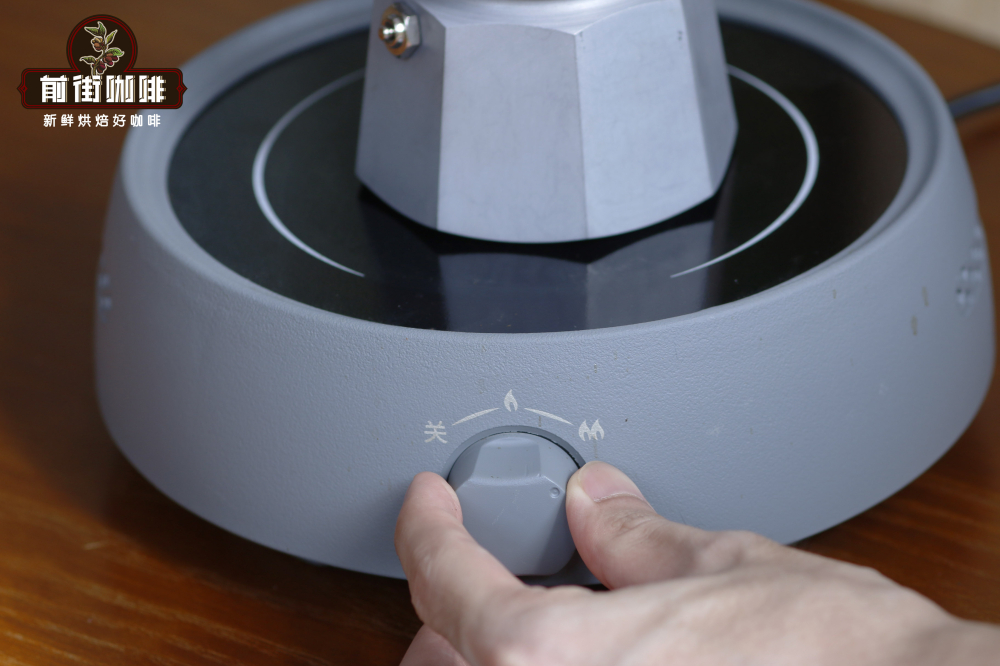
After loading the filter basket, tightly assemble the upper and lower chambers, and place the moka pot on a gas stove or induction cooktop to heat. If using an open flame, make sure to concentrate the heat at the bottom of the pot to avoid overheating and damaging the pot. When you hear a hissing sound from inside the pot, it means pressure is gradually building up—then reduce the flame and wait quietly as the coffee slowly flows into the upper chamber. Once the coffee reaches about halfway up the upper chamber, you can turn off the heat and let the residual heat complete the final extraction.
Common Issues and Usage Precautions
If you hear a whistling sound during heating but no coffee comes out of the upper chamber, it may be due to a blocked spout. In this case, stop heating immediately to avoid the risk caused by excessive internal pressure. Additionally, it’s recommended to thoroughly clean the moka pot after each use, especially the filter basket, filter plate, and rubber gasket, to prevent the buildup of coffee residue, mold, or odors, which can affect the quality and flavor of subsequent brews.
In summary, the moka pot is a convenient and efficient coffee brewing tool. Although it can’t fully replicate the high-pressure extraction effect of an espresso machine, it can still produce rich-tasting black coffee at home—especially suitable for beginners on a budget or those just beginning to explore the world of coffee. With the right grind size, coffee-to-water ratio, and heating technique, you can easily enjoy professional-grade coffee flavors.
The above content is compiled by CoffeeHunters, a coffee news website.


